Whether a Collie Visits Hospitals
Bringing your beloved Collie into a hospital environment as a therapy dog sounds like a wonderful, heartwarming goal, but the reality involves a lot more than just a sweet face and a wagging tail. Navigating the stringent requirements of healthcare facilities, understanding the specific temperament needed, and ensuring your dog is truly prepared can feel like a labyrinth. This guide will walk you through what it takes to determine if your Collie is cut out for hospital visits, the essential training, and the practical considerations to make this dream a safe and successful reality for everyone involved.
Understanding the Role of a Therapy Dog in Hospitals
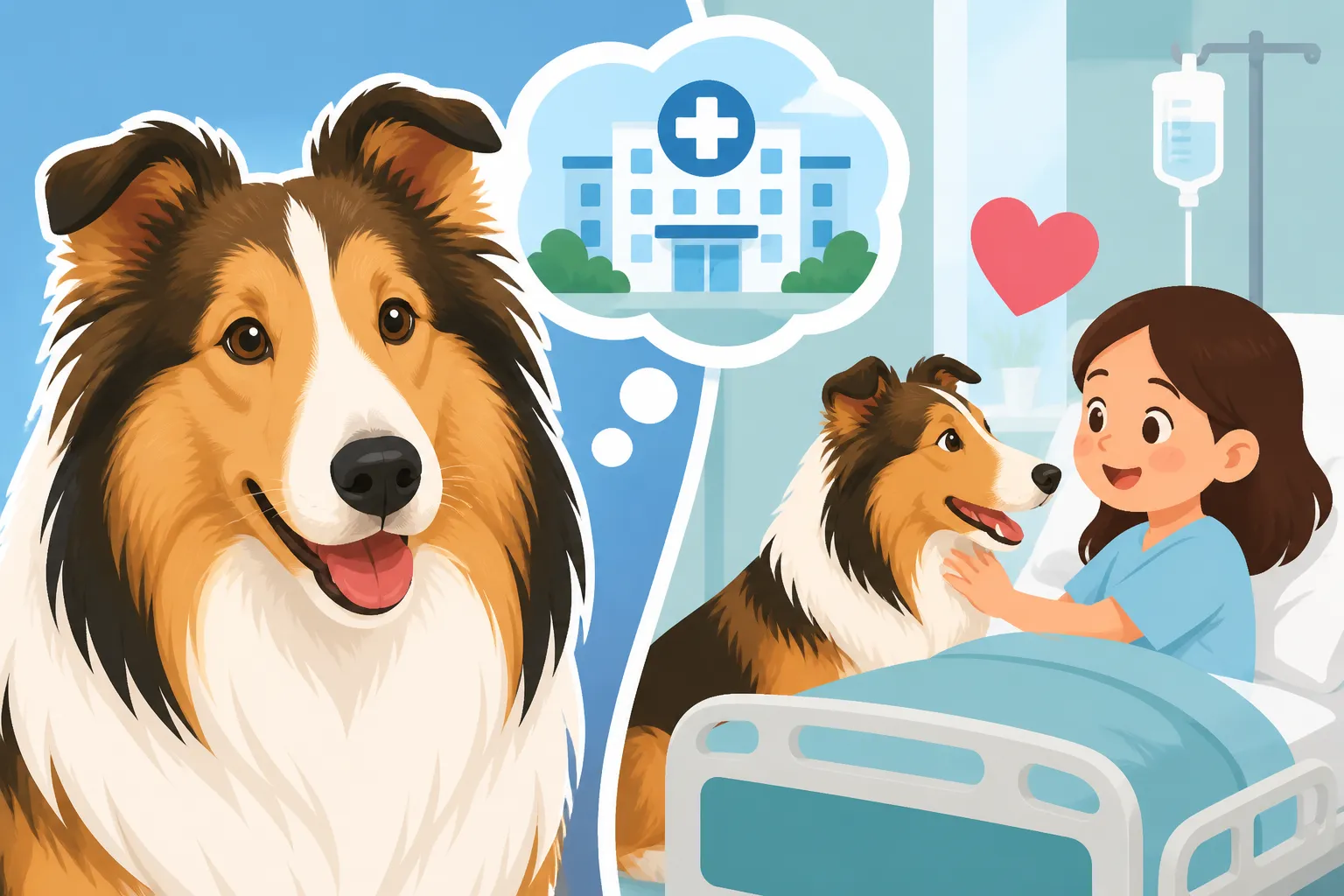
When we picture a therapy dog in a hospital, we often envision a calm, gentle presence bringing smiles and comfort. And while that's absolutely true, the role is far more nuanced, especially in a clinical setting. These aren't just pets; they're working animals with a serious job to do, impacting the emotional and sometimes even physical well-being of patients, families, and staff. They provide a much-needed distraction from pain, anxiety, and the sterile environment, fostering moments of joy and connection.
The Unique Environment of a Hospital
Hospitals are bustling, often unpredictable places, vastly different from a quiet home or a park stroll. Imagine a gurney rolling by, a sudden PA announcement, the smell of antiseptics, beeping machines, or people in various medical uniforms. For a dog, this cacophony of sights, sounds, and smells can be overwhelming. A therapy dog needs to be utterly unflappable, maintaining its composure amidst potential chaos. They might encounter people with unusual gaits, speaking loudly, or even in distress. The ability to remain calm and focused, even when a patient is crying or agitated, is paramount. It’s not just about tolerance; it’s about actively providing a soothing presence in spite of these distractions.
Distinguishing Between Therapy Dogs, Service Dogs, and ESAs
It's crucial to understand the distinct differences between these categories, as their roles and legal protections vary significantly.
- Service Dogs: These are individually trained to perform specific tasks for people with disabilities. Think guide dogs for the blind or mobility assistance dogs. They have public access rights under laws like the Americans with Disabilities Act (ADA) and are generally allowed anywhere the public is allowed. They are not pets; they are extensions of their handler.
- Emotional Support Animals (ESAs): ESAs provide comfort and emotional support simply by their presence. They do not require specific task training, and while they can be very important to their owners, they do not have the same public access rights as service dogs. They are typically only recognized for housing and sometimes air travel, with varying regulations.
- Therapy Dogs: This is where our Collies fit in. Therapy dogs are pets that, along with their handlers, volunteer to visit hospitals, nursing homes, schools, and other facilities to provide comfort and affection. They do not have federal public access rights, meaning they can only enter facilities that explicitly welcome them and have a therapy animal program in place. Their primary role is to interact with multiple people, offering a generalized calming presence. This distinction means that even if your Collie is perfectly behaved, a hospital is under no legal obligation to allow your therapy dog in without a formal program and invitation.
Is Your Collie the Right Candidate for Therapy Work?
While Collies possess many wonderful qualities, not every Collie, no matter how beloved, is suited for the demanding nature of hospital therapy work. It requires a specific blend of innate temperament and consistent training.
Ideal Temperament for a Therapy Dog
A successful therapy dog needs more than just basic obedience. They need an exceptional disposition. Look for these traits in your Collie:
- Extreme Calmness and Gentleness: This is non-negotiable. A therapy dog must be unreactive to sudden movements, loud noises, and unfamiliar smells. They should approach people gently, allowing all forms of appropriate petting, even clumsy ones, without shying away or getting startled. If your Collie tends to be nervous in new environments or with new people, hospital visits might be too stressful for them.
- Predictable and Stable Demeanor: Hospitals need to know what to expect. A dog that is usually calm but occasionally jumps up or barks excitedly isn't a good fit. Consistency is key. Your Collie should be steady, unflappable, and consistent in its reactions to different stimuli and interactions.
- Affectionate, But Not Overly Exuberant: While affection is central, an overly boisterous greeting can be detrimental, especially to fragile patients. A gentle lean, a soft muzzle nudge, or a quiet head resting on a lap is often more appropriate than enthusiastic licking or jumping.
- Tolerance for Handling: Patients might pet awkwardly, pull at fur accidentally, or even lean heavily. Your Collie must tolerate these interactions without showing any signs of discomfort, fear, or aggression. This includes being comfortable with people in wheelchairs, using walkers, or wearing medical equipment that might look strange or make noises.
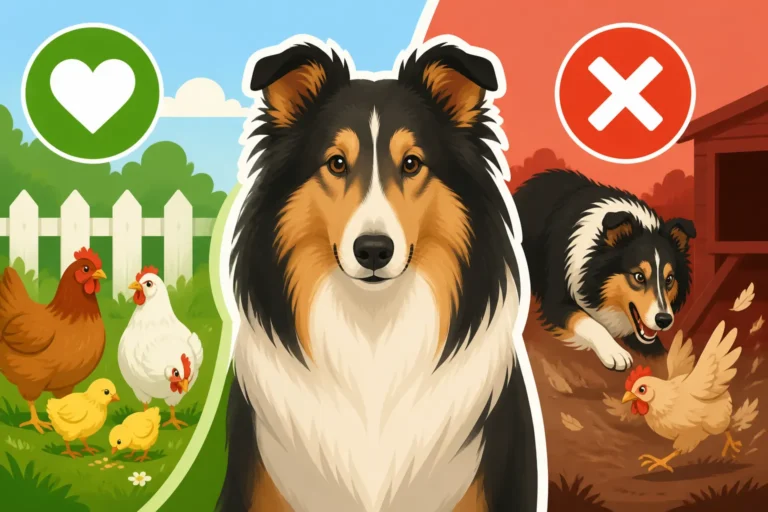
- Low Prey Drive: Hospitals can have small, quick-moving objects (like IV poles on wheels or even small children darting by). A dog with a high prey drive might be distracted or even tempted to chase, which is unacceptable in a therapeutic setting.
- Minimal Barking or Vocalization: Excessive barking can be disruptive and alarming in a quiet hospital environment. A therapy dog should be generally quiet, only vocalizing when truly necessary (e.g., a quiet "woof" to alert you to something important, not continuous "attention barks"). This is an area where Collies, known for their vocal tendencies, might need extra focus in training. The Bark Is the Trait Collie Owners Underestimate dives deeper into managing this.
Collie Specific Traits: Pros and Cons
Collies, with their gentle nature and strong bond with humans, often seem like perfect candidates for therapy work. However, there are nuances to consider:
Pros:
- Innate Sensitivity and Empathy: Collies are incredibly attuned to human emotions. They often seem to "read a room," sensing when someone needs comfort. This intuitive understanding is a huge asset. A Collie Reads a Room Better Than It Reads a Command speaks volumes to this inherent trait.
- Gentle Demeanor: Generally, Collies are known for being gentle and patient, especially with children and those who are vulnerable. This inherent kindness makes them naturally approachable.
- Intelligence and Trainability: Collies are intelligent and eager to please, making them highly trainable. They can quickly learn commands and adapt to new routines, which is essential for navigating hospital protocols.
- Beautiful Appearance: Let's be honest, a beautiful, well-groomed Collie often elicits immediate positive reactions. Their soft fur and classic looks can be incredibly soothing and inviting.
Cons:
- Potential for Timidity or Shyness: While generally friendly, some Collies can be reserved or shy around strangers or in novel situations. An ideal therapy dog needs to seek out interaction, not just tolerate it. If your Collie tends to be nervous or hesitant when meeting new people, this could be a significant hurdle. How to Build Confidence in a Nervous Collie offers insights into addressing shyness.
- Vocalization/Barking: Collies are herding dogs, and barking is part of their communication repertoire. While not all Collies are excessive barkers, it's a trait that needs careful management for hospital environments. Whether a Collie Can Be Taught a Quiet Cue could be a useful resource here.
- Sensitivity to Harshness: Collies are soft dogs and respond poorly to harsh corrections. Therapy dog training must be positive reinforcement-based, which aligns well with the breed's nature but means any handler must be patient and understanding. Harsh Handling Breaks a Collie and It Does Not Come Back emphasizes this point.
- Herding Instinct: While usually mild with people, the instinct to circle or nudge might appear if a patient is moving erratically or a child is running. This needs to be absolutely suppressed through training. Why a Collie Herds Your Children discusses how this instinct manifests and how to manage it.
The Path to Becoming a Certified Therapy Dog
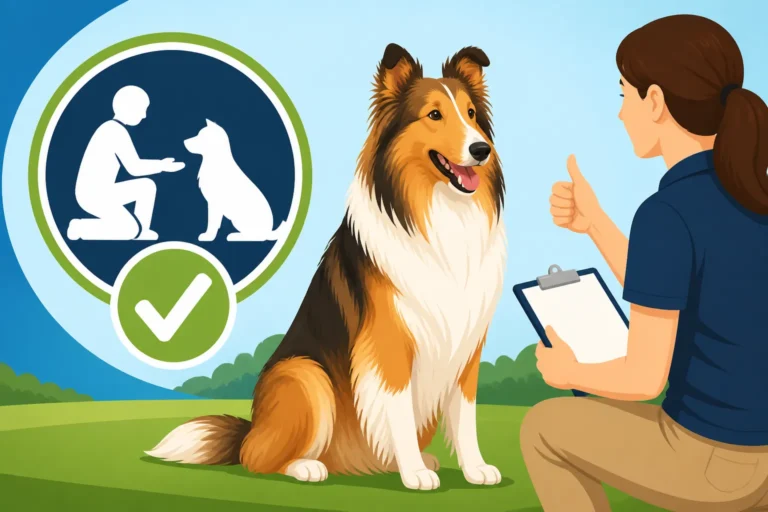
Once you've honestly assessed your Collie's temperament and believe they have the right stuff, the journey begins with solid training and ultimately, certification. This isn't just a formality; it ensures your dog is safe, reliable, and effective in a potentially challenging environment.
Foundational Obedience and Socialization
Before even thinking about therapy dog specific training, your Collie needs to master basic obedience and be thoroughly socialized.
- Rock-Solid Obedience: Your Collie should respond instantly and reliably to commands like "sit," "stay," "down," "come," and "leave it," even with significant distractions. "Loose leash walking" is also crucial, as you'll be navigating crowded hallways. Imagine a long corridor with a gurney coming towards you and a nurse trying to get by – your Collie needs to walk calmly by your side without pulling or getting distracted. Repetition in varied environments is key.
- Extensive Socialization: This isn't just about meeting other dogs. It's about exposure to a vast array of people, sights, sounds, and textures. Your Collie should be comfortable with:
- People of all ages (babies, toddlers, children, teenagers, adults, seniors).
- People of different appearances (hats, glasses, uniforms, medical masks, beards, different skin colors, wheelchairs, crutches, oxygen tanks).
- Loud noises, strange smells, slippery floors, crowded spaces.
- Being gently handled by strangers, including having paws touched, ears looked at, and being petted all over.
- Consider enrolling in puppy classes and then advanced obedience. Online programs, like those offered by BAXTER & Bella, can be excellent resources for foundational training and desensitization exercises you can do at home, even before you step foot in a formal class. They often provide modules that cover crucial socialization experiences, teaching you how to introduce your puppy to new sights and sounds in a positive way.
Therapy Dog Specific Training
Beyond basic obedience, therapy dog programs focus on specific behaviors and environmental desensitization relevant to hospital settings.
- "Leave It" and "Drop It": Essential for ignoring dropped pills, food, or medical equipment.
- "Visit" or "Go Say Hello": A cue that encourages a gentle approach to a patient.
- "Four on the Floor": Your Collie should keep all four paws on the ground unless specifically cued to do otherwise (e.g., gently placing paws on a bed for a patient to pet).
- Ignoring Distractions: Practicing remaining calm amidst loud noises, sudden movements, dropped objects, and tempting smells.
- Being Comfortable with Medical Equipment: Gradually introducing your Collie to wheelchairs, walkers, crutches, IV poles, and even hospital beds. Let them sniff and get used to these items in a positive way.
- Exposure to Different Textures and Surfaces: Hospitals have various floor types – tile, linoleum, carpet. Your Collie needs to walk confidently on all of them.
Certification and Registration
Becoming a certified therapy dog team involves an evaluation by a recognized therapy animal organization. These organizations have rigorous standards to ensure safety and effectiveness.
- Choosing an Organization: Reputable organizations like Pet Partners or Alliance of Therapy Dogs are widely recognized. They provide comprehensive evaluations and often require you to pass a Canine Good Citizen (CGC) test first, which is a great benchmark for obedience.
- The Evaluation Process: The evaluation will test your Collie's temperament, obedience, and reaction to a variety of simulated hospital scenarios. This might include:
- Greeting friendly and less-friendly strangers.
- Walking through a crowd.
- Staying calm around medical equipment.
- Tolerating being handled by multiple people.
- Reacting to loud noises or dropped objects.
- Your handling skills are also assessed, as you are an integral part of the team.
- Ongoing Requirements: Certification isn't usually a one-time deal. Most organizations require periodic re-evaluations, vaccinations, and health clearances to maintain active status. This ensures your Collie remains healthy and well-behaved.
Equipping Your Therapy Collie
Having the right gear is part of professionalism and safety.
- Appropriate Leash and Collar/Harness: A comfortable, non-restrictive harness or flat buckle collar with a sturdy leash is usually preferred. Avoid prong collars or head halters in a therapy setting.
- Therapy Dog Vest or Bandana: This clearly identifies your dog as a working therapy animal, signaling to staff and patients that they are welcome to approach (if appropriate) and that the dog has a purpose. Many suitable vests can be found on Amazon, often with pockets for carrying small items or identification cards.
- Grooming Supplies: A well-groomed Collie is essential for hygiene and presentation. Regular brushing to keep their coat clean and free of mats is vital. Four Tools and Twenty Minutes: Brushing a Rough Collie and A Collie's Coat Is the Bill That Arrives Every Eight Weeks offer extensive advice on coat care.
- Portable Water Bowl and Water: Hydration is important for your Collie during visits.
- Small, High-Value Treats: For positive reinforcement during training or discreet rewards during visits, if permitted by the facility.
Practical Considerations for Hospital Visits
Even with certification, actual hospital visits have their own set of rules and logistical challenges that need careful navigation.
Establishing Connections with Hospitals
You can't just show up at a hospital with your certified therapy Collie. You need to be part of an established program.
- Contact Volunteer Services: Start by contacting the volunteer services department of local hospitals or healthcare facilities. Inquire about their animal-assisted therapy programs or if they are open to starting one. Many hospitals have specific protocols in place to ensure patient safety and dog welfare.
- Understand Facility Rules: Each facility will have its own guidelines, which might include specific visiting hours, areas where therapy dogs are allowed (or prohibited, such as ICUs or sterile surgical areas), hygiene requirements (e.g., paw wipes, recent baths), and documentation needs.
- Health and Safety Protocols: Hospitals have strict infection control measures. Your Collie will need to be impeccably clean, up-to-date on all vaccinations (including Bordetella), and possibly on specific parasite preventatives. Some facilities might require a fecal exam or a veterinary health certificate before visits. You will also need to be vigilant about your own hygiene after each visit.
Managing a Collie During a Visit
Once you're cleared for a visit, your role as the handler is crucial for a successful and safe experience.
- Be Your Collie's Advocate: You are your Collie's voice and protector. Watch their body language for any signs of stress, fatigue, or discomfort. Even the best therapy dogs can have an off day. If your Collie seems tired or overwhelmed, it's time to take a break or end the visit.
- Maintain Control: Always keep your Collie on a leash and by your side. You are responsible for ensuring they don't wander into restricted areas or approach unwilling patients.
- Supervise Interactions: Never leave your Collie unsupervised with a patient. Guide interactions, ensuring both your dog and the patient are comfortable and safe. Teach patients how to gently pet your Collie. How a Collie Greets a Stranger outlines typical Collie social behavior.
- Hygiene Practices: Carry paw wipes and hand sanitizer. Wipe your Collie's paws before entering and after leaving patient rooms. Sanitize your hands frequently.
- Short Visits are Best: Especially when starting out, keep visits relatively short to prevent your Collie from becoming overstimulated or tired. Even a short 30-minute visit can be incredibly impactful for patients.
- Recognizing Your Collie's Limits: Understand that hospital visits can be mentally and physically draining for a dog. A Collie needs downtime and proper rest after a therapy session. Observe them for signs like excessive yawning, lip licking, panting, or turning away. This tells you they need a break.
Potential Challenges and How to Address Them
Even with the perfect Collie, challenges can arise.
- Unexpected Reactions: A patient might have an unexpected allergic reaction, an irrational fear of dogs, or an adverse emotional response. Be prepared to calmly withdraw your Collie from the situation immediately.
- Infection Control: Hospitals are germy places. Be meticulous about hygiene for both you and your Collie. Avoid letting your dog lick faces or open wounds.
- Ethical Considerations: Respect patient privacy. Never take photos or share details about patients. Maintain confidentiality at all times.
- Collie-Specific Issues: If your Collie struggles with excessive barking, dedicate extra training sessions to a "quiet" command. If they are prone to being a "shadow dog" and following you everywhere, reinforce "stay" and "place" commands to ensure they can settle calmly. Why a Collie Follows You From Room to Room discusses this common Collie trait.
Becoming a therapy dog team with your Collie is a deeply rewarding endeavor, offering immense comfort to those in need. It requires dedication, rigorous training, and a deep understanding of both your Collie's unique personality and the demanding hospital environment. With the right preparation, your gentle, empathetic Collie can indeed bring a ray of sunshine and healing into the lives of many.
Therapy Dog Readiness Checklist
To help you assess your Collie's readiness and guide your preparation, here's a handy checklist:
| Trait/Skill | Collie Assessment | Readiness (Yes/No/Working On It) |
|---|---|---|
| Temperament | ||
| Calmness | Does your Collie remain relaxed amidst novelty and noise? | |
| Gentleness | Approaches people softly, no jumping or rough play. | |
| Affectionate | Enjoys interaction with strangers, but not excessively boisterous. | |
| Tolerance for Handling | Comfortable with all types of petting, including clumsy or prolonged contact. | |
| Unreactive to Stimuli | Ignores loud noises, sudden movements, medical equipment (wheelchairs, IV poles). | |
| Low Prey Drive | Not tempted to chase small, fast-moving objects or people. | |
| Obedience & Training | ||
| Sit/Stay/Down | Reliable on command, even with distractions. | |
| Come | Instant, reliable recall. | |
| Leave It/Drop It | Ignores tempting items on the floor or offered inappropriately. | |
| Loose Leash Walking | Walks politely on leash without pulling in any environment. | |
| Quiet Cue | Can be cued to stop barking or remain silent. | |
| Socialization | Exposed to diverse people (ages, appearances) and environments (crowds, varied surfaces). | |
| Health & Hygiene | ||
| Up-to-Date Vaccinations | All necessary shots are current. | |
| Regular Grooming | Clean, well-maintained coat, nails trimmed. | |
| Parasite Prevention | On a consistent flea, tick, and heartworm preventative regimen. | |
| Overall Health | No underlying health issues that would cause discomfort or pose a risk in a hospital setting. | |
| Handler Preparedness | ||
| Understands Role | Clearly distinguishes therapy dog from service dog/ESA. | |
| Advocacy Skills | Can read Collie's body language and advocate for their needs. | |
| Patience & Empathy | Ready to handle challenging situations with calm and understanding. |
Disclaimer
This article is for general informational purposes only and does not constitute professional advice. Laws, prices and regulations vary by location and change over time. Consult a qualified professional for guidance on your specific situation.