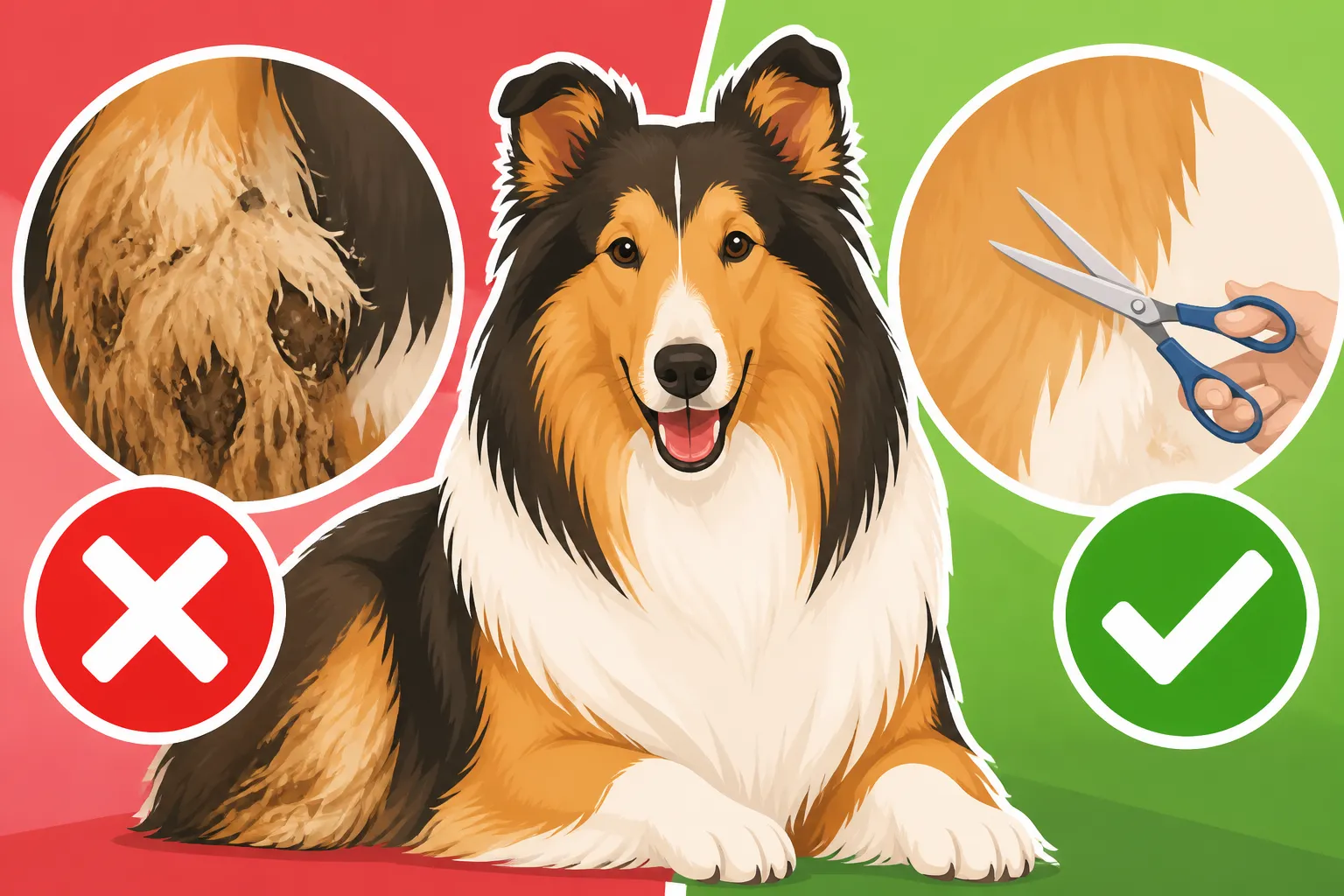
Whether a Collie’s Mats Should Be Cut Out
Oh, the sheer frustration of discovering a mat tangled deep in your beautiful Collie's coat! It's a common scenario, isn't it? You're brushing along, feeling good about your routine, and then your comb snags on a knot so dense and unyielding it makes your heart sink. The first thought for many is, "Can I just snip this out and be done with it?" This guide is here to walk you through why that's almost never the best idea and what humane, safe, and effective options you have for dealing with those troublesome mats.
Why Mats Form in a Collie's Beautiful Coat
It’s easy to feel like you’re doing something wrong when mats appear, especially if you're dedicated to your Collie's grooming. But the truth is, a Collie’s coat, with its glorious double layers, is practically a mat magnet. Understanding why they form can help you prevent them, or at least deal with them more effectively when they do show up. It’s not a reflection on your care; it's just the nature of this magnificent breed's hair.
Understanding the Collie Coat Structure
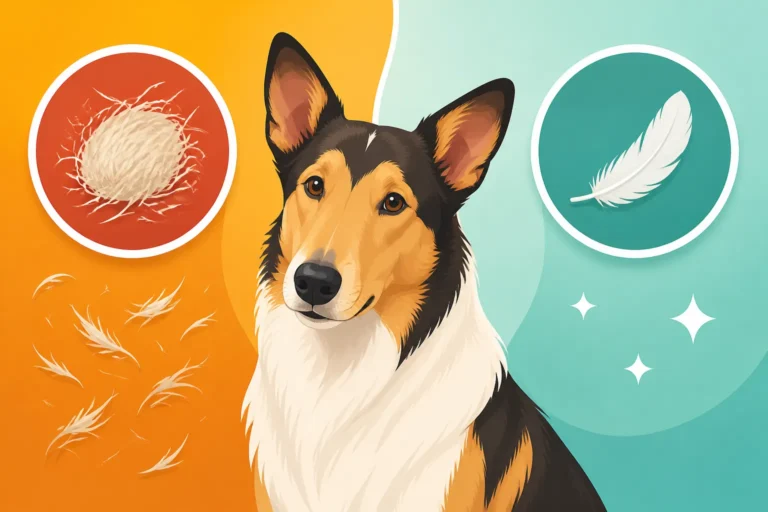
A Rough Collie’s coat is a marvel of nature, designed for protection against the elements. It consists of two distinct layers: a soft, dense undercoat that provides insulation, and a long, harsh outer coat (or guard hairs) that repels water and dirt. The smooth Collie has a similar structure, just with shorter guard hairs. When these two layers intertwine, especially as the undercoat sheds and gets caught in the longer outer coat, that's when trouble starts brewing. Think of it like a finely woven tapestry getting tangled with loose threads – it creates a dense, felt-like knot that pulls at the skin. This unique structure is what makes grooming such a critical part of their care, and why skipping a session or two can quickly lead to problems. You can learn more about this in A Collie's Coat Is the Bill That Arrives Every Eight Weeks.
Common Areas Where Mats Love to Hide
Mats don't just pop up anywhere; they have their favorite hiding spots, often in areas of high friction or behind the cover of thick feathering. Knowing these common trouble zones is like having a secret weapon in your grooming arsenal, allowing you to pay extra attention where it's needed most. You'll often find them lurking behind the ears, where the hair is softer and finer, and movement constantly rubs the coat together. The "frill" around their neck and chest is another prime location, especially where collars or harnesses rub. Don't forget the "petticoat" on their hindquarters, the feathering on their legs, and even in their armpits and groin area. These are all places where the coat is particularly dense or experiences constant friction, creating the perfect storm for mat formation.
Factors That Contribute to Matting
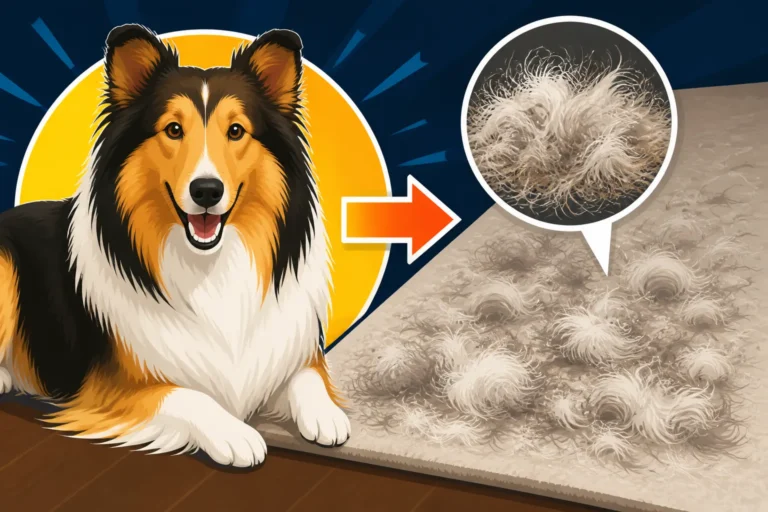
Beyond the natural coat structure, several factors can accelerate matting. Weather, for one, plays a huge role. Humid conditions can make the coat feel stickier and more prone to tangles, while rainy walks can turn loose undercoat into felted patches if not dried properly. Seasonal shedding, particularly during the biannual "coat blow," is another major culprit. During these times, vast amounts of undercoat are released, and if not brushed out diligently, they will quickly knot up. Activities like rolling in the grass, swimming, or even just wearing a harness can all contribute to friction and subsequent matting. Even a slight skin irritation can cause a Collie to scratch or rub, which in turn causes mats. Regular grooming is not just about aesthetics; it's a vital part of health maintenance, especially during these challenging periods. The Three Weeks Twice a Year When a Collie Buries Your House delves deeper into coat blowing.
The Real Dangers of Cutting Out Mats Yourself
It’s tempting, isn’t it? That rogue mat looks like an easy fix with a pair of scissors. You just want to relieve your Collie of the discomfort and get on with your day. However, as someone who has seen the consequences firsthand, I can tell you that reaching for household scissors is a decision fraught with risk. What seems like a quick solution can easily turn into a trip to the emergency vet, causing far more stress and expense than you ever anticipated.
The Risk of Skin Injuries and Infection
The biggest danger when attempting to cut out a mat is accidentally cutting your Collie’s skin. Mats are often much tighter and closer to the skin than they appear, sometimes pulling the skin up into the mat itself like an accordion. Even if you try to get a finger under the mat, the skin can be so thin and delicate that it's nearly impossible to avoid. A small nick can become a deep laceration, leading to bleeding, pain, and a significant risk of infection. Your Collie might jump or move unexpectedly, leading to an even worse injury. These wounds often require veterinary attention, stitches, and antibiotics, turning a simple grooming issue into a medical emergency. It's a risk that is simply not worth taking.
Leaving Uncut Hair Behind Can Cause More Trouble
Even if you manage to snip a mat without causing injury, the likelihood is you won't remove the entire mat. What's left behind is often a ragged, uneven patch of hair that can act as a new anchor for future mats. These partially cut mats can be even harder for a professional groomer to deal with, as the shortened, blunt ends of the hair can tangle even more aggressively with the surrounding coat. It creates a cycle of matting that's frustrating for both you and your Collie, making the coat increasingly difficult to manage. Instead of solving the problem, you've inadvertently created a more challenging long-term grooming issue.
The Psychological Impact on Your Collie
Beyond the physical risks, trying to hack out a mat can be a deeply traumatic experience for your Collie. They trust you. When you try to cut through a painful mat with scissors, especially if you accidentally pull or nick them, that trust can be severely damaged. This can lead to them becoming fearful or aggressive during future grooming sessions, making even routine brushing a battle. A dog that associates grooming with pain or fear will dread it, transforming a bonding activity into a source of anxiety. It's crucial to maintain a positive association with grooming, even if it means seeking professional help for tough mats. Learning How to Teach a Collie Puppy to Lie Still for Grooming can help establish good habits early.
Professional Dematting: What to Expect and How It Helps
When you encounter a mat that's too stubborn for careful brushing and detangling, the safest and most humane route is almost always to enlist the help of a professional groomer. They have the specialized tools, techniques, and experience to address matting with minimal discomfort to your Collie. This isn't just about saving you the headache; it's about ensuring your dog's well-being and maintaining a positive grooming experience.
The Groomer's Approach to Dematting
A professional groomer will first assess the severity and location of the mats. For mild to moderate mats, they’ll often use a combination of detangling sprays, conditioners, and specialized tools like a mat splitter or a dematting comb. They work slowly and patiently, isolating the mat and gently teasing it apart, strand by strand, to minimize pulling on the skin. This process, known as line brushing, is incredibly effective but requires skill and time. Many groomers carry high-quality products from brands like Chewy or can recommend specific detanglers available on Amazon that they find effective. They understand the nuances of a Collie’s double coat and how to navigate its challenges without causing pain or fear. Their goal is always to preserve as much of the coat as possible while thoroughly removing the mats.
When Shaving Down is the Only Humane Option
Sometimes, however, mats are too extensive, too tight, or too close to the skin to be safely brushed out. In these severe cases, a professional groomer will honestly tell you that shaving the coat down is the only humane option. This can be heartbreaking for a Collie owner, as it means losing that glorious coat, but it’s often the kindest thing you can do for your dog. Attempting to brush out extreme matting would cause immense pain and could even injure the dog's skin.
The groomer will use professional clippers with a specialized blade to carefully clip beneath the mats, freeing your Collie from the painful pulling. They are trained to navigate the skin folds and fragile areas safely. While the result might not be what you envisioned for your beautiful Collie, it provides immediate relief from the constant discomfort and potential health issues caused by severe matting. Remember, A Collie Is Never Trimmed and Never Shaved usually, but severe matting is an exception that prioritizes welfare over aesthetics.
Finding a Collie-Savvy Professional
Not all groomers are created equal, especially when it comes to handling a double-coated breed like a Collie. It’s crucial to find a professional who understands the unique challenges of their coat type and is experienced in dematting without resorting to harsh methods or unnecessary shaving unless absolutely required for humane reasons. Ask for recommendations from other Collie owners, local breed clubs, or your veterinarian. When you contact a groomer, ask specific questions about their experience with Collies, their approach to matting, and what tools they use. A good groomer will be transparent and happy to discuss their process, and might even invite you for a consultation to assess your Collie’s coat before booking a full appointment. Building a relationship with a skilled groomer is an invaluable investment in your Collie's comfort and coat health.
Prevention is Key: Keeping Those Pesky Mats Away
The old adage "an ounce of prevention is worth a pound of cure" couldn't be more true when it comes to Collie coats. While professional dematting is a lifesaver for existing tangles, the real goal is to prevent them from forming in the first place. Establishing a consistent and effective grooming routine is the cornerstone of a happy, mat-free Collie. It's a commitment, but one that truly pays off in the long run.
Daily Brushing: Your First Line of Defense
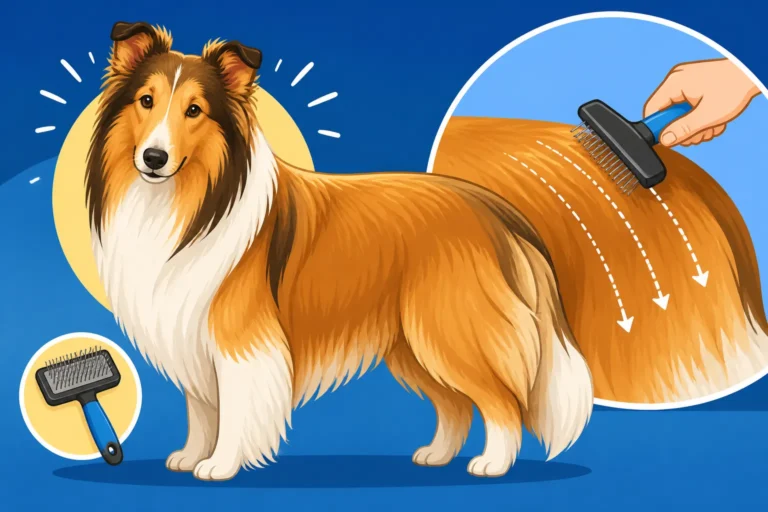
Regular brushing is the single most important thing you can do to prevent mats. For a Rough Collie, "regular" often means daily, or at least every other day, especially during shedding season. This isn’t just a quick once-over; it needs to be a thorough line-brushing session that gets down to the skin. You’re aiming to remove loose undercoat before it has a chance to bind with the outer coat and form tangles. A smooth Collie might not need daily attention, but regular checks and brushing are still essential to prevent their shorter, denser undercoat from packing. Think of it as a mini massage for your Collie, a time to bond and check for any skin issues that might be hiding under all that fluff. Consistency is far more effective than trying to tackle a week's worth of tangles in one marathon session. How Often a Rough Collie Should Be Brushed provides a great routine.
The Right Tools Make All the Difference
Having the correct grooming tools is non-negotiable for a Collie owner. Forget flimsy brushes; you need sturdy, effective equipment. Here’s a basic toolkit that most Collie owners swear by:
| Tool Category | Purpose | Key Features | Why it's essential for Collies |
|---|---|---|---|
| Pin Brush | Daily grooming, detangling, general coat maintenance | Long, rounded pins; typically rectangular or oval head | Glides through the outer coat without pulling, helps lift mats. |
| Slicker Brush | Removing loose undercoat, light mats, fluffing | Fine, bent wire bristles on a flat or curved head | Effective for gently working through denser areas and undercoat. |
| Metal Comb | Checking for mats, finishing, detail work | Wide and fine tooth sections, sturdy metal | The ultimate "mat checker," ensures you've gotten to the skin. |
| Undercoat Rake/Tool | Removing significant amounts of dead undercoat during shedding | Multiple blunt blades or long teeth, varying designs (e.g., deshedding rake) | Crucial for preventing deep mats by extracting shed undercoat. |
Brands like Furminator (for undercoat tools), Chris Christensen (for high-quality pin and slicker brushes), and even general pet supply stores on Chewy or Amazon offer excellent options. Investing in quality tools will make grooming more efficient and comfortable for both you and your Collie. Remember to use them correctly – line brushing with a pin brush, then following up with a slicker and finally a comb to ensure no mats are missed.
Bathing Without Creating New Problems
Bathing a Collie is an art form in itself, and done incorrectly, it can actually cause mats. The key is to thoroughly brush out any existing tangles before the bath. Water tightens mats, making them nearly impossible to remove once wet. Use a high-quality shampoo and conditioner formulated for dogs, ensuring you rinse thoroughly to avoid skin irritation. When drying, never rub the coat with a towel, as this will tangle it. Instead, blot gently, then use a high-velocity dryer to blow out the excess water and separate the hair, preventing it from clumping as it dries. If you don't have a force dryer, copious towel blotting followed by diligent brushing as the coat air dries is critical. This helps ensure that the undercoat isn't left damp and packed, which is a recipe for mat disaster. Bathing a Collie Without Wrecking the Coat offers a detailed guide.
When a Mat Becomes a Medical Emergency
While most mats are a grooming nuisance, there are times when matting can escalate into a serious health issue, demanding immediate veterinary attention. It’s vital for every Collie owner to recognize these critical situations, as ignoring them can lead to prolonged suffering and potentially life-threatening complications for your beloved companion. Don't ever hesitate to call your vet if you suspect your Collie is in distress due to matting.
Severe Matting: Beyond a Bad Hair Day
When matting becomes severe, it's more than just an aesthetic problem; it becomes a literal straightjacket for your dog. Mats can pull constantly on the skin, causing extreme discomfort and pain. They can restrict movement, making it difficult for your Collie to walk, run, or even lie down comfortably. Underneath these dense mats, the skin can't breathe. This creates a dark, moist, and unventilated environment that is a breeding ground for bacteria, yeast, and parasites. You might not see these issues because they are hidden, but your dog will be suffering. This kind of severe, untreated matting isn't just unpleasant; it's a form of neglect that can have profound impacts on your Collie's quality of life.
Signs Your Collie Needs Immediate Vet Attention
How do you know when a mat has gone from a bad hair day to a medical emergency? Look for these critical signs:
- Skin Redness, Irritation, or Sores: Lift the edge of the mat if possible, or gently feel around it. If the skin beneath is red, inflamed, or has open sores, that's a red flag.
- Foul Odor: A strong, unpleasant smell emanating from the matted areas often indicates a bacterial or yeast infection underneath.
- Pain Upon Touching: If your Collie cries out, tries to bite, or flinches significantly when you gently touch or even approach a matted area, they are in considerable pain.
- Behavioral Changes: Lethargy, loss of appetite, reluctance to move, or increased irritability can all be signs of discomfort and pain from severe matting or underlying skin infections.
- Swelling: Any swelling in the matted area could indicate infection, abscess formation, or even impaired circulation.
- Maggots or Parasites: In warm, humid conditions, severe mats can attract flies, leading to maggot infestations (myiasis), which is a serious emergency.
If you observe any of these symptoms, skip the groomer and head straight to the vet. They can sedate your Collie if necessary to remove the mats safely and address any underlying skin conditions.
The Long-Term Health Consequences of Neglect
Ignoring severe matting can lead to a cascade of health problems. Chronic skin infections can become deep-seated and difficult to treat, sometimes leading to systemic infections. The constant pulling of mats can lead to hematomas (blood blisters) under the skin, especially around the ears, which are incredibly painful and often require drainage. Restricted movement over time can exacerbate joint issues, lead to muscle atrophy, and negatively impact your Collie's overall physical conditioning. In extreme cases, mats can even cut off circulation to limbs or digits, potentially leading to tissue death. Beyond the physical, the constant pain and discomfort will take a toll on your Collie's mental health, leading to chronic stress and anxiety. Regular, proactive care, even when it feels like a chore, is an act of profound love for your Collie and prevents these dire outcomes. The Weeks a Collie Puppy First Shows Dermatomyositis and Whether a Collie's Skin Lesions Scar Permanently discuss other skin conditions, but matted coats can certainly contribute to general skin health decline.
Disclaimer
This article is for general informational purposes only and does not constitute professional advice. Laws, prices and regulations vary by location and change over time. Consult a qualified professional for guidance on your specific situation.