Whether a Collie Has Won Best in Show at Westminster
A Collie has won Best in Show at the Westminster Kennel Club Dog Show. The win is part of the breed’s show history, not just its familiar association with Lassie. Here’s what the result means, how a Collie earns the title, and why one Westminster victory doesn’t tell you everything about the breed or its place in modern dog shows.
Yes, a Collie Has Won Westminster Best in Show
The Collie’s Westminster win
A Rough Collie named Ch. Laund Loyalty of Bellhaven won Best in Show at Westminster in 1929. That makes the answer to the question a clear yes: a Collie has reached the top award at one of the most prominent dog shows in the United States.
Westminster’s Best in Show is awarded to one dog from the eligible group winners. A Collie first competes against other dogs in its breed, then—if it wins that class—against other herding dogs. To take Best in Show, it must go on to win against the finalists representing the other groups. It’s a long sequence of judging, not a popularity vote or a simple comparison of which dog looks most like a famous fictional character.
A single win is also different from saying that Collies regularly dominate the competition. Westminster’s top award has gone to dogs from many breeds over the show’s history. The Collie’s win is a notable milestone, but it doesn’t mean that Collies are perennial Best in Show favorites.
Why the result is more than a Lassie story
Many people picture Lassie when they hear “Collie,” and that connection has shaped public ideas about the breed. But a Westminster champion is judged as an individual dog against a breed standard, not as a stand-in for a movie or television character. The judge is looking at the dog’s structure, movement, condition, and overall impression, among other qualities.
That distinction matters because a show ring and a screen play different roles. A dog portrayed as a heroic family companion doesn’t automatically have the qualities needed to win a conformation show. Likewise, a Best in Show champion is not necessarily the right match for every household. Temperament, exercise needs, grooming, health, and the owner’s circumstances all matter when choosing a dog.
If you’re curious about how the fictional image compares with real life, Whether People Expect a Collie to Be Lassie explores the expectations that can follow the breed. The short version: Collies can be affectionate, attentive companions, but they’re still individuals—not scripted characters who always know what to do next.
What Westminster Best in Show Actually Recognizes
The path from breed class to Best in Show
A dog’s route through Westminster begins with competition among dogs of the same breed. Judges assess how closely each entry fits its breed standard. The winner advances through the group judging, where it competes with the winners of other breeds in the same group. The Collie belongs to the Herding Group.
Winning the Herding Group is a major accomplishment, but it isn’t the final award. The group-winning dogs then compete for Best in Show. In other words, a Collie needs to win several stages before it can claim the top prize. Each stage tests the dog in a different comparison: first against its own breed, then against the larger group, and finally against dogs representing other groups.
For a viewer, it can be tempting to focus on the dramatic final moment: the lineup, the judge’s decision, and the winning dog’s reaction. But the result reflects the whole progression through the show. It also reflects a judge’s evaluation of the dogs presented in that particular competition—not a permanent ranking of breeds.
What judges are evaluating
Conformation judging considers whether a dog’s physical features and movement fit the written standard for its breed. For a Collie, that means looking at the overall balance and outline, as well as details such as head, expression, coat, and movement. A judge assesses the dog in motion and while standing, rather than deciding on appearance from a single glance.
Presentation can influence what the judge is able to see. A clean, well-groomed coat, practiced ring handling, and a dog that can move comfortably on lead help show the animal clearly. Those things don’t replace sound structure or turn a poor fit for the standard into a good one, but they can make the dog’s qualities easier to assess.
This is one reason dog-show results shouldn’t be mistaken for a broad verdict on the breed. The award recognizes the individual dog that the judge selects from the dogs entered and shown that day. It doesn’t measure which breed is healthiest, easiest to live with, most intelligent, or best suited to a particular family.
| Westminster stage | What the Collie competes against | What a win means |
|---|---|---|
| Breed judging | Other Collies entered in the breed | The dog advances as the breed winner |
| Herding Group judging | Winners from other herding breeds | The dog advances as the group winner |
| Best in Show judging | The other group winners | The dog receives the show’s top award |
Why the Collie Is a Distinctive Show-Ring Dog
A working background behind the elegant outline
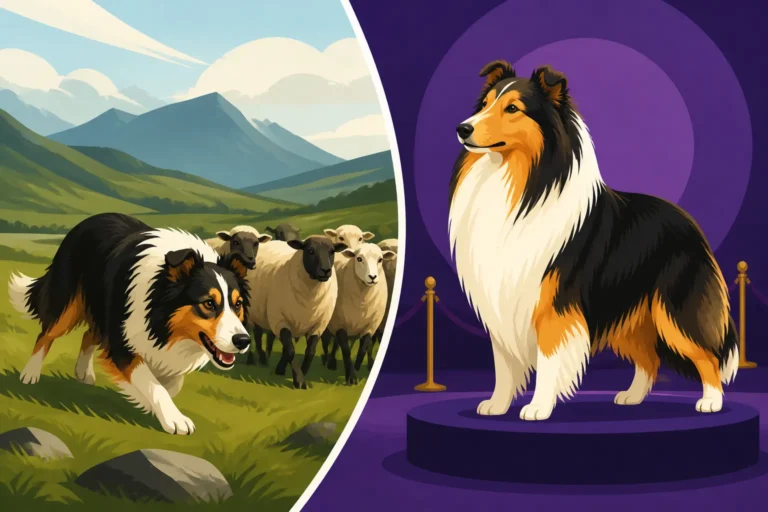
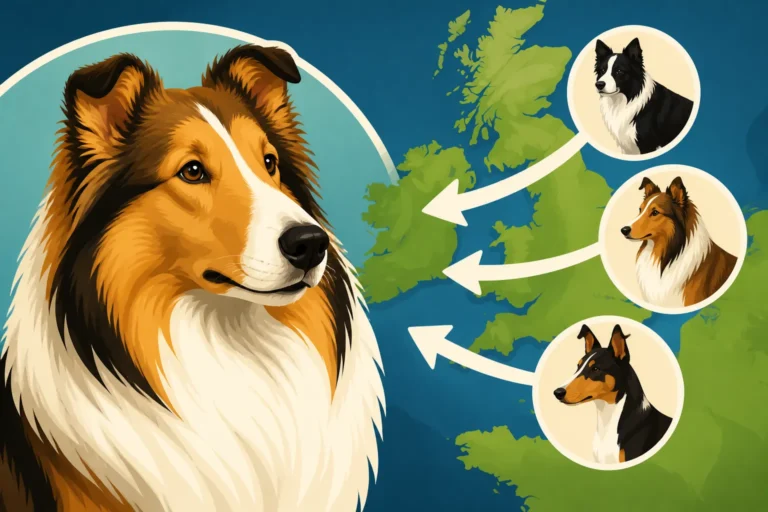
The Collie’s show-ring appearance is tied to a practical past. Collies developed as working dogs in Scotland, where they were valued for their ability to manage livestock and work alongside people. Their history helps explain why the breed is known not only for its outline and coat but also for alertness and responsiveness. For more context, see The Collie Was a Scottish Droving Dog Before It Was a Show Dog.
A dog’s ancestry doesn’t mean every modern Collie needs a job on a farm. Many live as companions, and their needs vary from one dog to another. Still, understanding the breed’s working roots can help explain why some Collies enjoy training, structured activities, and being included in family routines. A pretty coat alone doesn’t describe the whole dog.
The show ring rewards a particular presentation of the breed, but daily life asks different questions. Will this dog settle in your home? Can you keep up with coat care? Does its energy level work with your schedule? Those practical considerations matter whether a Collie has won a major show or never stepped into a ring.
Rough and Smooth Collies
The Rough Collie is the variety most people recognize from classic images: a long outer coat, a noticeable mane, and feathering on the legs and tail. The Smooth Collie has a short, dense coat. The two are varieties of the same breed, rather than separate breeds, and both belong in discussions of Collies and their history. Rough and Smooth Are Two Varieties of One Collie explains the distinction in more detail.
Laund Loyalty of Bellhaven was a Rough Collie. That detail can be useful when people talk about the breed’s Westminster result, because “Collie” can refer to either variety. It doesn’t mean the Smooth Collie is less of a Collie or incapable of competing in conformation. Both varieties are assessed according to the applicable breed standard and show rules.
Coat type also affects the work involved in keeping a Collie comfortable and tidy. Rough Collies generally need more hands-on coat maintenance to prevent tangles and mats, especially around areas where long hair rubs together. Smooth Collies still shed and need routine grooming, even if their shorter coat is less elaborate. The two varieties share more than their name, but their coats are a real day-to-day difference for owners.
Breed standards and the changing show world
A breed standard gives judges a shared description of the ideal dog. It helps keep judging from becoming a matter of personal preference alone, though interpretation still involves human judgment. Standards also connect today’s show dogs to a breed’s history while describing the physical traits breeders and judges aim to preserve.
The Collie’s standards and show culture have developed over time. To understand those changes, Whether the Collie Standard Has Changed Since 1900 is a useful next read. The history of the breed itself also includes discussions about how show breeding influenced appearance; Whether Victorian Breeders Crossed Borzoi Into the Collie covers a frequently asked question about that period.
For a prospective owner, however, show-ring ideals should be only one part of the decision. A winning outline can be beautiful, but a successful life with a dog depends on a practical match between the animal and the household. Whether a Collie Suits a First Time Owner can help you think through that broader question before choosing a puppy or adult dog.
How to Interpret the Collie’s Westminster Achievement
A championship does not make every Collie a show dog
A Best in Show winner represents a remarkable result for one dog, but most Collies are not show champions. Some owners compete in conformation; others enjoy training, herding activities, obedience, or simply having a companion at home. A dog can be a wonderful Collie without ever being entered in a show.
Even among show dogs, titles don’t tell the whole story. Westminster success can reflect the dog’s quality, preparation, handling, and the judge’s evaluation. It doesn’t guarantee a particular temperament, eliminate inherited health concerns, or predict how well the dog will fit into your home. Those details require separate research and conversations with responsible breeders or rescue organizations.
If you’re learning about the breed because you’re considering one, look beyond show results. Ask how the dog behaves in ordinary settings, what kind of coat care it needs, what health information is available, and how it responds to the people and animals around it. Those answers are more useful for matching a dog to your life than a ribbon alone.
A win in history, not a promise about future results
Laund Loyalty of Bellhaven’s win is a point of pride in Collie history. It shows that a Collie has competed successfully through Westminster’s demanding stages and received its highest award. It does not promise that another Collie will win in a future competition, or that a dog from a particular line will be a champion.
Show outcomes depend on the dogs entered, the competition on the day, and the judging decisions. Different breeds may take turns receiving attention and top honors across different years. That variety is part of the show’s appeal, but it also means that one historical result should be treated as exactly that: a record of one dog’s achievement.
So, if someone asks whether a Collie has won Best in Show at Westminster, the answer is yes. The Collie’s 1929 victory is a meaningful part of the breed’s show history—and a good reminder that the dog behind the famous image has a real working heritage, a distinctive standard, and needs that extend well beyond the ring.
Disclaimer
This article is for general informational purposes only and does not constitute professional advice. Laws, prices and regulations vary by location and change over time. Consult a qualified professional for guidance on your specific situation.