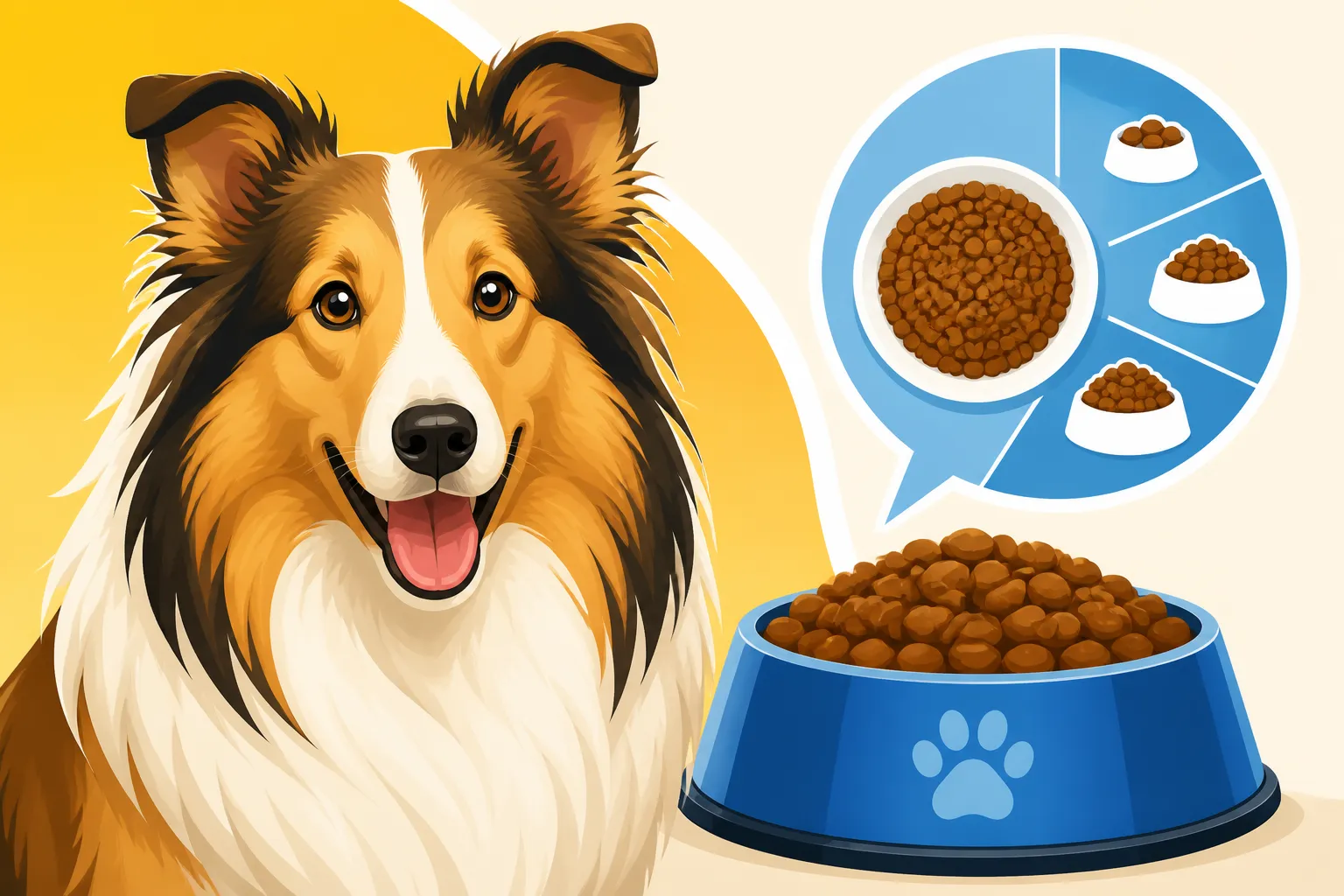
How Much an Adult Collie Eats
One of the biggest worries new Collie owners face, and even those who've had a few, is trying to figure out just how much food their beautiful, often large, dog actually needs. It’s not just about filling a bowl; it’s about ensuring they get the right nutrition without overfeeding or underfeeding, which can be surprisingly tricky when you consider their unique build and varying activity levels. This guide will walk you through the nuances of feeding an adult Collie, helping you understand the key factors that dictate their daily intake, from their energy output to the quality of their kibble.
Understanding Your Adult Collie's Nutritional Needs
Feeding an adult Collie isn't a one-size-fits-all equation, despite what some feeding charts on the back of dog food bags might suggest. Collies are a distinct breed with their own set of physiological requirements, influenced by their heritage as herding dogs, even if many today are cherished family companions rather than working sheep. Their nutritional needs are primarily geared towards maintaining a healthy weight, supporting their often abundant coat, and fueling their characteristic intelligence and moderate energy levels.
The Role of Protein and Fat
When you look at dog food labels, protein and fat content are two of the most prominent numbers you'll see. For an adult Collie, a good quality protein source is absolutely essential. We're talking about muscle development and repair, maintaining a strong immune system, and contributing to that glorious coat. Look for named meat sources like chicken, beef, or lamb as the first ingredient. A diet that's too low in protein can lead to a dull coat, muscle loss, and general lethargy – not exactly the vibrant, graceful Collie we all adore.
Fat, on the other hand, provides concentrated energy and is crucial for nutrient absorption, especially fat-soluble vitamins. It also plays a huge role in skin and coat health, helping to keep that Collie coat shiny and soft. However, too much fat without corresponding activity can quickly lead to weight gain, especially in Collies who might prefer a leisurely stroll over an intense romp. Finding the right balance is key; you want enough to provide sustained energy and a healthy coat, but not so much that your dog packs on the pounds. The ratio of protein to fat is something experienced breeders and vets often discuss, aiming for a balance that supports their moderate metabolism.
Carbohydrates, Vitamins, and Minerals
While protein and fat often steal the spotlight, carbohydrates are an important energy source for Collies, especially for those who are more active. Complex carbohydrates, like whole grains, vegetables, and legumes, provide sustained energy and fiber, which is vital for digestive health. Fiber helps keep things moving smoothly through their system and can contribute to a feeling of fullness, which can be helpful if you have a Collie who tends to be a bit food-motivated.
Beyond the macronutrients, a balanced diet must include a comprehensive array of vitamins and minerals. These micronutrients are the silent workers, supporting everything from bone health and nerve function to vision and immune response. For example, calcium and phosphorus are critical for skeletal integrity, especially for a larger breed like the Collie. Antioxidants, often found in fruits and vegetables, help combat cellular damage, and a healthy balance of B vitamins supports energy metabolism. It’s truly a symphony of nutrients, all working together to keep your Collie thriving. A high-quality commercial dog food will already have these balanced, but if you're ever considering a home-prepared diet, it becomes a much more complex puzzle to ensure complete nutritional adequacy.
Factors Influencing How Much Your Collie Should Eat
Calculating the exact amount of food for your adult Collie is more art than science, relying on several key factors that make each dog unique. It's not just about their size; it's about their whole lifestyle. Overlooking any of these can lead to a dog who's either too thin or, more commonly, carrying a few extra pounds under all that beautiful fur.
Age and Life Stage
The nutritional demands of a Collie change quite a bit as they move through different life stages. A young adult Collie, say from one to three years old, might still have a very active metabolism, burning through calories with ease as they explore the world and perhaps even compete in dog sports. Their energy levels are often at their peak, and they might require a bit more food to maintain their ideal weight. As a Collie enters middle age, typically around six or seven years old, their metabolism naturally starts to slow down. They might not be as eager for those long, vigorous play sessions, and their caloric needs will decrease. Continuing to feed them the same amount of food they ate as a young adult is a surefire way to see the pounds creep on. Then, when they reach their senior years, usually around nine or ten, their activity further declines, and their bodies become less efficient at processing nutrients. At this stage, you might need to adjust their diet to a senior-specific formula that's lower in calories but potentially higher in certain beneficial nutrients like joint support supplements. Caring for a Collie Past Nine touches on other aspects of senior care.
Activity Level and Metabolism
This is arguably the single biggest determinant of how much your Collie needs to eat. Think about it: a Collie who spends most of their day napping on the sofa or enjoys a couple of leisurely walks around the block is going to need significantly fewer calories than one who's actively training for agility, participating in herding trials, or going on long, challenging hikes every day. A highly active Collie might require up to twice the calories of a sedentary one, just to maintain their weight and energy.
Moreover, individual metabolism plays a role. Just like people, some Collies are "easy keepers" and can put on weight even on moderate food intake, while others are "hard keepers" and struggle to maintain weight despite eating a lot. This individual metabolic rate is often genetic, but it can also be influenced by underlying health conditions. This is where truly observing your dog comes in. Are they bouncy and energetic after meals? Or are they crashing, suggesting their energy stores aren't quite adequate? Are they constantly begging, or do they leave food in the bowl? These are all clues.
Food Quality and Caloric Density
Not all dog foods are created equal, and this significantly impacts the volume of food your Collie needs. A premium quality dog food, often formulated with high-quality protein, digestible carbohydrates, and balanced fats, is typically more calorically dense and nutritionally complete. This means your Collie can get all the nutrients they need from a smaller quantity of food. Conversely, a lower-quality food might contain more fillers, less digestible ingredients, and fewer calories per cup, meaning you'd have to feed a much larger volume to meet your dog's caloric requirements.
Always check the "guaranteed analysis" and ingredient list on the bag. A food with 25% protein and 15% fat will have a different caloric density than one with 20% protein and 8% fat. Higher quality foods might seem more expensive per bag, but because you feed less, the daily cost can sometimes be comparable, and the nutritional benefits are often superior. Brands available through online retailers like Chewy often provide detailed nutritional breakdowns, allowing you to compare and choose wisely.
Choosing the Right Food for Your Adult Collie
With so many dog food options on the market, it can feel like navigating a maze. From kibble to fresh food, grain-free to limited ingredient, the choices are seemingly endless. But selecting the right food for your adult Collie goes beyond just reading clever marketing slogans; it involves understanding what truly benefits their health and specific needs.
Dry Kibble, Wet Food, or Fresh Food
Each type of food comes with its own set of pros and cons, and what works best for one Collie might not be ideal for another.
- Dry Kibble: This is by far the most popular and convenient option. It's cost-effective, easy to store, and helps keep teeth cleaner due to its abrasive texture. The caloric density can vary greatly, so always check the label. When choosing kibble, look for formulas designed for medium to large breeds, ensuring appropriate nutrient ratios and kibble size. Many reliable brands offer excellent kibble options for Collies.
- Wet Food: Often more palatable and hydrating, wet food can be a good choice for picky eaters, Collies with dental issues, or those who need extra moisture in their diet. However, it's typically less calorically dense than kibble, meaning you might need to feed a larger volume, and it can be more expensive. It's also less helpful for dental health.
- Fresh Food (Cooked or Raw): The fresh food movement has gained traction, with companies like Ollie delivering pre-portioned, human-grade meals. Proponents argue that fresh food is less processed, more digestible, and provides superior nutrient absorption. For a Collie, this can mean a shinier coat, better digestion, and perhaps a more enthusiastic eater. However, fresh food is often significantly more expensive and requires careful handling and storage. If considering a raw diet, extensive research and veterinary consultation are crucial to ensure it’s balanced and safe.
Ultimately, the "best" type of food is the one your Collie thrives on, maintaining a healthy weight, good energy, a shiny coat, and solid stools.
Grain-Inclusive vs. Grain-Free
The debate between grain-inclusive and grain-free diets has been a hot topic for years.
Initially, many pet owners switched to grain-free options believing them to be healthier or more "natural" for dogs. The idea was that grains were just fillers and could cause allergies. However, grains, especially whole grains, provide valuable carbohydrates, fiber, and nutrients for many dogs. Unless your Collie has a diagnosed grain allergy (which is relatively rare compared to protein allergies), there's generally no medical reason to avoid grains. In fact, some research has linked certain grain-free, legume-heavy diets to concerns around canine dilated cardiomyopathy (DCM) in some breeds, though the science is still evolving.
It's always best to consult your veterinarian before making a drastic dietary change, especially if you're considering a grain-free diet. A balanced grain-inclusive diet from a reputable brand is perfectly healthy for most Collies.
Breed-Specific Formulas and Large Breed Considerations
While there aren't many truly Collie-specific food formulas out there, looking for "large breed" or "active breed" formulas can be beneficial. These are often designed with a specific balance of protein, fat, and minerals like calcium and phosphorus to support the growth and maintenance of larger dogs. For puppies, a large breed puppy formula is critical to ensure slow, steady growth and prevent orthopedic issues. For adult Collies, large breed formulas often account for their moderate activity levels and joint health, sometimes including glucosamine and chondroitin.
However, be realistic about your Collie's actual lifestyle. If your Collie is a couch potato, a highly caloric "active breed" formula might lead to weight gain. It's about matching the food to the dog, not just the breed category. You might find a high-quality all-life-stages food or a regular adult formula that suits your Collie perfectly, regardless of a "large breed" label. Don't be afraid to read reviews from other Collie owners or consult with your vet or breeder for recommendations; sites like Amazon offer a vast selection, allowing you to easily read customer feedback and compare products.
Monitoring Your Collie's Weight and Adjusting Portions
Feeding a Collie effectively is an ongoing process of observation and adjustment. Their needs aren't static; they change with the seasons, with age, and even with shifts in household routine. The goal is to keep them at their ideal body condition, which is a key indicator of good health and longevity.
The Rib Test and Body Condition Scoring
Forget the number on the scale for a moment; the most reliable way to assess your Collie's ideal weight isn't a fixed number, but rather their body condition. This is where the "rib test" comes in handy. You should be able to easily feel your Collie's ribs with light pressure, almost like feeling the back of your hand, without seeing them prominently. If you can't feel the ribs without pressing hard, your Collie is likely overweight. If you can see the ribs clearly without touching, they're likely underweight.
Beyond the ribs, look at their waistline. From above, your Collie should have a noticeable tuck behind their ribs, like an hourglass shape, not a straight or bulging line. From the side, their abdomen should tuck up, rather than sagging. There are official body condition scoring (BCS) charts, often rated on a 1-to-5 or 1-to-9 scale, that veterinarians use. Aim for a BCS of 4-5 out of 9, or 2.5-3 out of 5. Don't let all that beautiful fur fool you; Signs a Collie Is Overweight Under All That Coat can help you learn how to feel for their body shape.
When and How to Adjust Portions
Once you've assessed your Collie's body condition, you can make informed decisions about their food intake.
If your Collie is gaining unwanted weight, the first step is often to slightly reduce their daily food portion, usually by about 10-15%. Don't do it drastically. Give it a few weeks, and then re-evaluate their body condition. You might also consider increasing their exercise, if appropriate. If your Collie is too thin, increase their portion by a similar small percentage and monitor.
It's also important to consider treats. Treats contribute calories! If you're giving a lot of training treats or bedtime biscuits, these calories need to be factored into their daily intake, perhaps by reducing their main meal slightly. Another consideration is the number of meals per day. While some people feed adults once a day, splitting their daily portion into two meals can help with digestion and prevent them from feeling overly hungry, potentially reducing the risk of conditions like bloat, which is a serious concern for deep-chested breeds like Collies. Bloat in a Deep Chested Collie is a vital read for all Collie owners.
If you find yourself constantly adjusting without success, or if your Collie is showing other symptoms like lethargy, a dull coat, or changes in stool, it's definitely time for a vet visit. There could be underlying health issues impacting their weight or metabolism.
| Body Condition | Appearance | Ribs | Waistline | Action |
|---|---|---|---|---|
| Too Thin | Ribs, spine, hip bones visible. Little to no fat. | Easily visible, no fat covering. | Severe abdominal tuck. | Increase food gradually (10-15%), vet check if persistent. |
| Ideal | Well-proportioned. Muscular. | Easily palpable with light pressure, not visible. | Noticeable tuck behind ribs. | Maintain current feeding. |
| Overweight | Ribs not easily palpable. Broader waist. | Hard to feel without firm pressure, may be covered by fat. | Little to no abdominal tuck, back broadens. | Decrease food gradually (10-15%), increase exercise. |
| Obese | Significant fat deposits over ribs, spine, tail base. | Cannot feel ribs. | No waist, abdominal distention. | Significant dietary change, vet-supervised weight loss plan. Getting Weight Off a Collie is a good start. |
Common Feeding Mistakes and How to Avoid Them
Even with the best intentions, it's easy to fall into common feeding traps that can impact your Collie's health and well-being. Recognizing these pitfalls is the first step toward correcting them and ensuring your dog gets the optimal nutrition they deserve.
Overfeeding Treats and Table Scraps
This is probably one of the most widespread and insidious feeding mistakes. Who can resist those soulful Collie eyes when you're enjoying a snack? A little piece here, a little piece there – it adds up incredibly fast, often without us even realizing it. Those seemingly innocent treats and table scraps are extra calories, often lacking in balanced nutrition, and they can quickly lead to weight gain. Furthermore, many human foods are simply not good for dogs, and some can even be toxic. For instance, feeding a dog too many fatty scraps can lead to pancreatitis, a serious and painful condition.
To avoid this, be mindful of all calories entering your Collie's mouth. If you use treats for training, factor them into their daily caloric allowance and choose low-calorie, healthy options. Consider vegetables like carrot sticks or green beans as healthy, low-calorie treat alternatives. When you're eating, teach your Collie to go to their bed or crate rather than hovering, which helps break the habit of begging. It takes discipline, but your Collie's long-term health is worth it.
Ignoring the "Best By" Date and Proper Storage
Dog food, especially kibble, is perishable. Just like our food, it can go stale, lose nutritional value, and even become contaminated if not stored properly. Ignoring the "best by" date on the bag means you could be feeding your Collie food that's less nutritious or, worse, potentially harmful. Old, stale food loses its palatability, and your Collie might turn their nose up at it, even if they usually love their meals.
Proper storage is key. Once a bag of kibble is opened, it should ideally be kept in its original bag (which is designed to keep it fresh) inside an airtight container. This protects it from air, moisture, and pests, all of which can degrade the food. Store it in a cool, dry place. For wet or fresh foods, always refrigerate after opening and use within a few days, following the manufacturer's instructions. Buying dog food in excessively large bags to save money might not be economical if you can't use it all before it starts to go bad, especially if you have a smaller Collie who eats less.
Not Consulting a Veterinarian for Dietary Changes
While it's easy to get caught up in the latest diet trends or anecdotal advice from other dog owners, your veterinarian is truly your best resource for dietary guidance. They know your Collie's individual health history, any pre-existing conditions, and can provide advice tailored to their specific needs. Suddenly switching foods, for example, can lead to digestive upset, diarrhea, and vomiting.
Before making any significant dietary changes – whether it's switching brands, moving from kibble to fresh food, or addressing weight concerns – have a conversation with your vet. They can help you transition your Collie's food gradually, recommend appropriate brands, discuss supplements, and address any health concerns that might be manifesting as feeding issues. This is especially true if you are concerned about specific health issues like Hip Dysplasia in a Collie or Whether a Collie Gets Thyroid Disease, as diet can play a supporting role in managing these conditions. A professional opinion ensures you're making choices that support your Collie's health rather than inadvertently causing problems.
Special Dietary Considerations for Adult Collies
While a general balanced diet is suitable for most adult Collies, there are specific situations and health concerns that might necessitate a more tailored approach to their nutrition. Being aware of these can help you proactively support your Collie's health.
Managing Allergies and Sensitivities
Just like people, Collies can develop food allergies or sensitivities. These aren't always immediately obvious and can manifest in various ways, such as chronic skin itching, ear infections, gastrointestinal upset (vomiting, diarrhea), or even recurring paw chewing. Common culprits for food allergies in dogs often include protein sources like chicken, beef, dairy, or sometimes grains.
If you suspect your Collie has a food allergy, the typical approach is to conduct an elimination diet under veterinary guidance. This involves feeding a novel protein and carbohydrate source (one your dog has never eaten before) or a hydrolyzed protein diet for several weeks, then carefully reintroducing ingredients one by one to identify the trigger. This can be a long and frustrating process, but it's often the most accurate way to diagnose a food allergy. Once identified, you'll need to meticulously avoid that ingredient. Many specialized "limited ingredient diets" are available through pet supply stores or online through retailers like Chewy, which can make managing these sensitivities a bit easier.
Supporting Joint Health in Active or Aging Collies
Collies are generally a healthy breed, but like many medium to large dogs, they can be prone to joint issues, especially as they age or if they are particularly active. Conditions like hip or elbow dysplasia, while not as prevalent as in some other large breeds, can occur. Nutrition can play a supportive role in managing and even potentially mitigating some of these issues.
Look for dog foods that include ingredients known to support joint health, such as glucosamine, chondroitin, and omega-3 fatty acids (like EPA and DHA from fish oil). These ingredients are thought to help maintain cartilage health and reduce inflammation. Some foods are fortified with these, or you can add them as supplements. Always discuss supplementation with your veterinarian, as the correct dosage is crucial. Maintaining a healthy weight is also paramount for joint health; excess weight puts undue stress on joints, exacerbating any existing problems.
Addressing Unique Breed-Specific Drug Sensitivities (MDR1)
One of the most critical breed-specific considerations for Collies is the Multidrug Resistance 1 (MDR1) gene mutation. This mutation makes Collies highly sensitive to certain common drugs, as their bodies cannot effectively pump these drugs out of the brain. While MDR1 primarily affects drug metabolism, it's crucial for Collie owners to be aware of this genetic predisposition as it highlights the unique physiology of the breed.
While the MDR1 mutation itself doesn't directly dictate specific dietary needs, it underscores the importance of a holistic approach to your Collie's health, including their overall nutrition and any supplements. If your Collie is MDR1 affected, you might need to be extra cautious about certain ingredients in supplements or even some "natural" remedies, ensuring they don't contain compounds that could interact negatively. Always inform your vet that you own a Collie and discuss whether they've been tested for MDR1. Assume Your Collie Has the MDR1 Mutation and The Drug List That Can Kill a Collie are essential reading to understand this condition fully. This awareness reinforces the idea that Collies aren't just "any dog" and sometimes require specific considerations, even in how we approach their overall care.
Feeding Schedule and Hydration for Your Adult Collie
Beyond what and how much your Collie eats, when they eat and how much water they consume are equally vital aspects of their daily care. Establishing a routine and ensuring constant access to fresh water can make a significant difference in their digestion, energy levels, and overall health.
Establishing a Consistent Feeding Schedule
Collies, like many dogs, thrive on routine. A consistent feeding schedule helps regulate their digestive system, making house training easier for puppies and promoting predictable bowel movements in adults. Most adult Collies do well with two meals a day – once in the morning and once in the evening. This prevents them from becoming overly hungry, which can lead to rapid eating (and associated bloat risk), and provides a steady supply of energy throughout the day.
Avoid leaving food out all day, often called "free feeding," especially with kibble. Free feeding makes it difficult to monitor how much your Collie is actually eating, can lead to overeating and weight gain, and can attract pests. It also makes it harder to identify if your Collie's appetite changes, which can be an early indicator of illness. Stick to specific meal times, put the food down, give them about 15-20 minutes to eat, and then pick up any uneaten food. This teaches them to eat when food is available and respects their natural rhythm. Whether a Collie Should Rest After Eating is a good read if you have concerns about post-meal activity.
The Importance of Fresh Water Access
Food might be fuel, but water is life. Hydration is absolutely fundamental to your Collie's health. Water is involved in virtually every bodily function, from regulating body temperature and lubricating joints to transporting nutrients and flushing out toxins. A Collie, with their active nature (even if it's just in short bursts), requires constant access to fresh, clean water.
Always ensure your Collie has at least one, preferably multiple, bowls of fresh water available throughout your home, and certainly outside if they spend time there. Change the water daily, and wash the bowls regularly to prevent bacterial buildup. A good rule of thumb is that dogs should drink about one ounce of water per pound of body weight daily, but this can vary significantly based on activity level, diet (wet food provides more moisture than dry kibble), and weather. On hot days or after strenuous exercise, your Collie will naturally drink much more. If you notice your Collie drinking significantly more or less than usual, it could be a sign of a health issue, and it's worth consulting your vet. How Much Water a Collie Drinks a Day provides more detail on this often-overlooked aspect of care.
When to Consider Slow Feeder Bowls
If your Collie gulps down their food in seconds, they might benefit from a slow feeder bowl. Eating too quickly isn't just a messy habit; it can lead to digestive upset, gas, vomiting, and, most critically for deep-chested breeds like Collies, it can increase the risk of bloat. Bloat is a life-threatening condition where the stomach fills with gas and can twist, and eating rapidly is a known risk factor.
Slow feeder bowls are designed with ridges, mazes, or obstacles that force your Collie to eat more slowly, making them work a bit harder for each mouthful. You can find many varieties of slow feeder bowls online, including on Amazon or Chewy. Some puzzle toys can also double as slow feeders, providing mental stimulation while slowing down mealtime. This simple change can greatly improve digestion and reduce anxiety around meal times, turning a frantic devourer into a more measured eater, and potentially saving them from a dangerous health emergency.
Disclaimer
This article is for general informational purposes only and does not constitute professional advice. Laws, prices and regulations vary by location and change over time. Consult a qualified professional for guidance on your specific situation.