Whether a Slicker Brush Scratches a Collie’s Skin
It’s a common worry among Collie owners: you’re trying to keep that magnificent coat free of tangles and mats, reaching for your trusty slicker brush, but a nagging thought creeps in. Are those fine wire pins actually scratching your beloved dog’s delicate skin beneath all that luxurious fur? It’s a completely valid concern, and one that many of us grapple with, because the last thing we want is to cause discomfort while trying to do right by our Collies. This guide will walk you through understanding your Collie’s skin and coat, the proper use of slicker brushes, and how to keep your furry friend comfortable and healthy.
Understanding the Collie's Delicate Skin and Coat Structure
That glorious, flowing coat of a Collie isn't just for show; it's a complex, protective system. But beneath all that beauty lies skin that, like ours, can be prone to irritation if not cared for properly. Many of the tools we use in grooming need to be handled with this in mind.
The Double Coat Dilemma: Why Collies Are Unique
Collies boast what's known as a double coat, and understanding this is absolutely foundational to their grooming. You have the long, coarse outer guard hairs, which are meant to shed water and protect against the elements. These are the hairs that give your Collie that regal outline. Then, underneath that, lies a very dense, soft, and woolly undercoat. This undercoat is what provides insulation, keeping them warm in winter and surprisingly, helping to regulate their temperature in summer.
This double layer is fantastic for protection, but it also creates a challenge for groomers, whether professional or at-home. The undercoat can pack down and tangle close to the skin, while the longer guard hairs can form mats on the surface. Getting through both layers effectively without irritating the skin below requires patience and the right technique. It’s this dense layering that makes you wonder if a slicker brush, designed to penetrate, might be too harsh.
Signs of Skin Irritation You Might Miss Under All That Fur
Because of that thick double coat, it's incredibly easy to miss early signs of skin irritation on your Collie. They're stoic dogs, often not making a fuss until discomfort becomes significant. We often only find problems when they're already quite advanced, during a thorough grooming session or when we finally part the hair for a deep scratch. Redness is a classic sign, but it can be hard to spot under a sable or tri-color coat. Instead, look for flaky skin or what appears to be dandruff, which can indicate dryness or mild inflammation.
More serious signs include small scabs, bumps, or crusts, particularly in areas like behind the ears, armpits, or around the 'ruff' where mats often form first. If your Collie is constantly scratching, licking, or chewing at a particular spot, that's a huge red flag that something is amiss. Don't just dismiss it as "Collies scratch" – investigate! Part the fur gently with your fingers and examine the skin directly. You might be surprised at what you find lurking beneath all that beautiful hair. Whether a Collie Gets Skin Infections Under Its Coat is a common concern when irritation breaks the skin barrier.
The Truth About Slicker Brushes and Collie Skin
Slicker brushes get a bad rap sometimes, but they are incredibly useful tools for Collies, when used correctly. The issue isn't the brush itself; it's often how it's wielded.
The "Wrong Way" vs. "Right Way" to Use a Slicker Brush
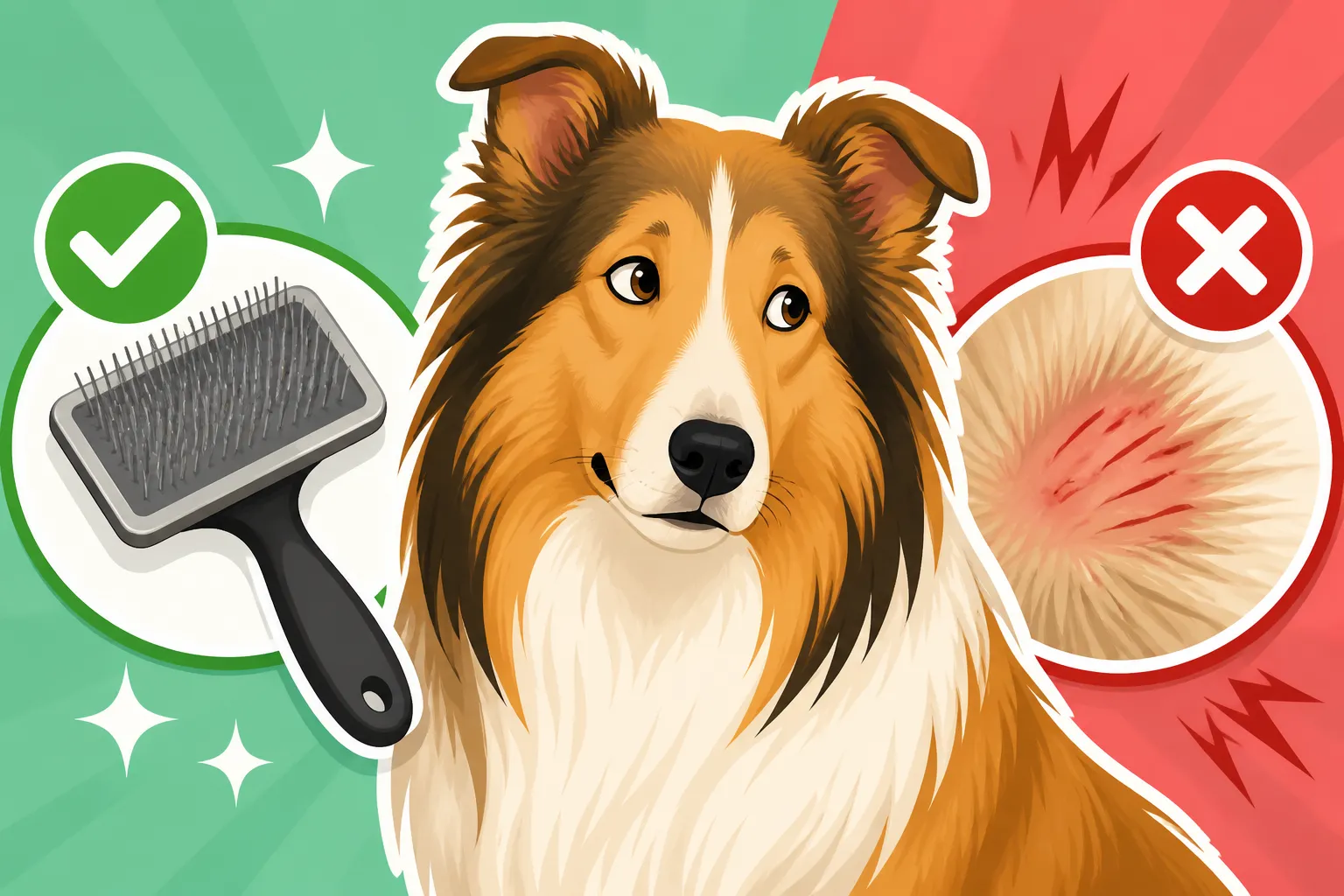
Here's the honest truth: yes, a slicker brush can scratch your Collie's skin if you use it incorrectly. The fine wire pins, while flexible, are pointed. If you press down too hard, allowing the pins to rake against the skin rather than gently gliding through the coat, you risk causing what groomers call "brush burn" or actual abrasions. It's like scrubbing your own scalp with a wire brush – ouch! Raking through a thick mat with force is another common culprit, as the pins pull directly on the skin.
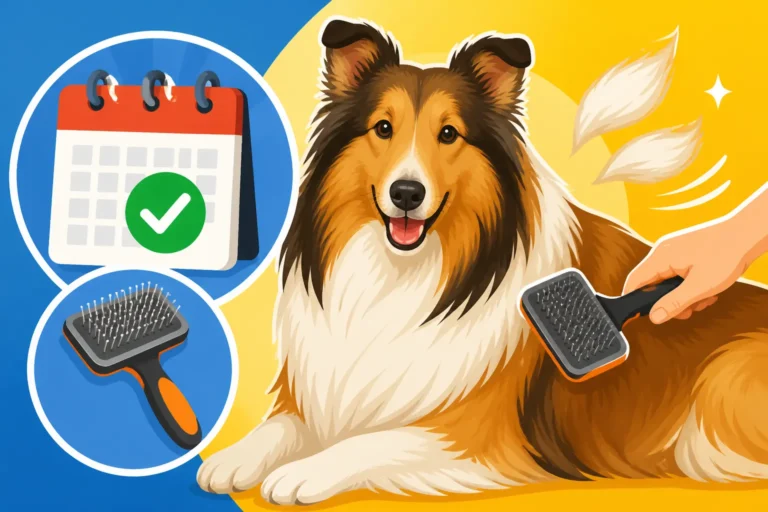
The "right way" involves a much gentler, more methodical approach. Think of it as tickling the coat, not scrubbing the skin. You should hold the brush lightly, using only the very tips of the pins, and making short, light strokes. For a thick-coated breed like a Collie, you should always be "line brushing." This means you part the coat, hold the top section up, and brush a small section of hair at a time, working from the skin out. You want to see the skin after you brush a section, ensuring the brush has gone all the way through the hair without dragging on the skin itself. If you're doing it right, your Collie should actually enjoy the sensation, much like a good massage. This gentle approach is key to preventing discomfort. How to Line Brush a Collie gives a full breakdown of this essential technique.
Why Some Slicker Brushes Are Safer Than Others for Collies
Not all slicker brushes are created equal, and this can make a huge difference in how safely you can groom your Collie. Generally, you want a slicker brush with pins that are relatively flexible and ideally, some form of tip protection. Some brushes have coated tips, which can be a little softer on the skin, although these can sometimes be less effective at grabbing undercoat. More importantly, look at the density and stiffness of the pins. A very stiff slicker with tightly packed pins might be too aggressive for a sensitive Collie, especially if you're not an experienced groomer.
Consider a slicker brush that has softer, more pliable pins and a slightly cushioned pad. Brands like Chris Christensen offer high-quality slicker brushes that many professional groomers swear by for their gentle yet effective action on double coats. You'll find a wide range of options on sites like Chewy or Amazon, where you can read reviews from other large-dog owners. Investing in a good quality slicker brush, even if it costs a bit more, can save you a lot of worry and your Collie a lot of discomfort in the long run. Cheap, flimsy slickers often have pins that bend easily or are too sharp, increasing the risk of scratching.
Alternative and Complementary Grooming Tools for Your Collie
While the slicker brush has its place, it’s not the only tool in your grooming arsenal. A combination of tools will always be more effective and safer for your Collie's glorious coat and underlying skin.
Gentle Brushes for Everyday Maintenance and Bonding
For daily or every-other-day maintenance, especially for removing loose surface hair and stimulating the skin, a good quality pin brush is often the gentlest choice. The pins on these brushes are typically thicker and have rounded tips, making them far less likely to scratch the skin. They're fantastic for working through the longer guard hairs, removing minor tangles, and generally refreshing the coat. They're also perfect for those bonding moments, as most Collies adore the gentle strokes of a pin brush.
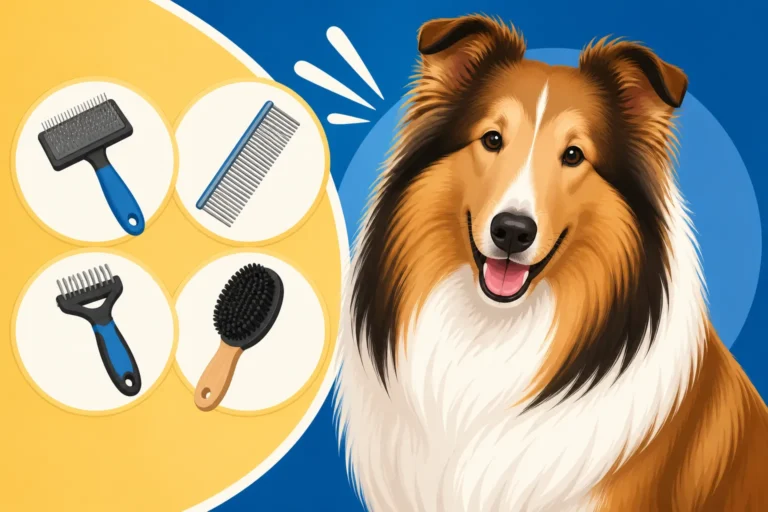
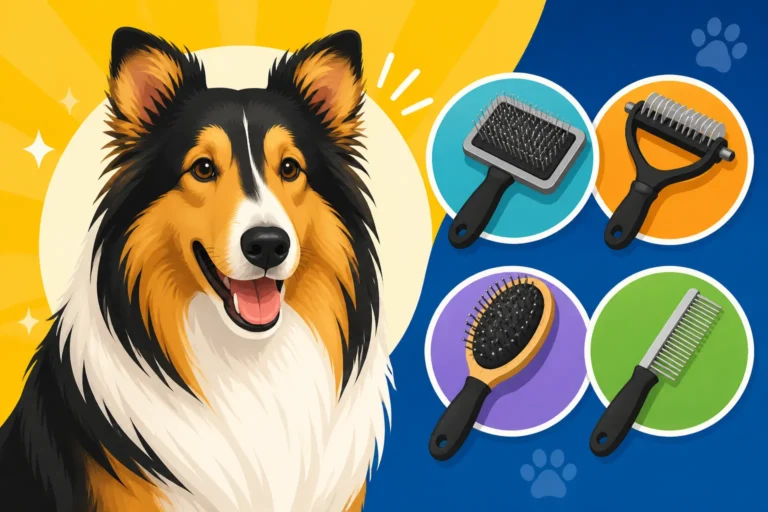
Pair this with a long-toothed metal comb. A sturdy metal comb with both wide and narrow-set teeth is indispensable for working through more stubborn tangles and checking your work after brushing. Always use it gently, working from the ends of the hair inward, never ripping through knots. A good detangling spray, like those found on Amazon or at local pet stores, can also make a huge difference, lubricating the hair and allowing the brush or comb to glide through more easily. These tools allow you to keep the surface coat neat and prevent minor tangles from escalating into major mats without any skin risk. You'll want to choose Which Four Brushes a Collie Owner Needs to ensure you're equipped.
Tackling the Undercoat Without Harming the Skin
The undercoat is where things get really tricky for Collies, especially during those infamous "coat blowing" seasons, which can last for The Three Weeks Twice a Year When a Collie Buries Your House. This is when the old undercoat detaches and needs to be removed to prevent matting and allow new hair to grow. For this, an undercoat rake is generally a much safer and more efficient tool than a slicker brush, provided it's used correctly. Undercoat rakes have blunt, widely spaced teeth designed to penetrate the outer coat and pull out loose undercoat without cutting or damaging the guard hairs.
Again, technique is everything. Use short, gentle strokes, and lift the coat as you go. Never try to rake out a mat with force; that's when you risk pulling on the skin and causing pain. If you encounter a mat, put the rake down and reach for your metal comb and detangling spray. Work the mat out slowly, strand by strand, or consider using a mat splitter tool if it's too tight. The goal is to remove the dead undercoat, which can be considerable, without causing any discomfort. It’s an essential step, especially in areas like the mane, frill, and petticoat where Mane, Frill and Petticoat: the Parts of a Collie That Mat most often occur.
| Grooming Tool | Primary Use for Collie | Skin Safety | Notes |
|---|---|---|---|
| Slicker Brush | Removing loose undercoat, small tangles | Moderate | Safe with proper, light line-brushing technique; dangerous if pressed too hard. |
| Pin Brush | General detangling, surface hair, daily grooming | High | Excellent for longer guard hairs and overall coat health; poor for dense undercoat removal. |
| Metal Comb | Checking for tangles, finishing work, mat removal | High | Essential for detail work, working out small mats from ends up. Choose wide and narrow teeth. |
| Undercoat Rake | Removing shedding undercoat | High | Best for coat blow; use gentle strokes, avoid raking mats. |
| Detangling Spray | Lubricating coat for easier brushing/combing | Very High | Reduces friction, prevents breakage, makes mat removal easier. |
When to Seek Professional Grooming Advice
Sometimes, despite your best efforts, you might encounter mats that are simply too tough to handle at home, or your Collie might develop persistent skin issues that regular grooming isn't resolving. This is absolutely nothing to be ashamed of; professional groomers are experts for a reason! They have specialized tools, techniques, and experience with Collie coats. They can safely remove severe mats, often saving your dog from pain and preventing coat damage. Trying to cut out deep mats yourself with scissors can lead to serious accidents, as it's impossible to tell where the mat ends and the skin begins.
Moreover, if you notice recurring skin irritation, excessive shedding not related to coat blow, or strange patches on the skin, a professional groomer can often spot these issues early and advise you to see a vet. They can also offer personalized advice on the best tools and techniques for your individual Collie's coat type and lifestyle. Consider a groomer who understands the nuances of the breed's double coat and knows that A Collie Is Never Trimmed and Never Shaved is a cardinal rule. Don't hesitate to reach out to a professional; it's an investment in your Collie's comfort and health.
Protecting Your Collie's Skin Beyond the Brush
Grooming is vital, but the health of your Collie's skin is also deeply connected to their overall well-being, including what goes into their bowl and what they encounter in their environment.
The Role of Diet and Supplements in Skin Health
You might not think about it, but your Collie's diet plays a massive role in the health of their skin and coat. A dog fed on a poor-quality diet often has dry, flaky skin, a dull coat, and can be more prone to itching and irritation, making them more susceptible to any minor trauma from brushing. High-quality dog food, rich in essential fatty acids like Omega-3 and Omega-6, is crucial. These fats contribute to a healthy skin barrier, keeping it moisturized and resilient.
Consider looking for dog foods that list fish oil, flaxseed, or other beneficial oils high up in their ingredient list. Some owners even supplement their Collie's diet with additional fish oil, which can do wonders for skin and coat luster. Brands like Ollie, which offer fresh, human-grade food, often emphasize the quality of their ingredients for overall health, including skin and coat. Always discuss any significant dietary changes or supplement additions with your veterinarian, especially if your Collie has existing health conditions. A healthy inside reflects on the outside, making your grooming efforts much more effective and less likely to cause irritation. Whether a Collie Needs Supplements for Its Coat is a topic many owners explore.
Environmental Factors and Preventing Skin Issues
Beyond grooming and diet, the environment your Collie lives in can significantly impact their skin health. Allergens, both environmental (like pollen or dust mites) and food-related, can cause intense itching, leading your Collie to scratch excessively, which in turn makes their skin more sensitive and prone to damage from even light brushing. Keep your home clean, vacuuming regularly to reduce dust and dander. If you suspect environmental allergies, talk to your vet about testing and management strategies.
Proper bathing is also critical. While you don't want to over-bathe a Collie, regular baths with a gentle, moisturizing shampoo can help remove allergens and soothe irritated skin. Always ensure you rinse all shampoo out of their dense coat, as residue can cause irritation. And make sure your Collie is completely dry afterwards to prevent skin infections like hot spots, which can be a real pain to deal with under all that fur. Bathing a Collie Without Wrecking the Coat is an art form for Collies, so mastering it can prevent many issues. Lastly, protecting their exposed skin, particularly their nose, from sun exposure is also important, as Collies can be prone to specific sun-related skin conditions.
Disclaimer
This article is for general informational purposes only and does not constitute professional advice. Laws, prices and regulations vary by location and change over time. Consult a qualified professional for guidance on your specific situation.