Whether a Collie’s Coat Is Weatherproof
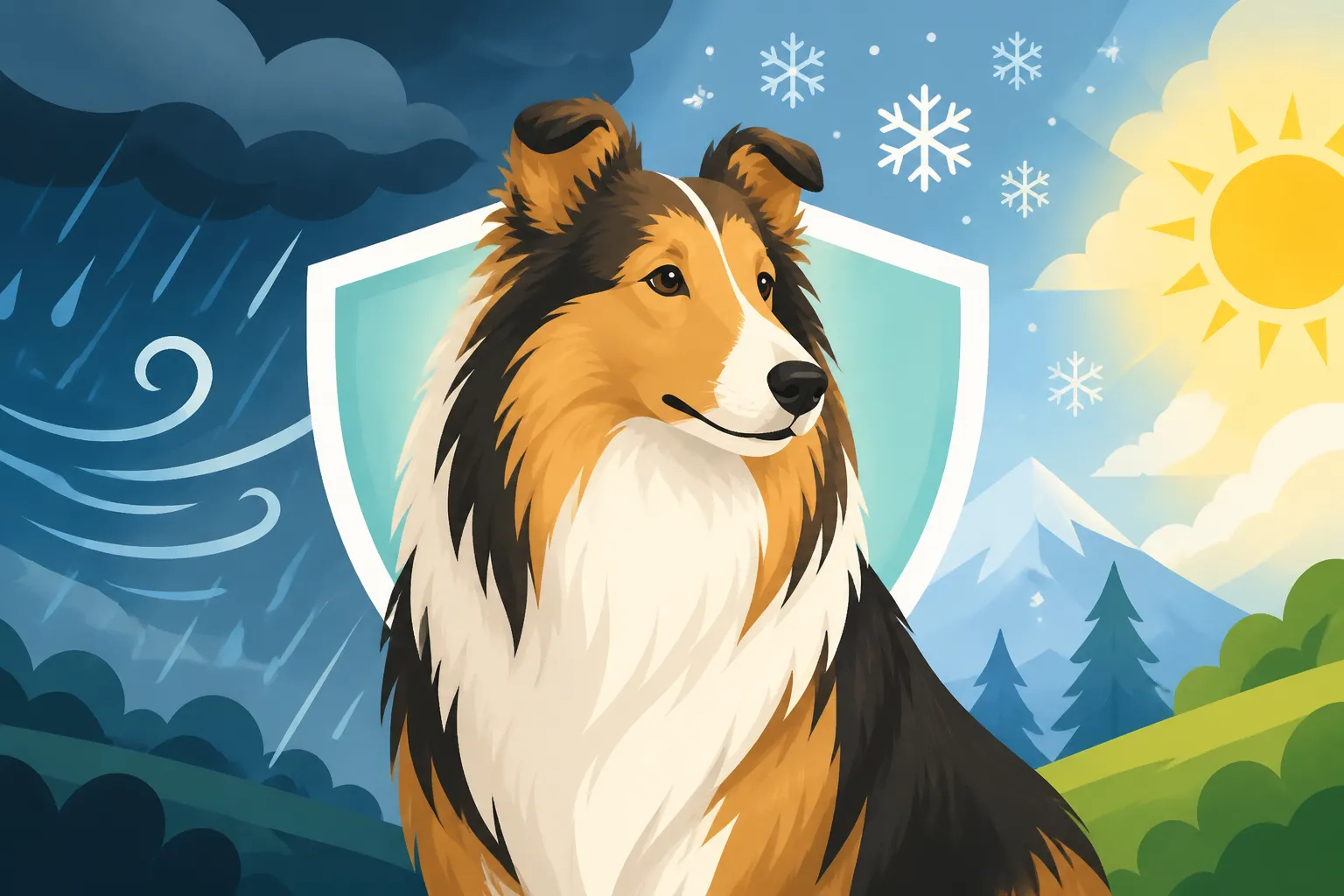
One of the most common questions I get from new Collie owners, or even those just admiring these beautiful dogs, is about their incredible coat: does all that luxurious fur really keep them safe and comfortable in all sorts of weather? It’s a completely valid question, especially when you see them romping in snow or basking in the sun. This guide will dive deep into the fascinating reality of the Collie’s double coat, exploring its true capabilities and limitations in the face of Mother Nature.
Understanding the Collie's Double Coat Architecture
When you look at a Collie, especially a magnificent Rough Collie, you’re not just seeing one layer of hair. What you’re actually observing is a marvel of canine evolution: a sophisticated double coat, each layer serving a distinct and crucial purpose. This isn't just about looking regal; it's about survival and comfort in varying climates, which is exactly what a working dog like the Collie needed in its ancestral Scottish Highlands.
The Dense Undercoat: Nature's Insulation Layer
Beneath the long, flowing outer coat lies the true secret to the Collie’s climate control: a thick, soft, and remarkably dense undercoat. Imagine it like a built-in down jacket. This undercoat is composed of fine, woolly hairs that are much shorter than the guard hairs, and its primary job is insulation. It works by trapping a layer of air close to the dog's body. This trapped air acts as a thermal barrier, slowing down both heat loss in cold weather and heat gain in warm weather.
The density of this undercoat isn’t static; it fluctuates with the seasons. In winter, it grows incredibly thick, providing maximum warmth. In summer, much of it is shed, allowing for better airflow and preventing the dog from overheating. However, even in its thinnest summer form, it still offers crucial protection. This layer is surprisingly resilient, but it needs to be kept free of mats and debris to function effectively. A matted undercoat loses its ability to trap air efficiently, making your Collie less comfortable in any extreme temperature.
The Longer Guard Hairs: Water and Debris Repellent
Sitting atop that cozy undercoat are the guard hairs, which form the Collie's visible, flowing outer layer. These hairs are longer, coarser, and have a somewhat slicker texture compared to the soft undercoat. Their role is multifaceted: they protect the delicate undercoat from dirt, burrs, and minor abrasions, and they also play a significant role in repelling moisture. Think of them as a natural rain jacket, designed to shed light precipitation away from the skin and undercoat.
When a Collie runs through wet grass or stands in a light drizzle, these guard hairs often prevent the moisture from reaching the insulating undercoat, especially on a well-conditioned coat. The natural oils in the fur further enhance this water-shedding property. For Rough Collies, this outer coat is exceptionally long and abundant, forming the characteristic mane, frill, and feathering. Smooth Collies, while lacking the length, still possess the same double-coat structure with protective guard hairs, just in a much shorter, denser form. This means that while a Smooth Collie might appear less 'protected' due to its sleek look, it still benefits from the same fundamental double-coat architecture, though its immediate water resistance might be slightly less pronounced than its rough-coated cousin in a heavy downpour.
How the Collie Coat Handles Different Weather Conditions
The Collie's coat is a marvel of natural engineering, but it's not a magical force field. Understanding how it truly interacts with various elements is key to keeping your dog healthy and happy. It's a delicate balance that relies on the integrity of both the undercoat and the guard hairs working in harmony.
Cold and Snow: More Than Just a Pretty Fluff
When winter rolls around, many Collie owners breathe a sigh of relief, confident that their fluffy companion is well-equipped for the cold. And largely, they are right! The dense undercoat, as we discussed, becomes exceptionally thick in colder months, creating an incredibly effective thermal barrier. This trapped air acts like a personal heating system, allowing Collies to comfortably endure temperatures that would have other breeds shivering. I've seen Collies happily prance through fresh snowfall, their tails wagging, seemingly oblivious to the chill.
However, snow can present its own unique challenge. While the guard hairs help, fine, powdery snow can still become trapped in the longer feathering on their legs, belly, and behind their ears, often forming painful ice balls. This isn't just a cosmetic issue; these snowballs can tug at the skin, cause discomfort, and if left unattended, even lead to frostbite in extreme conditions. It's why a quick check after a snowy outing is always a good idea, paying special attention to those areas where snow tends to cling. If you've ever wondered Whether Snow Balls Up in a Collie's Feathering, the answer is a resounding yes, and it requires a bit of attention!
Rain and Dampness: The Water-Resistant Myth
Here's where some common misconceptions tend to arise. Many people assume that because a Collie has such a thick coat, it must be completely waterproof. Unfortunately, this isn't quite true. While the outer guard hairs do a decent job of repelling light rain or dew, especially on a healthy, well-oiled coat, they are not impervious to a genuine downpour. Think of it like a good quality softshell jacket – it'll keep you dry in a drizzle, but eventually, heavy rain will soak through.
When the rain is persistent or heavy, it will eventually penetrate the guard hairs and reach that crucial undercoat. Once the undercoat gets wet, it loses its insulating properties because the air pockets are replaced by water. This can quickly lead to your Collie becoming chilled, even in moderately cool temperatures. Furthermore, a wet undercoat is a prime candidate for matting, especially if the dog isn't dried properly. Mats trap moisture against the skin, creating a breeding ground for bacteria and yeast, which can lead to skin irritations or "hot spots." It's a real concern, and understanding Whether Rain Soaks Through a Collie's Coat is essential. Leaving a Collie damp can definitely lead to problems, so keep in mind Whether a Damp Collie Gets Hot Spots and take preventive measures.
Heat and Sun: A Double-Edged Sword
It might seem counterintuitive, but that thick double coat also plays a vital role in protecting your Collie from the heat and the sun's harsh rays. Just as it insulates against the cold, it insulates against external heat. The trapped air within the undercoat acts as a barrier, preventing the sun's heat from directly reaching the skin. Furthermore, the outer guard hairs provide natural shade, shielding the skin from harmful UV radiation, which is particularly important for Collies with pinker skin or lighter coat patches. Whether a Collie's Coat Protects It From Heat is often surprising to people, but it's a critical function.
However, this protection comes with caveats. A Collie's primary way of cooling down is through panting, not sweating through their skin like humans. If your Collie is exerting itself heavily in hot, humid weather, or if the ambient temperature is extremely high, even their natural insulation can become a detriment. The coat can trap body heat, making it harder for them to dissipate it effectively. This is why vigilance during summer is paramount. Never shave your Collie, mistakenly believing it will cool them down. In fact, removing their natural coat can expose their skin to sunburn and interfere with their natural thermal regulation, potentially making them more susceptible to heat stroke. This is why the advice Whether Shaving a Collie Helps It in Summer is almost always a firm no.
Owner Responsibilities and Coat Care for Weather Resilience
Having a Collie with a truly weatherproof coat isn't just about genetics; it's also about diligent care and understanding your responsibilities as an owner. A neglected coat can quickly lose its natural abilities to protect against the elements, turning a resilient dog into a vulnerable one.
Regular Grooming: The Key to Functionality
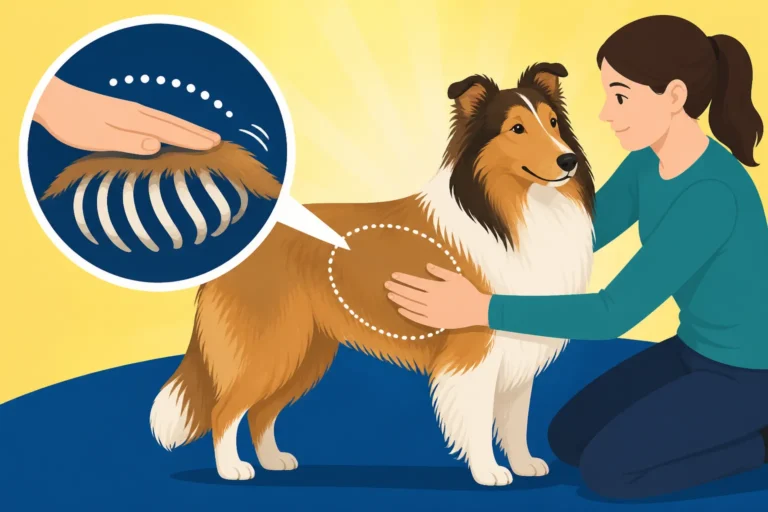
This cannot be stressed enough: a Collie's coat is only as weatherproof as it is well-maintained. The dense undercoat works its magic by trapping air, but if it becomes matted, those air pockets collapse, and its insulating properties are severely compromised. Mats also create pathways for water to seep directly to the skin, bypassing the protective outer layer entirely. Regular brushing is not just about aesthetics; it's a health and comfort imperative.
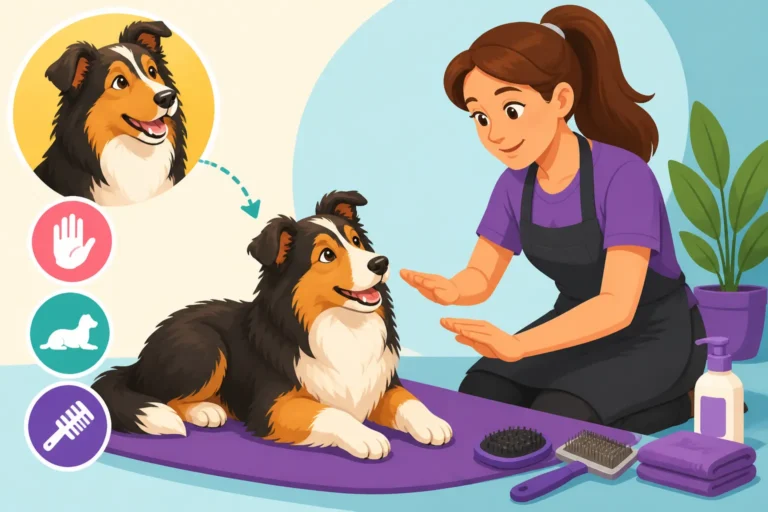
You'll want to invest in the right tools and establish a routine. For a Rough Collie, this often means brushing several times a week, dedicating at least 20 minutes to thoroughly working through the coat. The aim is to reach down to the skin, removing loose undercoat and preventing tangles from forming. A good pin brush, a slicker brush for certain areas, and a metal comb for checking for tangles are indispensable. If you want a full rundown, check out Four Tools and Twenty Minutes: Brushing a Rough Collie. Understanding How to Line Brush a Collie is also a game-changer for ensuring you're getting deep enough without causing discomfort. A well-groomed coat allows for proper airflow, prevents moisture retention, and ensures both layers can do their jobs effectively.
Drying and Preventing Issues Post-Exposure
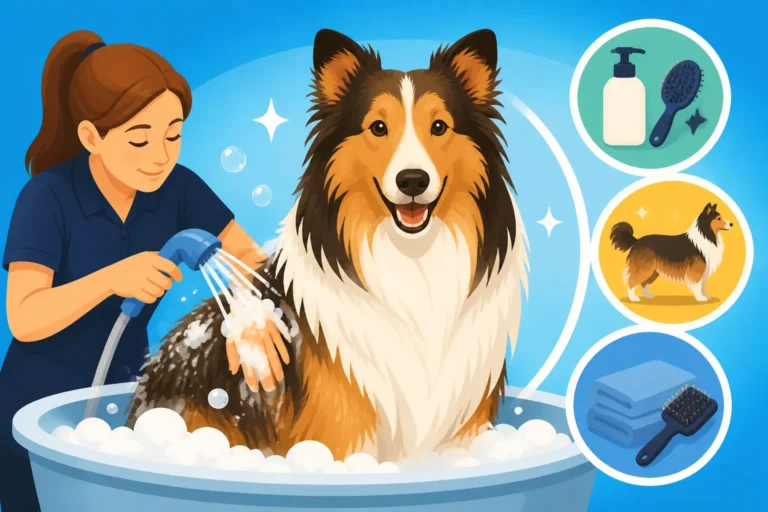
While a Collie's coat can handle some light moisture, it's crucial to thoroughly dry them after they've been truly soaked. This is especially true after a swim, a bath, or a very rainy walk. Leaving a Collie to air dry, particularly a Rough Collie with its thick undercoat, is a recipe for disaster. The dampness can linger for hours, creating a breeding ground for bacterial and fungal skin infections, or leading to painful matting as the wet undercoat clumps together.
A high-velocity dryer is an absolute lifesaver for Collie owners. These powerful dryers blow water off the coat rather than just heating it, speeding up drying time dramatically and helping to separate the undercoat, ensuring it dries completely. It’s an investment, but many owners find it pays for itself in time saved and veterinarian bills avoided. You'll definitely want to know How to Dry a Collie Properly and consider Whether a High Velocity Dryer Is Worth It for a Collie. For smaller sections or after a light dampening, even a regular hairdryer on a cool setting can help, but always keep it moving to prevent heat spots.
Practical Tips for Different Seasons
Adapting your care routine to the seasons will ensure your Collie remains comfortable and their coat remains effective.
- Winter: After walks in snow or slush, always check for ice balls in their feathering and between their paw pads. A quick rinse with lukewarm water can melt them, followed by thorough towel drying. Consider booties for very cold conditions or abrasive surfaces. Ensure their bedding is dry and warm. Remember, even with a great coat, prolonged exposure to extreme cold without movement can still be dangerous.
- Summer: While the coat provides some heat protection, it doesn't make your Collie immune to heatstroke. Avoid exercising during the hottest parts of the day. Opt for early morning or late evening walks. Always provide plenty of fresh water and shade. Cooling mats can be a wonderful relief indoors, so think about Whether a Collie Needs a Cooling Mat in Summer. And if you're wondering about walk times, Whether a Collie Should Be Walked Early in Summer is almost always the best advice. Monitor them closely for any signs of overheating, such as excessive panting, lethargy, or drooling.
Common Misconceptions and Collie Coat Realities
Despite all the wonderful things about a Collie's coat, there are still myths and misunderstandings floating around. It's important to separate fact from fiction to ensure your Collie gets the best care.
The Shaving Fallacy
One of the most persistent and damaging misconceptions is that shaving a Collie's coat in summer will help them stay cooler. This is simply not true and can actually do more harm than good. As we've discussed, the double coat provides natural insulation against both cold and heat. Shaving removes this protective barrier, exposing the dog's delicate skin to sunburn and making them more susceptible to both heatstroke (as their body struggles to regulate temperature) and chilling.
Moreover, shaving can permanently damage the unique structure of the double coat. The guard hairs and undercoat often grow back unevenly, leading to a dull, patchy, and sometimes woolly texture that is prone to matting and no longer provides adequate protection. This condition, often referred to as "clipper alopecia" or "post-clipping alopecia," can take years to correct, if it ever fully recovers. So, if you're asking Whether a Shaved Collie's Coat Grows Back Correctly, the answer is often disappointing for owners. Embrace the natural design; it's far superior to any well-intentioned but misguided haircut.
Not Every Coat Is Equal
While the basic double-coat structure is consistent across the breed, not all Collie coats are created equal. Factors like genetics, diet, and overall health can significantly impact the quality and density of a Collie's coat. A Collie with a sparse or poor-quality undercoat, or one whose coat is unhealthy due to nutritional deficiencies, will not have the same weatherproofing capabilities as a Collie with a robust, well-maintained coat.
A diet rich in essential fatty acids and high-quality protein can support a healthy skin barrier and a gleaming, resilient coat. Some owners find that supplementing with fish oil or ensuring their dog food contains ingredients known for skin and coat health makes a noticeable difference. High-quality dog food brands, like Ollie, often focus on these nutritional elements, which in turn supports coat health. Similarly, using appropriate grooming products, like specialized shampoos and conditioners designed for double coats, can help maintain the coat's natural oils and integrity. These can often be found on platforms like Chewy or Amazon, ensuring you have access to what your Collie needs. A healthy coat is a functional coat, so investing in good nutrition and regular care is truly an investment in your Collie's comfort and protection.
When to Seek Shelter or Extra Protection
Despite their impressive natural coat, Collies are not invincible. There are times when common sense dictates that additional protection or simply avoiding extreme conditions is necessary. Their coat offers incredible resilience, but it has its limits. For example, while their coat helps them stay warm, an elderly Collie or one with a health condition may struggle more in prolonged, bitter cold. Similarly, in scorching heat with high humidity, even a young, healthy Collie can overheat quickly if over-exercised.
Owners must always use their judgment and observe their individual dog. If you’re going to be out in torrential rain for an extended period, a lightweight, waterproof dog jacket might be a sensible addition for your Collie, not to replace their natural coat, but to provide an extra barrier against saturation. In freezing rain, or when temperatures drop drastically, limiting outdoor time and ensuring a warm, dry indoor space is always the safest bet. Remember, Whether a Collie's Coat Keeps It Warm Enough Outdoors depends on many factors, including the specific conditions, the dog's activity level, and their individual health. Always err on the side of caution to keep your beloved Collie safe and comfortable.
| Feature | Description | Weather Resilience Impact |
|---|---|---|
| Outer Guard Hairs | Long, coarse, somewhat water-repellent | Sheds light rain and snow, provides UV protection, protects undercoat from debris. |
| Dense Undercoat | Soft, woolly, traps air | Excellent insulation against cold and heat, provides buoyancy in water (if not waterlogged). |
| Natural Oils | Present on healthy skin and coat | Adds a layer of water resistance, helps keep skin healthy. |
| Full Coat Length | Provides overall coverage and insulation | Maintains core body temperature, protects skin from elements. |
Disclaimer
This article is for general informational purposes only and does not constitute professional advice. Laws, prices and regulations vary by location and change over time. Consult a qualified professional for guidance on your specific situation.