How Long a Collie Takes to Dry
Ah, the joys of bath time with a Collie! You get them all squeaky clean, they look magnificent, standing there glistening… and then you realize you’re facing what feels like an eternity of dampness. Dealing with a wet Collie coat isn't just about avoiding that infamous "wet dog smell" that seems to cling to furniture for days; it's crucial for their skin health, preventing matting, and frankly, for your sanity. This guide will walk you through exactly why your beloved Collie takes so long to dry and how to make the entire process efficient, effective, and perhaps even enjoyable for both of you.
The Unique Anatomy of a Collie Coat and Its Water-Holding Capacity
If you've ever felt the sheer volume of a Collie's coat, especially a rough Collie's, it's no surprise that it takes a while to dry. This isn't just any dog coat; it's a marvel of canine engineering, designed for centuries to protect them from the harsh Scottish weather. But what makes it so excellent at keeping the elements out also makes it incredibly effective at trapping water in.
The Dense Double Coat: More Than Meets the Eye
A Collie’s coat is a classic double coat, featuring two distinct layers that work together. First, there are the long, coarse, protective outer guard hairs. These are the beautiful, flowing locks you see, which are naturally somewhat water-repellent, causing rain or dew to bead off. Below this glamorous outer layer lies the true secret to their insulation: an incredibly thick, soft, and dense undercoat. This undercoat is like a woolen sweater, providing warmth and protection.
However, once water penetrates the guard hairs and reaches this undercoat, it's a whole different ballgame. The undercoat's fine, wavy hairs are designed to trap air, which is what gives the Collie its phenomenal insulation in cold weather. But when wet, these hairs trap water just as effectively, holding onto it like a sponge. Think of trying to dry a large, fluffy wool blanket; it’s a similar challenge, but with a living, moving, sometimes impatiently shaking, dog attached.
The Undercoat's Insulating Power Traps Moisture
The density of the undercoat isn't just about volume; it's about the sheer number of individual hairs packed into a small area. When wet, these hairs clump together, creating myriad tiny pockets where moisture can hide, completely shielded from air circulation. This means that even if the outer layer of your Collie's coat feels dry to the touch, the undercoat closer to the skin can still be soaking wet. This trapped moisture is not only uncomfortable for your dog but also a breeding ground for bacteria and yeast, potentially leading to skin irritations, hot spots, and that persistent musty "wet dog" smell that no one wants.
Understanding this architecture is the first step to conquering the drying challenge. You're not just drying the surface; you're trying to push water out from the deepest layers of a highly efficient insulating system. This is why techniques that simply dry the surface will always fall short. How Much Undercoat a Collie Drops really highlights the sheer volume you're up against.
Essential Tools and Techniques for Efficient Drying
Trying to air dry a Collie, or relying solely on a regular towel and a human hairdryer, is akin to trying to empty an Olympic swimming pool with a teacup. It's frustrating and largely ineffective. Investing in the right tools and knowing the proper techniques will drastically cut down drying time and improve your Collie's comfort and health.
The Power of the High-Velocity Dryer
A high-velocity dryer, also known as a force dryer, is not just a luxury; it's an absolute necessity for anyone regularly bathing a Collie. Unlike a human hairdryer, which uses heat to evaporate water, a force dryer uses a powerful stream of unheated or low-heated air to literally blast water out of the coat. This direct force separates the dense undercoat hairs, allowing air to reach the skin and expel trapped moisture. It’s incredibly effective at de-shedding loose hair at the same time, which is an added bonus, especially during coat blow season.
When using a high-velocity dryer, always start on a lower setting to acclimate your dog, and ensure the air is not too hot, if your model has a heat setting. Move the nozzle systematically across your Collie's body, working from the rear forward, lifting the coat and pointing the air stream towards the skin. You’ll see water literally spraying off them, which is immensely satisfying. You can find a good quality force dryer on reputable pet supply sites like Chewy or Amazon, and while it's an initial investment, it pays for itself in time saved and healthier coat condition. Whether a High Velocity Dryer Is Worth It for a Collie delves deeper into this essential tool.
Effective Toweling Techniques and Absorbent Towels
Before you even think about the dryer, effective towel drying makes a huge difference. Don't rub your Collie’s coat vigorously, as this can tangle the hair and create mats, especially in a rough Collie. Instead, gently blot and squeeze sections of the coat with highly absorbent towels. Microfiber towels are particularly excellent for this, as they can absorb much more water than traditional cotton towels.
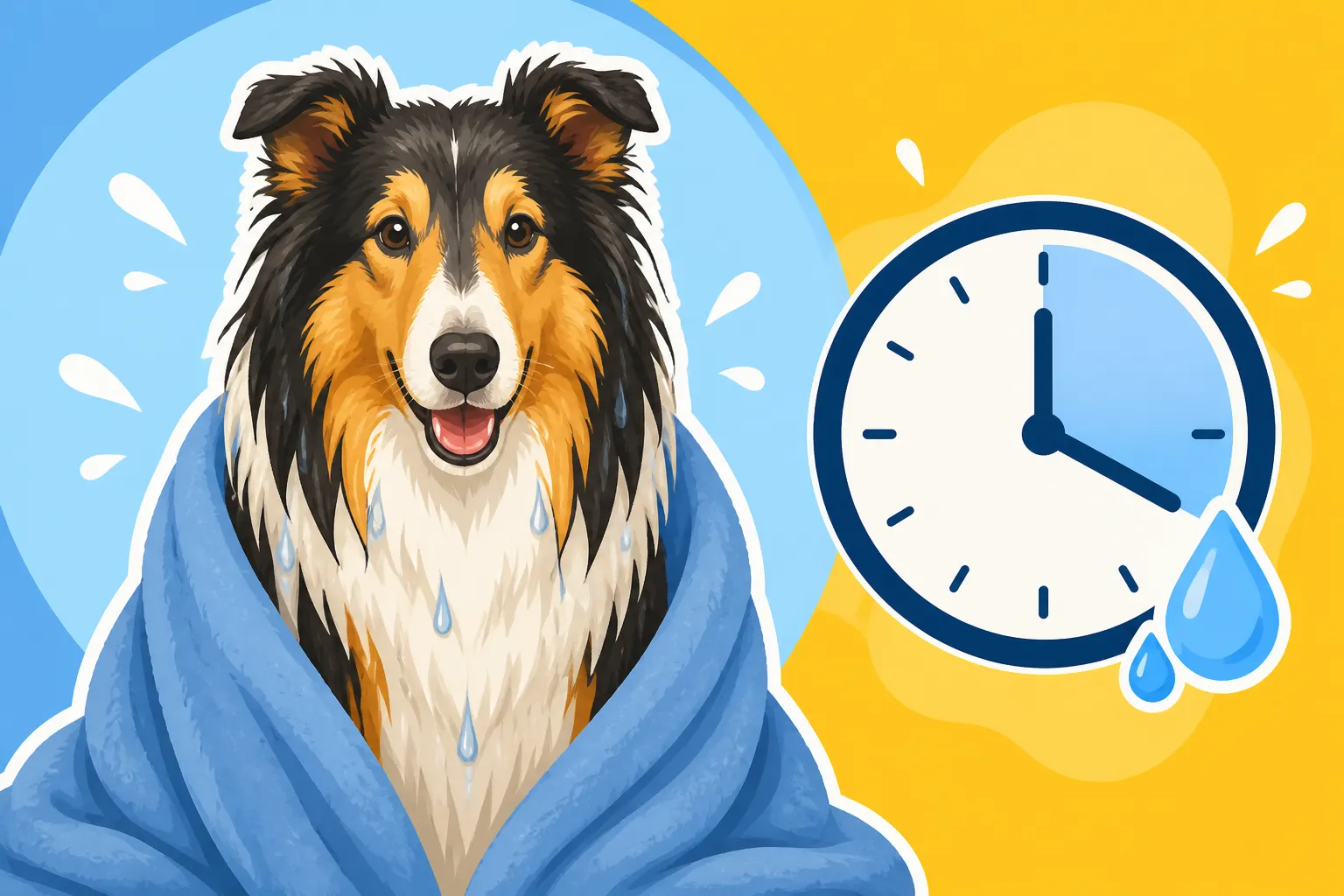
Wrap your Collie in a large microfiber towel and gently press, allowing the towel to soak up as much moisture as possible from the outer coat and the tips of the undercoat. You might go through several towels, especially if your Collie has a very full coat. Once you've removed the majority of the surface water, you've given your high-velocity dryer a significant head start. Many owners swear by extra-absorbent microfiber towels, also readily available on platforms like Amazon or Chewy, for their superior wicking abilities.
Brushing While Drying to Reach the Depths
While using your force dryer, it’s crucial to simultaneously brush your Collie’s coat. This isn't just for styling; it actively helps the drying process. As you direct the airflow, use a slicker brush or a pin brush, depending on the coat's condition, to lift and separate the hairs. This allows the air to penetrate deep into the undercoat, ensuring no pockets of moisture are missed. Without brushing, the force dryer might only dry the top layer while the lower layers remain damp.
Start by line brushing, working in small sections, always brushing against the direction of hair growth to open up the coat, then smoothing it back down. This ensures that you’re thoroughly drying every inch, right down to the skin. Pay particular attention to dense areas like the mane, frill, and breeches, where hair is thickest and most prone to matting if left damp. How to Line Brush a Collie offers detailed guidance on this technique, which is indispensable for proper drying.
Here's a quick comparison of common drying methods:
| Method | Pros | Cons | Typical Drying Time (Rough Collie) | Risk of Issues |
|---|---|---|---|---|
| Air Dry | No effort required from owner | Very slow, uncomfortable for dog | 6-12+ hours | Matting, hot spots, odor |
| Towel Dry Only | Removes surface water | Ineffective for undercoat, still slow | 4-8 hours | Damp undercoat, matting |
| Human Hair Dryer | Readily available, some heat helps | Insufficient airflow, can overheat skin, inefficient | 3-6 hours | Burns, frizz, incomplete dry |
| High-Velocity Dryer | Most efficient, blasts water, de-sheds | Initial cost, noise can bother some dogs, requires technique | 1-2 hours | Over-drying (rare), noise |
| Professional Groomer | Expert technique, specialized equipment | Costly, requires appointment | 1-2 hours | N/A |
Common Mistakes and How to Avoid Prolonged Dampness
Even with the right tools, there are pitfalls that can prolong drying time and, more importantly, compromise your Collie's comfort and health. Knowing what to avoid is just as crucial as knowing what to do.
The Pitfalls of Air Drying Alone
Many owners, especially those new to double-coated breeds, might assume that a dog will just "air dry" naturally. While technically true for single-coated breeds or short-haired dogs, air drying a Collie is a recipe for disaster. Because their undercoat traps so much moisture, allowing a Collie to air dry almost guarantees that the deeper layers of the coat will remain damp for an extended period, often many hours, if not an entire day.
This prolonged dampness creates the perfect environment for bacterial and fungal growth on the skin. You might notice your Collie scratching more, or developing red, inflamed patches – these are often hot spots, which are painful and can quickly worsen. Beyond health concerns, a damp undercoat will quickly become matted as the hairs dry in tangled clumps. Mats pull on the skin, causing discomfort and pain, and can be extremely difficult and time-consuming to remove. Plus, that persistent, unpleasant wet dog smell is much more likely to develop and linger. So, while it seems easy, simply letting your Collie air dry is one of the biggest mistakes you can make. Whether a Collie Smells When Wet explains the reasons behind this.
Insufficient Drying of the Undercoat is a Major Issue
The most common mistake, even when using a dryer, is failing to dry the undercoat completely. It’s easy to feel the top layer of guard hairs and think your Collie is dry, when in reality, the dense undercoat beneath is still quite wet. This is particularly true in areas like the chest, behind the ears, the thick ruff around the neck, and the "pants" on their hind legs. If you're not systematically working with a high-velocity dryer and brush to lift the coat and direct air right down to the skin, you're only doing half the job.
To ensure the undercoat is truly dry, you need to perform a "skin check." Part the hair in several thick areas and feel the skin. It should be completely dry and warm to the touch. Any coolness or dampness means more drying is needed. A good practice is to aim the dryer for a moment, then feel the area. Repeat until bone dry. Overlooking this step means your Collie will still be uncomfortable, prone to matting, and susceptible to skin issues. Whether a Damp Collie Gets Hot Spots details the uncomfortable consequences of an insufficiently dried coat.
Incorrect Brushing or Skipping It Entirely
Some owners mistakenly think brushing is separate from drying, or they might brush only the surface. However, brushing is an integral part of the drying process for a Collie. Brushing helps to untangle the individual hairs, allowing the air from the dryer to reach every strand. Without this mechanical separation, the wet hairs will stick together, forming barriers that the air cannot penetrate, leading to uneven and incomplete drying.
Conversely, aggressive brushing on a dry or even slightly damp coat can break the hair, leading to damage and frizz. The ideal time for thorough, deep brushing is during the drying process, as the powerful airflow helps to gently detangle and separate the coat as it dries. Use a slicker or pin brush, working in small sections, and make sure to brush out any tangles or developing mats as you go. This synergistic approach ensures a faster, more effective dry and a beautifully fluffy coat. How Long Brushing a Collie in Full Coat Takes emphasizes the dedication required for coat maintenance.
Specialized Drying Scenarios and When to Seek Professional Help
While home grooming is incredibly rewarding and cost-effective, there are times when a Collie's drying needs might warrant a different approach, or professional intervention. Understanding these nuances can save you time, effort, and potential headaches.
Smooth Collies and Their Quicker Dry
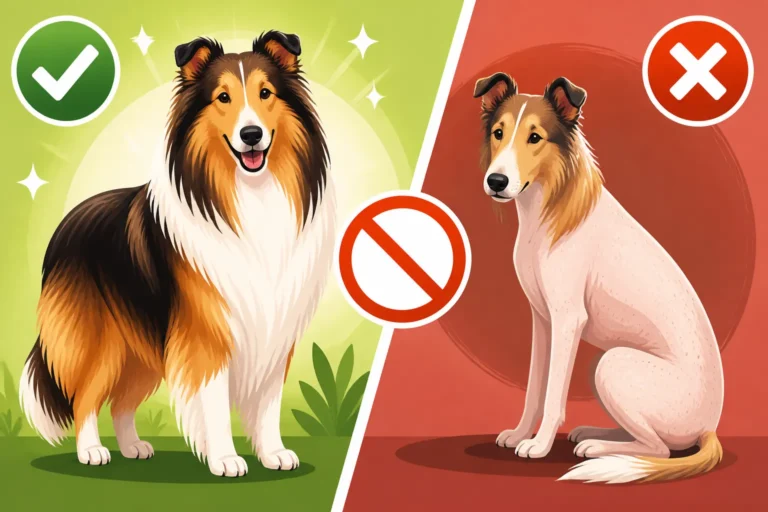
It’s worth noting that while all Collies possess that wonderful herding dog temperament and intelligence, their coat care needs can differ significantly between the rough and smooth varieties. A smooth Collie, having a much shorter and denser coat without the long guard hairs and profuse undercoat, will naturally dry much faster than their rough-coated counterparts. Their coat, while still a double coat, doesn't trap moisture to the same extent.
For a smooth Collie, a good towel dry followed by a few minutes with a low-heat human hairdryer or even thorough brushing can often be sufficient to get them completely dry. The same principles of ensuring the undercoat is dry apply, but the battle is considerably less intense. This can be a significant factor for owners with limited time or those who find the extensive grooming of a rough Collie daunting. Whether a Smooth Collie Sheds Less also touches on the differences in their coat maintenance.
When to Consult a Professional Groomer
There are certainly times when handing your Collie over to a professional groomer is the best course of action. If your Collie has developed severe matting, especially deep within the undercoat, trying to dry and de-mat simultaneously at home can be a painful and frustrating experience for both of you. A professional groomer has specialized tools, techniques, and experience to safely and effectively remove mats without causing undue stress or injury to your dog. They also have industrial-grade force dryers and dedicated grooming setups that can drastically reduce drying time.
Furthermore, if you find yourself struggling with the sheer volume of coat, or if your Collie is particularly resistant to the drying process, a groomer can provide an invaluable service. They can ensure your Collie is thoroughly dried, preventing skin issues and maintaining coat health. Regular professional grooming, perhaps every 6-8 weeks, can supplement your home care and keep the coat in top condition, making subsequent home baths and drying sessions much easier. What a Professional Groom Costs on a Rough Collie explores the financial aspect of this service.
Maintaining Coat Health Beyond the Bath
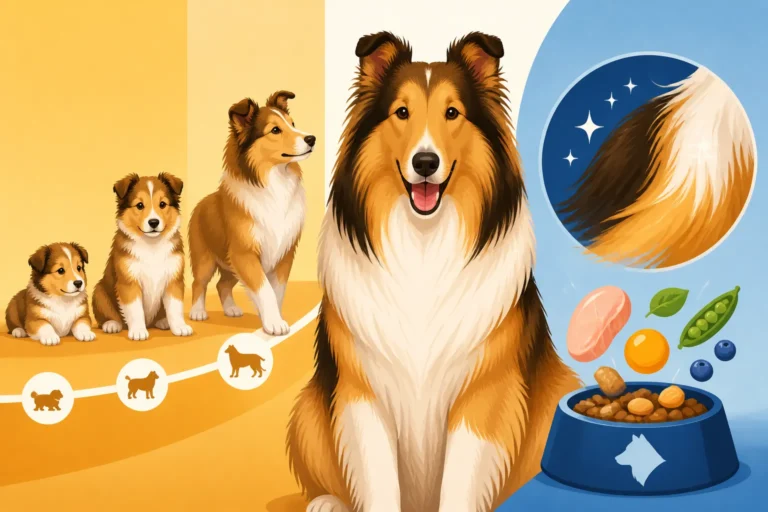
Beyond the bath and dry, maintaining your Collie's coat health is an ongoing commitment. Regular brushing, even between baths, is key to preventing mats and distributing natural oils that keep the coat healthy and vibrant. Diet also plays a role; a high-quality diet provides the nutrients necessary for healthy skin and coat, which in turn can influence how well the coat handles moisture. Consider the full spectrum of care, from proper nutrition to consistent grooming, to ensure your Collie always looks and feels their best, regardless of how long their beautiful coat takes to dry. Four Tools and Twenty Minutes: Brushing a Rough Collie is a great resource for daily coat maintenance.
Disclaimer
This article is for general informational purposes only and does not constitute professional advice. Laws, prices and regulations vary by location and change over time. Consult a qualified professional for guidance on your specific situation.