Signs a Collie Is Too Thin Under Its Coat
It can be incredibly worrying when you look at your beloved Collie and wonder if they're getting enough to eat. With their magnificent, flowing coats, it's so easy for us to miss the subtle signs that our furry friends might be losing weight or aren't carrying quite enough condition. This guide will walk you through how to properly assess your Collie's body condition, uncover the hidden clues that their luxurious fur might be concealing, and know when it's time to talk to your vet.
The Challenge of Assessing a Collie's Weight Under All That Fluff
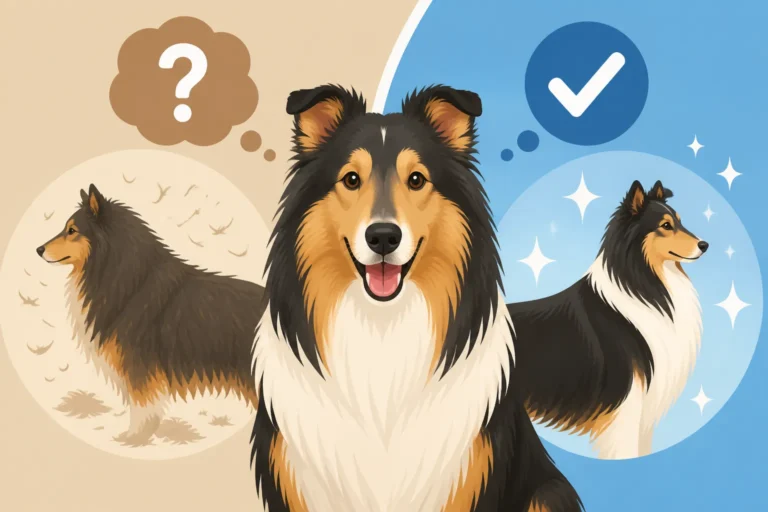
Let's face it, one of the Collie's most striking features is that incredible coat. It's a double coat, thick and luxurious, designed to protect them from the elements when they were working the Scottish Highlands. But that same beautiful coat, while wonderful for aesthetics and warmth, is also a master of disguise. It can make a dog of any size look robust, even if they're actually quite slender underneath, and it makes judging your Collie's weight by sight alone a real guessing game.
Why a Collie's Coat Masks Its Body Condition
Imagine trying to guess the size of a person wearing a very bulky winter parka. It's tough, right? Their silhouette might look substantial, but you have no idea what's happening underneath all that padding. That's essentially the challenge we face with our Collies. Their dense undercoat acts like a built-in puffer jacket, creating volume and giving the illusion of fullness even when the body beneath is becoming gaunt.
This is especially true for Rough Collies, whose long outer guard hairs and soft, thick undercoat can literally stand away from their body. You might see a beautiful, flowing mane and a deep frill, and assume all is well, while their ribs could be starting to show if you were to part the hair. Even Smooth Collies, with their shorter, denser coats, possess a significant undercoat that provides more insulation and bulk than you might initially expect. This natural volume means that visual cues, which are often enough for other breeds with shorter, single coats, simply don't give us the full picture for a Collie.
The Deceptive Nature of Visual Cues Alone
We’ve all seen pictures of healthy dogs with clearly defined waists and a visible tuck-up. With a Collie, seeing that classic hourglass figure is often impossible, even if they are at a perfect weight. The coat simply cascades down, creating a straight or slightly curved line that gives little indication of the underlying bone structure or fat cover. You might peer at them from above, looking for that 'waistline,' and conclude they're doing fine because there isn't an obvious dip or dramatic narrowing. However, an underweight Collie can still appear quite square or cylindrical from a distance due to the coat's masking effect.
Even in profile, the deep chest of the Collie, combined with their abundant feathering on legs and belly, can give a misleading impression of mass. You might assume the deep chest means they have plenty of muscle and padding there, but without physically touching them, you're just seeing fluff. It’s a common frustration for Collie owners – you know your dog, but their coat plays tricks on your eyes, making it difficult to spot a problem until it’s quite advanced.
When Weight Loss Isn't Obvious
One of the trickiest aspects of weight loss in Collies is how gradual it can be. Your dog might slowly start to lose a pound here, a pound there, over several weeks or months. This insidious, slow decline can easily be overlooked. You see your dog every day, so small changes are hard to detect. It's not like they wake up one morning visibly thinner. Instead, the loss might be so subtle that by the time you consciously notice it, they could already be significantly underweight.
Furthermore, some Collies might be naturally more active or have a higher metabolism, burning through calories quickly. If their food intake doesn't match this energy output, they can slowly burn off their fat reserves. Other times, underlying health issues can cause a slow, steady decline in weight. Conditions like Signs a Collie's Thyroid Is Low, dental problems, or even parasites can contribute to a dog not getting the nutrients they need, leading to gradual weight loss that is easily hidden by their beautiful fur. It’s not always about outright refusal to eat; sometimes it's about what their body is doing with the food they are consuming.
Hands-On Assessment: Feeling for the Truth
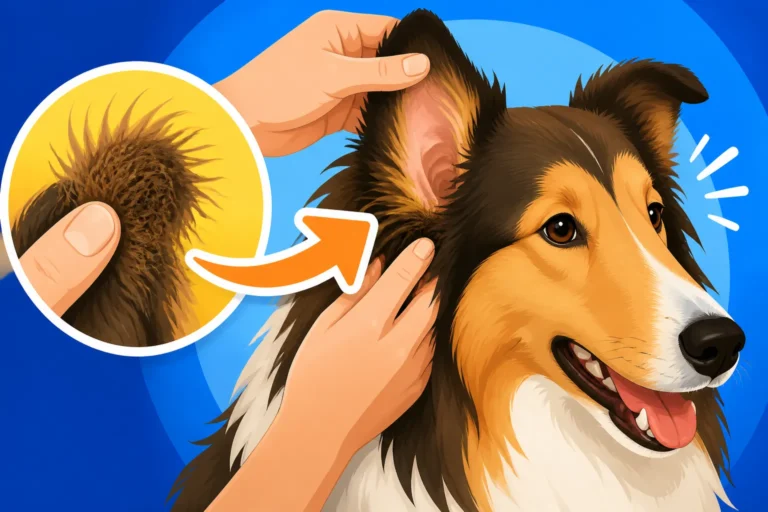
Since your eyes can deceive you, the most reliable way to assess your Collie's body condition is by getting hands-on. You need to use your fingers, gently but firmly, to feel what's truly underneath all that glorious coat. This tactile examination will give you a much clearer picture of their muscle mass and fat covering.
The Rib Test
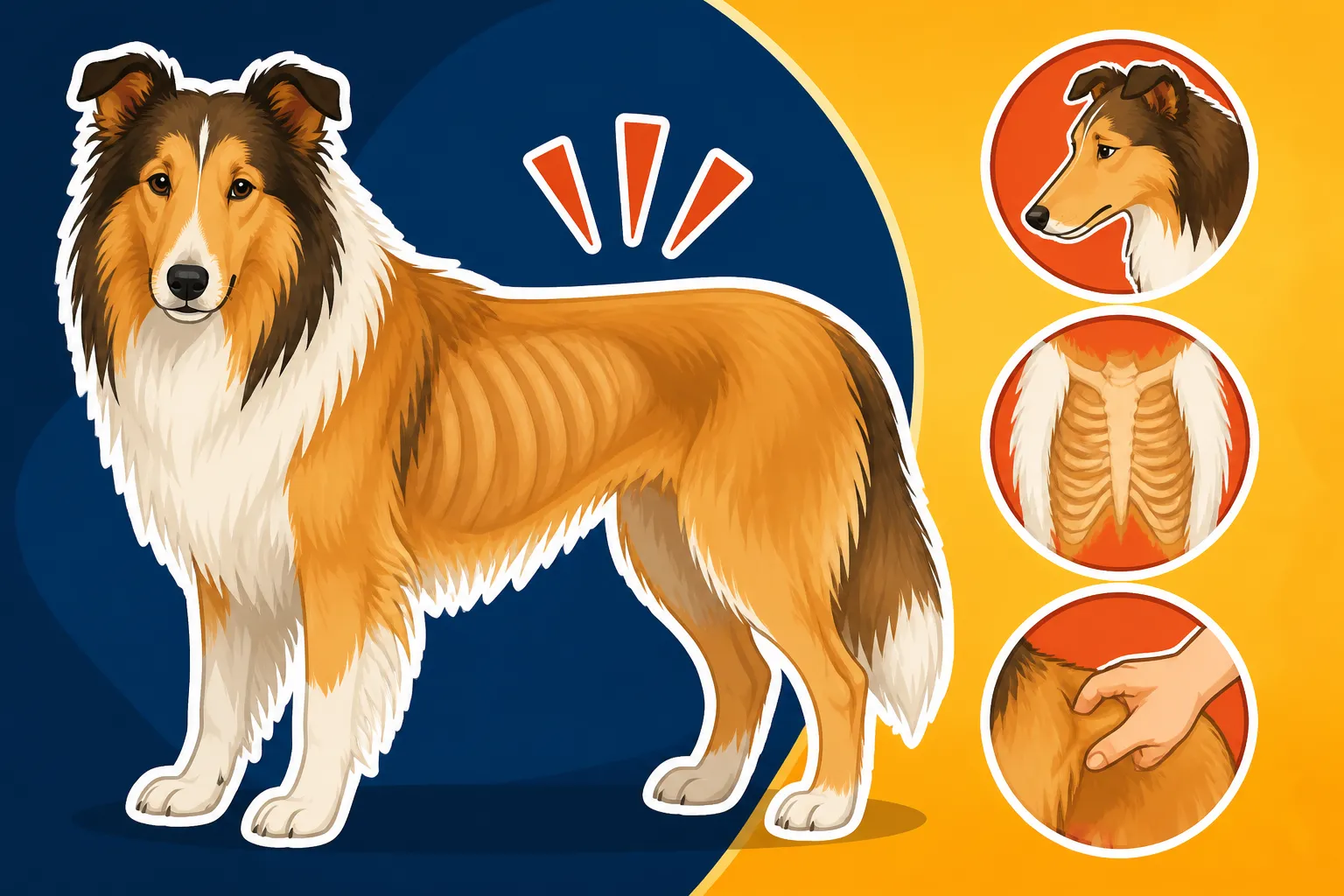
This is arguably the most important physical assessment you can do. It's simple, quick, and can tell you a lot. To perform the rib test, you’ll need to run your hands along your Collie’s sides, just behind their front legs.
Here’s how to do it:
- Locate the Ribs: Start by placing both hands flat on your Collie's chest, just behind their shoulders. With your fingers spread, gently move your hands backwards along their rib cage. You should feel the bumps of the individual ribs.
- Apply Gentle Pressure: Don't just skim the surface of the fur. You need to apply enough gentle pressure that you can actually feel through the muscle and fat to the ribs beneath. Think of it like feeling for the knuckles on your own hand – you don't need to press hard, but you do need to make contact.
- Interpret the Feel:
- Ideal Weight: At an ideal weight, you should be able to feel the ribs easily, almost like running your fingers over a washboard, but without seeing them. There should be a thin layer of fat and muscle covering them, so they don't feel sharply defined or painful. It's like feeling the back of your hand with your fingers spread out.
- Underweight: If your Collie is too thin, you'll find the ribs feel very prominent and distinct. You might even see them faintly outline when your dog breathes, especially after exercise. They will feel sharp and defined, with little to no padding over them, much like feeling the knuckles on your clenched fist. This indicates a concerning lack of fat and muscle mass.
- Overweight: If you have to press firmly to feel the ribs, or if you can't feel them at all, your Collie is likely carrying too much weight.
You can find a more detailed guide to this specific technique in How to Feel a Collie's Ribs Through the Coat. Remember, consistency is key; doing this regularly helps you notice changes quickly.
Checking the Spine and Hip Bones
Beyond the ribs, the spine and hip bones are also crucial indicators of body condition. These bony prominences can become very noticeable in an underweight Collie.
- Spine: Gently run your hand down your Collie's back, from their neck to the base of their tail. In a healthy Collie, you should be able to feel the individual vertebrae, but they shouldn't protrude sharply. There should be some muscle and fat cushioning them. If the spinal bumps feel very prominent, sharp, and you can easily count each vertebra without much pressure, it's a strong sign of being underweight.
- Hip Bones: Move your hands to your Collie's hindquarters. The two large bony points on either side of their lower back are their hip bones. In a well-conditioned Collie, these should be palpable but not visible or sharp. If they stick out prominently, are easy to grab hold of, or look angular even under the fur, your dog is likely too thin.
- Tail Base: The area where the tail joins the body also reveals a lot. There should be a smooth, slight layer of fat covering the bones here. If the bones at the base of the tail feel very sharp and prominent, with no padding, it's another indicator of being underweight.
When performing these checks, always be gentle. An underweight dog might be sensitive in these areas, and you don't want to cause them any discomfort.
The Tummy Tuck and Waistline
While the coat makes visual assessment tricky, you can still use your hands to get a sense of your Collie's waistline and abdominal tuck.
- Waistline: Stand over your Collie and look down, or kneel beside them. While the coat obscures the view, try to feel just behind their rib cage, before their hips. You should feel a gentle indentation, a slight narrowing, if they are at an ideal weight. If they are underweight, this area will feel more dramatically hollowed out. If it feels as wide as their chest or even wider, they might be carrying too much weight.
- Tummy Tuck: Look at your Collie from the side. The area behind their ribs and in front of their hind legs should ideally slope gently upwards from the chest, not hang low. This is the 'abdominal tuck.' In an underweight Collie, this tuck will be much more pronounced, appearing almost scooped out. In very severe cases, you might even see a distinct hollow. Again, the fur makes this challenging to spot visually, so use your hands to feel the contour. Run your hand from their chest back towards their groin, feeling for how much 'tuck' there is.
It's a delicate balance because Collies are naturally elegant dogs, but they shouldn't be bony or emaciated. They should feel firm and well-muscled, with just enough fat cover to cushion their bones.
Here's a quick reference table to help you with the hands-on check:
| Body Area | Ideal Weight Collie | Underweight Collie |
|---|---|---|
| Ribs | Easily palpable with gentle pressure, thin fat layer, not visible. | Very prominent, easily felt, sharp, often visible (especially on smooths or after wetting). |
| Spine | Vertebrae palpable but rounded by muscle/fat, not sharp or protruding. | Vertebrae are sharp, easily felt, and stick out noticeably. |
| Hip Bones | Palpable but smooth, rounded, not visible or angular. | Prominent, easily seen or grabbed, feel sharp and angular. |
| Tail Base | Smooth, slight fat cover over bones. | Bony prominences very evident, no padding. |
| Waistline | Gentle indentation behind ribs when viewed from above or felt. | Distinct, hollowed-out indentation behind ribs. |
| Tummy Tuck | Gentle upward slope from chest to groin when viewed from side or felt. | Pronounced, scooped-out upward slope; abdominal hollow. |
Behavioral and Lifestyle Indicators of Underweight Collies
Beyond what you can feel, your Collie's behavior and overall demeanor can also offer crucial hints that they might not be thriving. Sometimes, these subtle changes are the first signs that something is amiss, long before noticeable weight loss or a significant change in their physical condition.
Changes in Energy Levels and Stamina
One of the most common signs that a dog isn't getting enough nutrition or is otherwise unwell and losing weight is a noticeable dip in their energy levels. Your typically playful Collie, who loves a good romp or a long walk, might start to seem less enthusiastic. They might be slower to greet you, reluctant to engage in play, or cut short their usual activities.
Perhaps your daily walk is usually a brisk, happy affair, but now they lag behind, seem winded easily, or prefer to sniff around quietly rather than engage in a lively trot. You might notice they're sleeping more, not just a bit more, but significantly more, or they seem more lethargic throughout the day. A healthy Collie has a good amount of bounce and stamina; if yours is acting like they’ve aged five years overnight or can’t keep up like they used to, it’s a red flag. This can be particularly concerning if it’s an active dog who used to love their How Far a Collie Can Hike adventures.
Altered Eating Habits and Pickiness
Naturally, if a dog is losing weight, you might first look at their eating habits. Have they suddenly become picky? Are they leaving food in their bowl when they used to gobble it down? Or, on the flip side, are they eating more but still not gaining weight, perhaps even losing it?
- Decreased Appetite: This is a clear indicator. If your Collie, who normally loves mealtime, starts to turn their nose up at food, eats only a portion, or outright refuses to eat for a day or two, it warrants investigation. It could be dental pain, nausea, or an underlying illness.
- Increased Appetite Without Weight Gain: This can be particularly perplexing. If your Collie is ravenously hungry, always seeking food, cleaning their bowl quickly, but seems to be getting thinner, it suggests their body isn't absorbing nutrients properly or they have an unusually high metabolic demand. Conditions like malabsorption, parasites, or even some hormonal imbalances can cause this. You might even find yourself looking up How Many Cups a Day an Adult Collie Eats and still feel like it's not enough.
- Changes in Stool: Along with eating habits, always keep an eye on their bathroom habits. Diarrhea, unusually soft stools, or stools with an odd color or consistency (like greasy-looking or containing undigested food) can all indicate that your Collie isn't properly digesting and absorbing the nutrients from their food, regardless of how much they're eating.
If you observe any of these changes, don't dismiss them. They are your Collie's way of telling you something isn't right.
Coat and Skin Health Deterioration
A Collie's coat is a window into their overall health, and its condition can be affected by their nutritional status. While we love that glorious mane, it takes a lot of energy and good nutrition to maintain it.
- Dull, Dry, or Brittle Coat: An underweight Collie, especially one suffering from nutritional deficiencies, might develop a dull, dry, and brittle coat. It might lose its characteristic sheen and softness. The hair might feel coarse to the touch, and you might notice an increase in static electricity when brushing.
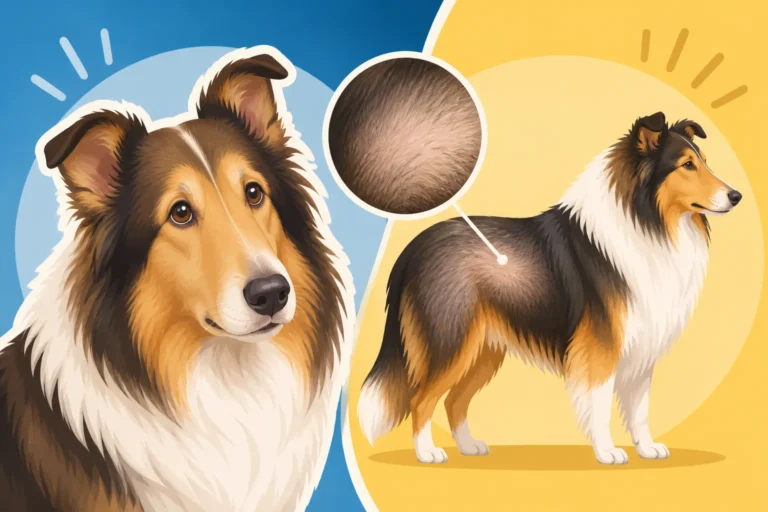
- Excessive Shedding: While Collies are known for their seasonal "coat blow" (check out The Three Weeks Twice a Year When a Collie Buries Your House), excessive shedding outside of these periods, or shedding that seems abnormal in quantity or texture, can be a sign of poor health or inadequate nutrition. If their coat seems to be thinning overall, or you're finding patches of sparser hair, it's definitely something to note. You might be brushing them more often, finding your home perpetually covered, and wondering What Changes in an Old Collie's Coat if it's age or something else.
- Poor Skin Condition: Healthy skin is supple and free of flakes or irritation. In an underweight or nutritionally deficient Collie, the skin might become dry, flaky, or even oily in places. You might notice more dandruff, or if you part the fur, the skin underneath might not look as healthy as it should.
These changes in coat and skin are often secondary signs that the body isn't getting what it needs. They're not always specific to being underweight, but when combined with other signs, they paint a clearer picture.
When to Act: Seeking Veterinary Advice and Nutritional Support
If you've performed the hands-on checks and observed any of the behavioral or physical indicators, it's time to take action. Don't delay; early intervention can make a big difference for your Collie's health and well-being. Collies are notoriously good at Whether a Collie Hides Pain, so if you're noticing something, it's likely been going on for a while.
Understanding Body Condition Scoring
When you visit your veterinarian, they will likely use a more formalized system called Body Condition Scoring (BCS). This is a standardized, objective way to assess a dog's fat reserves and muscle mass. Vets typically use a 5-point scale (where 3 is ideal) or a 9-point scale (where 4 or 5 is ideal). They'll perform the same kind of hands-on assessment you've been doing, feeling the ribs, spine, and hip bones, and looking at the waist and abdominal tuck.
The vet will combine this physical exam with a thorough history of your Collie's eating habits, activity levels, and any other symptoms you've observed. They might ask about What an Adult Collie Eats in a Month or if you've tried different brands. This comprehensive approach helps them determine if your Collie is truly underweight, and if so, what might be causing it. They might also suggest routine What a Collie's Bloodwork Costs to check for underlying medical conditions.
Dietary Adjustments for Healthy Weight Gain
If your Collie is indeed underweight, your vet will help you devise a plan to safely and effectively help them gain weight. This isn't just about feeding them more food; it's about feeding them the right food in the right way.
- High-Quality, Calorie-Dense Food: Your vet might recommend a high-quality, nutritionally balanced dog food specifically formulated for active dogs or puppies, which often contain more calories and protein. Sometimes, switching to a more palatable food can also help, especially if pickiness was an issue. You can explore a wide range of options on sites like Chewy or Amazon, which offer many brands and formulations. Consider options like fresh dog food services, such as Ollie, that provide human-grade ingredients and customized meal plans, which can be highly appealing to a dog who's lost interest in their kibble.
- Frequent, Smaller Meals: Instead of two large meals, your vet might suggest feeding several smaller meals throughout the day. This can be easier on their digestive system and ensure a more consistent intake of calories.
- Appetite Stimulants or Supplements: In some cases, if an underlying medical condition is ruled out and appetite remains low, your vet might prescribe an appetite stimulant or recommend specific nutritional supplements. Things like fish oil (which can also improve coat health, as discussed in Whether Fish Oil Improves a Collie's Coat) or probiotics might be suggested to aid digestion and nutrient absorption.
- Monitoring and Adjusting: Gaining weight should be a gradual process. Rapid weight gain can put stress on their system. Your vet will guide you on how much weight your Collie should aim to gain per week or month and will want to schedule follow-up appointments to monitor their progress and adjust the feeding plan as needed.
The Importance of Regular Weight Monitoring
Even once your Collie is back to a healthy weight, consistent monitoring is key. You can't rely on just the hands-on test forever; regular weigh-ins are crucial, especially with a breed whose coat is so deceptive.
- At Home: Invest in a sturdy pet scale if your Collie is small enough, or use your own bathroom scale by weighing yourself, then weighing yourself holding your Collie, and subtracting the difference. Do this once a week or every couple of weeks, at the same time of day (e.g., before their first meal).
- At the Vet: Most veterinary clinics have large, accurate scales. Don't hesitate to pop in periodically between appointments just to get a weight check. Many clinics are happy for clients to do this, and it doesn't usually cost anything. This helps you track trends and catch any downward slide early.
- Keep a Log: Maintain a small notebook or a note on your phone where you record your Collie's weight and any observations about their appetite or energy levels. This detailed record will be invaluable for your vet if you ever need to address future health concerns or discuss How Long a Collie Lives and What Ends It.
By combining your careful hands-on assessment, vigilant observation of their behavior, and working closely with your veterinarian, you can ensure your beautiful Collie maintains a healthy weight and continues to live their best, fluffiest life.
Disclaimer
This article is for general informational purposes only and does not constitute professional advice. Laws, prices and regulations vary by location and change over time. Consult a qualified professional for guidance on your specific situation.