How Much Water a Collie Drinks a Day
One common worry for us Collie parents is making sure our furry family members are getting everything they need to thrive. Sometimes, it's not the grand gestures we fret over, but the simple, vital things, like whether they're drinking enough water. It’s easy to feel anxious, wondering if that big bowl is being emptied quickly enough, or if their thirst is a sign of something more serious. This guide is here to walk you through everything you need to know about your Collie's daily water intake, from the obvious factors to the subtle clues, so you can feel confident your beloved companion is properly hydrated.
The Factors That Influence Your Collie's Daily Water Intake
It would be wonderfully simple if I could just give you a magic number, like "Your Collie needs exactly 6.7 cups of water a day." But the truth is, a Collie's water consumption is far more nuanced, a constantly shifting calculation based on a variety of factors unique to them and their environment. It’s less about a rigid quota and more about understanding their individual needs and patterns.
Your Collie's Size, Age, and Activity Level
Just like us, bigger, more active Collies generally need more water. A towering male Rough Collie who loves long hikes and chasing squirrels in the park is going to be far thirstier than a petite, senior Smooth Collie who spends most of her day napping in a sunbeam. Puppies, with their boundless energy and rapidly developing bodies, also have different hydration needs, often requiring more frequent access to fresh water. Their tiny bodies can dehydrate faster than an adult's, so vigilance is key.
Think about it: a young Collie romping around for an hour, burning off all that youthful energy, is expending a lot of moisture through panting and metabolism. Compare that to an older Collie, perhaps past the age of nine, who might be slowing down and not exerting themselves as much. Their metabolic rate changes, and so does their fluid requirement. However, don't let age lull you into a false sense of security; older dogs can sometimes become less efficient at hydrating themselves or might have underlying conditions that alter their thirst.
Diet Type and Environmental Conditions
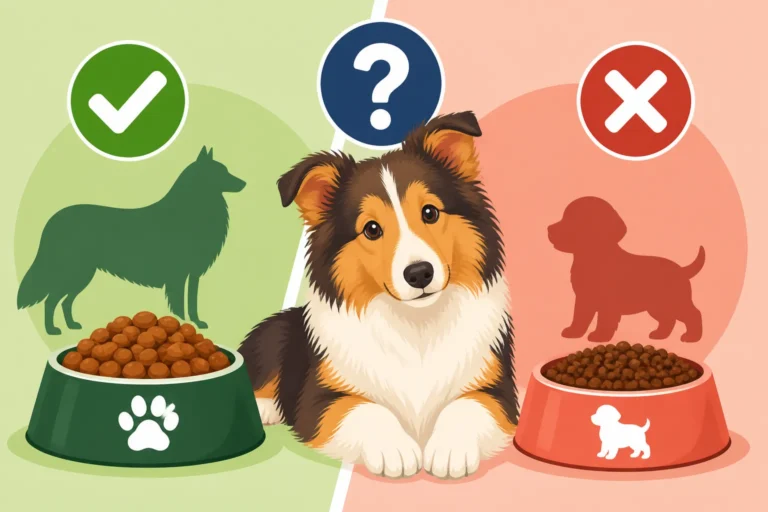
What your Collie eats plays a huge role in how much additional water they seek out. If your Collie primarily eats dry kibble, they are getting very little moisture from their food, meaning they'll need to drink a significant amount of water from their bowl to compensate. This is where you might notice them draining their water bowl quite quickly after a meal. Many dry kibble options are readily available from places like Chewy, and while convenient, they don't contribute much to hydration.
On the other hand, Collies fed a diet that includes wet food or fresh, cooked meals will naturally consume more water through their food. These types of diets can contain up to 70-80% moisture, which significantly reduces the amount they need to drink separately. It's why sometimes, after switching to a wetter diet, owners panic that their dog isn't drinking as much – but often, it's just because they're already getting what they need!
The weather also plays a critical role. On a sweltering summer day, when the sun is beating down and your Collie is panting more to regulate their body temperature, their water needs will skyrocket. It's not just about outdoor heat, either; even in a warm house during winter, or if your home is particularly dry, your Collie might drink more. Conversely, on a cool, damp day, their thirst might seem less pronounced. Whether a Collie Overheats in Its Coat is a crucial consideration here, as their double coat can make them more susceptible to heat, increasing their need for water.
Health Status and Medications
This is perhaps the most critical factor to consider, and often the most concerning for us owners. Various health conditions can drastically alter a Collie's water intake. For instance, dogs with kidney disease often drink and urinate excessively as their kidneys struggle to concentrate urine. Diabetes mellitus is another common culprit, leading to increased thirst (polydipsia) and increased urination (polyuria). Liver disease, Cushing's disease, and even some types of cancer can also manifest with changes in drinking habits.
Furthermore, many medications, both over-the-counter and prescription, can affect how much your Collie drinks. Steroids, for example, are notorious for causing increased thirst and urination. Diuretics, used to help the body shed excess fluid, will naturally make your Collie very thirsty. It's essential to be aware of The Drug List That Can Kill a Collie and how specific medications, even safe ones, can impact their hydration levels. If your Collie has epilepsy, the medications they take for Epilepsy in the Collie might also have side effects that influence their thirst. Always discuss any changes in water intake with your vet, especially if your Collie is on medication or has a known health condition.
Recognizing Healthy Hydration and Spotting Potential Issues
Knowing how much water your Collie should drink is one thing, but actually assessing if they are drinking enough, or perhaps too much, requires a keen eye and a bit of routine observation. It’s about becoming a detective, looking for the subtle clues their body offers. This isn't just about watching the water bowl; it's about checking their physical state and understanding what their normal looks like.
Signs of Optimal Hydration
A well-hydrated Collie will typically have clear, moist gums that feel slick to the touch. When you gently lift their lip, the gums should be pink (unless they naturally have pigmented gums). If you press a finger firmly against their gum and then release, the color should return almost instantly – this is called capillary refill time, and in a healthy dog, it’s usually less than two seconds. Their eyes should be bright and clear, not sunken or dull.
Another quick check is skin turgor, which involves gently tenting the skin on their back or neck. Pinch a small fold of skin, lift it up, and then release. In a well-hydrated Collie, the skin should snap back into place almost immediately. If it's slow to return or stays tented for a moment, it could be a sign of mild dehydration.
Of course, observing their bathroom habits is also key. Healthy urine should be a pale yellow or straw color, not dark or overly concentrated. The frequency of urination should also be consistent with their routine. A properly hydrated Collie will likely urinate several times throughout the day, depending on their drinking frequency.
Signs of Dehydration in Collies
Dehydration can creep up slowly, and because Collies have such thick coats, some signs can be harder to spot. Beyond the slow skin turgor and sticky gums mentioned above, look for more serious indicators. Lethargy, weakness, and a decreased appetite are red flags. Their eyes might appear sunken, and their nose might feel dry. They might also exhibit excessive panting even when not exercising, as their body tries to cool itself without sufficient fluid.
In severe cases, a dehydrated Collie might collapse, show signs of shock (rapid heart rate, weak pulse), or even become unresponsive. This is an emergency situation. It’s especially critical to understand that even mild dehydration can impact organ function and overall well-being, especially if your Collie has pre-existing conditions. For instance, dehydration can exacerbate conditions that contribute to Bloat in a Deep Chested Collie, making prompt rehydration vital.
Signs of Excessive Water Intake (Polydipsia)
While dehydration often takes the spotlight, drinking too much water can also be a cause for concern. If you notice your Collie is constantly at the water bowl, emptying it much faster than usual, or needing to go outside to urinate far more frequently, it’s time to investigate. This isn't just a quirky habit; it's often a symptom of an underlying health problem.
Excessive thirst, known as polydipsia, is frequently paired with excessive urination, or polyuria. If your Collie suddenly starts having accidents indoors or demanding to go out every hour, it could be that they're drinking excessively due to a medical issue. As mentioned earlier, diabetes, kidney disease, Cushing's disease, and certain medications are common causes. Whether a Collie Gets Thyroid Disease or Signs a Collie Has a Bladder Stone are other conditions that can alter urination patterns and indirectly affect water intake. It's always best to consult your veterinarian promptly if you notice a significant, sustained increase in your Collie's water consumption.
| Factor | Typical Impact on Water Intake | Hydration Sign (Positive) | Hydration Sign (Negative) |
|---|---|---|---|
| Activity Level | High activity = More water | Energetic, resilient | Lethargic, weak |
| Diet (Dry Kibble) | More water needed | Pale yellow urine | Dark, concentrated urine |
| Diet (Wet Food) | Less water needed | Moist, pink gums | Dry, sticky gums |
| Hot Weather | Significantly more water | Good skin elasticity | Slow skin turgor |
| Cold Weather | Slightly less water | Clear, bright eyes | Sunken, dull eyes |
| Illness/Medication | Can increase or decrease | Normal appetite | Decreased appetite |
Encouraging Healthy Drinking Habits for Your Collie
Knowing the signs is great, but prevention and proactive care are even better! As Collie owners, we want to make sure our magnificent dogs are always comfortable and healthy. Here are some practical steps you can take to ensure your Collie is consistently well-hydrated and happy, minimizing those worried glances at the water bowl.
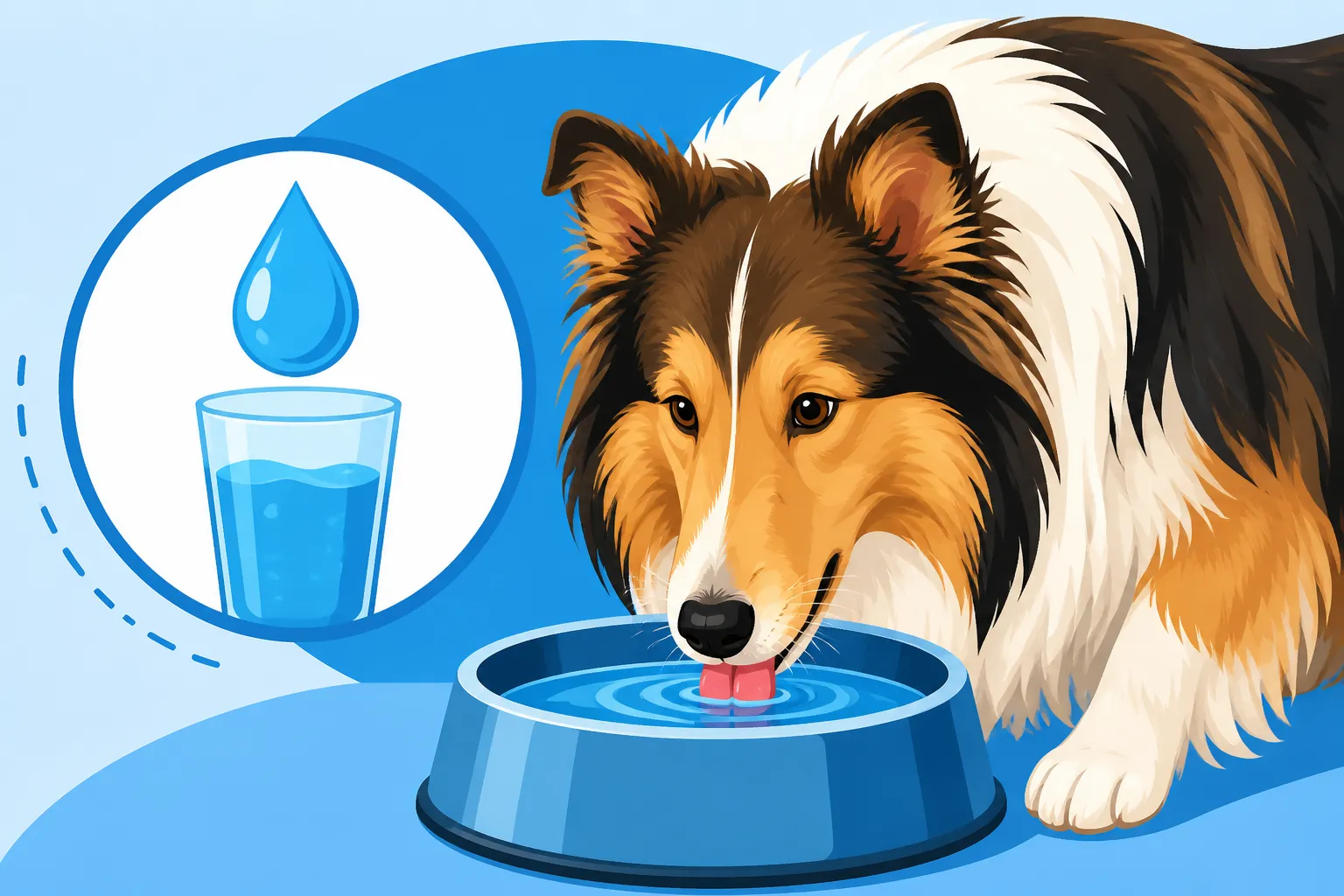
Always Provide Fresh, Clean Water
This might sound like a no-brainer, but it's astonishing how many people let water bowls sit stagnant for days. Your Collie, with their sensitive nose, can tell if the water isn't fresh. Stale water, or water with debris, dust, or even a bit of leftover kibble floating in it, can be off-putting. Imagine wanting a refreshing drink and finding it lukewarm and gritty – not appealing, right?
Invest in good quality water bowls, perhaps stainless steel or ceramic, which are easier to keep clean than some plastics that can harbor bacteria. You can find excellent options on Amazon or Chewy. Make it a habit to empty, wash, and refill their water bowl at least once a day, and more often in hot weather or if they’re particularly messy drinkers. If you have multiple Collies or other pets, consider having several water stations around the house to prevent any competition or to simply make it more convenient for them to access.
Strategic Placement and Multiple Bowls
Where you place the water bowl matters. If it's hidden away in a corner of the laundry room that your Collie rarely visits, they might not drink as much as they should. Place bowls in high-traffic areas where your Collie spends most of their time – the living room, kitchen, or even near their favorite sleeping spot.
For larger homes, or if your Collie has free access to different floors or outdoor areas, consider having multiple water bowls. This removes any barriers to hydration. A bowl in the kitchen, another near the back door for outside playtime, and one in the master bedroom if they sleep there can make a huge difference. Think about your Collie's daily routine and place water where they naturally pass by or rest. This also comes in handy for older Collies who might have joint issues like Hip Dysplasia in a Collie and find it difficult to move around as much, making easily accessible water crucial.
Incorporating Moisture Into Their Diet
If your Collie isn't a huge drinker, or if you want to give them an extra boost of hydration, you can get creative with their food. Adding a splash of water to their dry kibble can make it more palatable and increase their overall fluid intake. Just be careful not to soak it so much that it becomes mushy and unappealing. You can also try adding low-sodium broth (check the ingredients carefully!) to their food, which can entice them to eat and hydrate simultaneously.
Switching to a higher-moisture diet, at least for some meals, can also be beneficial. As discussed, wet food or fresh food options significantly contribute to their daily water intake. Some owners even offer raw or cooked vegetables like cucumber slices or carrot sticks as treats, which contain natural water. Always introduce new foods gradually to avoid upsetting their Collie's sensitive stomach. This ties back into a balanced approach for Feeding a Collie Through Its Growth and Its Coat.
Exploring Water Fountains and Ice Cubes
Some dogs simply prefer moving water to still water. A pet water fountain can be a fantastic way to encourage drinking, as the bubbling, circulating water often proves irresistible. The sound of running water can also be a gentle reminder to drink. Just make sure to keep the fountain clean and change the filters regularly as per the manufacturer's instructions. There are many reliable and quiet pet fountains available on platforms like Chewy or Amazon.
During warmer months, or if your Collie is particularly active, adding a few ice cubes to their water bowl can make it more appealing and refreshing. Some Collies even enjoy chewing on ice cubes as a treat! You can also freeze low-sodium chicken broth in an ice cube tray for a flavorful, hydrating snack. These little touches can go a long way in making hydration a fun and consistent part of their day.
When to Consult Your Veterinarian About Water Intake
While observing and encouraging healthy drinking habits is crucial, there are times when your observations warrant a professional opinion. As responsible Collie owners, knowing when to move from proactive care to veterinary consultation can be lifesaving. It’s about trusting your gut when something just doesn't seem right.
Sudden and Significant Changes
Any abrupt and noticeable change in your Collie's drinking habits should prompt a call to your vet. If your Collie, who normally drinks a moderate amount, suddenly starts emptying their water bowl several times a day and demanding to go out hourly, that's a red flag. Conversely, if they suddenly show no interest in water, refusing to drink for extended periods, that's equally concerning. Even seemingly minor shifts, if persistent, can be indicators of underlying issues.
This isn't to say every slight variation is an emergency. A particularly long play session or a very hot afternoon will naturally increase thirst. But if the change isn't explained by obvious environmental or activity factors, and it lasts for more than a day or two, it's worth getting checked out. Early detection of issues like diabetes or kidney disease can lead to much more effective management.
Accompanied by Other Symptoms
Changes in water intake are rarely the only symptom of a health problem. If the altered drinking is accompanied by other worrying signs, a vet visit becomes even more urgent. Look out for:
- Lethargy or weakness: Your usually lively Collie seems unusually tired or struggles with normal activities.
- Vomiting or diarrhea: These can lead to rapid dehydration and are serious in themselves.
- Loss of appetite: Refusal to eat for more than 24 hours is always a concern.
- Weight loss: Especially if it's unexplained and happens despite normal or increased eating.
- Changes in behavior: Increased irritability, restlessness, or confusion.
- Physical changes: Swollen abdomen, pale gums, or other visible discomfort.
For example, if your Collie is drinking a lot and seems lethargic, or is losing weight, it strongly suggests a systemic issue that needs immediate veterinary attention. This is especially important as Collies can sometimes be stoic and hide pain, so a cluster of symptoms, even subtle ones, should be taken seriously. What Most Collies Die Of often involves conditions that start with subtle changes in behavior or bodily functions, including thirst.
When Dehydration Is Suspected
If you perform the home checks (gum stickiness, capillary refill, skin turgor) and suspect your Collie is dehydrated, do not delay. Even mild dehydration can quickly escalate, particularly if there's an underlying cause like an upset stomach or heat exhaustion. While you can offer small, frequent sips of water, a veterinarian needs to assess the degree of dehydration and determine the appropriate course of action, which might include subcutaneous or intravenous fluids.
Don't try to force-feed large amounts of water to a dehydrated dog, as this can sometimes lead to vomiting or even more serious issues like bloat if they gulp too much air. Recognizing How Fast Bloat Kills a Collie means understanding that rapid, uncontrolled drinking, especially after exercise or when stressed, can be a risk factor, so a vet's guidance is crucial. Your vet can provide safe rehydration strategies and also check for the root cause of the fluid loss.
Disclaimer
This article is for general informational purposes only and does not constitute professional advice. Laws, prices and regulations vary by location and change over time. Consult a qualified professional for guidance on your specific situation.