Dermatomyositis and the Collie Risk Panel
It's absolutely heartbreaking to see your beloved Collie develop unexplained skin lesions, muscle weakness, or a thinning coat, and the fear that washes over you when you suspect something serious is at play is completely understandable. For Collie owners, one particularly concerning condition that often comes to mind is Dermatomyositis, or DMS. This guide is here to shed light on what DMS is, why our beautiful Collies are especially prone to it, and most importantly, how we can understand, test for, and manage this complex genetic condition to give our dogs the best possible quality of life.
What Exactly Is Dermatomyositis and Why Collies?
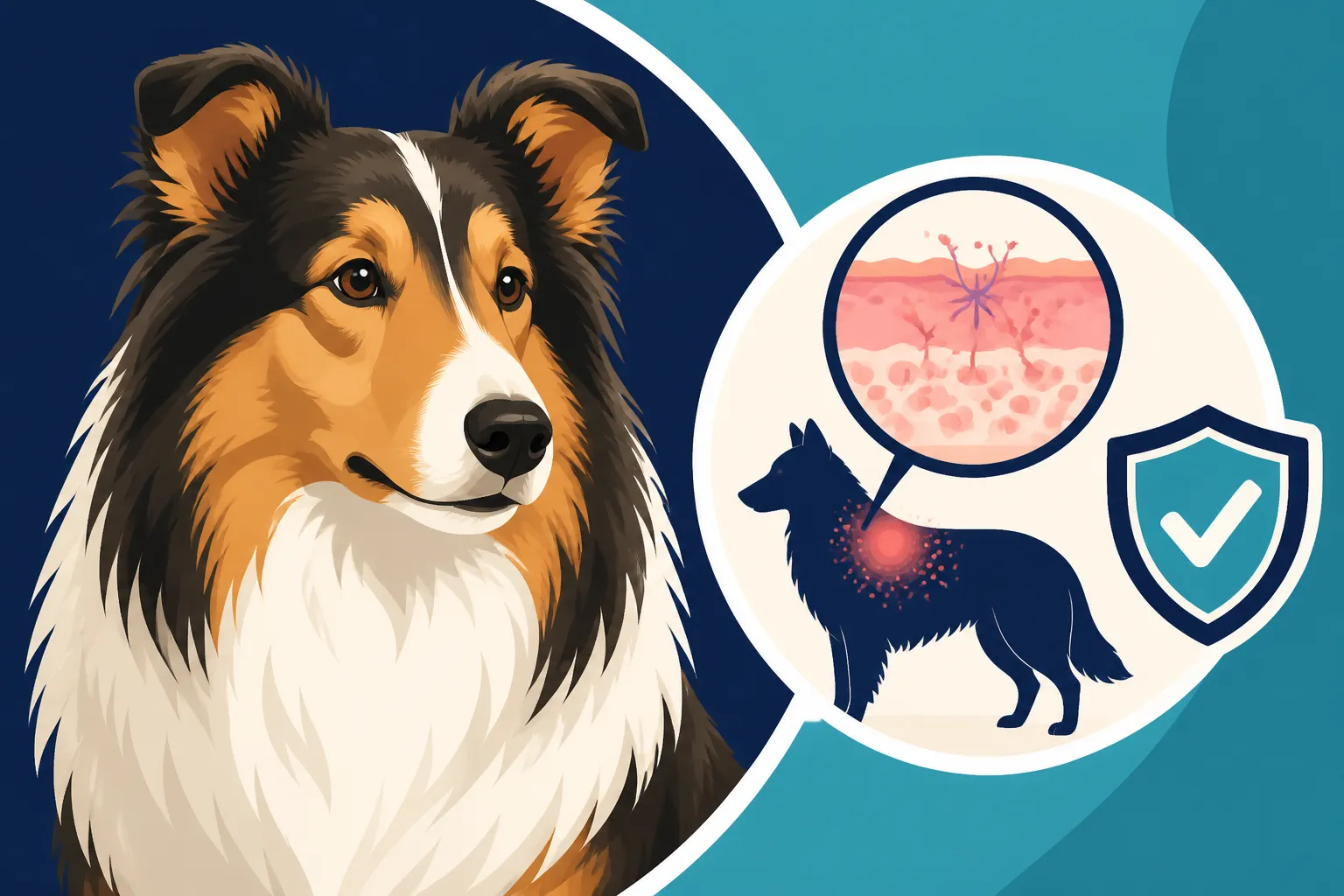
When you notice bald patches, crusty sores, or a general "unthrifty" look to your Collie's coat, it's natural to feel a knot of worry. Dermatomyositis (DMS) is a frustrating and sometimes puzzling condition that can manifest in various ways, making it hard for even experienced owners to pinpoint at first glance. It's an immune-mediated inflammatory disease that primarily affects the skin and muscles, and in some cases, even the blood vessels.
Unpacking the Mystery: What Dermatomyositis Is
Dermatomyositis isn't just a simple skin rash; it's a systemic issue, meaning it involves the entire body's immune response targeting its own tissues. Imagine your dog's immune system, which is supposed to protect against invaders like bacteria and viruses, mistakenly attacking healthy cells in their skin, muscles, and sometimes even the tiny blood vessels that supply these areas. That's essentially what happens with DMS. This mistaken attack leads to inflammation, which in turn causes the noticeable symptoms. It's often compared to certain autoimmune diseases in humans, highlighting its complex nature and the challenges in both diagnosis and treatment. The unpredictable flare-ups and periods of remission can be incredibly stressful for owners who are constantly trying to manage their dog's comfort and health.
The Distinctive Signs: How DMS Shows Up in Collies
The heartbreaking thing about DMS is that its symptoms can sometimes mimic other common skin issues, delaying a definitive diagnosis. However, certain signs are highly characteristic of Dermatomyositis in Collies. Typically, these symptoms begin to appear when a Collie is quite young, often between three to six months of age, though some cases might surface later. The Weeks a Collie Puppy First Shows Dermatomyositis can be a really anxious time for new puppy owners.
The most common signs include:
- Skin Lesions: These are usually found on areas prone to friction or trauma, like the face (especially around the eyes, muzzle, and ear tips), bony prominences (like elbows, hocks, and paws), and the tail tip. The lesions can range from thinning hair and redness to crusting, scaling, sores, and even ulcers. These can be itchy or painful, leading to secondary infections if scratched or licked excessively. You might notice the fur around your Collie's eyes looking sparse, or crusts developing on the bridge of their nose.
- Alopecia (Hair Loss): Patchy hair loss is very common, often symmetrical, and can be quite striking, particularly on the face, ears, and legs. Over time, the coat can become generally thinner and duller.
- Muscle Involvement: While not always obvious, some Collies with DMS experience muscle inflammation. This can lead to muscle wasting, particularly in the head and limbs, making them look gaunt. They might seem weaker, struggle with exercise, or even have difficulty eating due to jaw muscle atrophy. Whether a Collie With Dermatomyositis Loses Muscle is a huge concern for many owners.
- Scarring: Unfortunately, severe skin lesions, especially those that ulcerate, can lead to permanent scarring, leaving hairless, thickened skin. Owners often worry, "Whether a Collie's Skin Lesions Scar Permanently." It's a valid concern, as these scars can affect the aesthetic appearance and sometimes the function of the skin.
It's crucial to remember that the severity of these signs can vary wildly from one Collie to another. Some might have very mild, intermittent skin issues, while others suffer from severe, debilitating disease that impacts their daily life and requires intensive management.
The Collie Connection: Why Our Breed Is Prone
So, why Collies? It’s not just bad luck; it’s largely genetic. Collies, along with Shetland Sheepdogs (Shelties) and Beaucerons, are genetically predisposed to developing DMS. This strong breed-specific link points directly to inherited factors. Researchers have identified specific gene markers that significantly increase a Collie's risk of developing this condition. This means that if a Collie carries certain combinations of these genes, their chances of developing DMS are much higher than a dog from a breed not predisposed to the condition. It's a powerful reminder of how important responsible breeding practices and genetic testing are in our beloved breed. Without this understanding, breeders might unknowingly propagate the very genes that lead to such painful conditions for future generations of Collies and their families.
Decoding the Genetics: The Collie Risk Panel for DMS
Understanding that DMS has a strong genetic component is the first step towards managing and ultimately reducing its prevalence in the Collie breed. For years, diagnosis was based solely on clinical signs and skin biopsies, which could be inconclusive or only confirm the inflammation, not the underlying cause. Now, thanks to scientific advancements, we have genetic testing that can identify a Collie's predisposition to DMS.
The Triple Threat: Identifying the Key Genes
The development of a genetic risk panel for DMS in Collies was a huge breakthrough. Researchers have identified three main genetic loci, or specific locations on a chromosome, that significantly contribute to a Collie's risk of developing DMS. These aren't single "DMS genes" but rather a combination of genes that work together to influence susceptibility. The three major genetic markers identified are:
- DLA-DRB1 (Dog Leukocyte Antigen): This gene is part of the major histocompatibility complex (MHC), which plays a critical role in the immune system's ability to recognize foreign invaders versus the body's own cells. Certain variations of DLA-DRB1 are associated with an increased risk of autoimmune diseases, including DMS.
- MAP3K7 (Mitogen-Activated Protein Kinase Kinase Kinase 7): This gene is involved in cell signaling pathways that regulate immune responses and inflammation. Specific variants here also contribute to the risk profile.
- BTLA (B and T Lymphocyte Attenuator): This gene is an immune checkpoint molecule, meaning it helps to regulate and temper immune responses to prevent overactivity. Variants in BTLA can impact the delicate balance of the immune system, potentially leading to unchecked inflammation seen in DMS.
It's the specific combination of alleles (versions of these genes) inherited from both parents that determines a Collie's overall genetic risk score for DMS. This complex interplay is why a comprehensive panel is necessary, rather than just testing for one or two individual markers.
Understanding Your Collie's Risk Score: What the Letters Mean
When you receive the results from a Collie DMS risk panel, you'll typically see a combination of letters, often A, B, C, or D, assigned to each of these three genetic loci. These letters denote the specific allele your Collie carries at each location, and the combination of these letters across all three genes gives your dog an overall risk score. This score indicates their genetic predisposition to developing DMS.
Here's a general breakdown of how these risk scores are usually interpreted:
| DMS Risk Score (Example) | Interpretation of Genetic Risk | Clinical Likelihood | Breeding Implications |
|---|---|---|---|
| Low Risk (A/A, A/B) | Possesses mostly protective or low-risk alleles. | Very low likelihood of developing clinical DMS signs. While not zero (due to environmental factors), genetically, they are well-protected. | Ideal for Breeding: These dogs are highly desirable for breeding programs as they contribute protective genes. When paired with a dog with a higher risk score, they can significantly reduce the risk of DMS in offspring. |
| Moderate Risk (B/B, A/C) | Carries some alleles that confer a moderate increase in risk. | Some increased risk of developing DMS, especially if exposed to environmental triggers. Many dogs in this category will never show severe signs, or may have very mild, transient symptoms. | Breed with Caution: These dogs can be bred, but ideally should be paired with a "Low Risk" (A/A) partner to dilute the risk alleles in the next generation. Avoid pairing with other moderate or high-risk dogs to prevent producing high-risk puppies. |
| High Risk (C/C, C/D, B/D) | Carries a significant number of risk-conferring alleles across the three loci. | Substantially increased likelihood of developing clinical DMS. They are more likely to exhibit more severe and persistent symptoms, often requiring lifelong management. Environmental triggers can easily push them into a flare. | Not Recommended for Breeding: Breeding these dogs is strongly discouraged due to the high probability of passing on risk alleles and producing affected offspring. Their contribution would likely increase the incidence of DMS in the breed. |
| Affected (D/D or similar high-risk combinations) | Has the highest genetic predisposition, often indicating a direct genetic cause for DMS. | Almost certain to develop or already exhibiting clinical DMS, often severe. These dogs require consistent management and lifelong care. | Absolutely Do Not Breed: These dogs should be removed from any breeding program. Their genetic makeup guarantees passing on significant risk, leading to more affected dogs. For more details, consider reading about Whether a Collie With Dermatomyositis Should Be Bred. |
It's crucial to understand that these scores indicate genetic predisposition, not a guarantee. A high-risk dog might never show severe signs, while a moderate-risk dog could, under certain circumstances, have a flare-up. This is where environmental factors come into play.
Beyond Genetics: Environmental Factors and Triggers
While genetics lay the groundwork, they don't tell the whole story. Dermatomyositis is often described as a multifactorial disease, meaning both genes and external factors contribute to its expression. Even if your Collie carries a higher genetic risk, certain environmental triggers can exacerbate or even initiate the clinical signs of DMS.
Common environmental triggers include:
- Sun Exposure: UV radiation can worsen skin lesions and trigger flare-ups. This is why you often see lesions on the face and ear tips, which are areas frequently exposed to the sun. Whether Sun Makes a Collie's Dermatomyositis Worse is a common question, and the answer is a resounding yes. Protecting your Collie from intense sunlight is a key management strategy.
- Stress: Just like in humans with autoimmune conditions, emotional or physical stress can play a role in triggering or worsening DMS symptoms. A move to a new home, a change in routine, or even perceived threats can sometimes lead to a flare. Many owners report, "Whether Stress Triggers a Collie's Skin Flare" and often find it does.
- Trauma: Any physical trauma to the skin, even minor scrapes or friction, can instigate lesions in predisposed areas.
- Vaccinations and Infections: While vital for overall health, some anecdotal reports suggest that certain vaccinations or systemic infections might temporarily stress the immune system, potentially leading to a DMS flare in genetically susceptible individuals. This is not to say you should avoid vaccinations, but it’s something to be aware of and discuss with your vet if your dog is at high risk or already affected.
Understanding these triggers allows owners and veterinarians to create a holistic management plan, minimizing exposure to factors that could worsen the disease, even in a genetically predisposed Collie.
Getting Your Collie Tested: The Essential Health Panel
For any responsible Collie owner or breeder, understanding the genetic health of their dogs is paramount. The availability of a DNA health panel that includes testing for Dermatomyositis risk is a game-changer. It removes much of the guesswork and provides concrete information that can guide everything from daily care to breeding decisions.
The Purpose of the Collie DNA Health Panel
The primary purpose of the What the Collie DNA Health Panel Covers is to provide a comprehensive genetic profile for your dog, specifically identifying mutations and risk factors for several serious inherited diseases common in the breed. For DMS, this panel precisely identifies the alleles your Collie carries at the three critical genetic loci (DLA-DRB1, MAP3K7, and BTLA). This information allows you to determine your Collie's genetic risk score for DMS (Low, Moderate, High, or Affected).
Beyond DMS, a good health panel typically screens for other significant conditions that affect Collies, such as:
- MDR1 Mutation: This gene affects how a dog processes certain drugs, making them sensitive to medications like Ivermectin. This is a crucial test for every Collie owner. You can learn more by checking out The Drug List That Can Kill a Collie.
- Collie Eye Anomaly (CEA): A congenital eye condition that can range from mild to severe, potentially leading to blindness. More details are available in Collie Eye Anomaly Affects Most Collies, So Ask How Badly.
- Degenerative Myelopathy (DM): A progressive neurological disease affecting the spinal cord.
- Progressive Retinal Atrophy (PRA): Another inherited eye disease that causes progressive blindness.
- Cyclic Neutropenia (Gray Collie Syndrome): A rare but devastating immune deficiency. What Cyclic Neutropenia Does to a Collie Puppy explains this more fully.
Having all this information from one panel gives owners and breeders a clearer picture of their dog's inherited health, allowing for proactive care and informed breeding choices.
The Testing Process: From Swab to Results
Getting your Collie genetically tested is surprisingly straightforward and non-invasive. You don't need blood drawn or a special vet visit just for the sample collection.
Here's how it usually works:
- Order a Kit: You'll typically order a testing kit directly from a reputable veterinary genetic testing laboratory online. These kits usually contain sterile cheek swabs (like a large Q-tip) and instructions.
- Collect the Sample: At home, you'll gently but firmly rub the sterile swab against the inside of your Collie's cheek and gums for about 10-20 seconds. The goal is to collect enough cheek cells, which contain the DNA. Most labs recommend swabbing two or three times with separate swabs to ensure a good sample. It's important to make sure your dog hasn't eaten or drunk anything for at least 30 minutes prior to swabbing to avoid food contamination.
- Mail the Sample: Once collected and dried, you place the swabs in the provided envelopes and mail them back to the laboratory.
- Receive Results: After a few weeks (the turnaround time varies by lab), you'll receive a detailed report, usually via email, outlining your Collie's genetic status for each condition tested on the panel, including their DMS risk score.
This simple process means that whether you have a new puppy, an adult rescue, or are planning to breed, getting accurate genetic information is easily accessible. If you have a rescue Collie, you might wonder Whether a Rescue Collie Should Be MDR1 Tested First — and indeed, a full health panel including DMS is highly recommended for any dog with an unknown background.
Choosing a Reputable Testing Laboratory
When it comes to genetic testing, the accuracy and reliability of the results are paramount. Not all labs are created equal, and it’s important to choose one that specializes in canine genetics and has a strong reputation within the veterinary and purebred dog communities.
Some of the most respected and commonly used genetic testing laboratories that offer comprehensive Collie health panels, including DMS risk assessment, include:
- Optigen: A highly respected lab, often considered a gold standard for many genetic tests. They have a long history of research and reliability.
- Paw Print Genetics: Known for comprehensive breed-specific panels and excellent customer service.
- Embark Veterinary: Offers extensive genetic testing, including health conditions, breed identification, and genetic traits. They are widely popular for their detailed reports.
- Orivet Genetic Pet Care: Provides a range of genetic tests, including specific breed panels for various conditions.
When choosing a lab, consider the following:
- Accreditation and Reputation: Look for labs with good standing and positive reviews from veterinarians and breed clubs.
- Scope of Panel: Ensure the panel includes all the conditions relevant to Collies, especially DMS, MDR1, and CEA.
- Clarity of Results: The reports should be easy to understand, clearly explaining what the results mean for your dog.
- Cost: While price is a factor, prioritizing accuracy and comprehensiveness over the cheapest option is always wise for your dog's health.
Investing in a proper health panel means you're getting the most reliable information to help guide your Collie's care and ensure responsible decisions are made for the breed's future.
Living with Dermatomyositis: Diagnosis and Management
Receiving a diagnosis of Dermatomyositis for your beloved Collie can feel overwhelming. It brings a host of questions about their future, their comfort, and the practicalities of managing a chronic condition. However, with early detection and a committed approach to treatment and management, many Collies with DMS can lead full, happy lives.
Recognizing the First Clues: Early Detection
The key to effective management of DMS lies in early detection. The sooner you recognize the signs and get a diagnosis, the sooner you can start interventions to prevent severe flare-ups, manage discomfort, and minimize long-term damage. As mentioned earlier, symptoms often appear when a Collie is just a few months old, so regular, close observation of your growing puppy is vital.
Here's what to look out for:
- Subtle Skin Changes: Don't dismiss minor hair thinning around the eyes or on the ear tips, especially if it seems symmetrical. A slight redness or scaly texture on the face or bony parts of the legs could be an early indicator.
- Behavioral Shifts: Is your usually playful puppy less keen on running or jumping? Are they hesitant to use their jaw to chew toys or hard food? While vague, these could be very subtle signs of muscle involvement.
- Sensitivity to Touch: If your Collie flinches or seems uncomfortable when you pet certain areas, particularly where skin lesions typically appear, investigate further.
- Failure to Thrive: In severe cases, muscle weakness can affect a puppy's ability to eat properly, leading to a failure to gain weight or develop muscle mass as expected.
If you observe any of these signs, don't hesitate to consult your veterinarian. They might recommend a skin biopsy, which is still an important diagnostic tool, showing characteristic inflammatory changes. But combining clinical signs with a genetic test result (if your dog hasn't been tested already) offers the most comprehensive diagnostic picture. If your vet suspects DMS, they may also suggest a referral to a veterinary dermatologist for specialized expertise.
Navigating Treatment Options and Vet Care
Once DMS is diagnosed, your vet will work with you to create a treatment plan tailored to your Collie's specific needs and the severity of their condition. The goal of treatment is to control inflammation, alleviate symptoms, and prevent flare-ups. This is often a multi-pronged approach that might include medication, supplements, and strict environmental management.
Common treatment approaches include:
- Corticosteroids: Drugs like Prednisone are often the first line of defense for acute flare-ups. They are powerful anti-inflammatories that can quickly reduce redness, swelling, and discomfort. However, long-term use needs careful monitoring due to potential side effects.
- Immunosuppressants: For dogs with more severe or persistent DMS, or those who don't respond well to corticosteroids, other immunosuppressive drugs like pentoxifylline, cyclosporine, or azathioprine might be prescribed. These help to modulate the immune system and reduce its attack on healthy tissues.
- Topical Treatments: Medicated shampoos, creams, or ointments can help soothe irritated skin, treat secondary infections, and promote healing of lesions.
- Omega-3 Fatty Acids: These supplements have natural anti-inflammatory properties and can support skin health.
- Vitamin E: This antioxidant can also be beneficial for skin health and immune function.
- Pain Management: If muscle soreness or skin lesions cause pain, appropriate pain relief will be crucial to maintain your Collie's comfort and quality of life.
It’s important to have an open dialogue with your veterinarian about the pros and cons of each treatment option. Some Collies may need Whether a Collie's Dermatomyositis Needs Lifelong Medication to keep their symptoms under control, while others might manage with intermittent treatment or even go into long periods of remission with careful management. Regular check-ups are essential to monitor your Collie's response to treatment and adjust medications as needed. This is also where having good pet insurance, like a plan from Healthy Paws, can be incredibly helpful, as managing chronic conditions can involve ongoing veterinary costs.
Long-Term Outlook and Ensuring a Good Quality of Life
The long-term outlook for a Collie with DMS varies greatly depending on the individual dog's genetic predisposition, the severity of their symptoms, and the diligence of their owners in managing the condition. Some Collies may have mild, self-limiting cases, while others face a lifelong battle with chronic skin issues and potential muscle complications.
However, with consistent care, appropriate treatment, and attention to environmental triggers, most Collies with DMS can enjoy a good quality of life. The key is proactive management:
- Adherence to Treatment: Stick to your vet's prescribed medication schedule, even if your dog seems to be doing well. Stopping medication abruptly can lead to a rebound flare-up.
- Monitoring for Changes: Keep a close eye on your Collie's skin, coat, and behavior. Any new lesions, increased scratching, or signs of discomfort warrant a call to your vet.
- Preventing Secondary Infections: Damaged skin is prone to bacterial or yeast infections. Promptly addressing these with appropriate antibiotics or antifungals is vital.
- Protecting from Triggers: Shielding your Collie from excessive sun exposure, minimizing stress, and avoiding physical trauma to affected areas are ongoing priorities.
While a DMS diagnosis can be daunting, it's not a death sentence. Many Collies with this condition thrive for years, especially when their families are informed, proactive, and dedicated to their care. The challenges are real, but so is the resilience and loving nature of our Collies.
Responsible Breeding: Reducing DMS in Future Generations
For Collie breeders, the genetic risk panel for Dermatomyositis isn't just a diagnostic tool; it's a powerful instrument for improving the health of the entire breed. Responsible breeding means making informed decisions that prioritize the health and well-being of future puppies, and DMS testing is an indispensable part of that commitment.
Ethical Breeding Decisions Using DMS Risk Scores
The availability of the DMS risk panel places a significant responsibility on breeders. Gone are the days when breeders could only react to affected puppies; now, they can proactively work to reduce the incidence of DMS. Ethical breeding involves understanding the genetic risk score of every potential breeding dog and using that information to make thoughtful pairing decisions.
This means:
- Testing All Breeding Stock: Every Collie intended for breeding should undergo the full Dermatomyositis and the Collie Risk Panel to determine their individual genetic risk score. This transparency builds trust and helps ensure healthier puppies.
- Avoiding High-Risk Pairings: Breeding two dogs with high-risk scores (e.g., C/C, C/D, or Affected) is irresponsible, as it almost guarantees producing puppies that will suffer from DMS. Such pairings should be strictly avoided.
- Considering the "Whole Dog": While DMS risk is important, it’s not the only factor in breeding. Breeders must still consider temperament, conformation, and other health clearances (like hips, elbows, and eyes) to produce well-rounded, healthy Collies. However, DMS should be a very high priority given its impact on quality of life.
The goal isn't necessarily to eliminate all dogs with any risk from the gene pool, as that could severely narrow genetic diversity. Instead, it's about intelligent management of risk alleles to gradually reduce their frequency while maintaining a broad and healthy gene pool.
Pairing Strategies to Lower Offspring Risk
For breeders, the trick is to use the DMS risk scores to make strategic pairings that minimize the chances of producing affected puppies. This involves a little genetics math and a lot of careful consideration.
Here are some general pairing strategies:
- Low Risk (A/A) to Low Risk (A/A): This is the ideal pairing as it produces only low-risk offspring, essentially clearing that line from DMS genetic predisposition.
- Low Risk (A/A) to Moderate Risk (A/B or B/B): This is an acceptable pairing. It will likely produce a mix of low and moderate-risk puppies, but significantly reduces the chance of high-risk or affected offspring compared to pairing two moderate-risk dogs. The low-risk parent acts as a genetic "diluter" of the risk alleles.
- Moderate Risk (A/B or B/B) to Moderate Risk (A/B or B/B): This pairing carries a higher risk of producing some high-risk offspring and is generally advised against if lower-risk alternatives are available. It should only be considered if both dogs are exceptional in other aspects, and the breeder is fully transparent about the potential risks.
- Never Breed High-Risk (C/C, C/D, B/D, Affected) Dogs: Dogs with high-risk or affected scores should be removed from breeding programs entirely. The risk of producing suffering puppies is simply too great. This is a critical component of Whether a Collie's Dermatomyositis Risk Can Be Bred Down.
By carefully selecting breeding pairs, breeders can make significant strides in reducing the burden of DMS on the Collie breed. This requires diligence, honesty, and a profound commitment to the health of these magnificent dogs.
The Impact of DMS Research on Breed Health
The journey to understand and mitigate Dermatomyositis in Collies is a testament to the power of scientific research and dedicated breed organizations. The identification of the specific genetic markers and the development of the risk panel didn't happen overnight; it was the result of years of collaborative effort between geneticists, veterinarians, and Collie enthusiasts.
Organizations like the Collie Health Foundation have played a pivotal role in funding research into conditions like DMS. Their grants support studies that deepen our understanding of these complex diseases, leading to better diagnostic tools and potential therapies. This ongoing research is not just academic; it has a direct, tangible impact on the lives of individual Collies and the overall health trajectory of the breed. Continued efforts in genetic research may even uncover more nuanced aspects of DMS inheritance, or perhaps even lead to preventative strategies or more targeted treatments in the future. It's a hopeful prospect for the future of our beloved breed.
Comprehensive Care for a Collie with DMS
Caring for a Collie with Dermatomyositis requires a dedicated and informed approach. It’s more than just administering medication; it involves creating an environment that supports their health, minimizes triggers, and ensures their comfort and happiness every day. This holistic care is essential for managing the condition effectively and fostering a strong bond with your furry family member.
Protecting Your Collie: Environmental Modifications
Since environmental factors play a significant role in triggering or exacerbating DMS flare-ups, modifying your Collie’s environment is a crucial aspect of their care. These changes are often simple but can make a world of difference in preventing discomfort and disease progression.
Key environmental modifications include:
- Sun Protection: This is perhaps the most important modification. As discussed, UV radiation can worsen skin lesions.
- Limited Outdoor Time: Avoid walks or prolonged outdoor play during peak sun hours (typically 10 AM to 4 PM).
- Shady Spots: Ensure your yard has ample shaded areas where your Collie can relax.
- Protective Clothing: Consider lightweight, breathable UV-protective shirts or even dog-specific sunscreen on areas like the bridge of the nose or ear tips. However, always consult your vet for pet-safe sunscreen recommendations, as many human sunscreens are toxic to dogs. Whether a Collie Needs Sunscreen on Its Muzzle is a practical question that often arises.
- Stress Reduction: A calm and predictable environment can help prevent stress-induced flares.
- Routine: Establish a consistent daily routine for feeding, walks, and playtime. Collies generally thrive on routine.
- Quiet Spaces: Ensure your Collie has a quiet, comfortable "safe space" where they can retreat from household commotion.
- Gentle Handling: Use positive reinforcement and avoid harsh training methods or excessive scolding, which can be stressful for a sensitive Collie.
- Preventing Trauma: Protect affected skin areas from friction or injury.
- Soft Bedding: Provide soft, well-padded bedding to prevent pressure sores on bony prominences.
- Avoid Rough Play: Supervise play with other dogs to prevent nips or scratches on sensitive skin.
- Careful Grooming: Be extra gentle when brushing or bathing, especially around existing lesions. You want to avoid exacerbating any current skin issues.
By being mindful of these environmental factors, you can significantly reduce the frequency and severity of DMS flare-ups, helping your Collie maintain healthier skin and a more comfortable life.
Nutrition, Supplements, and Overall Wellness Support
A well-balanced diet and appropriate supplements can play a supportive role in managing DMS, bolstering your Collie’s overall health and immune function. While diet alone won't cure DMS, it can certainly contribute to their well-being.
Consider these aspects:
- High-Quality Diet: Feed a premium-quality dog food that provides complete and balanced nutrition. Some vets might recommend foods with higher levels of omega fatty acids or specific anti-inflammatory ingredients. Avoid low-quality foods with excessive fillers or artificial ingredients that might contribute to systemic inflammation.
- Omega-3 Fatty Acid Supplements: As mentioned in the treatment section, Omega-3s (EPA and DHA), found in fish oil, have potent anti-inflammatory properties. They can significantly improve skin and coat health and may help reduce the severity of DMS symptoms. Always choose a veterinary-grade supplement and consult your vet on the correct dosage.
- Vitamin E Supplementation: Vitamin E is a powerful antioxidant that supports skin health and immune function. It's often recommended for Collies with DMS, either alone or in conjunction with Omega-3s. Again, discuss appropriate dosing with your veterinarian.
- Probiotics: Supporting a healthy gut microbiome with probiotics can positively impact overall immune function, which is crucial for an autoimmune condition like DMS.
- Weight Management: Maintaining a healthy weight prevents unnecessary stress on joints and overall bodily systems. An overweight Collie might experience increased inflammation and slower healing of skin issues.
- Regular Veterinary Check-ups: Even when your Collie is doing well, routine visits allow your vet to monitor their overall health, catch any subtle changes, and adjust their care plan as needed. This also allows for proactive management of any potential side effects from long-term medications. You might want to ask your vet Whether an Old Collie Needs Bloodwork Twice a Year as they age, especially if on long-term medication. This vigilance is a cornerstone of managing chronic conditions.
Remember, any changes to your Collie's diet or introduction of new supplements should always be discussed with your veterinarian to ensure they are appropriate and won't interact negatively with existing medications.
Coping Strategies for Collie Owners
Living with a dog that has a chronic condition like Dermatomyositis can be emotionally taxing. It's perfectly normal to feel stressed, worried, or even heartbroken at times. Supporting your Collie also means supporting yourself.
Here are some coping strategies for Collie owners:
- Educate Yourself: The more you understand about DMS, the better equipped you'll be to advocate for your dog and manage their care. This article is a great start! Understanding the disease helps demystify it and reduces feelings of helplessness.
- Build a Support System: Connect with other Collie owners who have experience with DMS. Online forums, breed-specific groups, and local Collie clubs can be invaluable resources for advice, shared experiences, and emotional support. Knowing you're not alone in this journey can make a huge difference.
- Maintain a Positive Outlook: Your Collie can pick up on your emotions. While it's okay to feel sad, try to remain positive and calm around your dog. Focus on celebrating their good days and finding joy in your time together.
- Practice Self-Care: Don't neglect your own well-being. Take breaks, engage in hobbies, and ensure you're getting enough rest. A healthy owner is better equipped to care for a healthy dog.
- Financial Planning: Managing a chronic illness can incur significant veterinary costs. Having pet insurance, like a comprehensive plan from Healthy Paws, or setting aside an emergency fund can alleviate financial stress. This allows you to make treatment decisions based on your Collie's best interest rather than solely on cost.
- Focus on Quality of Life: Remember that your ultimate goal is to ensure your Collie has the best possible quality of life. This means balancing treatment with comfort, and not letting the disease overshadow the joy of having your loyal companion by your side. Celebrate every wagging tail and happy moment.
Caring for a Collie with DMS is a journey, not a sprint. There will be good days and challenging days, but with knowledge, dedication, and self-compassion, you can provide your beloved Collie with the love and care they need to thrive.
Disclaimer
Please remember that this article is intended for informational purposes only and should not be considered a substitute for professional veterinary advice. If you suspect your Collie has Dermatomyositis or any other health concern, please consult with your veterinarian immediately for proper diagnosis and treatment. Always discuss any changes to your pet's diet, medication, or care plan with a qualified veterinary professional.