What Share of Collies Carry MDR1
It’s a truly frightening thought for any Collie owner: the possibility that a common medication could cause a severe, life-threatening reaction in your beloved dog. The MDR1 mutation, a genetic quirk particularly prevalent in Collies, casts a long shadow, making many of us worry about what drugs are safe and how widespread this issue truly is. This guide will delve deep into the reality of MDR1 in Collies, exploring its prevalence, what it means for your dog's health, and how we can best navigate its challenges.
Understanding MDR1: What Exactly Are We Talking About?
When we talk about the MDR1 mutation, we're really talking about a specific genetic flaw that can have profound implications for a Collie's health. It’s not just a minor intolerance; it's a fundamental issue with how certain medications are processed by their bodies, making what might be a routine veterinary procedure or a common treatment potentially dangerous. The anxiety this can cause for owners is immense, constantly wondering if every vet visit needs a full disclosure and discussion about drug sensitivity.
The ABCB1 Gene and Its Role
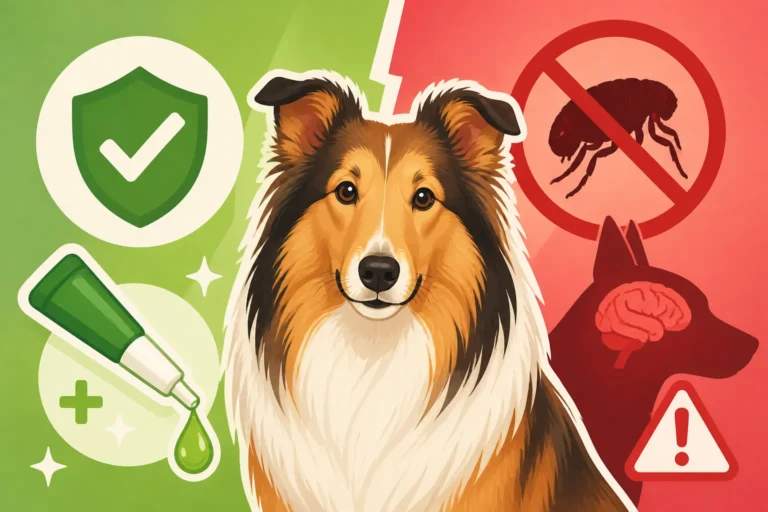
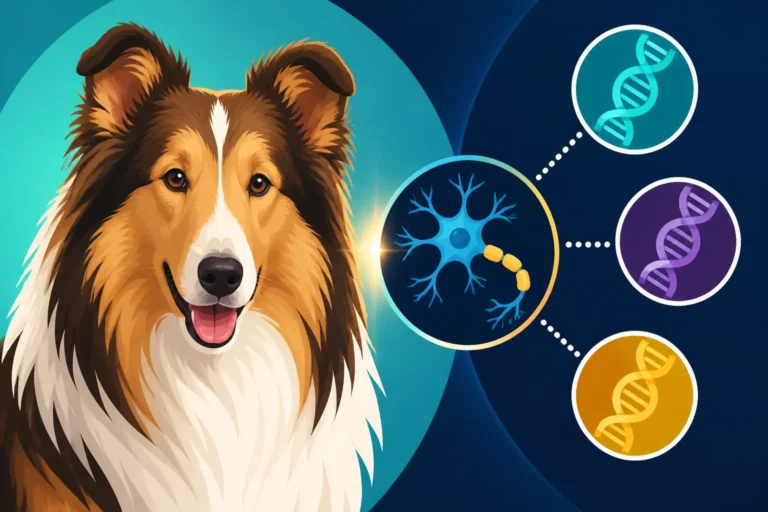
At the heart of the MDR1 mutation is a gene officially known as ABCB1 (it used to be called MDR1, hence the common name, but ABCB1 is the more accurate scientific term now). This gene is responsible for producing a protein called P-glycoprotein, which acts like a protective pump, particularly at the blood-brain barrier. Think of P-glycoprotein as a bouncer for the brain and other vital organs, keeping harmful substances and excess drug molecules out. It's an incredibly important defense mechanism, crucial for preventing toxins from accumulating in sensitive areas like the central nervous system. When this pump is working correctly, it efficiently removes various drugs and metabolic waste products from cells, ensuring they don't reach toxic levels.
How the Mutation Impacts Drug Metabolism
The MDR1 mutation, or more precisely the ABCB1 mutation, results in a defective or non-functional P-glycoprotein. Because this protective pump isn't working as it should, drugs that would normally be expelled from the brain or other organs can instead build up to dangerously high concentrations. Imagine that bouncer at the club door suddenly letting everyone in without checking IDs—it quickly becomes a chaotic and dangerous situation. For a Collie with this mutation, certain medications, even at standard doses, can accumulate in the brain, leading to severe neurological symptoms like tremors, disorientation, blindness, seizures, and even death. This isn't just a minor side effect; it's a profound difference in how their bodies handle a specific list of pharmaceuticals, turning life-saving treatments into potential threats. Understanding What the MDR1 Mutation Actually Does to a Collie is key to protecting them.
The Alarming Statistics: How Many Collies Carry MDR1?
It’s one thing to know about a potential health issue; it's another to grasp its prevalence. For Collies, the MDR1 mutation isn't some rare anomaly; it's a significant factor that impacts a large portion of the breed. This high incidence means that if you own a Collie, the chances are unfortunately quite high that your dog either carries the gene or is fully affected, adding another layer of responsibility to your already loving care. The numbers can be quite stark, making a strong case for proactive testing.
Prevalence in Rough and Smooth Collies
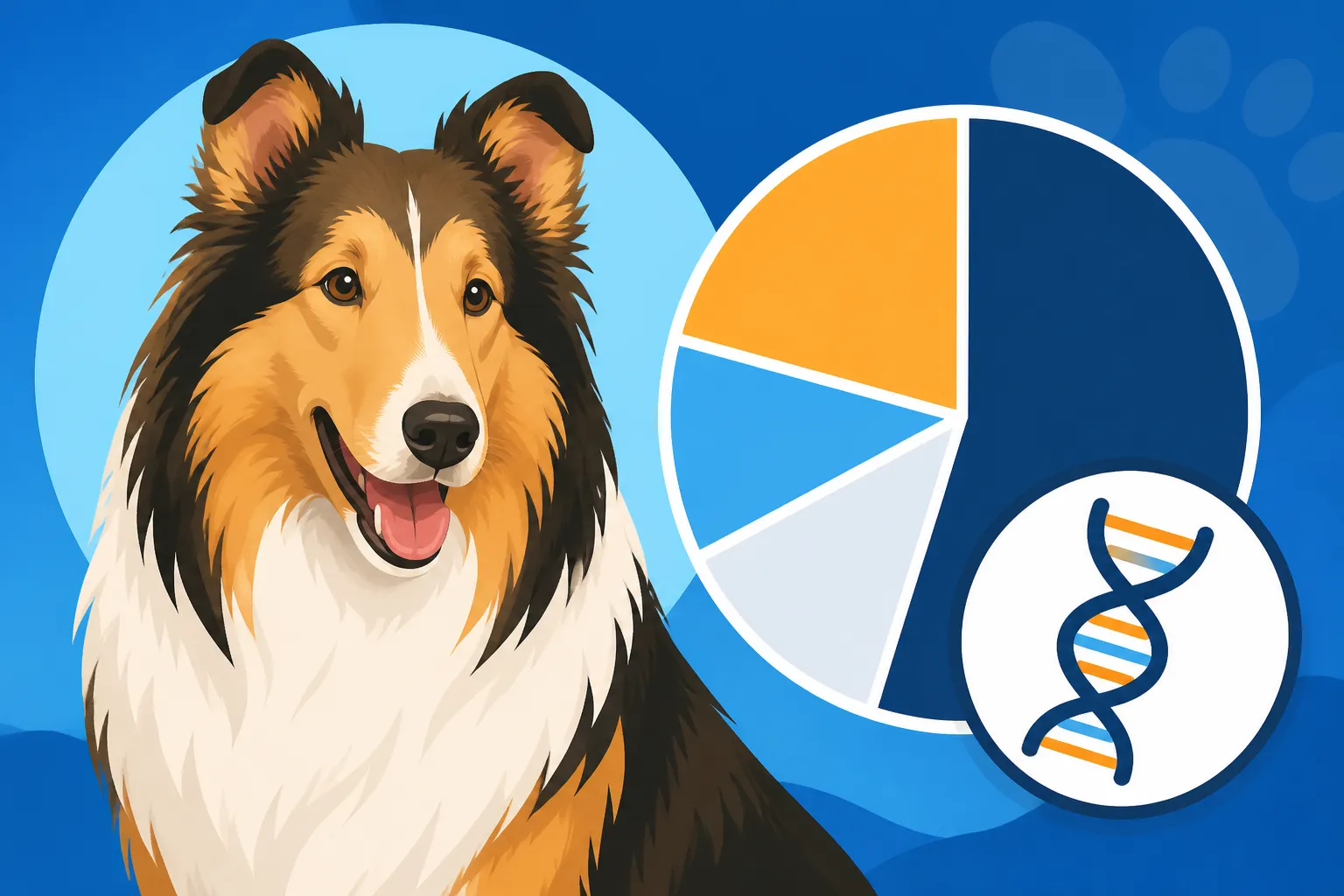
Current research and genetic testing data consistently show a high prevalence of the ABCB1 mutation across both Rough and Smooth Collies. While exact percentages can vary slightly depending on the specific study or population sample, it’s widely accepted that a significant majority of Collies carry at least one copy of the mutated gene. Some estimates suggest that as many as 70% or more of Collies are carriers or affected, making it one of the most common genetic health concerns for the breed. This isn't a phenomenon exclusive to one variety; both the long-haired Rough Collie and the short-haired Smooth Collie face similar risks, underscoring that the genetic lineage is shared despite their coat differences. So, whether you have a grand, flowing-maned Rough or a sleek, athletic Smooth, the MDR1 concern remains equally pertinent.
The Difference Between Carriers and Affected Dogs
It’s crucial to understand that not all Collies with the MDR1 mutation will react identically to drugs. There are three possible genetic statuses for the ABCB1 gene:
- Clear/Normal (N/N): These dogs have two normal copies of the gene and do not carry the mutation. They are not at risk for adverse drug reactions due to MDR1 and cannot pass the mutation on to their offspring.
- Carrier (N/M or M/N): These dogs have one normal copy and one mutated copy of the gene. They can be sensitive to some drugs, though often less severely than affected dogs. They can also pass the mutation on to 50% of their offspring. The question of Whether One Copy of MDR1 Is Enough to Harm a Collie is often debated, but caution is always advised.
- Affected (M/M): These dogs have two copies of the mutated gene. They are at the highest risk for severe and potentially fatal reactions to problematic drugs. They will pass the mutation on to 100% of their offspring.
Here's a quick overview of the implications:
| MDR1 Status | Gene Copies | Risk of Drug Reaction | Can Pass to Offspring | Recommended Action |
|---|---|---|---|---|
| Clear (N/N) | Two Normal | Very Low | No | Inform vet, but no specific drug restrictions |
| Carrier (N/M) | One Normal, One Mutated | Moderate to High | Yes (50%) | Strict drug avoidance/dose reduction for certain meds |
| Affected (M/M) | Two Mutated | Very High | Yes (100%) | Absolute avoidance of problem drugs |
Understanding your Collie's specific status is paramount for their safety and for responsible breeding practices.
Global vs. Regional Differences in Incidence
While the ABCB1 mutation is a hallmark of the Collie breed worldwide, its precise incidence can show slight variations depending on geographic region and specific breeding lines. For instance, some countries or even individual breeder populations might have made more significant strides in testing and selective breeding to reduce the prevalence of the mutation. However, these regional differences are usually not dramatic enough to negate the general understanding that MDR1 is a widespread concern in Collies globally.
It's not uncommon to hear of estimates from different continents, like those from North America or Europe, which might cite slightly different percentages. These minor discrepancies often reflect variations in reporting, study methodologies, or simply the specific genetic makeup of the local breeding stock at the time the data was collected. Regardless of these small variations, the overarching message remains consistent: the ABCB1 mutation is a serious and prevalent issue for Collies everywhere. Therefore, relying on generic breed statistics isn't enough; knowing your individual dog's status through testing is the only definitive way to ensure their safety, irrespective of where they or their ancestors came from. It's why many owners choose to Assume Your Collie Has the MDR1 Mutation until proven otherwise.
Identifying Your Collie's MDR1 Status: Testing and Beyond
Given the high prevalence and serious implications of the MDR1 mutation, knowing your Collie's genetic status is not just a good idea—it's absolutely essential for their safety and well-being. Guessing or hoping for the best simply isn't an option when their life could be on the line. The good news is that testing is straightforward, readily available, and provides definitive answers that can guide lifelong care decisions.
Why Genetic Testing is Crucial
Genetic testing for the ABCB1 mutation is the single most important step you can take to understand and manage this risk for your Collie. Without it, you're essentially playing a dangerous game of chance every time your dog needs medication. Imagine needing a common antibiotic or parasite preventive, only to find out too late that it's toxic to your dog. This is the reality many Collie owners face if they don't test. The test identifies whether your dog has zero, one, or two copies of the mutated gene, giving you a clear roadmap for their veterinary care. This knowledge empowers you to work with your veterinarian to make informed decisions, ensuring they receive safe and effective treatments without unnecessary risks. It removes the guesswork and provides peace of mind, allowing you to proactively protect your beloved companion. Knowing their status also helps responsible owners ensure their furry friend's health is documented, which can be useful for pet insurance providers like Healthy Paws, should any issues arise.
What the Test Results Mean
Once you get those results back, it’s important to understand what each designation—Normal/Normal (N/N), Normal/Mutant (N/M), and Mutant/Mutant (M/M)—actually signifies for your Collie's daily life and future veterinary care.
-
N/N (Clear): Congratulations! Your Collie has two normal copies of the gene. This means they are not affected by the MDR1 mutation and will likely process drugs normally. While you should always discuss all medications with your vet, you don't have the heightened concerns associated with MDR1 sensitivity. They also cannot pass the mutation to their offspring, making them excellent candidates for responsible breeding if all other health checks are clear.
-
N/M (Carrier): Your Collie carries one normal and one mutated copy. This dog is a "carrier." While carriers might show some level of sensitivity to certain drugs, it’s often less severe than fully affected dogs. However, this doesn't mean they're entirely safe. Many vets still recommend caution and dose adjustments for drugs on the "at-risk" list. Furthermore, a carrier Collie can pass the mutated gene to approximately half of their puppies, which is a critical consideration for breeders.
-
M/M (Affected): This means your Collie has two copies of the mutated gene. They are "affected" and are at the highest risk for severe, life-threatening adverse drug reactions. For these dogs, absolute avoidance or drastic dose reductions of specific drugs are non-negotiable. This information is a lifeline, allowing you and your vet to tailor their treatment protocols to ensure their safety. An M/M dog will pass on the mutated gene to all of their offspring, which has significant implications for breeding ethics.
Understanding these results allows you to be an informed advocate for your Collie, enabling you to confidently discuss treatment options with any veterinary professional, even new ones. You can use resources like How a Collie Owner Tells the Vet About MDR1 to prepare for these conversations.
When to Test Your Collie
Ideally, every Collie should be tested for the MDR1 mutation as early as possible. For breeders, testing prospective breeding dogs is a fundamental part of responsible practice, allowing them to make informed decisions to reduce the incidence of the mutation in future generations. Many ethical breeders will even provide documentation of parentage testing, or have puppies tested before they go to their new homes.
For pet owners, if you adopt a Collie puppy or an adult dog whose MDR1 status is unknown, getting them tested immediately is highly recommended. It's a simple, non-invasive process, usually requiring just a cheek swab. The information gained is invaluable for any future veterinary visits or emergencies. Knowing your dog's status gives you peace of mind and equips you with the critical knowledge needed to protect them throughout their lives. It's a small investment that yields significant safety benefits. If you're wondering What an MDR1 Test Costs for a Collie, you'll find it's generally quite affordable, especially considering the potential costs of treating a severe drug reaction. Many rescue organizations, like Collie Rescue Foundation, will test their dogs before adoption to better inform potential adopters, especially considering the prevalence of issues like MDR1 in the breed.
Implications for Your Collie's Health: Living with MDR1
Living with a Collie, whether they are a carrier or affected by the MDR1 mutation, requires vigilance and proactive management. It’s not about fear, but about being well-informed and prepared to ensure your dog’s safety and health at every turn. This means having ongoing conversations with your veterinary team and being aware of the specific challenges this genetic quirk presents.
Navigating Medications and Vet Visits
One of the biggest hurdles for owners of MDR1 Collies is navigating veterinary care. It’s not always straightforward, as not every veterinarian or veterinary technician may be intimately familiar with the specific drug sensitivities of Collies, especially in an emergency situation. This makes it your responsibility to be your dog's advocate. Always ensure your vet clinic has your Collie's MDR1 status clearly flagged in their records—perhaps even with a bright sticker on their file or cage card for inpatient stays. Carry a printed list of known problematic drugs with you to every appointment, especially if you see a new or emergency vet.
Don't hesitate to ask questions, even if you feel like you're repeating yourself. Before any new medication is prescribed, or even before routine procedures like sedated grooming or dental cleanings, explicitly ask if the drugs being used are safe for an MDR1-positive dog. Sometimes, alternative medications or adjusted dosages are available. Being prepared means you can confidently manage their care, even when facing unexpected health challenges. You can find out How a Collie Owner Tells the Vet About MDR1 effectively.
Specific Drugs to Avoid or Use with Caution
A significant part of living with an MDR1 Collie is understanding which medications are problematic. The list can seem daunting at first, but it primarily includes drugs that are normally pumped out of the brain by the P-glycoprotein. When that pump is faulty, these drugs accumulate to toxic levels.
Key drugs to avoid or use with extreme caution (under strict veterinary supervision and dose reduction):
- Ivermectin: While often used in heartworm preventives, higher doses (like those for treating mites) are highly toxic. Low-dose heartworm preventives like Heartgard (which contains ivermectin) are generally considered safe for MDR1 Collies, but discuss with your vet.
- Loperamide (Imodium A-D): A common anti-diarrheal, this can cause severe neurological effects.
- Acepromazine: A tranquilizer/sedative often used for anxiety or before procedures. Can cause profound and prolonged sedation.
- Butorphanol: An opioid pain reliever/sedative.
- Emodepside (Profender): A dewormer, especially dangerous when combined with praziquantel.
- Doxorubicin, Vinblastine, Vincristine (Chemotherapy Drugs): These are particularly problematic and require extreme caution and dose adjustment.
- Cyclosporine: An immunosuppressant.
- Digoxin: A cardiac drug.
This isn't an exhaustive list, and new research can sometimes add to it. Always consult with your veterinarian about any medication, even over-the-counter ones, and ensure they are aware of your Collie's MDR1 status. Having a readily accessible list, perhaps even on your phone, is a smart move. Remember that even common flea and tick treatments or wormers need careful consideration, so asking Whether an MDR1 Collie Can Be Wormed Safely or Whether Flea Treatment Is Safe for an MDR1 Collie is vital.
Planning for Emergencies
Emergencies are stressful enough without the added worry of drug sensitivities. For a Collie with the MDR1 mutation, a medical emergency can become even more complicated because time is of the essence, and immediate treatment decisions might involve drugs on the caution list. This is why advance planning is non-negotiable.
First, ensure your Collie wears a medical alert tag clearly stating "MDR1 Positive" (or "ABCB1"). This is a simple, visible way to alert any first responder or emergency vet who might encounter your dog. Second, prepare an "emergency packet" to take with you to any urgent care visit. This packet should include your Collie's full MDR1 genetic test results, a comprehensive list of drugs to avoid or use with extreme caution, and your regular veterinarian's contact information. Don't assume that just because your primary vet knows, an emergency clinic will. The staff at an emergency clinic might not have time to dig through extensive records or may be unfamiliar with breed-specific sensitivities.
Being able to hand over clear, concise information about your Collie's MDR1 status allows the emergency team to make the safest and most effective treatment choices quickly. It’s an act of love and responsible pet ownership that can literally save your Collie's life, especially when time is of the essence. Many pet insurance providers, such as Healthy Paws, emphasize preventative care and clear communication with vets, which directly benefits MDR1 Collies.
Breeding and the Future: Reducing MDR1 Prevalence
The high prevalence of the MDR1 mutation in Collies highlights a critical responsibility for breeders: to make informed, ethical choices that safeguard the future health of the breed. While it’s unrealistic to eliminate the gene overnight, strategic breeding practices can significantly reduce its incidence and ensure fewer affected puppies are born.
Responsible Breeding Practices for Collies
Responsible Collie breeders play a pivotal role in managing and ultimately reducing the prevalence of the ABCB1 mutation. This starts with comprehensive genetic testing of all breeding stock. Every potential sire and dam should be tested for their MDR1 status before breeding. The results should then guide breeding decisions.
- N/N (Clear) dogs can be safely bred with any other tested dog, including N/M carriers, without producing affected (M/M) offspring.
- N/M (Carrier) dogs can be bred, but only with N/N (Clear) mates. This combination will produce some N/N and some N/M puppies, but no M/M (affected) puppies. Breeding two carriers together (N/M x N/M) carries a 25% chance of producing M/M affected puppies, which should be avoided.
- M/M (Affected) dogs should ideally not be used for breeding. If they are used for breeding in exceptional circumstances (e.g., to preserve invaluable traits for the breed), they must only be bred to N/N (Clear) mates, and all offspring will be carriers (N/M), requiring further careful breeding choices.
Transparency is also key. Responsible breeders openly share the MDR1 status of their breeding dogs and puppies with prospective buyers, often providing copies of genetic test results. This commitment to health screening, including not just MDR1 but also other tests like those covered by The Three Genetic Tests a Collie Breeder Owes You, ensures that new owners are well-informed and confident in the health of their new family member.
The Goal: A Healthier Collie Population
The long-term goal of responsible breeding regarding the MDR1 mutation isn't necessarily to eradicate the gene entirely, which could inadvertently narrow the breed's gene pool too much, but rather to minimize the production of affected (M/M) individuals. By consistently breeding N/N dogs or carefully pairing N/M carriers with N/N mates, breeders can systematically reduce the number of dogs carrying two copies of the mutated gene. This means fewer Collies will be born with the highest risk for adverse drug reactions, making the breed safer and healthier overall.
Moreover, widespread testing and open discussion about MDR1 contribute to a more educated Collie owning community. Owners who understand the risks are better equipped to advocate for their dogs at the vet and make informed decisions about their care. This collective effort, from responsible breeding to informed ownership, helps ensure that the beautiful and intelligent Collie breed continues to thrive, free from the unnecessary dangers posed by preventable drug reactions. Insurance companies like Healthy Paws are increasingly recognizing the importance of such genetic testing in managing long-term health risks.
Disclaimer
The information provided in this article is for educational purposes only and is not a substitute for professional veterinary advice. Always consult with a qualified veterinarian regarding your Collie's specific health needs, diagnosis, and treatment plan. Drug protocols and recommendations for MDR1-affected dogs can vary, and your vet is the best resource for tailored guidance.