Whether Seventy Percent of Collies Really Carry MDR1
It's a scary thing to hear that a large percentage of our beloved Collies might be carrying a genetic mutation that could make them fatally sensitive to common medications. This concern about MDR1, particularly the widely cited "70% of Collies" figure, has caused understandable worry among countless owners. This guide will delve into the reality of MDR1 prevalence, separating widespread belief from current scientific understanding, and equip you with the knowledge to protect your furry family member.
Understanding the MDR1 Gene Mutation in Collies
For years, the MDR1 (Multi-Drug Resistance 1) gene mutation has been a significant topic of discussion and concern within the Collie community, and rightly so. This isn't just a quirky genetic trait; it can have life-or-death consequences for affected dogs. The initial findings about its prevalence led to a lot of speculation and, frankly, some inflated numbers floating around. It's crucial to understand what this gene actually does and why it's such a big deal.
What the MDR1 Mutation Actually Is
At its core, the MDR1 gene is responsible for producing a protein called P-glycoprotein. Think of P-glycoprotein as a diligent bouncer at the "blood-brain barrier" club, and other critical organs like the liver, kidneys, and intestines. Its job is to pump certain drugs and toxins out of sensitive areas, especially the brain, preventing them from accumulating to toxic levels. It's a vital part of the body's natural defense system against harmful substances.
Now, with the MDR1 gene mutation, this P-glycoprotein doesn't work correctly, or sometimes it's entirely absent. It's like the bouncer decided to take a permanent vacation, leaving the door wide open. When an affected Collie receives certain medications that would normally be expelled by P-glycoprotein, those drugs can build up in the brain and other tissues. This accumulation can lead to severe neurological symptoms, organ damage, and even death. It’s a very serious condition that every Collie owner needs to be aware of. To really grasp the mechanics, understanding What the MDR1 Mutation Actually Does to a Collie can provide even more clarity.
Why the Prevalence Figures Can Be Confusing
The "70% of Collies carry MDR1" statistic is one that has lingered for a long time, causing many owners to panic or simply assume their dog is affected. The truth is, genetic prevalence statistics can be incredibly complex and often depend on when the studies were conducted, which populations were sampled, and even how the data was interpreted. When the MDR1 mutation was first identified, particularly by researchers at Washington State University, it was a groundbreaking discovery that shed light on why many herding breeds, especially Collies, reacted poorly to certain drugs.
Early studies, particularly those focusing on clinical cases of drug toxicity or surveying dogs from specific breeding lines, might have naturally skewed towards higher percentages. If a study primarily looked at Collies already showing sensitivities or those from lineages where the mutation was known to be rampant, the numbers would naturally be higher than a random sampling of the entire breed population. Furthermore, the genetic testing landscape has evolved significantly. What might have been an estimate based on limited data decades ago has been refined with more extensive and representative sampling over time. These initial, alarming figures were crucial for raising awareness, but they also led to some overgeneralizations that don't always reflect the current breed-wide picture.
The Real Numbers: How Many Collies Carry MDR1?
It’s easy to get caught up in alarming statistics, especially when it concerns your beloved pet. The "70% of Collies" figure for MDR1 carriers has certainly fueled a lot of anxiety. However, a closer look at more recent and comprehensive data paints a slightly different, though still significant, picture. It’s important to understand that while the mutation is indeed widespread in the breed, the exact percentage can vary based on numerous factors.
Separating Fact from Anecdote
The truth is, the 70% figure, while commonly cited, tends to be an overestimation when considering the entire global Collie population today. While the MDR1 mutation is undeniably prevalent in Collies and several other herding breeds like Australian Shepherds, Shetland Sheepdogs, and Border Collies, more recent studies and large-scale genetic testing databases suggest that the carrier rate for Collies is actually closer to 30-50%.
For example, data compiled by institutions like Washington State University’s Veterinary Clinical Pharmacology Lab (VCPL), which pioneered much of the research, and the Orthopedic Foundation for Animals (OFA), which maintains a public health database, indicate a significant but not quite 70% prevalence of affected (homozygous for the mutation) or carrier (heterozygous) Collies. These databases represent a broader cross-section of tested dogs, including those without known drug sensitivities, giving a more balanced view. This doesn't mean the risk is gone, far from it, but it helps put the prevalence into a more accurate context, reducing some of the widespread panic while still underscoring the vital need for awareness and testing. It also highlights why relying on general breed statistics, no matter how high, is never a substitute for individual testing.
The Importance of Genetic Testing
Given that even if the prevalence is 30-50%, that's still a huge number of Collies potentially at risk, individual genetic testing becomes absolutely paramount. You simply cannot know your dog's status without it, and assuming your dog is either clear or affected based on breed averages is a dangerous gamble. Luckily, testing for the MDR1 mutation is incredibly straightforward and relatively inexpensive. Most tests involve a simple cheek swab that you can collect at home and send to a specialized lab.
When your Collie is tested, the results will fall into one of three categories:
| Result Category | Genetic Makeup | Implications |
|---|---|---|
| N/N (Clear) | Homozygous Normal | Your Collie does not have the MDR1 mutation. They are not at risk for drug sensitivities related to this gene and cannot pass the mutation to offspring. |
| N/M (Carrier) | Heterozygous (Carrier) | Your Collie has one copy of the normal gene and one copy of the mutated gene. They may have some sensitivity to certain drugs, often less severe than affected dogs, and can pass the mutation to offspring. |
| M/M (Affected) | Homozygous Mutant | Your Collie has two copies of the mutated gene. They are highly sensitive to drugs on the "at-risk" list and will pass the mutation to all offspring. |
Understanding these results is crucial. If your Collie tests N/M, meaning they are a carrier, it's worth reading up on Whether One Copy of MDR1 Is Enough to Harm a Collie because even one copy can sometimes lead to reduced P-glycoprotein function, necessitating caution. Labs like Washington State University (WSU) and Optimal Selection (part of Wisdom Panel) or Embark offer reliable genetic testing for MDR1. The process is simple: order a kit, swab your dog's cheek, and mail it back. The peace of mind, and the safety it ensures for your dog, is immeasurable. Knowing What an MDR1 Test Costs for a Collie might help you plan for this essential step. Many owners also wonder Which Lab Runs the Collie MDR1 Test, and there are reputable options available that provide clear, actionable results.
Implications for Your Collie, Regardless of Statistics
Whether the true prevalence of the MDR1 mutation is 70% or 30%, the bottom line remains the same: any individual Collie could be affected, and knowing your dog's specific status is critical for their health and safety. The generalized statistics are useful for breed-level awareness, but they don't tell you anything about your dog. This is where informed action comes in, ensuring your Collie receives the safest care possible throughout their life.
What Having One Copy of MDR1 Means
If your Collie tests as an N/M (carrier), it means they have inherited one copy of the mutated MDR1 gene and one normal copy. While M/M (affected) Collies are at the highest risk for severe, life-threatening reactions to certain drugs, N/M carriers are not entirely out of the woods. The presence of one normal copy of the gene does mean they can produce some functional P-glycoprotein, but often not enough to handle full doses of sensitive medications without some risk.
This means that carrier Collies may still exhibit drug sensitivities, though typically less severe than those seen in fully affected (M/M) dogs. They might experience milder neurological symptoms, or simply take longer to recover from drug exposure. The severity can also depend on the specific drug, its dosage, and the individual dog's physiology. Therefore, even if your Collie is a carrier, extreme caution is warranted. You should still treat them with the same level of awareness regarding medication as you would an affected dog. Always consult with your veterinarian about appropriate dosages and alternative medications for any drugs on the known "at-risk" list. It’s better to be safe than sorry, and it's a common concern to wonder Whether One Copy of MDR1 Is Enough to Harm a Collie.
Managing an MDR1 Positive Collie
Having an MDR1 positive Collie (whether N/M or M/M) requires a proactive and vigilant approach to their healthcare. The single most important step is to communicate your Collie's MDR1 status to every veterinarian, veterinary specialist, and emergency clinic they visit. It should be prominently noted in their medical chart. Make sure it’s discussed before any procedures, surgeries, or new medications are prescribed.
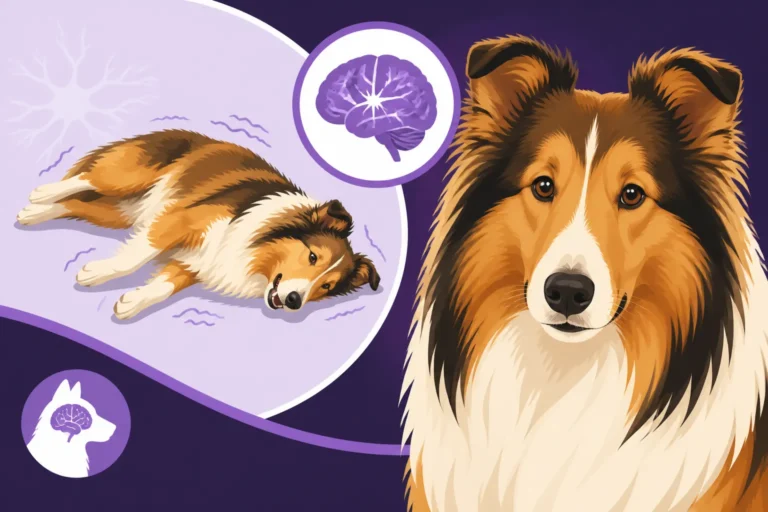
An essential resource for every MDR1 positive Collie owner is a comprehensive list of drugs that can cause adverse reactions. This list includes common medications like Ivermectin (often found in heartworm preventives), loperamide (Imodium), acepromazine (a common sedative), and certain chemotherapy drugs. Carrying a printed copy of The Drug List That Can Kill a Collie is an excellent idea for emergency visits. You should also be vigilant for Signs an MDR1 Collie Is Having a Drug Reaction, which can include disorientation, tremors, excessive drooling, blindness, seizures, or even coma. Immediate veterinary attention is critical if you suspect a reaction. While the outlook can be grim, understanding Whether an MDR1 Collie Recovers From a Reaction often depends on the speed of intervention and the severity of the reaction.
When it comes to routine preventives, many owners worry about their safety. For instance, Whether Heartworm Preventive Is Safe for a Collie is a frequent question. Many modern heartworm preventives, like Sentinel Spectrum or Heartgard Plus, are generally considered safe at their prescribed doses for MDR1 affected dogs because the active ingredients (like ivermectin) are present in extremely low concentrations. However, always confirm with your vet and double-check ingredient lists. Similarly, for parasite control, Whether Flea Treatment Is Safe for an MDR1 Collie is another important consideration. Many newer flea and tick medications are safe, but some older ones or specific active ingredients could pose a risk.
In the unfortunate event of an MDR1 drug reaction, the costs for emergency veterinary care can escalate rapidly. Having pet insurance can be a huge relief in these situations. Companies like Healthy Paws, known for their comprehensive coverage, can help alleviate the financial burden of unexpected medical emergencies, ensuring you can focus on your Collie's recovery without added stress. Their plans can often cover accidents, illnesses, and emergency care, which would be crucial if an MDR1 reaction occurs.
What This Means for Future Breeding and the Breed's Health
The discovery and widespread understanding of the MDR1 mutation have profoundly impacted breeding practices within the Collie community. Responsible breeders now have a powerful tool to make informed decisions, and prospective owners have the right to demand transparency regarding a puppy's genetic health. This awareness is crucial not just for individual dogs, but for the long-term health and vitality of the entire breed.
Responsible Breeding Practices
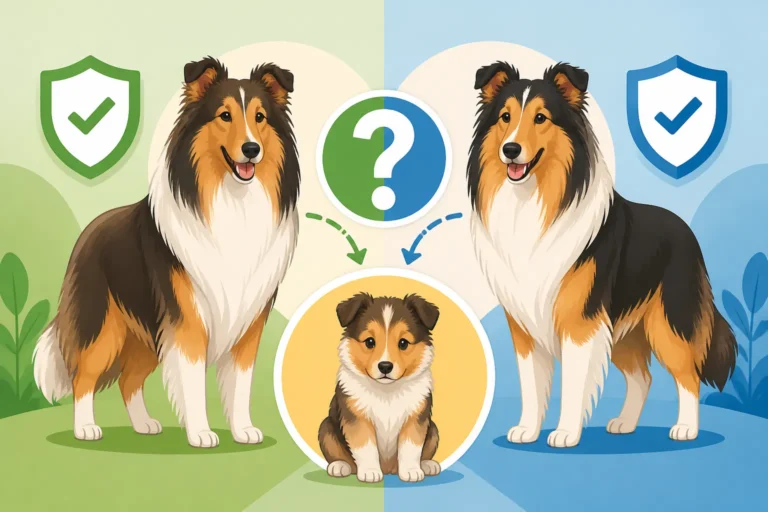
For breeders, the MDR1 test isn't just a suggestion; it's a necessity. Every breeding dog, male or female, should be tested for MDR1 status before being considered for a litter. This practice helps breeders avoid producing "affected" (M/M) puppies, which are at the highest risk for severe drug reactions. While breeding two N/M (carrier) dogs together can produce N/N (clear), N/M (carrier), and M/M (affected) puppies, careful selection can significantly reduce the incidence of affected offspring. Many responsible breeders aim to breed carriers only to clear dogs, ensuring no M/M puppies are produced, though all puppies in such a litter would still need individual testing to determine their specific status.
The goal isn't necessarily to eradicate the MDR1 gene from the entire breed overnight, as that could severely limit the gene pool and potentially bring other genetic issues to the forefront. Instead, the focus is on eliminating the production of affected individuals and making informed decisions to gradually reduce carrier prevalence while preserving overall genetic diversity. This responsible approach is part of a broader commitment to genetic health, which also involves screening for other conditions. In fact, many breeders now provide buyers with results for The Three Genetic Tests a Collie Breeder Owes You, which include MDR1, Collie Eye Anomaly (CEA), and sometimes others like Degenerative Myelopathy. This transparency ensures that future generations of Collies are as healthy and robust as possible.
Advocating for Your Collie at the Vet
As a Collie owner, you are your dog's primary advocate. This responsibility extends to ensuring their MDR1 status is known and respected by every veterinary professional involved in their care. It might feel uncomfortable to correct or inform a vet, but it's crucial for your Collie's safety. Many busy veterinary clinics see a wide array of breeds, and while general awareness of MDR1 is growing, not every staff member might remember the specific sensitivities of a Collie.
When you visit a new clinic or see a new vet, start by clearly stating that your Collie has been tested for MDR1 and share the results. Ask them to flag your dog's chart prominently. If your dog is a carrier or affected, provide them with the list of sensitive drugs. Don't hesitate to ask questions if a prescribed medication is unfamiliar or if you have any doubts. It's perfectly acceptable to politely request a double-check on drug protocols for MDR1 sensitive breeds. This direct communication, sometimes referred to as How a Collie Owner Tells the Vet About MDR1, is essential to prevent potential adverse reactions. Your proactive involvement in their care could truly save your Collie's life.
Disclaimer
The information provided in this article is for educational purposes only and should not be considered a substitute for professional veterinary advice. Always consult with a qualified veterinarian for any health concerns or before making any decisions related to your Collie's care and treatment.