Whether a Collie With Choroidal Hypoplasia Can Be Bred
The discovery that your beautiful Collie puppy has Choroidal Hypoplasia (CH) can be a really confusing and often heartbreaking moment for any prospective owner or breeder. It leaves you wondering what this truly means for their vision and, crucially, whether a dog carrying such a genetic marker can ever be considered for breeding. This guide will walk you through the complexities of CH in Collies, explain the genetic implications, and help you navigate the responsible decisions around breeding.
Understanding Choroidal Hypoplasia in Collies
Choroidal Hypoplasia, or CH, is a condition that sounds far more intimidating than it often presents, but understanding it is key to responsible Collie ownership and breeding. It's not a simple "yes" or "no" answer, but rather a spectrum that requires careful consideration.
What Exactly is Choroidal Hypoplasia
At its core, Choroidal Hypoplasia is a developmental anomaly that affects the choroid, which is a vital layer of blood vessels and connective tissue nestled beneath the retina in the eye. Think of the choroid as the unsung hero of the eye; its job is to provide nourishment and oxygen to the retina, which is responsible for capturing light and sending signals to the brain. When a Collie has CH, this choroid layer hasn't developed fully or properly, meaning it's thinner than it should be, or even completely absent in certain areas.
This underdevelopment can lead to varying degrees of vision impairment. For many Collies, especially those with milder forms of CH, their vision might seem perfectly normal, or they might only have subtle deficits that are hard for a human to detect. For others, however, the impairment can be more significant. The severity often depends on how much of the choroid is affected and whether other eye structures are also compromised. CH is part of a larger inherited condition known as Collie Eye Anomaly (CEA), and it's caused by an autosomal recessive gene mutation, specifically in the NHEJ1 gene. This genetic link is why early screening is so incredibly important, and why you'll often hear breeders stressing the need for a puppy eye check. It's standard practice for a reputable breeder to have a Why a Collie puppy is eye checked at five to seven weeks by a veterinary ophthalmologist, precisely because CH, and other forms of CEA, can be diagnosed during this critical developmental window.
The Spectrum of CEA From Mild CH to Colobomas
It’s important to understand that Choroidal Hypoplasia isn't an isolated incident but rather one component within the broader category of Collie Eye Anomaly (CEA). CEA encompasses several potential abnormalities, ranging in severity, all stemming from that same underlying genetic issue. When we talk about CH, we're referring specifically to the thinning or absence of the choroid. This can be localized to a small area (focal) or spread across a larger section (generalized). A veterinary ophthalmologist will grade the severity, often noting if the choroidal thinning is barely perceptible or quite extensive.
Beyond CH, CEA can also manifest with other, more severe conditions. Sometimes, you'll hear about retinal folds, which are wrinkles in the retina that usually resolve as the puppy grows but can sometimes persist. More concerning are colobomas, which are actual "holes" or excavations in the optic disc or surrounding retina. These are often considered more serious than simple choroidal hypoplasia because they can directly impact the optic nerve and potentially lead to vision loss, or even retinal detachment. If you're wondering Whether colobomas are worse than choroidal hypoplasia in a Collie, the answer is generally yes, due to the direct structural damage they represent. A severe coloboma can significantly compromise vision, whereas a Collie with only mild CH might live its entire life with functionally normal sight, despite the genetic predisposition. Understanding What Collie Eye Anomaly Does to the Back of the Eye helps paint a clearer picture of these internal structures and why their integrity is so critical.
Breeding Decisions with a CH-Affected Collie
When you discover that a Collie has Choroidal Hypoplasia, especially if you had breeding aspirations, it throws a significant wrench into your plans. The question of whether to breed a CH-affected dog is not just about the individual dog’s vision, but about the health of the breed as a whole.
The Genetic Realities of Breeding CH-Affected Dogs
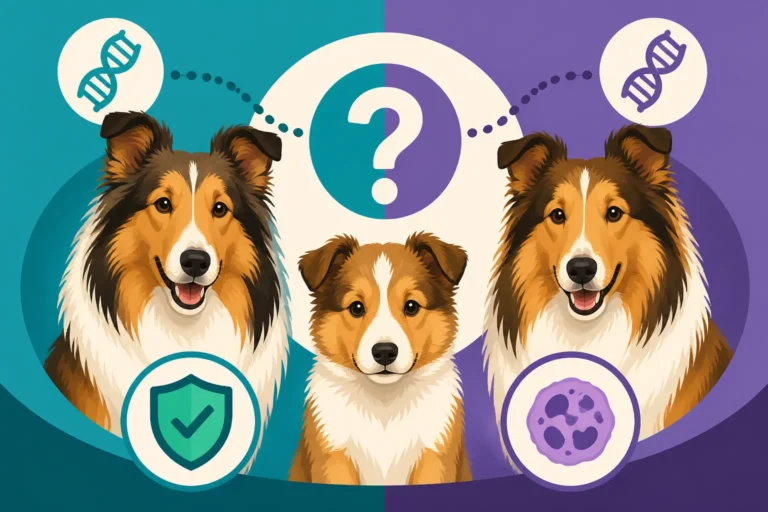
Here's the stark genetic reality: Choroidal Hypoplasia is an autosomal recessive trait. This means a dog must inherit two copies of the defective NHEJ1 gene – one from each parent – to actually express the condition, i.e., to have CH. If a Collie is diagnosed with CH, it definitively possesses two copies of the affected gene. There's no getting around that fact. This knowledge brings with it a significant ethical responsibility for breeders.
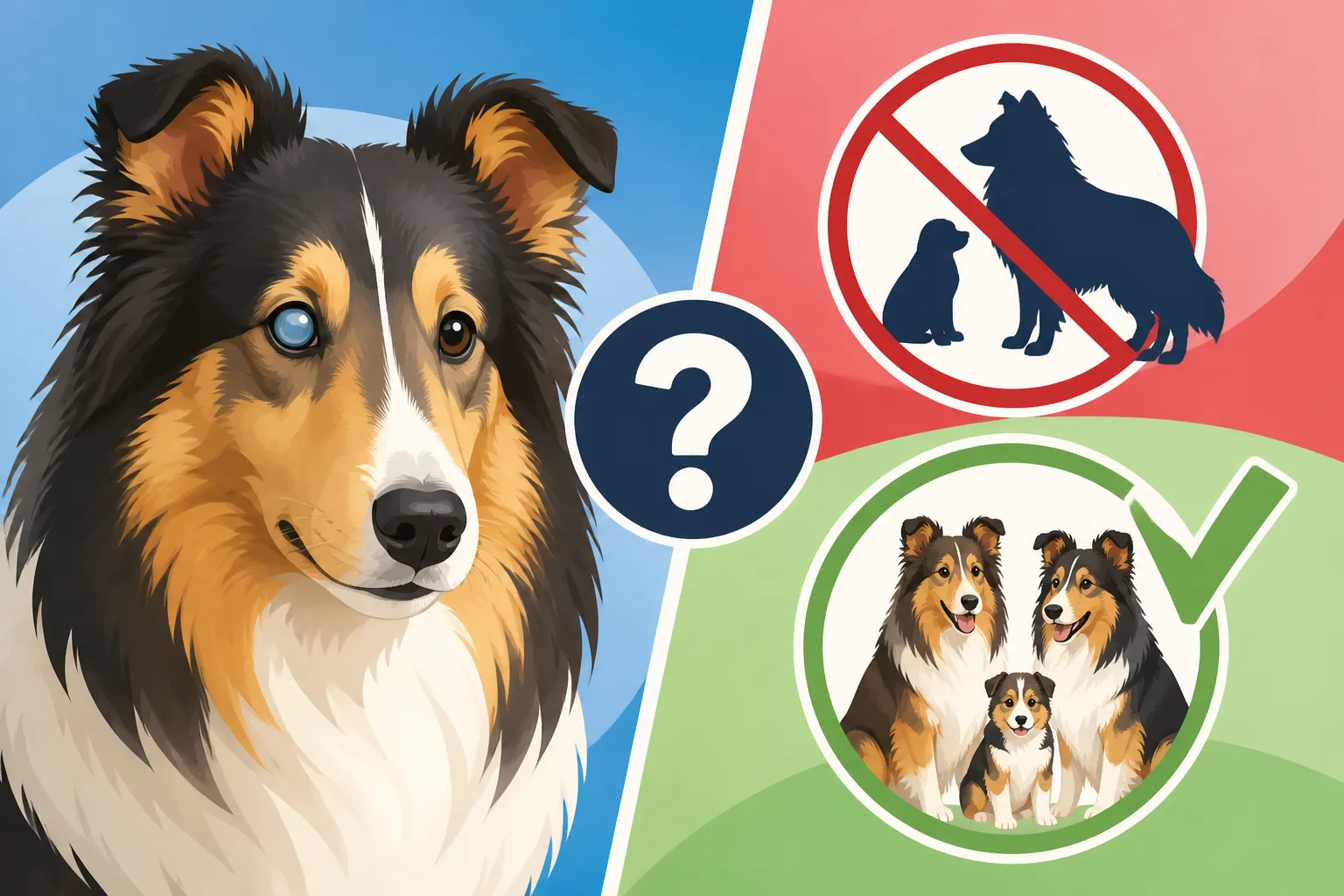
If you were to breed a Collie that has CH, every single one of its puppies would inherit one copy of the affected gene from that parent. There's a 100% chance they will be carriers, at the very least. If this CH-affected parent is then bred to a Collie who is also a carrier (meaning it has one copy of the affected gene but doesn't show symptoms), you face a 50% chance of producing puppies with CH and a 50% chance of producing carriers. If, heaven forbid, two Collies both affected with CH were bred together, every single puppy in that litter would also have CH. While a dog with mild CH might have perfectly good vision and appear otherwise healthy, their genetic makeup guarantees they will pass on the problematic gene. This creates an undeniable ethical dilemma for any responsible breeder, regardless of how minor the visible impact of the condition might be on the individual dog. The primary aim of ethical breeding is always to improve the health and well-being of the breed, not to perpetuate known genetic issues.
The Risks and Responsibilities
Considering the genetic realities, the risks and responsibilities associated with breeding a CH-affected Collie become very clear. The most significant risk is the almost guaranteed perpetuation of the NHEJ1 gene in the gene pool. While you might carefully select a "clear" mate for your CH-affected Collie – meaning a dog that has two normal copies of the gene – even in this best-case scenario, every single puppy produced will be a carrier of the CH gene. They won't have the visible condition themselves, but they will carry one copy of the gene, which they can then pass on to their offspring. This means that down the line, if one of these carrier puppies is then bred to another carrier, or even to an affected dog, you're back to producing affected puppies.
This cycle is precisely what responsible breeders aim to avoid. The goal isn't just to produce "clear" puppies in one litter, but to reduce the overall prevalence of genetic diseases within the breed over generations. Breeding a CH-affected dog, even with a clear mate, means intentionally introducing or maintaining the affected gene in the breeding lines. It's a tough pill to swallow, especially when you adore your Collie, but putting the welfare of future puppies and their potential owners first is paramount. Imagine a family bringing home a new puppy, only to find out later it has vision issues, or worse, that they unknowingly bought a carrier that might cause problems if they ever decided to breed. This is why the common consensus among ethical Collie breeders and breed clubs is to avoid breeding dogs that are affected with CH, regardless of how mild their condition might seem. In fact, the question Whether two affected Collies should be bred is almost universally met with a resounding "no" by anyone committed to breed health.
Alternatives and Managing the Gene Pool
Given the complexities of Choroidal Hypoplasia, focusing on prevention and careful management of the gene pool is crucial for the long-term health of the Collie breed. It’s about making smart choices today for healthier tomorrows.
Choosing Healthy Futures Ethical Breeding Practices
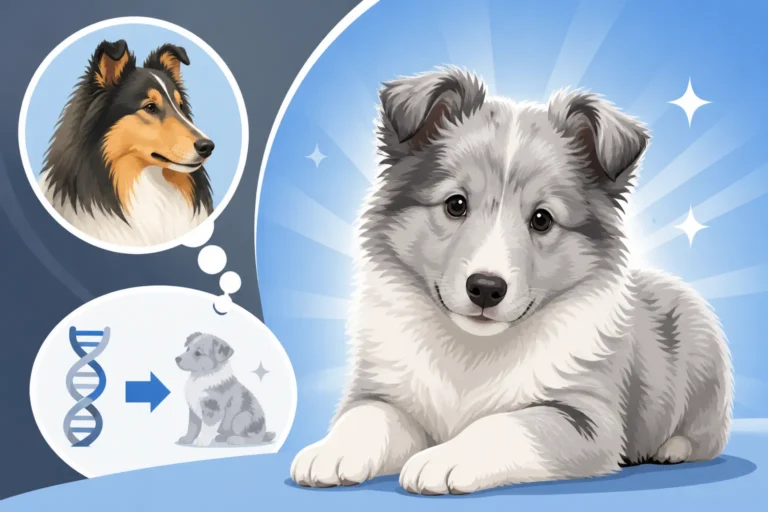
For breeders, the pathway to a healthier future for Collies lies in rigorous and ethical breeding practices. This begins and ends with comprehensive DNA testing. With advancements in veterinary science, we now have accurate DNA tests that can identify the NHEJ1 mutation. This means breeders can determine whether a dog is clear (two normal genes), a carrier (one normal, one affected gene), or affected (two affected genes) with great certainty. The absolute best practice is to breed clear-to-clear dogs. This guarantees that all offspring will be clear and will not carry or express the CH gene.
However, sometimes a breeder might have a valuable dog that is a carrier – perhaps it excels in temperament, structure, or other desirable traits that we don't want to lose from the gene pool entirely. In such cases, the ethical approach is to breed a carrier only to a clear mate. This pairing will statistically produce 50% clear puppies and 50% carrier puppies, but critically, it will produce zero affected puppies. All offspring from such a pairing should then be DNA tested to identify carriers, allowing future breeding decisions to be made with full transparency. The idea that Whether breeding only clear Collies would shrink the gene pool is a valid concern, as completely removing carriers could reduce genetic diversity. Therefore, careful, informed breeding of carriers to clear mates, with subsequent testing of all offspring, is a pragmatic approach. This kind of thoughtful genetic management, alongside other health screenings, forms a robust What the Collie DNA Health Panel Covers. Breed clubs and organizations like the Orthopedic Foundation for Animals (OFA) encourage breeders to submit all health testing results, including CEA, to publicly accessible databases, ensuring transparency and accountability within the breed.
The Role of Companion Dogs and Research
It's absolutely vital to remember that not every Collie is destined for the breeding program, and that's perfectly okay! A Collie with Choroidal Hypoplasia, even if mildly affected, can live an incredibly full, happy, and enriching life as a beloved family companion. Their value isn't diminished by a genetic diagnosis that might preclude them from breeding. In fact, many Collies with mild CH go through life without ever experiencing significant vision issues, running, playing, and cuddling just like any other dog. Their purpose is to bring joy and companionship to their families, and they excel at it.
For those dedicated to the breed's future, supporting ongoing research is another powerful way to contribute. Organizations like the Collie Health Foundation tirelessly fund studies into conditions like CEA, hoping to gain deeper insights into its manifestation, potential treatments, and even more effective screening methods. These efforts benefit all Collies, present and future. And let's be realistic: unexpected veterinary costs can crop up for any dog, regardless of breed or initial health. That’s where a good pet insurance plan, such as Healthy Paws, can be incredibly valuable. While they won't cover pre-existing conditions like CH if diagnosed before enrollment, having a policy in place can certainly help with other unforeseen illnesses, accidents, or even complications that might arise, such as Whether a Collie's retina can detach later in life, which can sometimes be a secondary issue related to severe CEA. Ensuring your dog's health needs are covered allows you to focus on their well-being without financial stress.
Practical Considerations for Collie Owners
Whether you’re a breeder grappling with a tough decision or a pet owner who’s just learned your beloved companion has CH, there are practical steps you can take to ensure the best possible life for your Collie.
Living with a Collie Affected by CH
For many Collies diagnosed with Choroidal Hypoplasia, life remains remarkably normal. It's often reassuring to hear that most dogs with a mild form of CH won't even show noticeable signs of vision impairment in their day-to-day lives. They'll navigate your home, chase squirrels in the yard, and fetch toys with the same enthusiasm as any other Collie. Their eyes might look perfectly fine to the casual observer, even if the veterinary ophthalmologist can identify the choroidal thinning.
However, regular check-ups with a veterinary ophthalmologist are still incredibly important. These specialists can monitor for any changes or progression of the condition. While CH itself typically doesn't worsen over time, other related issues that fall under the CEA umbrella, such as retinal detachments (especially if there's a coloboma present), can develop. If your Collie does have more significant vision impairment, creating a consistent and predictable home environment is key. Keeping furniture in the same place, using scent markers, or even soft chimes on family members can help. Dogs are incredibly adaptable, and a Collie with limited vision can thrive with a bit of thoughtful support. You might be surprised at How a blind Collie learns a house and adapts to its surroundings with confidence.
Advocating for Your Collie and Future Generations
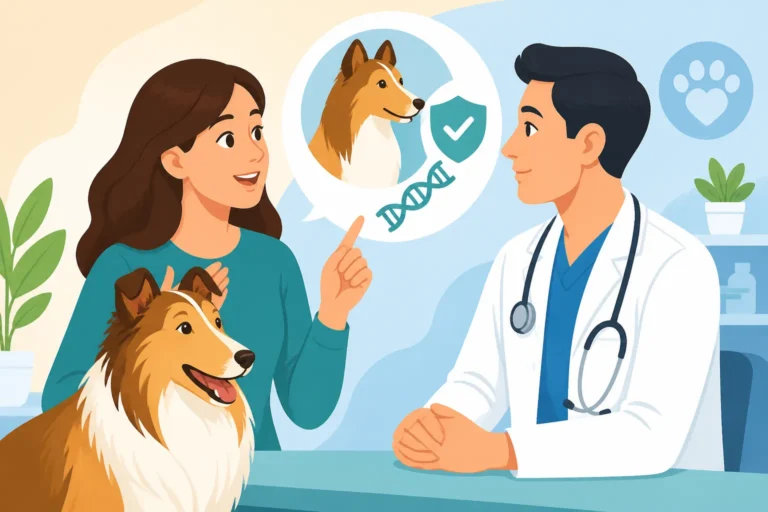
As prospective or current Collie owners, you play a vital role in advocating for the health of the breed. When you’re looking for a puppy, the single most important action you can take is to ask for concrete proof of health testing for both parents, including CEA/CH status. A responsible breeder will be transparent and eager to share these results with you, often providing certificates from veterinary ophthalmologists or DNA testing labs. Be wary of breeders who offer vague assurances or dismiss the importance of these tests. Understanding the nuances, such as What Go Normal Means in a Collie's Eye Exam versus a genetic "clear" status, is crucial for making informed choices. A dog can "go normal" on a clinical eye exam, meaning no visible CH, but still carry the gene and pass it on. This is why DNA testing is so critical to truly understand the genetic status of a breeding dog.
By supporting breeders who prioritize health, transparency, and thorough testing, you help elevate the standard for the entire breed. This collective effort is how we ensure Collies remain healthy, happy companions for generations to come. And on a personal note, having reliable pet insurance, like Healthy Paws, can provide immense peace of mind. While they have policies regarding pre-existing conditions, a robust plan can ensure that if your Collie develops any new health issues not related to CH after enrollment, you're financially prepared. This allows you to always provide the best possible care for your cherished four-legged family member, regardless of what life throws your way.
Understanding Collie Eye Anomaly (CEA) and Breeding Considerations
| Condition Component | Description | Breeding Implications (for affected dog) | Is Breeding Recommended? |
|---|---|---|---|
| Choroidal Hypoplasia (CH) | Underdevelopment of the choroid layer; ranges from mild thinning to significant absence. Usually non-progressive. | Dog has two copies of affected gene; all offspring will be carriers (at minimum). | No |
| Retinal Folds | Folds or wrinkles in the retina; often resolve spontaneously in puppies. | If genetically linked to CEA, same as CH. | No |
| Optic Nerve Coloboma | A "hole" or excavation in the optic disc; can lead to vision loss or retinal detachment. | Dog has two copies of affected gene; all offspring will be carriers (at minimum). | No |
| Retinal Detachment | Retina separates from underlying layers, causing severe vision loss or blindness. Secondary to severe CEA. | If directly caused by severe CEA, indicates two affected genes. | No |
| "Go Normal" Collie (Clinical) | A Collie that clinically appears clear on eye exam, but genetically is a carrier of the CEA gene. | Can be bred to a clear mate, but all offspring should be DNA tested. | Yes, with caution |
| Genetically Clear Collie | DNA tested and confirmed to have two normal copies of the NHEJ1 gene. | Ideal for breeding; no affected genes passed to offspring. | Yes |
Disclaimer: This article provides general information and guidance. Always consult with a qualified veterinary ophthalmologist or your primary veterinarian for specific advice regarding your Collie's health and any breeding decisions. Medical recommendations should be tailored to individual circumstances.