Whether the Collie Club of America Publishes Health Results
It’s a natural assumption when you’re looking for a new family member, especially a beloved breed like the Collie: shouldn't there be one central, authoritative place where all their health records are openly published? Many prospective owners are understandably frustrated when they discover that the answer isn't a simple yes. This guide will demystify how health information is shared within the Collie community, explain the role of organizations like the Collie Club of America, and empower you to make informed decisions about your future companion's well-being.
The Collie Club of America's Role in Health Information
When you first start researching a breed, especially one with a rich history and dedicated enthusiasts like the Collie, you might expect the national breed club to be a comprehensive repository of all things health-related. And while the Collie Club of America (CCA) is indeed a vital champion for the breed's health, its role isn't quite what many newcomers might imagine. They don't maintain a publicly searchable database of individual dog health results.
The CCA, along with its charitable arm, the Collie Health Foundation, primarily focuses on education, research, and setting ethical breeding standards. They advocate strongly for health testing, sponsor research into common Collie ailments, and work to inform their members—and the broader public—about the importance of responsible breeding practices. This includes promoting awareness of specific genetic conditions that affect Collies, such as Collie Eye Anomaly and MDR1. They encourage breeders to utilize specific tests and openly share results, but the actual compilation and publication of individual dog results fall to other, more specialized organizations.
Think of the CCA as the guiding force and advocate for health, rather than the librarian holding every single medical file. They publish educational articles, fund studies, and even offer recommendations on what health screens should be performed, but they don't host the raw data for every Collie born in America. This is a crucial distinction that often surprises new buyers who are looking for definitive proof of health clearances directly from the breed club.
Navigating Public Health Registries for Collie Health
Given that the Collie Club of America doesn't publish individual health results directly, where do prospective owners and ethical breeders turn for this critical information? The answer lies in independent public health registries. These organizations serve as centralized databases where breeders can voluntarily submit their dogs' health test results, making them transparent and accessible to anyone.
The Orthopedic Foundation for Animals OFA
The most prominent of these is the Orthopedic Foundation for Animals (OFA). The OFA maintains a vast public database covering a wide array of canine health tests, including orthopedic evaluations (like hip and elbow dysplasia clearances), cardiac screenings, thyroid function, and patella luxation. For Collies, key areas often registered with OFA include hip evaluations, eye certifications (through ophthalmologist exams), and sometimes cardiac clearances.
Searching the OFA database is quite straightforward. You can look up a dog by its registered name or registration number. This allows you to verify that a potential puppy's parents have indeed undergone recommended health screenings and to see their specific results (e.g., "Good" or "Excellent" hips, "Normal" eyes, etc.). It’s important to remember that OFA submissions are voluntary. An ethical breeder will proactively submit all relevant results, good or bad, for transparency. If a dog's name isn't in the database, it doesn't necessarily mean the dog failed a test; it might simply mean the results were never submitted, or perhaps the tests were never done at all. Always ask for paper copies of certifications if you can't find them online.
The Canine Health Information Center CHIC
Building upon the OFA framework, the Canine Health Information Center (CHIC) program offers an even more comprehensive approach. CHIC is a database co-sponsored by the OFA and the parent clubs for various breeds, including the Collie Club of America. For a dog to receive a CHIC number, it must have undergone all health screenings recommended by its parent club for that breed and have the results publicly available in the OFA database.
For Collies, the typical CHIC requirements include:
- OFA Hip Evaluation: To screen for hip dysplasia.
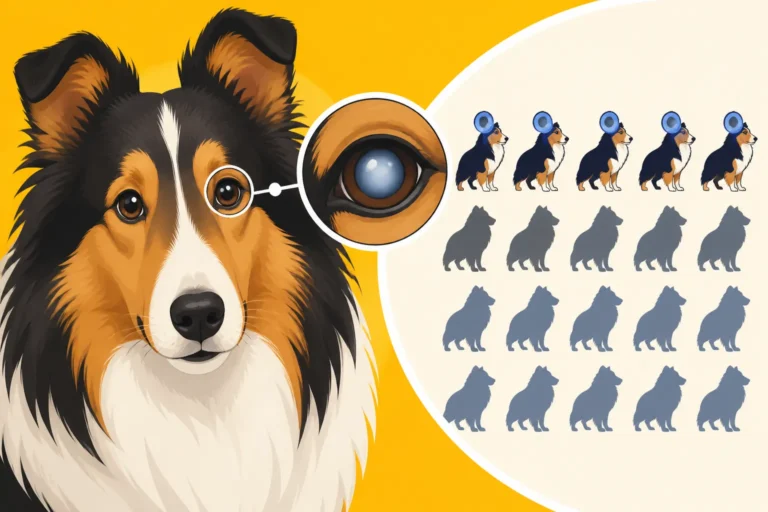
- OFA Eye Certification (CERF/CAER): Performed by a board-certified veterinary ophthalmologist to screen for various eye conditions, most notably Collie Eye Anomaly (CEA). For a deeper dive into this, you might want to read Collie Eye Anomaly Affects Most Collies, So Ask How Badly.
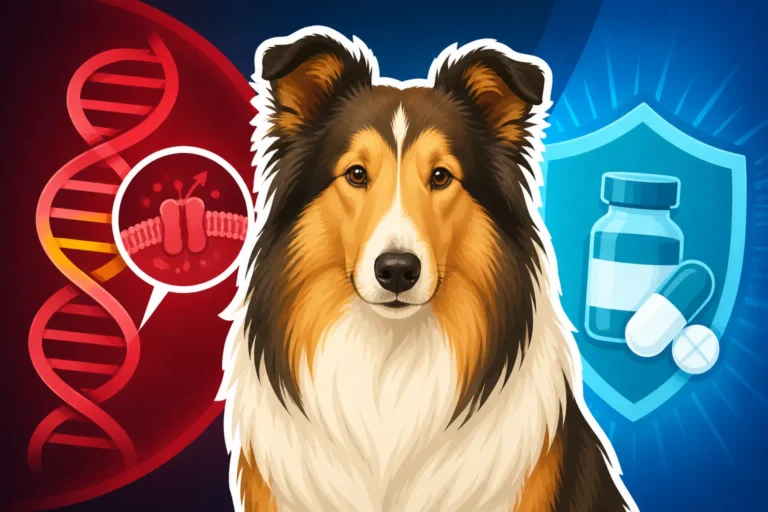
- MDR1 DNA Test: The Multi-Drug Resistance 1 (MDR1) gene mutation is prevalent in Collies and can make them sensitive to common medications. Knowing a dog's status is critical. We often advise new owners to Assume Your Collie Has the MDR1 Mutation unless proven otherwise.
- Collie Health Panel (DNA Tests): More recently, comprehensive DNA panels have become available, testing for multiple genetic conditions simultaneously, such as Progressive Retinal Atrophy (PRA), Degenerative Myelopathy (DM), and potentially others. These often include the MDR1 test. Knowing What the Collie DNA Health Panel Covers is essential for understanding comprehensive screening.
A CHIC number signifies that a breeder has gone above and beyond, addressing all the core health concerns specific to the breed. It doesn't mean the dog is "perfectly healthy," but it does confirm that comprehensive testing has been performed and the results are publicly accessible.
Specialty DNA Testing Labs
Beyond OFA and CHIC, various commercial and university-affiliated DNA testing labs offer breed-specific panels. Companies like Embark Veterinary, Optimal Selection, and the Canine Health Genetics Center at Washington State University (which pioneered the MDR1 test) provide DNA testing that can identify carriers or affected individuals for a range of genetic conditions. These results are often integrated into OFA/CHIC records or can be presented directly by breeders.
Here’s a quick overview of how these registries and tests compare:
| Feature | OFA Database (General) | CHIC Program (Breed-Specific) | Specialty DNA Labs (e.g., Embark, Optimal Selection) |
|---|---|---|---|
| Purpose | Registry for various physical health clearances | Comprehensive set of breed-specific required tests | Genetic testing for specific mutations |
| Tests Covered | Hips, Elbows, Eyes, Cardiac, Thyroid, etc. | All parent club-recommended tests for a breed | MDR1, CEA DNA, PRA, DM, vWD, etc. |
| Data Submission | Voluntary by owners/breeders | Voluntary, but requires all recommended tests | Submitted by owner; can often link to OFA/CHIC |
| Public Accessibility | Yes, searchable by dog's name/number | Yes, indicates full panel completion & public results | Results often provided directly to owner, can be public |
| What it Verifies | Physical soundness and non-affected status | Comprehensive health screening adherence | Genetic status (clear, carrier, affected) |
Why Direct Breeder Transparency Matters Most
While public health registries are invaluable tools, they are only as effective as the transparency of the breeders utilizing them. The ultimate responsibility for providing clear, verifiable health information rests squarely with the breeder you choose. This isn't just about finding a breeder who says they do health testing; it's about finding one who can prove it with tangible documentation.
An ethical Collie breeder will not only perform the recommended health tests but will also be eager to discuss them, explain the results, and provide you with copies of the official certifications. Don't be shy about asking to see the actual OFA certificates, CERF/CAER forms, and DNA test results for both parents of any puppy you're considering. A simple verbal assurance like "Oh, my vet checked everything, they're perfectly healthy" is a major red flag.
Understanding the results themselves is also key. For example, some genetic tests reveal whether a dog is "clear" (meaning two healthy genes), a "carrier" (one healthy, one mutated gene), or "affected" (two mutated genes). For conditions like MDR1, a carrier can still pass the gene on, and if bred to another carrier, could produce affected puppies. Therefore, a good breeder understands these nuances and plans pairings carefully to avoid producing affected offspring. Whether a Collie Breeder Should Publish Results isn't just a suggestion; it's a cornerstone of ethical breeding.
This transparency extends beyond just genetic tests. It includes discussing the overall health history of their lines, any known health concerns in the extended pedigree, and how they manage these factors. They should be able to tell you about The Three Genetic Tests a Collie Breeder Owes You and provide documentation for each. This open dialogue helps build trust and ensures you're bringing home a puppy from parents whose health has been genuinely prioritized.
Financial Preparedness and Ongoing Health Monitoring
Even with the most meticulous health testing and breeder transparency, owning a Collie, like any living creature, comes with the possibility of unexpected health challenges. Health tests significantly reduce the risk of certain inherited diseases, but they don't offer a 100% guarantee against all future ailments or unforeseen accidents.
Regular veterinary check-ups are paramount throughout your Collie's life. These routine visits allow your vet to monitor their overall health, catch potential issues early, and ensure they are up-to-date on vaccinations and parasite prevention. As your Collie ages, these check-ups become even more critical, allowing you to proactively address age-related conditions. You’ll find that Caring for a Collie Past Nine often requires even more vigilant monitoring and specialized care.
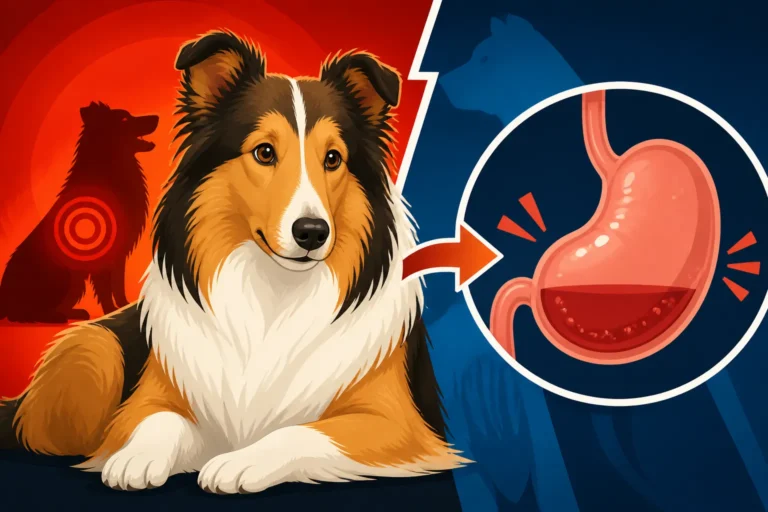
Being financially prepared for veterinary emergencies or chronic conditions is another crucial aspect of responsible Collie ownership. This is where pet insurance can be a real lifesaver. Providers like Healthy Paws offer coverage that can help mitigate the financial burden of unexpected illnesses or injuries. While health testing on parents minimizes the risk of inherited diseases, a puppy could still develop conditions like The Age Epilepsy Starts in a Collie or suffer from bloat, a life-threatening emergency that can strike deep-chested breeds. Knowing the Signs a Collie Is Bloating and having the financial means to act swiftly can be the difference between life and death.
Considering pet insurance from a provider like Healthy Paws when your Collie is young and healthy can protect against future "pre-existing conditions" exclusions. It offers peace of mind, allowing you to focus on getting your beloved pet the best possible care without worrying about the bill. Insuring a Collie Against Inherited Disease is a wise investment that complements the diligent health testing performed by responsible breeders, providing a comprehensive safety net for your Collie's health journey. After all, the goal is for your Collie to live a long, happy, and healthy life, and understanding How Long a Collie Lives and What Ends It often comes down to proactive care and preparedness.
Disclaimer
The information provided in this guide is for educational purposes only and should not be considered a substitute for professional veterinary advice. Always consult with a qualified veterinarian for any health concerns or before making decisions about your dog's medical care.