How Fast Bloat Kills a Collie
The chilling reality for Collie owners is that a seemingly normal afternoon can rapidly descend into a terrifying race against time when bloat strikes. This condition, medically known as Gastric Dilatation-Volvulus (GDV), isn't just a severe upset stomach; it's a rapidly progressing, life-threatening emergency where every single minute counts. This guide will meticulously break down how quickly bloat can kill a Collie, the tell-tale signs to watch for, and the absolutely critical steps you need to take to maximize your beloved dog's chances of survival.
Understanding Gastric Dilatation-Volvulus Bloat in Collies
Bloat is one of the most feared words in the world of large dog ownership, and for very good reason. It’s not just uncomfortable; it's a critical medical emergency that can lead to death in a matter of hours, sometimes even less. When we talk about bloat, especially concerning our Collies, we're almost always referring to Gastric Dilatation-Volvulus (GDV), a complex and devastating condition that goes far beyond a simple swollen belly. Understanding its mechanics and why Collies are particularly vulnerable is the first crucial step in protecting your furry family member.
The Mechanics of Bloat: Dilatation and Volvulus
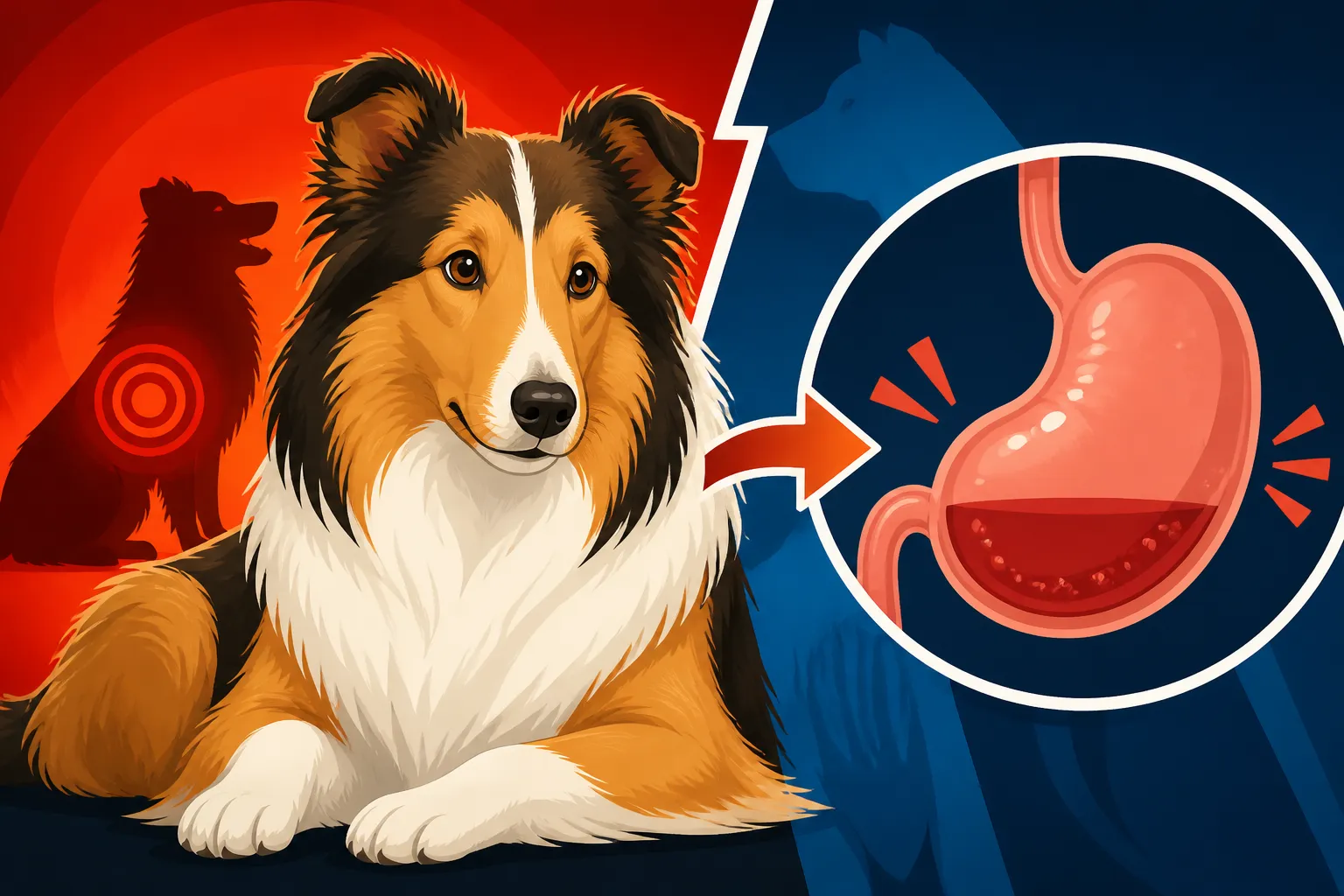
Imagine your Collie's stomach as a balloon. In the initial stage, known as gastric dilatation, the stomach fills rapidly with gas, food, or fluid, causing it to distend like that balloon being overinflated. This alone is incredibly painful and puts immense pressure on surrounding organs and major blood vessels. The stomach expands, pressing on the diaphragm, making it difficult for your Collie to breathe properly. Blood flow back to the heart is also severely compromised, leading to a rapid drop in blood pressure and the onset of shock.
But dilatation is often just the prelude to the true horror: volvulus. This is when the distended stomach twists upon its axis, effectively pinching off both the entry and exit points. Think of it like a knot tied in the middle of that overinflated balloon. Once twisted, gas and fluid are trapped, accelerating the distension. Worse still, the twisting cuts off the blood supply to the stomach itself, leading to tissue death (necrosis). This also impacts the spleen, which is often attached to the stomach, causing further internal damage and bleeding. The toxins released from dying tissue flood the bloodstream, rapidly pushing the dog into profound shock and organ failure. It’s a cascading nightmare that leaves very little time for intervention.
Why Deep-Chested Breeds Like Collies Are at High Risk
Collies, with their elegant, deep chests, unfortunately, fit the classic profile of a breed highly susceptible to GDV. It's an anatomical predisposition that we, as Collie owners, simply cannot ignore. While the exact cause of bloat is still not fully understood, the deep, narrow chest cavity is a significant risk factor. This body shape allows the stomach more room to swing and twist when it becomes distended. Breeds like Great Danes, Irish Setters, German Shepherds, and our beloved Collies consistently top the list for GDV incidence.
Beyond anatomy, other factors contribute to risk. Large meals eaten quickly, especially followed by exercise or high activity, can increase the chances. Stress and genetics also play a role, with some research suggesting a hereditary component. It's a cruel irony that the very conformation that gives Collies their regal appearance also puts them at such grave risk. Understanding Why a Collie's Chest Shape Raises Bloat Risk is vital for every owner to grasp the seriousness of this condition. Because of these inherent risks, many Collie owners consider preventative measures, which we'll discuss later.
The Terrifying Speed: How Quickly Bloat Progresses
The most harrowing aspect of bloat is its lightning-fast progression. This isn't a condition where you have days to ponder or wait for routine vet hours. It's an emergency that often turns fatal within mere hours, sometimes even faster if the stomach twists severely and rapidly. For many Collie owners, the suddenness and ferocity of GDV are what make it so terrifying. You might have left your Collie perfectly happy and well an hour ago, only to return to a dog in severe distress.
Initial Signs and Rapid Deterioration
The first signs of bloat can be subtle, easily mistaken for indigestion or mild discomfort. Your Collie might seem restless, pace, or try to vomit without bringing anything up (known as "non-productive retching"). They might stand with an arched back or look repeatedly at their abdomen. You might notice their abdomen starting to distend, though this isn't always immediately obvious, especially in Collies with their thick coats. They might refuse to lie down comfortably.
The critical thing to understand is that these initial, seemingly mild signs can very quickly escalate. Within an hour or two, your Collie can go from restless to severely painful, their abdomen visibly swollen and taut, and their breathing labored. Their gums might become pale or even bluish, indicating poor circulation. They may collapse or become too weak to stand. The pain is excruciating, and the internal damage is progressing with alarming speed. It's crucial to recognize Signs a Collie Is Bloating as early as possible.
The Critical Golden Hour
Veterinarians often refer to a "golden hour" for bloat, meaning the window of time after symptoms first appear during which intervention is most likely to be successful. This isn't a strict 60-minute timer, of course, but it emphasizes the extreme urgency. The faster you get your Collie to emergency veterinary care, the better their chances of survival. Beyond this early window, the complications multiply rapidly. The stomach tissue starts to die, shock becomes profound, and the chances of successful surgery and recovery plummet dramatically.
Once the stomach twists, the clock truly starts ticking. The cutting off of blood supply, the release of toxins, and the relentless pressure on vital organs lead to a rapid downward spiral. Dogs can succumb to shock, cardiac arrest, or overwhelming infection from dying tissue in just a few short hours if left untreated. This is why having an emergency plan, knowing your local 24-hour vet, and being acutely aware of the symptoms are not just recommended, but absolutely essential for any Collie owner.
| Progression Stage | Symptoms | Timeframe (Approx.) | Action Required |
|---|---|---|---|
| Early Onset | Restlessness, pacing, panting, anxiety, looking at abdomen, lip licking, excessive drooling, non-productive retching. | 0-1 hour | Immediate veterinary contact. Confirm emergency status. |
| Rapid Deterioration | Increasing abdominal distension (may be subtle initially), visible discomfort, shallow breathing, pale gums, weakness. | 1-2 hours | En route to emergency vet. Do not wait. |
| Severe Crisis | Tense/hard abdomen, severe pain, collapse, difficulty breathing, very pale/blue gums, rapid/weak pulse, signs of shock. | 2-4 hours | Urgent surgical intervention required. Survival chances decrease significantly. |
| Terminal Stage | Profound shock, organ failure, unconsciousness. | 4+ hours | Very low chance of survival without previous intervention. |
This table provides general guidance; individual progression can vary rapidly. Always assume the worst and seek immediate veterinary care.
Recognizing the Signs and Immediate Action
As a Collie owner, you are truly on the front lines when it comes to bloat. Your ability to recognize the subtle, and then rapidly escalating, signs is the single most important factor in your dog's survival. There’s no time for a "wait and see" approach with GDV. It demands immediate, decisive action. Knowing what to look for and what to do, even before you leave the house, can make all the difference.
Key Symptoms and What They Indicate
Let’s reiterate the symptoms, but with a deeper look into what they signify. The early signs are often behavioral:
- Restlessness and Pacing: Your Collie just can't get comfortable. They might lie down, get up, circle, and repeat. This is a clear indicator of discomfort and anxiety.
- Non-Productive Retching/Dry Heaving: This is a hallmark symptom. Your Collie looks like they're trying to vomit, their body heaves, but nothing comes up, or perhaps only a little foam or saliva. This happens because the twisted stomach prevents anything from passing. This symptom alone should trigger an immediate emergency response.
- Abdominal Distension: This might be harder to spot on a fluffy Rough Collie than a Smooth Collie, but feel your dog's sides. Is their abdomen firm, swollen, or drum-like when tapped? This is a sign of gas buildup.
- Excessive Drooling: Often accompanied by restlessness, this can be a response to nausea and extreme discomfort.
- Pain Response: Your Collie might whine, groan, or show signs of pain if you gently press on their abdomen. They might be reluctant to let you touch them there.
- Changes in Gums and Breathing: As bloat progresses, circulation is severely affected. Pale or bluish gums mean a lack of oxygen and blood flow. Rapid, shallow breathing is a sign their diaphragm is being pushed on and they are struggling to get enough air.
- Weakness or Collapse: This indicates profound shock and means your dog is in a critical, life-threatening state.
Any combination of these, especially non-productive retching, warrants an emergency trip to the vet. Do not hesitate.
The Urgency of Veterinary Intervention
Once you suspect bloat, your mission is singular: get your Collie to the nearest emergency veterinary clinic immediately. Call ahead if you can, to let them know you’re coming with a suspected GDV case. This allows them to prepare their team and equipment. Do not try home remedies, do not try to induce vomiting, and do not waste time searching for "natural cures" online. These actions will only delay crucial medical treatment and decrease your Collie's chances of survival.
At the vet, they will quickly confirm the diagnosis, often with X-rays. Treatment involves stabilizing your Collie for shock (IV fluids, pain medication) and then attempting to decompress the stomach, either by passing a tube down the esophagus or using a needle to release gas (trocarization). Crucially, the twisted stomach must be surgically corrected. This procedure, called a gastropexy, involves untwisting the stomach and then tacking it to the abdominal wall to prevent future twisting. Even with successful surgery, the recovery can be challenging, and complications such as heart arrhythmias or further tissue damage are possible. Knowing Whether a Collie Survives Bloat Surgery depends heavily on how quickly they receive care.
Preparing for a Veterinary Emergency
Being prepared can shave precious minutes off your response time.
- Know Your Emergency Vet: Have the address and phone number of your nearest 24-hour emergency veterinary hospital programmed into your phone and posted visibly at home.
- Emergency Fund/Insurance: Bloat surgery is expensive, easily costing several thousand dollars. Having an emergency fund or pet insurance, like a policy from Healthy Paws, can remove financial barriers to immediate, life-saving care. Policies that cover emergency procedures can be a literal lifesaver in these situations.
- Transport Plan: Think about how you’ll get your possibly large, distressed Collie into your car and to the clinic quickly. If you have a two-person household, assign roles.
- Vet Records: Keep a basic summary of your Collie's medical history handy, especially any known conditions or medications. If your Collie has the MDR1 mutation, ensure this is clearly noted. While not directly related to bloat, having comprehensive records helps the emergency team focus on the immediate crisis.
Preventive Measures and Long-Term Strategies
While bloat can strike even with the best precautions, there are definitely steps Collie owners can take to significantly reduce the risk. Proactive management is always better than reactive crisis management, and for a condition as deadly as GDV, prevention truly is paramount.
Dietary and Feeding Practices to Mitigate Risk
The way you feed your Collie can play a significant role in reducing bloat risk. Here are some key strategies:
- Smaller, More Frequent Meals: Instead of one large meal, break your Collie's daily food allowance into two or three smaller meals. This reduces the amount of gas and food in the stomach at any one time. This ties into the advice on Whether a Collie's Meals Should Be Split.
- Slow Feeder Bowls: If your Collie tends to "bolt" their food down quickly, a slow feeder bowl can be incredibly helpful. These bowls have obstacles that force your dog to eat around them, slowing down ingestion and reducing the amount of air swallowed.
- Avoid Exercise Around Meal Times: This is a big one. vigorous exercise or highly active play immediately before or after eating is thought to increase bloat risk. Give your Collie at least an hour of rest before and, more importantly, after meals. This is exactly why it's recommended Whether a Collie Should Rest After Eating.
- Water Access, But Not Excessive Gulps: Always provide fresh water, but if your Collie drinks huge amounts immediately after eating or heavy exercise, try to regulate it by offering smaller, more frequent sips.
- Food Type Considerations: While a definitive "anti-bloat" diet doesn't exist, some theories suggest that diets with high fat content among the first four ingredients might increase risk, as can certain kibble ingredients or those with small particle sizes that are eaten quickly. Discuss specific dietary concerns with your veterinarian. Quality foods are key, and a balanced diet ensures overall health, which can reduce stress on the body.
The Role of Gastropexy in Prevention
For many Collie owners, especially those with male Collies (who statistically have a slightly higher risk) or those with previous bloat incidents in their dog's lineage, a prophylactic gastropexy is a serious consideration. This surgical procedure permanently attaches the stomach to the abdominal wall, preventing it from twisting. It does not prevent the stomach from dilating (filling with gas), but it does prevent the deadly volvulus (twisting).
- What it Involves: A gastropexy can be performed traditionally with an open incision or laparoscopically (minimally invasive) for quicker recovery. It's a procedure that can often be performed at the same time as spaying or neutering, making it a convenient option to consider early in a Collie's life. This is why many owners inquire Whether a Collie's Gastropexy Can Share Its Neuter Anesthesia.
- Benefits: The primary benefit is a drastic reduction in the risk of GDV, which is the deadliest component of bloat. While dilatation can still occur, it's far less life-threatening as the stomach can be decompressed without surgery.
- Considerations: Like any surgery, it carries risks, including anesthesia risks and post-operative complications. It's also an added cost, though many owners view it as an investment in their Collie's safety. Discussions with your veterinarian are essential to determine if a gastropexy is the right choice for your individual Collie, considering their risk factors and your lifestyle. Insurance providers like Healthy Paws may cover preventative procedures to some extent, so it's worth checking your policy details. Proactive conversations with your vet about Whether a Collie Should Have a Preventive Gastropexy are crucial for informed decision-making.
Ultimately, vigilance, quick thinking, and proactive prevention are the most powerful tools a Collie owner has against the silent, swift killer that is bloat.
Disclaimer
The information provided in this article is for general educational purposes only and should not be considered a substitute for professional veterinary advice. If you suspect your Collie is experiencing bloat or any other medical emergency, seek immediate veterinary attention. Always consult with a qualified veterinarian for any health concerns or before making any decisions related to your pet's health.