Whether a Collie’s Vaccine Reaction Is More Likely
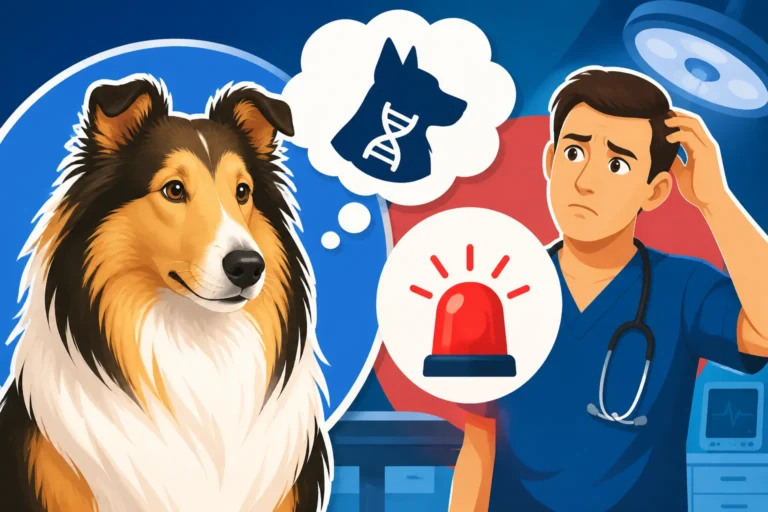
It’s a natural worry for any dog owner: is my beloved Collie more susceptible to something going wrong after a routine vaccination? Many Collie parents carry a quiet anxiety about their dog’s unique sensitivities, especially when it comes to medications and medical procedures. This comprehensive guide will delve into whether Collies indeed have a higher likelihood of experiencing vaccine reactions, what those reactions might look like, and most importantly, how you can work with your veterinarian to ensure your furry family member receives necessary protection safely.
Understanding Vaccine Reactions in Dogs (and Why Collies are Different)
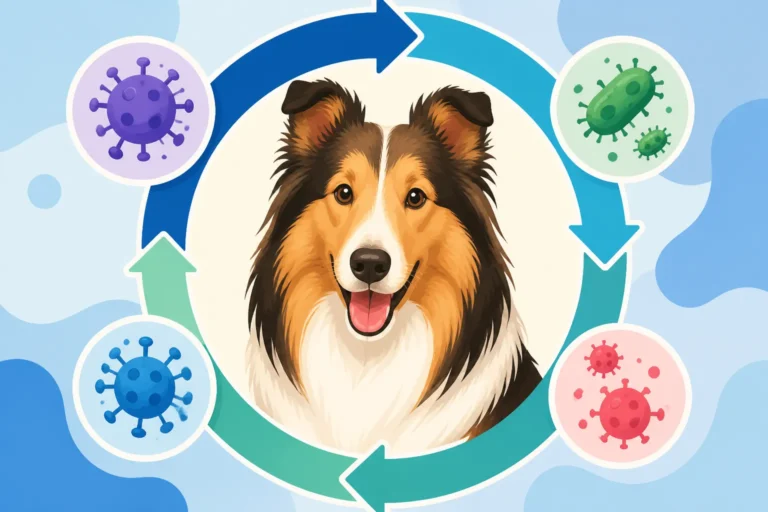
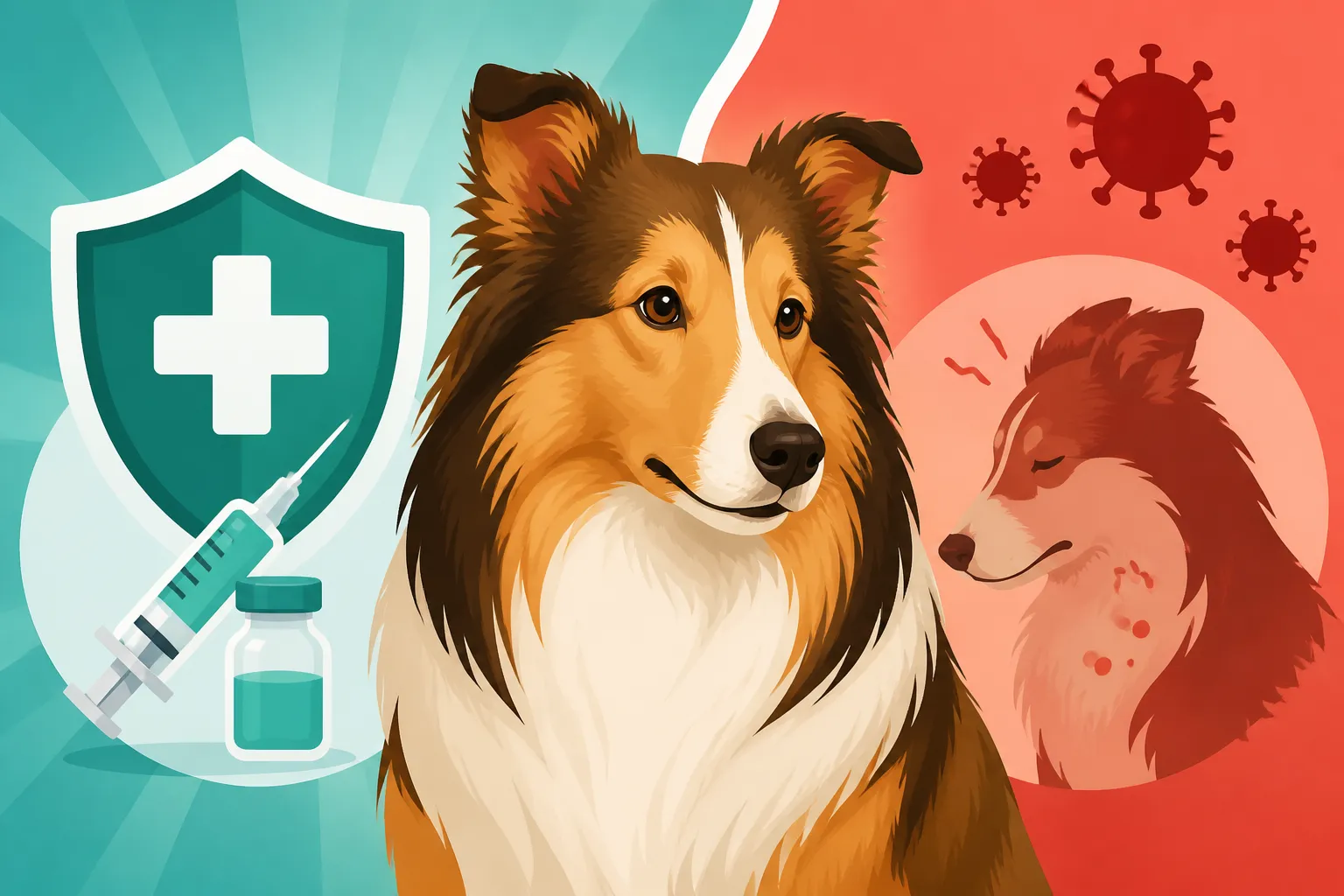
Vaccinations are a cornerstone of preventative medicine for our canine companions, protecting them from serious, often life-threatening diseases like distemper, parvovirus, and rabies. However, just like in humans, sometimes dogs can have adverse reactions. For most breeds, these reactions are rare and usually mild, but for Collies, there's a unique wrinkle that makes many owners understandably cautious.
Common Vaccine Reactions You Might See
Before we dive into what makes Collies unique, let's talk about what a "normal" vaccine reaction might look like for any dog. Often, these are very mild, self-limiting issues. You might notice your dog is a bit lethargic or has a reduced appetite for a day or so after their shots. It’s like how you might feel a little under the weather after a flu shot.
Locally, at the injection site, you might observe some tenderness, a bit of swelling, or even a small, firm lump under the skin. This lump is usually harmless and resolves on its own within a few weeks. Less commonly, some dogs might experience mild fever, muscle soreness, or a bit of sneezing, especially after an intranasal vaccine. While these symptoms are unpleasant, they're typically not serious and usually don't require more than comfort care at home.
However, more severe reactions, though rare, can occur in any breed. These might include hives, facial swelling, vomiting, diarrhea, or even anaphylaxis, which is a life-threatening allergic reaction. These more severe reactions require immediate veterinary attention, and recognizing them quickly can be crucial.
The Collie's Unique Genetic Sensitivities
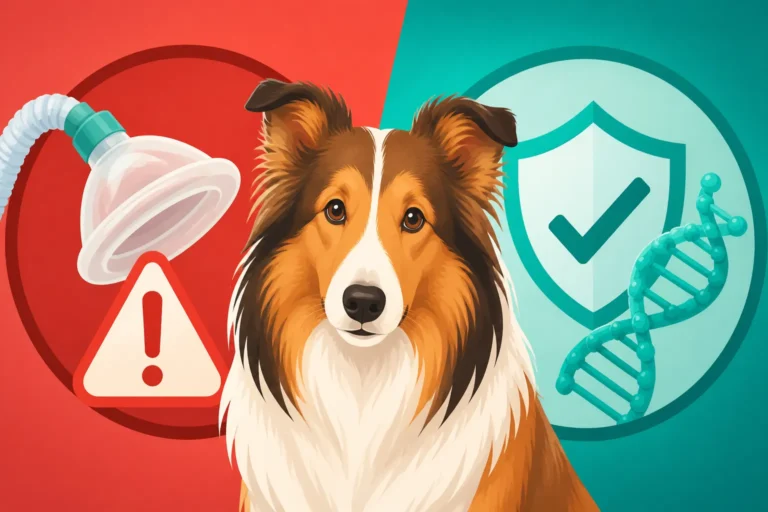
Now, here's where Collies often stand apart. Our beautiful, intelligent Collies are known to carry a specific genetic mutation called MDR1 (Multi-Drug Resistance 1). This gene plays a critical role in producing P-glycoprotein, a protein pump that helps transport certain drugs out of the brain and other sensitive organs. If a dog has a mutation in this gene, this pump doesn't work effectively, leading to higher-than-normal drug levels in the brain, which can cause severe neurological problems.
While the most commonly known and dangerous drugs associated with MDR1 are certain antiparasitics and sedatives, there's always a concern among Collie owners about how this genetic predisposition might influence reactions to other substances, including vaccines. It's not that the vaccine itself directly interacts with the MDR1 pump in the same way certain medications do. Instead, the general sensitivity that comes with having the MDR1 mutation means that any challenge to the system, including the immune response triggered by a vaccine, can be perceived as potentially riskier for an owner of an MDR1-positive Collie. This is why many owners feel that their Collie's vaccine reaction is more likely or could be more severe. It's an understandable caution born from knowing their dog has a known genetic vulnerability. If you're wondering, it's a good idea to Assume Your Collie Has the MDR1 Mutation unless you know otherwise.
The Role of the MDR1 Gene in Collie Drug Sensitivity
The MDR1 gene, sometimes also referred to as ABCB1, is a big deal for Collies. It's not just a minor quirk; it’s a critical piece of their genetic makeup that directly impacts their physiological response to many common medications. Understanding this isn't just for vets; it's essential for every Collie owner.
How MDR1 Affects Drug Metabolism
Think of the P-glycoprotein pump, which the MDR1 gene is responsible for creating, as a bouncer at an exclusive club: your dog's brain. Its job is to keep unwanted guests (certain drugs and toxins) out, making sure they don't reach levels that could be harmful. When a Collie has the mutated MDR1 gene, this bouncer isn't doing its job properly. It's like the club door is left open, and those specific drugs can waltz right into the brain, accumulating to toxic levels.
This isn't just about the brain, either. The P-glycoprotein pump also plays a role in the liver, kidneys, and intestines, affecting how drugs are absorbed, distributed, metabolized, and eliminated from the body. So, an MDR1 mutation can lead to drugs staying in the system longer, reaching higher concentrations, and causing more profound and dangerous side effects than they would in a dog without the mutation. This heightened sensitivity means even standard doses of certain medications can be lethal for an affected Collie. If you're curious about the mechanics, understanding What the MDR1 Mutation Actually Does to a Collie can provide even more clarity.
Specific Vaccines and Medications to Discuss with Your Vet
While vaccines themselves are generally considered safe for MDR1-affected Collies, it's the adjuvants (substances added to vaccines to enhance the immune response) or any concurrent medications given at the time of vaccination that can sometimes raise concern. The primary focus of MDR1 sensitivity is typically on drugs like Ivermectin (in high doses), Loperamide (Imodium), and certain chemotherapy agents, but the general principle of heightened drug sensitivity is what makes Collie owners extra vigilant.
It's paramount to have an open and detailed discussion with your veterinarian about your Collie's MDR1 status before any procedure, including vaccinations. If your dog is MDR1 positive (or if you don't know and are acting on the assumption they might be), you need to discuss the specific vaccine types, brands, and any other medications that might be administered simultaneously. For example, if a sedative is needed for a nervous Collie prior to vaccination, your vet needs to know the MDR1 status to choose a safe option. You should also confirm Whether Heartworm Preventive Is Safe for a Collie or Whether Flea Treatment Is Safe for an MDR1 Collie if they are given around the same time as vaccines, as these are often on the "caution" list.
Here’s a simplified table illustrating the general risk categories for drugs with an MDR1-affected Collie:
| Drug Category | MDR1 Risk Level | Common Examples (Collie Owners Should Discuss) |
|---|---|---|
| High Risk | Very High | Ivermectin (high dose), Loperamide, Vincristine, Vinblastine, Doxorubicin (chemo drugs) |
| Moderate Risk | Moderate | Acepromazine (sedative), Butorphanol (pain/sedative), Cyclosporine |
| Low/No Known Risk | Low to None | Many antibiotics, NSAIDs, most vaccines themselves |
| Unknown/Variable | Consult Vet | Certain newer medications, some vaccine adjuvants (discuss with vet) |
This table is a general guide, and it is vital to always defer to your veterinarian for specific recommendations. For an exhaustive list of concerning drugs, consult The Drug List That Can Kill a Collie.
Proactive Steps for Vaccinating Your Collie Safely
As responsible Collie owners, we want to ensure our dogs are protected from disease, but also that they're safe from adverse reactions. Taking a proactive approach is the best way to navigate vaccinations with a Collie.
Thorough Discussion with Your Veterinarian
The absolute cornerstone of safe vaccination for a Collie is a comprehensive and open conversation with your veterinarian. Don't be shy about advocating for your dog! Start by explicitly stating that you own a Collie and that you are concerned about potential drug sensitivities, particularly if you know or suspect your dog carries the MDR1 mutation. It's often helpful to provide your vet with documentation of your Collie's MDR1 status if you've had them tested. If not, openly discuss your concerns and ask them to proceed with caution as if your dog is MDR1 positive. This proactive communication can literally save your dog's life. Consider even bringing a printout about the MDR1 mutation or having your vet note it prominently in your dog's file. Learning How a Collie Owner Tells the Vet About MDR1 is an invaluable skill.
Discuss the specific vaccines being recommended. Are they core vaccines (like rabies and distemper/parvo) or lifestyle vaccines (like kennel cough or leptospirosis)? Talk about the necessity of each one for your individual dog's risk profile. In some cases, your vet might suggest spreading out vaccinations rather than giving multiple shots at once, or using specific vaccine brands known to have fewer associated reactions. Ask about potential side effects and what to look for. This isn't about distrusting your vet; it's about forming a partnership to provide the best care. Also, for peace of mind regarding future emergencies, look into pet insurance providers like Healthy Paws, which can help cover unexpected vet costs if a reaction does occur.
Monitoring Your Collie Post-Vaccination
The period immediately following vaccination is crucial for observation. Even with all the precautions in place, reactions can still happen. Plan to have your Collie vaccinated at a time when you can be home to observe them for at least the next 24-48 hours. Many vets recommend waiting in the clinic parking lot for 15-30 minutes after the shot, just in case a severe, immediate reaction like anaphylaxis occurs.
Once home, pay close attention to your Collie's behavior and physical state. Look for:
- Mild reactions: Lethargy, decreased appetite, mild tenderness at the injection site, slight fever. These are usually not emergencies but should be noted.
- Moderate reactions: Hives, facial swelling (especially around the eyes or muzzle), vomiting, diarrhea, intense itching. These warrant a call to your vet.
- Severe reactions: Difficulty breathing, collapse, severe weakness, pale gums, persistent vomiting/diarrhea. These are emergencies and require immediate veterinary care.
It's helpful to know Signs an MDR1 Collie Is Having a Drug Reaction, even if it's not directly related to the vaccine itself, as the symptoms of any adverse drug event can be similar. Keep your vet's emergency number handy and don't hesitate to call if you have any concerns at all.
Considering a Modified Vaccination Schedule
For Collies with known sensitivities or those whose owners are particularly concerned, a modified vaccination schedule can be a thoughtful approach. This isn't about skipping necessary vaccines but about tailoring the timing and frequency to minimize risk while maintaining protection.
Instead of annual boosters for all vaccines, your vet might suggest:
- Titer testing: This involves a blood test to measure the level of antibodies your dog has to certain diseases. If the titers are sufficiently high, it indicates your Collie still has immunity, and a booster might not be necessary that year. This reduces the number of vaccines given over a lifetime.
- Spreading out vaccines: Instead of administering multiple vaccines in one visit (e.g., distemper/parvo and leptospirosis together), your vet might recommend giving them a few weeks apart. This isolates the potential reaction to a single vaccine, making it easier to identify the culprit if a problem arises.
- Avoiding unnecessary vaccines: Only vaccinate for diseases your Collie is truly at risk for based on their lifestyle and geographic location. For example, if your Collie never goes to dog parks or boarding kennels, certain "lifestyle" vaccines might be deemed less critical.
Discussing Whether a Collie Should Be Vaccinated on a Normal Schedule might open the door to these alternative strategies. Remember, the goal is optimal health and safety for your individual Collie.
When to Seek Veterinary Care for a Suspected Reaction
Knowing when a reaction is just a "wait and see" situation versus a "drop everything and go" emergency is critical for Collie owners. The inherent caution we feel due to their genetic predispositions means we often err on the side of caution, and rightly so.
Recognizing Mild Versus Severe Symptoms
Let’s be realistic: some mild symptoms are fairly common and usually resolve on their own. If your Collie is a bit more tired than usual, maybe skips a meal or two, or has a small, pea-sized lump at the injection site that isn’t bothering them, these are typically things you can monitor at home. You might offer them a quiet place to rest, encourage fluids, and keep an eye on their temperature if you have a rectal thermometer. These are usually the body’s normal response to stimulating the immune system.
However, certain signs should immediately trigger a call to your veterinarian. These include widespread hives (itchy red welts on the skin), significant swelling of the face, eyelids, or muzzle, persistent vomiting or diarrhea, severe itching, or difficulty breathing. If you see any of these, don't wait. Call your vet immediately for advice, and be prepared to head in. This is where having a clear understanding of potential problems, like those highlighted in Signs an MDR1 Collie Is Having a Drug Reaction, becomes incredibly useful.
Emergency Protocols for Vaccine Reactions
In the rare but serious event of an anaphylactic reaction, time is of the essence. This is a severe, life-threatening allergic response that can cause a sudden drop in blood pressure, collapse, rapid heart rate, difficulty breathing due to swollen airways, and even death if not treated immediately.
If your Collie exhibits any of these severe signs, especially shortly after vaccination:
- Stay calm: Panicking won't help your dog.
- Contact your veterinarian immediately: Explain the symptoms clearly and concisely. Tell them you're on your way.
- Head to the nearest emergency veterinary clinic: If your regular vet is closed or too far, know where your closest emergency animal hospital is. This is why it's a good idea to always know the route.
- Keep your Collie comfortable and quiet: Avoid excessive handling or excitement, which can worsen their condition.
It is wise for any pet owner, but especially a Collie owner, to have an emergency plan. Knowing What a Collie Owner Should Carry to an Emergency Visit can save precious minutes. This might include a copy of your Collie's health records, especially their MDR1 status, and a list of any medications they are currently on. Having funds set aside, or pet insurance like Healthy Paws, can significantly reduce the stress during an emergency, allowing you to focus purely on your Collie's care. Consider Whether a Collie Needs an Emergency Fund as part of your overall financial planning for your dog's health. While we hope you never need it, being prepared is the best act of love for your Collie.
Disclaimer
This article is for general informational purposes only and does not constitute professional advice. Laws, prices and regulations vary by location and change over time. Consult a qualified professional for guidance on your specific situation.