Whether a Collie Gets Von Willebrand Disease
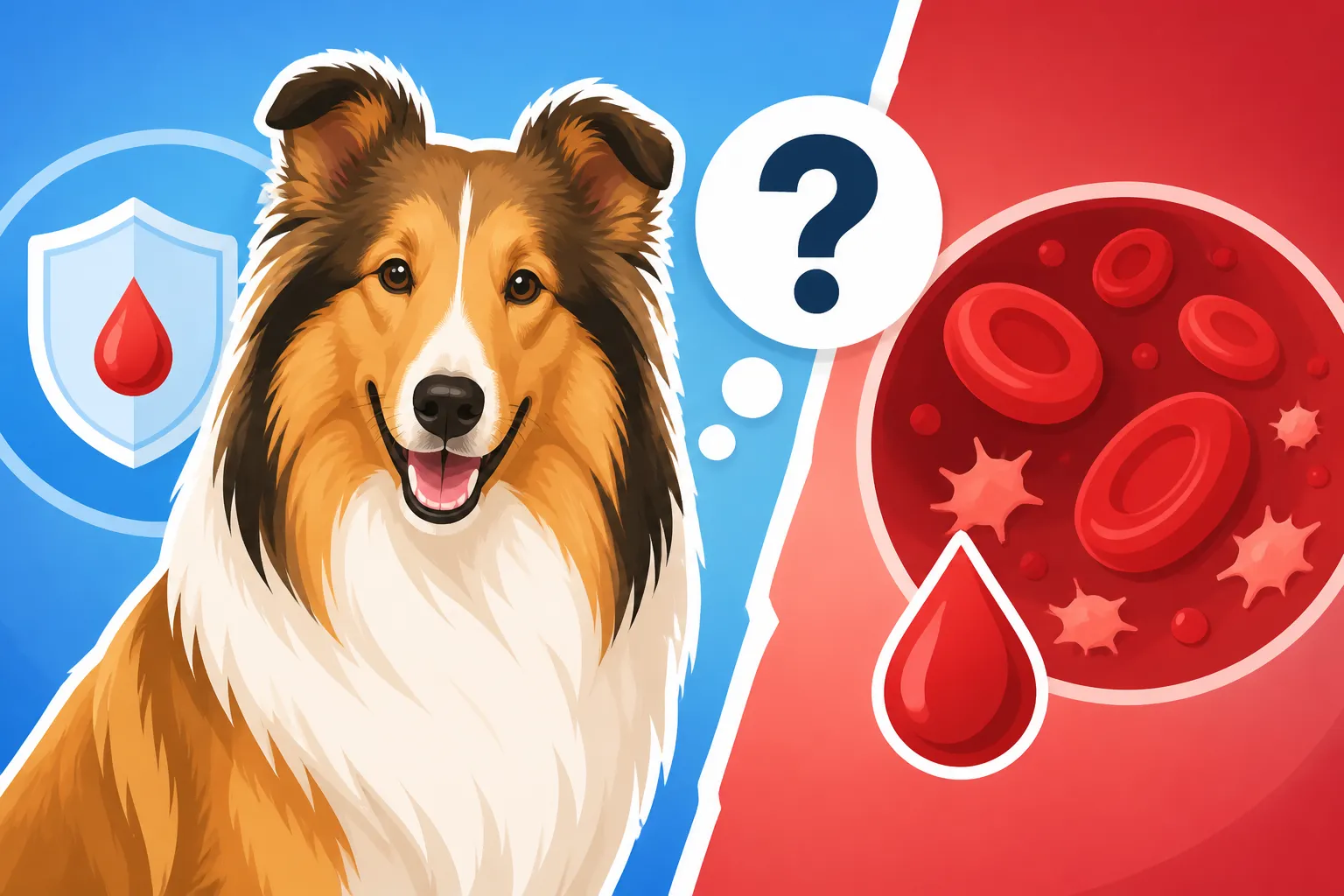
It’s completely natural to feel a flutter of anxiety when you hear about various genetic health conditions that can affect dog breeds, especially when you’re deeply invested in your Collie’s well-being. With so many terms floating around, like MDR1, CEA, and even obscure bleeding disorders, it's easy to wonder if your beloved Collie is at risk for everything. Today, we're going to clear up any confusion around Von Willebrand Disease (vWD) and whether this particular clotting disorder is a genuine concern for Collie owners.
What Exactly Is Von Willebrand Disease (vWD)?
Before we dive into how vWD relates to Collies, let's first get a solid understanding of what this disease actually entails. Von Willebrand Disease is the most common inherited bleeding disorder found in dogs, and it affects both purebreds and mixed breeds across the globe. It's essentially a problem with the blood's ability to clot properly, which can lead to excessive or prolonged bleeding.
Understanding Normal Blood Clotting
Think of your dog's body as a complex machine with many safety features, and blood clotting is one of the most vital. When your dog gets a cut or a scrape, a remarkable cascade of events kicks into gear. Tiny components in the blood, called platelets, rush to the site of injury and form a temporary plug. At the same time, a series of proteins, known as clotting factors, work together to create a stable fibrin clot that seals the wound, stopping the bleeding. This whole process is incredibly intricate, involving many different players working in perfect harmony to prevent significant blood loss.
If any part of this system is missing or not functioning correctly, even a minor injury can become a serious problem. Imagine a small leak in a pipe; if you don't have the right tools to patch it up, that small leak can quickly turn into a flood. That's essentially what happens with bleeding disorders like vWD.
The Role of Von Willebrand Factor (vWF)
At the heart of Von Willebrand Disease is a specific protein called Von Willebrand factor (vWF). This factor plays a crucial dual role in the clotting process. First, it acts like a sticky glue, helping platelets adhere to the injured blood vessel wall and to each other, forming that initial plug. Without enough vWF, these platelets can't stick where they're supposed to, making the initial clot weak or nonexistent.
Second, vWF is also responsible for carrying another critical clotting factor, Factor VIII, and protecting it from degradation. Factor VIII is part of the more complex fibrin clot formation. So, a deficiency or dysfunction in vWF doesn't just affect the platelets; it also indirectly impacts other stages of the clotting process, compounding the problem. It’s like having a crucial messenger who is either absent or can’t deliver the message, causing a breakdown in the entire communication chain.
Different Types of vWD
Von Willebrand Disease isn't a single condition; it actually comes in several forms, classified into three main types based on the quantity and quality of the Von Willebrand factor. These types dictate the severity of the bleeding disorder and which breeds are typically affected.
- Type 1 vWD: This is the most common and generally the mildest form. Dogs with Type 1 vWD have reduced levels of vWF, but the factor they do have functions normally. This means they might experience minor bleeding issues, such as prolonged bleeding after surgery or an injury, nosebleeds, or bruising. Many dogs with Type 1 can lead relatively normal lives with careful management. Breeds often associated with Type 1 include Doberman Pinschers, Golden Retrievers, Standard Poodles, and Shetland Sheepdogs.
- Type 2 vWD: This type is less common and more severe. Dogs with Type 2 vWD have normal or near-normal levels of vWF, but the factor itself is abnormal and doesn't function correctly. This leads to more serious bleeding episodes, often spontaneously, and can be life-threatening. Breeds like German Shorthaired Pointers and some German Wirehaired Pointers are prone to Type 2 vWD.
- Type 3 vWD: This is the most severe form, and fortunately, it's also the rarest. Dogs with Type 3 vWD have virtually no detectable vWF in their blood. They typically experience severe, spontaneous bleeding from a very young age, often from mucous membranes, and can suffer from debilitating hemorrhages. Scottish Terriers, Chesapeake Bay Retrievers, and Dutch Kooikerhondjes are among the breeds most commonly affected by Type 3.
Understanding these distinctions is important because it highlights that not all vWD is the same, and the risk and severity vary greatly depending on the specific type and breed.
Is Von Willebrand Disease a Concern for Collies?
Now for the question that brought you here: is Von Willebrand Disease something you, as a Collie owner, should be losing sleep over? The reassuring answer is generally no. Collies are not considered a breed commonly or significantly affected by Von Willebrand Disease.
Breed-Specific Predispositions
Every dog breed comes with its own unique set of genetic predispositions, a kind of inherited health blueprint. For instance, the Doberman Pinscher is famously known for Type 1 vWD, with a significant percentage of the breed carrying the gene or being affected. Similarly, breeds like the Scottish Terrier face the much more severe Type 3 vWD. These breed-specific patterns are well-documented in veterinary genetics.
The Collie, however, does not appear on the list of breeds with a significant prevalence of any type of Von Willebrand Disease. While it's theoretically possible for any dog, including a Collie, to acquire a spontaneous mutation or have a one-off case, it is not an inherent breed risk like it is for many other breeds. This is a huge sigh of relief for those of us who already spend a lot of time worrying about other Collie-specific health issues.
The Collie's Primary Genetic Concerns
Instead of vWD, our Collies have their own particular genetic landscape to navigate. The most widely known and critical genetic health concern for Collies is the Assume Your Collie Has the MDR1 Mutation. This mutation, which impacts how certain drugs are processed and eliminated from the body, can make Collies extremely sensitive to a range of common veterinary medications. Giving an MDR1-affected Collie certain drugs can lead to severe neurological symptoms, seizures, coma, or even death. This is why understanding The Drug List That Can Kill a Collie is so vital for every Collie owner.
Another significant concern is Collie Eye Anomaly Affects Most Collies, So Ask How Badly, a congenital eye condition that can range from very mild choroidal hypoplasia to more severe issues like colobomas and retinal detachments. There are also less common but serious conditions such as Gray Collie Syndrome Is a Collie Problem and Nobody Else's and Dermatomyositis and the Collie Risk Panel. These are the issues that truly define the Collie's genetic health profile, and they are the ones that responsible breeders test for using The Three Genetic Tests a Collie Breeder Has Already Paid For to make informed breeding decisions.
When a breeder performs What the Collie DNA Health Panel Covers, you'll notice that while MDR1, CEA, and possibly DMS risk factors are usually on the list, Von Willebrand Disease generally is not. This absence speaks volumes about its lack of prevalence within the breed.
Genetic Testing for vWD in Other Breeds
For breeds where vWD is a known issue, genetic testing is readily available and widely utilized. Breeders of Doberman Pinschers, for example, routinely test their breeding stock to ensure they are not passing on the gene for Type 1 vWD. This is often done via a simple cheek swab, with results indicating whether a dog is clear, a carrier, or affected.
Since Collies are not predisposed to vWD, routine genetic testing for this specific disorder is simply not part of a standard health screening for the breed. If your vet were to suggest a vWD test for your Collie, it would likely be due to observed symptoms of a bleeding disorder, which would then trigger a broader diagnostic workup rather than being a proactive genetic screening based on breed risk.
Recognizing the Signs and What to Do
Even though Collies aren't typically affected by vWD, it's always wise for any dog owner to be aware of the general signs of a bleeding disorder. An understanding of these symptoms can help you act quickly if your dog ever experiences unusual bleeding, regardless of the cause.
Subtle and Obvious Symptoms of vWD
The symptoms of vWD, or any bleeding disorder, can vary in severity. In mild cases, you might notice:
- Prolonged bleeding after injury or surgery: This is a classic sign. A routine nail trim might bleed for an unusually long time, or a small cut might be harder to stop. Similarly, if your Collie undergoes surgery, like a spay/neuter or even a minor dental procedure, and bleeding persists longer than expected, it's a red flag.
- Spontaneous nosebleeds (epistaxis): While an occasional nosebleed can happen for various reasons, frequent or severe nosebleeds without obvious trauma should prompt investigation.
- Easy bruising: You might find unexplained bruises on your dog's skin, especially in areas where there's less fur.
- Bleeding gums: Gums that bleed easily when brushed or even spontaneously.
In more severe cases, which are much less likely to be seen in a Collie without another underlying cause, symptoms can include:
- Blood in urine (hematuria) or stool (melena or hematochezia): This can indicate internal bleeding and requires immediate veterinary attention.
- Excessive bleeding during heat cycles or after whelping.
- Lameness or swelling in joints: This could indicate bleeding into the joints, which is particularly painful and damaging.
It's important to remember that many of these symptoms can also point to other health issues, so don't jump to conclusions. However, their presence warrants a conversation with your veterinarian.
When to Seek Veterinary Attention
If you observe any of the bleeding symptoms mentioned above, especially if they are recurrent, severe, or unexplained, it’s always best to contact your veterinarian. Don't wait to see if it gets better, particularly with issues like prolonged bleeding or signs of internal hemorrhage. Early diagnosis can be crucial for managing any underlying condition effectively.
When you call your vet, be prepared to provide a detailed history: when did the bleeding start? How long did it last? Was there any known injury? What color was the blood? Have you noticed any other changes in your Collie's behavior or appetite? This information helps your vet narrow down the possibilities and decide on the most appropriate diagnostic steps. Knowing What a Collie Owner Should Carry to an Emergency Visit is also invaluable, as having a detailed medical history can save precious time.
Emergency Situations and First Aid
In instances of severe, uncontrolled bleeding, this becomes an emergency. Apply direct pressure to any visible bleeding wounds using a clean cloth or gauze. If the bleeding is from a limb, elevating the limb can sometimes help. Keep your Collie calm and quiet, and get to the nearest emergency veterinary clinic immediately. Do not attempt to use household remedies or tourniquets unless specifically instructed by a veterinary professional, as these can do more harm than good.
For nosebleeds, try to keep your Collie calm, apply a cold pack to the bridge of the nose, and avoid tilting their head back. If the nosebleed is profuse or doesn't stop within a few minutes, head to the vet. Remember, when in doubt, a quick vet visit is always better than a delayed one.
Diagnosis and Management
If your Collie were to exhibit unusual bleeding, your veterinarian would typically embark on a diagnostic journey to pinpoint the cause. While vWD might be on a broad list of possibilities for some breeds, for a Collie, other factors would likely be investigated first.
Diagnostic Tests for vWD
The diagnostic process for a suspected bleeding disorder usually begins with a thorough physical examination and a detailed history. Your vet will likely recommend a series of blood tests to evaluate your Collie's clotting ability.
Common tests include:
- Complete Blood Count (CBC): This evaluates red blood cells, white blood cells, and platelets. Low platelet counts (thrombocytopenia) can cause bleeding symptoms similar to vWD.
- Coagulation Profile (PT/aPTT): These tests measure how long it takes for blood to clot, assessing the overall function of the clotting cascade.
- Buccal Mucosal Bleeding Time (BMBT): This is a simple, quick test performed in the clinic where a small incision is made on the inside of the dog's lip, and the time it takes for the bleeding to stop is measured. A prolonged BMBT can indicate a platelet function disorder or vWF deficiency.
- vWF Antigen Assay: If other tests suggest a clotting problem, and especially if your Collie belongs to a breed known for vWD, a specific test to measure the amount of Von Willebrand factor in the blood would be performed. This assay quantifies the vWF levels and helps to classify the type of vWD if present.
Again, for a Collie, finding a low vWF level would be quite unexpected, given the breed's typical genetic profile. It would lead your vet to consider other potential causes for bleeding, such as liver disease, certain medications, or even exposure to toxins like rodenticides, before settling on vWD as the primary diagnosis. This is why it's so important for Whether a Collie's Chart Should Be Flagged at the Clinic with known sensitivities like MDR1, as drug interactions can sometimes mimic or exacerbate bleeding issues.
Living with a vWD Affected Dog
While Collies aren't typically affected, for families with dogs of other breeds diagnosed with vWD, living with the condition requires careful management. The primary goal is to minimize the risk of bleeding episodes and to be prepared for any emergencies. This includes:
- Avoiding trauma: Keeping playtime gentle, supervising outdoor activities, and preventing situations where your dog could get injured.
- Careful handling of medical procedures: Vets will need to be extremely cautious with surgeries, dental cleanings, and even routine injections. They might use specific suture materials, apply pressure longer, or even administer transfusions of fresh frozen plasma (which contains vWF) before or after procedures.
- Medication awareness: Avoiding drugs that can interfere with platelet function, such as NSAIDs (non-steroidal anti-inflammatory drugs), unless absolutely necessary and under strict veterinary supervision.
- Dietary considerations: Ensuring a balanced diet and avoiding any supplements that might promote bleeding.
This level of vigilance highlights why genetic testing for vWD is so critical in susceptible breeds, preventing tragic outcomes and allowing owners to plan for their dog's care. For Collie owners, while this specific concern is low, maintaining awareness of conditions like Whether an MDR1 Collie Recovers From a Reaction after adverse drug events is a far more likely and equally critical consideration for preventing crises.
Proactive Care and Prevention
For Collie owners, proactive care for bleeding disorders primarily revolves around being aware of potential drug sensitivities related to the MDR1 mutation, which can sometimes have symptoms that might be misinterpreted as bleeding issues or complicate treatment if bleeding occurs. Ensure your Collie has been tested for the MDR1 mutation, and that your veterinarian is fully aware of their status. What an MDR1 Test Costs for a Collie is a small investment for peace of mind.
Here’s a quick overview of what proactive care often looks like for bleeding disorders in general, contrasting with Collie-specific genetic testing:
| Feature | General Bleeding Disorders (e.g., vWD) | Collie-Specific Health Concerns (e.g., MDR1) |
|---|---|---|
| Primary Concern | Blood clotting ability, spontaneous or excessive bleeding. | Drug sensitivity, neurological reactions to common medications, some eye/skin issues. |
| Commonly Affected Breeds | Doberman Pinschers, Poodles, Scotties (for vWD). | Collies, Australian Shepherds, Shelties (for MDR1). |
| Routine Genetic Testing | vWF Antigen Assay, DNA tests for specific vWD types in at-risk breeds. | MDR1 DNA test is highly recommended for all Collies. |
| Management Focus | Avoiding trauma, careful medical procedures, avoiding platelet-inhibiting drugs. | Strict adherence to a The Drug List That Can Kill a Collie, informing all vets. |
| Emergency Preparedness | Fresh frozen plasma, whole blood transfusions. | Awareness of Signs an MDR1 Collie Is Having a Drug Reaction, carrying emergency info. |
| Pet Insurance Relevance | Can cover diagnostics, transfusions, and ongoing treatment for diagnosed vWD. | May cover adverse drug reaction treatments, but prevention is key. Healthy Paws can be a good option for unexpected medical needs. |
Regarding pet insurance, if you're concerned about unexpected vet bills for any medical issue, including emergencies or the management of genetic conditions your dog is predisposed to, a robust pet insurance policy can provide invaluable support. Providers like Healthy Paws can help manage the financial stress of unforeseen health challenges, allowing you to focus on your Collie's care. This can be especially useful for covering costs related to things like Insuring a Collie Against Inherited Disease or a serious incident.
In conclusion, while Von Willebrand Disease is a significant concern for many dog breeds, you can breathe a little easier knowing that it is not a common or major health risk for Collies. Your focus, and that of responsible Collie breeders, should remain on the genetic conditions truly prevalent in the breed, such as MDR1 sensitivity and Collie Eye Anomaly, ensuring your beautiful companion lives the healthiest, happiest life possible.
Disclaimer
This article is for general informational purposes only and does not constitute professional advice. Laws, prices and regulations vary by location and change over time. Consult a qualified professional for guidance on your specific situation.