Forty Five Minutes a Day, and Half of It in Its Head
It's easy to look at a majestic Collie, with their flowing coat and intelligent gaze, and assume they need to be running miles every day to stay happy. Many new Collie owners or those considering the breed worry about providing enough physical exercise, picturing endless games of fetch or long, grueling runs. But the truth about keeping a Collie content and well-behaved lies in understanding that their activity needs are as much about engaging their incredibly sharp minds as they are about moving their bodies. This guide will help you unpack the unique blend of physical activity and mental stimulation that truly fulfills a Collie.
Understanding the Collie's Energy Profile
When we talk about exercise for our canine companions, it's often framed purely in terms of physical output: how many miles, how many minutes, how many laps around the park. For Collies, this traditional view often misses a crucial piece of the puzzle. They are indeed a herding breed, but their history paints a picture of a dog that needed brains as much as brawn, if not more so.
The Myth of the High-Energy Herder
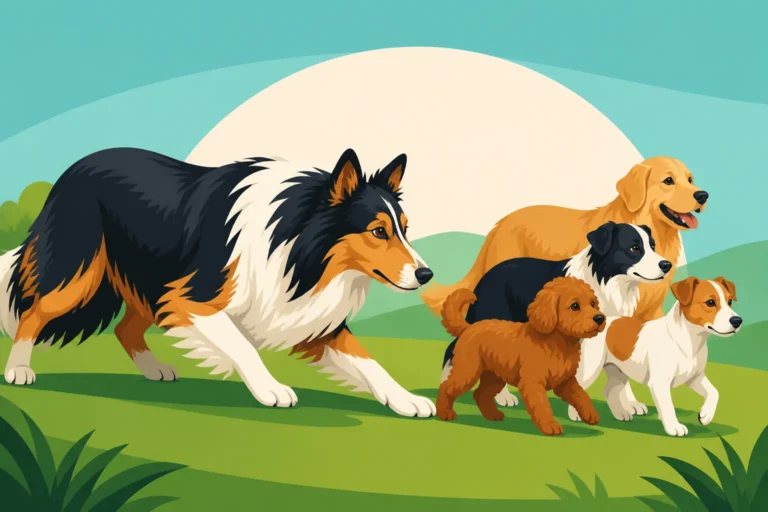
It's a common misconception that all herding dogs are cut from the same cloth, requiring the kind of relentless, high-octane physical exercise that a Border Collie or an Australian Shepherd thrives on. Many people see "herding breed" and immediately envision a dog that needs to be constantly on the go, running tirelessly for hours on end. This often leads to new Collie owners feeling immense pressure to provide non-stop physical activity, which can actually be counterproductive for this particular breed. The reality is, while Collies appreciate and need physical activity, their historical role was different from the intense, close-quarters work of some other herders.
Historically, Collies were droving dogs, tasked with guiding large flocks of sheep or cattle over vast distances, often between pastures or to market. This was a job that required endurance, yes, but also immense patience, observation, and decision-making. They weren't just chasing and circling; they were strategizing, anticipating movements, and working cooperatively with their human partners. They were the "eyes and ears" of the shepherd, often working at a steady trot rather than an all-out sprint for prolonged periods. This distinction is incredibly important because it means their exercise needs are geared more towards purposeful movement and mental engagement rather than sheer speed or stamina.
Understanding this difference is absolutely crucial for any Collie owner. If you try to turn your Collie into a Border Collie, pushing them for hours of intense, high-impact exercise, you might end up with a physically exhausted but mentally frustrated dog, or worse, one with joint issues down the line. Their bodies are built for long-distance, steady work, but their minds are built for complex problem-solving. It means that the quality and type of activity matter far more than the quantity of strenuous running.
The Collie's Thoughtful Nature
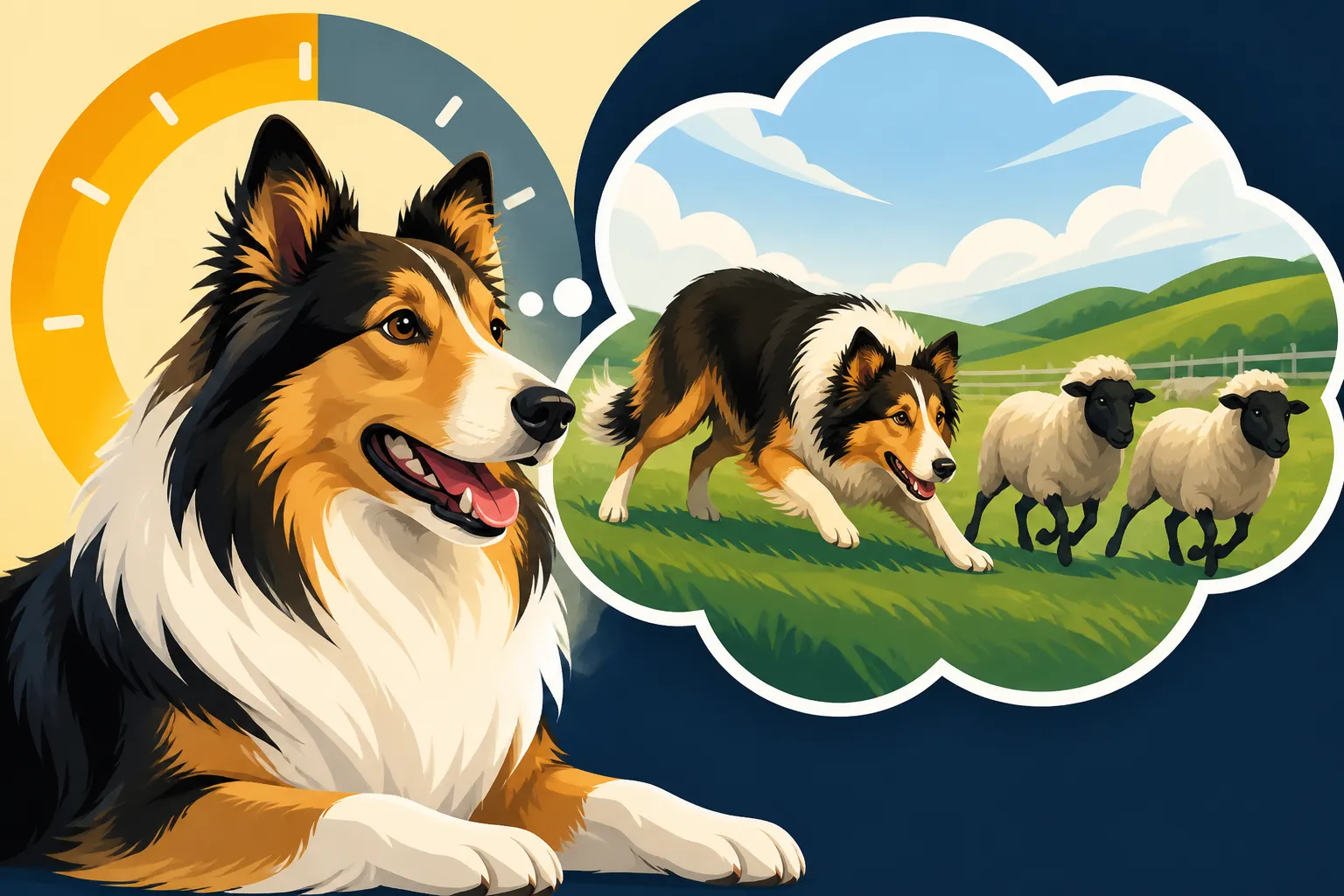
Even when a Collie appears to be calmly resting at your feet, their mind is often working overtime. They are incredibly intelligent, observant, and sensitive creatures who take in everything around them. From the subtle shifts in your mood to the distant sound of a squirrel on the fence, a Collie's brain is constantly processing information, analyzing situations, and often anticipating what might happen next. This continuous internal processing, this "reading of the room," is a significant form of mental exercise in itself, and it can be surprisingly exhausting for them.
Imagine for a moment if you, as a human, were constantly, instinctively analyzing every facial expression, every tone of voice, every subtle movement of those around you, while also monitoring your environment for any anomalies. This level of perpetual awareness and subtle decision-making is a glimpse into the active mind of a Collie. They are highly attuned to their environment and especially to their human family. This deep sensitivity and awareness mean that they are always "on," even when they appear to be relaxing. They're not just waiting for a command; they're often trying to predict it, or understand the underlying intent.
This deep mental engagement and thoughtfulness count towards their overall daily "work" requirement. It's why a Collie might seem perfectly content after a walk that was less physically demanding but included lots of interesting smells and sights to process. It's also why they can be prone to anxiety or stress if their environment is chaotic or unpredictable, as their minds are constantly trying to make sense of it all. Providing opportunities for them to use their intellect in a constructive, engaging way is just as vital as ensuring they get their physical activity. Ignoring this aspect of their nature is a sure path to an unfulfilled Collie, even if their body is tired. A Collie Reads a Room Better Than It Reads a Command with an accuracy and depth that often surprises owners.
The Art of the Physical Workout
While the Collie's mind is incredibly active, their bodies still need proper exercise to stay healthy and happy. It's not about being a couch potato; it's about choosing the right kind of physical activity that respects their build and their historical working style. For Collies, the focus should always be on quality and purpose, not just raw miles or minutes.
Quality Over Quantity for Physical Exertion
When we talk about a "forty-five minute" guideline for a Collie's daily exercise, it's important to clarify what that really means. It doesn't imply a mindless, repetitive trot around the same block day after day. For a Collie, those minutes need to be engaging and purposeful, utilizing their bodies in a way that simulates their natural instincts and keeps their minds active even during physical movement. A truly beneficial physical workout for a Collie is about more than just moving their legs; it's about stimulating their senses and allowing them to explore.
Think about the difference between a brisk, varied walk through a park or a nature trail versus an hour of plodding on pavement in a suburban neighborhood. The former allows for sniffing, exploring different textures underfoot, navigating small inclines and declines, and processing new sights and sounds. The latter can become monotonous and less stimulating. A good physical session might include some off-leash exploration in a safe, fenced area, allowing them to choose their pace, do some light running, and interact with the environment on their terms. Even a game of fetch, if it involves some short bursts of speed and a good "come" every time, is more effective than a dull, uninspired walk.
Their bodies are built for endurance, but also for agility and quick turns when managing a flock. So, while long, steady walks are excellent, incorporating short bursts of higher-intensity activity, like a quick chase after a toy, followed by ample sniffing time, provides a more holistic physical experience. It's about combining movement with mental engagement. The aim is to return home with a Collie whose body feels worked, but whose mind feels satisfied from all the novel input. This approach goes a long way in providing How Much Exercise a Collie Needs Daily in a truly effective way.
Incorporating Varied Activities
Monotony is often the enemy of engagement, both physically and mentally, for a Collie. Doing the same thing, the same way, every single day can lead to boredom and a lack of interest, even if the physical exertion is technically sufficient. To keep your Collie truly stimulated and happy, it’s essential to incorporate a variety of activities into their routine. This keeps their senses sharp, their muscles working in different ways, and their minds constantly engaged with new challenges.
Consider rotating your walk locations. A trip to a new park offers a whole new world of smells to investigate, different terrains to navigate, and new visual stimuli. Even a slightly different route around your neighborhood can break up the routine. A gentle hike on a nature trail can be incredibly enriching, providing opportunities to climb small hills, cross streams, and investigate undergrowth, all while using their natural tracking instincts. These environments encourage natural behaviors that concrete sidewalks simply can't. While a Collie might not be a mountain climbing champion, How Far a Collie Can Hike depends greatly on the terrain and the individual dog's fitness.
Beyond just walking, integrate different types of play. Instead of always throwing a ball, try a flirt pole for some quick, agile movements, or hide-and-seek in the yard. If you have access to a safe, dog-friendly swimming area, many Collies enjoy a gentle paddle, which is excellent low-impact exercise. The key is to think outside the box and provide different ways for your Collie to move their body and interact with the world, making every outing a novel and stimulating experience.
Engaging the Collie Brain
As we've established, a significant portion of a Collie's daily fulfillment comes from mental exertion. Their keen intelligence means they crave puzzles, problem-solving, and activities that challenge their cognitive abilities. Providing outlets for this mental energy is just as important as any physical run, sometimes even more so.
The Power of Scent Work and Puzzles
Collies possess excellent noses and a natural inclination to use them, a remnant of their herding ancestry where tracking lost sheep was a vital skill. Tapping into this innate ability through scent work is an incredibly powerful way to provide mental enrichment. You don't need fancy equipment to get started; even informal "find it" games around the house or in the backyard can provide immense mental stimulation. Start by hiding a favorite toy or a high-value treat, encouraging your Collie to use their nose to locate it. Gradually increase the difficulty by hiding items in more challenging spots, under blankets, or in different rooms.
Puzzle toys are another fantastic resource for Collies. These toys transform mealtime into a brain game, requiring your dog to manipulate the toy in specific ways to release kibble or treats. They come in various difficulty levels, from simple roll-and-dispense toys to more complex multi-step puzzles. Brands like KONG, Nina Ottosson, and Sniffiz offer a wide array of options that you can easily find on platforms like Amazon. Rotating different types of puzzles keeps things fresh and prevents your Collie from mastering one too quickly. This focus on problem-solving and focus is incredibly effective for fulfilling their mental needs.
This kind of activity, whether it's an intricate puzzle toy or a homemade scent game, tires a Collie out in a way that physical exercise alone often cannot. It demands concentration, perseverance, and strategic thinking. You'll often find that 15-20 minutes of intense mental work with a puzzle toy or a scent game leaves your Collie more deeply satisfied and ready for a nap than a much longer, but less mentally engaging, walk. This truly embodies the "half of it in its head" philosophy and proves Whether Puzzle Feeders Tire a Collie effectively.
Interactive Play and Strategic Games
Beyond simple physical exertion, playtime with a Collie should also be an opportunity for mental engagement and strategic thinking. While a good game of fetch is certainly fun, elevating playtime to include elements of strategy and problem-solving can provide a much richer experience for their intelligent minds. It’s about more than just chasing; it’s about thinking and responding.
Consider games that require more than just retrieving. Hide-and-seek, for instance, where you hide and call your Collie, encourages them to use their nose and ears to locate you. You can also teach them to "find" specific toys by name or to put their toys away in a basket, turning a chore into a fun cognitive challenge. These activities not only provide mental exercise but also strengthen your bond and improve their listening skills.
Games that incorporate impulse control or waiting for a cue before acting are also incredibly valuable. A classic game of "tug" can be transformed into a strategic exercise by asking for a "drop it" and "leave it" before re-engaging. You can also play games where your Collie has to wait for a release word before chasing a thrown toy, or navigate an obstacle course you've set up in the yard. These layers of mental demands turn what might seem like a purely physical activity into a complex mental workout. A Collie thrives on this kind of engagement, where they feel like they’re part of a cooperative effort, using their intellect to succeed in a fun, interactive way.
Structured Training as Mental Exercise
For a Collie, formal training isn't just about teaching manners or impressive tricks; it's a profound form of mental enrichment. Their inherent intelligence and desire to please make them excellent students, and engaging them in structured learning provides a powerful outlet for their active minds.
Obedience and Beyond
Formal obedience training, from basic cues like sit, stay, and come to more advanced behaviors, is an invaluable mental workout for a Collie. Each command requires them to focus, process information, and respond appropriately, often under various distractions. This constant engagement and problem-solving keep their minds sharp and satisfied. It's not just about compliance; it's about developing their cognitive abilities and building confidence through successful learning. Collies thrive on having a "job" or a purpose, and for many household companions, that job is simply to be a well-mannered and responsive member of the family. Regular, short, and positive training sessions are perfect for reinforcing this.
Moreover, the learning process itself is incredibly stimulating. Introducing new cues, refining existing ones, and practicing in different environments (like a busy park versus the quiet living room) demand a significant amount of mental effort. These sessions build communication between you and your Collie, strengthening your bond and making them feel more secure in their understanding of the world. Even if you've had your Collie for years, revisiting training basics or teaching a new trick can be a fantastic way to engage their brain. What Motivates a Collie is often praise and the joy of working with their person.
For those looking for structured guidance, online platforms can be a huge help. Programs like BAXTER & Bella offer comprehensive online puppy and dog training classes that can be adapted for Collies of any age. Their positive reinforcement methods and step-by-step approach provide an excellent framework for keeping your Collie mentally engaged, learning new skills, or brushing up on existing ones from the comfort of your home. This type of ongoing mental challenge is crucial for a breed that thrives on intellectual engagement.
Advanced Sports and Activities
While basic obedience provides a strong foundation, Collies truly shine and find immense fulfillment when given the opportunity to delve into more advanced dog sports and activities. These pursuits not only offer intense physical exercise but, more importantly, combine it with complex problem-solving, strategic thinking, and cooperative work with their handler. This multi-layered engagement is precisely what a Collie's intelligent and driven mind craves.
Collies excel in a variety of dog sports, many of which are designed to tap into their natural instincts and abilities. Rally obedience, for example, combines precision heeling with a sequence of different exercises, demanding focus and quick understanding from the dog. Competitive obedience takes this a step further, requiring flawless execution of complex routines. Agility, while often associated with faster breeds, can also be a fantastic outlet for Collies, teaching them to navigate obstacle courses with speed and precision, using both their bodies and their brains. These activities are a fantastic way to utilize their intelligence, agility, and willingness to work.
For Collies with strong herding instincts, even if you don't plan on working a farm, an introduction to herding instinct tests can be incredibly rewarding. These events allow them to tap into their ancient heritage in a safe and controlled environment, often providing a deep sense of satisfaction. It’s a powerful way to acknowledge and channel their innate drives. Even something as fundamental as working towards a Canine Good Citizen certification provides a structured goal that enhances their manners while offering significant mental challenges. The world of dog sports offers so many avenues for Collies to thrive, proving that Herding, Rally and the Sports a Collie Was Made For are more than just hobbies; they're essential for a well-rounded life.
Integrating Mental and Physical Activity
The most effective way to fulfill a Collie's needs is not to view physical exercise and mental stimulation as separate tasks, but to weave them together seamlessly. By combining these elements, you can create a richer, more engaging experience that satisfies both their body and their intelligent mind simultaneously.
The Combined Walk
Instead of thinking of a walk as just a way to move your Collie's legs, try to transform it into a "combined walk" – an outing that naturally integrates mental exercises. Every walk, regardless of its length, can become an opportunity for active learning and engagement. For example, regularly practice recalls during off-leash portions (where it's safe and permitted), or ask for a "sit-stay" at every curb before crossing. These small, consistent demands require your Collie to pay attention, process commands, and exert self-control, all while enjoying their physical excursion.
You can also turn a simple stroll into a treasure hunt. Discreetly drop a few treats along the path and encourage your Collie to "find it," using their nose. Or hide a favorite toy just out of sight and have them locate it. This not only engages their powerful sense of smell but also adds an element of problem-solving to their physical activity. Varying your routes and introducing new sights, sounds, and smells is also crucial. A new park or trail provides novel stimuli that force their brain to process new information, making the walk far more mentally stimulating than the same old path.
Allowing your Collie some freedom to sniff and explore during a walk is vital. While we often focus on covering distance, a few minutes spent deeply investigating a patch of grass with interesting smells can be as tiring, if not more so, than an extra quarter-mile of brisk walking. It allows them to engage their senses fully, fulfilling an innate canine need that's often overlooked in our human-paced walks.
Indoor Brain Games for Rainy Days
Let’s be real: sometimes the weather is awful, or life just gets in the way, making a long outdoor adventure impossible. These days are precisely when indoor mental stimulation becomes paramount. A Collie confined without mental outlets can quickly become bored, restless, and destructive. The good news is that there's a wealth of indoor activities that can tire out your Collie's brain just as effectively as a physical romp, if not more so.
Puzzle toys, as mentioned earlier, are fantastic for these days. They turn mealtime into a challenging game, keeping your Collie occupied and engaged. You can find a huge variety of these on Amazon, from simple treat dispensers to complex multi-step puzzles. Beyond structured toys, get creative! Try a game of hide-and-seek with yourself or with your Collie’s favorite toy. Teach them a new trick, even something silly like "weave through my legs" or "play dead." These short, focused training sessions build their cognitive skills and reinforce your bond.
Another excellent indoor brain game is the "sniffari" or "indoor hunt." Scatter your Collie’s kibble or high-value treats around the house, hiding them under furniture, behind doors, or in different rooms, and let them use their nose to find dinner. This provides a deep sense of satisfaction and uses their natural scenting abilities. These activities are not only crucial for preventing boredom-induced behaviors like chewing or excessive barking, but they also ensure your Collie's mental needs are met, regardless of what the weather or your schedule throws at you. For those days when outdoor activities aren't an option, engaging their brain indoors helps immensely with What a Collie Does With an Empty Afternoon.
Recognizing Signs of Under-Stimulation
Just like a human child, a Collie who isn't getting enough mental and physical enrichment will start to show it. These aren't necessarily signs of "bad behavior" or stubbornness; they're often cries for help, indicating an unmet need for engagement. Learning to recognize these signals is key to providing a happy and well-adjusted life for your intelligent companion.
Common Behavioral Indicators
An under-stimulated Collie will often exhibit a range of behaviors that can be frustrating for owners, precisely because they are frequently misinterpreted. These aren't signs of a "naughty" dog, but rather a bored or anxious one seeking an outlet for pent-up mental and physical energy. One of the most common indicators is excessive barking. A Collie might bark at everything, or seemingly nothing at all, simply because it’s a way to release energy and attract attention. Destructive chewing, targeting furniture, shoes, or inappropriate objects, is another clear sign. If their mind isn't occupied, their mouth often will be. Whether a Collie Chews When Bored is a very real possibility.
Pacing, restless wandering, or an inability to settle down even after physical exercise can also point to a lack of mental engagement. Your Collie might follow you from room to room, exhibiting what's often called "shadowing," not necessarily out of deep devotion, but sometimes because they are seeking interaction and stimulation from you. They might persistently nudge you with their nose, bring you toys repeatedly, or even resort to light nipping at your clothes or hands, not out of aggression, but out of a desperate plea for attention and something to do.
It’s important to remember that Collies are sensitive and highly intelligent. If their minds aren't given a job, they'll invent one, and that job might not align with your household rules. These behaviors are not acts of defiance; they are symptoms of an intelligent dog whose needs are not being met. Recognizing these patterns and understanding them as calls for more appropriate stimulation is the first step in addressing the underlying issue and bringing harmony back to your home.
The Importance of Observation
Every Collie is a unique individual, with their own personality, energy levels, and preferred activities. What might be perfectly sufficient stimulation for one Collie could leave another feeling restless and bored. This is why keen observation and a willingness to tailor your approach are absolutely critical for their well-being. There's no one-size-fits-all formula; it's about understanding your dog.
Pay close attention to your Collie's behavior both during and after their activity sessions. Do they seem truly content and ready to relax after a walk and a puzzle game, or do they still have that restless glint in their eye? Are they easily frustrated by mental tasks, or do they give up quickly? Are they sleeping soundly at night, or are they pacing the house? These subtle cues are your Collie's way of communicating their internal state, and they are invaluable clues for adjusting their routine.
Keeping a mental log, or even a simple journal, of your Collie's daily activities and their subsequent behavior can be incredibly insightful. Note what types of exercise and mental games you engaged in, for how long, and how your Collie reacted throughout the day. Over time, you'll start to see patterns emerge, allowing you to fine-tune their schedule to their specific needs. This personalized approach ensures that you're not just meeting a generic guideline, but truly fulfilling the individual requirements of your intelligent and sensitive Collie, leading to a much happier and more balanced companion.
| Activity Type | Physical Exertion | Mental Stimulation | Engagement Level | Benefit for Collie |
|---|---|---|---|---|
| Brisk Walk (varied) | Medium-High | Medium-High | High | Endurance, sensory input, social exposure |
| Intense Fetch/Running | High | Low-Medium | Medium | Cardiovascular health, energy burn |
| Scent Games/Tracking | Low-Medium | High | High | Problem-solving, natural instinct, calming |
| Puzzle Toys | Low | High | High | Focus, critical thinking, independent problem-solving |
| Obedience Training | Low-Medium | High | High | Communication, confidence, self-control |
| Agility/Rally | Medium-High | High | Very High | Coordination, teamwork, strategic thinking |
| Tug with Rules | Medium | Medium-High | High | Impulse control, bond building, appropriate play |
| Calm Crate/Place Time | Low | Low | Medium | Relaxation, decompression, security |
The Dangers of Over-Stimulation
While we've focused heavily on the importance of mental and physical stimulation for Collies, it's equally important to recognize that "more is not always better." Just as too little engagement can lead to problems, an excessive or constant push for activity can also be detrimental, leading to a different set of challenges for your sensitive Collie.
Beyond Physical Exhaustion
When we think of over-exercising a dog, we often picture physical exhaustion – a dog limping home, panting excessively, or collapsing from fatigue. However, for a Collie, the dangers of over-stimulation extend far beyond just physical limits. Their intelligent and sensitive nature means they can also suffer from mental burnout and over-arousal. A Collie constantly subjected to high-intensity activities, endless training demands, or a perpetually chaotic environment can become hyper-vigilant, anxious, and prone to reactivity. Their minds, constantly "on" and processing, can simply become overwhelmed.
Imagine a human who is always expected to be performing, always learning, always on the go, with no downtime for quiet reflection or simple relaxation. Eventually, that person will experience burnout, heightened stress, and a decreased ability to cope. It's similar for a Collie. While they thrive on purpose and engagement, a relentless schedule of demanding activities without adequate periods of calm and predictability can push them past their mental breaking point. They might start to exhibit nervous behaviors, become jumpy, react to things they normally wouldn't, or struggle to settle even in familiar environments.
This mental toll is often harder to spot than physical fatigue but is just as damaging. It can manifest as excessive barking, pacing, destructive behavior born of anxiety rather than boredom, or even resource guarding if they feel constantly on edge. The key is to remember that these intelligent dogs need balance. Their deep sensitivity means they absorb a lot from their environment, and they need time to process and decompress from those experiences, not just to move on to the next demanding task.
Creating a Balanced Schedule
The antidote to both under and over-stimulation is a well-structured, balanced daily schedule that prioritizes not just activity, but also essential periods of rest and quiet time. For a Collie, a truly fulfilling day integrates bursts of physical and mental engagement with ample opportunities for calm decompression. This isn't about being lazy; it's about providing the necessary mental space for them to process their experiences and truly relax.
Structured rest is non-negotiable. This could mean scheduled crate time, especially for puppies or new dogs, where they learn to settle in a safe, quiet space. For adult Collies, it might be encouraging them to relax on their bed with a long-lasting chew or a stuffed KONG. Teaching a "place" command, where they learn to go to a designated spot and stay there calmly, is another excellent tool for building an "off-switch." These periods allow their busy brains to downshift, reducing overall stress and preventing the build-up of mental fatigue.
Furthermore, ensure their living environment contributes to peace. A designated quiet zone where they can retreat from household hubbub, free from constant interruptions or over-exciting stimuli, is invaluable. Predictability in their routine, such as consistent meal times, walk times, and bedtimes, also contributes significantly to a Collie's sense of security and ability to relax. By consciously building in these periods of calm and rest, you're not just preventing over-stimulation; you're nurturing a well-adjusted, confident, and deeply content Collie who understands that life isn't just about doing, but also about being.
Adapting Activity Levels Through Life Stages
A Collie's exercise and mental stimulation needs are not static; they evolve significantly throughout their life. What's appropriate for a rambunctious puppy could be detrimental to an adult and insufficient for a senior. Understanding these shifts and adapting your approach is essential for their lifelong well-being.
Puppyhood: Building Foundations, Not Overdoing It
When you bring home a Collie puppy, their boundless energy might make you think they need endless running and play. However, during puppyhood, the focus should be on building a strong foundation for their health and temperament, not on intense physical exertion. Their bones, joints, and growth plates are still developing, and excessive forced exercise can lead to long-term orthopedic issues. High-impact activities like jumping off high surfaces, prolonged running on hard surfaces, or intense, repetitive games of fetch should be avoided.
Instead, prioritize short bursts of free play, allowing them to explore and interact with their environment at their own pace. Plenty of gentle socialization with other vaccinated dogs and various people is crucial for their mental development. For physical activity, think multiple, short walks (5-10 minutes per month of age is a good general guideline), focusing on sniffing and exploring new sights and sounds. The bulk of their "exercise" should come from mental stimulation: short, positive training sessions, puzzle toys, and engaging with their environment in a controlled manner. The First Year With a Collie Puppy is less about physical endurance and more about building curiosity and confidence.
These early months are about teaching them how to learn, how to respond to cues, and how to calmly exist in your home. Mental challenges, such as learning new basic commands like "sit," "stay," or "come," are far more tiring and beneficial for a young Collie's brain than an hour of chasing a ball. Allow for plenty of naps, as growing puppies need a lot of rest to process all their new experiences and to support their physical development.
Adulthood: Consistency is Key
Once a Collie reaches full maturity, typically around 18 to 24 months of age, their physical structure is more robust, and you can gradually increase the intensity and duration of their activities. However, the core principle of balanced physical and mental work remains paramount. This is often the prime of their life, where they can fully enjoy and excel in various dog sports and advanced training.
Consistency in routine becomes a strong anchor for adult Collies. They thrive on knowing what to expect from their day, which helps reduce anxiety and builds confidence. Regular walks, consistent meal times, and predictable training sessions create a sense of stability. While a routine is good, remember to introduce novelty to prevent boredom. Vary your walking routes, explore new parks, and introduce new puzzle toys or training challenges regularly.
This stage is ideal for exploring activities like Rally, Obedience, Agility, or even dabbling in herding if you have access to appropriate facilities. These structured activities provide a deep sense of purpose and fulfillment for their intelligent minds, combining physical demands with complex problem-solving. An adult Collie who consistently receives a good balance of physical exercise and mental challenges is a happy, well-behaved, and deeply bonded companion. Keeping their minds and bodies active during these years is key to a long and healthy life. The Age a Collie Finally Settles into this consistent routine can vary, but usually it’s after two years of age.
Senior Years: Adapting to Slower Paces
As Collies enter their senior years, typically around age seven or eight, their physical and sometimes mental needs will begin to shift again. It’s crucial to adapt your approach to respect their aging bodies and minds. While their desire for companionship and engagement remains strong, their physical stamina may decrease, and issues like arthritis, reduced hearing or sight, or cognitive decline might become apparent.
For physical activity, swap long, strenuous walks for shorter, more frequent, and gentler strolls. "Sniffaris" – walks primarily focused on allowing them to sniff and explore at their own pace – become incredibly valuable. These are less about covering distance and more about sensory enrichment, which is still mentally stimulating without overtaxing their joints. Swimming (if they enjoy it and it's safe) is also excellent low-impact exercise.
Mentally, their minds can still be very sharp, but you might need to simplify tasks or adjust expectations. Continue with puzzle toys, but perhaps choose easier ones or assist them more. Gentle training reviews of familiar cues, or teaching very simple new tricks that don't require much physical movement, can keep their cognitive function engaged. The focus should be on comfort, gentle stimulation, and maintaining their quality of life. Provide plenty of comfortable, easily accessible resting spots. Most importantly, continue to offer lots of love, gentle interaction, and patience. Their companionship in these years is truly precious, and understanding how to adjust their care helps them thrive. Caring for a Collie Past Nine means prioritizing comfort and tailored engagement.
Disclaimer
This article is for general informational purposes only and does not constitute professional advice. Laws, prices and regulations vary by location and change over time. Consult a qualified professional for guidance on your specific situation.