How a Collie Responds to a Raised Voice
It’s a common scenario: your beloved Collie has just done something frustrating, maybe counter-surfed for the tenth time or decided the mailman is a personal affront worthy of a full-throated barking spree. In the heat of the moment, it’s all too easy to raise your voice, to let out a frustrated shout. But for a Collie, that loud, sharp tone can have a far more profound and often negative impact than you might realize. This guide will delve into the unique sensitivity of the Collie breed and explain precisely how they perceive and react to a raised voice, helping you build a more harmonious relationship.
The Collie's Unique Sensitivity: A Delicate Spirit
Collies are renowned for their beauty, intelligence, and often, their gentle nature. They are dogs bred to work closely with humans, responding to subtle cues and developing deep bonds with their families. This close connection and inherent desire to please also comes with a heightened sensitivity that differentiates them from many other breeds. Understanding this fundamental aspect of their personality is the first step to truly communicating with your Collie effectively.
Bred for Partnership, Not Confrontation
Historically, Collies weren't just herders; they were partners. They worked alongside shepherds, often making independent decisions based on subtle commands and shared understanding, rather than brute force or constant intimidation. This history has ingrained in them a desire for cooperation and a keen awareness of their handler's mood and tone. They thrive on positive interaction and clear, calm direction. When you consider this background, it becomes easier to understand why a loud, angry voice can feel so jarring and counterproductive to a Collie. They aren't wired for confrontation; they're wired for collaboration.
Imagine a shepherd shouting at his dog across a wide field; it's just not how effective herding works. Instead, it's about whistles, hand signals, and a calm, authoritative voice. Our modern Collies still carry that genetic blueprint for wanting to understand and cooperate, not to be cowed by aggression. A Collie Is the Rare Herding Dog That Does Not Need a Job is a testament to their inherent desire for mental engagement and partnership, which is best fostered through gentle guidance.
Emotional Barometers of the Home
Collies are often described as emotional barometers of the home. They pick up on subtle changes in human moods, tones, and even body language long before many other breeds would. If there's tension in the house, your Collie is likely to notice it. A raised voice, even if not directed at them initially, can easily transmit that stress, making them anxious or uneasy. They internalize these shifts, and it can affect their overall sense of security and well-being.
Think of it like living with a very empathetic friend. They feel what you feel, and your stress can easily become their stress. For a Collie, this means that even if you're just yelling at the television, they might interpret the sudden shift in your vocal tone as a sign of general displeasure or something to be wary of. This acute awareness can be a wonderful trait, fostering deep emotional connections, but it also means we must be mindful of how our emotions, expressed vocally, impact them.
The Immediate Impact: What a Raised Voice Does to Your Collie
When you raise your voice at a Collie, their immediate reaction is often a visible shift in demeanor. This isn't just about them "looking sad"; it's a genuine physiological and psychological response that can be quite detrimental to their delicate psyche. They process these sounds and intentions very differently than we might assume.
The Retreat and Shutdown Response
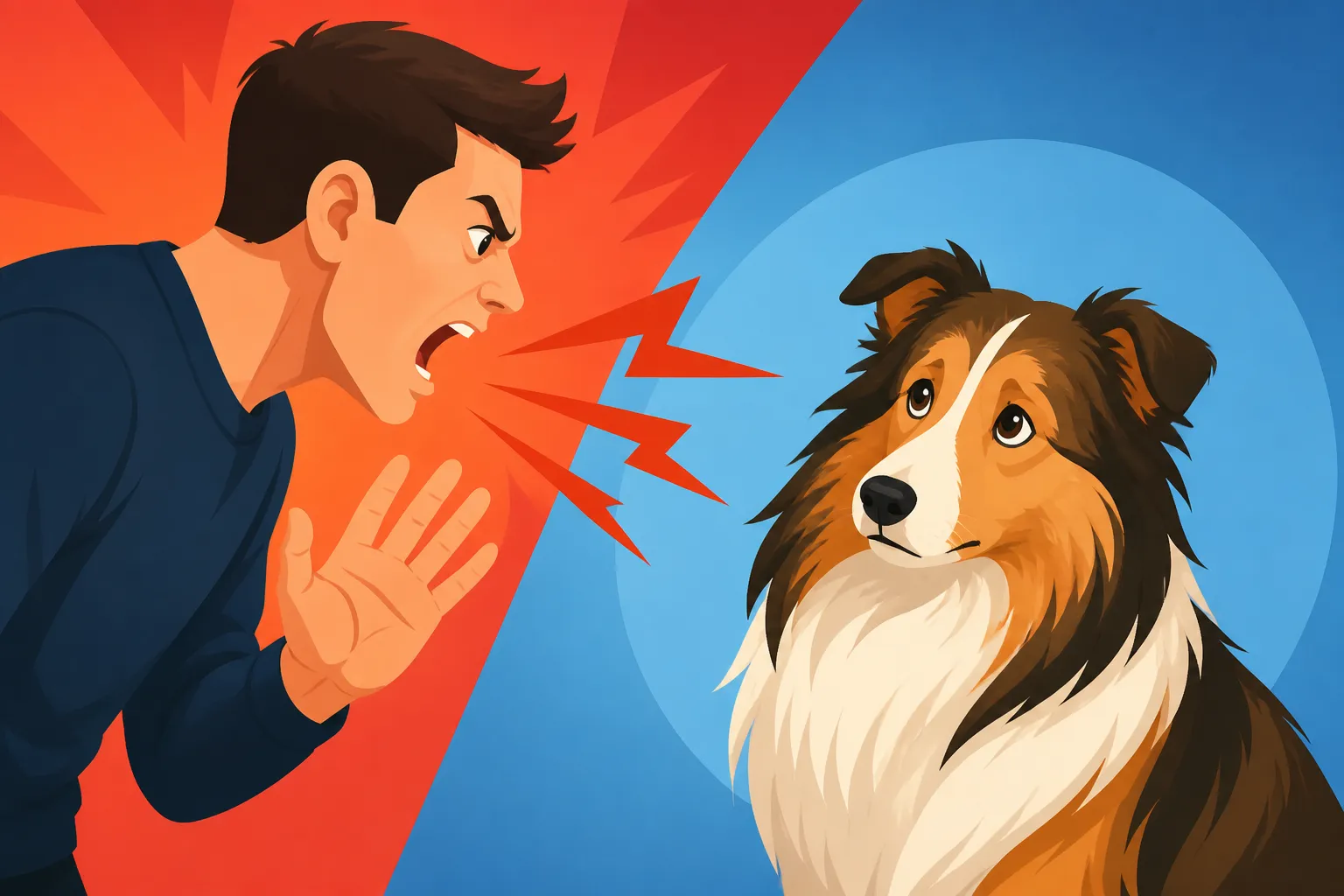
One of the most common reactions you'll see from a Collie when a voice is raised in anger or frustration is a retreat. Their ears might flatten, their tail might tuck, and they may turn their head away or even completely leave the room. This isn't stubbornness; it's a classic shutdown response. They are trying to disengage from what they perceive as a threatening or highly unpleasant situation. For a breed that thrives on connection, being on the receiving end of a loud, angry tone can feel like a profound rejection.
Consider a child being yelled at. They might withdraw, look down, and become quiet. A Collie's reaction is very similar. They don't process the words; they process the tone, the volume, and the body language that accompanies it. This can lead to them becoming fearful of your presence or wary of approaching you when they sense your frustration, even if you’re not actively correcting them. This can sadly affect their willingness to engage in future training or even just regular interaction.
Anxiety and Stress Manifestations
Beyond immediate retreat, a raised voice can induce significant anxiety and stress in a Collie. This stress can manifest in various ways, from subtle signs like lip-licking, yawning (when not tired), or averting gaze, to more pronounced behaviors such as pacing, panting, or even excessive shedding. Chronically being subjected to harsh vocalizations can lead to a state of heightened anxiety, which can then spill over into other areas of their life.
If your Collie becomes agitated every time you raise your voice, even when you're just calling them in from the yard in a slightly stern tone, it's a clear sign that they associate that sound with negative feelings. This can make them generally more nervous, impacting their confidence in novel situations or around new people. How to Build Confidence in a Nervous Collie becomes much harder when the very person they trust most is also a source of perceived threat.
The Lasting Echo: Long-Term Consequences of Harsh Communication
While an occasional lapse into a raised voice might not permanently damage your relationship with your Collie, a consistent pattern of harsh communication can have profound and lasting negative effects. Their memory for unpleasant interactions, particularly those involving fear or stress, can be quite long.
Erosion of Trust and Bond
Perhaps the most significant long-term consequence is the erosion of trust. Collies form incredibly strong bonds with their families. They want to please you and understand what you expect. When harsh vocalizations become a regular part of their training or daily interaction, it can chip away at that trust. They may start to view you as unpredictable or even frightening, making them hesitant to approach you or engage in activities they once enjoyed.
Think about it from their perspective: the person who provides food, comfort, and love also sometimes yells loudly, causing them distress. This mixed signal is confusing and destabilizing for a sensitive dog. Harsh Handling Breaks a Collie and It Does Not Come Back is a stark reminder of this truth. Once that bond of trust is fractured, it takes an immense amount of consistent, positive effort to repair it, and sometimes, it can never be fully restored.
Training Roadblocks and Behavioral Issues
Yelling at your Collie doesn't effectively teach them what you want them to do; it only teaches them to fear what you don't want them to do, or worse, to fear you. This can create significant roadblocks in training. A fearful dog is not an optimal learner. They are more likely to shut down, offer appeasement behaviors, or even become reactive if pushed too hard. Instead of learning to sit calmly, they might learn to preemptively offer a sit when you approach, not because they understand the command, but because they associate your presence with potential punishment.
Furthermore, chronic stress from harsh communication can lead to the development or worsening of behavioral issues. An anxious Collie might become excessively vocal, start destructive chewing, or develop house-soiling problems. They might also become withdrawn or, paradoxically, more reactive towards strangers or other dogs as their overall stress bucket overflows. It’s a vicious cycle that starts with a raised voice and can end with a severely insecure or problem-ridden dog. Whether Shouting at a Collie Sets Training Back is a question many owners ask, and the answer is a resounding yes.
Physical Manifestations of Chronic Stress
It’s not just psychological. Chronic stress caused by fear-based training or constant harsh vocalizations can have actual physical repercussions on your Collie. Just like in humans, prolonged stress elevates cortisol levels, which can suppress the immune system, making them more susceptible to illness. It can affect their digestion, leading to stomach upset or diarrhea. Their coat might become dull, and they might shed excessively.
A Collie who is constantly on edge due to unpredictable shouting or perceived threats is living in a perpetual state of "fight or flight," which is simply not healthy for any living being. These subtle physical signs might be overlooked, but they are crucial indicators of a dog under duress.
Nurturing the Bond: Positive Reinforcement with a Collie
Given their sensitive nature, Collies absolutely flourish under positive reinforcement training methods. This approach not only builds confidence and understanding but also strengthens the incredible bond you share. It’s about teaching them what to do rather than punishing them for what they shouldn’t.
The Power of Calm and Praise
The most effective tool you have with a Collie is your calm, consistent voice and genuine praise. When your Collie performs a desired action, even a small step in the right direction, a cheerful "Good dog!" or a gentle stroke, coupled with a tasty treat, works wonders. They respond beautifully to encouragement and clear markers of success. This builds their confidence and makes them eager to try again.
Think of how much a Collie desires to please you. When they do something right and receive enthusiastic, happy praise, it reinforces that behavior far more effectively than any punishment ever could. Your calm voice becomes a signal of safety and approval, encouraging them to stay engaged and focused. This isn't just about training; it's about building a positive emotional vocabulary between you and your dog. What Motivates a Collie is often found in the joy of pleasing their person and receiving that positive affirmation.
Structure and Predictability
Collies thrive on routine and predictability. They feel more secure when they understand the expectations and rhythm of their day. Establishing a consistent schedule for feeding, walks, training sessions, and playtime can significantly reduce anxiety and the likelihood of unwanted behaviors that might tempt you to raise your voice. A predictable environment fosters a sense of safety, making your Collie more receptive to learning.
If your Collie knows when their next walk or training session is, they're less likely to be pacing or barking out of boredom or uncertainty. This proactive approach minimizes situations where frustration might boil over for either of you. Investing in clear communication through a structured routine is a gift to your sensitive companion. Whether a Collie Needs a Predictable Routine is a definite yes, and it greatly contributes to their overall well-being.
| Human Reaction (Common) | Collie's Likely Interpretation | Positive Alternative Strategy |
|---|---|---|
| Raised Voice/Shouting | Fear, confusion, threat, rejection | Calm, clear voice; redirect with a known command (e.g., "sit") |
| Harsh Correction/Punishment | Pain, anxiety, avoidance | Remove attention, redirect, teach an incompatible behavior |
| Ignoring Undesired Behavior | No clear message, may continue | Interrupt, then redirect to a desired behavior, reward |
| Frustrated Body Language | Tension, insecurity, unpredictability | Take a deep breath, disengage briefly, re-approach calmly |
| Loud Noises/Sudden Movements | Startle, fear, withdrawal | Introduce new sounds/movements gradually, pair with treats |
Practical Alternatives to a Raised Voice
It’s easy to say "don't yell," but what do you do in the moment when your Collie is truly testing your patience? The key is to have a toolbox of positive and effective alternatives ready to deploy.
Redirection and Interruption
Instead of yelling, try to interrupt the unwanted behavior and immediately redirect your Collie to something appropriate. If they're jumping, turn your back and ask for a "sit" when all four paws are on the floor. If they're barking at the window, call their name calmly and offer a toy or a chew in a different part of the room. This teaches them an alternative, acceptable behavior rather than just stopping the unwanted one. Many positive reinforcement training programs, like those offered by BAXTER & Bella, emphasize these redirection techniques right from puppyhood.
Redirection needs to be quick and consistent. You’re not giving a command in anger, but rather gently guiding them to make a better choice. This takes practice on your part, but it’s infinitely more effective than simply shouting "no!" Whether a Collie Can Be Taught a Quiet Cue is a perfect example of redirecting barking behavior into a calm "quiet" response with positive reinforcement.
The "Time Out" for You and Them
Sometimes, the best strategy is to remove yourself or your Collie from the situation. If you feel your frustration rising, calmly walk away for a minute or two to compose yourself. If your Collie is being particularly unruly, a brief, calm "time out" in a designated safe space (like their crate or a separate room) can work. This isn't a punishment, but a temporary removal from stimulus, allowing both of you to de-escalate.
This isn't about isolating them for long periods, but rather about a quick reset. For example, if your Collie is nipping your heels during playtime, a short "all done" and turning your back for 30 seconds teaches them that the fun stops when the nipping starts, without a single harsh word.
Utilizing Training Tools and Aids
There are many gentle training tools that can help manage situations without needing to resort to a raised voice. Long lines for recall practice in an open field, head halters for leash manners, or puzzle feeders to keep their minds engaged (and reduce boredom-induced mischief) are all excellent options. You can find a vast array of these helpful items on platforms like Amazon, from treat-dispensing toys to comfortable no-pull harnesses that make walks more pleasant for both of you.
These tools support your training efforts and give you more control in a kind, consistent manner. They enable you to guide your Collie’s behavior rather than react negatively to it, strengthening your bond and making communication clearer.
When to Seek Professional Guidance
Even with the best intentions and techniques, sometimes Collies present challenges that feel overwhelming. If you find yourself consistently frustrated or unable to manage your Collie's behavior without resorting to raised voices, it might be time to bring in professional help.
Recognizing Persistent Behavioral Issues
If your Collie is exhibiting persistent issues such as severe anxiety, aggression, excessive barking that you can't curb, or fearfulness that impacts their daily life, it's crucial to seek expert advice. These behaviors often stem from underlying stress or a lack of understanding, and a professional can help diagnose the root cause and develop a tailored positive-reinforcement plan. Whether a Collie Gets Separation Anxiety or How Long a Collie Copes Alone are common concerns that often require professional insight to address effectively.
Don't feel ashamed to ask for help. It shows you are a responsible and caring owner dedicated to your Collie's well-being. A certified professional dog trainer or a veterinary behaviorist can provide invaluable support and strategies.
Consulting with a Positive Reinforcement Trainer
When looking for a professional, always prioritize those who exclusively use positive reinforcement, fear-free, and force-free methods. These trainers understand the sensitive nature of breeds like Collies and focus on building trust and clear communication rather than dominance or punishment. Ask about their certifications, methods, and experience with herding breeds.
A good trainer will not only work with your dog but will also teach you the skills to communicate effectively and build that strong, positive relationship. They can help you learn to read your Collie's subtle cues, understand their motivations, and implement strategies that truly resonate with their gentle spirit. This investment in professional guidance can transform your relationship with your Collie, ensuring a happier, more confident companion.
Disclaimer
This article is for general informational purposes only and does not constitute professional advice. Laws, prices and regulations vary by location and change over time. Consult a qualified professional for guidance on your specific situation.