Whether Shouting at a Collie Sets Training Back
Anyone who has ever lived with a Collie knows they are incredibly smart, deeply intuitive dogs with a surprising sensitivity. We've all been there: a frustrating moment during training where your carefully planned session derails, your Collie just isn't "getting it," and in a moment of exasperation, a sharp, loud command or even a shout slips out. It's easy to wonder if that quick burst of frustration truly matters in the grand scheme of things, or if it just bounces right off their fluffy coats. This guide is here to unravel the truth about how shouting impacts your Collie's training and your relationship, offering insights into their unique temperament and providing positive, effective alternatives that will strengthen your bond and improve their learning.
The Collie's Sensitive Nature and How It Affects Training
It’s easy to look at a Collie, with their majestic bearing and intelligent eyes, and assume they're robust enough to handle anything. But beneath that beautiful coat lies a profoundly sensitive soul. These aren't dogs that thrive on harshness or intimidation; quite the opposite, in fact. Their deep connection to their human companions means they absorb emotions like sponges, and a raised voice can have a far greater impact than you might realize.
Why Collies Don't Respond Well to Harshness
Collies were originally bred to work closely with shepherds, relying on subtle cues, communication, and mutual trust rather than brute force. This history has instilled in them a keen desire to please and a natural inclination to cooperate when approached with kindness and understanding. When a Collie hears a harsh tone, especially a shout, it's not simply a stronger command to them. Instead, it can register as a confusing and frightening shift in your demeanor, making them question the very foundation of your relationship. They don't typically interpret shouting as a clearer instruction but rather as a sign of your displeasure or anger directed at them.
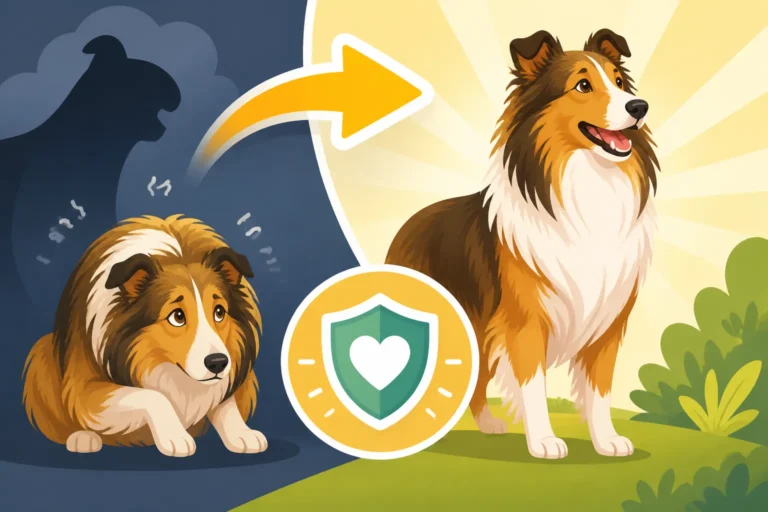
Think about it from their perspective: they're trying their best, often genuinely confused about what you're asking, and suddenly the person they adore is making a loud, scary noise. This can cause them to shut down, freeze, or even try to appease you by offering random behaviors, none of which are actual learning. It can also lead to a dog that anticipates punishment, becoming hesitant to try new things or offer behaviors because they're afraid of making a mistake. How a Collie Responds to a Raised Voice is usually with withdrawal or confusion, not eager compliance. They crave harmony, and a shout shatters that feeling of security.
The Impact of Fear on a Collie's Learning
Fear is a terrible teacher, especially for a Collie. When a dog is in a state of fear or anxiety, their brain prioritizes survival over learning. The parts of their brain responsible for problem-solving, understanding complex cues, and making good choices effectively go offline. Instead, their instincts kick in: fight, flight, or freeze. A Collie experiencing fear during a training session might freeze in place, refusing to move or respond, or they might try to escape the situation. Neither response is conducive to learning the "sit," "stay," or "come" command you're trying to teach.
Furthermore, repeated experiences of fear or stress during training can lead to negative associations. If every time you try to practice recall, you end up shouting, your Collie might start associating the word "come" or even the training location with that uncomfortable, scary feeling. This isn't just about specific commands; it can generalize to all training, or even to your presence during training. A dog should look forward to training as a fun, engaging interaction with their favorite person, not dread it. This also ties into Whether a Collie Is Sensitive to Household Tension; they pick up on subtle cues, and a sudden loud noise, even if not directed at them, can put them on edge.
What Happens When You Shout at Your Collie?
Let's break down the immediate and lasting repercussions of raising your voice at your Collie. It's more than just a momentary blip; it can create a ripple effect that undermines your training goals and deeply affects your bond.
Short-Term Effects
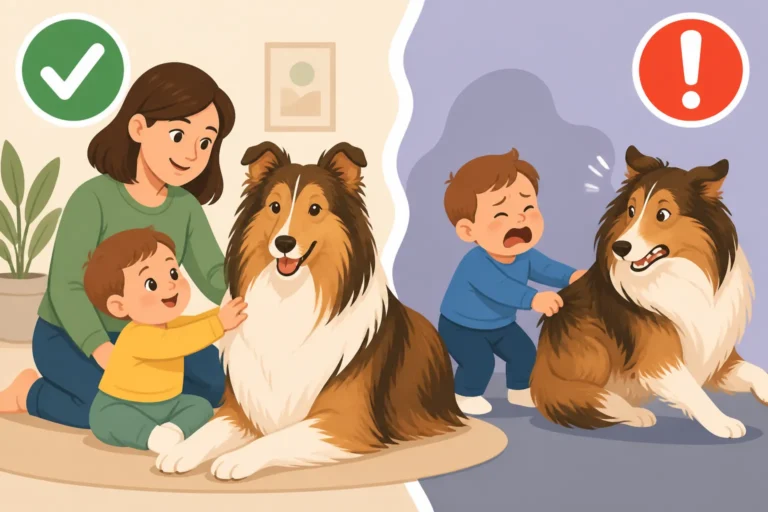
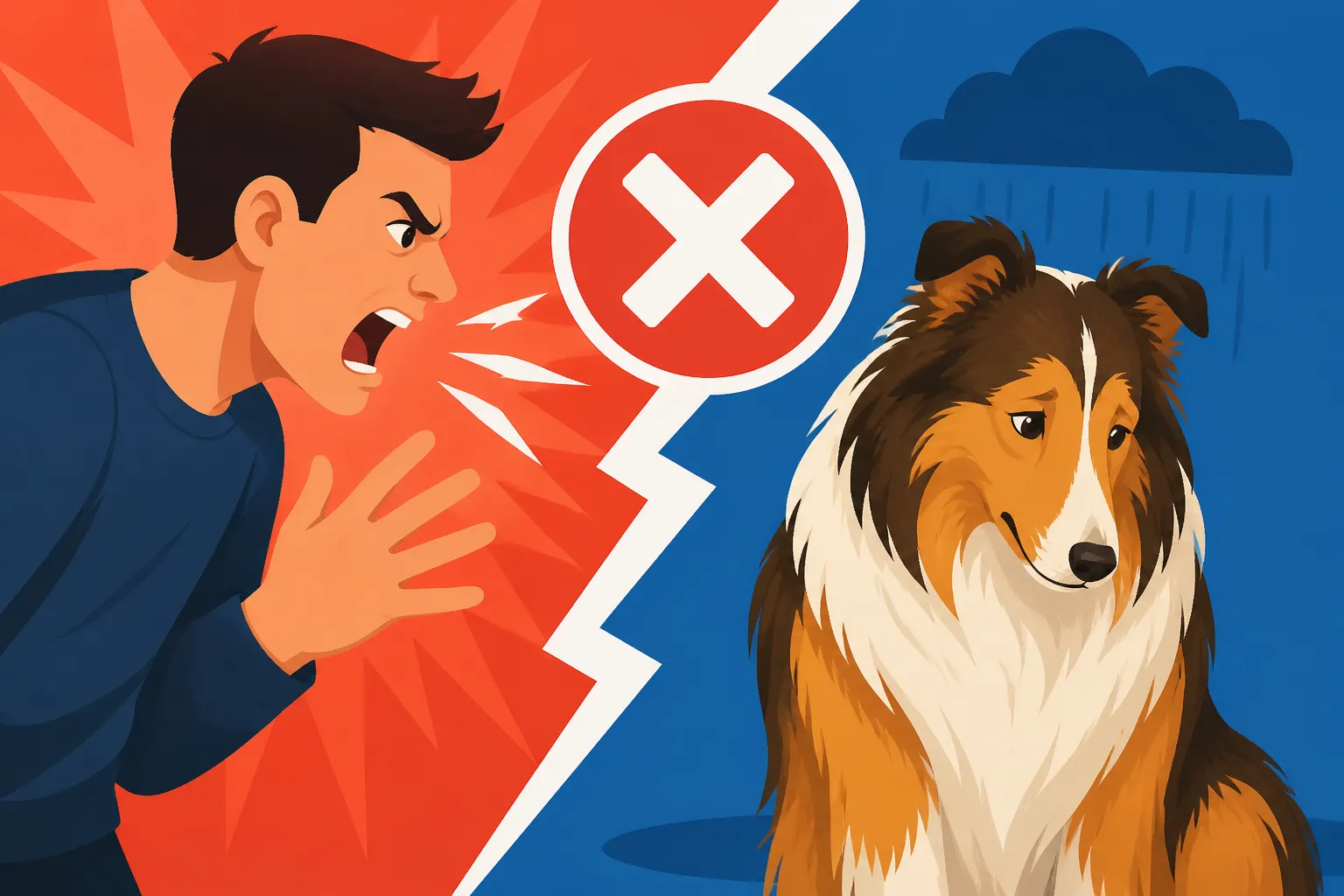
In the immediate aftermath of a shouted command or reprimand, you might see several reactions from your Collie, none of which are truly productive for learning. The most common is a visible shutdown. Your Collie might cower, drop their head, flatten their ears, or avoid eye contact. They might simply stop what they're doing and stand perfectly still, offering no further action. This isn't obedience; it's a freeze response driven by fear and confusion. They're not understanding what you want; they're trying to disappear or appease you.
Another common reaction is increased anxiety or even displacement behaviors. Your Collie might start licking their lips excessively, yawning, sniffing the ground, or scratching themselves, all signs of stress. Some Collies, especially those with a strong guarding instinct or a more vocal nature, might even respond by barking back in confusion or frustration, not understanding why you're suddenly so upset. They might also bolt away, running off to a safe spot, which completely derails any training you were attempting. If you've ever seen your Collie offer a dramatic sigh or turn their back on you after a sharp word, you're witnessing the classic Collie "sulk," which is a clear sign that Whether a Collie Sulks After a Correction is a resounding yes. They feel misunderstood and hurt.
Long-Term Consequences
The occasional frustrated shout might not instantly ruin your dog, but consistent or frequent shouting has significant long-term consequences. Firstly, it erodes trust. Your Collie learns that your reactions can be unpredictable and harsh, making them less likely to offer behaviors, try new things, or come to you for comfort and guidance. This can lead to a dog who is hesitant, lacks confidence, and performs commands with reluctance rather than enthusiasm. This can be particularly damaging for a sensitive breed known for its intelligence and willingness to engage.
Secondly, shouting can actually increase problematic behaviors. A dog that is constantly stressed or anxious is more likely to engage in behaviors like excessive barking, destructive chewing, or house-soiling when left alone, as these are outlets for their anxiety. If they're constantly on edge because they don't know when the next shout might come, their general stress levels remain high. Furthermore, if you only shout when they do something "wrong," they might learn that your presence during certain activities (like walking on leash or meeting new people) predicts a negative experience, leading to reactivity or avoidance. This can completely undo the patient work you've put into their training. For example, if you shout at them for pulling on the leash, they might associate the leash with your anger, not with the pleasant idea of a walk.
The Ripple Effect on Your Bond
Ultimately, shouting damages the most precious thing you share with your Collie: your bond. Collies thrive on connection and mutual respect. They want to be your companion, your confidant, and your partner. When you resort to shouting, you introduce fear and unpredictability into that relationship. Instead of seeing you as a benevolent leader and a source of comfort, they might start to see you as someone to be wary of, someone whose moods are volatile.
This isn't just about training commands; it affects every aspect of your daily life together. Will your Collie still cuddle up on the couch if they're worried about sudden outbursts? Will they greet you at the door with the same exuberant joy if they've been recently reprimanded harshly? A strong bond is built on positive interactions, clear communication, and consistent kindness. Every shout chips away at that foundation, replacing confidence with caution and joy with apprehension. This makes it harder for them to relax and be their true, wonderful selves, and it limits the depth of the companionship you can experience together. After all, if How Long a Collie Remembers a Bad Session is anything to go by, those negative experiences stick.
Effective, Positive Reinforcement Strategies for Collies
So, if shouting is off the table, what does work? For Collies, the answer lies firmly in positive reinforcement, clear communication, and understanding their individual personalities. These methods not only teach your dog what you want but also strengthen your relationship, making training a joyful experience for both of you.
Building a Foundation of Trust and Respect
Before you even begin formal training, cultivate an environment of trust and respect. This means being consistent in your expectations and reactions. A Collie needs to know they can rely on you for fair treatment and clear guidance. Use a calm, consistent tone of voice, even when correcting. Remember that Collies are intelligent and will pay attention to your body language and subtle vocal cues.
Engage with your Collie regularly in positive ways beyond structured training. Play games, offer belly rubs, and simply spend quiet time together. This consistent positive interaction reinforces that you are a benevolent leader and a source of good things. A Collie who trusts you implicitly is far more likely to respond to your cues than one who is worried about making a mistake. Consider exploring reputable online resources like BAXTER & Bella which offer comprehensive puppy and dog training programs built entirely on positive reinforcement. Their approach emphasizes building a strong bond through understanding and encouragement, rather than punitive measures.
Practical Alternatives to Shouting
Instead of raising your voice when your Collie isn't cooperating, try these effective strategies:
- Redirection: If your Collie is doing something undesirable, redirect their attention to an appropriate activity. For instance, if they're chewing on furniture, calmly take away the item and offer them a suitable chew toy. Praise them when they engage with the correct toy.
- Time-Outs (for you or them): If your Collie is overstimulated or displaying an undesirable behavior that won't stop with redirection, a brief, neutral time-out can be effective. This isn't punitive; it's simply removing them from the rewarding situation. For instance, if a puppy is nipping too hard during play, end the play session for a minute by turning your back or stepping away. Just as importantly, if you feel your frustration rising, take a time-out for yourself. Step away, take a few deep breaths, and come back to the training session with a clear head.
- Identify and Manage Triggers: Instead of reacting to a behavior, try to understand why it's happening. Is your Collie barking excessively because they're bored? They might need more mental stimulation. What a Collie Does With an Empty Afternoon often includes finding their own entertainment, which might not align with your preferences. Are they jumping on guests because they're over-excited and haven't learned an alternative greeting? Proactive management is always better than reactive correction.
- Revisit the Basics: If your Collie isn't responding, perhaps the command isn't clear enough, or they haven't generalized it to new environments. Break the command down into smaller steps, practice in a less distracting environment, or use clearer hand signals along with verbal cues. Sometimes, How Long a Collie Takes to Learn a New Cue varies, and patience is key.
- Use a "No Reward Marker": Instead of shouting "No!", a neutral "Nope" or "Uh-uh" can act as a no-reward marker. This simply tells your Collie that whatever they just did won't earn them a reward, without carrying emotional baggage or fear. Immediately follow it with guidance toward the correct behavior, and then reward that.
The Power of Praise and Rewards
Collies thrive on positive reinforcement. They genuinely enjoy making you happy, and positive feedback fuels their desire to learn.
- High-Value Treats: Small, soft, smelly treats are often the fastest way to motivate a Collie, especially in new or distracting environments. Keep a pouch of them ready – you can find excellent treat pouches on Amazon – so you’re always prepared to reward good behavior.
- Verbal Praise and Affection: Your voice, when used calmly and enthusiastically, is a powerful reward. A happy "Good boy!" or "Yes!" followed by a scratch behind the ears can reinforce desired behaviors just as effectively as a treat. Collies love to know they've pleased you.
- Toys and Play: For many Collies, a favorite squeaky toy or a quick game of fetch is the ultimate reward. Use these sparingly for really outstanding performance or as a break during longer training sessions.
- Clicker Training: A clicker provides a precise marker for the exact moment your Collie performs the desired behavior. It's a clear, consistent signal that takes all the emotion out of the equation. Many trainers on platforms like BAXTER & Bella advocate for clicker training as a highly effective, positive method. You can easily find clickers and other training aids on Amazon.
- Consistency: Be consistent with your rewards. If your Collie performs a desired action, reward it every time initially, then gradually transition to intermittent reinforcement once the behavior is well-established.
Here's a quick comparison of the two approaches:
| Aspect of Training | Shouting/Aversive Methods | Positive Reinforcement Methods |
|---|---|---|
| Collie's Emotional State | Fear, anxiety, confusion, withdrawal, stress | Engagement, confidence, joy, eagerness to learn |
| Impact on Learning | Inhibited learning, negative associations, shutdown | Enhanced learning, positive associations, active participation |
| Effect on Behavior | Increased anxiety-driven behaviors, reluctance, avoidance | Increased desired behaviors, enthusiasm, self-control |
| Relationship Impact | Erosion of trust, potential for aggression (out of fear) | Stronger bond, mutual respect, deeper companionship |
| Long-Term Outcome | Stressed, less confident dog, inconsistent performance | Happy, confident, well-adjusted dog, reliable performance |
Using positive reinforcement helps How to Build Confidence in a Nervous Collie and maintains the joyful, intelligent spirit that makes Collies such wonderful companions. And remember, Whether a Collie Learns From Watching Another Dog is possible, especially if that other dog is being positively reinforced for desired behaviors.
Recognizing and Managing Your Own Frustration
Let's be honest, even with the best intentions, training can be tough. There will be days when you feel like you're speaking a different language, or your Collie is deliberately pushing every single button you have. It's human to get frustrated, but recognizing those feelings and managing them effectively is crucial to maintaining a positive training environment for your sensitive Collie.
Understanding Your Triggers
The first step in managing your frustration is to identify what sets you off. Does your Collie's selective hearing around squirrels send you over the edge? Do endless rounds of house-training accidents make your patience wear thin? Is it the sheer volume of their barking when the doorbell rings that pushes you to shout? Often, frustration stems from unmet expectations or a feeling of helplessness.
Ask yourself:
- Am I expecting too much, too soon from my Collie?
- Am I tired, stressed, or distracted from other aspects of my life?
- Is the environment too stimulating for effective training right now?
- Have I clearly communicated what I want, or am I being inconsistent?
- Is there an underlying issue, like a need for more exercise or mental stimulation, contributing to the "problem" behavior?
Understanding these triggers allows you to address them proactively rather than reacting impulsively. For instance, if you know your patience wears thin after a long day, perhaps that's not the best time for an intensive training session. Maybe it's time for a relaxing walk instead, or a puzzle toy to engage their mind.
Self-Care and Taking a Break
It’s perfectly okay, and even advisable, to step away from a training session when you feel frustration building. Remember, your Collie is highly attuned to your emotions. If you're stressed, they'll pick up on it, and it will affect their ability to learn. Just as importantly, stepping away prevents you from resorting to shouting, which, as we've discussed, really sets training back.
Here are some self-care strategies:
- Short Breaks: If a session isn't going well, end it on a positive note, even if it's just a simple "sit" and a reward. Then, take a five-minute break. Grab a cup of tea, listen to a favorite song, or simply walk into another room.
- Change of Scenery: Sometimes, a change of location can reset both of your moods. If you're struggling in the living room, try taking your Collie to the backyard for a few minutes of free play or a different training exercise.
- Prioritize Relaxation: Make sure you're getting enough rest and managing your own stress levels. A calm owner is better equipped to handle a challenging training moment with patience and clarity.
- Remember the Big Picture: Think about the amazing companion your Collie is, the joy they bring, and how much you love them. One difficult training moment doesn't define your entire relationship. The First Year With a Collie Puppy is full of ups and downs, and patience is your greatest asset.
Seeking Professional Guidance
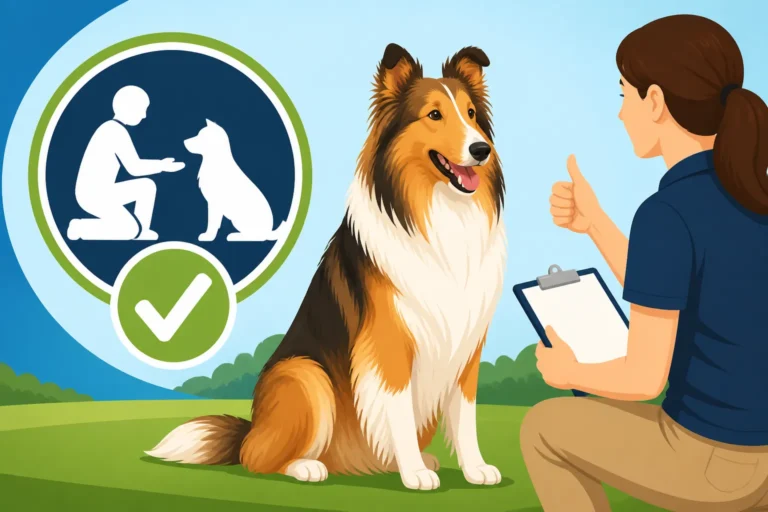
If you find yourself constantly frustrated, or your Collie's behavior seems to be regressing despite your best efforts with positive methods, it's absolutely not a sign of failure to seek professional help. A certified professional dog trainer, ideally one who specializes in positive reinforcement and has experience with sensitive breeds like Collies, can be an invaluable resource.
A good trainer can:
- Observe your interactions and identify subtle communication cues you might be missing.
- Help you break down complex behaviors into manageable steps.
- Provide tailored strategies for specific challenges you're facing.
- Offer solutions for managing your own emotions during training.
- Suggest appropriate tools and resources to aid your progress.
A professional can offer a fresh perspective and help you get back on track, strengthening your bond and making training enjoyable again. They can also confirm if your Collie's struggles are behavioral or if there's a potential underlying health issue that needs veterinary attention. Don't hesitate to reach out; it's a responsible and loving choice for both you and your loyal Collie.
Disclaimer
This article is for general informational purposes only and does not constitute professional advice. Laws, prices and regulations vary by location and change over time. Consult a qualified professional for guidance on your specific situation.