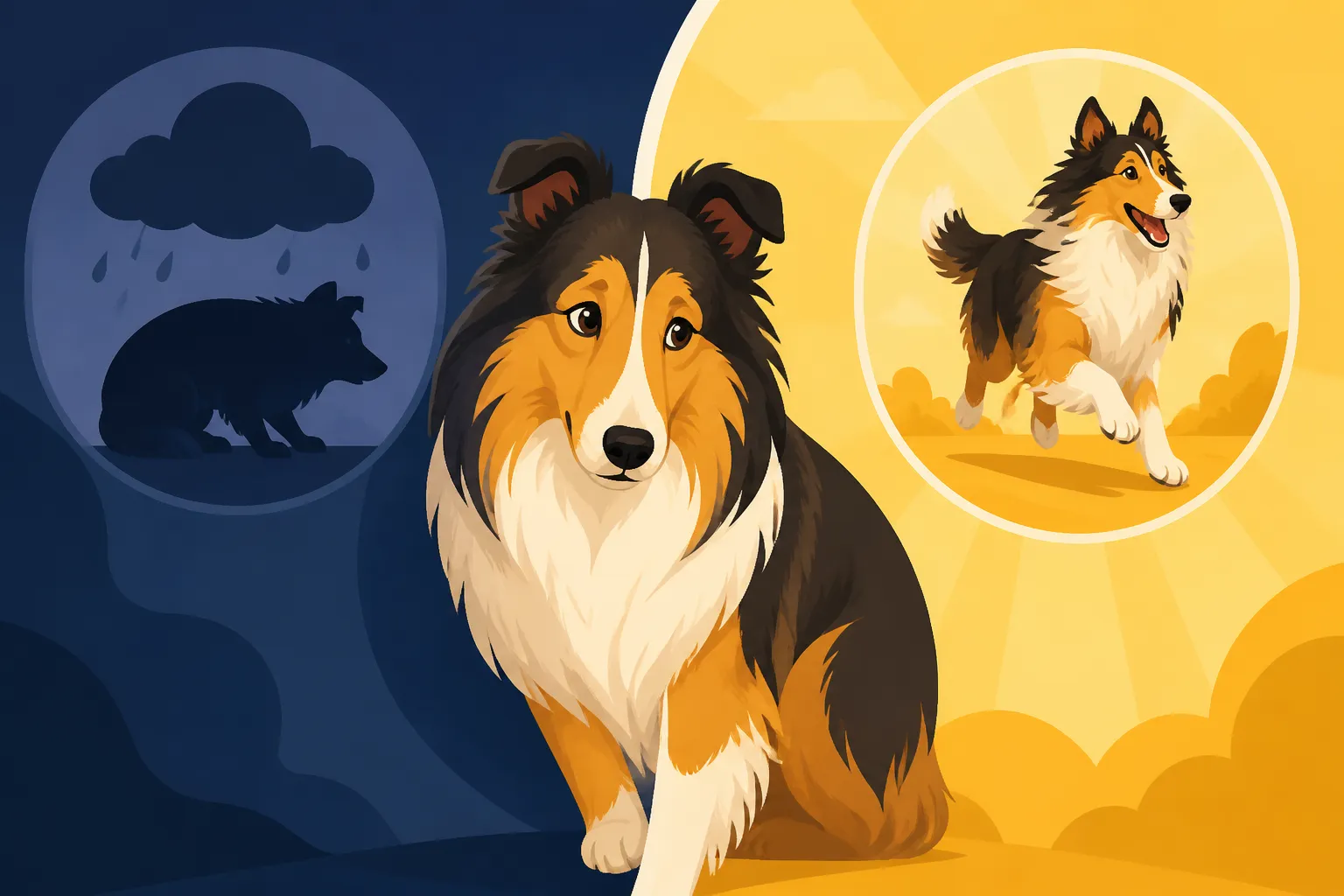
Whether a Collie Is Naturally Timid
Many Collie owners bring home their beautiful, intelligent dogs hoping for the gentle, devoted companion they've seen in movies, only to discover their new family member is surprisingly hesitant, fearful, or downright shy around new people, places, or sounds. It's a truly heartbreaking situation when your majestic Collie shies away from a friendly hand or trembles at the sound of a distant garbage truck, leaving you wondering if this is just "how Collies are" or if there's something you can do. This comprehensive guide will delve deep into the natural temperament of the Collie breed, explore the various factors that can contribute to timidity, help you recognize the subtle and overt signs of nervousness, and provide actionable, empathetic strategies to help your Collie build confidence and truly thrive.
Understanding the Collie Temperament: A Foundation of Sensitivity
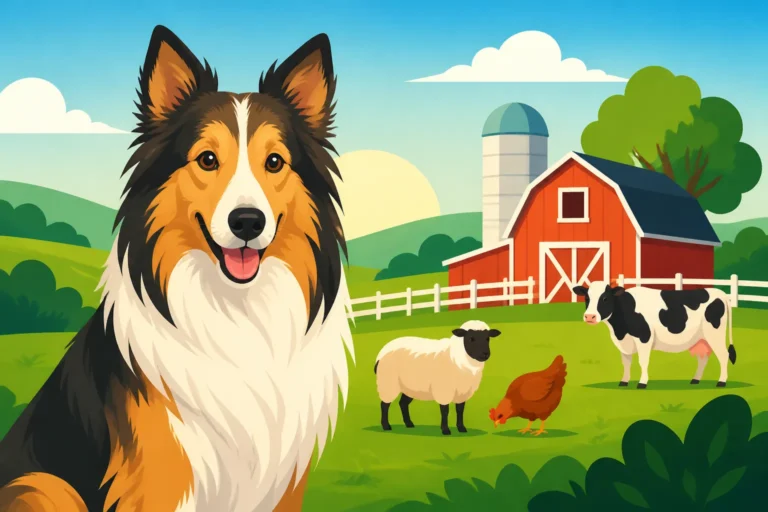
It's easy to look at a Collie, with their magnificent coats and dignified bearing, and expect a bold, unflappable protector. The reality, however, is often a dog of profound sensitivity and keen awareness. This isn't necessarily a bad thing; it's a fundamental aspect of their breed character, stemming from their long history as herding dogs. But this inherent sensitivity also means they can be more prone to timidity if not properly understood and managed.
The Herding Dog's Instinctive Nature
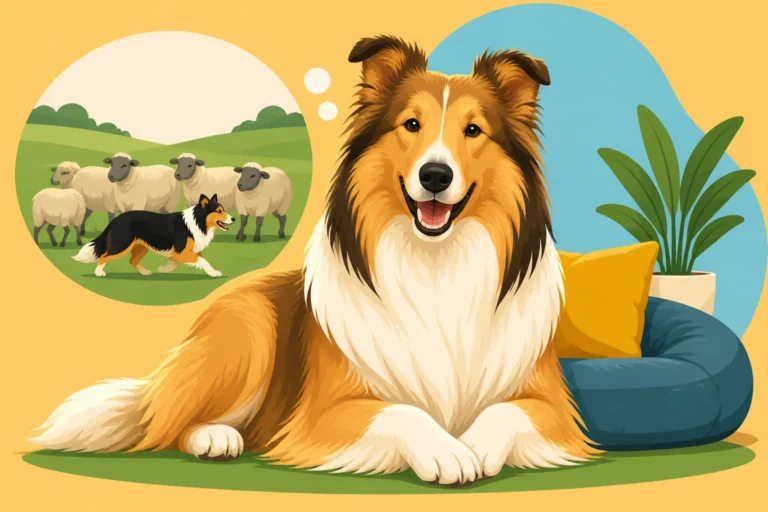
Collies were originally bred to work closely with shepherds, often in remote, challenging environments in Scotland. Their job wasn't to confront predators head-on like a livestock guardian dog, but to gather, move, and protect flocks using their intelligence, presence, and sometimes a sharp bark. This required a dog that was highly observant, attuned to subtle changes in their environment, and incredibly sensitive to their handler's cues. They needed to notice a sheep straying from the flock, an unfamiliar shadow, or a shift in the weather. This deep observational quality and responsiveness are still very much present in modern Collies.
Think about it: a dog that needs to be constantly aware of its surroundings, anticipating movement and potential threats to its flock (or, in a modern context, its family), is naturally going to be more alert and sensitive than, say, a lounging bulldog. They process a lot of information, and sometimes that information can be overwhelming. This isn't timidity in itself, but it creates a predisposition. A sudden loud noise or an unexpected movement that another breed might shrug off can be a major event for a Collie, triggering their inherent watchfulness and, if they haven't learned to cope, leading to a shy or fearful response.
How Sensitivity Manifests in Collies
The Collie's sensitivity manifests in a few key ways that can sometimes be mistaken for general timidity or shyness. For one, they are often deeply attuned to their owner's emotions and body language. If you're stressed or anxious, your Collie is very likely to pick up on it and mirror that feeling. This can be a wonderful bond, but it also means they can absorb and amplify tension in the household. This emotional intelligence means that Whether a Collie Reads Its Owner's Mood can impact their own comfort levels.
Secondly, many Collies are naturally reserved with strangers. They aren't typically "jump-on-you-and-lick-your-face" greeters like some other breeds. Instead, they prefer to observe new people from a distance, assessing them before deciding whether to engage. This isn't fear, but rather a characteristic dignity and cautiousness. They want to know you're safe before they commit. If someone approaches too quickly or forcefully, it can trigger their innate wariness, leading them to retreat or avoid interaction. This reserved nature is part of their charm, but it's important for owners to understand and respect it, rather than pushing their Collie into uncomfortable social situations. A sensitive dog needs gentle introductions, not overwhelming ones.
Exploring the Roots of Timidity: Nature vs. Nurture
While Collies possess a natural sensitivity, true timidity or chronic fearfulness is rarely a simple "breed trait." More often, it's a complex interplay of genetics, early life experiences, and ongoing environmental factors. Understanding these roots is the first step toward helping your shy Collie blossom into a confident companion.
Genetic Predisposition to Shyness
Just like humans, dogs inherit predispositions from their parents, and temperament is definitely on that list. If a Collie puppy comes from lines where parents or grandparents exhibited excessive shyness, fear, or anxiety, that puppy is statistically more likely to inherit a similar inclination. Responsible breeders meticulously screen their breeding stock not just for physical health, but for sound temperament, actively working to avoid perpetuating shy or fearful tendencies. They understand that a dog's genetic makeup lays the groundwork for how they perceive and react to the world.
A breeder who prioritizes temperament will expose their puppies to a wide variety of sights, sounds, and people in a controlled, positive way during critical developmental periods, but even the best socialization can only go so far if the underlying genetics are strongly wired for fear. This is why when you're looking for a Collie puppy, asking about the temperament of both parents and even observing them yourself is incredibly important. If a breeder tells you "Collies are just shy," that's a red flag. A well-bred Collie should be reserved, yes, but not inherently timid or fearful.
The Impact of Early Socialization (or Lack Thereof)
The period between approximately 3 to 16 weeks of age is a critical window for puppy development, often referred to as the "socialization period." During this time, a puppy's brain is like a sponge, soaking up every experience and forming foundational impressions of the world. Positive exposure to a wide variety of sights, sounds, textures, people (of all ages and types), and other friendly, vaccinated dogs is absolutely crucial for building a confident, well-adjusted adult dog.
A lack of proper socialization during this period is one of the most common reasons Collies (and many other breeds) develop timidity. If a puppy is raised in isolation, without exposure to normal household noises, car rides, different floor surfaces, children, or friendly strangers, everything new can become a source of fear. Imagine a puppy that only sees its littermates and its breeder for its first 12 weeks. When it finally leaves for a new home, the sound of a vacuum cleaner, a doorbell, or a child laughing might be utterly terrifying because it's completely novel and hasn't been associated with anything positive. This is why it's so important that breeders start the socialization process early, and why new owners must continue it diligently, even before all vaccinations are complete (always under vet guidance to ensure safety). For excellent, structured guidance on this, programs like those offered by BAXTER & Bella can be incredibly helpful for new puppy owners. The First Year With a Collie Puppy hinges on successful socialization.
Environmental Factors and Life Experiences
Beyond genetics and early puppyhood, a Collie's ongoing environment and life experiences play a massive role in shaping their confidence. A traumatic incident, even if seemingly minor to a human, can profoundly impact a sensitive Collie. For example, a bad experience at the vet, an accidental fall, or a loud, startling event like fireworks can instill a lasting fear. A dog that is regularly exposed to harsh corrections, yelling, or inconsistent training methods can also become withdrawn and timid. Remember, Harsh Handling Breaks a Collie and It Does Not Come Back.
Conversely, a stable, predictable, and enriching environment fosters confidence. A Collie thrives on routine and knowing what to expect. A home where they feel safe, where their efforts are rewarded with positive reinforcement, and where they are gently exposed to new situations at their own pace is ideal. Even seemingly small things, like loud household arguments or frequent changes in routine, can stress a sensitive Collie and contribute to underlying anxiety that manifests as timidity. Rescued Collies, in particular, may carry past traumas or have unknown histories that contribute to their shyness, requiring extra patience and understanding to help them adjust.
Recognizing Signs of Timidity in Your Collie
It's not always obvious when a Collie is feeling timid or anxious. Their stoic and sometimes reserved nature can mask deeper fears, making it crucial for owners to learn to "read" their dog's body language. Catching these signals early can prevent small anxieties from escalating into full-blown fear responses.
Subtle Cues and Body Language
Collies are masters of subtle communication, and their body language often speaks volumes before they resort to overt displays of fear. When a Collie is feeling timid, you might notice:
- Lip Licking and Yawning: These are common displacement behaviors. Your Collie isn't necessarily thirsty or tired; they're trying to cope with stress or an uncomfortable situation.
- Averted Gaze or Whale Eye: If your Collie avoids direct eye contact, or if you can see the whites of their eyes (the "whale eye"), it's a sign they're feeling uneasy and are trying to appear non-threatening or are looking for an escape.
- Low Tail Carriage: While a Collie's tail might not always be wagging wildly, a tail tucked tightly between their legs is a clear sign of fear or submission. Even a tail held lower than usual can indicate mild discomfort.
- Body Posture: A timid Collie might stand or sit with a slightly hunched or cowering posture, making themselves appear smaller. They might shift their weight away from the perceived threat.
- Tension in the Face: Look for tightened facial muscles, furrowed brows, or ears slightly pulled back. Their mouth might be closed in a tight line, rather than relaxed.
- "Sticky Paws": Your Collie might hesitate to move forward or seem glued to the spot in a new or unsettling environment.
These subtle signals are often precursors to more pronounced fear. Learning to recognize them allows you to intervene gently, remove your Collie from the situation, or offer reassurance before their fear escalates. Ignoring these subtle cues can teach your Collie that their attempts at communication aren't being heard, potentially leading to more overt and undesirable behaviors down the line.
Overt Reactions to Stressors
When a Collie's timidity goes unaddressed or is triggered by a particularly strong stressor, their reactions become much more pronounced. These overt behaviors are typically clear indicators of significant fear or anxiety.
- Shaking or Trembling: This is one of the most obvious signs of fear. A Collie might tremble uncontrollably, even if the environment isn't cold.
- Panting and Drooling: Excessive panting when not hot or exercising, along with unusual drooling, are physiological signs of stress.
- Freezing: Your Collie might become completely still, sometimes even refusing to move at all. This is a survival instinct, hoping that by remaining motionless, the threat will pass.
- Hiding or Retreating: A timid Collie will actively try to remove themselves from the situation by seeking cover under furniture, behind your legs, or trying to escape the area entirely.
- Vocalization: While Collies are known for their barks, a fear-based bark is distinct. It might be a high-pitched whine, an anxious yip, or a frantic, repetitive bark directed at the perceived threat. They might also growl or snap if they feel cornered and unable to escape. Whether a Collie barks at loud noises or Whether a Collie Is Noise Sensitive are closely related concerns.
- Loss of Bladder/Bowels: In extreme fear, a Collie might involuntarily urinate or defecate. This is not a sign of disobedience, but an involuntary physiological response to intense stress.
It's important to remember that these overt reactions are not intentional "bad behavior" but rather your Collie's way of saying they are overwhelmed and terrified. Punishment in these moments will only worsen their fear and damage your bond. Instead, these are moments for empathy, gentle guidance, and strategic removal from the stressful situation.
Practical Steps to Build Confidence in a Nervous Collie
Helping a timid Collie become more confident is a marathon, not a sprint. It requires patience, consistency, and a deep understanding of positive reinforcement. You're essentially retraining their emotional response to the world, which takes time and a very gentle hand.
Positive Reinforcement and Gentle Training
The foundation of building confidence in any sensitive dog, especially a Collie, is positive reinforcement. This means rewarding desired behaviors and making every interaction a positive one. Harsh corrections, scolding, or punishment will only exacerbate timidity and fear. Remember, How Long a Collie Remembers a Bad Session is often longer than you'd think, and it can set back confidence building significantly.
- Treats and Praise are Your Best Friends: When your Collie shows even a hint of bravery – maybe they look at something new without shrinking back, or they approach a person cautiously – immediately praise them calmly and offer a high-value treat. You want to create positive associations with potentially scary things.
- Keep Training Sessions Short and Sweet: Collies are intelligent, but their sensitivity means they can get overwhelmed. Aim for short, fun training sessions (5-10 minutes) multiple times a day, rather than one long, intense one. This keeps them engaged and prevents burnout. For instance, practicing simple cues like "sit" or "stay" in a quiet, safe environment can build their confidence in their own abilities and your guidance. You can find excellent training treats and puzzle toys on Amazon to make these sessions even more rewarding.
- Identify Motivators: What does your Collie absolutely adore? Is it a squeaky toy, a particular type of treat, or a special belly rub? Use these high-value rewards to motivate them during confidence-building exercises. What Motivates a Collie can be surprisingly varied, so experiment!
Creating a consistent, positive training environment will not only teach your Collie new skills but also build their trust in you as a reliable, safe leader, which is paramount for a timid dog.
Gradual Exposure and Desensitization
One of the most effective techniques for addressing timidity is gradual exposure, also known as desensitization and counter-conditioning. This involves slowly introducing your Collie to the things they fear, but at such a low intensity that they don't react fearfully, and then pairing that exposure with something wonderfully positive.
- Start Small, Stay Below Threshold: If your Collie is afraid of strangers, don't throw them into a crowded dog park. Instead, start by having a calm "stranger" (a friend or family member they don't know well) sit across the street from your house, far enough away that your Collie notices but doesn't show fear. As your Collie calmly observes, give them treats.
- Slowly Increase Intensity: Over many sessions (days or even weeks), gradually decrease the distance or increase the intensity. Maybe the "stranger" walks slowly past your house at a distance, always pairing their presence with treats for your Collie. The goal is never to push your Collie into a fearful reaction. If they show signs of fear, you've gone too fast, and you need to dial back.
- Pair With Positive Experiences: Always associate the scary thing with something good. If your Collie is afraid of car rides, start by giving them treats and praise just for approaching the car, then for getting in, then for short trips down the driveway, always making it a positive experience.
- Practice in Different Environments: Once your Collie is comfortable with a particular stimulus in one location, gradually introduce it in new, slightly more challenging environments. For example, if they're comfortable with quiet walks in your neighborhood, slowly introduce them to a slightly busier park at off-peak hours.
- Consider a Puppy Kindergarten or Beginner Obedience Class: Even for an adult timid Collie, a well-run class with an experienced, positive-reinforcement trainer can provide controlled, positive socialization opportunities. Look for classes that emphasize small groups and individual dog comfort. This is especially helpful if Whether an Undersocialized Collie Can Be Fixed is a concern for you.
| Timid Collie Behaviors | Confident Collie Behaviors |
|---|---|
| Tail tucked low | Tail carried naturally (sometimes low, but not tucked) |
| Ears flattened/pulled back | Ears alert, expressive, or relaxed |
| Avoiding eye contact | Makes brief, soft eye contact |
| Lip licking, yawning, nose boops (displacement) | Relaxed facial muscles, soft gaze |
| Freezing or retreating | Approaches new things cautiously, but with curiosity |
| Trembling, panting, drooling | Relaxed body, normal breathing |
| Whining, fearful barking | Calm, even breathing, appropriate vocalization |
| Hunched, low posture | Stands tall, balanced, comfortable posture |
Seeking Professional Guidance
Sometimes, despite your best efforts, a Collie's timidity might be too deeply ingrained or severe for you to manage alone. In these cases, it's absolutely okay – and often necessary – to seek professional help.
- Certified Professional Dog Trainers (CPDT-KA): A good positive reinforcement trainer can assess your Collie's specific fears and develop a tailored confidence-building plan. They can teach you specific techniques for desensitization and counter-conditioning, and guide you through challenging situations. Look for trainers who use force-free methods and have experience with sensitive breeds.
- Veterinary Behaviorists (DACVB): For severe cases of anxiety, phobias, or fear aggression, a board-certified veterinary behaviorist is the most qualified professional. These are veterinarians who have specialized in animal behavior and can offer a comprehensive approach, including medication if necessary, alongside behavior modification plans. They can rule out any underlying medical conditions that might be contributing to your Collie's timidity.
- Online Resources and Programs: Reputable online training platforms can also offer structured programs and support. For example, BAXTER & Bella provides online training programs that cover socialization and confidence building, which can be a valuable resource, especially if you live in an area with limited local trainers. They often have step-by-step guides for introducing your dog to new experiences gently. Similarly, you can find a wealth of books and equipment for confidence building, like long lines for safe exploration in new areas, or calming treats, on Amazon.
Remember, helping a timid Collie is a journey of understanding, patience, and love. It's about respecting their inherent sensitivity while gently guiding them to navigate the world with more confidence. With consistent, positive reinforcement and, if needed, professional support, your naturally sensitive Collie can absolutely learn to be a brave and joyful companion. Building How to Build Confidence in a Nervous Collie is one of the most rewarding aspects of Collie ownership.
Disclaimer
This article is for general informational purposes only and does not constitute professional advice. Laws, prices and regulations vary by location and change over time. Consult a qualified professional for guidance on your specific situation.