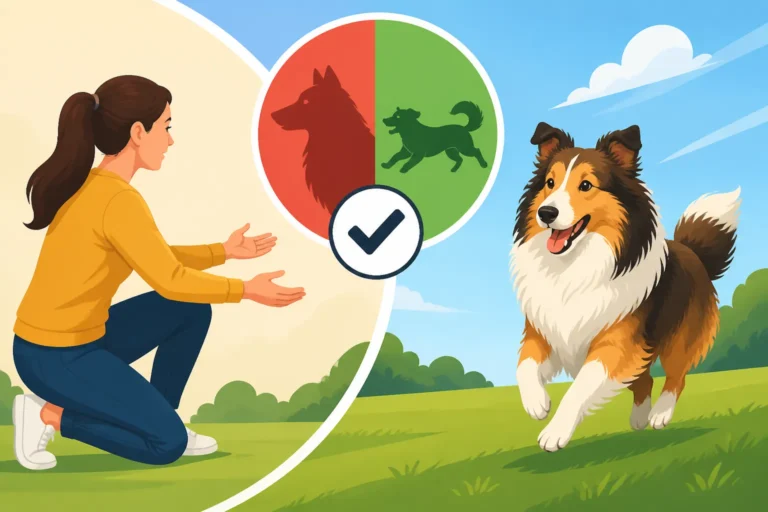
Whether a Collie Is Dog Reactive on Leash
One of the most common, and frankly, disheartening challenges many Collie owners face is the unexpected jolt of leash reactivity. You're out for a peaceful walk with your beautiful, usually calm companion, only for them to transform into a barking, lunging, pulling mess the moment another dog appears. It’s embarrassing, frustrating, and can make you dread walks altogether. This guide aims to shed light on why Collies, despite their gentle nature, can develop leash reactivity and, more importantly, equip you with the understanding and strategies to help your beloved dog navigate the world with more confidence and less stress.
Understanding Leash Reactivity in Collies
Before we can tackle leash reactivity, it’s crucial to understand what it is and what it isn't. It's often mistaken for aggression, but more often than not, it stems from a place of fear, frustration, or over-excitement. For a breed as sensitive and intelligent as the Collie, these emotions can easily boil over when they feel constrained or overwhelmed.
What Leash Reactivity Actually Looks Like
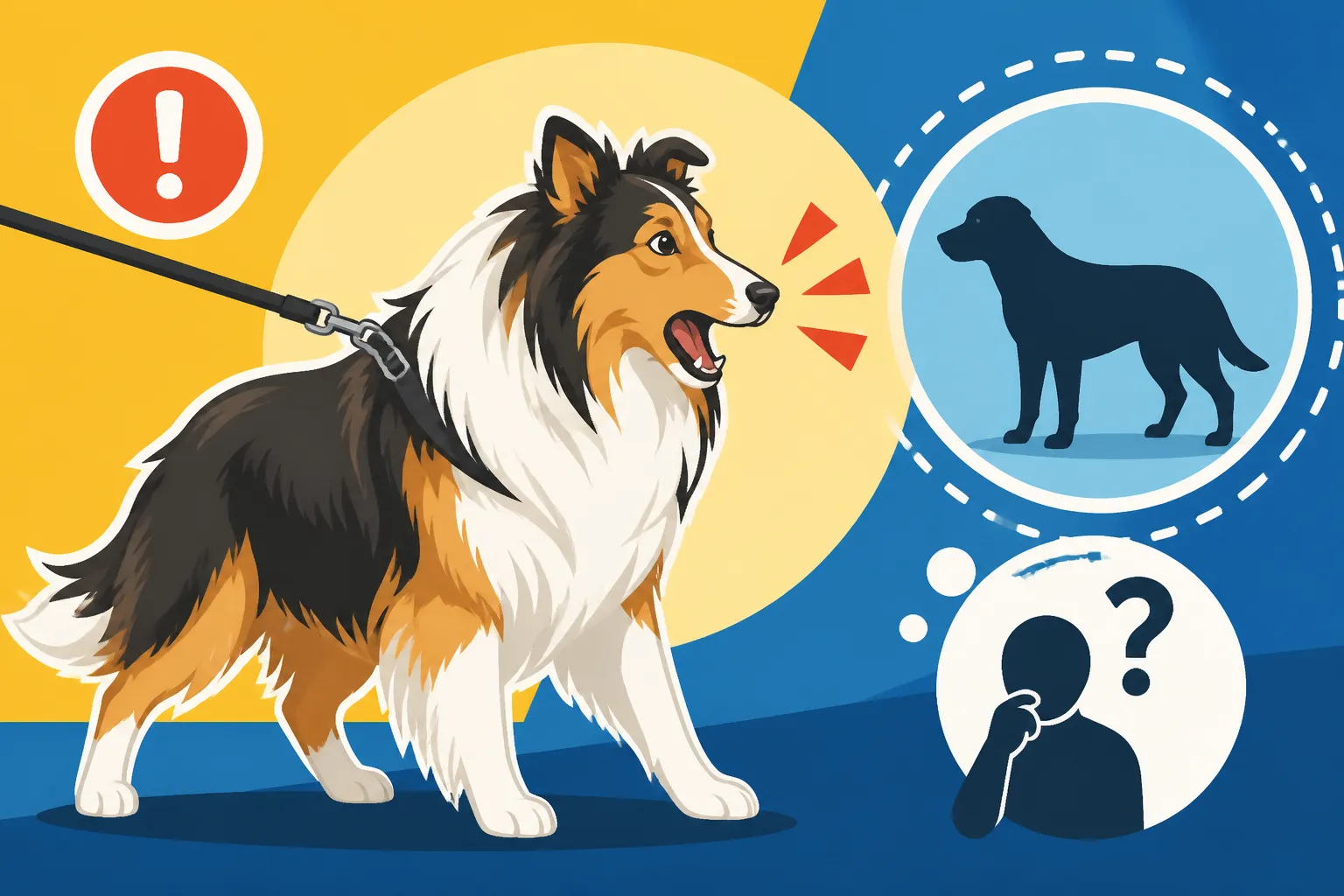
When we talk about leash reactivity, we're describing a set of behaviors that occur when a dog sees a specific trigger, most commonly another dog, while on leash. This isn't just a friendly bark or a wagging tail. Instead, you might see your Collie:
- Barking uncontrollably: A sharp, often loud, and persistent bark, sometimes accompanied by growling. It's usually not a happy "hello" bark but rather an insistent, agitated sound.
- Lunging forward: Your Collie might suddenly pull on the leash with all their might, attempting to get closer to or further away from the trigger. This can be jarring and even painful if you're not prepared.
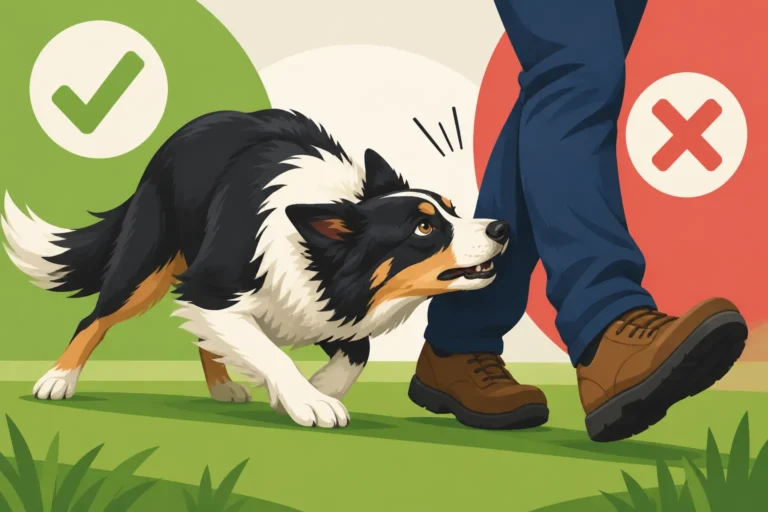
- Stiffening and staring: Before the barking and lunging, you might notice your Collie’s body language change. Their tail might drop or tuck, their body might become rigid, and their gaze might fixate intensely on the approaching dog.
- Whining or fidgeting: Some Collies might express their discomfort or overstimulation with high-pitched whining or frantic movements, indicating an inability to cope with the situation.
It’s important to remember that these behaviors aren't about your Collie being "bad" or dominant. They are often a dog's way of communicating that they are uncomfortable, anxious, or simply overwhelmed and don't know how else to express it, especially when they feel trapped by the leash.
Why Collies Might Be Prone to Reactivity
Collies are known for their gentle disposition, keen intelligence, and strong bond with their families. So, why might they exhibit leash reactivity? Several breed-specific traits and common characteristics can contribute:
- Sensitivity: Collies are incredibly sensitive dogs. They pick up on subtle cues, both from their environment and from their human companions. This heightened awareness means they can be more easily startled or overwhelmed by sudden movements, loud noises, or intense stimuli, like an unknown dog approaching rapidly. A harsh word or an unexpected tug on the leash can deeply impact a sensitive Collie, making them associate outdoor encounters with negativity. Remember, How a Collie Responds to a Raised Voice is often with withdrawal, not aggression, but repeated negative experiences can shift that.
- Herding Instinct: At their core, Collies are herding dogs. This means they are naturally observant of movement and can be prone to "gathering" or controlling their environment. When another dog approaches, a Collie’s instinct might be to control the space, which can manifest as barking or trying to push the other dog away, especially if they feel threatened or uncertain.
- Natural Aloofness/Watchdog Tendencies: While deeply devoted to their families, Collies can be reserved with strangers and other dogs. They're not always the type to rush up for a boisterous greeting. This natural reserve, combined with a protective instinct, can lead them to perceive other dogs as potential threats to their space or their human, resulting in a reactive display. They make excellent watchdogs because they're observant, and that observation can sometimes escalate to a loud warning bark when on leash.
- Predisposition to Timidity: While not universal, some Collies can be naturally timid, especially if they haven't had robust, positive socialization experiences as puppies. Whether a Collie Is Naturally Timid is a valid concern for some lines. This timidity can easily translate into fear-based reactivity when confronted with an unknown dog in a confined situation like a leash walk. Their reactive display then becomes a "go away" signal because they are afraid.
Understanding these underlying tendencies helps us approach reactivity with empathy and tailor our training methods to suit the Collie's unique temperament.
Common Triggers for Leash Reactivity in Collies
Reacting to another dog isn't usually random; there's almost always a trigger, or a combination of triggers, that sets your Collie off. Identifying these is the first step toward effective management and training.
Overstimulation and Lack of Early Socialization
Many cases of leash reactivity in Collies can be traced back to experiences (or lack thereof) during their critical developmental periods.
- Inadequate or Negative Socialization: A Collie puppy needs a wide range of positive experiences with other dogs, people, and environments. If a puppy's early life lacked varied, positive exposure, or if they had a negative encounter, they might grow up feeling anxious or unsure in new situations. For instance, a puppy who only ever met overly boisterous dogs, or who was always pulled away when another dog approached, might learn to associate other dogs with discomfort or fear. Proper socialization is key, and knowing Where to Socialize a Collie Puppy is vital for their development.
- Overwhelming Environments: Collies, with their sensitive nature, can easily become overstimulated in busy environments. A crowded park, a bustling street, or even a dog park full of rowdy canines can be too much for some. If your Collie is already feeling overwhelmed by noise and activity, the sudden appearance of another dog can be the tipping point, leading to a reactive outburst simply because they can't process any more sensory input.
Fear-Based Reactions and Past Negative Experiences
Fear is a powerful motivator for reactivity. Your Collie isn't being "aggressive" for aggression's sake; they might genuinely be scared or wary.
- A Frightening Incident: Even one bad experience can leave a lasting impression on a sensitive Collie. Imagine your puppy being jumped on by a large, uncontrolled dog, or perhaps having an uncomfortable encounter with another dog that barked aggressively. This single event can create a strong negative association, making your Collie anticipate similar experiences and react defensively when another dog appears.
- Generalized Anxiety: Some Collies are simply more prone to anxiety, whether due to genetics, early life experiences, or even underlying health issues. This generalized anxiety can make them more likely to perceive other dogs as threats, leading to a fear-based reactive display. If your Collie is an undersocialized rescue, understanding Whether an Undersocialized Collie Can Be Fixed is crucial, as patience and consistent positive exposure will be paramount.
Frustration On-Leash and Barrier Frustration
This is a common, and often misunderstood, trigger for many dogs, including Collies.
- Inability to Greet or Investigate: When a dog is on leash, they are prevented from performing natural canine behaviors, such as approaching another dog in a curving arc, sniffing, or engaging in a proper greeting ritual. If your Collie is genuinely curious or wants to interact but is consistently held back by the leash, this can build immense frustration. They might then bark and lunge not out of aggression, but out of a desperate attempt to get closer or express their thwarted desire to greet.
- The Leash as a Barrier: The leash itself can create a sense of barrier frustration. Your Collie might see another dog, want to approach, but the leash physically stops them. This barrier intensifies their desire, and when they can't reach, that pent-up energy explodes into reactivity. It's like seeing a treat you desperately want just out of reach – it's incredibly frustrating!
| Type of Reactivity | Underlying Emotion(s) | Common Behaviors | When to Suspect It |
|---|---|---|---|
| Fear-Based | Fear, Anxiety | Barking, growling, lunging backwards or to the side, tail tucked, stiff body | Collie tries to create distance, seems genuinely scared. |
| Frustration-Based | Frustration, Over-excitement | Barking, whining, intense pulling, lunging forwards to get closer | Collie seems to want to interact but is prevented. |
| Over-Stimulation | Overwhelmed, Sensory overload | Barking, erratic movements, inability to focus, darting eyes | Occurs in busy environments, not just with specific dogs. |
| Protective | Possessiveness, Guarding | Stiff posture, direct stare, growling, standing in front of owner | Collie seems to "guard" you from approaching dogs. |
Strategies for Managing and Reducing Leash Reactivity
The good news is that leash reactivity is often manageable and can be significantly reduced with consistent effort and the right approach. It’s a journey, not a quick fix, but it's one that strengthens the bond between you and your Collie.
Positive Reinforcement and Counter Conditioning
This is the cornerstone of reactivity training. The goal is to change your Collie's emotional response to other dogs from negative (fear, frustration) to positive (calm, happy anticipation).
- "Look at That" (LAT) Game: This is a fantastic exercise. Start at a distance where your Collie notices another dog but doesn't react. The moment your Collie spots the other dog, mark the observation with a clicker or a verbal cue like "yes!" and immediately feed them a high-value treat. Repeat this. The goal is for your Collie to see another dog, look at it, then turn to you for a treat, associating other dogs with good things. This technique helps How to Build Confidence in a Nervous Collie.
- Engage-Disengage: Similar to LAT, but with a slight twist. As soon as your Collie notices a trigger, start feeding treats continuously until the trigger passes out of sight. Once the trigger is gone, stop feeding. The idea is that the presence of the trigger predicts treats, and its absence means no more treats. This helps your Collie learn that other dogs appearing isn't a bad thing.
- Finding the Right Distance: This is absolutely critical. You must work below your Collie's reactivity threshold. If your Collie is already barking and lunging, they are too close to the trigger to learn. Find a distance where they notice the other dog but remain calm enough to take a treat and listen to you. This distance might be surprisingly far at first – across a street, down the block, or even just seeing a dog through a window. Gradually, you can decrease this distance as your Collie improves.
- High-Value Rewards: Forget the regular kibble for this. You need treats that are irresistible to your Collie – cooked chicken, cheese, hot dogs, or liverwurst. These motivate them to focus on you instead of the trigger. When you're dealing with something as ingrained as reactivity, the reward needs to be worth their effort. Many dog trainers, like those at BAXTER & Bella, emphasize the power of high-value rewards in overcoming significant behavioral hurdles.
Management Techniques for Safer Walks
While you're working on training, effective management strategies are essential to prevent your Collie from practicing reactive behaviors and solidifying those negative associations.
- Avoid Triggers When Possible: This sounds simple, but it's powerful. If you know your Collie reacts poorly to other dogs on a specific path or at a certain time of day, change your routine. Walk in quieter areas, during off-peak hours, or explore nature trails where dog encounters are less frequent.
- Increase Distance: When you spot another dog approaching, proactively create more space. Cross the street, duck behind a parked car, or turn around and walk in the opposite direction. Don't wait until your Collie is already reacting.
- Utilize Visual Barriers: If you're walking through a park with open sightlines, consider routes that offer natural barriers like trees, bushes, or buildings. These can help block your Collie's view of potential triggers, giving you more control and reducing the chance of an unexpected outburst.
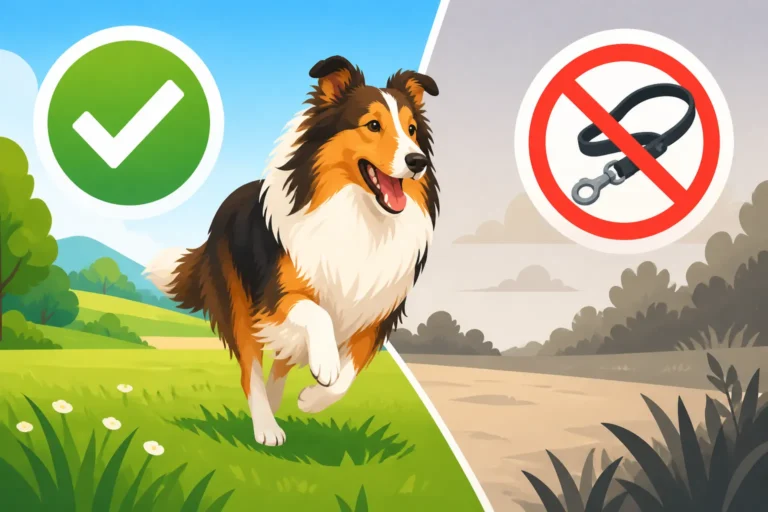
- Appropriate Leash and Harness: Ensure your Collie is wearing a comfortable, secure harness that provides good control without causing discomfort or pain, as pain can exacerbate reactivity. Avoid retractable leashes, which offer no control and can accidentally reinforce lunging. A sturdy 6-foot leash is often ideal. For some dogs, front-clip harnesses can help reduce pulling, making walks more manageable for both of you. You can find many options on Amazon.
Seeking Professional Help and Specialized Tools
Sometimes, reactivity is more complex, and you might need extra support.
- Certified Professional Dog Trainer (CPDT-KA): A qualified trainer specializing in force-free, positive reinforcement methods can be invaluable. They can assess your Collie's specific triggers, body language, and help you develop a tailored training plan. Look for trainers who emphasize counter-conditioning and desensitization rather than punishment. A good trainer will teach you how to work with your dog, not just train your dog for you. They can help you understand Whether a Collie Learns From Watching Another Dog and how you can be that good role model.
- Veterinary Behaviorist: For severe cases of reactivity, especially those deeply rooted in fear or anxiety, a veterinary behaviorist (a DVM with specialized training in animal behavior) might be recommended. They can evaluate if medication could be a helpful adjunct to behavioral modification, especially if your Collie's anxiety is significantly impacting their quality of life.
- Training Aids: Beyond leashes and harnesses, consider specific training tools. A clicker can be incredibly effective for marking desired behaviors precisely. A treat pouch worn on your waist keeps high-value rewards readily accessible for quick delivery during training sessions. Some owners find that a long line (a very long leash, typically 15-30 feet) can be useful in a secure, open area to practice recall and engagement at a distance without the pressure of a short leash, while still maintaining safety.
Living with a Leash-Reactive Collie
Managing a leash-reactive Collie can be demanding, both physically and emotionally. It's easy to feel disheartened when progress seems slow or setbacks occur. However, maintaining a positive outlook and realistic expectations is key to long-term success.
Adjusting Expectations and Celebrating Small Wins
It's natural to dream of those idyllic walks where your Collie trots calmly by your side, ignoring every distraction. While this is a worthy goal, it's important to adjust your expectations and recognize that perfection isn't the aim.
- Redefine "Success": On a good day, success might mean passing another dog with only a quick glance instead of a full-blown meltdown. On another day, it might be simply turning around and walking in the opposite direction before your Collie reacts. Celebrate these small victories! Each calm moment builds confidence for both you and your dog.
- Patience is Your Superpower: Training a reactive dog takes time, often months or even years of consistent effort. There will be good days and bad days. Don't get discouraged by setbacks; view them as learning opportunities. Your Collie isn't giving you a hard time; they're having a hard time. Approach each walk with a fresh perspective and boundless patience. Remember that a Collie thrives on a predictable routine, so consistent, gentle training will eventually pay off. Whether a Collie Needs a Predictable Routine is something you can leverage to build security.
- Focus on the Bond: While working on reactivity, don't forget to enjoy your Collie! Engage in activities they love – puzzle feeders, scent work, or even just quiet cuddle time at home. Reinforce that your presence is a source of comfort and security, which is fundamental for a sensitive breed like the Collie. Think about What Motivates a Collie and use that to your advantage in creating positive associations beyond just reactive training.
Advocating for Your Collie and Educating Others
You are your Collie's best advocate. Part of living with a reactive dog is learning how to manage interactions with other people and their dogs.
- Communicate Clearly: When you see another dog approaching, don't be afraid to clearly communicate your needs. A polite but firm "Please give us some space, we're training!" or "My dog needs room" can work wonders. Some owners even use vests or bandanas that say "Dog in Training" or "Needs Space" to visually signal to others. These small steps can save you from an awkward encounter and protect your Collie from unnecessary stress.
- Avoid Unsolicited Greetings: Politely decline requests for your Collie to "say hello" or "meet my friendly dog." You know your dog best, and you know what situations they can handle. It’s not rude to prioritize your dog's well-being and training.
- Educate Gently: Most people mean well, but they might not understand reactivity. If someone asks why your dog is barking, you can offer a brief, non-defensive explanation like, "He's learning to be calm around other dogs, so we're practicing at a distance." This avoids confrontation and might even help educate other dog owners.
- Be Mindful of Body Language: Pay close attention to your Collie's body language. Learn to recognize the subtle signs that indicate they are becoming uncomfortable – a stiff tail, averted gaze, lip licking, or a slight shift in weight. Intervening at these early stages, before a full reaction, is much more effective than waiting for an explosion. Understanding these cues helps you prevent your Collie from feeling pushed past their limits.
Remember, living with a leash-reactive Collie is a journey of understanding, patience, and consistent effort. It's a testament to your commitment and love for your dog. With the right strategies and support, you can help your Collie feel safer and more comfortable in the world, one calm walk at a time.
Disclaimer
This article is for general informational purposes only and does not constitute professional advice. Laws, prices and regulations vary by location and change over time. Consult a qualified professional for guidance on your specific situation.