Whether a Collie Travels Well in a Car
Bringing your beloved Collie along for car rides can feel like a mixed bag of emotions. On one hand, you want them to be a part of every family adventure, whether it's a short trip to the park or a grand cross-country journey. On the other, the thought of them panting, whining, drooling, or barking incessantly in the back seat can be incredibly stressful, turning what should be a pleasant outing into a dreaded ordeal. This guide is here to walk you through the nuances of Collie car travel, offering practical advice and empathetic understanding to help your furry companion become a happy, calm traveler.
Understanding Your Collie's Disposition Towards Car Travel
Collies are known for their intelligence, sensitivity, and strong bond with their families. These traits can manifest in various ways when it comes to car travel, sometimes making them wonderful companions and other times presenting unique challenges. It's not always a straightforward "yes" or "no" answer; it depends heavily on the individual dog and their experiences.
The Collie Temperament and Novelty
Collies possess a finely tuned awareness of their surroundings. As a herding breed, they are naturally observant, quick to notice changes, and often sensitive to new or unfamiliar stimuli. A car, with its confined space, vibrations, unfamiliar sounds, and rapidly changing scenery, can be a lot for a sensitive Collie to process. What might seem like a simple ride to us can be an overwhelming sensory experience for them.
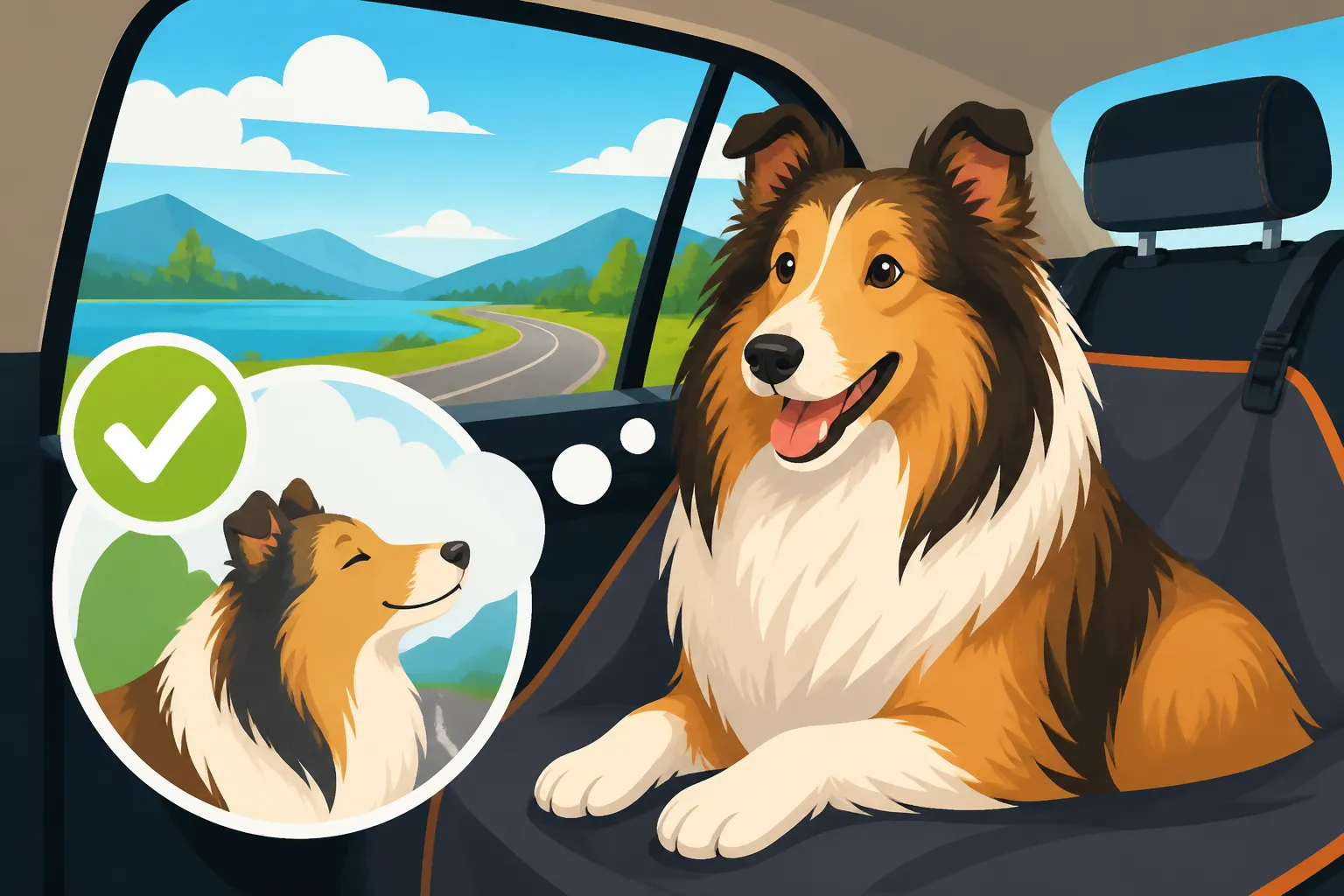
Their intelligence means they pick up on cues quickly, both good and bad. If their first few car rides were negative – perhaps they felt sick, or were scared by a sudden stop – they can form strong negative associations that are hard to break. Conversely, if their early experiences were positive, associating the car with fun destinations like the park or a friend's house, they are far more likely to embrace car travel with enthusiasm. Understanding this inherent sensitivity is the first step to tailoring your approach.
Early Experiences Matter Most
Just like with crate training or meeting new people, a Collie's early exposure to car travel sets the foundation for their future comfort. Puppies are like sponges, soaking up every experience and forming their worldview. If a Collie puppy's first car rides are only to the vet for shots, it’s understandable why they might develop an aversion. The car becomes synonymous with something unpleasant, scary, or painful.
Introducing car travel gradually and positively from a young age can make all the difference. Think of it as building a positive emotional bank account for car rides. Short, pleasant trips, ending with a reward or a fun activity, teach them that the car is a gateway to good things. Without this deliberate early socialization, you might find yourself with an adult Collie who views the car as a source of anxiety, and while it's never too late to try and change these associations, it certainly becomes more challenging. If you’re just starting out with a puppy, remember that consistency and positive reinforcement are your best friends in this journey. For new puppy owners, much of this foundational work aligns with what you'd learn in programs focused on holistic puppy raising. The BAXTER & Bella online puppy school, for instance, often emphasizes these kinds of positive, incremental introductions to various aspects of a puppy's world.
Common Car Travel Challenges with Collies and How to Address Them
Even with the best intentions, you might encounter some bumps in the road when traveling with your Collie. From tummy troubles to excessive barking, these challenges are common but definitely manageable with the right strategies.
Motion Sickness and Anxiety
Motion sickness is a prevalent issue in dogs, particularly puppies, and can certainly affect Collies. Signs include excessive drooling, licking lips, yawning frequently, lethargy, vomiting, and general unease. This isn't just unpleasant for your dog; it's a miserable experience that will understandably make them dread future car rides. Anxiety, even without vomiting, can manifest as persistent panting, trembling, whining, pacing, or even destructive chewing in the car. It’s a clear sign your Collie is not comfortable.
To address motion sickness, start by making sure your Collie isn't fed a heavy meal right before a trip. Opening a window slightly to provide fresh air can sometimes help. For more persistent cases, your veterinarian can offer solutions, ranging from over-the-counter anti-nausea medications to prescription sedatives for severe anxiety or motion sickness. Always consult your vet before administering any medication. For anxiety, incorporating familiar comforts like a favorite blanket or toy can sometimes provide reassurance. Some owners also find that pheromone sprays or calming treats help take the edge off for mildly anxious travelers. Remember that any significant fear or panic needs careful, gradual desensitization, or it may worsen.
Barking and Hyper-Awareness
Collies, with their strong herding instincts and inherent vigilance, can be prone to barking in the car. They might bark at passing cars, pedestrians, other dogs, or simply because they're overstimulated by the moving world outside their window. This isn't necessarily aggression; it's often a manifestation of their desire to "control" or alert you to everything they perceive. It can also be a sign of anxiety or frustration if they can't act on what they're seeing. This hyper-awareness is a classic Collie trait; they often seem to "read a room better than they read a command", and this extends to the environment outside the car.
Managing car barking involves several strategies. Firstly, consider if blocking their view helps. A crate that only allows them to see forward, or even a towel draped over part of the window, can reduce visual stimuli. Secondly, focus on training a "quiet" cue. Practice this at home first, then gradually introduce it in the car during stationary periods, rewarding calm silence. For some Collies, providing a long-lasting chew toy or a puzzle feeder (if they're not prone to motion sickness) can redirect their attention and give them a job to do. Consistent training and managing their environment are key. You might find some overlap in strategies used to address Whether a Collie Barks at Cars Going Past in general terms, as the underlying impulse can be similar.
Safety and Containment
Ensuring your Collie's safety in the car is paramount, not just for them but for you and other passengers. An unrestrained dog can become a projectile in an accident, or a dangerous distraction. Imagine having to slam on the brakes only to have your 60-pound Collie fly into the dashboard – it's a terrifying thought. Beyond emergencies, an excited Collie can easily interfere with your driving, jumping on laps or trying to get into the front seat.
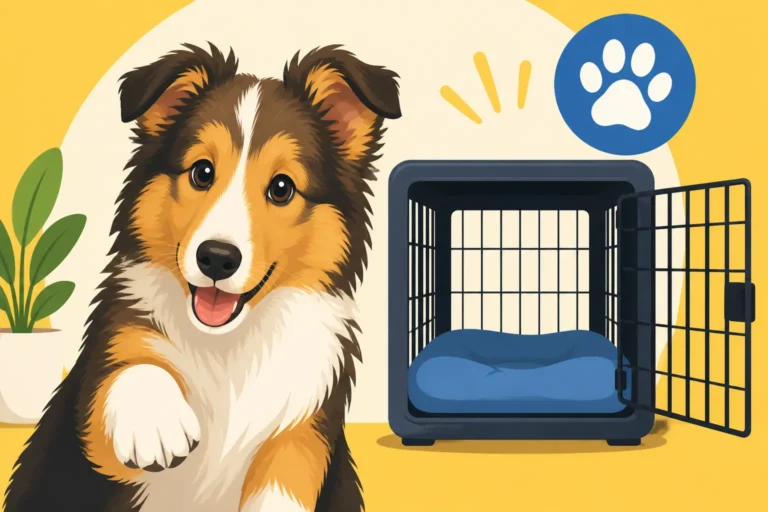
There are several effective containment options available to keep your Collie safe and secure. Travel crates, made of wire, plastic, or soft-sided fabric, are an excellent choice, especially if your Collie is already crate-trained. A sturdy, crash-tested crate provides the most protection. For dogs who aren't keen on crates, car seat belts or harnesses designed for vehicle use can secure them to the back seat. Always opt for a crash-tested brand for these, as not all harnesses offer adequate safety. Some smaller Collies might even fit into car booster seats designed for dogs, which offer a lifted view while keeping them restrained. You can find a wide array of these safety products, from sturdy crates to specialized car harnesses, on platforms like Amazon, making it easy to research and choose the best fit for your Collie and vehicle.
Here's a comparison of common car travel containment options:
| Feature | Crate (Hard-sided) | Crate (Soft-sided) | Car Seat Belt/Harness | Car Seat (Booster) |
|---|---|---|---|---|
| Safety | Excellent (crash-tested models best) | Fair (for minor stops, not crash protection) | Good (crash-tested models essential) | Good (often for smaller dogs, provides view) |
| Containment | Excellent (prevents movement, reduces distraction) | Good (limits movement) | Good (limits movement to seat area) | Good (restrains, elevates) |
| Comfort | Good (den-like, familiar if crate trained) | Good (can be cozy) | Varies by harness fit and dog's preference | Good (for dogs who like to see out) |
| Ease of Use | Can be bulky, but quick to secure | Portable, easy to set up | Easy clip-in, but dog needs to be okay with harness | Easy setup, can be bulky |
| Visibility | Limited (can reduce stimulation) | Varies (mesh windows) | Full visibility (can increase stimulation) | Full visibility, elevated |
| Cleaning | Easy to wipe down | Often machine washable | Machine washable | Removable covers, machine washable |
Preparing Your Collie for Successful Road Trips
Transforming a nervous car rider into a calm travel companion takes time, patience, and a strategic approach. It's all about building positive associations and gradually increasing their comfort level.
Gradual Desensitization and Positive Reinforcement
The key to a happy car traveler is making the experience positive and predictable. This process is called desensitization. Start small:
- Introduce the Car Positively: Don't even turn the engine on. Just open the car door, let your Collie sniff around, toss a few high-value treats inside, and let them jump in and out voluntarily. Praise them lavishly for any curiosity.
- Short, Stationary Sessions: With the engine off, have your Collie sit calmly inside the car for a few minutes. Give treats and gentle praise. You might even play a favorite game or offer a special chew toy. Build up the duration slowly.
- Engine On, Stationary: Once they're comfortable with the car being a stationary treat dispenser, start the engine. Let it run for a few minutes while giving treats. The goal is to associate the sound and vibration with good things, not anxiety.
- Short Trips Around the Block: Begin with very brief drives. A trip around the block, ending immediately at a fun destination like a park or a friend's house (not the vet!), will help build positive associations. Keep these first trips short and sweet, always ending on a good note.
- Gradually Increase Duration: Slowly extend the length of your trips, always observing your Collie for signs of stress. If they show discomfort, dial back to a shorter, more comfortable duration. Positive reinforcement, using treats, toys, and verbal praise, is crucial at every step. Think about what truly motivates your Collie and use that to your advantage. Programs like BAXTER & Bella often teach these fundamental positive reinforcement techniques that are invaluable for any training challenge, including car travel.
This gradual approach is also vital if you have a rescue Collie who may have unknown past experiences with car travel. Building trust is paramount, and showing them that the car can be a safe and rewarding place will take time and patience. How a Rescue Collie Learns to Trust can offer deeper insights into this process. It's a journey, not a sprint.
Essential Gear for Collie Car Travel
Being prepared can make all the difference, especially on longer journeys. Having the right gear not only ensures comfort but also handles unexpected situations.
- Water and Bowl: Always carry fresh water and a collapsible bowl. Dehydration is a risk, and it's essential to offer water during stops.
- Food and Treats: Pack their regular food to avoid stomach upset, along with high-value treats for positive reinforcement during the trip or breaks.
- Waste Bags: Self-explanatory! You'll need these for potty breaks.
- Favorite Toy/Blanket: A familiar item from home can provide comfort and security in a new environment.
- First-Aid Kit: A basic dog-specific first-aid kit for minor scrapes or emergencies.
- Medication: If prescribed by your vet for motion sickness or anxiety, ensure you have enough for the entire trip.
- Proof of Vaccination/Records: Especially important for crossing state lines or in case of an emergency vet visit.
Here's a handy checklist for your next Collie car adventure:
| Item | Purpose | Notes |
|---|---|---|
| Crate/Safety Harness | Safety and containment | Ensure it's crash-tested and properly installed. |
| Water & Collapsible Bowl | Hydration during stops | Crucial for preventing dehydration, especially in warmer weather. |
| Regular Food & Treats | Maintain routine, positive reinforcement | Avoid stomach upset; high-value treats for rewards. |
| Waste Bags | Essential for potty breaks | Be a responsible pet owner and clean up! |
| Favorite Toy/Blanket | Comfort and familiarity | Helps reduce anxiety in unfamiliar surroundings. |
| Dog First-Aid Kit | Minor injuries or emergencies | Include bandages, antiseptic wipes, tweezers, vet contact info. |
| Medications | Motion sickness, anxiety, or ongoing conditions | Vet-prescribed; administer as directed. |
| Vet Records/Vaccination | Identification and health history | Necessary for some accommodations, emergencies, or border crossings. |
| Leash & Collar/Harness | Control during stops | Always keep your Collie on-leash outside the car. |
| Chew Toy/Puzzle Toy | Mental stimulation, distraction | Can help keep them occupied and reduce barking if they don't get motion sick. |
Mental and Physical Preparation
A tired Collie is a good traveler. Before embarking on a car trip, ensure your Collie has had ample physical exercise. A long walk, a game of fetch, or even some focused training time can help burn off excess energy and promote a calmer demeanor in the car. This aligns with the idea that even a Collie, which "does not need a job" in the traditional sense, still benefits from appropriate stimulation; Forty Five Minutes a Day, and Half of It in Its Head is a good guideline. A mentally stimulated Collie is also less likely to get bored and destructive or anxious.
Consider providing a long-lasting chew or a food puzzle toy for them to work on during the ride, assuming they aren't prone to motion sickness. This gives their mind a job and can keep them quietly occupied. Bringing along a familiar-smelling blanket or bed can also make their designated car space feel more like home, offering a sense of security during transit. Routine and predictability are incredibly comforting to Collies; Whether a Collie Needs a Predictable Routine speaks to this need for structure. The more you can make the car an extension of their safe, known environment, the better they will cope.
When to Seek Professional Help
Sometimes, despite all your best efforts, your Collie's car travel issues persist or worsen. It's important to recognize when you might need to bring in the experts.
Recognizing Persistent Problems
If your Collie continues to exhibit severe motion sickness, extreme anxiety, or destructive behavior despite consistent training and preventative measures, it's a sign that their distress is beyond what you can manage alone. Persistent drooling, constant vomiting, incessant high-pitched whining, trembling, or aggression specifically tied to car travel are red flags. These aren't just minor inconveniences; they indicate significant stress and unhappiness for your dog. Ignoring these signals can lead to a deeper phobia of cars, making future travel even more challenging. Severe anxiety can also manifest in other areas of their life; if your Collie is Whether a Collie Grieves a Lost Family Member or shows other forms of high sensitivity, it might also show in how they handle car travel.
Consulting Your Veterinarian or a Certified Trainer
For physical symptoms like persistent motion sickness, your first stop should always be your veterinarian. They can rule out any underlying medical conditions and discuss prescription medications that can effectively manage nausea and anxiety during travel. There are excellent options available that can make a world of difference for a dog who otherwise loves to go places but gets physically ill in the car.
For behavioral issues, especially severe fear, phobias, or aggression related to car travel, seeking the help of a certified professional dog trainer or a veterinary behaviorist is highly recommended. These experts can assess your Collie's specific situation, identify the root cause of their distress, and develop a tailored behavior modification plan. They have the knowledge and experience to guide you through complex desensitization and counter-conditioning protocols, often more effectively than you can on your own. They can teach you techniques to How to Build Confidence in a Nervous Collie in this specific context, helping them overcome their fears safely and effectively. Remember, investing in professional help when needed is an investment in your Collie's happiness and your peace of mind.
Disclaimer
This article is for general informational purposes only and does not constitute professional advice. Laws, prices and regulations vary by location and change over time. Consult a qualified professional for guidance on your specific situation.