Bathing a Collie Without Wrecking the Coat
Bathing a Collie can feel less like a gentle cleanse and more like wrestling a fluffy, wet cloud, especially if you’re trying to avoid the dreaded matting and coat damage. Many Collie owners fret over how to get their beloved dog sparkling clean without turning their gorgeous double coat into a matted disaster or stripping it of its natural oils. This comprehensive guide will walk you through every step of bathing your Collie, ensuring a clean, healthy coat without the usual stress and struggle.
Why a Collie's Coat Is Unique and Challenging
Before you even think about turning on the tap, it's vital to understand what makes a Collie's coat so distinct. It's not just a lot of hair; it's a finely tuned system designed for insulation and protection, and treating it incorrectly can lead to a host of problems. Many new Collie owners underestimate the sheer volume and complexity of this magnificent coat.
Understanding the Double Coat Structure
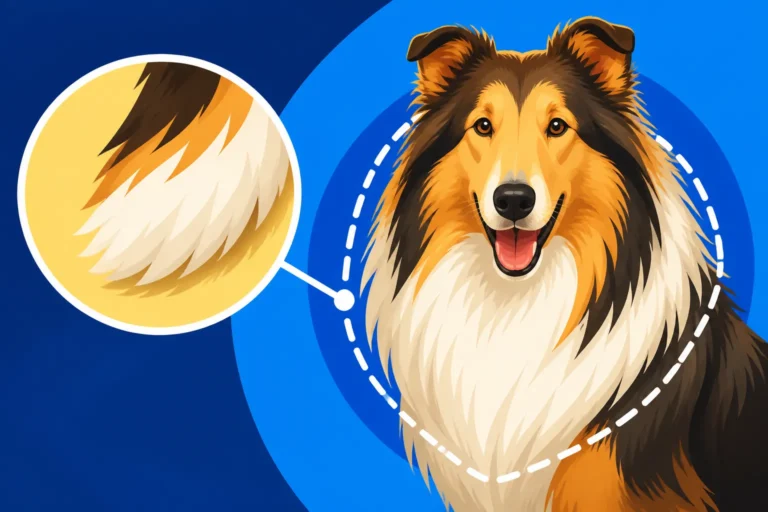
A Collie's coat is a marvel of nature, consisting of two distinct layers. There’s the outer coat, often called the guard hairs, which are long, coarse, and typically straight. These hairs are designed to repel water, dirt, and debris, acting like a protective shield against the elements. Beneath this lies the undercoat – a dense, soft, and fluffy layer of fur that provides insulation, keeping your Collie warm in winter and helping to regulate body temperature in summer. It’s this combination that gives the Collie its iconic, flowing appearance.
Imagine trying to wash a heavy wool blanket that has a silken, water-resistant cover; that’s a bit like what you're dealing with. The guard hairs can shed dirt surprisingly well on their own, but the undercoat can trap dust, dander, and oils, which can become incredibly uncomfortable if not properly cleaned. Neglecting this dual nature is where many bathing mishaps begin, leading to a coat that looks dull or feels greasy, despite your best efforts.
The Dangers of Matting When Wet
The biggest threat to a Collie's coat during a bath is matting, especially in the thick undercoat. When dry, those soft undercoat hairs lie relatively separated, but once they get wet, they clump together. If these clumps aren't thoroughly brushed out before the bath, and then carefully dried and brushed during and after the bath, they can form tight, painful mats that pull on the skin. It’s a bit like washing human hair that hasn't been brushed in days – it becomes a tangled mess almost instantly.
These mats aren't just an aesthetic problem; they can harbor moisture, leading to skin irritation, infections, and even hot spots. For a Collie, whose coat is so dense, a mat can quickly become a serious health issue. We often see Collies come into rescue with mats so severe they’re causing visible discomfort and limiting movement. Preventing mats is paramount, and it starts long before the water touches their fur. Mane, Frill and Petticoat: the Parts of a Collie That Mat offers more insights into common problem areas.
Why Shaving Is Never the Answer
It might be tempting, especially in warmer months or when faced with a heavily matted coat, to simply shave your Collie. Resist this urge at all costs! Shaving a Collie’s double coat can permanently damage its structure and compromise its natural ability to regulate temperature. The guard hairs grow back at a different rate and texture than the undercoat, often resulting in a patchy, coarse, and unhealthy-looking coat that no longer offers proper protection. A Collie Is Never Trimmed and Never Shaved delves deeper into why this practice is so detrimental.
Think of it this way: their coat isn't just decoration; it's their built-in climate control system. Shaving disrupts this delicate balance, potentially making them more susceptible to overheating in summer (as the protective topcoat is gone) and shivering in winter. It's a common misconception that shaving keeps them cooler, but their double coat is actually designed to insulate against both heat and cold. Proper bathing and regular grooming are the true keys to keeping them comfortable and healthy.
Preparation Is Key: Setting Up for a Successful Bath
A successful Collie bath isn't about speed; it's about meticulous preparation. Rushing through the pre-bath steps is a surefire way to end up with a tangled, partially clean, and frustrated Collie (and owner!). Taking the time to set the stage makes the entire process smoother and more effective.
Pre-Bath Brushing: Non-Negotiable
This is arguably the most critical step in the entire bathing process. Before a single drop of water touches your Collie, their coat must be completely free of tangles and loose undercoat. If you skip this, any existing knots will tighten into impenetrable mats once wet, making them incredibly difficult, if not impossible, to remove without resorting to cutting. How Often a Rough Collie Should Be Brushed provides a good foundation for this regular care.
Use a systematic approach: line brush your Collie, working in small sections, from skin to tip. Start with a slicker brush to get through the outer layer and tease out smaller tangles, then follow with a sturdy metal comb to ensure you've reached down to the skin. Pay special attention to areas prone to matting, such as behind the ears, under the elbows, the "frill" around the neck, and the "petticoat" on the hindquarters. You'll be amazed at the amount of loose undercoat you can remove – a high-velocity dryer can even help blow out some of this before you start brushing.
Gathering Your Supplies
Having everything you need within arm's reach before you start is crucial. Once your Collie is wet, you won't want to be scrambling for supplies. A chaotic bathing environment can also stress your dog, making future baths more challenging. Think of it as setting up a mini grooming station right in your bathroom or outdoor wash area.
Here's a checklist of essential items:
- High-quality dog shampoo: Specifically formulated for dogs, ideally one designed for long coats or deep cleansing. You can find excellent options on retailers like Chewy or Amazon.
- Dog conditioner: Important for moisturizing the coat and making it easier to comb through.
- Dilution bottles: To properly dilute shampoo and conditioner, ensuring even distribution and thorough rinsing.
- Several large, absorbent towels: Enough to get most of the initial wetness off.
- High-velocity dog dryer: An absolute game-changer for Collies; a human hairdryer simply won't cut it. Whether a Collie Owner Needs a High Velocity Dryer explains why.
- Slicker brush and metal comb: Essential for brushing during and after drying.
- Cotton balls: To protect ears from water.
- Non-slip mat: For the tub or shower to keep your Collie steady.
- Collie-safe treats: For positive reinforcement throughout the process.
Choosing the Right Location
Where you bathe your Collie can make a huge difference. For many, the bathtub is the most convenient option. However, if your Collie is large, or you prefer to keep the indoor mess to a minimum, an outdoor washing station (if weather permits) or a walk-in shower might be better. Some dedicated Collie owners even invest in a professional grooming tub, but for most, a standard tub with modifications works fine.
Ensure the chosen area is warm enough, especially if bathing outdoors. A chilly bath can make your Collie uncomfortable and increase their resistance. Make sure the water temperature is lukewarm, not hot or cold. Having a leash or tether point can also be helpful for keeping your Collie safely contained, though never leave them unattended. The goal is a calm, controlled environment where both you and your Collie feel as comfortable as possible.
The Art of the Wash: Gentle Cleansing for a Double Coat
Once you’ve prepped the coat and gathered your tools, it's time for the actual wash. This isn’t a quick scrub; it's a careful process to ensure every part of that thick double coat gets clean without causing further tangles or skin irritation. Patience and technique are your best friends here.
Wetting the Coat Thoroughly
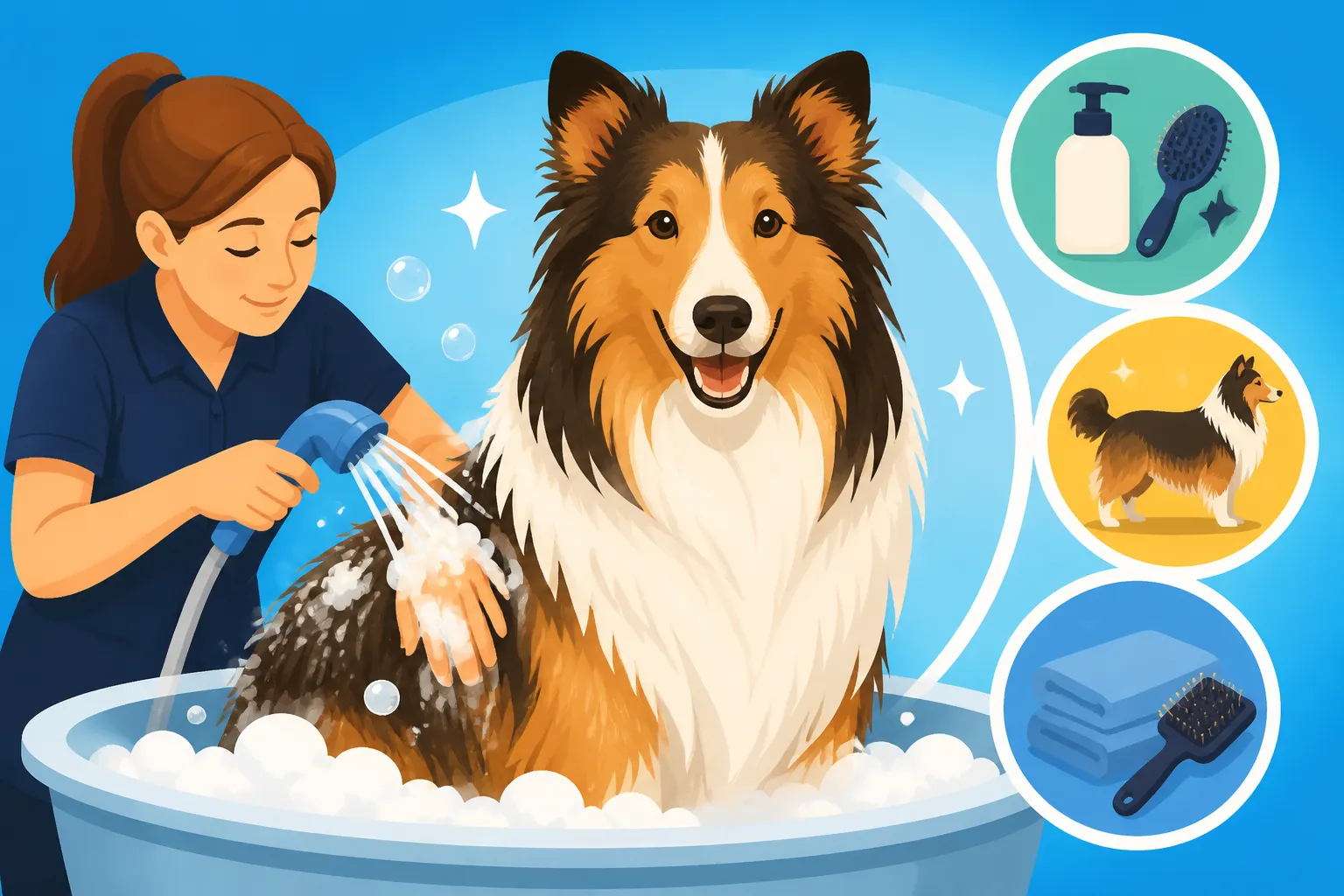
Getting a Collie's dense double coat thoroughly wet can feel like an Olympic sport. Their guard hairs are designed to repel water, so simply dousing them with a showerhead isn't enough. You need to penetrate that outer layer to reach the undercoat and skin. Start by wetting small sections at a time, using your fingers to work the water down to the skin. A spray nozzle on a hose or shower attachment can be very helpful for this.
Many owners find it easiest to start from the neck and work backward, then do the legs and tail. Don't forget the belly and chest, areas that can get surprisingly dirty. Use lukewarm water – never hot, as it can dry out the skin and coat, and never cold, which can shock your dog. Take your time, massaging the water in until you're absolutely sure the entire coat, including the dense undercoat, is saturated. If you don't get the coat fully wet, the shampoo won't be able to do its job effectively, leaving your Collie only partially clean.
Shampoo Selection and Dilution
Choosing the right shampoo is crucial for a Collie's coat. Avoid harsh shampoos designed for degreasing, as these can strip the natural oils that keep their skin and coat healthy. Look for a gentle, moisturizing dog shampoo, perhaps one formulated for sensitive skin or long-haired breeds. Brands like Earthbath or TropiClean offer good options often found on Chewy. Some owners even use a specialized brightening shampoo for their white or sable Collies, being careful to follow instructions to avoid skin irritation.
Crucially, always dilute your shampoo! Collies have such thick coats that applying undiluted shampoo directly can make it incredibly difficult to rinse out completely, leading to residue that can irritate the skin and attract dirt. A good rule of thumb is to dilute shampoo with 10-20 parts water to 1 part shampoo in a mixing bottle. This creates a more liquid consistency that can penetrate the coat more easily and rinse out thoroughly. You can also dilute your conditioner for the same reasons.
The Lathering Technique
Once the coat is saturated and the shampoo is diluted, it's time to lather. Again, resist the urge to vigorously scrub and rub, as this will inevitably create tangles. Instead, gently squeeze the diluted shampoo into sections of the coat, working it down to the skin with your fingertips. Use a downward or backward motion, always following the natural direction of the hair growth, rather than circular scrubbing.
Start with the back and sides, moving to the chest, belly, and then the legs and tail. Don't forget the frill around the neck – it can get quite soiled. Be very careful around the face, using a washcloth with just water or a tiny bit of diluted, tearless puppy shampoo to clean around the eyes and muzzle. Always avoid getting water and shampoo directly into their eyes or ears. Placing cotton balls gently in their ears before starting can help prevent water from entering. Lathering should be a gentle massage, ensuring the shampoo reaches the skin to lift dirt and oils without creating a matting nightmare.
Rinsing Right: The Most Crucial Step
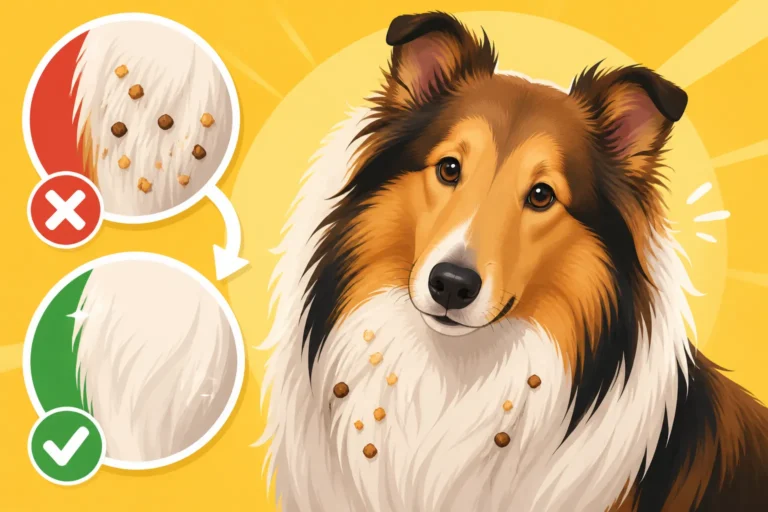
If wetting the coat is an art, rinsing is an endurance sport. Forgetting to thoroughly rinse your Collie’s dense undercoat is one of the most common and detrimental bathing mistakes. Any shampoo residue left behind can cause significant skin irritation, dryness, itching, and will make their coat feel sticky and attract dirt like a magnet. This can undo all your hard work and lead to further skin issues.
The Importance of Complete Rinsing
I cannot stress this enough: complete rinsing is absolutely paramount when bathing a Collie. Their double coat, especially the thick undercoat, can hold onto shampoo like a sponge. If you think you've rinsed enough, rinse again. And then again. Shampoo residue, when left on the skin, can lead to a host of problems including persistent itching, flakiness, bacterial or yeast infections, and a dull, greasy-feeling coat. It effectively creates a breeding ground for problems and undermines the very purpose of the bath.
Imagine wearing a sweater that's been washed but never properly rinsed – it feels stiff, uncomfortable, and might even have a faint detergent smell. That's how your Collie's skin and undercoat will feel if you don't get all the soap out. Over time, this residue can even attract more dirt, making the coat appear dirty much faster than it should, trapping you in a cycle of frequent, yet ineffective, baths.
Rinsing Techniques for a Thick Coat
Because a Collie's coat is designed to be water-repellent, getting water into it is tough, but getting all the shampoo out is even tougher. A strong spray nozzle or shower attachment is your best friend here. Start by rinsing the highest point of their back and work your way down, allowing the water to carry the shampoo downward. Systematically lift sections of the coat and spray directly at the skin. You should see clear water running off, not foamy or cloudy water.
You'll need to physically part the fur with your hands to ensure the water reaches the skin layer. Run your fingers through the coat, feeling for any slippery or sudsy patches. Pay extra attention to the chest, armpits, inner thighs, tail, and the ruff around their neck, as these areas are notorious for trapping shampoo. How to Dry a Collie Properly will make sense later, but for now, focus on rinsing until you're absolutely certain there's no more soap.
Checking for Residual Shampoo
How do you know when you're truly done rinsing? The best way is to do the "squeak test." When you squeeze a section of clean, wet coat, it should feel squeaky clean, not slimy or slippery. Run your fingers through the fur, close to the skin. If it feels slick, there's still shampoo. Another good indicator is the water running off your Collie – it should be perfectly clear, without any bubbles or cloudiness.
Even after the squeak test, I often recommend one final pass over the entire body, just to be absolutely sure. This might add another 5-10 minutes to the bath, but it saves hours of potential scratching, skin irritation, and premature re-bathing later on. Your Collie will thank you for the extra effort with a truly clean and comfortable coat.
Drying Dilemmas: Protecting the Undercoat and Topcoat
After the rigorous rinsing, you might think the hard part is over. Think again! Drying a Collie, especially a Rough Collie, is just as crucial and time-consuming as the washing and rinsing. Improper drying techniques are another major culprit for matting and skin issues. This is where patience and specialized tools truly shine.
Towel Drying: The First Step
As soon as you turn off the water, the first thing you want to do is get as much excess water off your Collie as possible with towels. Don't rub vigorously, as this will only create tangles and can damage the coat. Instead, gently squeeze and blot the water out of the fur. You can also press towels firmly against sections of the coat to absorb moisture.
Have several large, super-absorbent towels on hand. Microfiber dog towels work wonders for their absorbency. Start by wrapping your Collie in a large towel, letting it soak up the water for a few minutes. Then, systematically blot different sections of their body. The goal here isn't to get them completely dry, but to remove enough surface water to significantly reduce the drying time with the high-velocity dryer and prevent cold spots. This initial towel-off also helps protect the floors from becoming a swimming pool.
The Magic of the High-Velocity Dryer
For a Collie, a high-velocity force dryer is not a luxury; it's a necessity. A human hairdryer simply doesn't have the power or the appropriate heat settings to effectively dry a dense double coat. It will take forever, and you risk burning your Collie's skin or drying out their coat. A professional force dryer, often purchased from places like Amazon or Chewy, blows cool or warm (not hot!) air at a powerful speed, separating the coat hairs and blasting water out.
Start on a low setting to get your Collie accustomed to the noise and sensation, rewarding them with treats. Gradually increase the power. Work in sections, holding the nozzle a few inches from the coat. As you dry, use a slicker brush and a metal comb to continually brush through the coat, especially the undercoat, to separate the hairs and prevent matting as they dry. This "line drying" technique is essential: lift sections of the coat, blow dry underneath, and brush, then move to the next section. Focus on one area until it's completely dry before moving on. This might take a significant amount of time, sometimes an hour or more for a full, plush coat.
Finish Drying with Brushing
Once your Collie is mostly dry from the force dryer, you'll want to finish with thorough brushing to ensure every last bit of moisture is gone and the coat is perfectly smooth. Use your slicker brush and metal comb to go over every inch of the coat, making sure there are no damp spots. Pay close attention to the dense areas that are prone to holding moisture, like the tail, the deep frill, and the pants. Any lingering dampness can lead to matting or, worse, skin infections like hot spots.
The coat should feel light, airy, and fluffy, not heavy or clammy. As you brush, you'll also be distributing the natural oils, which helps to keep the coat healthy and shiny. This final brushing is also a great bonding experience, allowing you to give your Collie some praise and affection after their big bath. A beautifully dried coat, free of tangles, is the reward for all your diligent work. Which Four Brushes a Collie Owner Needs provides excellent guidance on your brushing toolkit.
Post-Bath Care: Maintaining That Luster
The bath is done, the drying is complete, and your Collie is looking (and smelling!) fabulous. But the care doesn't stop there. Post-bath treatment and ongoing coat maintenance are essential to prolonging that fresh feeling and keeping their double coat in top condition.
Conditioning and Detangling Sprays
After thoroughly rinsing out the shampoo, applying a good quality dog conditioner is highly recommended for Collies. Conditioner helps to replenish moisture, smooth the hair cuticles, and make the coat softer and more manageable, which can significantly reduce future tangles. Like shampoo, dilute the conditioner and work it gently into the coat, ensuring it reaches the skin. Let it sit for a few minutes (check the product instructions) before rinsing thoroughly – remember, rinsing is key!
For ongoing maintenance, especially between baths, a good detangling spray or leave-in conditioner can be a lifesaver. These products help to keep the coat hydrated and make brushing easier. When you encounter a small tangle or just want to freshen up the coat, a few spritzes of detangling spray can make a huge difference, allowing your brush or comb to glide through the fur more smoothly. Just make sure the products are dog-specific and gentle.
Maintaining the Coat Between Baths
Bathing a Collie is a significant undertaking, so you want to maximize the time between washes. Regular grooming is your best defense against dirt and tangles. Daily or every-other-day brushing, especially for a Rough Collie, is crucial for preventing mats, removing loose undercoat, and distributing natural oils. This also helps keep shedding down around the house – at least somewhat! The Three Weeks Twice a Year When a Collie Buries Your House will give you a realistic picture of shedding.
Keep an eye on common problem areas like behind the ears, the armpits, and under the tail, which can mat quickly. A quick comb-through of these spots a few times a week can prevent a small tangle from turning into a major ordeal. If your Collie gets a localized mess, like mud on their paws or a burr in their tail, consider spot cleaning rather than a full bath. Many owners also find a regular spritz of a canine deodorizing spray helps keep their Collie smelling fresh between full baths.
When to Seek Professional Help
Even the most dedicated Collie owners might find themselves needing professional help sometimes, and there's absolutely no shame in that! Professional groomers have specialized equipment, knowledge, and experience with double-coated breeds. If your Collie's coat is severely matted, attempting to demat it yourself can be painful for your dog and frustrating for you. A professional groomer can often safely remove mats that you wouldn't be able to tackle at home.
Additionally, if you find yourself struggling with the sheer volume of hair, the drying process, or simply lack the time, a professional groomer can be a fantastic resource. They can provide a thorough bath, blow-out, and trim (only sanitary trims, of course, never shaving!) that will make your life easier and keep your Collie comfortable. Don't hesitate to reach out to a reputable groomer who understands the unique needs of a Collie's coat – ask for recommendations from other Collie owners in your area.
Common Bathing Mistakes to Avoid
We’ve covered the "how-to," but just as important is knowing what not to do. Many common mistakes, often made with the best intentions, can actually harm your Collie's coat and skin or make bathing a stressful ordeal for everyone involved.
Skipping Pre-Bath Brushing
This is, hands down, the number one mistake Collie owners make. It sounds like a time-saver, but it's the exact opposite. As we discussed, any tangles or mats present before the bath will only get tighter, harder, and more painful to remove once they're wet. Imagine trying to comb a knotted rope – that's what a wet, unbrushed Collie coat becomes. This can lead to hours of painstaking dematting, or worse, necessitate shaving down large sections of the coat, which is detrimental to their natural protection.
Making pre-bath brushing a non-negotiable ritual is crucial. It’s not just about getting the top layer of tangles; it's about systematically working through the entire undercoat with both a slicker brush and a metal comb to ensure every hair is separated. If you find significant matting during this stage, it's often better to work on those dry before the bath, or even consider a professional groomer for severe cases.
Using the Wrong Products or Tools
Another common misstep is using products or tools not suited for a Collie's unique coat. Human shampoos, for instance, are formulated for a different pH balance than a dog's skin and can cause dryness and irritation. Harsh degreasing shampoos, while effective for some dirty jobs, can strip the protective oils from your Collie’s skin and coat, leading to flakiness and dullness. Stick to dog-specific, gentle, and moisturizing shampoos and conditioners.
Equally important is using the right grooming tools. A slicker brush and metal comb are indispensable for a Collie. Using only a pin brush, for example, won’t get deep enough into the undercoat to prevent mats. Conversely, using a harsh raking tool incorrectly can damage the delicate undercoat. And, as mentioned, a human hairdryer is simply inadequate and potentially dangerous for drying a Collie. Investing in quality, breed-appropriate products and tools from a trusted source like Amazon will save you headaches in the long run.
Improper Drying Techniques
The way you dry your Collie is just as important as how you wash them. Rubbing vigorously with towels, letting them air dry, or using a human hairdryer are all common mistakes with potentially serious consequences. Rubbing creates friction, leading to tangles and frizz. Air drying, especially for a dense double coat, can take hours, leading to cold spots, musty smells, and creating a perfect damp environment for skin infections and matting.
The high-velocity dryer is truly the hero for drying a Collie. It not only speeds up the process dramatically but, when used correctly with simultaneous brushing, helps to completely separate the undercoat hairs, ensuring they dry fluffy and mat-free. Always ensure your Collie is 100% dry, down to the skin, before allowing them to run around or settle down. A damp coat is an invitation to trouble, so take your time during this critical final stage.
Smooth Collies: A Quicker, But Still Careful, Affair
While the Rough Collie gets most of the attention when it comes to grooming discussions, their Smooth Collie counterparts still require thoughtful care during bath time. Though their coat is significantly shorter, it's still a double coat and benefits from many of the same principles of gentle, thorough washing and drying.
The Smooth Coat Advantage
One of the undeniable advantages of a Smooth Collie is their much lower grooming maintenance compared to their rough-coated relatives. Their short, dense outer coat lies flat against the body, with a softer, equally dense undercoat. This structure makes them less prone to matting and tangling, and they generally dry much faster. A quick rub down with a towel and a few minutes with a high-velocity dryer (or even just air-drying on a warm day) can often suffice. The Smooth Collie Is the Same Dog With Less Work provides more context on this delightful difference.
This doesn't mean you can skip all care, though. They still shed, sometimes quite heavily, and their coat still benefits from regular brushing to remove loose hair and distribute natural oils. The biggest "advantage" is often the time saved, allowing more moments for cuddles or training.
Bathing Differences for Smooth Collies
While the principles remain similar, the practicalities of bathing a Smooth Collie are certainly less arduous. Pre-bath brushing is still important to remove loose hair, but you won't be battling the deep tangles that often plague a Rough Collie. A rubber curry brush or a shedding blade can be very effective for a Smooth Collie, helping to lift dead undercoat before the bath.
Shampooing is also easier as the water and product penetrate more readily. You can still dilute your shampoo for even distribution and easier rinsing, but the emphasis on meticulous section-by-section work isn't quite as intense. Rinsing, while still important, won't take nearly as long, as there's less hair to hold onto suds. You'll still want to ensure clear water runs off, but it will happen much faster.
Still Need That Thorough Dry
Even with a short coat, a thorough dry is still important for a Smooth Collie, especially for their comfort and skin health. While they can often air dry without issues in a warm, dry environment, using a towel vigorously and following up with a force dryer can speed up the process and leave their coat feeling exceptionally smooth and soft. This helps prevent that damp dog smell and reduces the chance of any skin irritation from prolonged wetness, particularly in skin folds.
For a Smooth Collie, the drying time might be cut down significantly – perhaps only 15-20 minutes with a force dryer compared to an hour or more for a Rough. But it's still a valuable step, especially if your Smooth Collie has sensitive skin or if you want to ensure they're completely dry before letting them lounge on your pristine furniture. Just like their fluffy cousins, a fully dry coat looks and feels best.
Here’s a quick comparison of bathing essentials for your Collie:
| Step / Item | Rough Collie Need | Smooth Collie Need |
|---|---|---|
| Pre-Bath Brushing | Absolutely essential; thorough line brushing with slicker and comb. | Important to remove loose hair; rubber curry or shedding blade. |
| Shampoo/Cond. | Gentle, moisturizing, always diluted; dog-specific. | Gentle, moisturizing, can be diluted; dog-specific. |
| Wetting Coat | Difficult, requires systematic soaking to the skin. | Easier, water penetrates more readily. |
| Lathering | Gentle squeezing, working down to skin; avoid rubbing. | Gentle massage; less risk of tangles. |
| Rinsing | Crucial and time-consuming; systematic, lift coat sections, squeak test. | Easier, but still requires thoroughness to avoid residue. |
| Towel Drying | Blotting, squeezing excess water with several large towels. | Blotting, rubbing vigorously is less risky due to short coat. |
| Force Dryer | Essential for thorough, mat-free drying; 60+ minutes. | Recommended for speed and softness; 15-20 minutes. |
| Finish Brushing | Slicker & comb for fluffing and checking for dampness. | Short bristle brush or grooming mitt for shine and smoothness. |
| Detangling Spray | Highly recommended between baths for mat prevention. | Less critical, but still useful for shine or light tangles. |
| Pro Grooming | Often sought for full baths/blowouts or severe matting. | Less frequently needed for full baths, perhaps for de-shedding treatments. |
Disclaimer
This article is for general informational purposes only and does not constitute professional advice. Laws, prices and regulations vary by location and change over time. Consult a qualified professional for guidance on your specific situation.