The Age a Collie Is Considered Senior
Collies enter senior status between seven and nine years old, prompting physical and behavioral adjustments to their care routines.

Collies enter senior status between seven and nine years old, prompting physical and behavioral adjustments to their care routines.
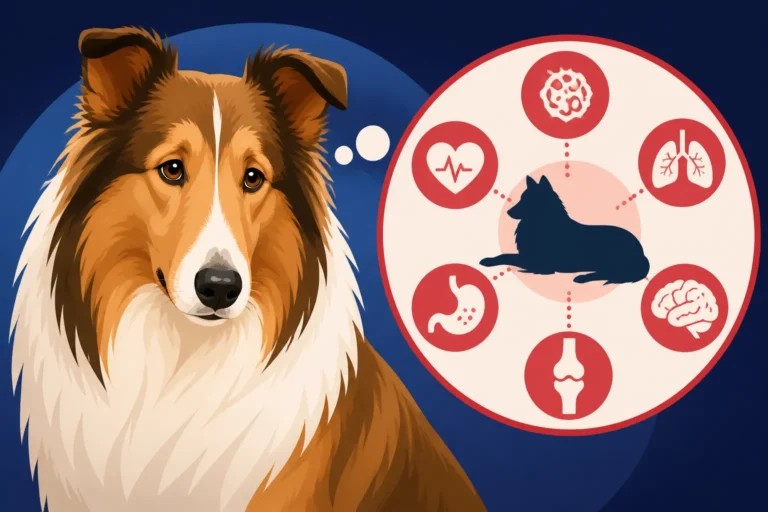
Common causes of death in Collies include aggressive cancers like lymphoma and hemangiosarcoma, alongside subtle warning signs to watch.
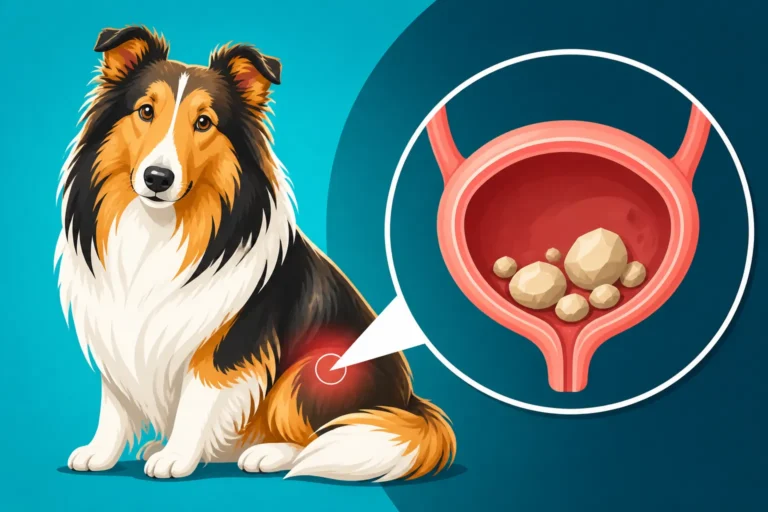
Bladder stones are solid mineral formations in a dog urinary bladder that crystallize when minerals become too concentrated.

Collie thyroid disease, primary and secondary types, and genetic autoimmune causes explained to help owners spot hypothyroidism signs.
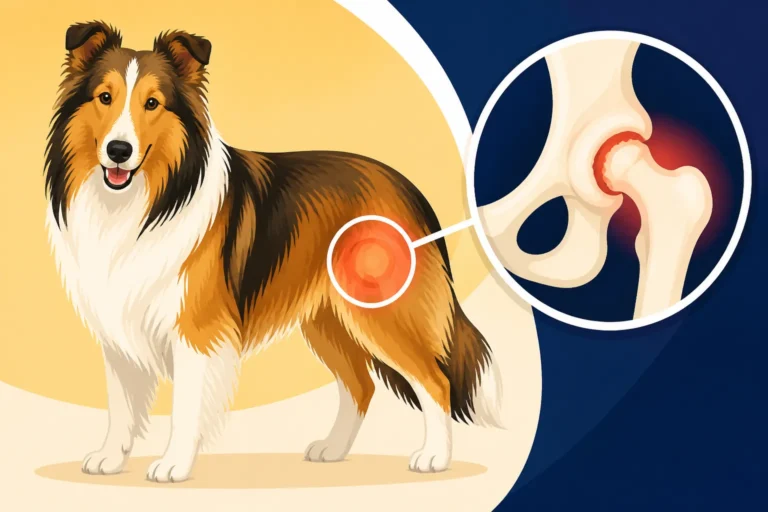
Hip dysplasia in Collies is a painful joint malformation caused by genetics and growth factors that leads to severe osteoarthritis.

Collie seizure control, diagnosis types, and veterinary treatment options help manage canine epilepsy and improve quality of life.

Idiopathic epilepsy in Collies typically starts between six months and five years of age, with seizures usually beginning during rest or sleep.

Preventive gastropexy for Collies involves surgery to stop gastric dilatation volvulus, explaining risks, symptoms, and surgical procedures.

Gastric Dilatation-Volvulus signs in Collies help owners identify rapid-onset bloat, preventing fatal stomach twisting and shock.
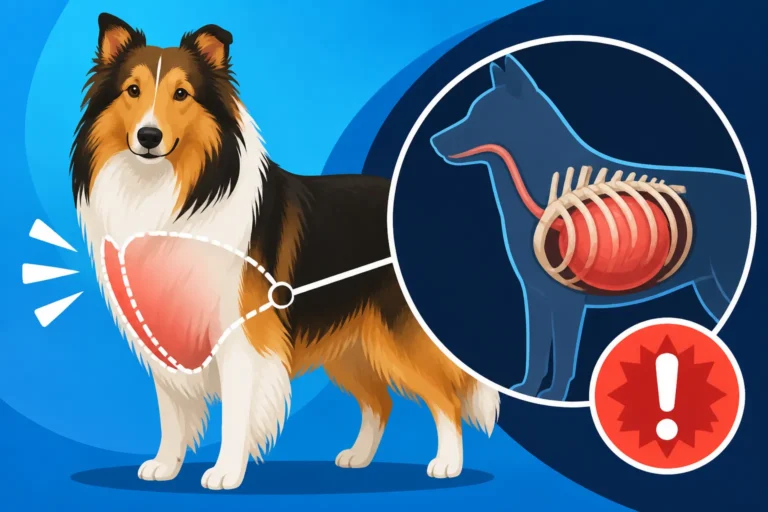
Collie chest shape creates a high risk for fatal gastric dilatation volvulus, a rapid medical emergency causing stomach twisting.