The Age a Collie’s Hips Should Be X Rayed
Collie hip X-rays for diagnosing genetic hip dysplasia and preventing osteoarthritis should ideally occur at twenty four months of age.
Know what to watch for.
Breed-specific conditions, screening and DNA tests, what surgery actually costs, and the daily habits that stretch a healthy lifespan.
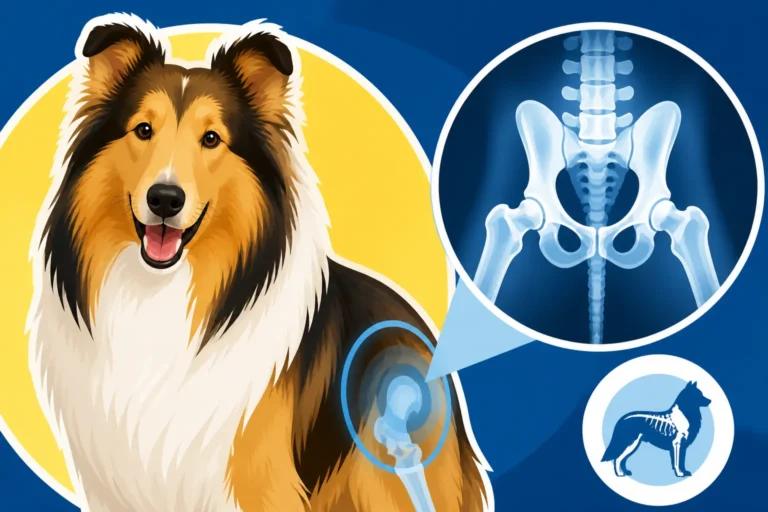
Collie hip X-rays for diagnosing genetic hip dysplasia and preventing osteoarthritis should ideally occur at twenty four months of age.
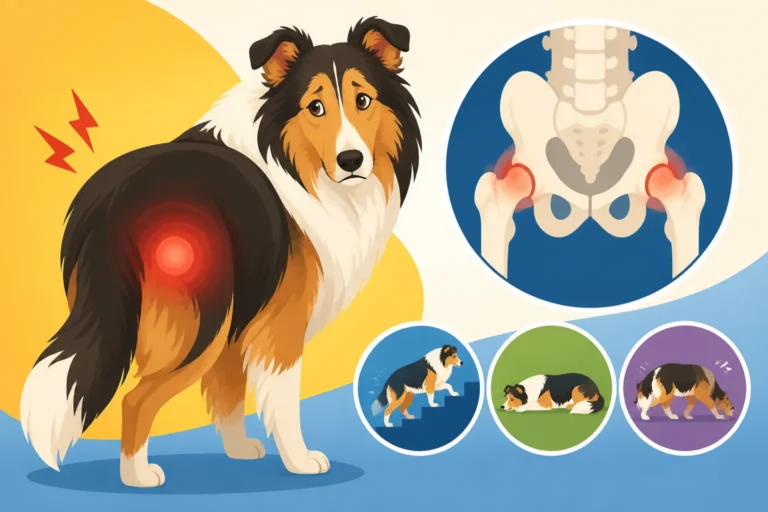
Canine hip dysplasia symptoms in Collies include joint instability, reduced mobility, pain, and abnormal movement patterns like bunny hopping.

Collie seizures include generalized and focal events with pre-ictal, ictal, and post-ictal phases to help owners recognize emergencies.

Breeding an epileptic Collie introduces severe genetic health risks, making ethical considerations and pedigree analysis vital for future generations.

MDR1 gene mutations in Collies affect drug responses, requiring careful seizure medication adjustments to prevent toxic neurological reactions.

Collie epilepsy treatment and the MDR1 gene mutation affect standard anti-seizure medication safety and veterinary choices.

Collie epilepsy patterns and triggers, including sleep, stress, and cluster seizures, explained to help owners track episodes.
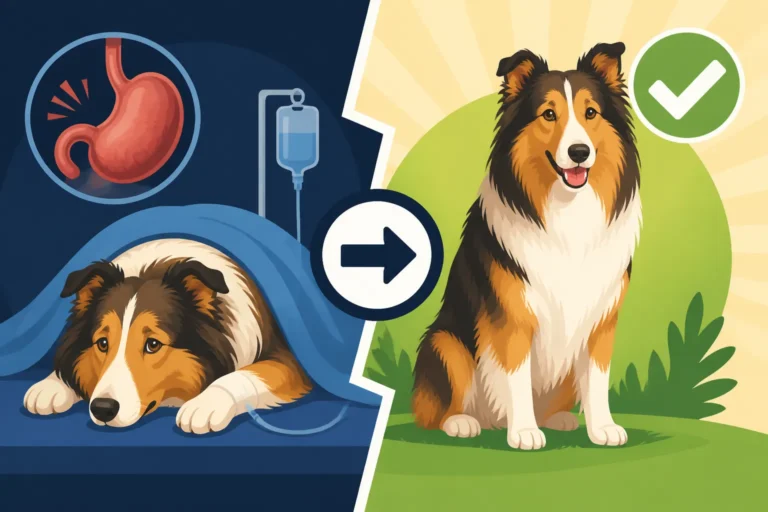
Collie bloat surgery survival rates depend on chest shape, fast eating, and recognizing emergency symptoms like retching.
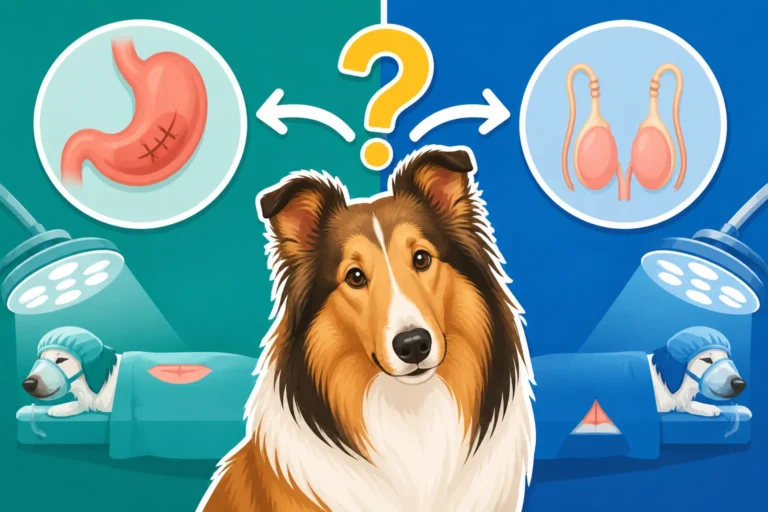
Combining a Collie neuter and preventative gastropexy under one anesthesia shares surgical risks, benefits, and MDR1 gene considerations.

Post-meal rest for Collies prevents gastric dilatation-volvulus, a fatal condition where the distended stomach twists rapidly.