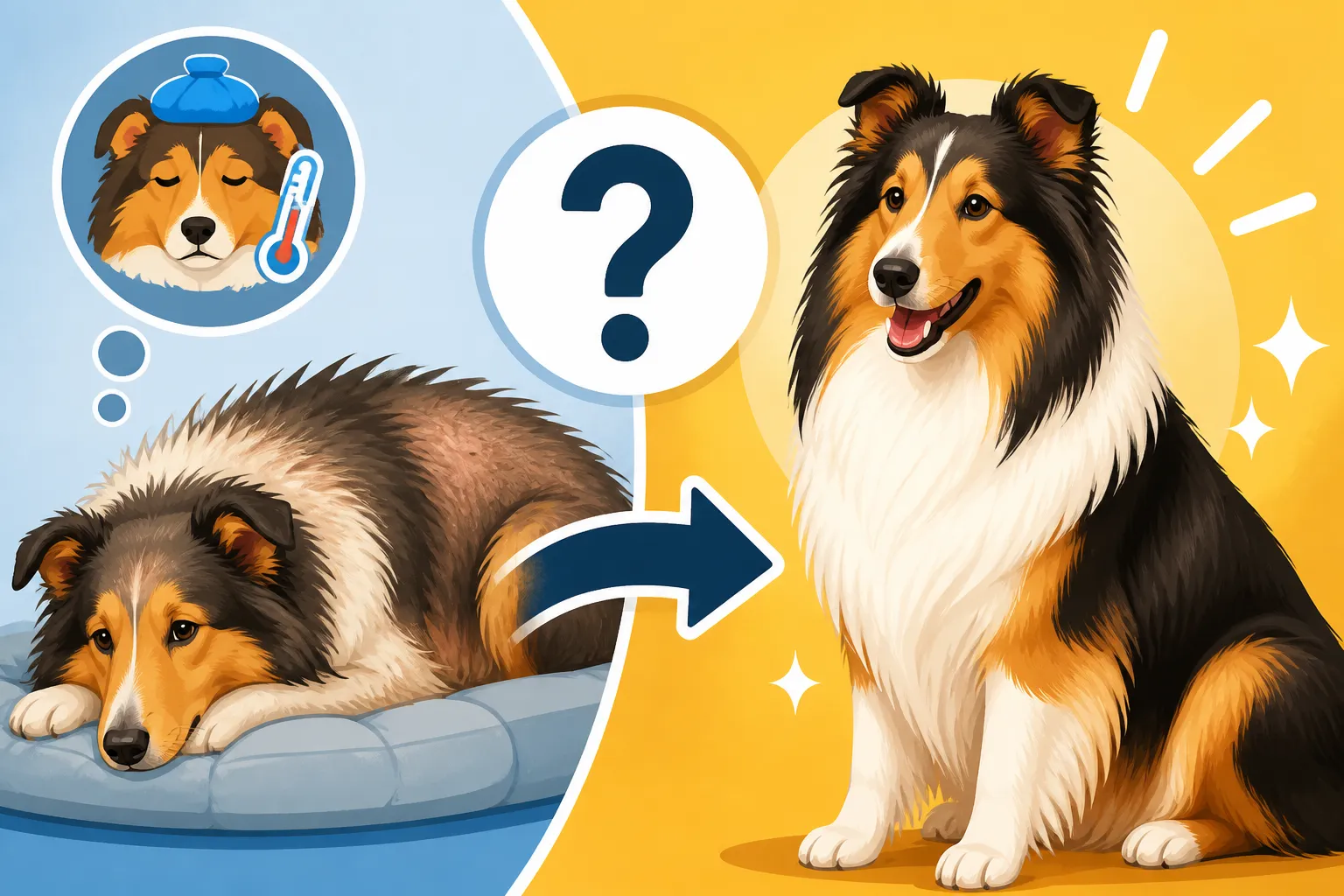
Whether a Collie’s Coat Thins After Illness
It’s truly unsettling to see your beautiful Collie, usually a fluffy picture of health, looking a bit… sparse after a tough illness. Many of us Collie owners worry if that post-sickness coat thinning is just a normal phase, or if it’s a sign of something deeper going on. This guide will delve into why your magnificent Collie's coat might thin after being unwell, what kinds of illnesses commonly impact their fur, and how you can best support their recovery to help get that glorious mane back.
Understanding Why a Collie's Coat Might Thin After Illness
When our beloved Collies get sick, their bodies go into overdrive, prioritizing healing and fighting off whatever ailment has struck them. This intense physiological response often comes at the cost of less essential functions, and unfortunately, growing that stunning double coat often falls into that category. Think of it like your own hair sometimes looking a bit lacklustre after a stressful period or a nasty flu – it's your body saying, "Hey, I had bigger fish to fry!"
Resource Allocation During Sickness
Every cell in your Collie's body requires energy and nutrients to function. When an illness takes hold, whether it's a nasty infection, a bout of severe gastrointestinal upset, or even recovery from surgery, the body's resources are strategically diverted. Instead of sending those precious proteins, vitamins, and minerals to the hair follicles for lush coat growth, they're routed to immune cells, healing tissues, and vital organ function. It's a survival mechanism, really. The body says, "Let's fix the immediate problem, and we'll worry about looking fabulous later." This diversion can significantly slow down hair growth, make existing hairs weaker, and even trigger a widespread shedding event as follicles enter a resting phase prematurely.
Stress Hormones and Hair Cycles
Illness is a massive stressor, both physically and often emotionally for our dogs. When a Collie is stressed, their body releases hormones like cortisol. While cortisol plays a crucial role in managing stress, chronic or acute elevation can have a detrimental effect on the hair growth cycle. It can push hair follicles prematurely into the telogen (resting) phase, leading to excessive shedding weeks or even months after the initial stressor has passed. This is known as telogen effluvium. You might not see the thinning immediately, which can be confusing. One day your Collie is recovering, and the next, you're finding clumps of fur everywhere, wondering if they’ve had a relapse. It's often just a delayed reaction to the earlier stress.
Medication Side Effects
It's also worth considering any medications your Collie might have been on. While vital for recovery, some drugs can have side effects that include changes in coat quality or shedding. For instance, certain steroids, chemotherapy agents, or even long-term antibiotics can influence hair follicle health. It’s a delicate balance, of course; the benefits of the medication usually far outweigh the temporary cosmetic impact on the coat. Always discuss potential side effects with your vet, especially if you notice significant changes. If your Collie is on specific drugs due to an underlying condition, you might also want to double-check their The Drug List That Can Kill a Collie compatibility, particularly if they have the MDR1 mutation, which can affect how certain medications are processed.
Common Illnesses That Can Affect a Collie's Coat
Many different health issues can manifest with a dull, sparse, or excessively shedding coat. It's not always a direct skin problem; often, it's a systemic issue showing up on the outside. Understanding these connections can help you communicate more effectively with your veterinarian and provide the best care for your furry friend.
Systemic Infections and Inflammatory Conditions
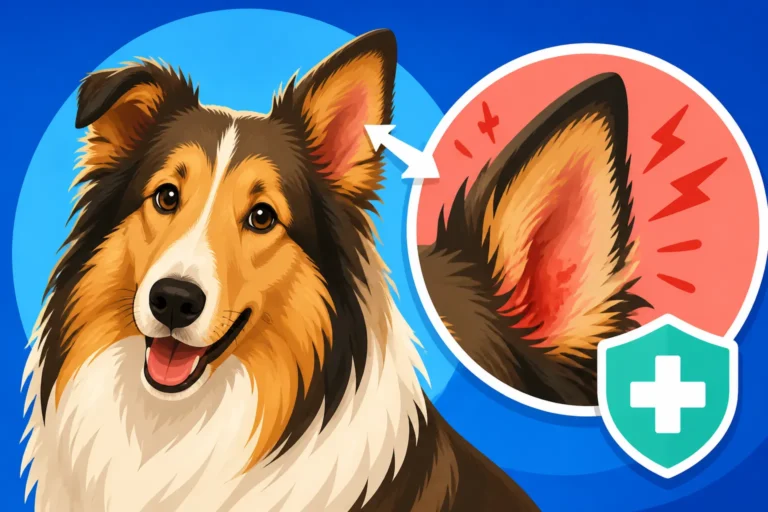
Any significant infection in your Collie’s body can cause coat changes. A severe bacterial infection, a persistent viral illness, or even an internal parasite infestation can demand so much from their system that their coat suffers. Imagine your Collie battling a persistent ear infection or a urinary tract infection – their body is focused on fighting that invader. Similarly, chronic inflammatory conditions, such as some forms of allergies or autoimmune diseases like Dermatomyositis and the Collie Risk Panel, can divert energy and nutrients, leading to poor coat quality, thinning, and even bald patches. The skin itself, being the body's largest organ, can also become a target, leading to direct hair loss or secondary infections that exacerbate thinning.
Endocrine Disorders
Endocrine (hormonal) disorders are a prime suspect when it comes to persistent coat problems in Collies, even after another illness seems to have resolved. Hypothyroidism, where the thyroid gland doesn't produce enough hormones, is a well-known culprit. Dogs with hypothyroidism often exhibit a dull, dry, brittle coat, excessive shedding, and symmetrical thinning, especially on their flanks and tail. Sometimes, the stress of another illness can even trigger or exacerbate an underlying thyroid issue. If you notice these symptoms, especially paired with lethargy or weight gain, it's worth asking your vet about testing for Whether a Collie Gets Thyroid Disease. Early diagnosis and treatment can make a huge difference, not just for their coat, but for their overall well-being.
Gastrointestinal Upset and Nutritional Deficiencies
A healthy coat is built from the inside out. If your Collie has experienced chronic vomiting or diarrhea due to a prolonged gastrointestinal illness, their ability to absorb essential nutrients is severely compromised. Even if they're eating, their body might not be getting enough protein, fatty acids, vitamins (like biotin), and minerals (like zinc) to maintain a healthy coat. These nutrients are critical for hair growth and skin integrity. Think of it like trying to build a house without enough bricks and mortar – the structure will be weak. Post-illness, ensuring they're on a highly digestible, nutrient-rich diet is crucial for coat recovery. Brands like Ollie, known for fresh, human-grade ingredients, might be a consideration for sensitive stomachs, or a high-quality kibble found on Chewy. Feeding a Collie Through Its Growth and Its Coat is a topic many owners explore.
Surgical Recovery and Anesthesia
Any surgical procedure, no matter how routine, is a stressor for a dog. Anesthesia itself can sometimes temporarily affect hair follicles. More commonly, though, the physical clipping of fur for the surgical site, combined with the stress of recovery and pain medication, can lead to a period of delayed hair regrowth or overall coat dullness. You might notice the fur around the incision grows back a different texture or color initially, and the rest of the coat might seem thinner simply because the body's focus is entirely on healing the wound. Patience is key here, as healthy regrowth takes time.
Supporting Your Collie's Coat Recovery Post-Illness
Seeing your Collie's coat look less than its best can be disheartening, but there's a lot you can do to support its recovery. It's a holistic approach that combines proper nutrition, thoughtful grooming, and continued veterinary oversight.
Optimizing Nutrition for Coat Health
After an illness, your Collie's body needs extra support to replenish nutrient stores and kickstart healthy hair growth. This is where a high-quality, balanced diet truly shines. Look for dog foods with excellent sources of animal protein, as protein is the primary building block for hair. Healthy fats, particularly omega-3 and omega-6 fatty acids, are also crucial for a shiny coat and healthy skin. You might consider adding a fish oil supplement to their diet; many vets recommend them for skin and coat health.
When choosing food, consider brands known for quality ingredients. Online retailers like Chewy offer a vast selection, and you can often find reviews and detailed ingredient lists to help you choose. If your Collie had severe GI upset, a prescription diet or a limited ingredient diet might be recommended by your vet initially. Once they are stable, you might even look into fresh food options like Ollie, which some owners find beneficial for sensitive stomachs and overall vitality. Remember, How Much an Adult Collie Eats will vary, but ensuring the quality of those calories is high is paramount.
Gentle Grooming and Skin Care
While it might be tempting to over-brush a thinning coat, gentle is the key. Excessive brushing can pull out already weak hairs or irritate sensitive skin. Instead, focus on regular, but gentle, line brushing to remove dead undercoat and stimulate circulation without causing damage. Make sure to use appropriate tools, such as a good quality pin brush and a metal comb that reaches the undercoat without scratching the skin. How to Line Brush a Collie can be a useful technique.
If your Collie's skin is dry or flaky after illness, a moisturizing shampoo specifically formulated for dogs can help, followed by a good conditioner. Avoid harsh chemicals or over-bathing, which can strip natural oils. Ensure they are thoroughly dried after baths to prevent skin issues. Whether a Collie Needs a High Velocity Dryer can be a great investment for quick and efficient drying, helping to prevent moisture-related skin problems under that dense coat. Also, gently check for any mats, especially behind the ears, in the "frill" around the neck, or on the "petticoats" (leg feathering), as these areas are prone to tangles and can hide skin irritation.
Veterinary Follow-Up and Supplements
The most important step is to maintain open communication with your veterinarian. They can help identify any lingering underlying health issues that might be contributing to coat thinning. Blood tests might be recommended to check for nutritional deficiencies, persistent infections, or hormonal imbalances, such as those related to thyroid function. Signs a Collie's Thyroid Is Low are important to watch for.
Your vet might also suggest specific supplements to aid coat regrowth. Beyond omega fatty acids, some Collies can benefit from biotin, zinc, or specific B vitamins, all of which play a role in healthy skin and hair. However, always consult your vet before adding any supplements to your Collie's regimen, as too much of a good thing can sometimes be harmful. They can also advise on specific skin conditions, like Whether a Collie Gets Skin Infections Under Its Coat, which may need targeted treatment.
Distinguishing Normal Shedding from Illness-Related Thinning
Collies are famous for their magnificent double coats, and with that comes a certain level of shedding. It's easy to worry when you see more fur than usual, especially after an illness, but it's important to understand the difference between a normal coat blow and actual thinning.
The Collie's Glorious, Shedding Coat
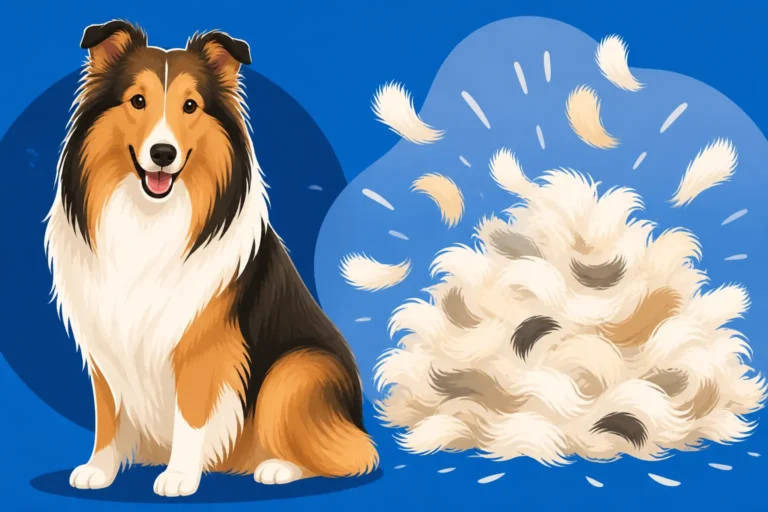
Rough Collies are renowned for their abundant double coats, which means they have a soft, dense undercoat and a longer, coarser outer coat. This design is fantastic for insulation and protection, but it also means they shed. A lot. Collies typically have two major "coat blows" each year, usually in spring and autumn, where they shed large amounts of undercoat to adapt to changing temperatures. During these times, you'll find tumbleweeds of fur throughout your home, and brushing will yield massive amounts of hair. Even outside of these seasonal blows, Collies shed year-round, just in smaller quantities. When a Collie Blows Its Coat describes this phenomenon well.
A normal shed usually results in an even distribution of hair loss across the body, though some areas like the neck ruff, britches, and tail may appear a bit thinner as the old coat comes out. The new hair growing in typically looks healthy and vibrant.
Characteristics of Illness-Induced Coat Thinning
In contrast, coat thinning related to illness often presents differently:
- Patchy or uneven loss: Instead of an even shed, you might notice bald or sparse patches, often symmetrically distributed, particularly on the flanks, chest, or behind the ears.
- Dull, dry, or brittle texture: The remaining hair might feel coarser, look dull, and break easily.
- Slow or no regrowth: Areas where hair has fallen out may take an unusually long time to regrow, or the new growth may be very fine and sparse.
- Skin changes: The skin underneath might appear dry, flaky, discolored, or show signs of irritation or infection.
- Accompanying symptoms: Illness-related thinning is often accompanied by other signs of ill health, such as lethargy, changes in appetite, weight loss or gain, or behavioral changes. Whether a Collie Hides Pain is a good read, as subtle signs can be missed.
If you observe these more concerning signs, it's definitely time for another chat with your vet. They can help differentiate between a simple post-illness "ugly stage" of the coat and a more serious underlying condition that needs addressing.
Here's a simple comparison to help you distinguish:
| Feature | Normal Shedding / Coat Blow | Illness-Related Coat Thinning |
|---|---|---|
| Timing | Seasonal (spring/fall), year-round light shedding | Often appears weeks to months after an illness, or persists |
| Hair Loss Pattern | Generally even over the body, heavy in certain areas | Patchy, symmetrical, or localized hair loss, slow regrowth |
| Hair Quality | Healthy, shiny, new hair growing in | Dull, dry, brittle, poor quality, may break easily |
| Skin Appearance | Healthy, clear skin underneath | Dry, flaky, discolored, irritated, or thickened skin |
| Overall Health | Dog is otherwise active, energetic, and eating normally | May be accompanied by other signs of lingering illness (lethargy, weight changes, low energy) |
| Regrowth | New coat grows in quickly and is of good quality | Regrowth is slow, sparse, or doesn't happen at all |
It’s completely understandable to be concerned when your Collie's coat isn't at its best, especially after they’ve been through a tough time. With patience, good nutrition, appropriate grooming, and your vet's guidance, most Collies will bounce back with their beautiful coats eventually. The recovery process can sometimes feel long, but it's a testament to their resilience and your dedicated care. Just remember, that glorious coat is a marathon, not a sprint, especially when recovery is involved.
Disclaimer
This article is for general informational purposes only and does not constitute professional advice. Laws, prices and regulations vary by location and change over time. Consult a qualified professional for guidance on your specific situation.