Whether a Collie’s Blown Coat Can Be Used for Yarn
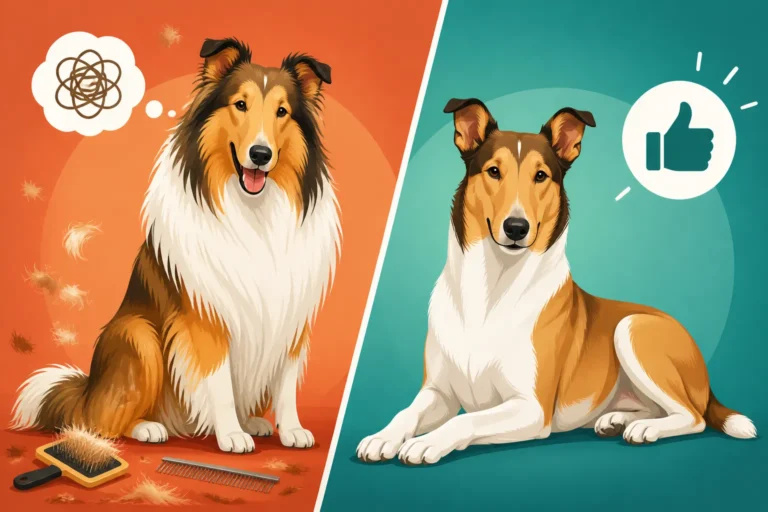
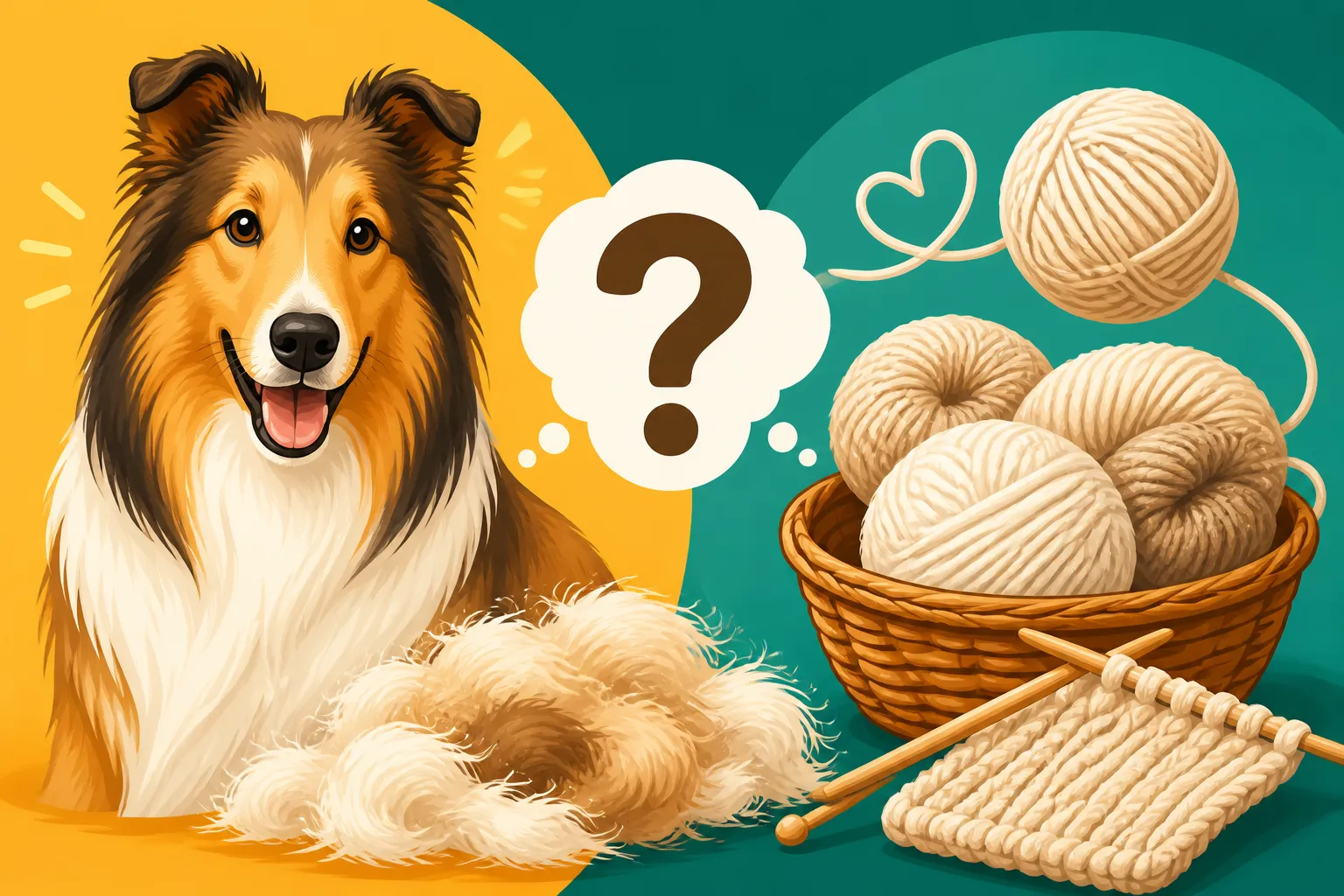
Oh, the infamous "Collie snowstorms" that take over our homes, right? If you've ever owned a beautiful Rough Collie, or even a sleek Smooth, you know the battle is real, especially when they "blow coat." You brush, you vacuum, you find fur in places you didn't even know existed, and at some point, a thought might just spark: "Could I do something with all this?" Well, you're in luck, because that luxurious fluff isn't just for shedding; it can absolutely be spun into yarn, transforming a seasonal nuisance into a treasured keepsake.
The Unavoidable Avalanche: Understanding Your Collie's Coat Blow
Every Collie owner eventually becomes intimately familiar with the sheer, overwhelming volume of fur that graces their home, clothing, and even morning coffee. It's a phenomenon that truly sets Collies apart from many other breeds, and it's particularly pronounced during what we affectionately (or perhaps resignedly) call a "coat blow."
The Sheer Volume You're Dealing With
Twice a year, sometimes more, your Collie will shed their entire undercoat. This isn't just a few stray hairs; it's a veritable explosion of soft, downy fluff that seems to multiply the moment you turn your back. Imagine going through a typical day during peak shedding season: you brush your Collie for a solid twenty minutes, filling an entire grocery bag with soft fur. You then let them outside for a potty break, and when they come back in, it looks like they’ve barely been touched, with new tufts clinging to their guard hairs, ready to liberate themselves onto your sofa. This cycle repeats for weeks, making you wonder if your dog is actually shrinking under all the discarded fluff. It's a lot, and it can feel like a losing battle against the tide of hair. You might even find yourself lamenting the fact that The Three Weeks Twice a Year When a Collie Buries Your House feels more like three months.
The frustration is palpable. You vacuum daily, sometimes twice. You lint-roll everything you own. You start wearing only clothes that match your Collie's fur color as a strategic move. But beneath that initial annoyance lies a secret weapon: this prodigious amount of undercoat is actually a highly desirable fiber for spinning. Unlike the coarser guard hairs, the soft, crimpy undercoat has a texture remarkably similar to angora or cashmere, making it prime material for turning into something beautiful and warm.
The Unique Texture of Collie Undercoat
What makes a Collie's blown coat so special for spinning is its distinct dual-layer nature. Collies possess a long, flowing outer coat of coarser guard hairs that provide protection from the elements, and underneath, a dense, soft, and insulating undercoat. When your Collie "blows coat," it's primarily this undercoat that detaches, ready to be brushed out.
This undercoat is surprisingly fine and has a natural crimp to it, which is exactly what spinners look for in a fiber. Crimp refers to the natural waviness or zigzagging of the fiber, which helps the individual strands interlock and hold together when twisted into yarn. Without sufficient crimp, fibers are much harder to spin and produce a weaker, less cohesive yarn. The Collie's undercoat provides this in spades, allowing for a warm, fluffy yarn with excellent insulation properties. How Much Undercoat a Collie Drops is truly astonishing, but it’s precisely that abundance of soft, crimpy fiber that makes it so valuable for this unique craft. It's not just hair; it's a natural resource that your beloved companion generously provides twice a year, practically begging to be repurposed.
Chiengora Explained: Turning Dog Fur Into Wearable Art
The idea of knitting with dog fur might sound a little, well, unusual at first. But for centuries, and increasingly in recent times, people have been recognizing the incredible qualities of certain dog furs for fiber arts. This ancient craft has a modern name: chiengora.
What Exactly is Chiengora?
Chiengora is simply yarn made from dog fur. The term itself is a blend of the French word "chien" (dog) and "angora," a nod to the luxurious softness and warmth often associated with angora rabbit wool. While it might seem like a quirky, modern trend, spinning dog hair into yarn is actually a practice with deep historical roots, particularly in indigenous cultures where dog fur was a readily available and highly effective fiber for warm clothing and blankets.
Today, chiengora has experienced a quiet resurgence among fiber artists and pet owners looking for a unique way to memorialize their beloved companions or simply to utilize a sustainable, natural fiber that would otherwise be discarded. It's a niche craft, certainly, but one that offers incredible rewards, both practical and sentimental. The yarn produced is often incredibly soft, lightweight, and surprisingly warm, making it a fantastic choice for cold-weather accessories. And let's be honest, what could be more unique than a scarf made from your very own Collie's "wool"?
Not All Dog Fur is Created Equal for Spinning
While technically any dog fur could be spun, the quality and suitability for spinning vary dramatically between breeds and even between individual dogs. Spinners typically look for fur that is at least 1.5 to 2 inches long for ease of handling. The texture is also paramount. Coarse, straight guard hairs, like those found on many short-haired breeds, are difficult to spin into a cohesive, comfortable yarn. They tend to be stiff, lack crimp, and can be quite itchy when worn against the skin.
This is where the Collie truly shines. Their soft, abundant undercoat is perfectly suited for spinning. Breeds like Samoyeds, Great Pyrenees, Newfoundlands, and Alaskan Malamutes also produce excellent spinning fiber due to their dense, fluffy undercoats. The crimp in a Collie's undercoat allows the fibers to "grip" each other, creating a strong, stable yarn that resists shedding from the finished product (unlike the shedding from the dog, which we know so well!). The length of the Collie's undercoat is usually sufficient, and its softness rivals that of many luxury fibers. It’s truly amazing how much usable fiber you can get, especially when you consider How Much Hair Comes Off a Collie in a Session during a full blow. So, while your Labrador's shedding might fill your vacuum cleaner, your Collie's shedding fills your yarn basket!
From Brush to Bobbin: Collecting and Preparing Your Collie's Fur
The journey from a pile of shed fur to a usable skein of yarn is a multi-step process, but it's one that starts right in your home with careful collection and preparation. Taking the time to do this correctly will yield the best results for your spinning project.
Smart Collection Methods for Maximum Yield
The key to getting good spinning fiber is to collect clean, dry undercoat that is as free as possible from debris, mats, and coarse guard hairs. This means regular, thorough brushing, especially during those infamous coat blows. Forget those quick surface brushes; we're talking about deep, line brushing sessions that truly get down to the skin and extract the loose undercoat.
Start with a good quality slicker brush to remove surface tangles, but quickly move to an undercoat rake or a wide-toothed comb to pull out the shed fluff. For a Rough Collie, especially, a sturdy metal comb with both wide and narrow teeth is essential for working through that dense coat. You want to gently pull out the soft, cotton-like undercoat while leaving the coarser topcoat intact. Many Collie owners swear by line brushing, where you part the coat and brush one small section at a time, working your way up the body. This technique ensures you're getting all the loose undercoat, not just what's on the surface. You can find a great selection of high-quality tools on sites like Chewy, ensuring you have the right equipment for the job. Remember, How to Line Brush a Collie effectively is a skill that comes with practice, but it's crucial for harvesting quality fiber. Which Comb Reaches a Collie's Undercoat is also vital knowledge, as the wrong tool can pull live hair or irritate the skin.
As you brush, place the collected undercoat into a breathable container, like a paper bag or an open box. Avoid plastic bags, as they can trap moisture and cause mildew or felting. Aim for fur that is relatively clean. If your Collie just rolled in mud, you might want to wait until they're clean and dry before collecting that particular batch!
The Washing, Drying, and Blending Process
Once you've amassed a significant quantity of fur – and trust me, you'll need a lot more than you think for even a small project – it's time for processing. The first step is often washing. While your Collie's fur might look clean, it carries natural oils, dirt, and microscopic debris. Washing removes these impurities, making the fiber softer and more pleasant to work with.
To wash dog fur without felting it (which is when the fibers permanently interlock into a dense mat), you need to be very gentle. Fill a basin with lukewarm water and a small amount of mild wool-specific detergent. Submerge the fur gently, without agitating it. Let it soak for 20-30 minutes, then drain the dirty water. Refill with clean, lukewarm water for rinsing, again, no agitation. You might need several rinses until the water runs clear. Gently squeeze out excess water, then spread the fur out to air dry on a screen or towel, turning it occasionally. A high-velocity dryer, often used for bathing a Collie, can also be helpful here, but use it on a cool setting and from a distance to fluff the fur without matting it. Whether a Collie Owner Needs a High Velocity Dryer for grooming is one thing, but it can certainly aid in quickly drying collected fiber too.
After drying, the fur might still have some guard hairs or small bits of debris. This is where hand-picking or "flicking" the fiber can help, gently separating the good undercoat from any unwanted elements. Many spinners also choose to blend dog fur with other fibers, such as sheep's wool (like merino), alpaca, or even silk. Blending adds strength, elasticity, and often a more luxurious drape to the final yarn, as pure chiengora can sometimes be a bit "slippery" or prone to stretching. Plus, it extends your precious Collie fiber!
Professional Spinners vs. DIY Endeavors
Deciding whether to spin your Collie's fur yourself or to send it to a professional depends on your interest, time, and budget. Hand spinning is a beautiful, meditative craft that can be incredibly rewarding. You can purchase a drop spindle or a spinning wheel and learn the basics through online tutorials, books, or local fiber guilds. Online retailers like Amazon offer a wide array of tools and instructional materials for beginners. Imagine the satisfaction of holding a skein of yarn that you spun yourself, knowing it came directly from your cherished canine companion!
However, learning to spin takes time and practice. If you're not inclined towards fiber arts, or if you want a guaranteed high-quality product, sending your Collie's fur to a professional chiengora spinner is an excellent option. These artisans specialize in preparing and spinning dog fur, understanding the nuances of different breeds and how to create the best possible yarn. They'll take your carefully collected (and often pre-washed) fur and return it as beautifully spun yarn, ready for your knitting or crocheting projects. While there's a cost involved, many find the investment worthwhile for the unique and sentimental result.
The Cozy Outcome: What to Create with Collie Yarn
So, you've gone through the effort of collecting, cleaning, and spinning your Collie's magnificent undercoat into yarn. Now what? The possibilities are surprisingly diverse, and the resulting items are truly unlike anything you can buy in a store.
The Unique Qualities of Collie Fiber Products
Collie yarn, or chiengora, possesses several remarkable qualities that make it stand out. Firstly, it's incredibly warm. Dog fur, particularly the dense undercoat of breeds like Collies, is designed by nature to provide exceptional insulation against cold weather. A scarf or hat made from chiengora can feel significantly warmer than one made from sheep's wool of similar weight.
Secondly, the softness is often unparalleled. Properly processed Collie undercoat can feel as soft, if not softer, than high-quality merino wool or cashmere. This makes it wonderfully comfortable to wear directly against the skin, which is ideal for items like scarves, cowls, and mittens. The natural crimp that made it easy to spin also contributes to this lofty, soft feel.
Perhaps the most common question people ask is, "Does it smell like dog?" The resounding answer from experienced chiengora users is typically "no." If the fur is thoroughly washed and dried before spinning, and again after the yarn is spun, any "doggy" odor is usually completely eliminated. The final product will smell like clean wool, or whatever mild scent your chosen soap leaves behind. This helps alleviate any concerns about wearing a perpetually "wet dog" scented item. The sentimental value, however, is undeniable. Wearing a piece of your beloved Collie's coat is a constant, tangible reminder of their presence and warmth. It's truly a way to keep a piece of them with you, long after their coat-blowing season has passed, and even for years to come. It’s certainly more productive than simply dealing with What a Collie's Undercoat Does to a Carpet!
Ideas for Your Finished Chiengora Projects
Because chiengora is a precious and often finite resource (unless you have a whole kennel of Collies!), it's typically used for smaller, cherished items rather than large, elaborate garments. Think of it as a luxury fiber, akin to cashmere.
Here are some popular and incredibly rewarding projects for your Collie yarn:
- Scarves and Cowls: These are perhaps the most popular items. A soft, warm scarf made from your Collie's fur is practical, personal, and a wonderful conversation starter.
- Hats and Headbands: Keeping your head warm with a hat made from your furry friend is both cozy and a beautiful tribute.
- Mittens or Gloves: Imagine the warmth on your hands during a chilly winter walk!
- Small Blankets or Throws: While a full-sized blanket might require an almost impossible amount of fur, a small lap blanket or a throw for your Collie's favorite napping spot is absolutely doable and incredibly special.
- Trim or Accents: You don't have to make an entire item from chiengora. It can be spun into a thinner yarn and used as trim on a wool sweater, or incorporated into a colorwork project to add a touch of unique texture and meaning.
- Pet Remembrance Items: For those who have lost a beloved Collie, a small knitted heart, a pillow covering, or a framed swatch of yarn can be a profound way to keep their memory close.
While it takes How Long Brushing a Collie in Full Coat Takes to gather enough fiber, the end result is often a cherished heirloom. It's important to manage expectations regarding large items. Unless you have collected several pounds of fur over years, you'll likely be creating smaller accessories. Regardless of size, the personal connection to an item made from your own Collie's fur makes it priceless. It’s a tangible piece of your bond, transformed into something beautiful and functional.
Here’s a quick comparison of Collie undercoat properties for spinning against other common fibers:
| Feature | Collie Undercoat (Chiengora) | Sheep's Wool (Merino) | Alpaca | Angora Rabbit |
|---|---|---|---|---|
| Warmth | Excellent (superior insulation) | Very Good | Excellent (hollow fibers) | Exceptional (lightweight and very warm) |
| Softness | Very soft, often cashmere-like | Ranges from fine (Merino) to coarse | Extremely soft, silky | Extremely soft, fluffy |
| Crimp | Good, helps with spinning | Excellent, varies by breed | Moderate to low | Moderate |
| Fiber Length | 1.5 – 3 inches (undercoat) | 2 – 5 inches (varies by breed) | 3 – 6 inches | 2 – 5 inches |
| Elasticity | Moderate | Good (retains shape) | Low (can sag) | Low |
| Shedding | Low in finished yarn (if spun well) | Very low | Low | Can shed (requires careful spinning) |
| Odor (finished) | None, if properly washed | Typical "wool" smell (minimal) | Minimal | Minimal |
| Availability | Personal collection, niche professionals | Widely available | Niche market, specific breeders | Niche market, specific breeders |
So, the next time your Collie blesses your home with another blizzard of fur, don't just sigh and reach for the vacuum (though you'll still need it, of course!). Consider collecting that soft, fluffy undercoat. It's more than just shed hair; it's a unique, natural fiber with the potential to become a deeply personal, wonderfully warm, and truly unforgettable piece of art, keeping a part of your beloved companion close to you always.
Disclaimer
This article is for general informational purposes only and does not constitute professional advice. Laws, prices and regulations vary by location and change over time. Consult a qualified professional for guidance on your specific situation.