Whether a High Velocity Dryer Is Worth It for a Collie
Anyone who has ever given their gorgeous Collie a bath knows the struggle. You spend what feels like an hour scrubbing, rinsing, and then you’re left with a giant, fluffy sponge that simply refuses to dry. Towels become utterly useless after the first minute, and even air-drying takes an eternity, often leaving your beloved companion damp for hours, or even days, in those deeper layers of their glorious coat. This situation isn't just inconvenient; it can actually be detrimental to your Collie's skin health and coat quality. So, the question naturally arises: is investing in a high-velocity dryer really worth it for a Collie owner? This guide will dive deep into the world of forced-air dryers and help you decide if it's the right tool for your beautiful, double-coated friend.
Understanding the Collie's Magnificent Coat and the Drying Challenge
The Collie's coat is undeniably one of its most striking features, whether you have the flowing mane of a Rough Collie or the sleek, dense fur of a Smooth Collie. But this beauty comes with its own unique set of care requirements, especially when it comes to bathing and drying. Understanding the structure of their coat helps explain why a regular towel and air-dry just won't cut it.
The Double Coat: Nature's Insulator
Collies are equipped with a magnificent double coat, a testament to their heritage as working dogs in the cooler climes of Scotland. This isn't just one layer of hair; it's two distinct layers, each with its own purpose. The outer coat, often called the guard coat, consists of longer, coarser hairs that are somewhat water-repellent and protect against elements like rain, snow, and brush. Below that lies the undercoat, which is incredibly dense, soft, and woolly. This undercoat acts as a natural insulator, keeping them warm in winter and helping regulate their temperature in summer by trapping a layer of air.
When a Collie gets wet, this dense undercoat soaks up and holds onto water like a super-absorbent sponge. Imagine trying to dry a thick wool blanket by simply hanging it up; it would take ages, wouldn't it? That's precisely what happens with a Collie's undercoat. Water gets trapped deep within this layer, often even when the outer coat feels dry to the touch. This hidden dampness is where problems can begin, turning a simple bath into a potential health hazard if not addressed properly.
Risks of Improper Drying
Leaving a Collie damp for too long, especially in its dense undercoat, can lead to a host of issues that no owner wants to deal with. First and foremost, it creates a perfect breeding ground for bacteria and yeast. This can manifest as skin irritations, hot spots, or fungal infections, which are not only uncomfortable and itchy for your dog but can also be painful and require veterinary intervention. Imagine having perpetually damp skin under a thick layer of hair – it’s a recipe for trouble.
Beyond skin issues, improper drying severely exacerbates matting. Water causes the soft undercoat hairs to clump together and felt, especially in areas like behind the ears, under the legs, and around the ruff and "petticoat." Once these mats form, they can be incredibly difficult to remove and often require professional grooming or even shaving, which can be upsetting for both owner and dog. Mats pull on the skin, causing pain and restricting movement, and can hide further skin problems underneath. This is why learning How to Work Out a Mat Behind a Collie's Ear is so crucial, but prevention is always better than cure. Furthermore, a perpetually damp coat can lead to that distinct "wet dog" smell lingering much longer than anyone would prefer, permeating your home and furniture.
What a High-Velocity Dryer Actually Does for a Collie
So, if traditional methods fall short, what’s the alternative? Enter the high-velocity dryer, often referred to as a "force dryer" or "blaster." This isn't your average human hairdryer, and understanding its mechanics is key to appreciating its value for a breed like the Collie.
Not a Human Hair Dryer: The Crucial Difference
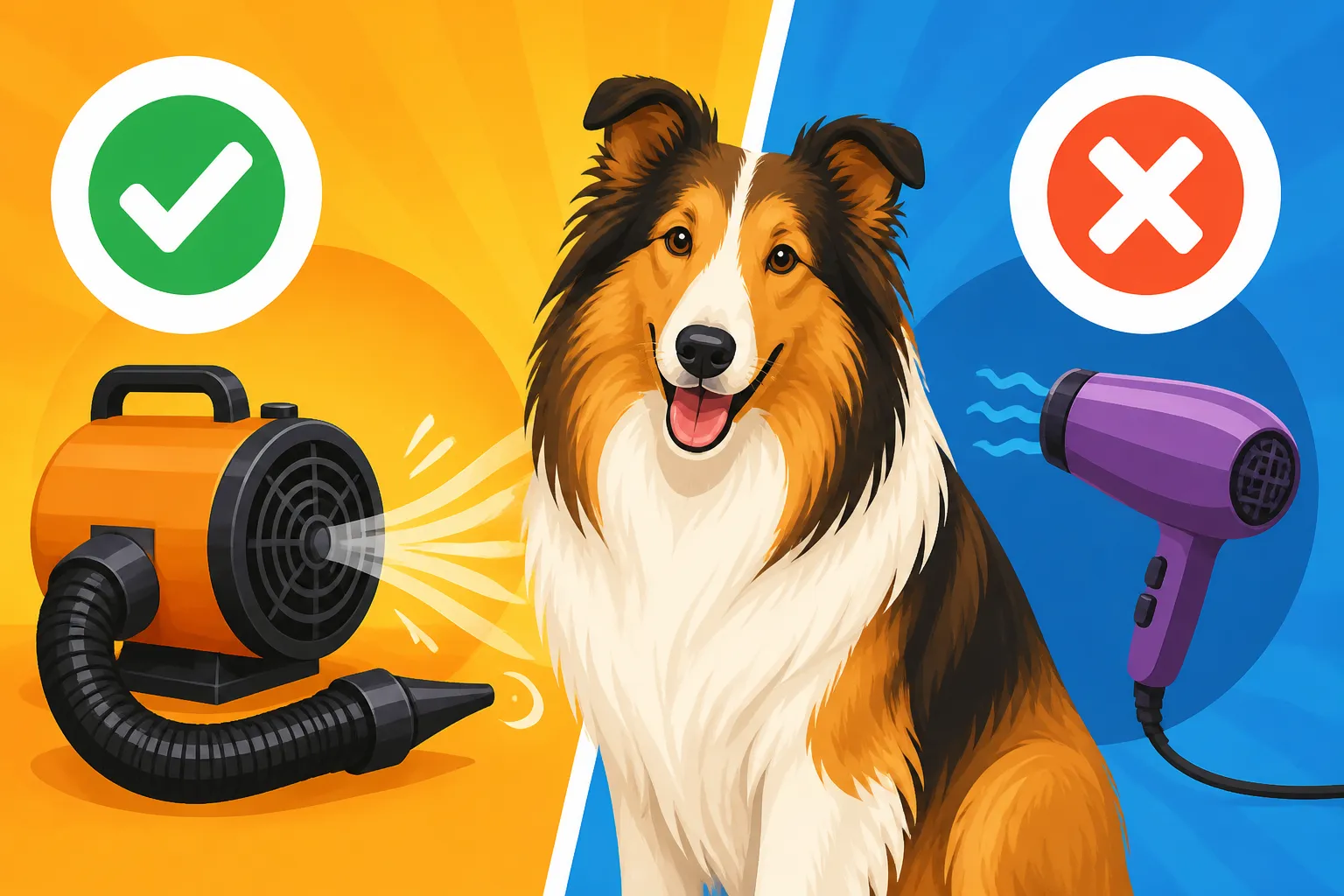
Let's get one thing straight: a high-velocity dryer is NOT the same as the hairdryer you use on your own hair. Human hairdryers are designed to heat the air, which then dries by evaporation. While they have some airflow, their primary drying mechanism is heat. For a Collie, or any double-coated breed, this is problematic for several reasons. Firstly, the heat can be uncomfortable and even dangerous, potentially burning their skin or causing heat stress, especially with their dense insulation. Secondly, the airflow isn't strong enough to penetrate their thick undercoat effectively; it mostly just dries the surface, leaving the deeper layers stubbornly wet.
A high-velocity dryer, on the other hand, is designed to produce a powerful, concentrated stream of unheated or very low-heated air. Its primary function is to literally "force" the water off and out of the coat. Think of it like a powerful leaf blower for your dog's fur. This intense airflow not only dries the coat by physically removing water droplets but also helps to separate the individual hairs, fluffing the coat and preventing tangles. It's a game-changer for thick-coated breeds.
Efficiency and Speed: Reclaiming Your Time
The most immediate and obvious benefit of a high-velocity dryer is the sheer speed at which it can dry a Collie. What might take hours of towel patting, air drying, and hoping for the best can be accomplished in a fraction of the time, often within 30-60 minutes for a thoroughly wet, full-coated Rough Collie. This isn't just about convenience; it means less stress for both you and your dog, and significantly reduces the window of time for potential skin issues to develop from prolonged dampness.
For those busy weeks when you need to give your Collie a quick bath after a muddy walk, or leading up to a show, the ability to dry them thoroughly and quickly is invaluable. You won't have to dedicate an entire afternoon to drying, wondering if they'll still be damp when you head to bed. This efficiency alone often justifies the investment for many Collie owners who value their time and their dog's comfort.
Beyond Drying: Deshedding Powerhouse
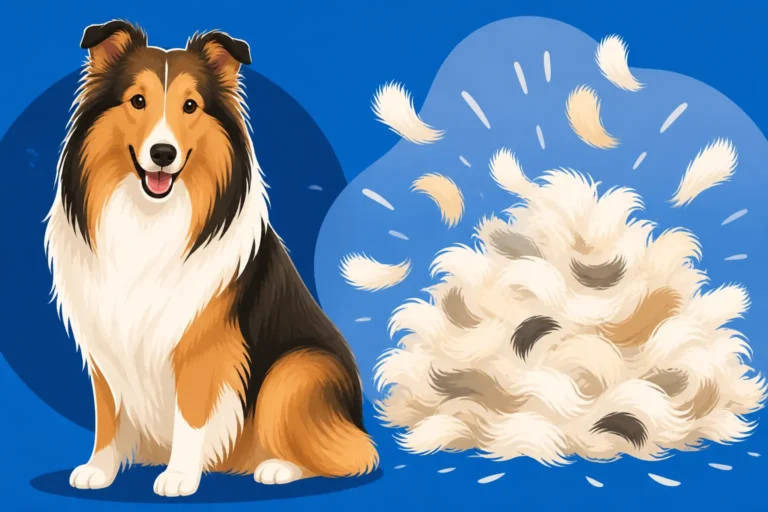
Here’s where a high-velocity dryer truly shines for Collie owners, offering a significant advantage far beyond just drying. Its powerful airflow acts as an incredibly effective deshedding tool. The Three Weeks Twice a Year When a Collie Buries Your House are notorious for the amount of undercoat they shed, and managing this can feel like a full-time job. Instead of simply blowing water out, the force dryer actually blasts out loose, dead undercoat hairs that would otherwise shed all over your home.
When used on a dry or slightly damp coat, a high-velocity dryer can remove an astonishing amount of undercoat, especially during those seasonal "coat blows." This significantly reduces shedding inside your house, keeping your floors, furniture, and clothes much cleaner. It's a proactive way to manage their coat, making regular brushing with tools like a V-rake much more effective. Many professional groomers rely on this technique for deshedding, and it's something you can harness at home.
Healthier Coat and Skin Benefits
By drying the coat completely and quickly, and by thoroughly deshedding, a high-velocity dryer directly contributes to a healthier coat and skin for your Collie. Eliminating dampness prevents bacterial and fungal growth, reducing the risk of painful skin infections and hot spots. The powerful airflow also helps to separate the hairs, ensuring that each strand gets air, which promotes a healthier, more vibrant coat.
Regular deshedding with the dryer helps prevent matting, which in turn prevents skin irritation from tugging and allows the skin to breathe. A well-maintained coat, free from mats and excess dead undercoat, functions better as an insulator and protector. This means your Collie will be more comfortable, less itchy, and their coat will look and feel much better overall. It's an investment in their long-term well-being and appearance, making your brushing routine more manageable and more effective. You'll find yourself needing to know less about How to Work Out a Mat Behind a Collie's Ear because you're preventing them.
Weighing the Investment: Downsides and Practicalities
While the benefits are clear, owning a high-velocity dryer isn't without its considerations. It's important to go into this decision with open eyes, understanding both the advantages and the practical aspects that might require a little adjustment.
The Initial Cost and Ongoing Considerations
Let's talk about the elephant in the room: the price tag. A decent quality high-velocity dryer is an investment, definitely more than a regular human hairdryer. While I can't give you exact figures, expect it to be a more substantial purchase. However, it's worth considering this cost against potential alternatives. Regular trips to a professional groomer for baths and deshedding can quickly add up over the year. Many groomers charge a premium for large, long-coated breeds like Collies, and rightly so, given the time and effort involved. For an informative comparison, consider What a Professional Groom Costs on a Rough Collie. If you plan to bathe your Collie at home regularly, the dryer might pay for itself over time by reducing professional grooming expenses.
Beyond the initial purchase, there are minimal ongoing costs. You might need to replace air filters periodically, and eventually, the motor might wear out, but these are long-term considerations. The energy consumption is also something to keep in mind, as these are powerful machines, but the reduced drying time balances this out compared to running a less efficient dryer for longer. You might find a good selection of dryers from retailers like Amazon or Chewy, allowing for price comparison and reviews.
Noise Level and Acclimation for Your Collie
This is perhaps the biggest hurdle for many owners: the noise. High-velocity dryers are powerful, and with power comes sound. While some models are designed to be quieter than others, none are truly silent. The noise level is comparable to a loud vacuum cleaner or a shop vac. For a sensitive breed like the Collie, this can be quite startling and even frightening at first. A Collie Reads a Room Better Than It Reads a Command, and sudden loud noises can easily make them anxious.
Desensitization is absolutely key here. You can't just unleash this powerful machine on your dog without preparation. It requires patience and a gradual introduction. Start by simply turning it on in another room while your Collie is distracted with a treat or a favorite toy. Gradually move it closer, always associating the sound with positive experiences. Short, positive sessions are far more effective than forcing your dog through a stressful full-dry session. You might consider using cotton balls in their ears, or dog-specific ear muffs, to help muffle the sound, particularly during the initial stages of training.
Learning Curve for Owner and Dog
Operating a high-velocity dryer effectively also has a bit of a learning curve. For the owner, it's about learning the right technique: holding the nozzle correctly to lift the coat and blast water out, moving steadily, and being aware of sensitive areas. You'll need to learn how to manipulate the coat to ensure all layers are drying, avoiding just pushing the water around. It's a skill that improves with practice.
For your Collie, beyond the noise acclimation, it's about learning to stand patiently during the process. Some dogs are naturally more tolerant, while others might need more encouragement and breaks. It helps if you've already established a positive grooming routine that includes brushing and handling, as this makes them more comfortable with being touched and manipulated. Remember, harsh handling breaks a Collie and it does not come back. Gentle encouragement and positive reinforcement are paramount.
Maximizing the Benefits: Tips for Using Your High-Velocity Dryer
Once you've decided to invest in a high-velocity dryer, setting yourself up for success is crucial. This involves choosing the right equipment and implementing effective techniques to make the experience positive for both you and your Collie.
Choosing the Right Dryer for Your Collie
Not all high-velocity dryers are created equal. When selecting one for your Collie, there are a few features you'll want to prioritize:
- Power and Motor: Look for a dryer with sufficient power to penetrate a Collie's thick coat. Dual-motor models typically offer more power and airflow, which can be a significant advantage for a Rough Collie, drastically reducing drying time. Single-motor dryers can also be effective, but ensure it has a strong CFM (cubic feet per minute) rating.
- Heat Settings: This is critical. You want a dryer with adjustable heat, or ideally, one that offers no heat or very low heat. As mentioned, too much heat can be damaging and dangerous for a Collie's skin and coat. The primary function should be airflow, not heat.
- Nozzles and Attachments: Your dryer should come with a variety of nozzles. A flat, wide nozzle is great for general drying, while a cone or round nozzle provides more concentrated airflow for specific areas or for blasting out undercoat during deshedding. Having options allows you to tailor the drying experience.
- Hose Length and Flexibility: A long, flexible hose provides more maneuverability, allowing you to reach all parts of your Collie without having to constantly reposition the dryer itself. This is particularly helpful when working around their longer ruff, mane, and Mane, Frill and Petticoat: the Parts of a Collie That Mat.
- Durability and Build Quality: This is an investment, so you want it to last. Read reviews and look for brands known for their sturdy construction. Often, a slightly higher price point correlates with better motors, better casing, and overall longevity.
You'll find many suitable options available from online retailers like Chewy and Amazon, offering a range of price points and features. Look for models specifically marketed for large, double-coated breeds.
Introducing Your Collie to the Dryer: A Gradual Process
Successful introduction hinges on patience and positive association. Start long before bath time.
- Start with the Sound: Let your Collie hear the dryer from a distance, perhaps in another room, while they're enjoying a high-value treat or a favorite game. Keep sessions short, just a minute or two. The goal is for them to associate the sound with something good, not scary.
- Gradual Proximity: Over several days or weeks, slowly bring the dryer closer. Keep it off at first, letting them sniff it. Then, turn it on further away, still offering treats. Eventually, you'll be able to have it running in the same room.
- Low and Slow Airflow: When it's time for the first actual drying session, ensure your Collie is calm and comfortable. Start with the lowest possible airflow setting. Direct the air at a less sensitive part of their body, like their rear or side, avoiding their face and ears initially.
- Positive Reinforcement: Shower them with praise and treats throughout the process. Make it a positive experience. If they show signs of stress (tail tucked, trying to escape, excessive panting), stop, take a break, and try again later or in a shorter session.
- Brushing While Drying: As you dry, use a sturdy pin brush or a slicker brush to help separate the coat and facilitate drying. This also helps with deshedding. This technique, sometimes called "line drying," ensures the air penetrates all the way to the skin. Remember, Four Tools and Twenty Minutes: Brushing a Rough Collie is a foundation for good coat care.
Mastering the Drying Technique
Proper technique ensures efficiency and avoids discomfort for your dog.
- Work in Sections: Don't try to dry your entire Collie at once. Start from the hindquarters and work your way forward, drying one section completely before moving to the next.
- Lift the Coat: Hold the nozzle close to the coat, pointing it in the direction the hair grows, and use your free hand with a brush to lift the coat as you dry. This helps the air get under the topcoat and into the dense undercoat. You'll see the loose undercoat literally blowing off the dog.
- Pay Attention to Sensitive Areas: Be extra gentle around the ears, face, and belly. Many Collies dislike direct air on their faces. You can use your hand to shield their eyes and ears or switch to a lower setting for these areas. Earplugs for dogs can be a great help.
- Check for Dampness: Periodically run your fingers deep into the undercoat to ensure it's completely dry. A good way to check is to feel the base of the hair right against the skin. If it feels cool, it's likely still damp.
- Deshedding on a Dry Coat: Don't limit your dryer's use to just after baths. A quick blast with the dryer on a dry coat once a week can do wonders for managing shedding, especially during When a Collie Blows Its Coat. The air will blast out loose hairs without having to wet them first.
Using a high-velocity dryer properly will not only save you time but will also ensure your Collie's coat is healthy, shiny, and free of mats. This tool becomes an indispensable part of comprehensive coat care, alongside knowing Which Four Brushes a Collie Owner Needs and How Often a Rough Collie Should Be Brushed.
The Verdict: Is a High-Velocity Dryer Worth It for a Collie?
After exploring the unique challenges of the Collie's double coat, understanding how a high-velocity dryer works, and weighing the practicalities, the answer for most Collie owners is a resounding yes. For a breed with such a magnificent, yet demanding, coat, this piece of equipment moves beyond a luxury and firmly into the realm of a highly valuable and often essential tool.
A Game-Changer for Coat Health and Maintenance
The primary reasons a high-velocity dryer is worth it revolve around health and coat maintenance. Improper drying is a leading cause of uncomfortable and costly skin issues in double-coated breeds. By ensuring your Collie is thoroughly and quickly dried right down to the skin, you drastically reduce the risk of hot spots, fungal infections, and matting. This means a happier, healthier dog that is less prone to veterinary visits for preventable skin conditions.
Beyond just drying, the deshedding power of these machines is an immense benefit. Anyone who has lived with a Collie knows the sheer volume of undercoat they can drop, especially during their seasonal "blows." A high-velocity dryer effectively removes much of this dead hair before it ends up all over your home, making your life cleaner and your regular brushing routine significantly more effective. Think of the time saved on vacuuming and lint-rolling, not to mention the relief of not having Collie glitter on everything you own! It truly helps manage How Much Undercoat a Collie Drops and reduces the constant battle with shed hair.
Long-Term Value and Your Sanity
While the initial cost and the learning curve can seem daunting, consider the long-term value. Compared to frequent professional grooming appointments for bathing and deshedding, a good quality high-velocity dryer will likely pay for itself over time. More importantly, it empowers you to maintain your Collie's coat to a high standard from the comfort of your own home, fostering a stronger bond through regular, positive grooming sessions.
The investment in a high-velocity dryer is ultimately an investment in your Collie's comfort, health, and the overall harmony of your household. It transforms what can be a frustrating, time-consuming, and potentially problematic chore into a manageable and even beneficial aspect of your dog's care. If you're tired of damp dogs, endless shedding, and the worry of hidden mats, then a high-velocity dryer is absolutely worth it for your cherished Collie. It ensures their beautiful coat remains a source of pride, not a source of stress.
Disclaimer
This article is for general informational purposes only and does not constitute professional advice. Laws, prices and regulations vary by location and change over time. Consult a qualified professional for guidance on your specific situation.