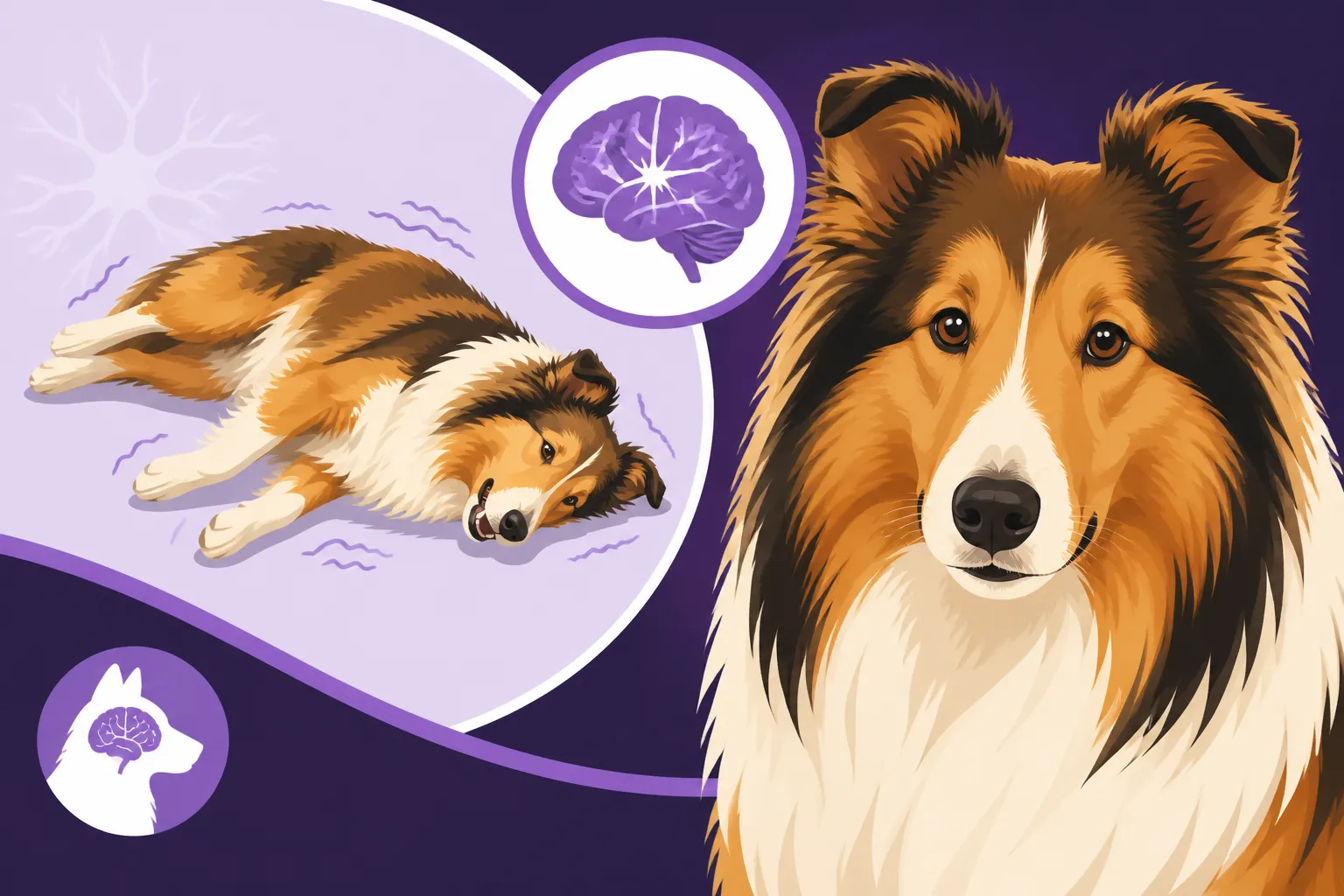
Epilepsy in the Collie
Few things are more terrifying for a Collie owner than witnessing their beloved companion suddenly collapse, lose control, and convulse. That feeling of helplessness, the sheer panic of seeing your typically graceful and intelligent dog utterly overwhelmed by something you can’t stop, is truly heartbreaking. This guide is here to walk you through understanding epilepsy in Collies, from recognizing the subtle signs to managing the condition and finding peace in the journey.
Understanding Canine Epilepsy in Collies
When we talk about epilepsy in dogs, it's not a simple one-and-done diagnosis; it's a complex neurological disorder that manifests as recurrent seizures. For Collie owners, this topic carries a particular weight due to the breed's known genetic predispositions. It's a journey filled with uncertainty, but also one where knowledge and proactive management can make a world of difference for your dog's quality of life.
What is Epilepsy?
At its core, epilepsy is a chronic disorder of the brain characterized by unpredictable, recurrent seizures. Think of a seizure as an electrical storm in the brain. Normally, brain cells communicate through orderly electrical impulses. During a seizure, there's a sudden, uncontrolled burst of electrical activity that disrupts normal brain function, leading to a temporary alteration in movement, behavior, sensation, or consciousness. These episodes can range from barely noticeable twitching to full-body convulsions that are incredibly alarming to witness.
It’s important to understand that a single seizure does not automatically mean your Collie has epilepsy. Many things can cause a dog to seize once, such as exposure to toxins, extreme heat, or even a sudden drop in blood sugar. Epilepsy is diagnosed when these seizures happen repeatedly over time without an apparent underlying cause, or when a cause is identified but cannot be fully resolved, leading to continued seizure activity. The hallmark of epilepsy is its recurrent and often unpredictable nature, leaving owners constantly on edge, wondering when the next "storm" might hit.
Primary vs. Secondary Epilepsy
When a veterinarian begins to investigate seizures in a Collie, one of the first critical distinctions they'll make is between primary (or idiopathic) epilepsy and secondary (or structural) epilepsy. This differentiation is absolutely vital because it dictates the entire diagnostic and treatment pathway.
Primary (Idiopathic) Epilepsy: This is the most common form of epilepsy in dogs, and unfortunately, it's often the type we see in genetically predisposed breeds like Collies. "Idiopathic" simply means the cause is unknown, but in a breed context, it strongly implies a genetic basis. With primary epilepsy, there's no identifiable structural brain lesion, infection, or metabolic problem causing the seizures. The brain itself looks healthy on imaging scans, and blood work is typically normal. The seizures arise from an inherent dysfunction in the brain's electrical activity. For many Collie owners, this can be frustrating because there isn't a "fixable" problem; it's a condition that needs to be managed for life. It's a stark reminder of why understanding The Three Genetic Tests a Collie Breeder Owes You is so important, as epilepsy is often one of those less obvious genetic concerns that can crop up later in life.
Secondary (Structural) Epilepsy: In contrast, secondary epilepsy occurs when the seizures are a symptom of an underlying, identifiable brain disease or insult. This could be anything from a brain tumor, a head injury, a stroke, an infection (like meningitis or encephalitis), an inflammatory condition, or even congenital abnormalities. Metabolic issues, such as severe liver or kidney disease, or very low blood sugar, can also lead to seizures, though these are sometimes classified as "reactive seizures" rather than true epilepsy if the underlying metabolic issue is fully resolved and seizures stop. The diagnostic workup for secondary epilepsy aims to pinpoint that underlying cause so it can be treated directly. While primary epilepsy is typically a diagnosis of exclusion, ruling out these secondary causes is the first step in diagnosing any type of canine seizure disorder.
Why Collies Are Prone to Epilepsy
Collies are magnificent dogs, known for their intelligence, loyalty, and striking appearance. However, like many purebred dogs, they come with certain genetic predispositions, and epilepsy is one of those conditions that tends to run in the family lines. It's a difficult truth to face, but understanding this inherent risk is the first step in preparing and protecting your beloved companion.
Genetic Predisposition in the Breed
The sad reality is that epilepsy in Collies is often a heritable condition, meaning it’s passed down through generations. While the exact genes responsible haven't been fully mapped out for all forms of Collie epilepsy, it's widely recognized within the veterinary and breeding communities as a concern for the breed. This genetic link is what often leads to the diagnosis of idiopathic epilepsy in Collies – seizures that occur without any other discernible cause.
This genetic vulnerability means that if a Collie's parents or close relatives have a history of epilepsy, the puppy has a higher chance of developing the condition themselves. It’s not always a straightforward dominant or recessive gene, making breeding decisions particularly complex. Sometimes, a dog might be a carrier and never show symptoms, but can pass the predisposition on to its offspring. This is why reputable breeders are so crucial; they often track seizure history in their lines and make responsible choices to try and reduce the incidence of this heartbreaking disease. Sadly, even with the best intentions, genetic conditions can sometimes pop up unexpectedly, leaving both breeders and owners grappling with the challenge.
Age of Onset and Typical Patterns
One of the frustrating aspects of epilepsy in Collies is its unpredictable onset. You might bring home a vibrant, healthy puppy, only for the seizures to begin months or even years later. Typically, idiopathic epilepsy in Collies, and dogs in general, first manifests when they are relatively young adults. Often, owners report the first seizure occurring between the ages of six months and five years, with a common peak around one to three years of age. For more specific information, you can always consult resources on The Age Epilepsy Starts in a Collie.
While individual Collies can vary wildly in their seizure patterns, some commonalities are observed. Seizures often occur when the dog is relaxed or asleep, sometimes even waking them up. They can happen in clusters, where several seizures occur within a 24-hour period, or they can be isolated events with long periods of normalcy in between. The frequency and severity can also differ greatly from dog to dog, with some experiencing mild, infrequent episodes and others battling severe, life-threatening clusters or status epilepticus (a single seizure lasting more than five minutes or multiple seizures without full recovery in between). Keeping a detailed log of every seizure – date, time, duration, type, and any preceding or following behaviors – is incredibly helpful for your veterinarian to identify patterns and guide treatment decisions.
Recognizing the Signs of a Seizure
Witnessing a seizure can be one of the most frightening experiences a dog owner can go through. It happens suddenly, often without warning, and seeing your beloved Collie lose control in such a way is deeply unsettling. However, understanding the different phases of a seizure can help you stay calm, respond appropriately, and provide crucial information to your veterinarian. Seizures aren't always the dramatic full-body convulsions you might imagine; they can be subtle, too.
Pre-Ictal Phase (Aura)
The pre-ictal phase, often referred to as the "aura," is the period immediately preceding a seizure. While not every dog exhibits an aura, and those that do might show different signs, recognizing these subtle changes can sometimes give you a precious few moments to prepare or move your Collie to a safer location. It’s like a quiet warning before the storm.
During an aura, your Collie might display unusual behaviors that are out of character for them. This could include sudden restlessness, pacing frantically around the house, or becoming unusually clingy and seeking excessive attention. Some Collies might seem anxious, hide in unusual places, or appear confused and disoriented. You might notice excessive drooling, trembling, or even repetitive behaviors like staring blankly into space or vocalizing (whining, barking) without any obvious external stimulus. For instance, your normally independent Collie might suddenly follow you from room to room, unable to settle, or stand by the door whimpering even though they don't need to go outside. Learning to pick up on these subtle cues can be challenging, as many are also signs of general anxiety or discomfort. However, if you notice a consistent pattern of these behaviors immediately before a seizure, it becomes a valuable piece of your seizure management puzzle.
Ictal Phase (The Seizure Itself)
This is the main event – the seizure itself. The ictal phase can vary dramatically in appearance and intensity, but it's often the most distressing part for owners. It's crucial during this phase to remain calm, ensure your Collie's safety, and accurately observe and time the episode.
The most commonly recognized type is the generalized tonic-clonic seizure, often called a "grand mal" seizure. This is what most people picture:
- Loss of Consciousness: Your Collie will typically collapse and be unresponsive.
- Rigidity (Tonic Phase): Their body will become stiff and rigid, often extending their limbs.
- Paddling (Clonic Phase): This rigidity then gives way to uncontrolled, rapid paddling motions with all four limbs.
- Other Symptoms: You might see involuntary urination or defecation, excessive drooling (foaming at the mouth), rapid eye movements, and chomping of the jaws.
These seizures usually last from a few seconds to a couple of minutes. Remember, your Collie is unconscious and not in pain during this time. The most important thing is to keep them safe from injuring themselves on furniture, stairs, or other objects. Don't put your hands near their mouth; they cannot swallow their tongue, and you risk being bitten accidentally.
Less dramatic but equally important are focal seizures (also known as partial seizures). These occur when the abnormal electrical activity is confined to a specific area of the brain, leading to localized symptoms without a full loss of consciousness. They can manifest in a variety of ways:
- Facial Twitching: One side of the face twitching, eye blinking, or lip curling.
- Limb Involvement: Involuntary twitching or jerking of a single limb.
- Behavioral Changes: "Fly-biting" (snapping at invisible flies), staring into space, repetitive licking, excessive tail chasing, or unusually aggressive or fearful behavior.
- Autonomic Signs: Dilated pupils, drooling, or vomiting.
Focal seizures can sometimes "generalize" and progress into a full tonic-clonic seizure. Because these can be very subtle, they are often missed or misinterpreted as behavioral quirks, which is why a thorough description to your vet is so vital. It’s also incredibly helpful to record the seizure on your phone if it's safe to do so, as this visual aid can give your veterinarian invaluable insight into what's happening.
Post-Ictal Phase (Recovery)
After the seizure activity subsides, your Collie enters the post-ictal phase – the recovery period. This phase can be just as disorienting and frightening for your dog as the seizure itself, and it often feels like forever to an anxious owner. The duration can range from a few minutes to several hours, or even days, depending on the severity and length of the seizure.
During the post-ictal phase, your Collie might appear confused, disoriented, or temporarily blind. They might bump into objects, struggle to navigate familiar surroundings, or walk in circles. You might also notice increased vocalization, restlessness, or an intense craving for food and water (polyphagia and polydipsia), as their brain attempts to reset and replenish spent energy. It's not uncommon for them to seem exhausted, wobbly, or unusually withdrawn. They might pace aimlessly, pant heavily, or simply stare blankly. Your typically calm and collected Collie might not even seem to recognize you for a short period, which can be heartbreaking.
During this time, the most important thing you can do is provide a safe, quiet, and comforting environment. Keep loud noises and excessive stimulation to a minimum. Offer water and a small, easily digestible snack if they show interest. Gently guide them if they're disoriented, and allow them to rest and recover at their own pace. Do not try to actively "snap them out of it" or overwhelm them with attention. Just be present, calm, and reassuring. This recovery period is just as much a part of the seizure event as the convulsions themselves, and understanding it helps you to support your Collie through the entire process.
Diagnosing Epilepsy in Your Collie
When your Collie has a seizure, your immediate concern is naturally for their well-being. The next step is getting answers. Diagnosing epilepsy, especially idiopathic epilepsy, is often a journey of exclusion, where your veterinarian systematically rules out other potential causes before settling on a primary diagnosis. This process requires patience, a keen eye for detail, and thorough veterinary work.
The Importance of a Detailed History
The very first and arguably most crucial step in diagnosing seizures is providing your veterinarian with a detailed, accurate history of what you've observed. Think of yourself as the lead detective in your Collie's case. Your observations are invaluable because seizures are often brief and unpredictable, making it unlikely for a vet to witness one in the clinic.
When you go to the vet, be prepared to discuss:
- The exact date and time of the first seizure, and all subsequent seizures. Consistency is key.
- Duration of each phase: How long did the aura last (if any)? How long did the actual convulsions last? How long was the recovery period? A timer on your phone can be a lifesaver here.
- Detailed description of symptoms: What exactly did your Collie do? Did they lose consciousness? Were their limbs stiff or paddling? Did they vocalize, drool, urinate, or defecate? Were there any focal signs like facial twitching or staring?
- Pre-seizure events: Was there anything unusual happening before the seizure (e.g., loud noises, excitement, specific foods, medication changes)?
- Post-seizure behavior: How did your Collie behave immediately after the seizure? Were they disoriented, blind, hungry, thirsty, or restless?
- Medical history: Any previous illnesses, injuries, medications, vaccinations, or exposure to toxins.
Frankly, recording a seizure on your phone (if it's safe to do so without endangering yourself or your dog) can be immensely helpful. A video captures nuances that are difficult to describe and allows your vet to see exactly what you're seeing. This comprehensive history gives your vet the critical context needed to begin narrowing down the possibilities.
Ruling Out Other Causes
Once your vet has a detailed history, their next objective is to rule out all other potential causes of seizures before concluding that your Collie has idiopathic epilepsy. This is where a thorough diagnostic workup comes into play, which can sometimes feel extensive and financially draining, but it's absolutely necessary to ensure proper treatment. Pet insurance, such as a plan from Healthy Paws, can certainly help alleviate some of the financial stress associated with these comprehensive diagnostic procedures.
The diagnostic process typically involves:
- Complete Physical and Neurological Exam: Your vet will perform a thorough physical exam, including checking reflexes, gait, and cranial nerves to look for any signs of underlying neurological issues.
- Blood Work: This includes a complete blood count (CBC) and a biochemistry panel to assess organ function (liver, kidneys), electrolytes, and blood sugar levels. Abnormalities here can point to metabolic causes of seizures. They might also check thyroid function.
- Urinalysis: To check kidney function and rule out urinary tract infections.
- Advanced Imaging (MRI or CT Scan): This is often the most critical diagnostic step for ruling out structural epilepsy. An MRI (Magnetic Resonance Imaging) of the brain can detect abnormalities like brain tumors, inflammation, strokes, fluid accumulation (hydrocephalus), or past trauma that wouldn't be visible on standard X-rays. While expensive, it provides the most detailed view of the brain.
- Cerebrospinal Fluid (CSF) Analysis: If inflammation or infection is suspected, a sample of the fluid surrounding the brain and spinal cord might be collected and analyzed for white blood cells, protein levels, or infectious agents. This procedure requires general anesthesia.
Only after a comprehensive investigation, and often after the brain imaging and CSF analysis come back normal, can a diagnosis of idiopathic epilepsy typically be made. It's a diagnosis of exclusion, meaning the seizures are attributed to epilepsy because all other identifiable causes have been ruled out. This can be a challenging and anxious time for owners, as you're waiting for definitive answers while your Collie continues to have episodes.
Managing and Treating Collie Epilepsy
Once your Collie receives an epilepsy diagnosis, the focus shifts from diagnosis to management. It's important to understand that epilepsy is typically a lifelong condition requiring ongoing care, but with the right approach, many Collies can lead full and happy lives. The goal of treatment isn't always to completely eliminate seizures, but rather to significantly reduce their frequency, severity, and duration, thereby improving your dog's quality of life.
When to Start Medication
Deciding when to initiate anti-epileptic drugs (AEDs) is a critical decision made in close consultation with your veterinarian. It’s not always an immediate step after the first seizure, as some dogs might have isolated incidents and never seize again. However, for breeds like Collies with a known predisposition, careful consideration is needed.
Generally, veterinarians recommend starting medication under certain circumstances:
- Cluster Seizures: If your Collie experiences multiple seizures within a 24-hour period (known as cluster seizures), this is a strong indicator for medication. Cluster seizures can be particularly dangerous and indicate a more severe form of the disease.
- Status Epilepticus: A single seizure lasting more than five minutes, or multiple seizures without regaining full consciousness between episodes, is a medical emergency called status epilepticus. This requires immediate veterinary intervention and almost always warrants long-term medication. For more on this, check out Whether a Collie's Seizure Is an Emergency.
- Increasing Frequency: If the seizures are becoming more frequent over time, even if they are mild, starting medication can prevent the condition from escalating and becoming harder to control. For example, if your Collie starts having seizures monthly, then bi-weekly, it’s time to act.
- Severe or Prolonged Seizures: Even if infrequent, seizures that are extremely violent, prolonged, or lead to a very difficult and extended post-ictal recovery period might warrant medication to reduce their impact.
- Structural Lesions: If secondary epilepsy is diagnosed due to a brain lesion that cannot be fully removed or cured, medication will be used to control the resultant seizures.
The decision is always a balance between the potential side effects of medication and the risks and impact of uncontrolled seizures on your Collie's brain health and well-being. The aim is always to provide Whether a Collie's Seizures Can Be Controlled effectively with the lowest possible dose and fewest side effects.
Common Medications and Their Side Effects
Managing canine epilepsy typically involves a regimen of anti-epileptic drugs (AEDs), sometimes called anticonvulsants. There are several options available, and your vet will choose the best one or combination based on your Collie's specific situation, factoring in seizure type, frequency, other health conditions, and potential drug interactions. Regular blood monitoring is essential with most AEDs to ensure therapeutic levels and check for adverse effects on organs.
Here are some commonly prescribed medications:
- Phenobarbital: This is often a first-line drug due to its effectiveness and relatively low cost. It helps by depressing the central nervous system.
- Side Effects: Common initial side effects include sedation, increased thirst (polydipsia), increased urination (polyuria), and increased appetite (polyphagia). Long-term use requires regular blood tests to monitor liver function, as it can be taxing on the liver.
- Potassium Bromide (KBr): Often used in conjunction with phenobarbital, or as a standalone drug, particularly for dogs that can't tolerate phenobarbital. It can take several months to reach therapeutic levels in the body.
- Side Effects: Similar to phenobarbital, KBr can cause sedation, increased thirst and urination, and increased appetite. Some dogs might experience hind limb weakness or gastric upset. It's cleared by the kidneys, so kidney function needs to be monitored.
- Levetiracetam (Keppra): This is a newer AED that is often favored for its rapid onset of action and fewer significant side effects compared to older drugs. It’s frequently used as an add-on therapy or for emergency management.
- Side Effects: Generally well-tolerated, but some dogs might experience mild sedation or gastrointestinal upset. It's often safer for dogs with liver issues.
- Zonisamide: Another relatively newer drug, effective as a monotherapy or in combination.
- Side Effects: Can cause sedation, ataxia (wobbliness), and decreased appetite. Regular blood work is typically recommended to monitor for potential rare adverse effects.
- Gabapentin: Primarily used as an add-on therapy, particularly for pain management in addition to seizure control, or in cases of refractory epilepsy.
- Side Effects: The most common side effect is sedation. It's typically considered quite safe.
Crucial Note for Collies: The MDR1 Mutation
This is where being a Collie owner requires extra vigilance. Many Collies, particularly Rough Collies, carry the MDR1 (Multi-Drug Resistance 1) gene mutation. This mutation can affect how certain drugs are metabolized and transported out of the brain, leading to severe, even fatal, neurological toxicity if affected dogs are given specific medications at standard doses. While none of the primary AEDs listed above are typically on the "do not give" list, some drugs used in emergency seizure management or concurrent conditions might be. It's absolutely vital that your veterinarian is aware of your Collie's MDR1 status. If you don't know, it's highly recommended to get your dog tested. For a comprehensive list and more information, be sure to read The Drug List That Can Kill a Collie and Whether an MDR1 Collie's Seizure Drugs Need Adjusting. Always double-check any new medication with your vet, specifically asking about its safety for an MDR1-affected Collie.
Lifestyle Adjustments and Supportive Care
Medication is the cornerstone of epilepsy management, but it's not the only piece of the puzzle. Thoughtful lifestyle adjustments and supportive care can significantly contribute to your Collie's well-being and potentially reduce seizure frequency and severity. These approaches focus on creating a stable environment and supporting overall brain health.
Consistency is Key: Collies thrive on routine. Maintaining a consistent daily schedule for feeding, walks, playtime, and medication administration can help minimize stress and provide a sense of security. Sudden changes in routine, environment, or even diet can sometimes be seizure triggers for sensitive dogs.
Stress Reduction: Stress is a known seizure trigger for some dogs. Identifying and minimizing stressors in your Collie's life is important. This might mean avoiding chaotic environments, providing a quiet "safe space" during noisy events (like thunderstorms or fireworks), and maintaining a calm household atmosphere. Gentle exercise and mental stimulation, like puzzle toys or short training sessions, can help channel energy and reduce anxiety without over-stimulating.
Dietary Considerations: While not a cure, diet can play a supportive role. Some anecdotal evidence and emerging research suggest that certain diets might benefit epileptic dogs.
- Ketogenic Diets: Similar to humans, high-fat, low-carbohydrate (ketogenic) diets are being explored for their potential neuroprotective effects. These diets require careful formulation and veterinary supervision.
- Omega-3 Fatty Acids: Supplements like fish oil (rich in EPA and DHA) are known for their anti-inflammatory and neuroprotective properties and might be beneficial for overall brain health.
- Antioxidants: Some vets recommend antioxidants to combat oxidative stress in the brain.
- Avoidance of Triggers: For some Collies, specific food ingredients or preservatives might act as triggers. While not scientifically proven for all cases, if you notice a consistent link between a certain food and seizure activity, discuss it with your vet.
Regular Veterinary Check-ups: Consistent follow-up appointments with your veterinarian are crucial. These visits allow your vet to monitor your Collie's medication levels, assess for side effects, adjust dosages as needed, and perform routine blood work to ensure organ health. This proactive approach helps keep the epilepsy as well-controlled as possible and contributes to your Collie's overall health and longevity. It’s all part of Caring for a Collie Past Nine, ensuring they remain comfortable and well-managed throughout their senior years.
Living with an Epileptic Collie
Receiving an epilepsy diagnosis for your Collie can feel overwhelming, changing the way you view their health and future. However, many epileptic Collies live long, happy, and fulfilling lives with proper management. The key is to learn how to adapt your home environment, prepare for emergencies, and emotionally support both your dog and yourself through the ups and downs.
Creating a Safe Home Environment
When you have a Collie with epilepsy, a little foresight in your home setup can make a big difference in preventing injuries during a seizure and ensuring their comfort during recovery. Think of it as "seizure-proofing" your space, especially if your Collie tends to have generalized tonic-clonic seizures.
- Soft Landings: Ensure your Collie has access to soft, padded areas where they often rest. This can be a plush dog bed, thick rugs, or even a designated corner with extra blankets. This reduces the risk of head or limb injuries if they collapse suddenly.
- Clear Pathways: Keep areas where your Collie frequently walks free of sharp objects, hard furniture edges, or anything they could bang into during a seizure. If possible, consider gating off stairs, especially if your Collie tends to wander or become disoriented after a seizure. A fall down the stairs during or after an episode can be very dangerous.
- Supervision, Not Smothering: While you want to keep an eye on your Collie, especially if they have an aura, avoid constant hovering that might stress them. Instead, ensure they're in a relatively safe room when you can't actively supervise, or invest in a pet camera that allows you to monitor them remotely.
- Temperature Control: Overheating can sometimes exacerbate seizures in some dogs. Ensure your Collie has access to cool, well-ventilated areas, especially during warmer months. A cooling mat or a fan can be beneficial.
- Noise and Light: Some Collies are sensitive to sudden loud noises or flashing lights, which can be seizure triggers. Try to minimize these where possible, especially if you've noticed a correlation.
By making these simple adjustments, you can significantly reduce the risk of secondary injuries that might occur during a seizure, offering you a little more peace of mind.
Emergency Protocols and When to Seek Urgent Care
Even with medication and a carefully managed routine, seizures can still happen. Knowing exactly what to do when your Collie has a seizure, and more importantly, when to rush to the emergency vet, is critical for their safety and well-being. This requires a calm head and a pre-planned emergency protocol.
During a Seizure:
- Stay Calm: Panic helps no one. Your Collie needs you to be their steady presence.
- Ensure Safety: Move any objects away from your Collie's head or limbs that they could hit. Place a pillow or blanket under their head. Do NOT put your hands in their mouth.
- Time It: Accurately time the seizure from start to finish. This information is vital for your vet. Use a stopwatch on your phone.
- Keep Cool: If your Collie is overheating (common during prolonged seizures), gently place a cool, damp cloth on their paws or neck.
- Observe: Note down everything you see – type of seizure, movements, any urination/defecation. Taking a video is often recommended if safe to do so.
When to Seek Urgent Veterinary Care (Emergency):
Not every seizure warrants an emergency vet visit, but certain situations are life-threatening and require immediate attention. These are often referred to as a "seizure emergency" or Whether a Collie's Seizure Is an Emergency.
- Status Epilepticus: A single seizure lasting longer than five minutes. This is a medical emergency that can lead to irreversible brain damage or even death if not stopped.
- Cluster Seizures: Three or more seizures within a 24-hour period, especially if your Collie does not regain full consciousness between episodes.
- Prolonged or Severe Post-Ictal Phase: If your Collie's recovery period is unusually long (hours to days), or they are exhibiting severe disorientation, weakness, or other concerning neurological signs that don't improve.
- Injury During a Seizure: If your Collie has severely injured themselves during an episode.
- Known Toxin Exposure: If you suspect your Collie might have ingested something toxic that could be causing the seizures.
Emergency Medications:
Your veterinarian might prescribe a rescue medication, such as rectal diazepam (Valium) or intranasal midazolam, for you to administer at home if your Collie goes into status epilepticus or has cluster seizures. This can be a lifesaver, allowing you to stop a seizure before getting to the vet. Ensure you understand exactly when and how to administer this medication.
Having a clear emergency plan, knowing the location of your nearest 24-hour emergency veterinary clinic, and having their number on hand is invaluable. These situations are stressful enough without having to scramble for information. Remember that What a Collie's Emergency Visit Costs can be substantial, and this is where having pet insurance like Healthy Paws can truly provide peace of mind, covering a significant portion of unexpected, urgent care expenses.
The Emotional Toll on Owners
While we focus on the Collie's health, it's impossible to ignore the profound emotional impact epilepsy has on the human family members. Living with an epileptic Collie means living with a constant undercurrent of anxiety, dread, and often, guilt. It’s an emotional rollercoaster, and acknowledging these feelings is the first step toward coping.
The worry starts with the first seizure: What was that? Is my dog okay? Will it happen again? Then comes the fear of recurrence, the constant vigilance, the interrupted sleep, and the heartbreak of watching your beloved dog suffer. You might feel helpless, frustrated, or even angry at the unfairness of the situation. There's often a profound sense of anticipatory grief, worrying about how long How Long a Collie Lives and What Ends It will be, and how well you can manage their condition in the long term. These emotions are completely normal and valid.
To cope with this emotional burden:
- Keep a Seizure Log: This not only helps your vet but also gives you a sense of control. Seeing patterns, or even periods without seizures, can be reassuring.
- Seek Support: You are not alone. Connect with online forums, social media groups, or local communities of owners whose dogs have epilepsy. Sharing experiences, tips, and simply knowing someone else understands can be incredibly comforting.
- Celebrate the Good Days: Don't let the fear of the next seizure overshadow the joy of the present. Cherish the moments when your Collie is happy, playful, and seizure-free.
- Educate Yourself: The more you understand about epilepsy, the less mysterious and terrifying it becomes. Knowledge empowers you to advocate for your dog and make informed decisions.
- Self-Care: Don't forget your own well-being. Managing a chronic condition in a pet is demanding. Take breaks, pursue hobbies, and lean on your support system.
- Consider Pet Insurance: As mentioned, the financial aspect of chronic conditions can add significant stress. Knowing that a good pet insurance policy, like one from Healthy Paws, can help with the costs of medications, diagnostics, and emergency visits can remove a huge weight from your shoulders, allowing you to focus more on your Collie's care and less on the bill.
Remember, your Collie relies on you to be their advocate and caregiver. Taking care of your own mental and emotional health ensures you can continue to provide the best possible care for them.
Prevention and Breeding Considerations
Epilepsy in Collies is often a genetic lottery, but responsible choices within the breeding community and ongoing scientific research offer glimmers of hope for reducing its prevalence and improving treatments. For future Collie owners or those looking to expand their furry family, understanding these broader implications is vital.
The Role of Responsible Breeding
Given the strong genetic component of idiopathic epilepsy in Collies, responsible breeding practices are absolutely paramount in attempting to reduce the incidence of this heartbreaking condition. This isn't just about avoiding obviously affected dogs; it's about a deep commitment to the health of the breed.
A truly responsible breeder will:
- Track Health History: They will meticulously track the health history of their breeding dogs and their close relatives, going back several generations. This includes documenting any instances of epilepsy, even mild ones.
- Avoid Breeding Affected Dogs: Any Collie diagnosed with idiopathic epilepsy should absolutely be removed from a breeding program.
- Consider Carriers and Relatives: The challenge lies with dogs who are carriers or have affected siblings/parents but never show symptoms themselves. Ethical breeders will carefully consider mating these dogs to partners with absolutely clear lines, or perhaps not breed them at all, to avoid propagating the genetic predisposition. This sometimes leads to tough decisions, as good conformation and temperament are also desired. For a deeper dive into the ethics and challenges, explore Whether an Epileptic Collie Should Be Bred.
- Transparency: They will be open and honest with prospective puppy buyers about any known health issues or predispositions within their lines, including epilepsy. They should provide health clearances for other common Collie conditions and discuss the risks associated with the breed.
- Genetic Testing: As genetic research advances, specific markers for epilepsy in Collies might become available. Responsible breeders will embrace and utilize these tests as they become validated.
The choices made by breeders today directly impact the health of Collies tomorrow. While it's impossible to guarantee a puppy will never develop any health condition, a responsible breeder significantly minimizes the risks through diligent health screening and ethical breeding decisions.
Future Research and Hope
While living with an epileptic Collie can be a lifelong challenge, the good news is that veterinary neurology is a rapidly advancing field. There is significant ongoing research dedicated to understanding, diagnosing, and treating canine epilepsy, including breed-specific predispositions like those seen in Collies.
Areas of promising research include:
- Genetic Identification: Scientists are continually working to identify the specific genes responsible for idiopathic epilepsy in various breeds, including Collies. Pinpointing these genes could lead to more accurate DNA tests, allowing breeders to make even more informed decisions and potentially eradicate the disease from some lines over time.
- Advanced Diagnostics: Development of more sensitive and specific diagnostic tools, beyond current MRIs and CSF analysis, could help differentiate seizure types and causes more effectively.
- Novel Therapies: Research into new anti-epileptic drugs, alternative therapies, dietary interventions (such as specialized ketogenic diets), and even surgical options for specific types of epilepsy is ongoing. The goal is to find treatments that are more effective, have fewer side effects, and are safe for breeds like Collies with conditions such as the MDR1 mutation.
- Better Understanding of Pathophysiology: A deeper understanding of exactly how seizures occur at a cellular and molecular level in the brain could unlock entirely new treatment strategies.
Organizations like the Collie Health Foundation play a critical role in this progress. They actively fund research into conditions affecting the breed, including epilepsy. Supporting such foundations, or simply being aware of their work, contributes to a brighter future for Collies. For more information on the types of initiatives and studies these organizations support, you can look into What the Collie Health Foundation Funds. This ongoing dedication to scientific inquiry offers genuine hope that future generations of Collies and their owners will have more answers, better tools, and more effective ways to manage and perhaps even prevent epilepsy.
Seizure Management Quick Reference
Here's a quick guide to help you manage and react to seizures in your Collie. Remember, this is a general reference and should always be followed up with specific advice from your veterinarian.
| Phase | Description | Owner Action | When to Call Vet (Non-Emergency) | When to Go to Emergency Vet (Urgent) |
|---|---|---|---|---|
| Pre-Ictal | (Aura) Restlessness, clinging, hiding, pacing, trembling, drooling, anxiety. Varies greatly, not always present. | Note behaviors, try to move Collie to a safe, soft area away from hazards. Remain calm and reassuring. | After noticing a consistent new aura pattern. | N/A |
| Ictal | (Seizure) Collapse, full-body convulsions (tonic-clonic), paddling, rigidity, chomping, drooling, urination/defecation. Or subtle focal signs like twitching, fly-biting, staring. | STAY CALM. Ensure safety (clear objects, pillow under head). DO NOT put hands in mouth. Time the seizure. Gently cool if overheating. Record video if safe. | After a first seizure, or if seizure type/severity changes. | Single seizure > 5 minutes (Status Epilepticus), 3+ seizures in 24 hours (Cluster Seizures), Severe injury during seizure. |
| Post-Ictal | (Recovery) Disorientation, temporary blindness, wobbliness, increased hunger/thirst, restlessness, fatigue, confusion. Can last minutes to hours. | Provide a quiet, safe space for recovery. Offer water. Guide gently if disoriented. Allow rest. Do NOT over-stimulate. | If recovery is unusually prolonged or concerning new symptoms appear. | If disorientation/weakness is severe and doesn't improve over hours, or if other concerning neurological signs persist for too long. |
| Medication | Regular anti-epileptic drugs (Phenobarbital, KBr, Levetiracetam, Zonisamide etc.). | Administer as prescribed, DO NOT skip doses. Monitor for side effects (sedation, thirst, appetite changes). | For any new or worsening side effects, or changes in seizure control. | If drug reaction causes severe neurological signs or collapse. |
| Rescue Meds | Rectal diazepam or intranasal midazolam for emergencies. | Administer ONLY as directed by vet for specific emergency situations (e.g., seizure > 5 mins, cluster seizures). | After administering rescue meds, regardless of outcome. | If rescue meds fail to stop seizure or seizures recur rapidly. |
Disclaimer
The information provided in this article is intended for general informational and educational purposes only, and is not a substitute for professional veterinary advice, diagnosis, or treatment. Always seek the advice of your veterinarian or other qualified animal health provider with any questions you may have regarding a medical condition or treatment plan for your Collie. Never disregard professional veterinary advice or delay in seeking it because of something you have read in this article.