How Tall a Collie Stands
One common concern for new Collie owners, or those simply admiring these magnificent dogs, is understanding just how tall they truly get. It’s not just about fitting them through the door or into your car; their ultimate height impacts everything from choosing the right-sized crate to understanding their physical presence in your home and how they interact with children or smaller pets. This comprehensive guide will walk you through the official breed standards, explore the nuances of male versus female heights, delve into factors that can influence their growth, and even help you accurately measure your own beloved companion, giving you a realistic picture of the stature of this noble breed.
Defining the Collie's Stature: Breed Standard and Expectations
When we talk about how tall a Collie stands, we're not just throwing out a random number. There's an official ideal, a blueprint set forth by breed clubs like the American Kennel Club (AKC), which defines what a typical, well-bred Collie should look like, including their height. This standard acts as a guide for breeders and judges, aiming to preserve the breed's distinct characteristics and working ability.
The American Kennel Club's Ideal Height Range
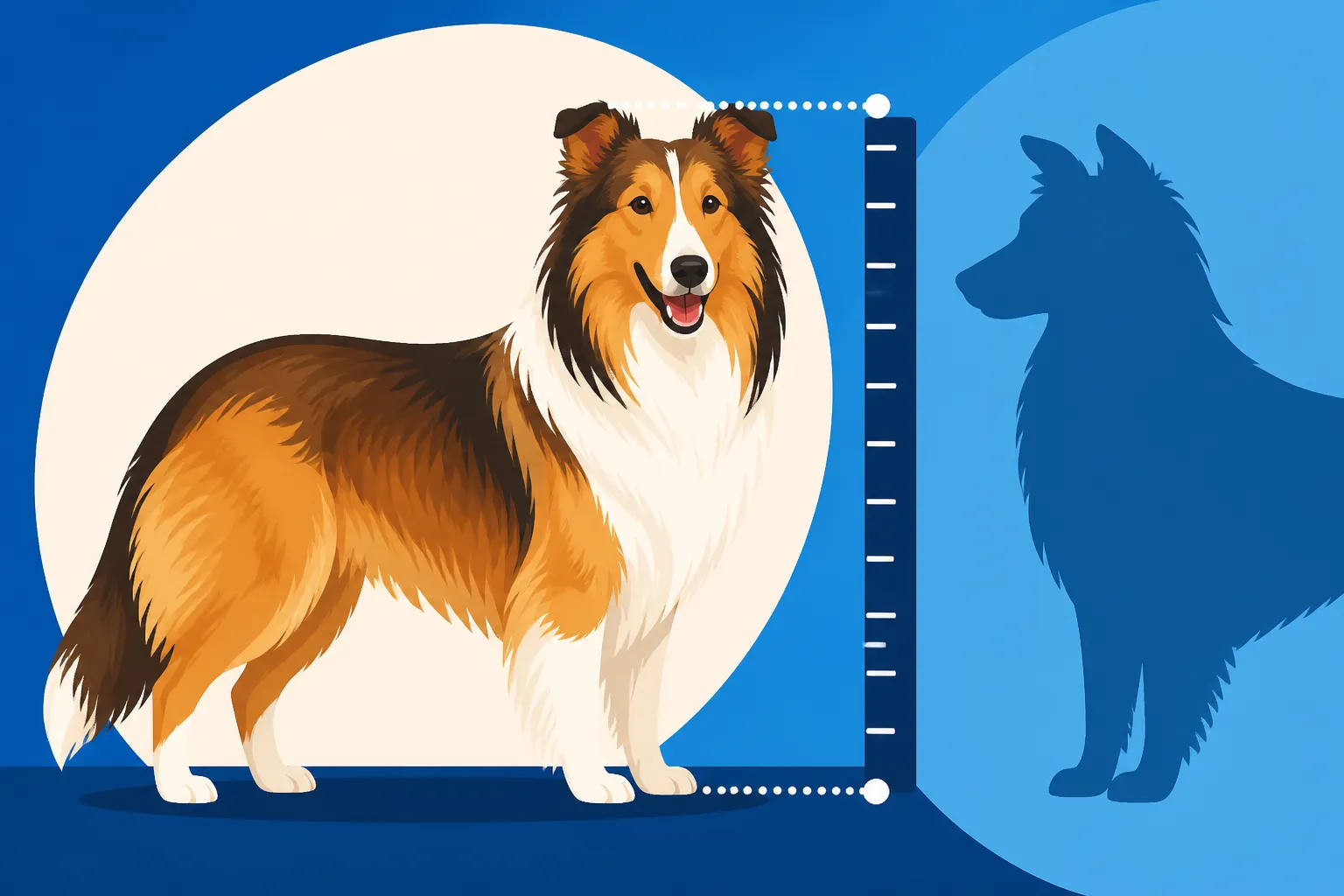
For both the Rough and Smooth Collie varieties, the AKC breed standard specifies a particular height range for mature dogs. This range is measured from the ground to the top of the dog's shoulder blades, a point known as the "withers." For male Collies, the ideal height is usually cited as being between 24 and 26 inches at the withers. Female Collies, on the other hand, are typically a bit more petite, with an ideal height range of 22 to 24 inches.
These aren't just arbitrary numbers; they reflect centuries of breeding for a dog that was agile enough to herd sheep across rugged Scottish terrain but substantial enough to deter predators and command respect. A Collie that falls outside this range might still be a wonderful pet, but it wouldn't be considered ideal in the show ring, where adherence to the standard is paramount. Think of it as the breed's statistical sweet spot for function and form. This also ties into What a Collie Weighs and How Tall It Stands, as height and weight are often discussed together in breed standards.
Beyond the Inches: Proportion and Balance
While the height in inches is a crucial aspect of the breed standard, it's never viewed in isolation. A Collie's overall proportion and balance are equally, if not more, important. Imagine a dog that technically hits the 26-inch mark but has legs that are too short for its body, or a back that's excessively long. That wouldn't be a well-balanced Collie, even if the tape measure says the right thing.
The standard emphasizes that the Collie should appear strong, active, and graceful, with no part out of proportion to the whole. This means that a Collie's height should be harmonious with its length, bone structure, and even its coat. A long, elegant neck, a level back, and well-angulated legs all contribute to the silhouette, making a Collie look noble and athletic. It's this complete picture that defines the breed's iconic elegance, not just a single measurement.
Rough Versus Smooth: Are There Height Differences?
It's a common misconception that because Rough Collies have such a voluminous coat, they must be significantly larger or taller than their Smooth Collie counterparts. In reality, the breed standard for height is identical for both varieties. A Rough Collie and a Smooth Collie of the same gender should ideally stand at the same height at the withers.
The perceived difference in size is purely an illusion created by the Rough Collie's magnificent double coat, especially its dense mane, frill, and furnishings. A Smooth Collie, with its short, dense coat, often appears more streamlined and athletic, giving the impression of being smaller. However, if you were to trim away the Rough Collie's excess hair (which, by the way, you should never do, as A Collie Is Never Trimmed and Never Shaved), you'd find two dogs of remarkably similar build and stature underneath. Their underlying bone structure and physical dimensions are essentially the same; it's just their wardrobe that differs.
Gender and Growth: Male vs. Female Collie Heights
Just like in many other dog breeds, there's a noticeable difference in size between male and female Collies. This isn't unique to them, but it's a consistent characteristic that informs expectations for adult height and even overall presence. Understanding these differences can help you anticipate how large your puppy might grow and what to expect as they mature.
The Typically Taller Male Collie
Male Collies generally stand taller and are more heavily built than females. This sexual dimorphism is part of their natural development. As puppies, both genders may seem to grow at similar rates for a time, but as they hit adolescence, male Collies typically experience a growth spurt that results in greater height and bone mass. They can reach the upper end of the breed standard's height range, often achieving 25 or 26 inches at the withers.
This larger stature often comes with a more robust build, broader heads, and a generally more imposing appearance. If you're looking for a larger dog with a more commanding presence, a male Collie might be what you're imagining. This also means that practical considerations like crate size, or how much space they take up on the couch, will lean towards the larger end of the spectrum. You might also find yourself discussing What an Adult Male Collie Weighs alongside their height with fellow Collie enthusiasts.
Female Collie Height: Elegant But Shorter
Female Collies are typically more refined and elegant in appearance, often falling into the lower end of the breed standard's height range, usually between 22 and 24 inches. While they are still substantial dogs, they possess a distinctly feminine grace that distinguishes them from their male counterparts. Their bone structure tends to be finer, and their overall frame is less bulky.
It's not uncommon for a female Collie to mature at, say, 23 inches, appearing perfectly proportioned and beautiful without needing to hit the same heights as a male. This smaller size can sometimes be a practical advantage for owners with limited space, or those who simply prefer a slightly less imposing companion. Knowing this difference is key if you're trying to figure out Whether a Male Collie Is Much Larger Than a Female before choosing a puppy.
When Do Collies Reach Their Full Height?
A Collie's growth isn't a straight line, and they don't stop growing overnight. Generally, most Collies will reach their full height sometime between 12 and 18 months of age. Their rapid growth phase typically occurs during their first 6 to 9 months, where you'll see dramatic changes in their height and overall size. After this initial spurt, growth slows down considerably, with the dog filling out and maturing physically.
While their height might largely be established by 12-18 months, they can continue to add muscle mass and breadth, particularly males, until they are around two to three years old. So, while your 18-month-old Collie might be as tall as they're going to get, they might still gain a few pounds and develop a more mature, robust appearance over the next year or so. For more detailed insights into their developmental timeline, you might want to read The Age a Collie Stops Growing.
More Than Genetics: Factors Influencing a Collie's Final Height
While genetics lay the fundamental blueprint for your Collie's potential height, they are not the sole determinant. Environmental factors, especially during their crucial puppy and adolescent phases, can significantly influence whether your Collie reaches their full genetic potential or falls short. It's a complex interplay of nature and nurture.
The Role of Nutrition in Puppyhood
Proper nutrition during puppyhood is absolutely paramount for healthy skeletal development and reaching optimal adult height. A diet lacking in essential nutrients, or one that's unbalanced, can lead to stunted growth or bone development issues. Conversely, overfeeding a puppy, especially with foods too rich in calories or calcium for rapid growth, can also be detrimental. Large breed puppies, including Collies, need carefully formulated diets that support a slower, steady growth rate to prevent orthopedic problems.
Look for high-quality puppy food designed for medium to large breeds. Brands like Purina Pro Plan or Royal Canin often have formulas tailored to specific size categories, ensuring the right balance of protein, fat, vitamins, and minerals. Avoid generic brands or homemade diets that aren't carefully balanced, as these can easily lead to deficiencies or excesses. If you're curious about specific dietary needs, checking out Whether a Collie Needs a Large Breed Puppy Food could offer more guidance. Ensuring they get the right nutrition from reputable sources like Chewy can make a real difference in their development.
Impact of Early Health and Exercise
A puppy's early health can also play a role in their ultimate stature. Chronic illness, parasites, or severe stress during critical growth periods can divert energy away from skeletal development, potentially leading to a slightly smaller adult size. Regular veterinary check-ups, timely vaccinations, and appropriate parasite control are all vital for keeping your growing Collie healthy and on track.
Similarly, exercise, while necessary, needs to be balanced. Too much high-impact exercise, like intense jumping or long runs on hard surfaces, before growth plates have closed can cause damage and affect bone development. Gentle play, leash walks, and supervised free play in a safe yard are ideal for a growing Collie. The goal is steady, healthy development, not pushing them too hard too soon.
Lineage and Regional Variations
Beyond individual genetics, the specific lineage or "lines" from which your Collie descends can also impact their typical size. Some breeding programs might prioritize certain traits, including a slightly larger or smaller frame within the breed standard. For example, some working lines might be slightly more compact, while certain show lines might lean towards the taller end of the spectrum to achieve a more imposing presence in the ring.
There can also be subtle regional differences in the preferred 'type' of Collie. For instance, some people ask Whether an American Collie Is Bigger Than a British One. While the general standard is consistent, variations in emphasis by breeders over generations in different countries can lead to slight average size differences. Reputable breeders will be transparent about the typical size of their adult dogs and the parents, giving you a good indicator of what to expect for your puppy.
Collie Height in Context: Comparing With Other Breeds
Understanding a Collie's height is often made clearer when you compare them to other well-known breeds. It helps to anchor their size in your mind, dispelling notions that they are either tiny or gargantuan. Collies generally fall into the "medium-large" category, a sweet spot that makes them adaptable to various living situations while still being substantial dogs.
Collie vs. Herding Cousins: Border Collies and Shelties
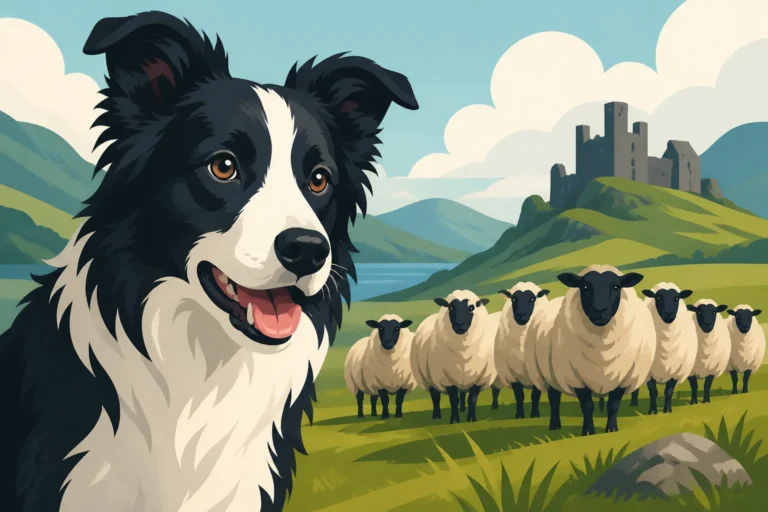
When you put a Collie next to its herding cousins, the differences in stature become quite apparent. Border Collies, known for their intense work ethic and agility, are typically smaller and more compact. They usually stand between 18 to 22 inches at the shoulder, significantly shorter than the average Collie. Shetland Sheepdogs (Shelties), often mistaken for miniature Collies, are even smaller, usually topping out at 13 to 16 inches.
This size difference directly reflects their historical roles. Border Collies needed to be fast and agile, capable of quick turns and sprints, while Shelties were compact enough to manage smaller flocks and live in more constrained environments. Collies, on the other hand, were bred to be more substantial, providing a visible and authoritative presence over large flocks, capable of covering vast distances with elegance and endurance. This comparison is useful if you’re trying to choose between these breeds, as discussed in The Collie Against the Border Collie and the Sheltie.
Collie vs. Larger Working Breeds
Now, let's contrast the Collie with some of the truly giant working breeds. A German Shepherd Dog, while similar in build, typically stands 22 to 26 inches for females and 24 to 26 inches for males, putting the male Collie at a very similar height, but often with less bulk than a large German Shepherd. Breeds like Great Danes, Mastiffs, or Irish Wolfhounds, however, dwarf the Collie. These giants can easily exceed 30 inches at the shoulder, with some reaching closer to 35 inches or more.
The Collie's size allows them to be imposing without being unwieldy. They have the strength and presence to be protective, yet they retain a graceful agility that much larger breeds can lack. They fit into many family homes more easily than a true giant breed, offering a good balance of size and manageability.
Collie as a Medium-Large Breed
Ultimately, the Collie comfortably fits into the medium-large breed category. They are large enough to command respect and offer a comforting presence, yet they are not so massive that they overwhelm most homes or require specialized handling for their sheer size. Their weight, typically ranging from 50 to 75 pounds for males and 45 to 65 pounds for females, aligns perfectly with this classification. For a deeper look into their overall physical characteristics, you might find What a Collie Weighs and How Tall It Stands helpful.
Here's a quick comparison of average heights for adult Collies versus some other popular breeds:
| Breed | Male Height (approx. at withers) | Female Height (approx. at withers) |
|---|---|---|
| Collie (Rough/Smooth) | 24 – 26 inches | 22 – 24 inches |
| Border Collie | 19 – 22 inches | 18 – 21 inches |
| Shetland Sheepdog | 13 – 16 inches | 13 – 16 inches |
| Golden Retriever | 23 – 24 inches | 21.5 – 22.5 inches |
| German Shepherd Dog | 24 – 26 inches | 22 – 24 inches |
| Labrador Retriever | 22.5 – 24.5 inches | 21.5 – 23.5 inches |
| Great Dane | 30 – 32 inches | 28 – 30 inches |
This table clearly illustrates that Collies stand tall among their herding kin and are comparable in height to many popular retriever and working breeds, solidifying their status as a medium-large companion.
Living With a Collie of Any Height: Practical Considerations
The physical size of your Collie, especially their height, has very real implications for day-to-day living. It affects everything from how you dog-proof your home to what kind of activities you can realistically enjoy together. While their gentle nature often makes them seem smaller, their actual stature means certain adjustments are usually necessary.
Space Requirements for a Full-Grown Collie
A Collie's height directly translates to their overall body length and the space they occupy. A dog standing 24-26 inches tall will naturally need adequate room to stretch out, turn around, and navigate your home comfortably. While they are often described as graceful indoors, a Collie needs a comfortable bed that isn't too cramped and a living area where they can move without constantly bumping into furniture or people. This is especially true for their crate; it needs to be tall enough for them to stand without crouching. You can find many suitable large crates and beds on sites like Chewy.
For families in smaller homes or apartments, it's a crucial consideration. While Collies can adapt to apartment living if they get sufficient exercise, their sheer physical presence means they'll take up more floor space than a smaller breed. It's not just about a few inches; it's about the full sweep of their tail, the stretch of their body when they lie down, and the clear path they need to navigate a room. This can influence decisions like Whether a Collie Suits an Apartment.
Reach and Accessibility: Counter Surfing and Beyond
A Collie's height also puts many household items within their reach – or within jumping distance. That lovely loaf of artisan bread on the kitchen counter? Potentially fair game for a tall, curious Collie nose. Medications or cleaning supplies left on lower shelves suddenly become accessible. This isn't necessarily about a dog being mischievous, but rather about their natural curiosity combined with their physical capability.
You'll need to develop "Collie-proofing" habits, ensuring that valuable items, tempting treats, or dangerous substances are stored well out of their reach. This extends to things like window sills if you have a particularly tall Collie who loves to survey their domain. It means being more vigilant about what's left on coffee tables or dining chairs.
The Psychological Impact of Size: Perceptions and Training
A Collie's height can also subtly influence how people perceive them and how you might approach their training and socialization. A tall, elegant Collie can appear imposing to small children or individuals who are not comfortable around dogs, even if the Collie itself is the gentlest soul. This perception means that early and thorough socialization, ensuring your Collie is comfortable and well-mannered around all types of people and situations, is especially important.
Furthermore, training commands like "off" or "leave it" become even more critical when your dog has the height to reach tempting items. Their size means that managing their body language and interactions with smaller dogs or pets also requires thoughtful supervision. While their intelligence and eagerness to please make them highly trainable, their physical stature means that good manners are not just a nicety but a necessity for harmonious living. Knowing How Much Exercise a Collie Needs Daily is also key to a well-behaved, well-adjusted tall dog.
Accurate Measurement: How to Measure Your Collie's Height at the Withers
If you're truly curious about your Collie's exact height, perhaps to compare it to the breed standard or simply for your own records, it's not as simple as holding a tape measure to their head. There's a specific method to ensure accuracy, and it involves understanding a particular anatomical landmark: the withers.
Why the Withers? Understanding the Standard Measuring Point
The "withers" is the highest point of a dog's shoulder blades, located just at the base of the neck, between the shoulder blades. This is the standard point for measuring a dog's height for several crucial reasons. Unlike the top of the head, which can change significantly depending on whether the dog is looking up or down, the withers provide a relatively stable and consistent reference point.
Measuring to the withers gives a true indication of the dog's skeletal height, without the influence of head carriage or the variable length of the neck. It's the most reliable measurement for assessing a dog's stature against breed standards and for general descriptive purposes. When you see breed standards listed for height, they are always referring to the height at the withers.
Step-by-Step Guide to Measuring Your Collie
Measuring your Collie accurately can be a two-person job, especially if your dog is a bit wiggly. Here’s how to do it:
- Gather Your Tools: You'll need a measuring tape, a carpenter's square, or a sturdy ruler/level, and a flat, non-slip surface for your dog to stand on. A treat pouch from Chewy filled with their favorite snacks will be immensely helpful for keeping them still.
- Position Your Collie: Have your Collie stand squarely on a hard, level surface. Their front legs should be parallel to each other and perpendicular to the ground, not leaning forward or backward. Their head should be held in a natural, relaxed position, looking straight ahead, not stretched up or down.
- Locate the Withers: Gently feel for the highest point between their shoulder blades, right where the neck meets the back. This is the withers.
- Measure:
- If using a carpenter's square or a level: Place one arm of the square/level vertically down their front leg to the ground, and rest the horizontal arm across their withers, ensuring it's level. Read the measurement on the vertical arm from the floor up to the underside of the horizontal piece.
- If using a measuring tape and a flat object (like a ruler): Have one person hold the flat object horizontally across the dog's withers, perpendicular to the ground. The other person can then use the measuring tape to measure from the floor to the bottom of the flat object.
- Take Multiple Readings: It's a good idea to take the measurement a few times and average them out, as slight movements can affect the reading. Be patient, reward your Collie for standing still, and make it a positive experience.
Tools You'll Need and Common Pitfalls
Beyond the measuring tape or carpenter's square, a digital level can be incredibly useful to ensure your horizontal piece is perfectly flat across the withers. A flat, solid floor (like concrete or hard tile) is better than carpet, which can compress and skew readings.
Common pitfalls include:
- Wiggly Dog: If your Collie isn't keen on standing still, try to do it after a good walk when they're a bit tired, or enlist a helper to hold their attention with treats.
- Measuring to the Head: Always remember to measure to the withers, not the top of the head.
- Uneven Stance: Ensure all four paws are squarely on the ground and the dog isn't shifting their weight or slouching.
- Fluffy Coat: For Rough Collies, you'll need to part the fur at the withers and press down gently to get to the actual skeletal point, not just the top of the fluff.
With a little patience and the right technique, you can get a very accurate measurement of your Collie's height, giving you a better understanding of their place within the breed standard and in your home.
Disclaimer
This article is for general informational purposes only and does not constitute professional advice. Laws, prices and regulations vary by location and change over time. Consult a qualified professional for guidance on your specific situation.