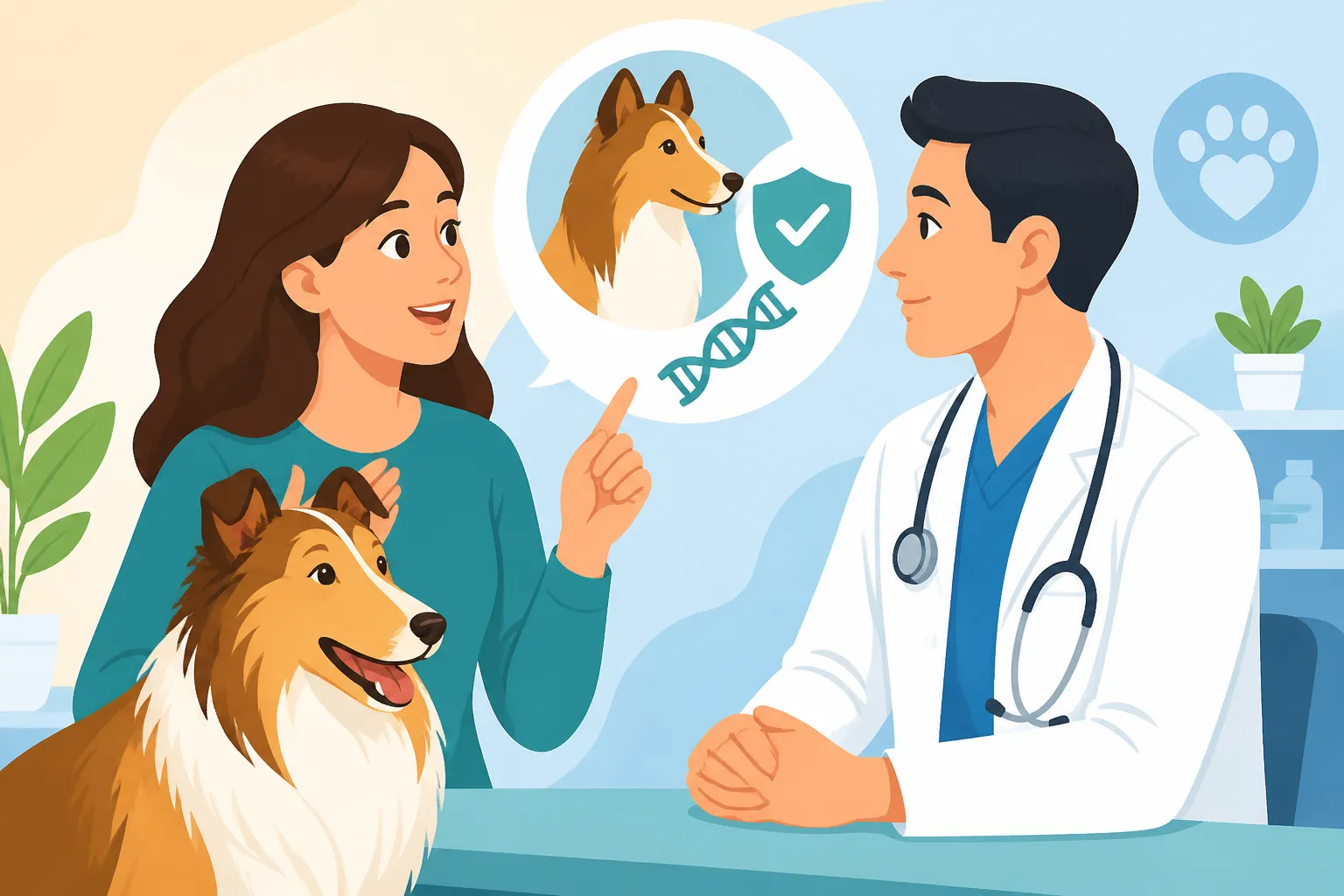
How a Collie Owner Tells the Vet About MDR1
The moment you realize your beloved Collie needs veterinary care can be instantly stressful, but for owners of Collies with the MDR1 gene mutation, that stress often comes with an added layer of anxiety. You know your dog has unique drug sensitivities, and making sure your vet is fully aware and understands these critical details is paramount for their safety. This guide is here to walk you through exactly how to communicate your Collie's MDR1 status effectively to your veterinary team, ensuring they receive the best possible care without unintended risks.
Understanding the MDR1 Mutation in Collies
The MDR1 (Multi-Drug Resistance 1) gene, also known as ABCB1, is a fascinating and profoundly important part of what makes Collies unique, but it also carries a significant responsibility for their owners. Many Collies, along with several other herding breeds and mixed breeds that carry Collie genetics, inherit a mutation in this gene that can have life-threatening consequences if not managed properly. This isn't just a quirky trait; it's a fundamental difference in how their bodies process certain medications.
What the MDR1 Gene Does
Imagine your dog's body having a very specific bouncer at the "blood-brain barrier" – a protective gate that keeps toxins and many drugs from entering the brain and central nervous system. This bouncer is a protein called P-glycoprotein, and it's produced by the MDR1 gene. In Collies with the mutation, this protein either isn't produced correctly or isn't produced at all. This means their "bouncer" isn't doing its job, allowing certain drugs to cross into the brain at much higher, and often toxic, concentrations. It’s like having a faulty filter that lets too much harmful stuff through.
For us, as Collie owners, this faulty bouncer translates into a list of common veterinary drugs that can become dangerous. What might be a standard, safe dose for another breed could lead to severe neurological symptoms, coma, or even death in an affected Collie. It’s a silent, invisible condition that only becomes apparent when the wrong medication is administered, making proactive communication absolutely vital. We strongly encourage every Collie owner to understand What the MDR1 Mutation Actually Does to a Collie in detail.
Why Collies Are Particularly Affected
Collies, both Rough and Smooth, are notoriously susceptible to the MDR1 mutation, with a significant percentage of the breed carrying at least one copy of the defective gene. While the exact prevalence can vary by geographic region and breeding lines, it's common enough that many vets will "assume your Collie has the MDR1 mutation" unless proven otherwise, which is a sensible precaution. This inherited sensitivity means that even if your Collie looks perfectly healthy and behaves normally, the genetic predisposition is still there, lying dormant until a problematic drug is introduced.
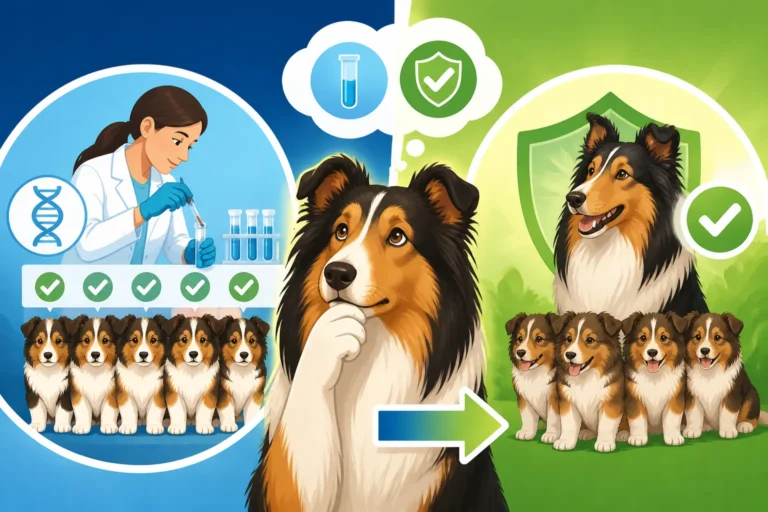
It’s not a weakness in the breed, per se, but rather a genetic quirk that became more prevalent due to selective breeding practices before the mutation was fully understood. The good news is that DNA testing is now widely available and affordable, allowing owners to know their Collie's status with certainty. This testing removes the guesswork and provides clear guidance for veterinary care throughout your dog's life. Knowing whether Seventy Percent of Collies Really Carry MDR1 can help put the prevalence into perspective.
Why Clear Communication with Your Vet is Non-Negotiable
It might feel awkward or even redundant to tell a vet about your dog's specific genetic condition, especially if they are experienced. However, even the most seasoned veterinarians see many breeds daily, and while they may be generally aware of the MDR1 issue in Collies, specific details about your dog's status are crucial. Relying on assumptions can have dire consequences, and it's always better to over-communicate than to risk your Collie's health.
The Dangers of Uninformed Drug Administration
Imagine this scenario: your Collie suddenly falls ill, perhaps with an upset stomach or a sudden limp. You rush them to an emergency vet clinic, where the primary focus is stabilizing your dog and addressing the immediate symptoms. In such a high-stress situation, with a dog potentially in pain or distress, critical details like MDR1 status can sometimes be overlooked if not clearly and repeatedly communicated. A vet might quickly administer a common anti-diarrheal like loperamide (Imodium), an antibiotic, or even a sedative for anxiety or pain. For a Collie with the MDR1 mutation, any of these seemingly routine treatments could be incredibly dangerous.
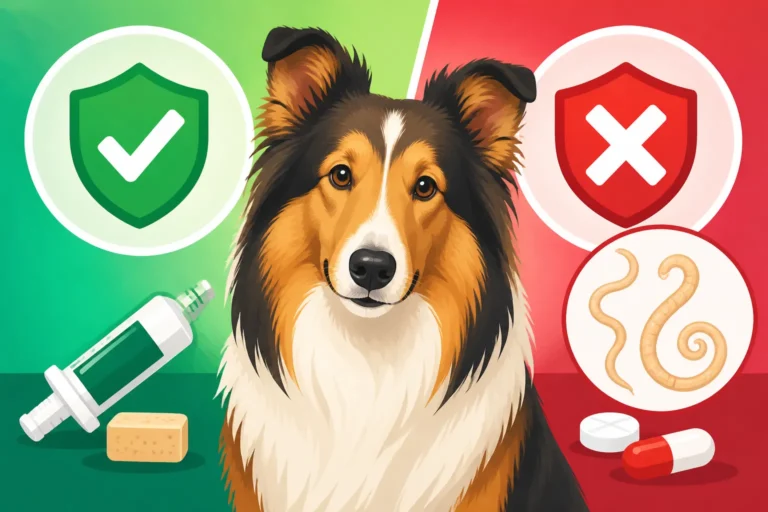
Drugs like ivermectin (in high doses), loperamide, certain chemotherapy agents, and even some anesthetics can cause severe neurotoxicity in affected Collies. Symptoms can range from disorientation, tremors, and excessive salivation to blindness, seizures, coma, and even death. The onset can be rapid, and reversing the effects often requires intensive, expensive veterinary care, if possible at all. This isn't just about avoiding a minor side effect; it's about protecting your dog from potentially fatal reactions. It’s worth delving into Which Drugs an MDR1 Collie Must Never Have to be fully prepared.
The Role of an Educated Owner
As a Collie owner, you are your dog's primary advocate. You know your dog best, and you are responsible for ensuring their unique health needs are met. This means not only knowing their MDR1 status but also understanding what it implies for their medical care. It's a heavy burden, but an essential one. You might be the first person to encounter a vet who isn't fully up-to-date on the latest MDR1 research or who might simply forget in a busy moment. Your proactive involvement is a safeguard.
Being an educated owner also extends to understanding the financial implications. Treating a severe MDR1 drug reaction can be incredibly costly, involving days of hospitalization, IV fluids, supportive care, and specialized monitoring. While some pet insurance providers like Healthy Paws might help mitigate these costs for unexpected emergencies, preventing the reaction in the first place is always the best and most loving option. Understanding and communicating your Collie's MDR1 status is a fundamental part of responsible ownership, safeguarding both your dog's health and your peace of mind.
Preparing for Your Vet Visit
Before you even step foot in the clinic, there are several crucial steps you can take to prepare and ensure your Collie's MDR1 status is effectively communicated. This preparation will not only make the process smoother but also significantly reduce the risk of misunderstandings or overlooked information. Think of it as building a robust safety net for your furry friend.
Gathering and Organizing Documentation
First and foremost, have your Collie's MDR1 test results readily available. If you've had your Collie genetically tested through a service like Embark, Optimal Selection, or Paw Print Genetics, you'll have a certificate or report detailing their status (Normal/Normal, Carrier, or Affected). Print this document and keep it in a designated "Collie Health Folder" that you bring to every vet appointment. Don't rely on digital copies alone, as technology can fail, and busy clinics might not have time to look up your records digitally.
Beyond the official test results, consider creating a simple, one-page summary sheet that clearly states:
- Your Collie's name and breed.
- Their MDR1 status (e.g., "MDR1 Gene: Affected – homozygous for the mutation").
- A concise statement about what this means (e.g., "Highly sensitive to certain common medications, requiring dose adjustments or alternative drugs").
- A brief list of the most critical drugs to avoid (e.g., Ivermectin, Loperamide, Acepromazine).
- Your contact information.
This summary sheet acts as a quick reference for any vet or technician, especially in an emergency when time is of the essence. You might also consider having a copy of The Drug List That Can Kill a Collie handy as a detailed reference for your veterinary team.
Proactive Communication Before the Appointment
Don't wait until you're in the exam room to spring this vital information on your veterinary team. When you call to schedule an appointment, mention your Collie's MDR1 status to the receptionist. Ask them to make a note in your dog's file. This flags the record early, allowing the vet and technicians to review it before your visit.
For new clinics, it’s even more critical. You might consider sending a polite email ahead of time with the attached DNA test results and your summary sheet, explaining that you want to ensure the clinic is fully aware of your Collie’s specific needs. Follow up with a call a day or two before the appointment to confirm they've received and noted the information. This proactive approach helps establish you as an engaged owner and highlights the importance of this detail. Asking Whether a Collie's Chart Should Be Flagged at the Clinic is a great way to ensure this happens.
Medical Alert Tags and Collars
In addition to physical documentation, immediate visual cues are incredibly helpful, especially in emergency situations where you might not be present or able to communicate clearly. A medical alert tag attached to your Collie's collar, similar to those worn by people with allergies, can be a lifesaver. These tags are usually engraved with "MDR1 AFFECTED" or "DRUG SENSITIVITY," along with your contact information.
This small detail can alert first responders or emergency veterinary staff to pause and investigate before administering any medication. Many companies, including those that make custom pet tags, offer these. Consider a bright, contrasting color for the tag or collar itself to draw extra attention. A simple tag can be the difference between a safe treatment and a catastrophic reaction if you're ever in a situation where you can't speak for your dog. For more information, see Whether an MDR1 Collie Should Wear a Medical Tag.
During the Vet Appointment: Making Your Case
When you're actually sitting in the exam room, it's time to put your preparation into action. Communicating effectively during the appointment requires confidence, clarity, and a willingness to advocate firmly for your Collie. Don't be shy; your dog's well-being depends on it.
Initiating the Conversation
From the moment you greet the veterinary technician, calmly and clearly state, "Just a reminder, my Collie, [Dog's Name], is MDR1 Affected. I have his genetic test results here for your file." Hand them your printed summary sheet and test results immediately. When the veterinarian enters, repeat the same information.
Start with this statement before discussing any symptoms or reasons for the visit. This prioritizes the critical information and ensures it's heard at the outset. Even if the vet confirms they've seen the note in the file, reiterate that you have the documentation available if they wish to review it. Sometimes, in a busy practice, different vets or technicians might rotate, and a fresh reminder is always beneficial.
Discussing Specific Medications
If your Collie requires medication or a procedure involving drugs (like anesthesia for a dental cleaning or surgery), don't hesitate to ask specific questions. For example:
- "Given [Dog's Name]'s MDR1 status, what medications are you planning to use, and are they safe for MDR1 Affected Collies?"
- "Are there any alternative medications or dose adjustments you'd recommend due to his MDR1 status?"
- "Could you please confirm the specific drugs that will be used for anesthesia, and their safety for MDR1 dogs?"
It's okay to ask for the names of the drugs and even to cross-reference them with your own list or with what you know about the mutation. A good veterinary professional will appreciate your diligence and be happy to discuss their plan. If you have pet insurance like Healthy Paws, ensure you understand how coverage might apply to specific tests or alternative treatments related to MDR1. You might also want to ask Whether Anesthesia Is Riskier for an MDR1 Collie to fully understand the precautions.
What to Do if You Encounter Resistance
While most vets are well-informed and compassionate, you might, on rare occasions, encounter a vet who dismisses your concerns or isn't fully educated on MDR1. This can be incredibly frustrating and frightening. In such a situation, remain calm but firm.
- Educate Gently: Offer your printed resources. Say, "I understand it's a lot to keep track of, but this gene mutation can make common drugs very dangerous for Collies. I have research and specific drug lists from reputable sources like Washington State University's College of Veterinary Medicine (a pioneer in MDR1 research) if you'd like to review them."
- Request Alternatives: If a specific drug is proposed that you know to be dangerous, ask for an alternative. "Is there another medication that could achieve the same therapeutic effect but is known to be safe for MDR1 dogs?"
- Seek a Second Opinion: If you feel genuinely unheard or unsafe with the proposed treatment plan, it is absolutely within your right to politely decline treatment and seek a second opinion from another veterinary practice. Your Collie's life is literally at stake. Knowing Whether Emergency Vets Know About MDR1 in Collies might influence your choice of clinic.
Ensuring Long-Term Safety and Preparedness
Communication isn't a one-time event; it's an ongoing process, especially when it comes to managing a chronic condition like MDR1 sensitivity. Establishing long-term strategies will provide continuous protection for your Collie throughout their life.
Keeping Vet Records Updated
Every time you visit a new clinic, or even your regular one, make it a habit to confirm that your Collie's MDR1 status is clearly noted in their permanent record. Ask if they have a specific flagging system for such critical information. For instance, some clinics use brightly colored stickers on paper charts or specific digital alerts that pop up when a dog's file is opened.
If your Collie's status changes (e.g., if they were a carrier and you're now double-checking for any new research), ensure the records reflect the most up-to-date information. When getting medications dispensed, always double-check the labels and dosages yourself, and if you have any doubts about a prescribed medication, call your vet to verify its safety for an MDR1-affected Collie before administering it.
Emergency Preparedness for MDR1 Collies
Emergencies are, by their nature, unexpected and chaotic. Being prepared for them can make all the difference for an MDR1 Collie.
- Emergency Contact Card: Create a wallet-sized card with your Collie's name, breed, MDR1 status, your contact information, and your primary vet's contact details. Carry this with you, especially if your Collie accompanies you often.
- Emergency Kit: Consider a small pouch for your dog's leash that contains a copy of their MDR1 test results, the summary sheet, and What a Collie Owner Should Carry to an Emergency Visit.
- Pre-Identified Emergency Clinic: Research and identify an emergency veterinary clinic in your area that is known to be knowledgeable about MDR1. Call them beforehand, explain your Collie's condition, and confirm they have protocols in place to handle MDR1 dogs. This saves precious time during a real emergency.
- Informing Caretakers: If your Collie stays with a pet sitter, dog walker, or goes to daycare, ensure they are fully aware of the MDR1 mutation, the risks, and what to do in an emergency. Provide them with your dog's medical alert tag and a written instruction sheet.
Understanding Your Insurance and Financial Preparedness
Dealing with a genetic condition like MDR1 can bring unexpected costs, especially if a reaction occurs. While proactive communication is key to prevention, having a financial safety net is wise.
Pet insurance, such as policies from Healthy Paws, can be incredibly beneficial. However, it’s crucial to understand what your policy covers, especially concerning genetic conditions and emergency care. Some policies might consider an MDR1 reaction an "accident" if the wrong drug was given, while others might classify it under "illness." Ask your provider directly:
- Does my policy cover emergency treatment for an adverse drug reaction due to a genetic condition like MDR1?
- Are there any waiting periods for genetic conditions?
- What is my deductible and reimbursement percentage for emergency care?
Beyond insurance, building a dedicated emergency fund for your Collie's health can provide immense peace of mind. Even with insurance, you'll still have deductibles and co-pays. Having readily available funds means you can focus on your dog's recovery without added financial strain. This is also important because even non-MDR1 related issues might require specific medications or treatments that cost more if compounded or sourced specifically for an MDR1 dog. Remember that What a Collie's Dental Anesthesia Costs More might be relevant to your budget planning for routine care.
Here's a quick reference table for some common drugs and their MDR1 safety profile:
| Drug Category | Example Drugs | MDR1 Safety for Affected Collies | Notes |
|---|---|---|---|
| Antiparasitics | Ivermectin (high dose), Selamectin, Moxidectin, Milbemycin | AVOID / CAUTION | High doses of Ivermectin (used for mites) are extremely toxic. Lower doses in heartworm preventives are generally safe but consult vet. Selamectin (Revolution), Milbemycin (Interceptor), Moxidectin (Advantage Multi) should be used with caution, often at reduced doses. Check specific product. |
| Anti-diarrheals | Loperamide (Imodium) | AVOID | Can cause severe neurological signs, including coma. |
| Sedatives/Tranquilizers | Acepromazine | CAUTION | Can cause prolonged and profound sedation. Use with extreme caution, often at significantly reduced doses. |
| Chemotherapy Agents | Vincristine, Vinblastine, Doxorubicin | CAUTION / AVOID | Can lead to severe myelosuppression and other toxicities. Doses must be drastically reduced, or alternative agents used. |
| Opioids | Butorphanol | CAUTION | Can have exaggerated effects. Use with caution. |
| Antibiotics | Erythromycin, Doxycycline | Generally SAFE | While some interactions exist, generally considered safe. Always confirm with vet. |
| NSAIDs | Carprofen, Meloxicam | Generally SAFE | Most common NSAIDs are generally safe, but always monitor for side effects common to any dog. |
| Anesthetics | Propofol, Isoflurane, Sevoflurane | Generally SAFE | These specific anesthetics are typically safe. Acepromazine (a pre-anesthetic sedative) is the main concern in this category. Always discuss the full anesthetic protocol. |
Always consult your veterinarian for the most accurate and up-to-date advice on medications for your specific Collie.
What Vets Absolutely Need to Know About MDR1 Collies
For veterinary professionals, understanding the nuances of MDR1 in Collies goes beyond a simple "do not use" list. It involves a deeper appreciation for the physiological mechanisms at play and the broader implications for treatment planning. As an owner, reinforcing these key points can help ensure a comprehensive approach to your Collie's care.
The Specifics of Drug Sensitivity and Dosages
It's not just about avoiding certain drugs altogether; it's also about specific dosage adjustments and being aware that even drugs generally considered "safe" might still warrant closer monitoring in an MDR1 Collie. For instance, while most heartworm preventatives contain very low doses of ivermectin or related compounds, and are typically safe, some highly sensitive individuals or those with other underlying health issues might still benefit from extreme caution or alternative preventatives. This nuance means a vet must assess each situation individually.
Beyond ivermectin, there are other drugs where dose reduction is critical. For example, some anti-cancer drugs, if administered at standard doses to an MDR1-affected Collie, can cause devastating bone marrow suppression. The difference between a therapeutic dose and a toxic dose can be razor-thin. This highlights why open dialogue about every medication, not just the obvious ones, is so important. When discussing treatment options, your vet should be prepared to consider alternative medications that work through different metabolic pathways if a primary drug is on the caution list.
The Importance of Genetic Testing and Phenotypic Expression
While it's wise to Assume Your Collie Has the MDR1 Mutation if their status is unknown, genetic testing provides definitive answers. Vets need to understand that a "carrier" Collie (one copy of the mutated gene) can also show sensitivities, though often less severe than an "affected" Collie (two copies). This means a carrier still needs cautious drug administration, even if the risk profile is lower. There's a common misconception that carriers are completely asymptomatic, but this isn't always the case, and they can still experience adverse reactions to certain drugs or higher doses.
Vets also need to be aware of the phenotypic expression – how the gene mutation actually manifests in an individual dog. While the genetic test tells you the potential for sensitivity, clinical signs might vary. Some affected Collies might tolerate a tiny dose of a problematic drug without issue, while others might react severely to the slightest exposure. This variability underscores the need for constant vigilance and individualized patient care, rather than a one-size-fits-all approach based solely on genetic status. For a full picture, it's good to know What the Collie DNA Health Panel Covers beyond just MDR1.
Why Proactive Education and Clinic Protocols Matter
For clinics, having clear internal protocols for MDR1 Collies is paramount. This should include:
- Mandatory Chart Flags: As mentioned earlier, a highly visible alert on a Collie's patient file, both digital and physical, should be standard.
- Staff Training: All veterinary staff, from receptionists to veterinary assistants and licensed technicians, should receive regular training on MDR1, its implications, and the list of critical drugs. This ensures that everyone interacting with an MDR1 Collie is aware of their unique needs.
- Drug Inventory Management: Clinics should ideally stock alternative medications or have clear guidelines for compounding specific drugs at appropriate, safe dosages for MDR1-affected dogs.
- Emergency Procedures: Clear protocols for managing a suspected MDR1 drug reaction, including immediate steps and contact information for specialists, should be in place.
As owners, we can subtly encourage this by asking about their protocols. "Do you have a specific system for flagging MDR1 patients?" or "Are your technicians also familiar with MDR1 drug sensitivities?" These questions, asked politely, can prompt clinics to review and improve their internal safeguards, benefiting not just your Collie but every other susceptible patient who walks through their doors. Having pet insurance like Healthy Paws can also signal to a vet that you are a proactive and prepared owner, willing to invest in your dog's long-term health and safety.
Disclaimer
The information provided in this article is for general informational purposes only and is not a substitute for professional veterinary advice. Always consult with a qualified veterinarian for any health concerns or before making any decisions related to your Collie's medical care. Drug dosages and safety profiles can change, and your individual dog's health status may require specific considerations.