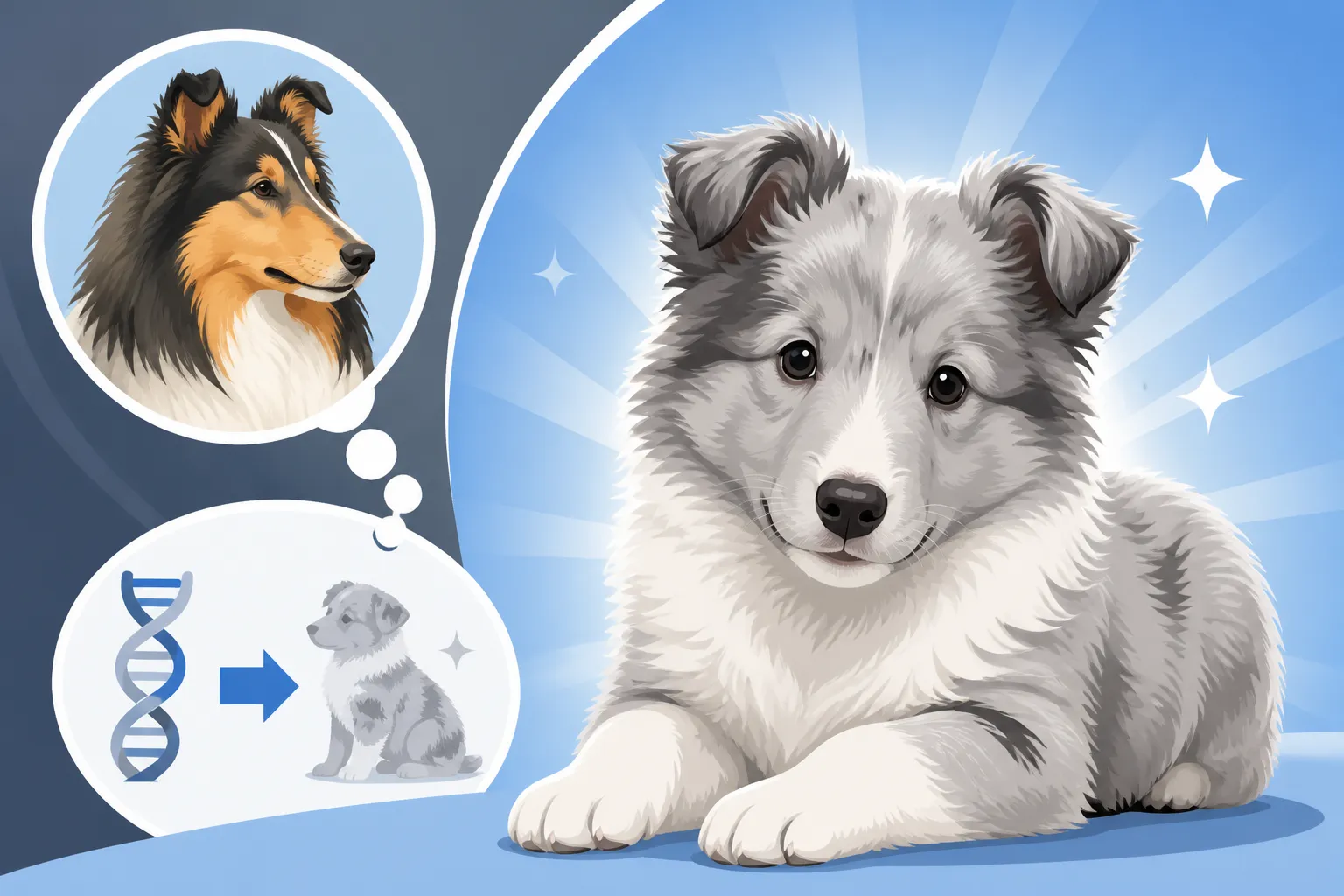
Why Gray Collie Syndrome Puppies Are Silver
There's a unique and sometimes heartbreaking color you might see in Collie puppies: a beautiful, ethereal silver or pale gray coat. While it might seem striking at first glance, this silver hue is almost always a tell-tale sign of a serious genetic condition known as Gray Collie Syndrome, or Cyclic Neutropenia (CN). This guide will delve deep into why these puppies exhibit this distinctive coat color and what it means for their health and future.
Understanding Gray Collie Syndrome: More Than Just a Unique Coat Color
When you see a Collie puppy with an unusual silvery-gray coat, it's easy to be charmed by its rarity. However, for those in the know, this color immediately signals alarm bells. Gray Collie Syndrome, or Cyclic Neutropenia, is not merely a cosmetic variation; it's a severe, inherited immune disorder that drastically impacts a puppy's health and survival. The silver color is an unfortunate outward manifestation of a much deeper, systemic problem.
The Genetic Basis of Cyclic Neutropenia CN
Cyclic Neutropenia is an autosomal recessive genetic disorder, meaning a puppy must inherit a copy of the defective gene from both parents to be affected. If a puppy inherits only one copy, they are a carrier but will not develop the syndrome themselves. The gene responsible, known as the AP3B1 gene, plays a critical role in the proper functioning of neutrophils, a type of white blood cell essential for fighting off infections. Without these fully functional neutrophils, the immune system is severely compromised.
The genetic mutation directly impacts the development and function of these neutrophils. Instead of a steady supply of these crucial immune cells, affected puppies experience cyclical drops in their neutrophil count. Imagine a defense system that periodically shuts down, leaving the body vulnerable to every pathogen it encounters. This cyclical deficiency is precisely why the condition is called "Cyclic Neutropenia." The defective gene also interferes with melanin production, leading to the dilute, silvery coat, which serves as a visible marker of this hidden, but profound, immune defect.
How CN Manifests Beyond the Coat
While the silver coat is the most striking and immediate indicator of Gray Collie Syndrome, it's just the tip of the iceberg. The real devastation lies in the puppy's inability to mount an effective immune response. From the very first weeks of life, these puppies typically exhibit a range of severe health problems. They are constantly battling infections that a healthy puppy would shrug off with ease.
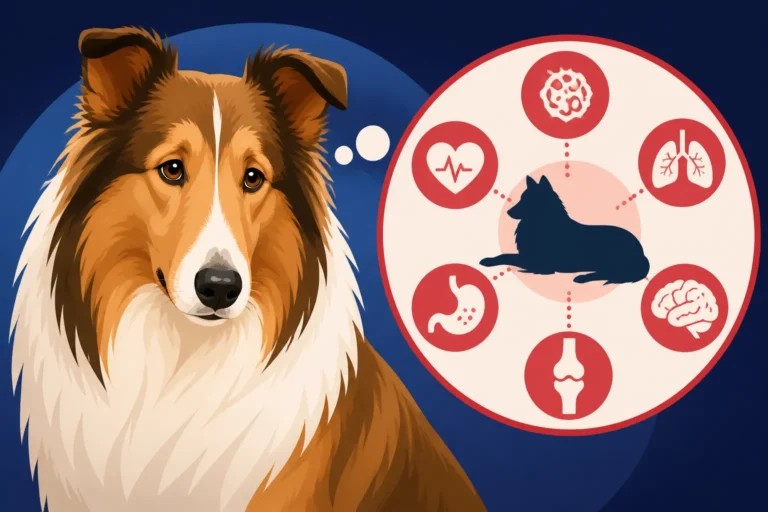
Common issues include recurrent fevers, chronic diarrhea, joint pain, and profound lethargy. They often struggle to gain weight and grow at the same rate as their healthy littermates, appearing frail and sickly. Breathing difficulties due to respiratory infections are also common, as are skin infections that can be stubborn and difficult to resolve. Vets who are familiar with the condition know that the pale coat is a warning sign to immediately investigate the puppy's neutrophil count, because what appears to be a unique aesthetic is actually a sign of life-threatening vulnerability. You'll often find these puppies needing constant veterinary attention, with little lasting improvement.
Deciphering the "Silver" Coat: Why It's Not Just a Color Variant
The distinctive silver coat of a Gray Collie Syndrome puppy is a direct consequence of the same genetic mutation that causes their immune system to fail. It's a cruel irony that such a beautiful and unusual color signals such profound illness. Understanding the biological process behind this coat dilution helps underscore the severity of the condition.
The Pigment Pathway Disruption in GCS Puppies
Melanin is the pigment responsible for determining coat color in dogs. There are two main types: eumelanin (which produces black and brown shades) and phaeomelanin (which produces red and yellow shades). The intensity and distribution of these pigments are controlled by various genes. In Gray Collie Syndrome puppies, the mutated AP3B1 gene doesn't just affect neutrophils; it also plays a role in the proper transport and deposition of melanin within the hair follicles.
Specifically, the mutation interferes with the function of melanocytes, the cells that produce melanin. The defective gene disrupts the vesicles (small sacs) within these cells that carry pigment to the hair. This disruption means that melanin isn't distributed evenly or effectively throughout the hair shaft. As a result, the coat appears diluted, taking on that characteristic washed-out, silvery-gray hue, regardless of what its underlying genetic color (like sable, tricolor, or merle) might have been. It's a systemic failure, affecting multiple cellular processes, not just immunity.
Visual Differences from Blue Merles and Dilutes
It’s crucial to understand that the silver coat of a Gray Collie Syndrome puppy is distinct from other common Collie colors like blue merle or dilute tricolor, both of which are healthy coat patterns. A blue merle Collie has distinct patches of gray, black, or tan, often with marbling, on a lighter background, and their pigment is generally rich and vibrant in those areas. Their eyes might also be blue, and they carry specific merle genes that affect pigment distribution in a completely different way. If you're wondering how to tell the difference, remember that a Whether a Blue Merle Collie Is Confused With a Gray One is a common question, but the health implications are vastly different.
A GCS puppy, on the other hand, will typically have an overall pale, silvery-gray appearance that lacks the clear, often vibrant, patchwork of a blue merle. The pigment often looks duller, almost faded, throughout the entire coat. Furthermore, the GCS puppy's nose and paw pads will also be affected, usually appearing a washed-out gray or pinkish-gray, rather than the typically rich black or liver seen in healthy Collies. The sickly appearance and lack of vitality in a GCS puppy also serve as clear differentiators, as healthy blue merles are robust and active.
| Feature | Gray Collie Syndrome Puppy | Blue Merle Collie Puppy | Dilute Tricolor Collie Puppy |
|---|---|---|---|
| Coat Color | Overall pale silvery-gray | Blue/gray patches on lighter background | Faded black/tan, often more gray |
| Pigment Quality | Dull, washed out, diffuse | Distinct, often vibrant patches | Faded, less intense than standard |
| Nose/Pad Color | Pale gray, pinkish-gray | Dark black or liver | Dark black or liver |
| Eye Color | Can be normal or blue | Often blue or merled, normal | Normal brown |
| Underlying Health | Severe immune deficiency | Generally healthy | Generally healthy |
| Prognosis | Poor, short lifespan | Excellent, normal lifespan | Excellent, normal lifespan |
Spotting the Signs: Early Detection of Gray Collie Syndrome
Early detection of Gray Collie Syndrome is vital, primarily because of the severe health implications, though sadly, it doesn't change the ultimate prognosis for most. For responsible breeders and informed puppy buyers, knowing what to look for can prevent immense heartache and ensure proper care, even if that care is ultimately palliative.
What to Look For in a Newborn Puppy
The silver color of a Gray Collie Syndrome puppy is often apparent very early on, sometimes even at birth, distinguishing them from their littermates. While some Collies might have lighter coats, the distinct, almost ghostly, silvery-gray is a significant red flag. It's not just a pale sable or a faint merle; it's a dilution across the entire body. The puppy's nose and paw pads may also be noticeably lighter than those of its healthy siblings, appearing a pale gray or even pinkish instead of the typical dark black.
Beyond the coat, you might notice subtle behavioral differences in the first few days or weeks. These puppies may be less vigorous at nursing, seem more lethargic, or fail to thrive at the same rate as their siblings. While a healthy litter is often a bustling, squirming mass, a GCS puppy might be noticeably quieter or weaker. This combination of a distinctive silver coat and early signs of weakness or illness should immediately prompt a visit to a veterinarian familiar with Collie health.
Health Symptoms That Appear Alongside the Silver Coat
As the Gray Collie Syndrome puppy grows, typically within the first few weeks or months, the cyclical nature of their neutropenia becomes glaringly obvious. This is usually when The Age Gray Collie Syndrome Shows in a Puppy becomes apparent beyond just coat color. They will experience recurring fevers, often spiking dramatically, followed by periods of remission. During these "neutropenic crises," their immune system is virtually non-existent, leaving them susceptible to a cascade of opportunistic infections.
You might see them developing severe upper respiratory infections, leading to coughing, sneezing, and discharge, or persistent gastrointestinal issues like diarrhea and vomiting. Joint pain, swelling, and even lameness can also occur as their body struggles to fight off infections that settle in various tissues. Their gums might appear pale due to anemia, and they'll often seem much smaller and frailer than their healthy littermates. How Often a Cyclic Neutropenia Collie Gets Infections is a stark indicator of their compromised state, demanding continuous vigilance and often heroic, though frequently unsuccessful, veterinary intervention. This constant battle against illness drains their energy, leading to a general failure to thrive.
The Harsh Realities: Life with a Gray Collie Syndrome Puppy
The discovery that a beloved puppy has Gray Collie Syndrome is devastating for any owner or breeder. It’s a condition that brings with it profound challenges, both medically and emotionally, and unfortunately, often a very short and difficult life for the affected dog.
The Constant Battle Against Infection
For a Gray Collie Syndrome puppy, life is a continuous struggle against infection. Their cyclical drops in neutrophil count mean that every few weeks, their body's primary defense mechanism against bacteria effectively shuts down. During these periods, even common bacteria that are harmless to a healthy dog can become life-threatening pathogens. This leads to a relentless cycle of fevers, debilitating infections, and emergency veterinary visits.
Owners must be hyper-vigilant, monitoring for the slightest sign of illness. A minor cut, a common puppy sniffle, or a routine exposure to environmental bacteria can quickly escalate into a severe, systemic infection. These puppies often require long courses of potent antibiotics, frequent blood tests to monitor their neutrophil levels, and intensive supportive care. Despite the best efforts, the underlying genetic defect makes it incredibly difficult to achieve sustained health. It’s a truly heartbreaking situation to watch a puppy constantly fight for its life against an invisible enemy.
Prognosis and Quality of Life Considerations
The prognosis for Gray Collie Syndrome puppies is, sadly, very poor. Most affected puppies do not survive past their first few months, and very few live to be more than a year or two old, even with aggressive medical intervention. The constant onslaught of infections takes an immense toll on their small bodies, and their immune systems are simply not equipped to handle it. You might want to understand Whether a Gray Collie Syndrome Puppy Survives to know the harsh truth about this condition.
Even for those rare individuals who live longer, their quality of life is severely compromised. They often experience chronic pain, recurring illness, and are unable to participate in normal puppy activities due to their fragility. The emotional and financial burden on owners is immense. Deciding on the best course of action often involves difficult conversations with veterinarians about managing pain and infection, and ultimately, making compassionate choices regarding their well-being. Pet insurance providers like Healthy Paws can be a lifesaver for other unforeseen conditions, but for a GCS puppy, the battle is usually too overwhelming, too early in life. This highlights the critical importance of preventing such conditions through responsible breeding. When considering How Long a Collie Lives and What Ends It, Gray Collie Syndrome is a tragic and swift cause for affected individuals.
The Breeder's Role: Prevention Through Responsible Practices
The devastating impact of Gray Collie Syndrome makes prevention paramount. Responsible breeding practices are the only way to safeguard the health of the Collie breed and ensure that no more puppies suffer from this condition. This begins with understanding the genetics and making informed decisions.
Utilizing Genetic Testing to Eradicate GCS
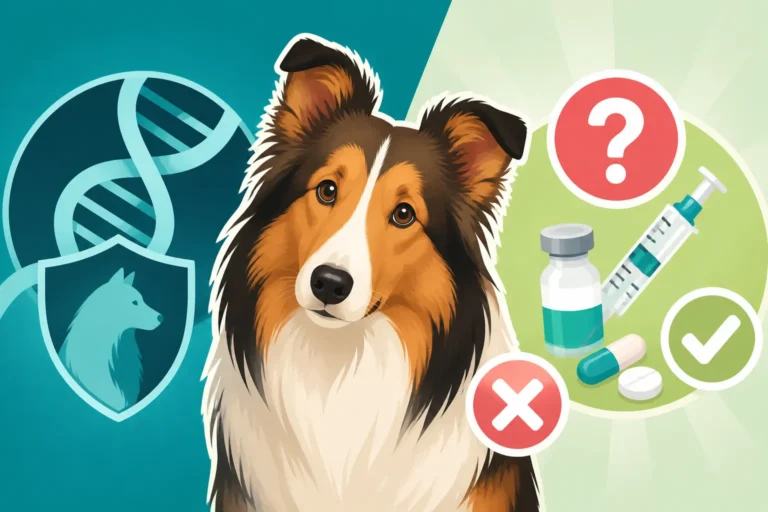
Because Gray Collie Syndrome is an autosomal recessive disorder, breeders can completely prevent it through genetic testing. A simple DNA test, often done via a cheek swab, can identify whether a Collie is clear of the gene, a carrier (meaning they have one copy of the gene but are unaffected), or affected (meaning they have two copies and have the syndrome). For Collie breeders, knowing Whether Cyclic Neutropenia Has a DNA Test in Collies is absolutely essential.
The key to eradication is to never breed two carriers together. If two carriers are bred, there is a 25% chance with each puppy that it will inherit two copies of the defective gene and develop Gray Collie Syndrome. By testing all breeding stock, a breeder can make informed pairing decisions, ensuring that at least one parent in any breeding pair is clear of the gene. This way, no affected puppies will ever be produced. Even if a clear dog is bred to a carrier, all puppies will either be clear or carriers, but none will be affected. This proactive approach saves lives and prevents immense suffering. This is just one component of What the Collie DNA Health Panel Covers, but it's a critical one.
Ethical Choices for a Healthier Breed Future
Ethical breeders prioritize the health and well-being of their puppies above all else. This means being transparent about genetic testing results, using those results to make responsible breeding decisions, and educating potential puppy buyers about inherited health conditions. The Collie Club of America and various breed health foundations actively encourage and support genetic testing programs to reduce the incidence of diseases like Cyclic Neutropenia. Knowing Whether Both Collie Parents Must Carry Cyclic Neutropenia to produce an affected puppy highlights the importance of testing both sire and dam.
A truly responsible breeder views genetic testing not as an optional expense, but as a fundamental part of their commitment to the breed. They invest in these tests, often alongside other crucial screenings, because they understand the lifelong impact on the dogs they produce and the families who love them. When choosing a puppy, always ask a breeder about their health testing protocols and demand to see results for both parents. This kind of transparency, along with the other comprehensive genetic tests like those for MDR1 and Collie Eye Anomaly, are part of The Three Genetic Tests a Collie Breeder Owes You for peace of mind and the promise of a healthy companion. By making these ethical choices, breeders contribute to a stronger, healthier future for the Collie breed, ensuring that the beauty and intelligence of these dogs are matched by their vitality and longevity.
Disclaimer
This article is for general informational purposes only and does not constitute professional advice. Laws, prices and regulations vary by location and change over time. Consult a qualified professional for guidance on your specific situation.