Whether Chemotherapy Drugs Are Riskier for a Collie
Receiving a cancer diagnosis for your beloved Collie is devastating, and the immediate follow-up question for many owners is often about treatment. It's perfectly natural to worry about how chemotherapy drugs might affect your sensitive companion, especially given the breed's unique genetic predispositions. This guide aims to thoroughly address whether chemotherapy drugs pose a heightened risk for Collies and how best to navigate this challenging time with your dog.
The Genetic Link: Understanding MDR1 in Collies
The apprehension around medication and Collies isn't unfounded; it stems from a specific genetic mutation known as Multi-Drug Resistance 1, or MDR1. This isn't just a quirky breed trait; it's a serious health concern that can turn common medications, and indeed some chemotherapy agents, into dangerous toxins for affected dogs. If you haven't already, it's highly recommended to consider if you should Assume Your Collie Has the MDR1 Mutation until proven otherwise.
What the MDR1 Mutation Does to Your Collie
At its core, the MDR1 gene is responsible for producing a protein called P-glycoprotein. Think of P-glycoprotein as a tiny, highly efficient pump located in various parts of your dog's body, including the brain, intestines, kidneys, and liver. Its job is crucial: it actively pumps certain drugs and toxins out of sensitive areas, like the brain, and out of the body. For a Collie with the MDR1 mutation, this pump is defective or simply non-existent. This means that drugs that would normally be expelled or kept out of delicate tissues are instead allowed to build up to toxic levels. This difference in drug metabolism and distribution can have profound and life-threatening consequences. To delve deeper into the specifics, understanding What the MDR1 Mutation Actually Does to a Collie is invaluable for any owner.
Why Collies Are Particularly Susceptible
The MDR1 mutation is shockingly prevalent in Collies. Studies have indicated that a significant percentage of the breed carries at least one copy of the defective gene. This genetic predisposition means that any Collie, whether Rough or Smooth, purebred or mixed, has a higher chance of carrying this mutation compared to many other breeds. It’s why responsible breeders prioritize testing, and why every Collie owner should be aware. This isn't a flaw in the breed's character, but a genetic quirk that necessitates informed and careful veterinary care. The implications extend far beyond just chemotherapy, affecting a wide array of medications.
Chemotherapy Drugs and MDR1 Collies: A Heightened Risk
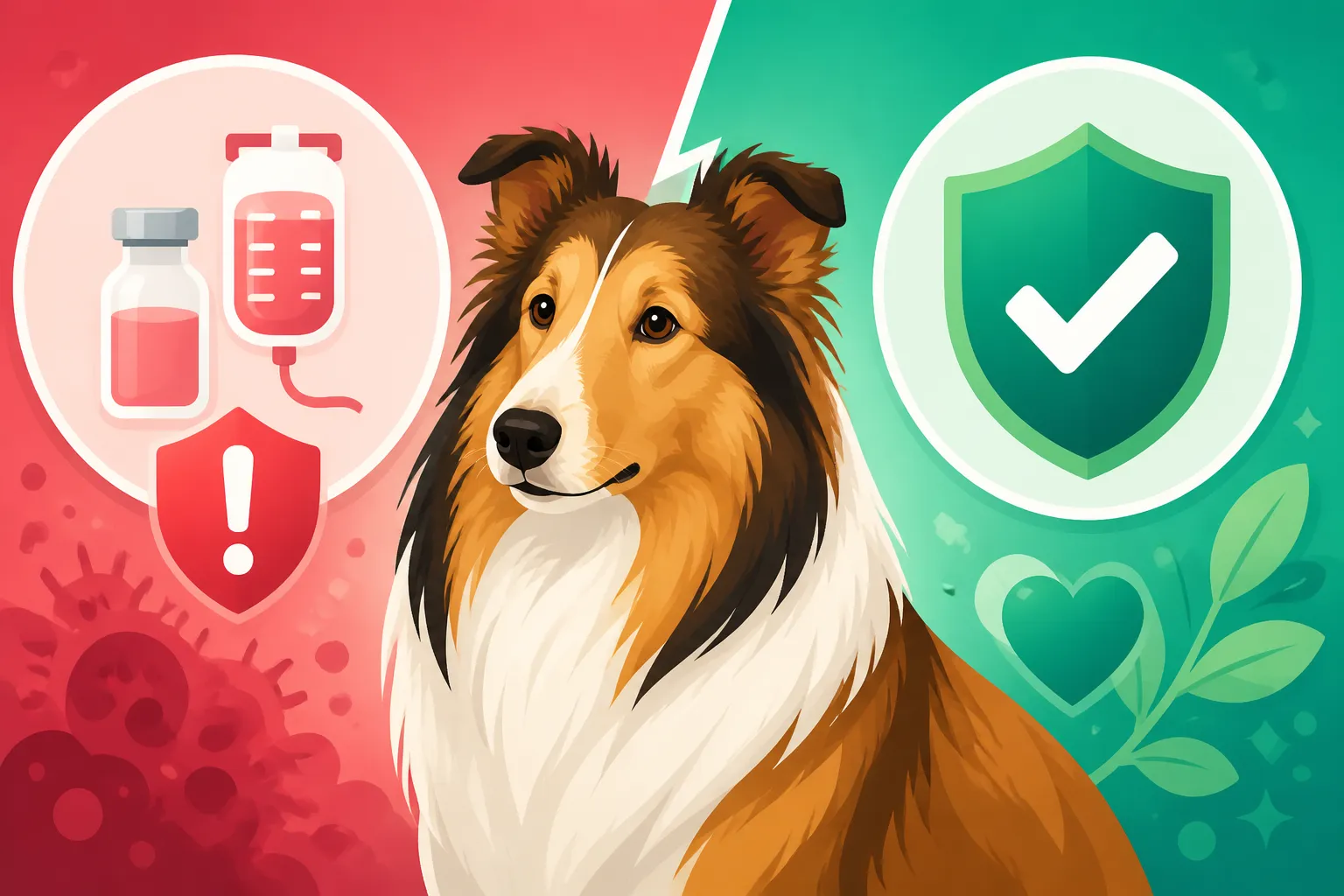
Yes, certain chemotherapy drugs are indeed riskier for Collies that carry the MDR1 mutation. The impaired P-glycoprotein pump means that these potent medications, designed to kill rapidly dividing cancer cells, can accumulate to dangerously high concentrations in the Collie's body, particularly in the brain and bone marrow. This accumulation can lead to severe side effects that are far worse than what would be expected in a non-MDR1 affected dog.
Specific Chemotherapy Agents of Concern
Several chemotherapy drugs are known to be substrates for the P-glycoprotein pump and therefore pose a significant risk to MDR1-affected Collies. These include:
- Vincristine: Commonly used in protocols for lymphomas and other cancers. In MDR1 Collies, vincristine can lead to severe neurotoxicity, manifesting as tremors, seizures, ataxia (loss of coordination), and profound weakness. The drug is less effectively cleared from the body, allowing it to build up in the central nervous system.
- Vinblastine: Another vinca alkaloid, often used for mast cell tumors. Similar to vincristine, it can cause severe neurotoxicity and myelosuppression (bone marrow suppression) in affected Collies, leading to dangerously low white blood cell counts and increased infection risk.
- Doxorubicin: A widely used broad-spectrum chemotherapy agent. While not as directly impacted by MDR1 as the vinca alkaloids in terms of neurotoxicity, MDR1 Collies may experience increased myelosuppression and gastrointestinal toxicity with standard doses.
- Paclitaxel: Used for various carcinomas. MDR1 affects its elimination, potentially leading to more severe systemic toxicity.
It is absolutely crucial for your veterinarian, especially a veterinary oncologist, to be aware of your Collie's MDR1 status before initiating any chemotherapy protocol. There is an extensive Drug List That Can Kill a Collie, and unfortunately, several chemotherapy agents are on it.
How Risk Manifests and Why Testing is Essential
The risks for an MDR1 Collie undergoing chemotherapy primarily manifest as exacerbated side effects. Instead of mild nausea or temporary fatigue, an affected Collie might experience:
- Profound Neurological Signs: Severe ataxia, disorientation, seizures, blindness, or even coma. This is due to the drugs crossing the blood-brain barrier more easily and accumulating in brain tissue.
- Severe Myelosuppression: This refers to the suppression of bone marrow activity, leading to critically low levels of white blood cells, red blood cells, and platelets. This can make your Collie highly susceptible to life-threatening infections and bleeding.
- Intense Gastrointestinal Issues: Extreme vomiting, diarrhea, and appetite loss, leading to rapid dehydration and malnutrition.
Given these severe potential outcomes, testing your Collie for the MDR1 mutation before any serious illness arises is not just recommended, it's a critical component of responsible Collie ownership. This is especially true if you ever anticipate your dog needing surgery (due to certain anesthetics) or, in this context, cancer treatment. Knowing the status beforehand allows your vet to plan accordingly and avoid potentially fatal drug interactions. If you’re wondering about the cost, What an MDR1 Test Costs for a Collie is often a small investment for such vital information.
Managing Chemotherapy for an MDR1 Collie
The good news is that an MDR1 positive Collie with cancer is not without options. Veterinary oncology has made significant strides, and with proper knowledge and careful management, effective chemotherapy protocols can often be devised. The key is precise communication and a tailored approach.
Dosage Adjustments and Alternative Protocols
If your Collie tests positive for the MDR1 mutation, your veterinary oncologist will likely need to adjust the standard chemotherapy protocols. This often means:
- Reduced Doses: The most common strategy is to significantly reduce the dosage of MDR1-sensitive chemotherapy drugs. This aims to achieve a therapeutic effect against the cancer while minimizing the risk of drug accumulation and severe toxicity. Your vet will carefully calculate these adjusted doses, often starting very low and gradually increasing if tolerated, under strict monitoring.
- Extended Intervals: Sometimes, the frequency of drug administration might be altered, allowing more time for the body to process and eliminate the medication between doses.
- Alternative Drugs: In some cases, the oncologist might opt for chemotherapy agents that are not substrates for the P-glycoprotein pump, or those that have a minimal interaction. This requires a deep understanding of canine oncology and pharmacogenetics.
- Supportive Care: Enhanced supportive care, including anti-nausea medications, appetite stimulants, and medications to support bone marrow function, becomes even more critical for MDR1 Collies undergoing chemotherapy.
This personalized approach is paramount. Never attempt to adjust medication doses yourself; always follow your veterinarian's explicit instructions.
The Role of the Veterinary Oncologist
Having a board-certified veterinary oncologist on your team is incredibly beneficial, especially with an MDR1 Collie. These specialists have advanced training in cancer diagnosis and treatment, and crucially, they are well-versed in genetic sensitivities like MDR1. They will be your best resource for:
- Accurate Diagnosis: Confirming the type and stage of cancer, which guides treatment decisions.
- Treatment Planning: Designing a chemotherapy protocol that is both effective against the specific cancer and safe for your MDR1-affected Collie. This involves careful consideration of drug choices, dosages, and administration schedules.
- Monitoring and Adjustment: Throughout the treatment, the oncologist will meticulously monitor your Collie for side effects, performing regular blood tests to check blood cell counts and organ function. They will make necessary adjustments to the protocol based on these findings.
This specialized care, while an investment, can significantly improve the outcome for your Collie. This is where a robust pet insurance policy, like one from Healthy Paws, can be an absolute lifesaver. Specialized oncology treatments, including unique drug protocols and frequent monitoring, can become very costly, very quickly. Having financial support can allow you to make decisions based purely on your Collie's health needs, rather than being constrained by budget.
Communicating with Your Vet Team
Open and constant communication with your entire veterinary team is critical. Ensure that every single person involved in your Collie's care—from the front desk staff to vet technicians to the primary vet and oncologist—is fully aware of your Collie’s MDR1 status. This is not just a polite courtesy; it's a matter of life and death. You should explicitly How a Collie Owner Tells the Vet About MDR1 and ensure it is documented prominently in their medical file. It's often helpful to provide a written summary or a medical alert tag.
Here’s a simplified look at some common chemotherapy drugs and their typical MDR1 considerations:
| Chemotherapy Drug | MDR1 Status Impact | Typical Management for MDR1 Collie |
|---|---|---|
| Vincristine | Significant neurotoxicity & myelosuppression risk | Reduce dose by 50-75%, cautious monitoring for neurological signs. |
| Vinblastine | Significant neurotoxicity & myelosuppression risk | Reduce dose by 50-75%, cautious monitoring for neurological signs. |
| Doxorubicin | Increased myelosuppression & GI toxicity risk | Reduce dose by 25-50% or careful monitoring, aggressive supportive care. |
| Paclitaxel | Increased systemic toxicity | Dose reduction, close monitoring for adverse effects. |
| Cyclophosphamide | Minimal direct MDR1 interaction | Generally safe at standard doses, but still monitor for side effects. |
| Lomustine (CCNU) | Moderate risk, crosses blood-brain barrier | Careful dose reduction and monitoring, especially for neurotoxicity. |
Note: This table is for informational purposes only and does not replace professional veterinary advice. Always consult your veterinary oncologist.
Proactive Steps for Collie Owners
The best defense is a good offense, and this holds true for managing potential drug sensitivities in your Collie. Taking proactive steps can save lives and ease immense stress should a health crisis, like cancer, ever arise.
Early MDR1 Testing for All Collies
If your Collie hasn't been tested for the MDR1 mutation, do it now. It's a simple, non-invasive cheek swab test that can be performed at any age, even on adult dogs. Knowing their status empowers you and your vet to make informed decisions about all medications, not just chemotherapy. You can easily find out Which Lab Runs the Collie MDR1 Test online, and many veterinary clinics can guide you through the process. Having this critical information on file can literally be life-saving. After all, it's not just chemotherapy; many common medications, even some flea and tick preventatives, can be dangerous for an MDR1 Collie.
Comprehensive Health Records and Vet Communication
Always maintain thorough health records for your Collie. This includes proof of their MDR1 status, vaccination history, any previous illnesses, and medications. Make sure to clearly communicate your Collie's MDR1 status to every veterinary professional you encounter, especially during emergencies or visits to specialists. It’s also wise to consider if A Collie Should Wear a Medical Tag to alert others in an emergency. It's not uncommon for different vets to overlook this crucial detail if it's not highlighted. Many owners request that A Collie's Chart Should Be Flagged at the Clinic to ensure it's never missed.
General Support During Cancer Treatment
Beyond medication management, supporting your Collie through cancer treatment involves comprehensive care:
- Nutrition: Work with your vet to ensure your Collie receives appropriate nutrition. Cancer and chemotherapy can affect appetite and nutrient absorption.
- Comfort: Provide a quiet, comfortable environment. Ensure they have soft bedding and easy access to food and water.
- Mental Well-being: Keep their spirits up with gentle walks (if permitted), quiet play, and plenty of affection. Collies are incredibly sensitive and will pick up on your mood, so staying positive, even when difficult, can help them.
- Financial Planning: Dealing with cancer treatment, especially with the added complexities of MDR1, can be financially daunting. Having pet insurance can significantly alleviate this burden. Providers like Healthy Paws offer comprehensive plans that can cover a substantial portion of treatment costs for accidents and illnesses, including many cancer therapies. This peace of mind allows you to focus on your Collie's recovery without the added stress of crushing vet bills. It’s definitely something to consider for all Collie owners, even if your dog is healthy now, because unexpected illnesses like cancer can strike at any time.
By being proactive, informed, and working closely with a dedicated veterinary team, you can give your beloved Collie the best possible chance against cancer, even with the unique challenges presented by the MDR1 mutation.
Disclaimer
The information provided in this article is for educational and informational purposes only and does not constitute veterinary medical advice. Always consult with a qualified veterinary professional for any health concerns or before making any decisions related to your pet's medical care, especially regarding complex treatments like chemotherapy for an MDR1-affected Collie.