Whether an MDR1 Collie Can Take Any Sedative
The thought of your sweet Collie needing sedation can be utterly terrifying, especially if you know (or even suspect) they might carry the notorious MDR1 gene mutation. It's a heavy weight on a Collie owner's shoulders, knowing that a routine procedure or an emergency could expose your beloved dog to drugs that could be harmful, or even fatal. This guide is here to walk you through the complexities of sedating an MDR1-sensitive Collie, outlining what to avoid, what might be safer, and how to best prepare and advocate for your furry family member.
Understanding MDR1 Sensitivity in Collies
For those of us who share our lives with Collies, the letters "MDR1" loom large. It's not just a fancy genetic term; it represents a very real and potentially life-threatening sensitivity to common medications. The fear isn't unfounded, as a significant number of Collies are affected by this mutation, and understanding it is the first step to keeping your dog safe.
What the MDR1 Mutation Means
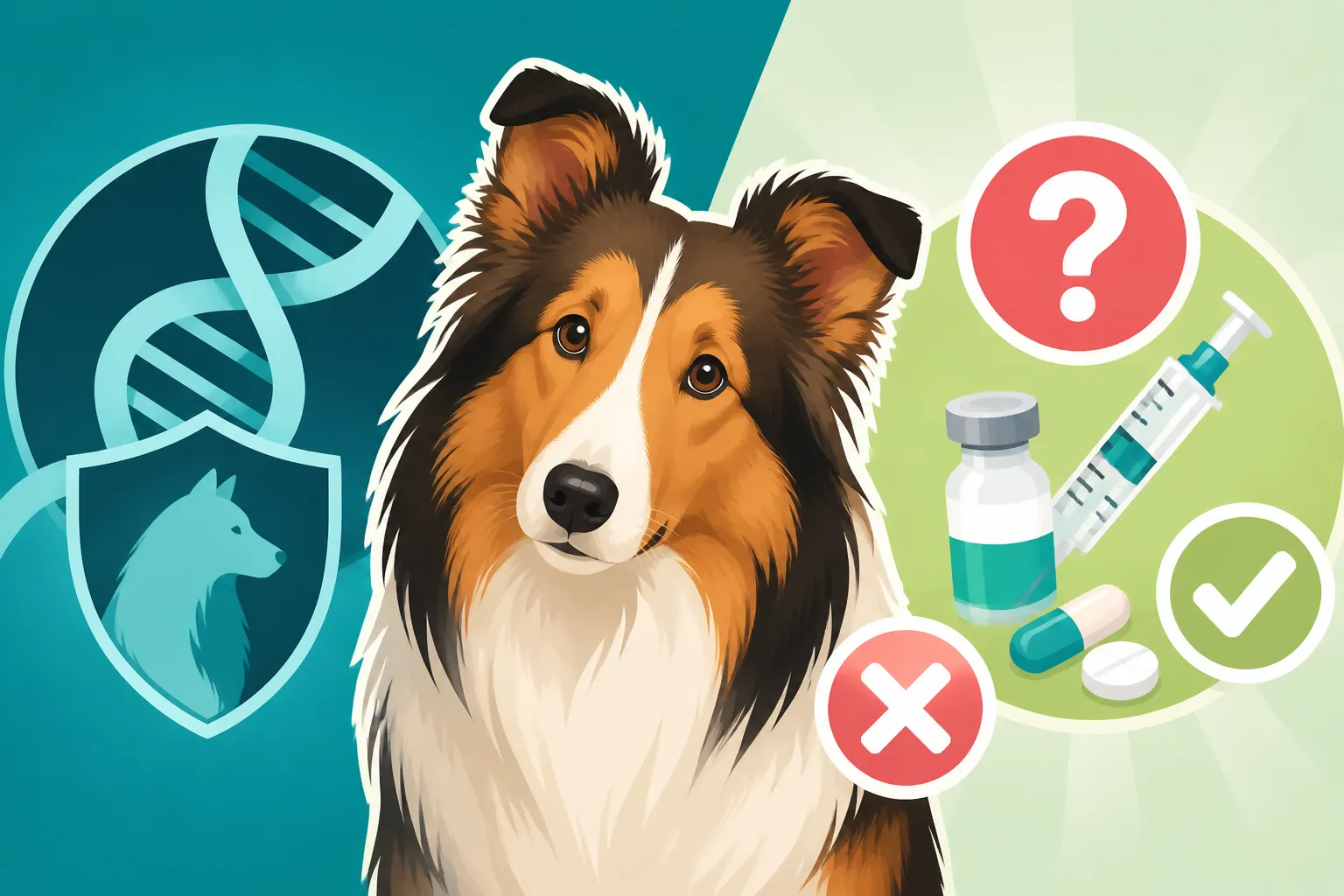
The MDR1 (Multi-Drug Resistance 1) gene, also known as ABCB1, is responsible for producing a protein called P-glycoprotein. Think of P-glycoprotein as your dog's personal bodyguard, stationed at crucial barriers in the body, like the blood-brain barrier, intestines, and kidneys. Its job is to pump certain drugs and toxins out of cells and prevent them from accumulating to dangerous levels, especially in the brain. For Collies with the MDR1 mutation, this P-glycoprotein doesn't work correctly, or sometimes isn't produced at all.
This means that certain drugs, which would normally be harmlessly expelled, can build up to toxic concentrations in the brain and other organs. This accumulation can lead to severe neurological symptoms, organ damage, and even death. It's a critical difference that makes standard veterinary protocols risky without careful consideration. Many Collie owners often wonder Whether one copy of MDR1 is enough to harm a Collie, and the answer is that even one copy can lead to drug sensitivities, though two copies usually result in more severe reactions. Knowing What the MDR1 mutation actually does to a Collie empowers you to be an informed advocate for your dog's health.
The Dangers of Specific Sedatives for MDR1 Collies
When it comes to sedatives, there's a specific list of medications that are either strictly contraindicated or must be used with extreme caution and significant dose reduction for an MDR1-affected Collie. The most notorious culprits in the sedative and pain relief categories often include acepromazine (a tranquilizer) and butorphanol (a pain reliever and sedative). These drugs are commonly used in veterinary medicine, making it absolutely crucial for your vet to be aware of your Collie's MDR1 status.
Administering a full, standard dose of these drugs to an MDR1-sensitive Collie can lead to prolonged sedation, disorientation, ataxia (loss of coordination), seizures, coma, and respiratory depression. It’s truly The drug list that can kill a Collie, and being vigilant about it is paramount. Beyond sedatives, other drugs like Ivermectin (a common dewormer, though typically not a sedative), loperamide (Imodium), and certain chemotherapy drugs also pose significant risks. Always ensure your vet checks Which drugs an MDR1 Collie must never have before any treatment. The goal is not just to avoid the outright deadly drugs, but to understand that the P-glycoprotein system interacts with a wide array of medications, some of which may only cause mild issues in an unaffected dog but severe problems in a sensitive one.
Safe Sedation Options for Your MDR1 Collie
The good news is that having an MDR1-sensitive Collie doesn't mean your dog can never undergo necessary procedures requiring sedation or anesthesia. It simply means that extra care, specific drug choices, and meticulous monitoring are absolutely essential. Many modern veterinary practices are well-versed in handling MDR1-affected dogs, but it's always wise for you, the owner, to be informed.
Identifying Safer Sedatives
While some commonly used sedatives are out of the question, there are generally safer alternatives for MDR1 Collies. Benzodiazepines like midazolam or diazepam can often be used, sometimes at reduced doses, for sedation or as part of a pre-anesthetic protocol. Propofol, an intravenous anesthetic, is generally considered safe for induction of anesthesia in MDR1-affected dogs, as is isoflurane or sevoflurane for maintenance.
Alpha-2 agonists, such as dexmedetomidine, are often used for sedation and pain relief, but they typically require significant dose reductions in MDR1-positive dogs, and careful monitoring of cardiovascular function is vital. It’s not about finding a magic bullet that works identically for all Collies; it’s about a nuanced approach where the veterinarian considers the individual dog, the procedure, and the best combination of safe drugs at appropriate doses. Always have an open conversation with your vet about their planned sedation protocol and don't hesitate to ask if they have experience with Assume Your Collie Has the MDR1 Mutation.
The Importance of Dose Adjustment and Monitoring
Even with drugs considered "safer," dose adjustment is often the name of the game for an MDR1 Collie. A standard dose for an unaffected dog might still be too high for a sensitive one, leading to an exaggerated or prolonged effect. This is where your veterinarian's expertise becomes invaluable. They will carefully calculate dosages based on your Collie's weight, overall health, and known or suspected MDR1 status.
During the sedation or anesthesia, constant and vigilant monitoring is crucial. This includes tracking heart rate, respiratory rate, blood pressure, oxygen saturation, and temperature. The veterinary team will be looking for any signs of adverse reaction, such as excessive depression, slow recovery, or neurological symptoms. Post-procedure, your Collie may also require a longer recovery period under observation, as the impaired P-glycoprotein function means drugs take longer to clear from their system. It's a testament to good veterinary care when they prioritize a slow, cautious recovery over rushing your dog home.
Pre-Sedation Planning and Communication
One of the most powerful tools you have as a Collie owner is proactive communication. Before any appointment that might involve sedation, even for something as routine as dental cleaning or X-rays, discuss your Collie's MDR1 status with your vet. Don't assume they remember from previous visits – medical records can sometimes be complex, and a quick reminder helps prevent errors.
Call ahead to confirm the appointment details and explicitly state that your Collie has the MDR1 mutation. Ask the veterinary team to flag your dog's chart prominently. This simple step can prevent a potentially dangerous oversight. Ensure you understand the proposed protocol and feel comfortable asking questions about the specific drugs they plan to use. Knowing How a Collie owner tells the vet about MDR1 effectively can truly be a lifesaver. This open dialogue ensures that everyone is on the same page and prioritizing your Collie's safety.
Practical Steps for Collie Owners Facing Sedation
Being a proactive advocate for your Collie is not just about understanding the science; it's about practical steps you can take every day and especially when facing a vet visit that involves medication. From carrying the right documentation to choosing your veterinary team wisely, these actions empower you to protect your sensitive companion.
Carrying a Medical Alert and Test Results
Imagine an emergency situation where you're unable to communicate effectively, or your Collie is rushed to an unfamiliar clinic. In these critical moments, a visible medical alert can speak volumes. Consider having your Collie wear a collar tag or harness patch clearly stating "MDR1 Sensitive" or "MDR1 Affected." This immediate visual cue can prompt veterinary staff to exercise caution before administering any drugs.
Beyond a tag, always carry a physical or digital copy of your Collie's MDR1 genetic test results. Labs like Paw Print Genetics or OptiGen provide comprehensive reports. This document serves as undeniable proof and can guide treatment decisions, especially if you're at an emergency clinic unfamiliar with your dog. You can learn more about this by reading What an MDR1 test costs for a Collie and then proactively getting your dog tested. It’s also wise to read about Whether a Collie should wear a medical tag and how to effectively make it a part of their everyday wear.
Building a Relationship with a Knowledgeable Vet
Finding a veterinary practice that is not only aware of the MDR1 mutation but also experienced in managing affected Collies is invaluable. Don't be afraid to interview potential vets or have an upfront conversation with your current one about their comfort level and protocol for MDR1 dogs. A good vet will welcome your questions and demonstrate a clear understanding of the risks and safe alternatives.
A vet who is familiar with the nuances of Collie health can also help you understand if your dog is exhibiting Signs an MDR1 Collie is having a drug reaction, which can be subtle at first. They should also be prepared to update your Collie's medical file with a prominent alert. Ask them directly: "Do you have specific protocols for MDR1-affected dogs?" and "What sedatives do you typically use for Collies needing minor procedures?" It is truly essential that your vet knows Whether a Collie's chart should be flagged at the clinic and takes that critical step. This ongoing relationship built on trust and knowledge is a cornerstone of your Collie's long-term health and safety.
Preparing for Emergency Situations
Emergencies are, by their nature, unpredictable and stressful. When time is of the essence, your preparation can make a huge difference. If your Collie needs emergency care, clearly state their MDR1 status immediately upon arrival. Hand over your test results and point to any medical alert tags. Don't assume the emergency vet will automatically know Whether emergency vets know about MDR1 in Collies; while many are excellent, a quick reminder from you can save precious time and prevent missteps.
It’s a good practice to always carry a small emergency kit for your Collie when traveling, which includes their health records and a list of contraindicated medications. This information can be a lifesaver. Furthermore, consider the financial implications of emergency care, especially if a reaction occurs. Pet insurance providers, such as Healthy Paws, often cover emergency treatments and genetic conditions if the policy is in place before diagnosis. While we hope to avoid adverse reactions, understanding Whether an MDR1 Collie recovers from a reaction and having a plan in place for swift, informed treatment can offer peace of mind during highly stressful times. Being prepared for the worst while hoping for the best is a key part of responsible Collie ownership. This proactive approach includes knowing What a Collie owner should carry to an emergency visit beyond just your dog’s test results.
Comparison of Common Sedatives for MDR1 Collies
When discussing sedation with your veterinarian, it's helpful to understand the general categories of drugs and their known safety profiles for MDR1-affected Collies. This table offers a simplified overview and should always be discussed with your vet for specific treatment plans.
| Sedative Type / Drug Class | Examples Often Used For | MDR1 Collie Safety Profile | Notes for Use |
|---|---|---|---|
| Phenothiazines | Pre-anesthetic, mild sedation (e.g., Acepromazine) | High Risk / Contraindicated | Can cause severe, prolonged sedation, neurological depression. Avoid unless no other option, then only with extreme caution and tiny doses. |
| Opioids | Pain relief, sedation (e.g., Butorphanol, Tramadol, Morphine) | Varies, often High Risk for Butorphanol, Tramadol. Morphine/Fentanyl generally safer but still P-glycoprotein substrates. | Butorphanol and Tramadol accumulate significantly. Safer opioids like Morphine or Fentanyl still require careful dosing and monitoring. |
| Benzodiazepines | Mild sedation, anxiolytic, muscle relaxant (e.g., Diazepam, Midazolam) | Generally Safer | Often used as part of a pre-anesthetic cocktail. Dose adjustments may still be needed; generally considered safer options. |
| Alpha-2 Agonists | Sedation, pain relief, muscle relaxant (e.g., Dexmedetomidine, Xylazine) | Use with Caution / Dose Reduction | Excellent for sedation, but can cause significant cardiovascular effects (bradycardia, hypotension). Requires significant dose reduction and careful monitoring in MDR1 Collies. |
| Dissociatives | Anesthetic induction, short procedures (e.g., Ketamine) | Generally Safer | Often used in combination with other drugs. Generally considered safe for MDR1 Collies at appropriate doses. |
| Injectable Anesthetics | Anesthetic induction (e.g., Propofol) | Generally Safer | Rapid onset and recovery. Primarily metabolized in the liver, not heavily reliant on P-glycoprotein. |
| Inhalant Anesthetics | Anesthetic maintenance (e.g., Isoflurane, Sevoflurane) | Generally Safer | Primarily eliminated via respiration. Considered safe for MDR1 Collies for maintaining anesthesia. |
Disclaimer
This article is intended for informational purposes only and is not a substitute for professional veterinary advice. Always consult with a qualified veterinarian regarding your Collie's specific health concerns, diagnosis, and treatment plan, especially concerning medications and genetic conditions like MDR1. Drug dosages and safety can vary greatly depending on individual circumstances and the latest veterinary research.