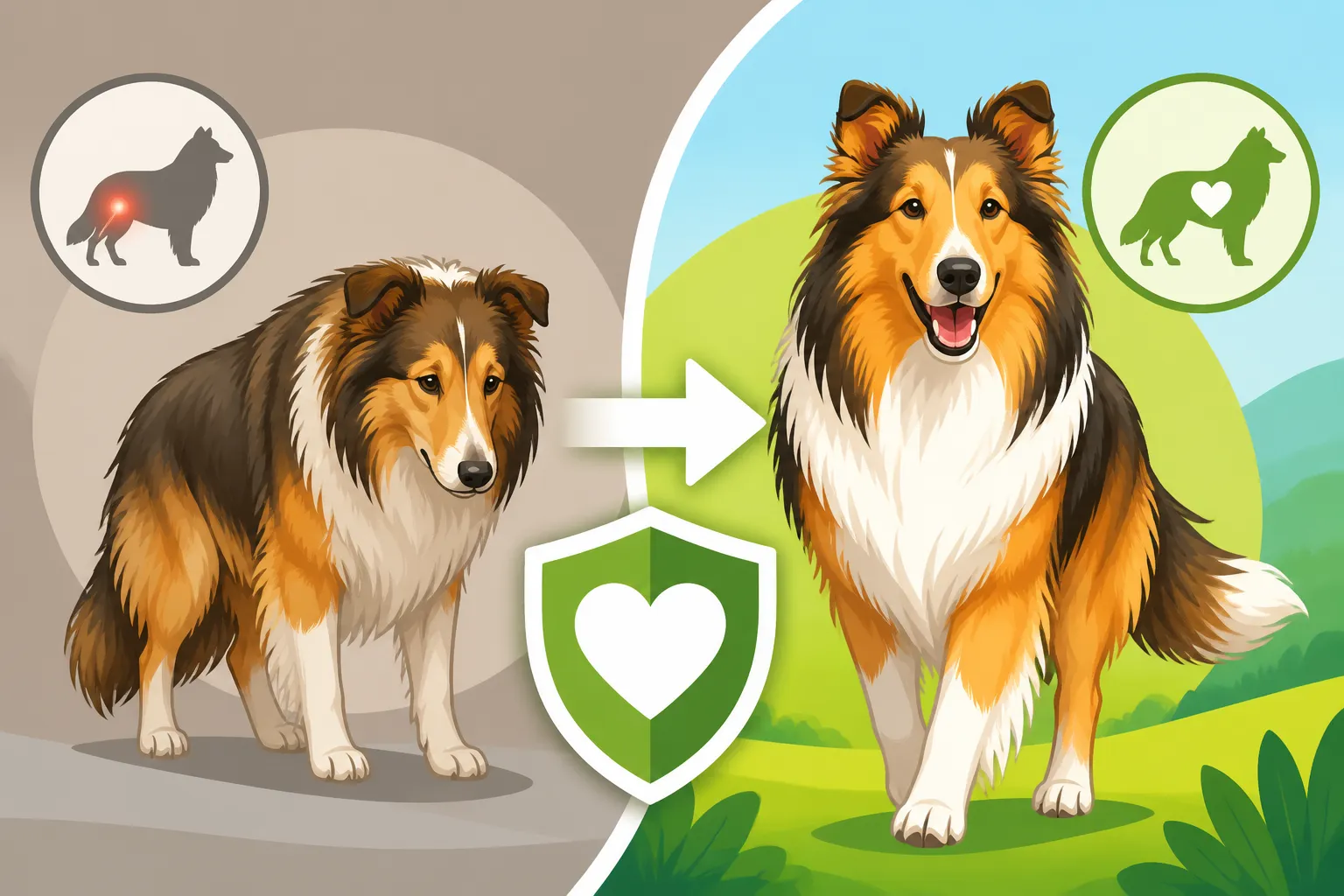
Whether Collie Health Has Improved Since the 1980s
It's a question many dedicated Collie owners, and those considering bringing one of these magnificent dogs into their lives, grapple with: has the health of the Collie breed genuinely improved since the 1980s? With decades of dedicated breeders, advances in veterinary science, and a deeper understanding of genetics, there's a natural hope that progress has been made. This guide will take a candid look at the health challenges Collies faced in the past, the breakthroughs that have occurred, and what the current landscape means for our beloved Lassie dogs today.
The Collie Health Landscape in the 1980s
Stepping back a few decades, the health picture for Collies, while still beloved, presented a unique set of challenges. Owners and veterinarians were aware of certain predispositions, but the scientific tools to understand or manage them were far less sophisticated than what we have at our disposal today. It was a time of observation, careful breeding decisions based on limited information, and often, heartbreaking trial and error.
Primary Concerns of the Era
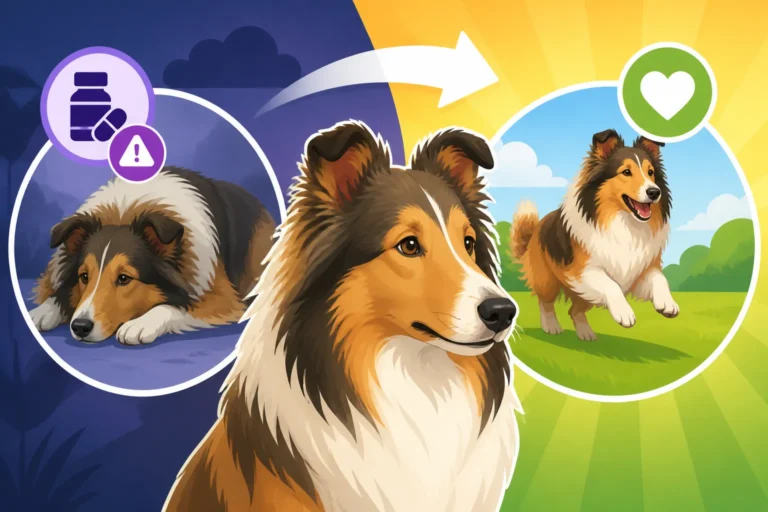
In the 1980s, two major health concerns loomed large over the Collie breed: drug sensitivity, now famously known as MDR1 mutation, and Collie Eye Anomaly (CEA). While the specific gene mutation for MDR1 wasn't identified until the early 2000s, veterinarians and astute breeders of the time certainly knew that Collies, and some related herding breeds, reacted adversely to certain medications, particularly ivermectin. It was a known risk, and caution was exercised, but without a definitive genetic marker, it was often a roll of the dice whether an individual dog would be affected. This meant relying heavily on a vet's experience with the breed and meticulous record-keeping for individual dogs and their lineage, which wasn't always foolproof.
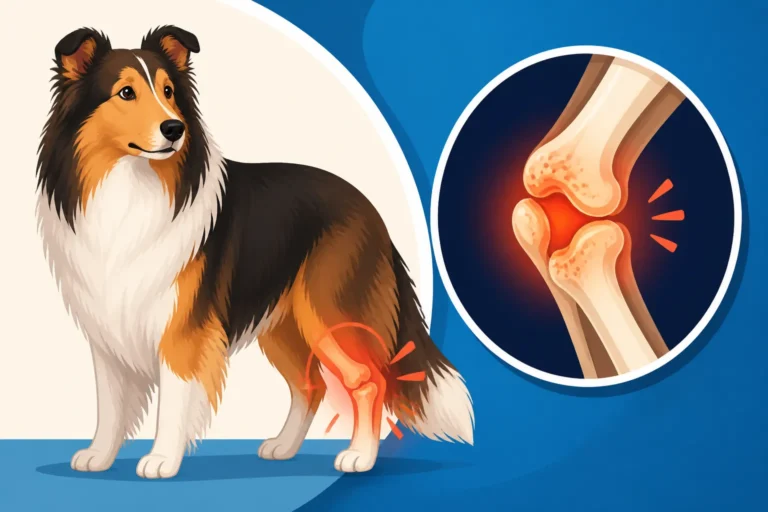
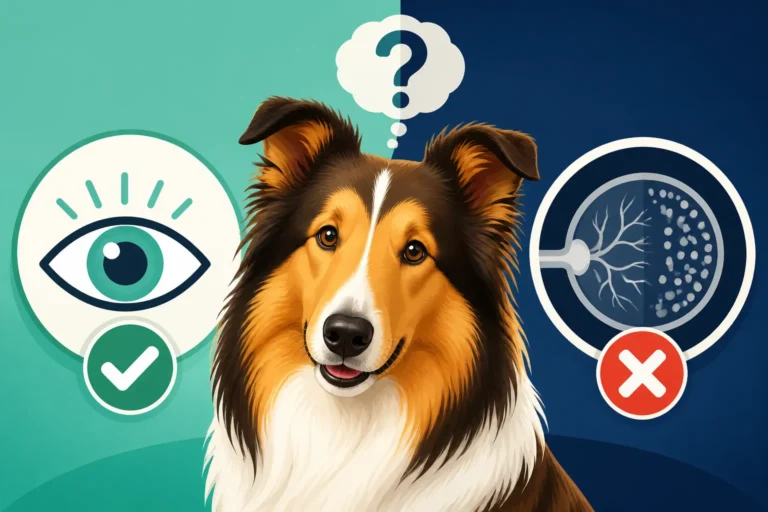
Collie Eye Anomaly (CEA) was, and still is, another significant issue that plagued the breed. In the 1980s, it was understood to be a hereditary condition affecting the development of the eye, often leading to impaired vision or, in severe cases, blindness. Routine eye exams by veterinary ophthalmologists were crucial, typically performed on young puppies before they were placed in new homes. However, these exams could only detect the phenotype (what the eye looked like), not the underlying genotype (the genetic makeup). A puppy might have a "go normal" eye exam, meaning the clinical signs were mild or undetectable at a young age, but still carry and pass on the genes for more severe forms of CEA. This made breeding decisions incredibly complex and often frustrating for those trying to reduce the prevalence of the disease. Other general health issues common to many large breeds, like bloat, epilepsy, and hip dysplasia, were also recognized, but the genetic components were even less understood.
Diagnostic Limitations and Breeder Practices
Without the incredible advancements in genetic testing we have today, breeders in the 1980s relied on a combination of visible health screens and traditional pedigree analysis. For conditions like CEA, the gold standard was the ophthalmologist's eye exam for puppies at around 5-7 weeks of age. While essential, this method had its limitations, as mentioned, particularly with the "go normal" phenomenon. Breeders would also study pedigrees diligently, trying to avoid lines with known health problems, but this was akin to navigating a maze in the dark. If a particular sire or dam produced affected offspring, they might be removed from a breeding program, but the reason why they produced affected puppies was often a mystery.
This meant that even the most responsible breeders were working with incomplete information. They were doing their best with the tools available, focusing on conformation, temperament, and trying to avoid obvious health issues. However, the lack of specific genetic markers meant that many carriers of debilitating diseases were inadvertently contributing to the gene pool, simply because there was no way to identify them beyond the visual manifestation of disease in their offspring. The desire to improve breed health was absolutely there, but the pathways were far less clear and far more challenging to navigate.
The Dawn of Genetic Understanding and Testing
The turn of the millennium brought with it a revolution in canine health, particularly for breeds like the Collie. The advent of genetic testing truly changed the game, moving from broad observations and limited physical exams to precise identification of the genetic mutations responsible for specific diseases. This shift allowed for a much more targeted approach to breeding and health management.
Breakthroughs in DNA Identification
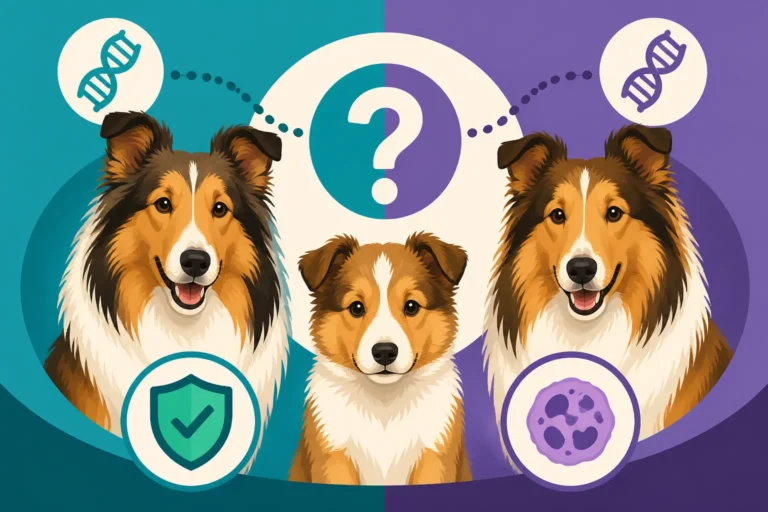
The real watershed moment for Collie health, and indeed for many susceptible breeds, came with the identification of the MDR1 gene mutation. In 2004, researchers at Washington State University pinpointed the specific genetic defect responsible for the dangerous drug sensitivity in Collies and other herding breeds. This was a monumental breakthrough because it meant that, for the first time, breeders and owners could definitively know if a dog was clear, a carrier, or affected by simply taking a cheek swab. Suddenly, the mystery surrounding drug reactions was solved, offering a clear path to preventing life-threatening adverse drug reactions. Knowing What the MDR1 Mutation Actually Does to a Collie became critical knowledge for every owner.
Following this, DNA tests for other significant Collie health issues also became available. While a DNA test for CEA doesn't fully replace the critical puppy eye exam for structural anomalies, genetic markers for some forms of the disease, like choroidal hypoplasia (the primary lesion of CEA), have emerged, offering another layer of insight for breeders. This allows for better understanding of carrier status. Furthermore, tests for conditions like Degenerative Myelopathy (DM), a debilitating neurological disease, and Dermatomyositis (DMS), a skin and muscle disorder, were developed. Even rare but severe conditions like Grey Collie Syndrome (Cyclic Neutropenia) now have a DNA test. These advancements have provided an unprecedented level of transparency and control over hereditary diseases within the breed, allowing breeders to make incredibly informed decisions and understand What the Collie DNA Health Panel Covers.
Accessibility and Impact on Breeding
The availability of these DNA tests wasn't just a scientific curiosity; it fundamentally transformed breeding practices and owner responsibility. Initially, Washington State University was the primary hub for MDR1 testing, but soon, commercial veterinary genetic testing laboratories like OptiGen, Embark Veterinary, and Paw Print Genetics made a wide array of genetic panels easily accessible to breeders and individual owners. A simple, non-invasive cheek swab could reveal a dog's genetic status for multiple conditions, eliminating much of the guesswork. This dramatically empowered breeders to make more responsible pairing decisions.
For example, a breeder could now test a potential breeding pair for MDR1. If one parent was a carrier (MDR1 +/-), they could ensure the other parent was clear (MDR1 +/+) to avoid producing affected offspring (MDR1 -/-) while still maintaining valuable genetic diversity within their lines. This thoughtful approach helps preserve desirable traits without propagating known health issues. Similarly, for CEA, while it's still complex, breeders can make more informed choices. This proactive approach has made a significant difference. It also meant that puppy buyers could now ask for documented proof of genetic testing, ensuring they were bringing home a puppy from health-conscious parents. This transparency is key to driving continued improvement in breed health, and many conscientious breeders actively publish their results, understanding Whether a Collie Breeder Should Publish Results.
| Health Concern | 1980s Approach | Current Approach (Post-2000s) | Impact on Breed Health |
|---|---|---|---|
| MDR1 Drug Sensitivity | Clinical observation, cautious drug use. | DNA testing (clear/carrier/affected), specific drug lists, vet flagging. | Significantly reduced risk of adverse drug reactions with proper management. |
| Collie Eye Anomaly (CEA) | Ophthalmic exam (puppies), pedigree tracking. | Ophthalmic exam (puppies), DNA test for specific genetic marker (CH), selective breeding. | Tools for breeders to reduce prevalence and severity, though still common. |
| Cyclic Neutropenia (Gray Collie Syndrome) | Clinical diagnosis, often fatal. | DNA test available, responsible breeders can eradicate. | Virtually eliminated from responsible breeding programs. |
| Dermatomyositis (DMS) | Biopsy, symptomatic treatment. | DNA risk panel (multiple genes), understanding risk levels, management. | Improved ability to assess risk and manage the condition. |
| Progressive Retinal Atrophy (PRA) | Ophthalmic exam, clinical signs (later stages). | DNA testing for specific forms, early identification of carriers. | Reduced incidence of certain forms of PRA in tested lines. |
Progress, Persistence, and New Realities
So, has Collie health truly improved since the 1980s? The answer is a resounding "yes" in many areas, but it's also a journey with ongoing challenges. The scientific breakthroughs have provided powerful tools, yet the responsibility for using these tools wisely falls squarely on breeders and owners alike.
Tangible Improvements and Ongoing Battles
With the widespread adoption of MDR1 testing, the risk of a Collie having a severe, life-threatening reaction to common drugs like ivermectin or loperamide has demonstrably decreased, provided owners and veterinarians are aware of the dog's status. Responsible breeders now routinely test their breeding stock and can provide buyers with results, meaning fewer puppies are born affected. This is a monumental step forward, turning a once mysterious and dangerous predisposition into a manageable trait. Understanding The Drug List That Can Kill a Collie is now a vital part of every Collie owner's knowledge base.
For Collie Eye Anomaly (CEA), while it remains prevalent, breeders have a clearer path to making informed decisions. The combination of early puppy eye exams and, in some cases, DNA testing for the specific choroidal hypoplasia gene (though this doesn't cover all aspects of CEA) allows for more targeted breeding strategies. While it hasn't been eradicated, the severity might be decreasing in actively tested lines. We now know that Collie Eye Anomaly Affects Most Collies, So Ask How Badly when considering a puppy.
However, not all battles are won. Conditions like bloat, a sudden and life-threatening twisting of the stomach, and epilepsy, a complex neurological disorder, continue to be present in the breed. While research into the genetic components of these diseases is ongoing, they are often polygenic, meaning multiple genes contribute, making a simple DNA test solution elusive. Organizations like the Collie Health Foundation tirelessly fund research into these complex health issues, understanding that the fight for optimal health is a continuous one. When it comes to managing such conditions, having a robust pet insurance plan like those offered by Healthy Paws can provide crucial financial support for diagnostics and ongoing treatments, easing the burden on owners.
The Modern Collie Owner's Toolkit
Today's Collie owner is armed with a wealth of information and resources that simply weren't available in the 1980s. The modern toolkit includes:
- Comprehensive DNA Testing: Beyond MDR1 and CEA, many breeders now utilize comprehensive panels that test for a range of genetic conditions, often through labs like Embark or Paw Print Genetics. This allows for a deeper understanding of a dog's genetic predispositions. For example, understanding The Three Genetic Tests a Collie Breeder Owes You is a great starting point for any prospective puppy buyer.
- Health Registries and Transparency: Many breeders participate in health registries through organizations like the Orthopedic Foundation for Animals (OFA) or the Canine Health Information Center (CHIC), which publicly database health testing results. This transparency helps buyers verify a breeder's claims and make informed decisions.
- Proactive Veterinary Care: With knowledge of breed-specific predispositions, owners can work closely with their veterinarians to implement preventive care strategies. Vets can flag a Collie's chart for MDR1 sensitivity, ensuring that medication choices are always safe. It's incredibly important to discuss with your vet How a Collie Owner Tells the Vet About MDR1.
- Pet Insurance: While not directly preventing disease, pet insurance has become an invaluable tool for managing the financial impact of unexpected health issues, both genetic and acquired. Companies like Healthy Paws offer comprehensive coverage that can help offset the costs of diagnostics, treatments, and even emergency care for conditions that may arise, giving owners peace of mind.
These tools collectively contribute to a much more informed and proactive approach to Collie health, aiming to give these dogs the longest, healthiest lives possible.
The Ever-Evolving Journey of Collie Health
While we can confidently say that Collie health has significantly improved since the 1980s, thanks to scientific advancements and the dedication of responsible individuals, it's also important to acknowledge that this is an ongoing journey. There are still challenges, and the work to breed healthier Collies is never truly finished.
Challenges and Future Outlook
One of the biggest ongoing challenges is dealing with conditions that don't have a simple "yes/no" genetic test. Many health issues, such as certain types of cancer, complex heart conditions, or some forms of epilepsy, are polygenic – meaning they are influenced by multiple genes, as well as environmental factors. This complexity makes them far harder to eradicate through simple DNA testing alone. This is where organizations like the Collie Health Foundation play a crucial role, funding cutting-edge research to unravel these mysteries and develop better diagnostic and preventive strategies. Their work is vital for tackling the next generation of health improvements in the breed.
Another delicate balance is maintaining genetic diversity. While we want to breed away from known diseases, removing too many dogs from the gene pool can inadvertently lead to other issues down the line, such as reduced immune system robustness or a rise in novel genetic problems due to too much inbreeding. Responsible breeders carefully navigate this, using genetic testing to make informed decisions that reduce disease while preserving the overall health and vigor of the breed. It's a continuous learning process. Furthermore, even with all the genetic tests in the world, accidents and illnesses can still happen. This is why it's wise for a Collie owner to consider something like Whether a Collie Should Wear a Medical Tag to alert emergency personnel to crucial health information, especially regarding MDR1 sensitivity.
The Responsibility of Informed Ownership
Ultimately, while breeders bear a significant responsibility for the health of future generations, informed ownership is paramount. Even if your Collie comes from parents rigorously tested for Collie Eye Anomaly Affects Most Collies, So Ask How Badly or Assume Your Collie Has the MDR1 Mutation, it doesn't make them immune to all health problems. Regular veterinary check-ups, a high-quality diet, appropriate exercise, and a keen eye for any changes in behavior or health are still essential.
Understanding the breed's predispositions means you can be a better advocate for your dog's health. For instance, knowing about potential sensitivities to certain drugs empowers you to educate any new veterinarian or emergency clinic staff about your Collie's specific needs. Consider getting your Collie tested for MDR1 if its parents weren't, as the investment of What an MDR1 Test Costs for a Collie is small compared to the peace of mind it provides. And for those unexpected bumps in the road, whether it's an injury, an acute illness, or a chronic condition that develops later in life, having comprehensive pet insurance from a reputable provider like Healthy Paws can be a lifesaver. It allows you to make medical decisions based on what's best for your Collie, not solely on what your wallet can handle, providing a crucial safety net in the ever-evolving journey of Collie health.
Disclaimer
The information provided in this article is for general informational purposes only and is not a substitute for professional veterinary advice. Always consult with a qualified veterinarian regarding any health concerns or before making any decisions about your pet's medical care.