What MDR1 Costs a Collie Owner in Caution and Vet Time
That sinking feeling in your stomach when the vet reaches for a common medication, and you have to stop them mid-sentence, is a reality for many Collie owners. Knowing your beautiful, loyal companion could have a life-threatening reaction to certain drugs isn't just a worry; it's a constant consideration that impacts everything from routine care to emergency visits. This guide will walk you through the various financial and emotional costs associated with owning a Collie with the MDR1 mutation, from initial testing to ongoing vet time and the crucial caution required to keep them safe.
Understanding the MDR1 Mutation and Its Impact
The Multi-Drug Resistance 1 (MDR1) gene mutation is a significant concern for Collie owners, casting a long shadow over seemingly routine aspects of pet care. It's not just a genetic quirk; it's a fundamental difference in how your Collie's body processes many common medications. This understanding is the bedrock of all the caution and expense that follows.
What the MDR1 Gene Does
At its core, the MDR1 gene is responsible for producing P-glycoprotein, a vital protein pump found in various parts of the body, including the brain, intestines, and kidneys. Think of P-glycoprotein as a diligent bouncer, actively pushing certain drugs and toxins out of sensitive areas, particularly the brain, before they can cause harm. For a Collie with the MDR1 mutation, this bouncer isn't doing its job properly. The gene has a defect that results in either a non-functional or greatly reduced P-glycoprotein pump. This means that when certain drugs enter the body, they aren't effectively pumped out, leading to an accumulation in tissues, especially in the brain. The consequences can be severe, ranging from neurological symptoms like tremors and disorientation to seizures, coma, and even death. It's a silent threat that can turn a standard dose of medication into a dangerous overdose for an affected Collie.
Why Collies Are Prone to This Mutation
Collies are, unfortunately, one of the breeds most famously affected by the MDR1 mutation. It's an inherited condition, meaning it's passed down from parent to puppy. The mutation likely became prevalent in the breed's gene pool generations ago, long before scientific testing existed to identify carriers. While it's most commonly associated with Rough and Smooth Collies, other herding breeds and their crosses, such as Australian Shepherds, Shetland Sheepdogs, and Old English Sheepdogs, can also carry it. However, the prevalence in Collies is particularly high. This genetic predisposition means that even if a Collie looks perfectly healthy, there's always a question mark hanging over their head regarding their MDR1 status until proven otherwise. It's why many experienced Collie owners will tell you to Assume Your Collie Has the MDR1 Mutation until you have definitive test results. This widespread genetic issue within the breed means that breeders and owners alike must be acutely aware and proactive in managing the risks.
The Initial Investment: Testing Costs
Before you can truly understand the ongoing costs of caution and vet time, you first need to know your Collie's MDR1 status. This initial investment in genetic testing is perhaps the most crucial financial decision you'll make for your dog's health, as it dictates all future protocols.
DNA Testing for MDR1
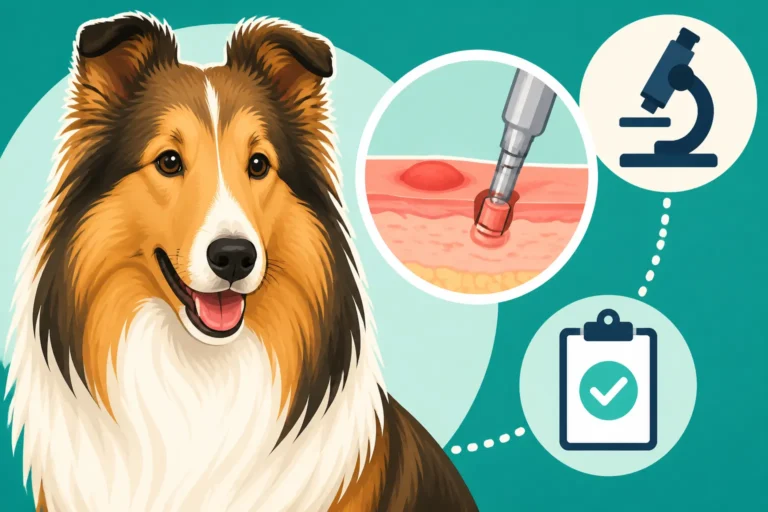
The good news is that testing for the MDR1 mutation is relatively straightforward and accessible. It's a simple DNA test, usually performed using a cheek swab or a blood sample. You can order a test kit directly from specialized canine genetics laboratories or have your veterinarian collect the sample and send it in for you. The process involves rubbing a sterile swab along the inside of your Collie's cheek to collect epithelial cells, which contain their DNA. This sample is then mailed to the lab. While the specifics can vary, most labs provide clear instructions. The results will typically tell you if your Collie is "clear" (no copies of the mutation), a "carrier" (one copy of the mutation, meaning they can pass it on and may have some sensitivity), or "affected" (two copies of the mutation, meaning they are highly sensitive to problem drugs). For a more in-depth look at this, you might find What an MDR1 Test Costs for a Collie a helpful read.
The Importance of Knowing Your Collie's Status
Knowing your Collie's MDR1 status is not just helpful; it's absolutely vital for their safety and your peace of mind. Without this knowledge, every trip to the vet, every new prescription, or even every over-the-counter remedy becomes a potential Russian roulette. If your Collie is affected, or even a carrier, specific medications known to interact with the MDR1 gene must be avoided or administered with extreme caution and at adjusted dosages. This empowers you and your veterinarian to make informed decisions that could literally save your dog's life. Think of it as a medical ID card for your Collie. This knowledge helps prevent adverse drug reactions, which can be devastating both for your dog's health and your wallet, given the high cost of emergency veterinary care. It’s an upfront cost that pays dividends in avoiding potentially life-threatening and expensive crises down the line.
Everyday Caution: Indirect Costs in Routine Care
The MDR1 mutation doesn't just present itself in dramatic emergency scenarios; it infiltrates the mundane, everyday decisions you make for your Collie. These indirect costs might not always show up as a line item on a vet bill, but they accumulate in the form of time, mental energy, and sometimes, the necessity of choosing more expensive, MDR1-safe alternatives for routine care.
The Mental Load of Constant Vigilance
One of the most significant, yet often unacknowledged, costs of owning an MDR1-affected Collie is the sheer mental load. Every single decision involving medication, pest control, or even what drops to put in their ears, requires a mental check against the "forbidden list." You constantly worry about accidental exposure, whether it's a dropped pill from another pet or a neighbor offering a treat that might contain an unsafe ingredient. This vigilance extends to communicating with anyone who might care for your dog – sitters, groomers, even family members. You become an advocate and a walking encyclopedia for your dog's unique needs. This constant state of alert can be exhausting. It's the anxiety that gnaws at you when your dog isn't feeling well, and you know the standard go-to remedies might be dangerous. This invisible labor is a real cost, impacting your stress levels and mental well-being as a dedicated pet parent.
Finding Safe Over-the-Counter Products
The grocery store or pet supply aisle can feel like a minefield when you have an MDR1 Collie. Many common over-the-counter products, from anti-diarrhea medications like loperamide (Imodium) to certain topical flea and tick preventatives, contain active ingredients that are problematic for MDR1-affected dogs. This means you can't just grab the cheapest or most readily available option. You have to meticulously read labels, cross-reference ingredients, and often opt for alternatives that might be more expensive or harder to find. For instance, while some flea and tick products are safe, others containing ingredients like spinosad or selamectin need careful consideration, especially if applied topically and licked. This often leads to purchasing premium, veterinarian-recommended brands, or even ordering specific products through online retailers like Chewy that offer detailed ingredient lists and customer reviews, enabling you to research thoroughly before buying. This extra research and the occasional higher price tag for safer options represent a very real, ongoing indirect cost.
Special Grooming Product Considerations
While not as directly life-threatening as internal medications, even grooming products can warrant extra caution for an MDR1 Collie, especially if your dog has any skin sensitivities or a habit of licking its coat excessively. Many topical treatments for skin conditions, medicated shampoos, or even certain detangling sprays might contain ingredients that could be absorbed through the skin or ingested during grooming. For example, if your Collie needs a medicated bath for a skin issue, you'll need to discuss the active ingredients with your vet to ensure they won't pose a systemic risk if absorbed. Choosing gentle, hypoallergenic, and non-toxic grooming products becomes even more critical. You might find yourself investing in higher-quality, vet-approved shampoos and conditioners, avoiding harsh chemicals, and being extra diligent about rinsing thoroughly. This isn't just about coat health; it's about minimizing any potential, however small, for problematic substances to enter your Collie's system.
Navigating Veterinary Visits: Direct Costs of Vet Time and Special Protocols
Taking an MDR1 Collie to the vet isn't just a standard appointment; it often requires extra steps, heightened awareness from the veterinary staff, and sometimes, specialized protocols that can directly impact your bill. This isn't about vets gouging prices, but about the legitimate added time and expertise required to ensure your dog's safety.
Communicating with Your Vet
Effective communication with your veterinary team is paramount, and sometimes, this means more time spent in consultation or pre-appointment discussions. You need to explicitly inform every staff member—from the receptionist to the vet tech to the veterinarian—about your Collie's MDR1 status. This isn't a one-time conversation; it should happen at every visit, for every new procedure, and especially with any new staff member. This means bringing a printed list of safe and unsafe drugs, ensuring it's clearly noted in your Collie's chart, and being prepared to discuss it. This extra communication, while vital, can sometimes extend appointment times or require specific follow-up calls, which, in a busy clinic, can add to the overall "vet time" allocated to your pet. It's worth remembering that How a Collie Owner Tells the Vet About MDR1 is a critical skill to develop.
Special Anesthesia Protocols
Anesthesia is a particularly high-stakes area for MDR1 Collies. Several common pre-anesthetic sedatives and anesthetic agents can be problematic. This means your vet might need to devise a customized anesthesia protocol, selecting specific drugs that are known to be safe for MDR1-affected dogs. This might involve using different combinations of drugs, administering them at reduced dosages, or opting for more intensive monitoring during and after the procedure. The selection of these alternative drugs can sometimes be more expensive, and the increased monitoring by veterinary staff during recovery adds to the labor cost. Furthermore, some vets might recommend additional pre-anesthetic blood work or diagnostics to ensure your Collie is in optimal health before undergoing a potentially more complex anesthetic procedure. These specialized protocols are essential for safety, but they undeniably contribute to a higher overall cost for procedures like neutering, dental cleanings, or any surgery. Whether Anesthesia Is Riskier for an MDR1 Collie is a common concern for owners for good reason.
Increased Monitoring and Consultations
Beyond anesthesia, any time your MDR1 Collie receives a new medication or undergoes a procedure that might involve problematic drugs, there's a need for increased monitoring. This could mean more frequent follow-up appointments, extended observation periods at the clinic, or additional tests to monitor drug levels or liver/kidney function. For example, if a situation necessitates using a drug on the "caution list" at a reduced dose, your vet might want to perform blood tests to ensure the drug isn't accumulating to toxic levels. These extra appointments, blood draws, and the lab fees associated with them, all add up. Furthermore, if your Collie develops any unusual symptoms, the diagnostic process might be more involved, as the vet has to rule out a drug reaction in addition to other potential causes. This comprehensive and cautious approach, while medically sound, inevitably increases the overall vet time and associated costs throughout your Collie's life. It also speaks to why it's wise to ensure Whether a Collie's Chart Should Be Flagged at the Clinic.
Emergency Situations: The High Cost of an Adverse Drug Reaction
Despite all the caution, accidents can happen, or an unforeseen circumstance might lead to an MDR1 Collie receiving an unsafe medication. When an adverse drug reaction occurs, the costs skyrocket, not just financially, but emotionally and in terms of your dog's well-being. This is where the true, terrifying expense of MDR1 can manifest.
Recognizing a Drug Reaction
The first and most critical step in an emergency is recognizing that your Collie is having an adverse drug reaction. This means knowing the common signs to look for, which can include neurological symptoms like disorientation, ataxia (wobbliness or loss of coordination), excessive salivation, blindness, tremors, seizures, or a sudden change in mental state (from lethargy to hyperexcitability). The speed at which these symptoms appear can vary depending on the drug and the dose, but a rapid onset after exposure to a potential problem drug should always trigger immediate concern. Recognizing these Signs an MDR1 Collie Is Having a Drug Reaction is crucial because early intervention can be life-saving. As the owner, you are your Collie's first line of defense, and your swift action can make all the difference in the outcome.
Emergency Treatment Costs
Once an adverse reaction is suspected, time is of the essence, and so is getting to an emergency veterinary clinic. Emergency treatment for an MDR1 drug reaction is intensive and expensive. It typically involves decontamination (if the drug was recently ingested), intravenous fluid therapy to help flush the drug from the system, medications to control seizures or other neurological symptoms, and supportive care to keep your Collie stable. This might mean an overnight stay in an intensive care unit, round-the-clock monitoring, and specialized diagnostics. The costs for such care can quickly climb into the thousands, encompassing emergency consultation fees, IV fluids, multiple medications, lab tests, and hospitalization charges. This isn't a simple prescription refill; it's a full-blown medical crisis that demands immediate and comprehensive veterinary attention.
The Aftermath and Recovery Expenses
Even if your Collie survives an acute drug reaction, the aftermath can bring its own set of costs. Recovery might be prolonged, requiring ongoing medications to manage residual neurological symptoms or to support organ function. There might be a need for specialized rehabilitation, such as physical therapy, if your Collie experienced severe neurological damage. Behavioral changes, such as increased anxiety or confusion, might require further veterinary consultations or even behavioral therapy. The emotional toll on you, as the owner, is immense, watching your beloved pet struggle through recovery. Furthermore, there's the ongoing cost of managing chronic conditions that might arise as a consequence of the reaction. While many Collies can recover from an MDR1 drug reaction, a full recovery isn't always guaranteed, and the journey back to health can be both lengthy and financially draining. For those concerned, understanding Whether an MDR1 Collie Recovers From a Reaction can offer some perspective.
Managing Medication and Preventatives: The Expense of Safe Alternatives
One of the most frequent areas where MDR1 impacts a Collie owner's budget is in the ongoing procurement of medications and preventatives. You can't just pick up generic brands or use what worked for previous non-MDR1 dogs. This often means higher costs for carefully selected, safer alternatives.
Sourcing Alternative Medications
When your MDR1 Collie needs medication for any condition, your veterinarian will need to carefully select drugs that are known to be safe or can be safely administered at reduced dosages. This often means avoiding widely available, cheaper options that contain problematic ingredients. For instance, a common anti-diarrhea medication like loperamide is strictly off-limits, requiring you to seek out alternatives. This research and careful selection by your vet takes time, and the alternative drugs themselves may be patented, newer, or simply less common, leading to a higher price point. Sometimes, your vet might recommend specific brands or formulations, which can limit your options for comparison shopping.
Compounded Medications
In some cases, a safe alternative might not be readily available in the precise dosage or formulation needed for your MDR1 Collie. This is where compounded medications come into play. A compounding pharmacy can custom-prepare a drug in a specific strength, dosage form (e.g., a liquid instead of a pill), or even flavor, to make it safer and easier to administer to your dog. For example, if a drug on the "caution" list needs to be used at a very low, precise dose, a compounding pharmacy can create a custom liquid suspension. While invaluable for ensuring accurate and safe dosing, compounded medications are almost always more expensive than commercially produced drugs. They require specialized preparation and are not produced on a large scale, which drives up the cost. This bespoke approach to medication can add a significant ongoing expense to your Collie's care.
Preventative Care Choices
Routine preventative care, such as heartworm, flea, and tick medications, also requires careful consideration for an MDR1 Collie. Many popular and effective broad-spectrum parasiticides contain ingredients like ivermectin (in high doses), milbemycin, selamectin, or moxidectin, which can be problematic for affected dogs. While low doses of ivermectin used in many heartworm preventatives are generally considered safe, it's crucial to confirm the specific product and dosage with your vet and to know your Collie's status. For a thorough understanding, you might want to read Whether Heartworm Preventive Is Safe for a Collie. Flea and tick treatments might also require a shift to alternative ingredients or methods of control. This often means choosing veterinarian-prescribed preventatives that are specifically vetted for MDR1 safety, which can sometimes be more costly than over-the-counter options or those available through larger, non-specialized pet stores. You might find yourself exclusively buying these products from your vet or a specialized online pharmacy to ensure safety and quality control. Healthy Paws, for example, often covers prescribed preventatives as part of overall wellness plans, which can help offset these costs.
| Care Aspect | Standard Collie Approach | MDR1 Collie Approach | Potential Cost Impact |
|---|---|---|---|
| Routine Vet Visit | Standard consultation, medication as needed | Extended discussion, detailed chart flagging, drug review | Higher consultation fees, longer appointment time |
| Anesthesia | Standard pre-meds and induction agents | Custom protocol, alternative drugs, increased monitoring | Higher drug costs, increased monitoring fees |
| Heartworm Prev. | Off-the-shelf brand, often generic | Vet-approved, specific low-dose formulas | Potentially higher cost per dose, vet-only options |
| Flea/Tick Prev. | Many topical/oral options | Carefully selected active ingredients, vet-prescribed | Limited choices, possibly premium brands |
| Anti-diarrhea Med | Loperamide (Imodium) often used | Strict avoidance, alternative non-MDR1 drugs | Sourcing alternative, potentially compounded meds |
| Emergency Visit | Symptom-based treatment | Urgent care, decontamination, intensive supportive therapy | Significantly higher costs for specialized emergency care |
| Grooming/Skin Care | Standard shampoos, over-the-counter topical treatments | Hypoallergenic, vet-approved products, ingredient checks | Higher cost for specialized products |
| Overall Stress | Low-to-moderate | High, constant vigilance, mental load | Indirect, but significant emotional and time cost |
Long-Term Planning: Insurance and Ongoing Budgeting for an MDR1 Collie
The unique needs of an MDR1 Collie necessitate a more proactive and dedicated approach to financial planning. Beyond the day-to-day expenses, thinking long-term about emergencies and ongoing care is crucial to prevent being overwhelmed.
Pet Insurance for Genetic Conditions
Pet insurance can be a lifeline for any dog owner, but it's particularly valuable for a Collie with the MDR1 mutation. While most insurance policies won't cover pre-existing conditions (meaning if your dog is diagnosed before you get insurance, anything related to MDR1 won't be covered), getting a policy before an MDR1-related issue arises can be a smart move. Policies from providers like Healthy Paws often cover unexpected illnesses and accidents, which could include emergency treatment for an accidental drug reaction or complications from safe, but perhaps more expensive, medical procedures. It's vital to research policies carefully, understanding what they consider a "pre-existing condition" and whether they have specific exclusions for genetic predispositions. Some plans might even offer riders for wellness care, which could help with the cost of those specialized preventatives. Ultimately, Whether Pet Insurance Is Worth It on a Collie is a personal decision, but for an MDR1-affected dog, the potential for high-cost emergencies makes it a strong consideration.
Building an Emergency Fund
Even with pet insurance, building a dedicated emergency fund for your MDR1 Collie is a wise financial strategy. Insurance policies often have deductibles, co-pays, and reimbursement limits, and you typically have to pay vet bills upfront before being reimbursed. An emergency fund provides that immediate liquidity when a crisis hits. Given the high cost of emergency care for an adverse drug reaction, having a readily accessible fund of several thousand dollars can literally be the difference between life and death for your dog. This fund also covers unexpected expenses that might not be covered by insurance, such as specific diagnostics, specialized dietary needs, or follow-up care that falls outside the policy's scope. Think of it as your safety net, allowing you to focus on your Collie's recovery rather than scrambling to cover unexpected bills.
The Ongoing Budget for a Special Needs Collie
Owning an MDR1 Collie means accepting that their ongoing care might simply cost more than a dog without this genetic issue. This needs to be factored into your long-term budget. Beyond the potentially higher cost of medications and preventatives, you might budget for more frequent vet check-ups, especially as they age, to monitor for any subtle changes that could indicate a problem. You might also allocate funds for specialized products or services, like a trusted dog sitter who is fully aware and competent in managing an MDR1 dog, or for educational materials to keep yourself updated. The peace of mind that comes from knowing you're prepared for these eventualities is priceless. This comprehensive budgeting ensures that your beloved Collie receives the best possible care, safely and without undue financial strain on your household. It also means you might want to consider Whether a Collie Should Wear a Medical Tag to alert others to their special needs.
Advocacy and Awareness: The Non-Monetary Costs and Community Support
Beyond the dollars and cents, living with an MDR1 Collie carries its own set of non-monetary costs, primarily centered around advocacy and emotional investment. However, these challenges also open doors to a supportive community.
Educating Others About MDR1
One of the significant "costs" you'll incur as an MDR1 Collie owner is the time and effort spent educating others. This isn't just about informing your immediate family or vet; it often extends to dog sitters, boarding kennel staff, groomers, and even friends or neighbors who might interact with your dog. You become a mini-ambassador for MDR1 awareness, patiently explaining why certain treats are off-limits, why they can't have that over-the-counter dewormer, or why the vet needs to be explicitly reminded at every single visit. This constant education can be emotionally taxing, as you bear the responsibility for preventing potential harm. However, by spreading awareness, you're not only protecting your own Collie but potentially helping other Collie owners and their dogs, contributing to a safer environment for the breed as a whole. You're part of a movement to ensure The Drug List That Can Kill a Collie is widely known.
The Emotional Toll on Owners
Let's be real: the emotional cost of owning an MDR1 Collie is substantial. The constant worry, the meticulous label-reading, the fear of an accidental exposure, and the heightened anxiety during any vet visit where medication is involved can take a toll. You carry the burden of knowing that a simple mistake could have dire consequences for your beloved companion. This emotional weight can be heavy, affecting your peace of mind and even how you enjoy time with your dog. The experience of an actual adverse drug reaction, even if successfully treated, leaves an indelible mark of trauma and fear. However, the deep bond you form with your Collie, knowing you are their vigilant protector, often makes this emotional investment feel worth every ounce of effort.
Community Resources and Support
You are not alone in this journey. One of the hidden benefits of navigating the complexities of MDR1 is the strong, supportive community of Collie owners and breed enthusiasts. Online forums, breed-specific groups, and local Collie clubs are invaluable resources. Here, you can share experiences, ask questions, and get advice on everything from finding MDR1-safe products (some owners might swear by specific brands available on sites like Chewy for food or preventatives, or even Ollie for specialized food plans that ensure no hidden ingredients) to coping with the emotional stress. These communities often have lists of veterinarians who are particularly knowledgeable about MDR1, recommendations for compounding pharmacies, and shared wisdom on how to advocate for your dog effectively. Tapping into this collective knowledge and support can significantly lighten the load, providing both practical solutions and much-needed emotional solace. It’s a testament to the dedication of Collie owners that this wealth of information exists, ensuring that no one has to face the challenges of MDR1 alone.
Disclaimer
This article is for general informational purposes only and does not constitute professional advice. Laws, prices and regulations vary by location and change over time. Consult a qualified professional for guidance on your specific situation.