What a Full Collie Health Panel Costs Per Dog
Bringing a Collie into your life is a joyful, transformative experience, but it also comes with a big responsibility: ensuring their health. You've likely heard seasoned Collie owners or breeders talk about "health panels" and genetic testing, and if you're like many, you might be scratching your head, wondering what exactly that entails and, more importantly, what kind of financial commitment you're looking at. It can feel like a secret handshake society with all the acronyms and specialized jargon. This guide is here to unravel the mystery of the full Collie health panel, breaking down the costs and helping you understand why these proactive steps are an invaluable investment in your beloved dog's future.
Understanding the Collie Health Panel: What's Included?
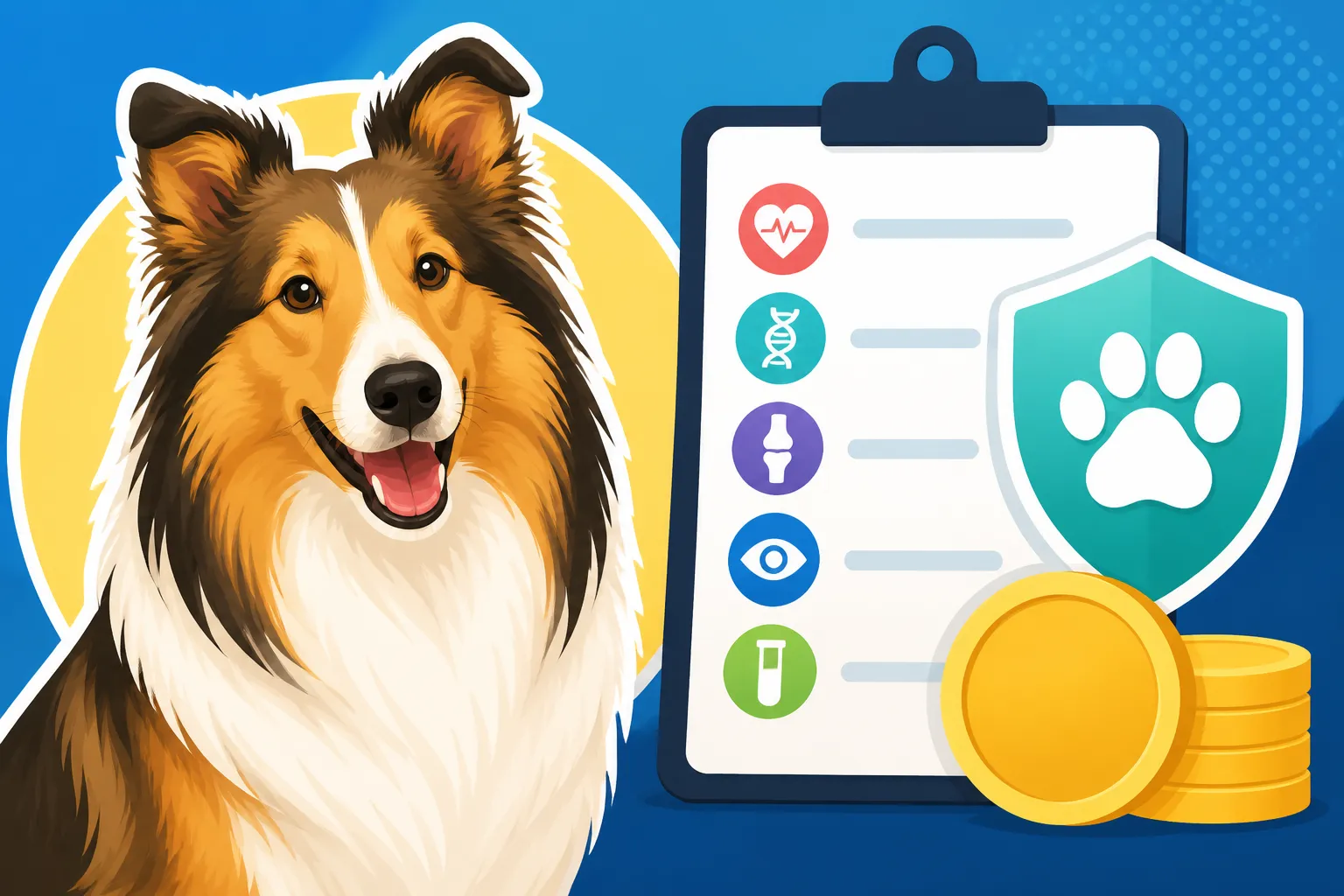
When we talk about a "full Collie health panel," we're not just referring to a single test. It's a comprehensive suite of screenings designed to identify genetic predispositions to certain diseases that are unfortunately prevalent in our beautiful breed. Think of it as a detailed blueprint of your Collie's inherited health, giving you and your veterinarian critical insights long before symptoms might even appear. It's about being proactive, not reactive, when it comes to their well-being.
Core Genetic Tests: MDR1 and CEA
These two are often considered the absolute essentials for any Collie, whether they are destined for the show ring, a working farm, or simply to be your cherished family companion. Their impact on a Collie's life can be profound, making early testing incredibly important.
First up is MDR1, or the Multi-Drug Resistance 1 gene mutation. This is a big one for Collies, and honestly, every Collie owner needs to be aware of it. Without this test, you're essentially playing a dangerous guessing game every time your dog needs medication. This mutation makes Collies highly sensitive to a variety of common drugs that are perfectly safe for other breeds, but which can cause severe neurological problems, seizures, coma, or even death in an affected Collie. If you don't know your Collie's status, the safest bet is to Assume Your Collie Has the MDR1 Mutation and act accordingly. Understanding What the MDR1 Mutation Actually Does to a Collie is key to appreciating why this test isn't just a suggestion; it's a lifeline. Many of the drugs on The Drug List That Can Kill a Collie are common medications, so knowing this information protects your dog.
Then there's Collie Eye Anomaly (CEA), a hereditary condition affecting the development of the eye. It can range from very mild choroidal hypoplasia (CH), which might not impact vision much, to severe forms like colobomas or retinal detachment, leading to significant vision impairment or even blindness. This is why a certified veterinary ophthalmologist needs to examine Collie puppies between five and seven weeks of age, before their adult coat starts to obscure a clear view of the retina. This early check is crucial because Why a Collie Puppy Is Eye Checked at Five to Seven Weeks allows for the most accurate assessment of the condition. While it doesn't always lead to blindness, Collie Eye Anomaly Affects Most Collies, So Ask How Badly so you know what you're dealing with. A DNA test can also identify carriers or affected dogs, though the physical eye exam remains the gold standard for diagnosis and severity assessment.
Other Important Genetic Screenings: DM, DMS, CN
Beyond MDR1 and CEA, several other genetic tests contribute to a comprehensive health panel. These conditions, while perhaps not as universally known as MDR1, are still significant concerns within the breed and can severely impact a Collie's quality of life.
Degenerative Myelopathy (DM) is a progressive neurological disease that affects the spinal cord, leading to weakness in the hind limbs and eventually paralysis. While DM is often associated with breeds like German Shepherds, Collies can also be affected. Knowing your Collie's DM status, especially for breeding purposes, helps prevent passing on this devastating condition. While there's no cure, early knowledge can help you prepare for and manage symptoms if they arise in later life.
Dermatomyositis (DMS) is a fascinating and often frustrating condition specific to Collies and a few related breeds. It's an immune-mediated disease that primarily affects the skin and muscles, leading to lesions, hair loss, and sometimes muscle weakness. The severity can vary greatly, and while some dogs experience mild symptoms, others suffer significantly. The genetic testing for DMS is complex, often looking at several genetic markers to assess risk, not just a simple affected/clear result. This makes the Dermatomyositis and the Collie Risk Panel a nuanced but important part of a full health workup. Understanding your dog's risk profile can guide management strategies, such as sun protection and avoiding certain triggers.
Finally, we have Cyclic Neutropenia (CN), famously known as Gray Collie Syndrome. This is a truly heartbreaking and usually fatal immune disorder. Puppies affected with CN have a characteristic silvery-gray or beige coat color and suffer from recurrent infections due to extremely low white blood cell counts. Most affected puppies don't live past a few months of age. Because it's such a severe condition, testing for CN is paramount for breeders to ensure they never produce affected puppies. It truly is Gray Collie Syndrome Is a Collie Problem and Nobody Else's, and its severity makes testing non-negotiable for responsible breeding.
Physical and Ocular Examinations: Hips, Eyes, and Thyroid
While genetic tests look at DNA, a "full health panel" also traditionally includes evaluations of physical structures and organ function that can impact a Collie's longevity and comfort. These are typically performed by specialist veterinarians and registered with organizations like the Orthopedic Foundation for Animals (OFA).
Hip Dysplasia (HD), though not as rampant in Collies as in some larger breeds, can still occur and cause debilitating arthritis. This condition involves the abnormal development of the hip joint, leading to looseness and eventual degeneration. Screening for Hip Dysplasia in a Collie typically involves X-rays, often done around two years of age, to assess the quality of the hip joints. These X-rays are then submitted to specialists for evaluation and grading. It's a crucial step to ensure a lifetime of comfortable movement for your Collie, especially if they're active.
Beyond the puppy eye exam for CEA, many responsible breeders also perform regular OFA Eye Examinations on adult Collies. These comprehensive exams screen for a broader range of inherited eye conditions that may manifest later in life, ensuring the overall health of the dog's vision. Even if your puppy had a clear CEA check, regular eye health monitoring throughout their life with your family vet is always a good idea.
Lastly, Thyroid disease, particularly hypothyroidism, can affect Collies, leading to symptoms like lethargy, weight gain, and coat issues. A full thyroid panel assesses the function of the thyroid gland, checking various hormone levels. This testing helps identify dogs with subclinical or active thyroid problems, allowing for early intervention and medication if needed. It's important to ask Whether a Collie Gets Thyroid Disease as part of a general health check, particularly for adult and senior dogs, as it's a manageable condition that can significantly improve quality of life once diagnosed.
Why These Tests Are Not Just "Optional Extras"
It's easy to look at a list of tests and see dollar signs, wondering if every single one is truly necessary. But for Collies, these aren't just checkboxes; they're vital tools that empower us as owners and breeders to provide the best possible life for our dogs and to protect the future of the breed. They represent an investment in peace of mind, prevention, and responsible guardianship.
Protecting Your Individual Collie's Health
The most immediate and personal reason for these tests is the direct impact on your own Collie. Imagine the heartache of your beloved companion suffering a severe adverse reaction to a medication, simply because you didn't know about their MDR1 status. It's not a scare tactic; it's a very real danger. Knowing their genetic predispositions allows your veterinarian to tailor medical treatments specifically for your dog, avoiding potentially fatal drugs or adjusting dosages. It literally saves lives. How a Collie Owner Tells the Vet About MDR1 is a conversation you absolutely need to be prepared for, and having those test results makes it clear and undeniable.
For conditions like CEA, while a mild form might not cause significant issues, early detection means you know what to watch for. If your Collie has a more severe form, you can prepare your home, train them differently, and ensure they live a full life despite vision challenges. Similarly, understanding a risk for DMS means you can take preventative measures, like limiting sun exposure or being extra vigilant about skin health, to minimize flare-ups and discomfort. Proactive care is always less stressful and often less expensive than emergency intervention.
The Cornerstone of Responsible Breeding
For those involved in breeding Collies, these tests move from highly recommended to absolutely essential. Responsible breeding isn't just about pretty faces or winning ribbons; it's about producing healthy, well-adjusted puppies that will bring joy to families for many years. Without comprehensive health testing of breeding stock, genetic diseases are unknowingly perpetuated, causing immense suffering for future generations and tainting the reputation of the breed.
A responsible breeder uses these panels to make informed decisions about pairings, aiming to produce puppies that are genetically clear or at least at a very low risk for common hereditary conditions. They understand that The Three Genetic Tests a Collie Breeder Owes You are the bare minimum, and a full panel goes even further to ensure the health and longevity of their puppies. This dedication to health often means a higher initial puppy price, but it saves countless heartaches and vet bills down the line for new owners. It's an ethical commitment to the breed's future.
Impact on the Breed's Future
Beyond individual dogs and specific litters, widespread health testing has a collective impact on the entire Collie breed. When enough breeders test their dogs and share results (often through public databases like the OFA), a clearer picture emerges of the prevalence of certain conditions. This data is invaluable for researchers working to understand these diseases better, develop improved treatments, or even find cures.
It's a testament to the dedication of the Collie community that we strive to maintain the breed's unique beauty and temperament without sacrificing health. Every health test performed contributes to a larger pool of knowledge that benefits all Collies, helping to ensure that this beloved breed thrives for generations to come. It’s about building a healthier legacy, one generation at a time.
Deconstructing the Costs: What to Expect
Let's get down to the brass tacks: what does all this actually cost? The price of a full Collie health panel can vary, depending on how comprehensive it is, which laboratory you choose, and whether certain evaluations require specialist veterinary appointments. It's not a single fixed price, but rather a collection of potential expenses.
Individual Test Costs vs. Packaged Panels
When you decide to pursue health testing for your Collie, you generally have two main approaches: ordering individual genetic tests or opting for a bundled "panel." Many reputable veterinary genetic testing laboratories recognize the need for comprehensive screening in specific breeds and offer breed-specific panels. These panels typically group together the most common and critical genetic tests for Collies, such as MDR1, CEA (the DNA test part), DM, DMS, and CN, into a single, more cost-effective package.
Purchasing a full Collie panel this way is almost always more affordable than ordering each genetic test separately. For example, a single genetic test might cost a certain amount, but a panel covering five or six key genes could be offered at a significantly reduced total. For a breeder, these panels are a smart investment, as What the Collie DNA Panel Costs a Breeder needs to be factored into their program, and maximizing the genetic information obtained for each dollar spent is wise. Pet owners, too, benefit from the convenience and savings of a bundled panel, getting a comprehensive look at their dog's predispositions with one cheek swab or blood sample.
Physical examinations, like hip X-rays or specialist eye exams, are separate costs and are usually performed by your local veterinarian or a referred specialist. These fees encompass the vet's time, anesthesia (for hip X-rays), and the submission fees to the registry (like OFA).
Factors Influencing the Price Tag
Several factors can cause the cost of a Collie health panel to fluctuate.
- Laboratory Choice: Different genetic testing laboratories have varying price structures for their individual tests and bundled panels. Some might specialize in certain breeds or offer more comprehensive panels than others. It's worth researching and comparing a few reputable labs to see which one best fits your needs and budget.
- Comprehensiveness of the Panel: A "full" panel can mean different things to different people. Some panels might only include MDR1 and CEA, while others will add DM, DMS, CN, and more. Naturally, a more extensive panel will have a higher price point. Decide what level of detail you're comfortable with for your specific dog.
- Geographical Location (for vet exams): The cost of veterinary services, including specialist consultations and diagnostic imaging like X-rays, can vary significantly depending on your region and the specific clinic. A veterinary ophthalmologist's fee for a puppy eye check might be different in a rural area compared to a major city, for instance.
- Sample Collection Method: For genetic tests, most labs allow you to collect a cheek swab at home, which can save you a vet visit fee. However, some prefer a blood sample, which requires a trip to the vet and an additional collection charge. Physical exams, of course, always require a vet visit.
It’s important to remember that for genetic tests, the results are typically lifelong. Once your Collie has been tested for a specific genetic marker, you usually won't need to repeat that test. This means you pay once for enduring peace of mind. You generally won't need to ask Whether a Collie Owner Should Retest a Purchased Puppy for DNA-based conditions if the breeder has provided verified results.
Potential Hidden Costs or Follow-Ups
While the initial cost of the tests is usually transparent, there can be a few associated or follow-up expenses to keep in mind.
- Veterinary Visit Fees: If you opt for your vet to collect the sample (e.g., a blood draw for genetic testing) or for any physical exams (like the puppy eye check, hip X-rays, or thyroid panel), you'll pay for the vet consultation and any necessary procedures like sedation or anesthesia for X-rays.
- Re-testing: In rare cases, a genetic test might come back inconclusive, or there might be an error in sample collection, requiring a re-test. This isn't common, but it's a possibility.
- Follow-Up Care: The most significant potential "hidden" cost isn't in the testing itself, but in the implications of the results. If a test identifies a condition or a high risk for one, you might incur costs for further diagnostic work, specialist referrals, medication, or ongoing management. For example, a positive diagnosis for thyroid disease means lifelong medication. This is where comprehensive pet insurance like Healthy Paws can be invaluable, though it's important to understand their coverage for genetic and pre-existing conditions.
Here's a general idea of what individual tests and panels might cost, though these figures are subject to change and vary widely:
| Test/Panel | Description | Typical Cost Shape (USD) | Why it's Important |
|---|---|---|---|
| MDR1 Gene Test | Single test for drug sensitivity | $ | Prevents life-threatening drug reactions |
| CEA (DNA Test) | Single DNA test for eye anomaly | $ | Screens for genetic predisposition to CEA |
| DM Gene Test | Single test for Degenerative Myelopathy | $ | Identifies risk for progressive paralysis |
| DMS Risk Panel | Multiple markers for Dermatomyositis risk | $$ | Assesses risk for skin/muscle disease |
| CN Gene Test | Single test for Gray Collie Syndrome | $ | Crucial for preventing fatal immune disorder |
| Comprehensive Collie Genetic Panel | Bundle of 5-8 common genetic tests | $$$ | Most cost-effective way to get broad genetic health info |
| Puppy Eye Exam (Ophthalmologist) | Physical eye exam for CEA/other issues | $ | Early detection of physical eye anomalies |
| Hip X-rays (OFA/PennHIP) | Radiographic evaluation of hip joints | $$$ | Screens for hip dysplasia risk |
| Full Thyroid Panel | Blood test for thyroid function | $$ | Detects common metabolic issues |
Note: The cost shapes are relative. $ might indicate under $100, $$ $100-$300, $$$ $300-$600, etc. Always check with specific labs and veterinary clinics for current pricing.
The Long-Term Value: More Than Just a Number
Looking at the numbers can be daunting, but it's essential to consider the incredible long-term value these tests provide. It's not just about spending money; it's about investing in the quality of your Collie's life, your peace of mind, and the health of the breed as a whole.
Peace of Mind for You and Your Vet
Knowing your Collie's full health panel results offers an unparalleled sense of security. Imagine heading to the vet for an unexpected illness or surgery. If your vet already knows your Collie is MDR1 affected, they immediately know which medications are off-limits or need dosage adjustments. This can literally be the difference between life and death. You won't have to worry if Whether Anesthesia Is Riskier for an MDR1 Collie because your vet will take appropriate precautions. This information empowers your vet to make the safest and most effective treatment decisions, especially in emergencies, saving critical time. You'll be able to confidently How a Collie Owner Tells the Vet About MDR1 without any doubt.
For you as an owner, this knowledge translates into less anxiety. You know you've done everything possible to understand and mitigate potential health risks. It removes the guesswork and allows you to enjoy your Collie, confident that you're well-informed and prepared for their specific health needs.
Ethical Ownership and Contribution to the Breed
Even if your Collie is a beloved pet and not intended for breeding, health testing is an act of ethical ownership. Your Collie's genetic profile contributes to a broader understanding of breed health. This data, when collected and analyzed, helps researchers identify trends, track the efficacy of breeding programs aimed at reducing genetic diseases, and ultimately improve the health of Collies everywhere.
By testing your dog, you're not just helping yourself; you're helping the entire Collie community. You're part of a collective effort to ensure that this wonderful breed continues to be healthy and robust for future generations. It's about being a responsible guardian, not just to your own dog, but to the breed as a whole.
Mitigating Future Veterinary Expenses
While the initial cost of a health panel might seem like a lot, consider it an insurance policy against potentially much larger future expenses. Preventing a severe MDR1 drug reaction, which could lead to days of intensive veterinary care, seizures, or worse, can save you thousands of dollars in emergency vet bills and immeasurable emotional distress. Early diagnosis of a condition like hypothyroidism allows for prompt treatment, preventing more severe and costly secondary health issues down the line.
Knowing your dog's predispositions also allows you to be proactive in their general care. If you know your Collie has a genetic risk for certain conditions, you can proactively adjust their diet, supplement regimen, or exercise routine. For instance, if you're managing a condition, you might explore specialized diets available through retailers like Chewy or consider fresh, tailored meal plans from services like Ollie to support their specific needs, potentially reducing the need for expensive medications or interventions later. An ounce of prevention, especially in Collie health, is truly worth a pound of cure. It’s an investment that pays dividends in both your Collie's health and your wallet in the long run.
Disclaimer
This article is for general informational purposes only and does not constitute professional advice. Laws, prices and regulations vary by location and change over time. Consult a qualified professional for guidance on your specific situation.