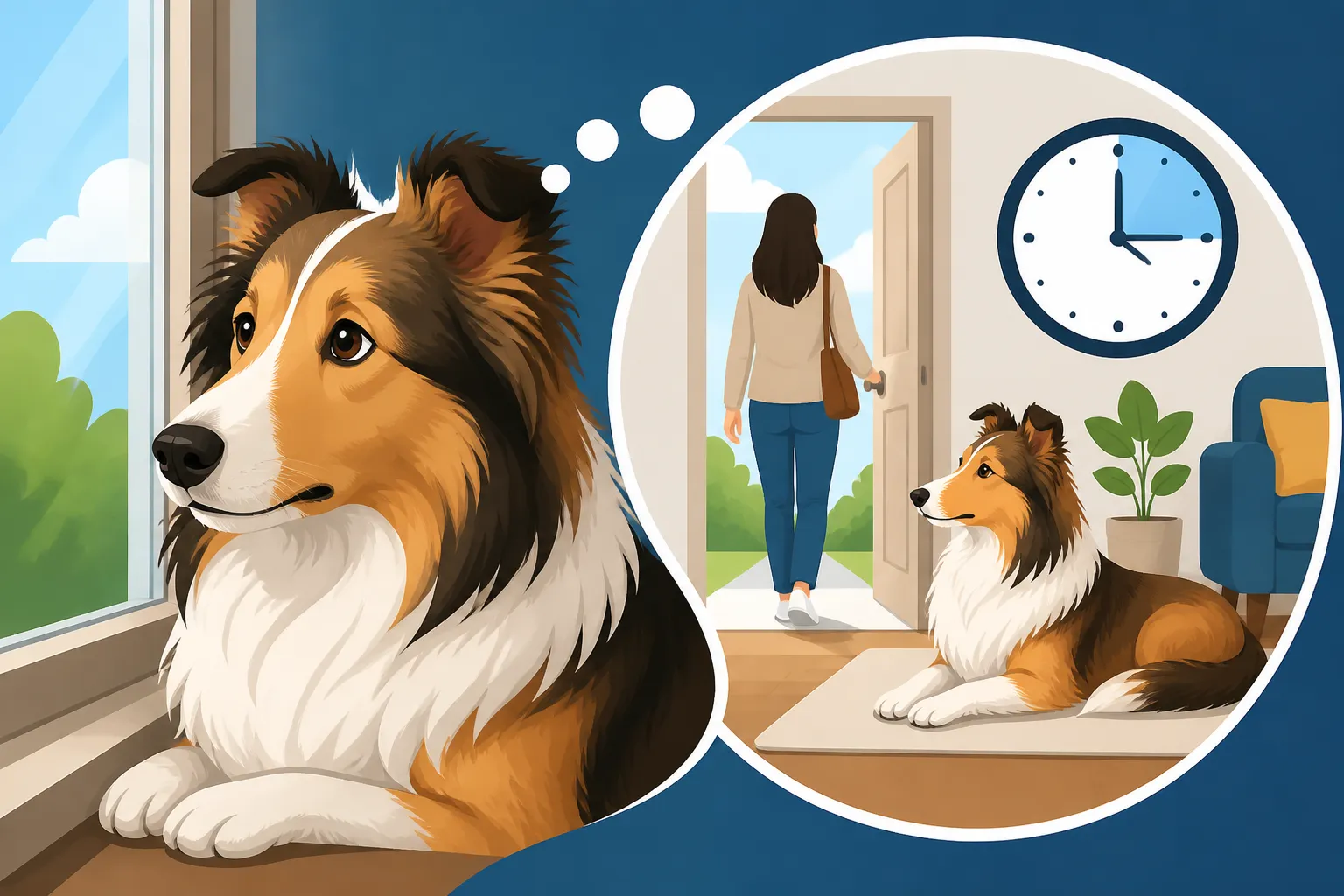
How Long a Collie Can Be Left Alone
One of the biggest anxieties for any dog owner, especially those new to the breed, is how long they can comfortably leave their furry family member home alone. With Collies, this concern is amplified because they are known for their deep devotion and sensitive nature. It’s not just about meeting their basic needs, but about maintaining their emotional well-being and preventing destructive behaviors that stem from loneliness or boredom. This guide is here to walk you through understanding your Collie's unique needs when it comes to alone time, offering practical strategies, and setting realistic expectations to ensure they thrive even when you're not right there beside them.
Understanding Your Collie's Need for Company
Collies, with their rich history as loyal herding companions, truly embody the term "man's best friend." They were bred to work closely with humans, often for long hours, relying on direction and offering unwavering attention. This deep-seated need for connection isn't just a quaint trait; it's a fundamental part of their genetic makeup and temperament, influencing how well they cope when left in solitude. Ignoring this can lead to a host of problems, both for your Collie and your home.
The Collie's Innate Companionship Instinct
Think about the Collie's origins on the Scottish hillsides. They weren't just guarding sheep; they were partners to shepherds, working as a team, making decisions, and staying constantly attuned to their human. This historical role has instilled in them a profound desire for companionship and involvement in family life. They thrive on being part of the action, even if that "action" is just you folding laundry in the next room. This is why you'll often find your Collie following you from room to room, a constant shadow, simply wanting to be near their people. It's not necessarily about needing constant play or commands, but about presence and connection. They are social animals through and through, and this social drive doesn't simply disappear when you walk out the door.
For many Collies, being alone for extended periods can feel unnatural and even distressing. They're not independent loners; they're integral family members who internalize the rhythms and presence of their human companions. Imagine suddenly being cut off from your primary social circle for hours on end – it can be disorienting and stressful. Your Collie experiences a version of this, and their coping mechanisms might not always align with your household's peace and quiet. Understanding this instinct is the first step to mitigating the challenges of alone time.
Signs Your Collie Needs More Interaction
Your Collie is a master communicator, even without words. They'll tell you, in their own unique ways, when their need for interaction isn't being met. One of the most common, and often frustrating, signals is excessive barking. A Collie's bark is robust, and they can certainly put it to use if they're feeling anxious, bored, or lonely. This isn't just nuisance barking; it's a plea for attention or an expression of distress. Another tell-tale sign is destructive chewing. While all puppies chew, an adult Collie suddenly taking to your furniture or shoes when you're gone is often a symptom of under-stimulation or anxiety. It’s not spite; it’s an outlet for pent-up energy or stress.
Beyond barking and chewing, you might notice other behaviors. Some Collies might pace excessively, especially near windows or doors, waiting for your return. Others might have "accidents" in the house, even if they're perfectly house-trained, which can be a sign of stress rather than a lack of bladder control. You might also find them becoming overly clingy when you are home, almost trying to "stock up" on attention before you leave again. If you've been wondering Whether a Collie Barks While You Are Out or Whether a Collie Chews When Bored, these are often direct indicators that their alone time isn't working for them. Pay attention to these cues; they're not misbehavior, but rather desperate attempts to communicate their needs.
Age and Individual Differences
It's crucial to remember that a "one size fits all" approach to alone time simply doesn't work, especially with Collies. A young puppy, for instance, has very different needs than a senior dog. A Collie puppy, much like a human infant, requires frequent potty breaks, constant supervision, and structured napping. Leaving a puppy alone for more than a couple of hours is asking for trouble and can hinder their house-training and socialization. They simply haven't developed the bladder control or emotional resilience to cope with extended periods of solitude. During The First Year With a Collie Puppy, establishing good habits around alone time is paramount.
As Collies mature, their capacity for solitude generally increases, but individual temperaments still vary wildly. Some Collies are naturally more independent and can handle longer stretches alone with proper exercise and mental stimulation, while others are incredibly sensitive and might struggle even after extensive training. Then there are our beloved senior Collies. As they age, they might experience cognitive decline, reduced bladder control, or increased anxiety, making them less tolerant of being alone. Whether an Old Collie Gets Confused at Night is a common concern, and similar confusion or disorientation can occur during the day when left alone, particularly in unfamiliar surroundings. Always tailor your approach to your individual Collie, observing their unique personality and evolving needs throughout their life.
Practical Strategies for Managing Alone Time
Once you understand your Collie's inherent need for companionship, the next step is to implement practical strategies that make their alone time as comfortable and stress-free as possible. This isn't about ignoring their nature but about working with it to build their confidence and independence gradually. It requires consistency, patience, and a thoughtful approach to their daily routine.
Building Up Tolerance Gradually
The key to a successful alone-time strategy is gradual desensitization, especially if your Collie already shows signs of anxiety when you leave. You can't just leave for eight hours one day and expect them to be fine. Start with very short periods. Get ready to leave, walk out the door, wait a minute, and then come back in calmly. No big fuss when you leave or return. Gradually increase the duration: two minutes, five minutes, ten minutes, and so on. The goal is to show them that you always come back and that being alone isn't something to fear. This process is like building a muscle; you start small and add resistance over time.
During these short periods, ensure your Collie has appropriate distractions. A high-value chew toy or a puzzle feeder, perhaps something you picked up from Amazon, can occupy them and create a positive association with your departure. Only offer these special treats when you're leaving, making them a unique reward for solitude. It's not about tricking them, but about conditioning them to associate your absence with something enjoyable. Consistency is paramount. Every time you leave, even for a quick trip to the mailbox, practice this routine. This teaches them to trust the pattern and that your absence is always temporary.
Enriching the Environment
A bored Collie is a destructive Collie. Mental stimulation is just as important as physical exercise for this intelligent breed. Before you leave, make sure your Collie has had ample physical exercise – a good walk, a game of fetch, or even some structured playtime. This helps burn off excess energy that might otherwise manifest as anxiety or destructive behavior. But physical exercise isn't enough; their minds need a workout too. Provide interactive toys and puzzle feeders to keep them engaged. Brands like KONG offer various options that you can stuff with peanut butter or treats, providing a long-lasting distraction.
Consider placing a comfortable bed or crate in a quiet, safe space where they feel secure. Some Collies prefer to be able to see out a window, while others do better with visual barriers if outside stimuli trigger their barking. A white noise machine or calming music can also help mask unsettling outdoor sounds. For more dedicated training resources, platforms like BAXTER & Bella offer online puppy training programs that cover foundational obedience and can help structure your approach to alone time, potentially giving you tips on enriching their environment effectively. Remember, an engaged mind is less likely to focus on your absence.
The Role of Routine and Predictability
Collies, like many dogs, thrive on routine. A predictable schedule helps them understand what to expect throughout the day, which can significantly reduce anxiety when you're not around. Establish consistent times for meals, walks, potty breaks, and playtime. If your Collie knows that after their morning walk and breakfast, you'll be leaving for a certain period, and then you'll return for another walk, it builds a sense of security. Uncertainty is a major stressor for dogs, and a lack of routine can make your departures feel random and unsettling.
A consistent routine also includes your departure and arrival rituals. Keep them low-key. Avoid long, emotional goodbyes or overly enthusiastic greetings. This can inadvertently heighten their anxiety about your departure and their excitement upon your return, making the interim period more stressful. Instead, aim for calm transitions. Give them their special toy, a quick pat, and quietly exit. When you return, acknowledge them calmly, let them settle, and then give them attention after a few minutes. This reinforces that your coming and going is a normal, non-alarming part of their day. You'll find that Whether a Collie Needs a Predictable Routine is a definite 'yes' when it comes to managing their emotional state during alone time.
When Professional Help and Alternatives Are Necessary
Sometimes, despite your best efforts, a Collie's struggle with being alone goes beyond simple boredom or lack of training. It can manifest as genuine separation anxiety, a complex behavioral issue that often requires specialized intervention. Recognizing the difference and knowing when to seek additional support is crucial for your Collie's well-being and your peace of mind.
Identifying Separation Anxiety vs. Boredom
It's easy to confuse a bored Collie with one suffering from separation anxiety, but the distinction is vital for effective treatment. A bored Collie might chew on your slippers, dig in the garden, or bark at squirrels out the window. These behaviors usually cease when you return and are often a result of insufficient physical or mental stimulation. They might be destructive, but it's often more about finding an outlet for their energy. Whether a Collie Chews When Bored is a common question, and yes, they absolutely can. Providing more exercise, puzzle toys from Amazon, or interactive play can often resolve these issues.
Separation anxiety, however, is a deeper emotional distress triggered by being left alone. Dogs with separation anxiety often exhibit more extreme behaviors only when you are absent. This can include incessant barking, howling, destructive attempts to escape (like chewing through doors or crates, injuring themselves in the process), excessive drooling, self-mutilation, or urination/defecation even if they were just out. The key is that these behaviors are generally not present when you are home, even if you are ignoring them. If you suspect genuine separation anxiety, a professional diagnosis from a veterinary behaviorist or certified dog trainer is essential, as the approach to treatment is far more intensive than addressing simple boredom.
Exploring Daycare and Dog Walkers
For Collies who genuinely struggle with being alone for long periods, or for owners with demanding work schedules, exploring external support can be a lifesaver. Doggy daycare is one excellent option. A good daycare provides supervised play, socialization with other dogs, and mental stimulation, ensuring your Collie comes home tired and happy. It breaks up their day and provides the companionship they crave. However, not all Collies thrive in a busy daycare environment, especially if they are naturally timid or prefer a calmer setting. It's important to research facilities, check their handling methods, and ensure it's a good fit for your individual dog's personality. Whether Daycare Suits a Collie depends entirely on the Collie and the daycare's environment.
Alternatively, a professional dog walker can provide a much-needed mid-day break. Even a 30-minute walk can provide physical exercise, a potty break, and a dose of human interaction that can make a huge difference to a Collie’s day. It’s often a more personalized option than daycare and can be tailored to your Collie's specific needs and preferences. Look for certified and insured dog walkers who come highly recommended. This can be a more budget-friendly and less overwhelming option than full-day daycare for many Collies. You might wonder Whether a Dog Walker Is Enough for a Collie, and for many, a good walk and some human company in the middle of a long day alone can absolutely be enough.
Considering a Second Dog
The idea of getting a second dog to keep your Collie company is a tempting one, and for some households, it works wonderfully. A well-matched canine companion can provide comfort, play, and a sense of security for a lonely Collie. They can chase each other in the yard, share a nap on the couch, and simply offer a consistent presence that a human cannot always provide. If your Collie's loneliness stems from a lack of canine companionship, introducing a compatible playmate might indeed alleviate some of their distress.
However, it's not a guaranteed solution and comes with its own set of considerations. A second dog doubles your expenses, your training efforts, and your potential for chaos. If your Collie's issue is true separation anxiety, a second dog might not solve the problem if the anxiety is specifically tied to the human's absence, and in some cases, the second dog can even pick up on the first dog's anxiety. Furthermore, careful consideration must be given to matching personalities and energy levels. While Whether a Collie Needs a Second Dog for Company might seem like a simple question, the answer is complex and requires careful planning and observation of your current Collie's specific needs and temperament. It's a big commitment, not a quick fix.
Setting Realistic Expectations for Collie Alone Time
As loving Collie owners, we all want what's best for our dogs. This includes providing enough companionship while also navigating our own daily responsibilities. Setting realistic expectations about how long your Collie can truly be left alone is key to avoiding frustration for both of you. It's about finding that sweet spot where their needs are met without unduly sacrificing your own life.
General Guidelines by Age
While every Collie is an individual, there are some general guidelines based on age that can help you gauge reasonable alone times. These are not hard and fast rules, but rather a starting point for discussion with your vet or a professional trainer. Remember, these times assume adequate exercise, mental stimulation, and potty breaks before and after your absence.
| Age of Collie | Recommended Maximum Alone Time | Considerations |
|---|---|---|
| 8-16 Weeks (Puppy) | 1-2 hours | Small bladder, critical socialization period, prone to chewing. Must be crated safely or in puppy-proofed area. |
| 4-6 Months | 3-4 hours | Still growing, increasing bladder control, continued socialization. Consistent potty breaks essential. |
| 6-12 Months | 4-5 hours | Approaching adolescence, energy levels high, potential for mischief. More mental stimulation needed. |
| Adult (1-7 Years) | 6-8 hours (max) | With proper preparation (exercise, potty, enrichment), many Collies can manage this. Quality of time before/after is key. |
| Senior (8+ Years) | 4-6 hours | Reduced bladder control, potential for anxiety, joint discomfort. May need more frequent breaks and comfort. |
It's vital to stress that "maximum" alone time doesn't mean "ideal" alone time. Even an adult Collie who can cope for 8 hours will likely thrive more if their alone time is broken up, perhaps by a dog walker or a visit from a family member. Pushing these limits frequently can still lead to stress and behavioral issues over time.
The Importance of Quality Time
When we talk about how long a Collie can be left alone, it’s not just about the number of hours. The quality of the time you spend with them when you are home is equally, if not more, important. A Collie that gets an hour-long, engaging walk, focused training, and dedicated cuddle time before you leave is much more likely to cope than one who is simply let out into the yard and then ignored. Think of it as filling their emotional "love tank" before you go.
This quality time includes physical exercise, of course. How Much Exercise a Collie Needs Daily can vary, but generally, at least an hour of active exercise, broken into two sessions, is a good baseline. But don't forget mental exercise! Collies are intelligent and enjoy learning. Short, daily training sessions where you teach new tricks or practice obedience cues count as mental stimulation and strengthen your bond. Whether Training Sessions Count as a Collie's Exercise is a resounding yes; they tire the mind just as a walk tires the body. A Collie who feels well-exercised, mentally stimulated, and deeply connected to their family will be far more resilient when left alone.
Preparing for Emergencies
Life happens, and sometimes, despite our best intentions and meticulous planning, we might find ourselves in a situation where our Collie needs to be left alone for longer than planned. A sudden emergency at work, an unexpected delay in travel, or a personal crisis can extend our absence without warning. In these moments, having a contingency plan in place is not just helpful, it's absolutely crucial for your Collie's safety and well-being.
Identify a trusted friend, family member, or professional pet sitter who lives nearby and can step in on short notice. Provide them with a spare key, detailed instructions on your Collie's routine, feeding schedule, and any medications. Make sure they know where emergency vet contact information is, especially if your Collie has specific health concerns like the MDR1 mutation, which requires careful medication choices. You might even consider investing in a camera system, some of which are readily available on Amazon, that allows you to monitor your Collie remotely and even speak to them. This can offer immense peace of mind and allow you to check in on their behavior. Being prepared for the unexpected ensures that even in unforeseen circumstances, your devoted Collie won't be left in distress for longer than necessary.
Disclaimer
This article is for general informational purposes only and does not constitute professional advice. Laws, prices and regulations vary by location and change over time. Consult a qualified professional for guidance on your specific situation.