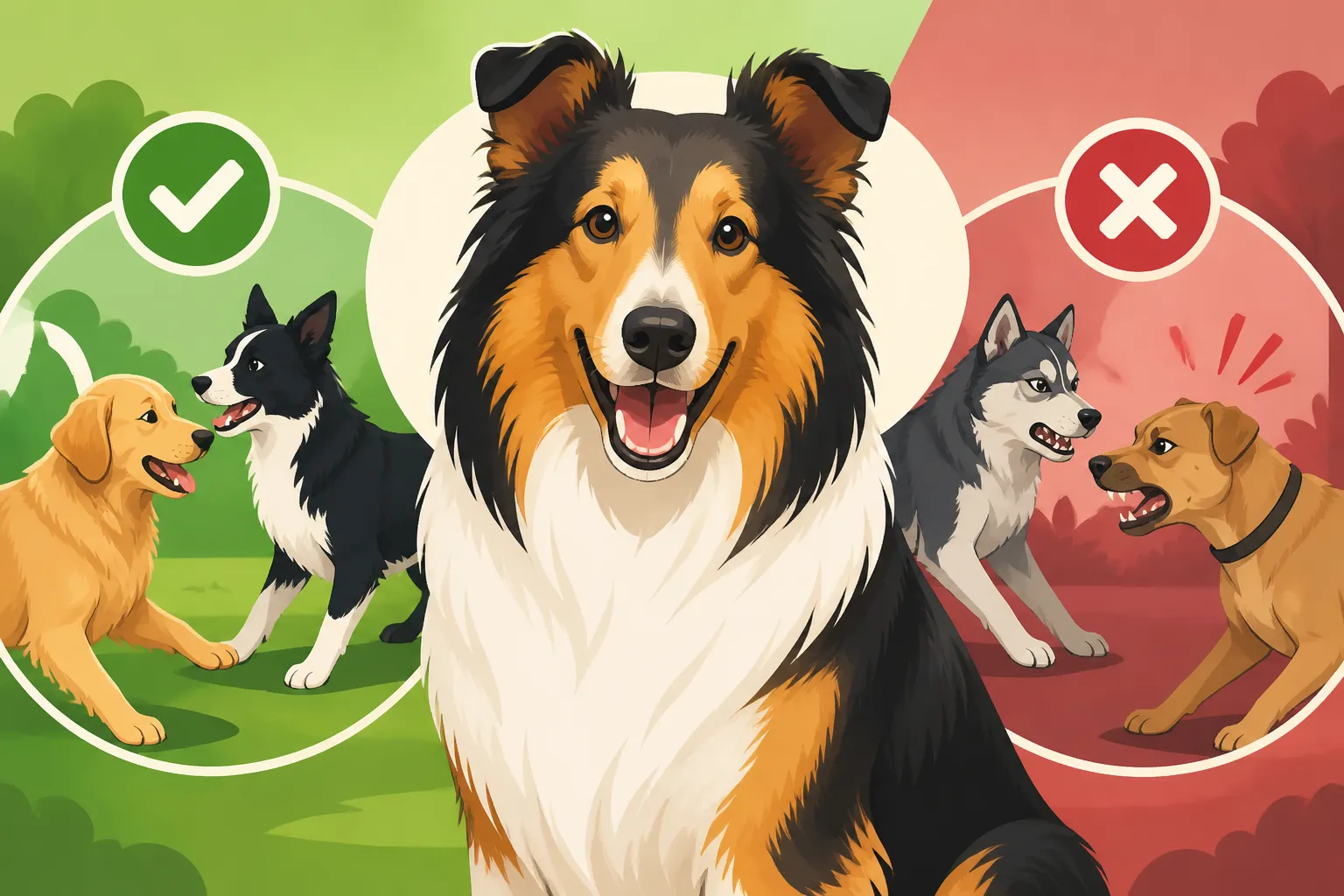
Whether a Collie Gets On With Other Dogs
One of the most common worries for Collie owners, especially if you're thinking of adding another furry family member, is how your sweet, sensitive Collie will get along with other dogs. It’s easy to imagine a dog like Lassie being best friends with everyone, but real-life Collies have unique personalities and needs that dictate their social successes. This guide will walk you through what to expect from your Collie in terms of dog-to-dog interactions, how to foster positive relationships, and what challenges you might encounter.
Understanding the Collie's Natural Disposition Towards Other Dogs
Collies are renowned for their gentle nature, intelligence, and deep loyalty to their human families. However, their interactions with other dogs aren't always a one-size-fits-all situation. While many Collies are quite amiable, their herding instincts, sensitivity, and protective tendencies can influence how they engage with other canines.
The Herding Instinct and Social Dynamics
At their core, Collies are herding dogs. This means they are bred to manage and control the movement of other animals. While most pet Collies won't be rounding up sheep in your living room, this ingrained instinct can manifest in subtle ways when they interact with other dogs. You might see your Collie trying to "collect" other dogs, circling them, or even nipping at their heels in an attempt to direct their movement. This isn't aggression; it's just your Collie doing what comes naturally, but it can be misinterpreted by other dogs, especially those who aren't used to such behaviors. A confident, pushy dog might find this annoying, while a shy dog might find it intimidating. It's a nuanced dance, and understanding this underlying drive is crucial to managing their social life.
For example, I once watched a beautiful Sable Collie at the dog park constantly trying to gently guide a boisterous young Labrador away from the children playing soccer. The Lab, oblivious, just wanted to chase the ball, and the Collie looked increasingly frustrated, occasionally nudging him with his nose. It wasn't an aggressive encounter, but it certainly wasn't a play date either – it was a Collie trying to impose order on chaos! You'll find that Collies generally prefer a more structured, predictable interaction rather than an all-out, no-holds-barred play style common in some other breeds.
Sensitivity and Its Impact on Introductions
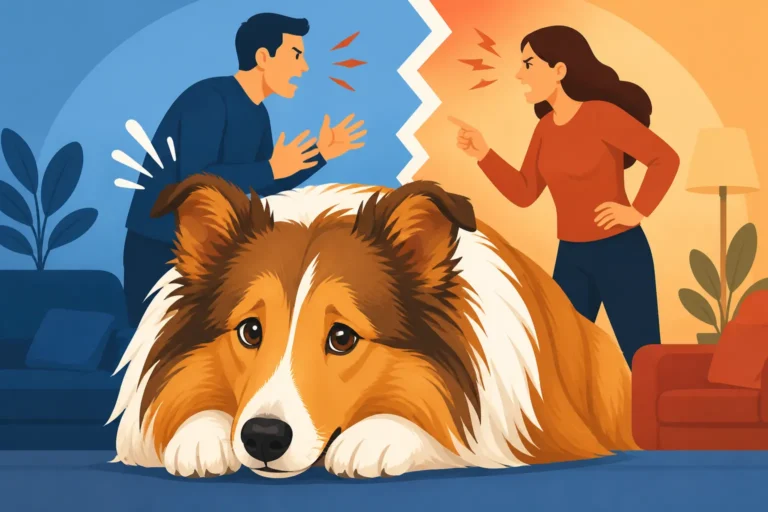
Collies are notoriously sensitive dogs. They pick up on subtle cues, both from humans and other animals, and can be easily overwhelmed by boisterous or aggressive behavior. A rough-and-tumble play style from another dog, or even just a very loud bark, can cause a sensitive Collie to withdraw, become fearful, or even react defensively. This isn't a sign of weakness; it's just how they're wired. They thrive on calm, respectful interactions.
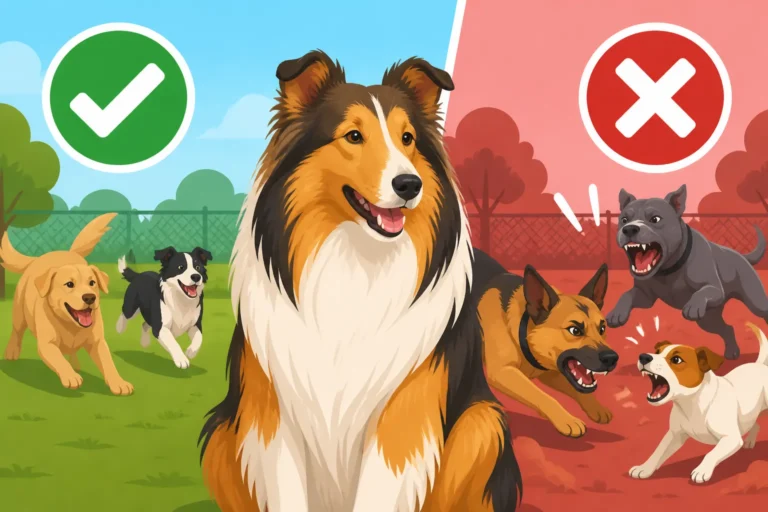
Think about a time you walked your Collie past a dog frantically barking behind a fence. Most Collies will visibly flinch or try to put distance between themselves and the commotion. This sensitivity means that careful, controlled introductions are paramount. Throwing a Collie into a chaotic dog park with dozens of unfamiliar dogs might not be the best first experience for them. Instead, they often do best with one-on-one introductions to well-manners dogs, allowing them to assess the situation and build trust at their own pace.
Factors Influencing a Collie's Dog-Dog Relationships
While their breed characteristics provide a general blueprint, many individual factors shape how a Collie interacts with other dogs. No two Collies are exactly alike, and understanding these influences can help you guide your dog toward positive social experiences.
The Critical Role of Early Socialization
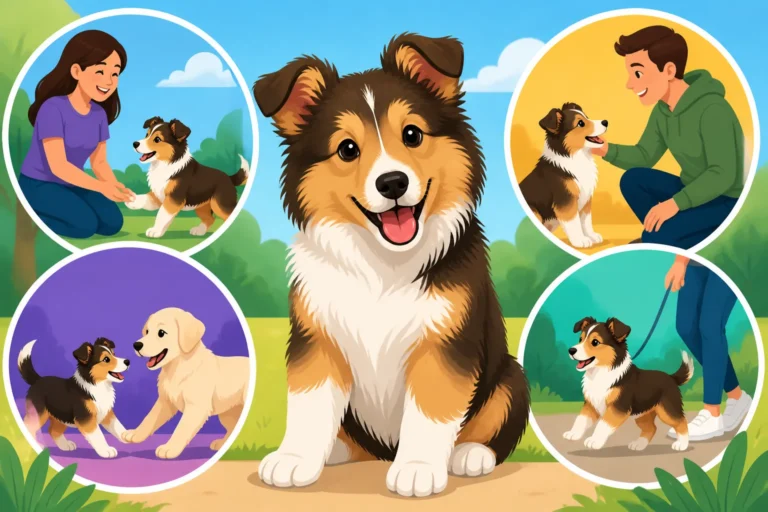
I cannot stress this enough: early, positive socialization is the absolute cornerstone of a well-adjusted Collie who gets along with other dogs. A Collie puppy's first few months are a critical window for learning about the world, and that includes learning how to interact appropriately with other canines. Puppies who are exposed to a variety of friendly, vaccinated dogs in controlled environments tend to grow into more confident and amiable adults.
Imagine a Collie puppy, let's call her Daisy, who spends her first few months isolated from other dogs. When she finally encounters another dog on a walk, she might be fearful, lunging, or barking because she simply doesn't understand the social etiquette. Contrast this with another puppy, Gus, who attended puppy classes, had playdates with known friendly dogs, and regularly encountered different breeds and sizes of dogs from a young age. Gus is much more likely to approach new dogs with curiosity and appropriate greetings. Puppy classes, like those often recommended by BAXTER & Bella, can be invaluable for structured socialization, providing safe and positive experiences. It's about building a positive association: "other dogs mean fun and safety," not "other dogs mean fear or threat."
Individual Personality and Prior Experiences
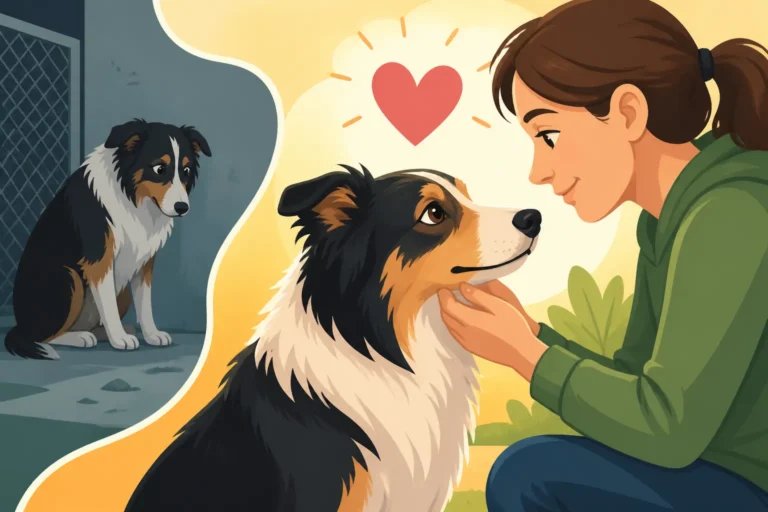
Just like people, Collies have individual personalities. Some are naturally more outgoing and gregarious, while others are more reserved or even timid. A Collie's past experiences also play a huge role. A rescue Collie who had a negative encounter with another dog in its past might be understandably wary. Conversely, a Collie who grew up in a multi-dog household might be completely unfazed by new canine companions.
I know a Collie, Finn, who was sadly attacked by another dog when he was a year old. For months afterward, every time he saw a large, dark-colored dog, he would cower and try to hide. It took immense patience, positive reinforcement, and careful, managed interactions with calm, friendly dogs to rebuild his confidence. His owner used high-value treats and kept initial encounters very short and positive, often crossing the street to avoid dogs that seemed too boisterous. This is where understanding How to Build Confidence in a Nervous Collie becomes vital.
Age, Sex, and Neutering Status
These factors can subtly, or sometimes not so subtly, influence dog-dog dynamics. Intact male dogs, for instance, sometimes experience more tension with other intact males due to territorial or dominance displays. Intact females can also have squabbles, particularly if one is in season. Neutering often calms some of these hormone-driven behaviors, leading to more relaxed interactions.
Puppies, by nature, are often more universally accepted by adult dogs (though caution is always advised). However, an older, slower Collie might find a boisterous puppy irritating rather than endearing. They might snap or growl to tell the youngster to back off, which is a natural communication, but needs to be managed to prevent genuine conflict. Conversely, an older Collie who has enjoyed canine company its whole life might feel lonely if it suddenly finds itself without a companion. The Age a Collie Is Considered Senior can bring changes in their tolerance levels too.
Environmental Factors and Management
The environment in which dogs interact matters significantly. A neutral territory, like a park, is usually best for initial introductions, rather than one dog's backyard, which might be seen as a territory to defend. Leash greetings can sometimes create tension because dogs are restrained and can't use their full body language to communicate. Off-leash interactions in a secure, neutral area, if both dogs are proven friendly, often allow for more natural communication.
For managing interactions at home, having separate spaces, beds, and feeding areas can reduce potential friction. Using dog gates or crates (especially useful for Crate Training a Collie Puppy) can provide necessary breaks and safe zones, ensuring each dog feels secure and has personal space.
Here’s a quick overview of how different factors can shape a Collie's compatibility with other dogs:
| Factor | Positive Impact on Dog-Dog Relationships | Potential Challenges/Considerations |
|---|---|---|
| Early Socialization | Exposure to diverse, friendly dogs; puppy classes; positive experiences | Lack of exposure can lead to fear, reactivity, or social awkwardness |
| Individual Temperament | Naturally outgoing, calm, confident Collies | Naturally timid, anxious, or overly protective Collies; high prey drive |
| Past Experiences | Positive history with other dogs; grew up in multi-dog home | Negative past encounters (fights, neglect, fear-inducing events) |
| Age | Young puppies often readily accepted; mature, well-adjusted adults | Very old dogs may have less patience; adolescent "pushiness" |
| Sex/Neutering | Neutered males/females often more tolerant; well-socialized pairs | Intact males with other intact males; intact females in season; breeding dynamics |
| Training/Management | Consistent positive reinforcement; clear boundaries; safe spaces | Lack of training; inconsistent management; allowing inappropriate behavior |
Introducing a Collie to a New Canine Companion
Bringing a new dog into a Collie's life, whether it’s a puppy or an adult, requires thought and preparation. Rushing the process can set both dogs up for failure, whereas a slow, deliberate introduction fosters trust and minimizes stress.
The Gentle Art of Neutral Territory Introductions
The golden rule for introducing a new dog to your existing Collie is to start on neutral territory. This means a place where neither dog feels the need to defend their space, like a local park, an empty school field, or a quiet cul-de-sac that isn't regularly walked by your Collie. Each dog should be on a leash, handled by a separate person, and you should bring high-value treats.
Begin with a parallel walk. Instead of having them nose-to-nose immediately, walk them side-by-side (initially with a good distance between them) in the same direction. This allows them to get used to each other's presence and scent without the pressure of a direct confrontation. As they seem relaxed, gradually decrease the distance. Watch their body language intently: loose tails, sniffing the ground, relaxed ears, and soft eyes are all good signs. Stiffness, whale eye (showing the whites of their eyes), growling, or intense staring are signs you need more space. This whole process might take 15 minutes or it might take multiple sessions. Patience is your best friend here. Consider seeking guidance from resources that advocate gentle training methods, like BAXTER & Bella's training programs, which often focus on positive introductions.
Supervised Off-Leash Time in a Secure Area
Once they are calmly walking side-by-side, and showing positive body language on leash, you can consider a brief, supervised off-leash meeting in a securely fenced area. Choose a space large enough for them to move away from each other if needed. Keep the first off-leash session very short, maybe just 5-10 minutes. Observe their play style: is it balanced? Are they taking turns chasing? Is one dog being consistently overwhelmed or dominant? Interrupt if play becomes too rough or one dog seems stressed.
A common pitfall is to let the dogs "work it out." While dogs do communicate through body language, for a sensitive Collie, prolonged negative interactions can be traumatizing. It's your job to advocate for your Collie and ensure the experience remains positive. If you notice your Collie trying to Whether a Collie Herds the Family Dog too much, gently redirect their attention or give them a break. Having a variety of toys available, perhaps even new ones ordered from Amazon, can provide a distraction and help them associate the other dog with fun.
Bringing Them Home: Managing the First Few Days
When you finally bring the new dog home, keep them separate initially. Use crates, baby gates, or separate rooms. Allow them to take turns exploring the common areas, picking up each other's scent. Feed them in separate rooms. Supervise all interactions closely, especially around high-value resources like food, toys, or even your attention.
It's common for a Collie to be a bit reserved or even slightly jealous at first. They are deeply bonded dogs and a new addition changes the family dynamic. Give your resident Collie plenty of one-on-one attention, reassurance, and maintain their routine as much as possible. A solid foundation of training, like what's covered in The First Year With a Collie Puppy, can make this transition smoother, as both dogs will be more responsive to your cues. Over time, as they learn to coexist and even enjoy each other's company, you can gradually increase their supervised time together. Remember, it's a marathon, not a sprint, and successful integration can sometimes take weeks or even months.
Managing Multi-Dog Households with a Collie
Living with multiple dogs, especially when one is a Collie, can be incredibly rewarding. Their loyalty and companionship extend to their canine housemates, creating a beautiful pack dynamic. However, it also comes with its own set of management strategies to ensure harmony.
Establishing Clear Rules and Routines
Collies thrive on routine and predictability. In a multi-dog household, establishing clear rules and a consistent routine for all dogs is crucial. This includes feeding times, potty breaks, exercise schedules, and even where each dog sleeps. When dogs know what to expect, it reduces anxiety and potential conflicts. For instance, always feeding dogs in separate, designated areas prevents resource guarding issues before they even start. If your Collie is particularly sensitive to changes, maintaining this routine is even more important.
Consider a family with two Collies: one older, more reserved female, and a younger, boisterous male. If meal times are chaotic, the younger dog might try to push the older one away from her bowl. But with a clear routine – "older dog eats in the kitchen, younger dog in the crate" – both understand the expectation, and peace prevails. This kind of structured living environment contributes significantly to a calm and respectful dynamic.
Addressing Herding Behaviors and Potential Conflicts
As mentioned earlier, your Collie's herding instinct can sometimes surface with canine housemates. They might try to "herd" another dog away from you, or attempt to control their play. While often not malicious, this can annoy or even scare another dog. It’s important to redirect these behaviors. Instead of scolding, provide an appropriate outlet for their herding drive, such as engaging in structured play or training sessions.
If you have a particularly sensitive or shy dog living with your Collie, you might need to actively intervene to protect the shy dog from being constantly herded or managed. This could mean physically separating them for breaks, or giving the shy dog more one-on-one time without the Collie present. Understanding Whether Two Collies Are Easier Than One often depends heavily on these management techniques and the individual personalities involved. If you notice Signs a Collie Is Having a Drug Reaction or is generally unwell, this could also impact their tolerance for other dogs, so always keep an eye on their overall health.
Providing Individual Attention and Enrichment
Even in a multi-dog home, each dog is an individual and needs one-on-one time with you. This can be a special walk alone, a dedicated training session, or just some quiet cuddle time. This helps reinforce your bond with each dog and prevents feelings of jealousy or competition. For a highly bonded breed like the Collie, feeling secure in their relationship with you is vital for their overall well-being and, by extension, their harmonious interactions with other pets.
Enrichment is also key. Puzzle toys, chew items, and training games can keep all dogs mentally stimulated and reduce boredom-induced mischief or conflict. Ensure there are enough high-value resources (beds, toys, chews) for every dog, so they don't have to compete. Having a variety of engaging items, easily available on Amazon, can make a huge difference in keeping all dogs content and reducing tension. Remember, How Long a Collie Copes Alone can be influenced by having a companion, but companionship doesn't replace human interaction and mental stimulation. Collies are smart dogs, and engaging their minds is just as important as physical exercise.
Ultimately, Collies can thrive in multi-dog households and form strong, loving bonds with other canines. It all comes down to careful introductions, consistent positive reinforcement, understanding their unique breed traits, and proactive management from you. With a little effort, your Collie can be a wonderful, albeit sometimes slightly bossy, friend to other dogs.
Disclaimer
This article is for general informational purposes only and does not constitute professional advice. Laws, prices and regulations vary by location and change over time. Consult a qualified professional for guidance on your specific situation.