Feeding a Collie Through Its Growth and Its Coat
One of the biggest anxieties for new Collie owners, and even seasoned ones, is ensuring their beloved dog is getting the right nutrition. With so much conflicting advice out there, it's easy to feel overwhelmed by choices, worrying if you're truly fueling their long, active lives and magnificent coats. This comprehensive guide will walk you through everything you need to know about feeding your Collie, from their puppy days right through their golden years, covering how diet impacts their health, energy, and even that stunning fur.
Understanding the Nutritional Needs of a Growing Collie Puppy
Bringing home a fluffy Collie puppy is an absolute joy, but it also comes with a big responsibility: nurturing their rapid growth into a strong, healthy adult. The diet you choose in these early months lays the groundwork for their entire life, influencing everything from bone development to immune system strength. It’s not just about filling their bowl; it’s about providing precisely what their growing bodies demand.
The Critical First Months: Building a Strong Foundation
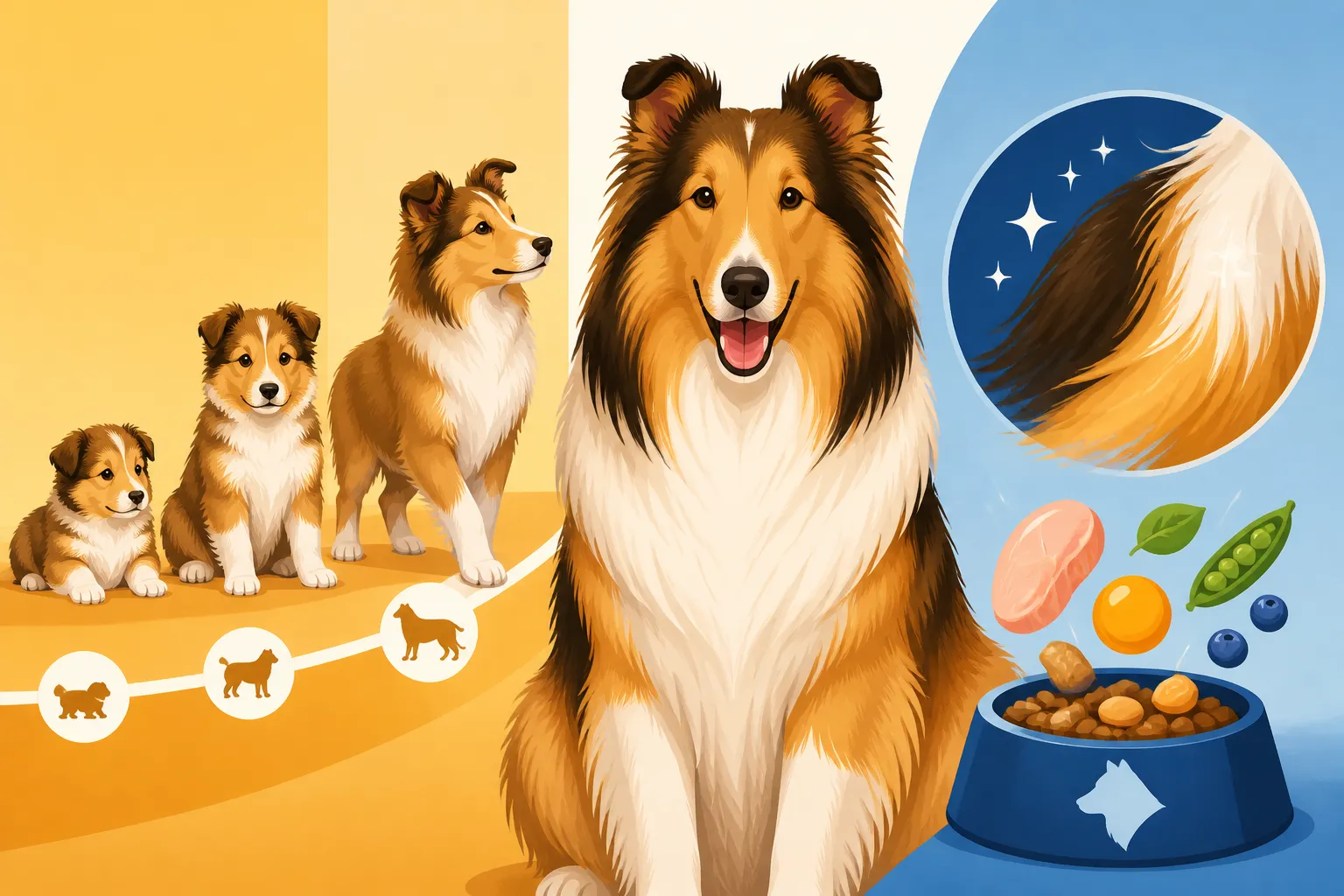
The initial phase of your Collie puppy's life, roughly from weaning until about six months, is a period of explosive growth. Their bones are lengthening, muscles are developing, and their immune system is still maturing. During this time, a high-quality puppy food specifically formulated for large breeds is absolutely essential. These specialized formulas are designed to provide a balanced array of protein, fat, and critical minerals like calcium and phosphorus in the correct ratios. Too much or too little of certain nutrients, especially calcium, can lead to serious developmental problems in fast-growing large breeds.
For instance, an excess of calcium can paradoxically lead to skeletal issues, causing bones to grow too quickly or abnormally, potentially contributing to conditions like osteochondritis dissecans (OCD) or hip dysplasia down the line. Conversely, a deficiency can weaken bones. Therefore, sticking to a reputable large-breed puppy food ensures these ratios are meticulously managed. You’ll also find higher protein content to support muscle development, and a denser caloric profile to meet their energy demands without overfilling their tiny stomachs. Remember, these little bundles of joy are constantly exploring, playing, and learning, burning through calories at an impressive rate. This foundation is key for their overall well-being, paving the way for a robust and healthy adulthood. If you're wondering what other aspects of their first year involve, check out The First Year With a Collie Puppy.
It’s often tempting to shower a new puppy with extra food, believing that more means faster growth or a bigger, healthier dog. However, with large breeds like Collies, precisely the opposite is true. Overfeeding a puppy, especially during these critical first months, can be detrimental. Rapid growth, while seemingly impressive, puts undue stress on developing joints and bones. This can exacerbate genetic predispositions to orthopedic problems, even in puppies from health-tested lines. Instead of a bulging belly, aim for a lean, athletic physique where you can easily feel their ribs but not see them prominently.
Portion control, as recommended by the food manufacturer or your veterinarian, is paramount. Always use a measuring cup to ensure accuracy, rather than free-pouring. The goal isn’t to pack on pounds, but to support steady, controlled growth. Furthermore, ensure they always have access to fresh, clean water, which is just as vital for their cellular development and organ function as the food itself. A well-hydrated puppy has better digestion, temperature regulation, and overall vitality, helping them thrive through this crucial developmental phase. While the initial investment in a quality puppy food might seem higher, it's a small price to pay for a lifetime of better health, potentially saving on veterinary bills later on. When considering the comprehensive costs of bringing one of these dogs home, remember that nutrition is a significant, ongoing investment.
Puppyhood Milestones and Dietary Changes
As your Collie puppy grows, their dietary needs evolve. The exact timing of these shifts can vary slightly depending on the individual puppy’s growth rate and metabolism, but there are general milestones to keep in mind. If you’ve brought home a very young puppy, still in the process of weaning, your breeder would have started them on a gruel or moistened kibble. It’s always best to continue with the food the breeder was using for at least the first week or two to avoid additional stress and stomach upset. Any dietary changes should be introduced very gradually, over a period of 7-10 days, by mixing increasing amounts of the new food with decreasing amounts of the old.
As they get a bit older, typically around 3-4 months, you'll notice their appetite becoming more consistent, and they might transition from three or four smaller meals a day to two or three. Their energy levels will be sky-high, characterized by bursts of zoomies and intense play sessions, all of which require significant caloric intake. Monitoring their weight and body condition regularly is key. Are they filling out nicely? Are their legs growing strong and straight? These observations, combined with regular vet check-ups, help ensure their diet is perfectly tailored to their stage of development.
Beyond just the quantity of food, the quality of ingredients in your Collie puppy’s diet matters immensely. Look for foods with clearly identifiable animal protein sources as the first ingredient, like "chicken meal" or "lamb." Avoid foods with vague ingredients like "meat by-products" or excessive fillers. While some puppies might tolerate a wide range of foods, others can be quite sensitive, developing soft stools or itchy skin if the ingredients aren't agreeable. This is often where reputable brands truly shine, offering formulas specifically crafted for sensitive puppy digestive systems.
Moreover, puppies require specific omega fatty acids for brain and eye development, often listed as DHA. These are crucial for their cognitive function and trainability during a time when they are absorbing so much new information. A well-nourished puppy is not just physically healthy, but also mentally alert and eager to learn. Establishing good eating habits now, such as feeding in a quiet space and avoiding free-feeding, will also set the stage for a well-behaved adult Collie. Remember, a balanced diet in puppyhood isn't just about growth; it's about fostering their overall vitality and setting them up for a lifetime of health and happiness.
Transitioning Your Collie from Puppy to Adult Food
That adorable, clumsy puppy stage doesn't last forever (though sometimes we wish it would!). Eventually, your Collie will reach a point where their rapid growth slows, and their nutritional needs shift. Knowing when and how to transition them from a puppy formula to an adult maintenance diet is crucial for continued health and avoiding digestive upset or unnecessary weight gain.
When to Make the Switch: Timing is Everything
For a large breed like the Collie, the transition from puppy to adult food typically occurs between 12 and 18 months of age. Unlike smaller breeds that might be considered adults at nine months, Collies take a bit longer to fully mature physically, especially concerning bone development and filling out their frame. Rushing this transition can be detrimental, as puppy foods are packed with higher calories, protein, and specific nutrient ratios necessary for growth. Switching too early means they might miss out on vital developmental support.
However, delaying the switch too long can also lead to issues, primarily obesity. Puppy food is simply too calorically dense for a physically mature dog whose growth plates have closed and whose energy expenditure might have stabilized. Signs your Collie is ready for the change include their growth slowing down noticeably—they're no longer shooting up in height, and their adult frame is largely established. Their energy levels might also start to plateau, though Collies generally remain active throughout adulthood. Your veterinarian can offer the best advice on the precise timing, often based on their final growth check and overall body condition. It's a milestone that signifies your furry companion is stepping into their magnificent adult form.
Beyond age and growth, consider the specific formulation of your current puppy food. Some brands offer "large breed puppy" formulas designed to support slower, more controlled growth, which is ideal for Collies. Others might have "all life stages" foods, which technically can be fed from puppyhood through adulthood. However, for a rapidly growing large breed, a dedicated puppy formula, followed by a dedicated adult formula, often provides more precise nutritional support tailored to each life stage.
When you're evaluating options, pay attention to the protein and fat content. Adult foods typically have slightly lower levels of both compared to puppy formulas, reflecting the decreased energy needs of a dog no longer focused on intense growth. Making the switch is less about an exact calendar date and more about observing your individual Collie's physical development and consulting with your vet. This informed approach ensures a smooth transition, setting them up for success as a healthy, vibrant adult. Remember that consistent care in these early years sets the stage for a longer, healthier life.
The Gradual Transition Method
Once you've determined it's time to switch your Collie to adult food, the keyword is gradual. Abruptly changing your dog's diet can lead to digestive upset, including diarrhea, vomiting, or a general reluctance to eat. Their digestive system needs time to adjust to new ingredients, different protein sources, and varied nutrient profiles. A slow transition allows their gut microbiome to adapt, preventing discomfort and making the process much smoother for both you and your dog.
The recommended method involves slowly introducing the new adult food into their current puppy food over a period of 7 to 10 days. Start by replacing a small portion of the old food with the new, gradually increasing the ratio of new food each day while decreasing the old.
Here's a typical schedule you might follow:
- Days 1-2: 25% new food, 75% old food
- Days 3-4: 50% new food, 50% old food
- Days 5-6: 75% new food, 25% old food
- Days 7-10: 100% new food
During this transition, closely monitor your Collie's stool quality, appetite, and general demeanor. If you notice any signs of digestive upset, such as loose stools or a refusal to eat, slow down the transition. You might need to hold at a particular ratio for an extra day or two until their system stabilizes before proceeding. This patient approach minimizes stress on their digestive system and ensures a positive experience with their new adult diet.
Having a new food can sometimes be exciting for a Collie, but for others, it might be met with suspicion. Be prepared for some finickiness, especially if your Collie is typically particular about their meals. Ensuring the new food is of similar quality and palatable can help. If your dog is really resistant, you can try warming the food slightly with a little water to enhance its aroma. Some owners find that adding a small amount of low-sodium broth (check for no onion/garlic) can also encourage reluctant eaters. Brands available on Chewy offer a vast selection of adult dog foods, making it easier to find one that might appeal to your Collie's palate and meet their nutritional needs.
Remember, this transition period isn't just about changing the food in the bowl; it's about ensuring your Collie continues to thrive without any nutritional gaps or digestive upsets. A successful transition means your adult Collie can continue to enjoy consistent energy, maintain a healthy weight, and boast that beautiful, gleaming coat you both adore.
Maintaining a Healthy Weight and Diet for an Adult Collie
Once your Collie reaches adulthood, the focus of their diet shifts from supporting rapid growth to maintaining optimal health, energy, and that stunning physical presence. This is where understanding their activity levels, metabolism, and breed-specific needs truly comes into play. A healthy adult weight is paramount for their longevity and quality of life.
Finding the Right Balance: Calories and Activity Levels
Collies are known for their moderate energy levels. While they certainly enjoy a good run, a solid walk, or an engaging play session, they aren't the relentless, high-drive working dogs that constantly need to be moving, like some other herding breeds. They are often just as content curled up on the rug after a good outing, processing the day's events in their brilliant minds. This moderate activity level means their caloric intake needs to be carefully managed to prevent unnecessary weight gain.
The "right balance" for your individual Collie will depend heavily on their actual daily exercise, their metabolism, and whether they are spayed or neutered (which can often lead to a slight decrease in metabolic rate). A Collie who enjoys daily long walks, playtime in a large yard, and perhaps participates in dog sports will naturally require more calories than one who primarily takes shorter strolls and spends more time as a couch companion. It’s a common pitfall to feed a dog based on the recommended serving size on the bag without adjusting for their actual energy expenditure. Those guidelines are just a starting point, and often, many dogs need a little less than the maximum recommended amount.
Beyond their daily kibble, be mindful of treats and human food. While a small piece of apple or a specially formulated dog treat can be a lovely way to bond or reward good behavior, these calories add up quickly. Many popular dog treats are surprisingly high in calories, and even a few extra tidbits a day can tip the scales towards an overweight Collie over time. If you use treats frequently for training or just because you love spoiling your furry friend, consider opting for low-calorie options or breaking larger treats into smaller pieces. Remember that a balanced diet supports their active lifestyle without over-fueling them, ensuring they stay lean and agile throughout their prime years. Forty Five Minutes a Day, and Half of It in Its Head outlines a good daily routine for stimulating your Collie mentally and physically.
Recognising and Preventing Overweight Collies
One of the biggest challenges for Collie owners is identifying when their dog is becoming overweight. Their magnificent, dense double coat, especially in Rough Collies, can cleverly disguise extra pounds, making it difficult to visually assess their body condition. What might look like a well-fed, robust dog could, in reality, be carrying too much weight underneath all that glorious fur. This is why hands-on assessment is absolutely critical.
To properly check your Collie's weight, run your hands along their sides. You should be able to easily feel their ribs with light pressure, almost like feeling the knuckles of your hand when your palm is open flat. If you have to press firmly to feel the ribs, your Collie is likely overweight. You should also feel a noticeable tuck-up at their waist when viewed from above or the side, rather than a straight line from chest to tail. A good indicator is feeling your Collie's ribs through their coat, as detailed in How to Feel a Collie's Ribs Through the Coat. Overweight Collies are at a significantly increased risk for a host of health problems, including joint issues like arthritis (especially in a breed prone to hip and elbow dysplasia), diabetes, heart disease, breathing difficulties, and a reduced lifespan.
Preventing weight gain starts with diligent portion control and regular exercise. Stick to measured meals, and if your Collie is prone to scavenging or begging, make sure all family members are on board with not giving in to those pleading eyes. If you suspect your Collie is gaining too much weight, the first step is to consult your veterinarian. They can confirm the ideal weight range for your specific dog and help you devise a safe and effective weight loss plan. This often involves reducing caloric intake, increasing physical activity, and potentially switching to a "weight management" or "light" dog food formula. Many such formulas are available from top brands at stores like Chewy and Amazon.
Weight management for Collies is an ongoing commitment. Regular check-ins, both at home and during vet visits, are essential to ensure they remain at a healthy body condition. It’s far easier to prevent weight gain than to take it off once it’s packed on. By prioritizing a lean physique, you’re investing in your Collie’s comfort, mobility, and overall quality of life for years to come. For more detailed advice, exploring resources like Getting Weight Off a Collie can provide practical steps and strategies.
The Role of Diet in a Collie's Magnificent Coat
A Collie’s coat is their crowning glory, a luxurious mantle that defines the breed. While consistent grooming is certainly vital to keeping it looking its best, what goes into your Collie’s bowl plays an equally significant role in its health, luster, and even the amount of shedding. A dull, dry, or brittle coat can often be a tell-tale sign of nutritional deficiencies.
Essential Nutrients for a Lustrous Coat
Achieving that glorious, healthy Collie coat starts from within. The quality and type of protein, fats, vitamins, and minerals in their diet directly impact the strength, shine, and overall condition of their fur and skin. When it comes to protein, high-quality animal sources are paramount. Hair is primarily made of protein (keratin), so a diet rich in digestible protein from sources like chicken, lamb, fish, or beef helps ensure strong, resilient hair shafts. Low-quality protein can lead to a dull, sparse, or brittle coat that sheds more excessively than usual.
Perhaps the most recognized dietary heroes for coat health are omega-3 and omega-6 fatty acids. These essential fats cannot be produced by your Collie's body and must be supplied through their diet. Omega-3s, commonly found in fish oil (salmon oil, cod liver oil) and flaxseed, are powerful anti-inflammatories that support healthy skin, reducing itchiness and dryness. Omega-6s, found in poultry fat and various plant oils, are crucial for skin barrier function and coat sheen. A balanced ratio of these two, usually with more omega-6s, is vital. Many high-quality dog foods include these, but supplementing with fish oil can provide an extra boost. For owners wondering if these supplements are truly beneficial, considering Whether Fish Oil Improves a Collie's Coat can offer further insights.
Beyond protein and fatty acids, a variety of vitamins and minerals contribute to coat health. Biotin, a B-vitamin, is well-known for its role in skin and hair integrity. Zinc, selenium, and vitamins A and E are also essential antioxidants that protect skin cells and support healthy hair growth. If your Collie’s coat seems perpetually dry, flaky, or lacks its usual vibrancy despite regular grooming, it might be worth discussing dietary adjustments or specific supplements with your vet. Many dog-specific supplements are available on Chewy, offering targeted support for skin and coat health. The health of their coat is not just cosmetic; it's a reflection of their overall internal well-being, so don't overlook the power of good nutrition. For more information about the efficacy of supplements, see Whether a Collie Needs Supplements for Its Coat.
Managing Shedding Through Nutrition
Let’s be realistic: a Collie is a shedding breed. Their magnificent double coat ensures that some amount of hair will always be part of your life, regardless of their diet. They have seasonal "coat blows" twice a year where they shed prodigious amounts of undercoat. However, while diet won't magically stop your Collie from shedding, it can certainly contribute to the health of the hair that is shed, and potentially reduce excessive, non-seasonal shedding caused by poor coat condition.
A diet that supports strong, healthy hair follicles means that each hair strand is more robust and less prone to breaking off prematurely. This can translate into less breakage and healthier overall coat turnover. When a Collie's diet is deficient in essential fatty acids or quality protein, their skin can become dry and flaky, and their hair can become brittle, leading to more "dust bunnies" around the house from weakened strands breaking off. While you can't eliminate the natural shedding cycle, providing optimal nutrition ensures that the hair they do shed is replaced by strong, healthy new growth, maintaining the density and beauty of their coat.
Hydration is another often-overlooked aspect related to coat health and shedding. Just like our skin, a dog's skin needs adequate moisture to remain healthy and produce a supple, strong coat. Ensure your Collie always has access to fresh, clean water, and consider incorporating some wet food into their diet, which can add to their overall fluid intake. While there's no magic food to stop a Collie's seasonal coat blow – that's a natural biological process tied to daylight and temperature – a well-nourished coat will be easier to groom during these periods. The healthy hair will separate from the body more readily, making brushing more effective and potentially reducing the time you spend de-shedding. Think of diet as providing the best building blocks for their coat, helping it perform at its best, even during its shedding phases. For owners concerned about year-round shedding or diet's influence, exploring Whether a Collie's Diet Affects Its Shedding can provide more detailed information.
Addressing Specific Dietary Challenges and Sensitivities
Even with the best intentions, some Collies might encounter dietary challenges. Identifying and managing these issues effectively is key to their comfort and overall health. From itchy skin to digestive upset, diet can often be at the root of the problem.
Identifying and Managing Food Allergies and Intolerances
It’s a frustrating scenario for any Collie owner: your dog is constantly scratching, has recurrent ear infections, or suffers from persistent digestive upset like diarrhea or vomiting. While many factors can cause these symptoms, food allergies and intolerances are common culprits. The key difference is that allergies involve an immune system reaction, often to a protein, manifesting as skin issues, while intolerances are typically digestive reactions without immune involvement. Common allergens in dogs include beef, dairy, wheat, chicken, and soy, though any protein can theoretically trigger a reaction.
Identifying a food allergy or intolerance in a Collie can be tricky because the symptoms often mimic environmental allergies or other health conditions. The most reliable way to diagnose a food allergy is through an elimination diet, conducted under veterinary guidance. This involves feeding a novel protein source (one your dog has never eaten before, like duck, venison, or kangaroo) or a hydrolyzed protein diet (where proteins are broken down so the immune system doesn't recognize them) for 8-12 weeks. During this time, absolutely no other foods, treats, or flavored medications are allowed. If symptoms resolve, then specific ingredients are slowly reintroduced, one at a time, to pinpoint the culprit. It's a demanding process, but often the most accurate.
Managing a confirmed food allergy or intolerance involves strictly avoiding the offending ingredient. This means carefully reading food labels, being vigilant about treats, and even checking the ingredients in dental chews or medication capsules. Many specialized hypoallergenic or limited ingredient diets are available from reputable brands, often found on platforms like Chewy, which can greatly simplify mealtime for sensitive Collies. Some owners choose to explore fresh food options, like those from Ollie, which often have transparent ingredient lists and novel protein choices. Working closely with your veterinarian is essential to ensure your Collie receives complete and balanced nutrition while avoiding their triggers, allowing them to live a comfortable, itch-free life.
Supporting Overall Health: Probiotics and Sensitive Stomachs
Collies, like all dogs, rely heavily on a healthy gut microbiome for digestion, nutrient absorption, and even immune function. Sometimes, this delicate balance can be disrupted, leading to a sensitive stomach, occasional loose stools, or general digestive discomfort. This is where supplementary support, such as probiotics and careful fiber management, can make a significant difference.
Probiotics are beneficial live microorganisms that, when administered in adequate amounts, confer a health benefit on the host. Think of them as reinforcements for the "good bacteria" in your Collie's gut. They can be particularly helpful during periods of stress, after antibiotic treatment (which can wipe out both good and bad bacteria), or when transitioning to a new diet. For a Collie with a chronically sensitive stomach, a daily probiotic supplement, recommended by your vet, can help stabilize their digestive system, reduce inflammation, and improve nutrient absorption. These supplements come in various forms, from powders you sprinkle on food to chewable tablets, and are readily available from retailers like Chewy or Amazon.
Beyond probiotics, dietary fiber plays a crucial role in maintaining digestive regularity. Both soluble and insoluble fibers are important. Soluble fiber, found in ingredients like pumpkin, sweet potato, and oats, dissolves in water to form a gel, which can help regulate stool consistency (firming up loose stools or softening hard ones). Insoluble fiber, found in ingredients like whole grains and many vegetables, adds bulk to stool and helps food move through the digestive tract. Too much fiber, however, can reduce nutrient absorption, so balance is key. If your Collie has a consistently sensitive stomach, discussing fiber content and the potential benefits of probiotics with your vet can help tailor a diet that keeps their gut happy and healthy, contributing to their overall vitality and comfort.
Navigating the Senior Years: Dietary Adjustments for an Aging Collie
Watching your vibrant Collie gracefully transition into their senior years is a bittersweet journey. While their spirit remains youthful, their bodies begin to experience the natural effects of aging. Just as their puppy needs differed from their adult needs, senior Collies require specific dietary adjustments to support their changing metabolism, maintain muscle mass, and address common age-related concerns like joint health and dental issues. The Age a Collie Is Considered Senior can help determine when these changes are needed.
Adapting to Slower Metabolisms and Reduced Activity
As Collies age, typically around seven to nine years old, their metabolism naturally slows down. They might not chase after a ball with the same frantic enthusiasm, their walks might become a bit shorter or slower, and they'll likely spend more time napping. This reduction in activity, combined with a slower metabolism, means their caloric needs decrease significantly. Continuing to feed a senior Collie the same amount of food they ate in their prime can quickly lead to weight gain, which is particularly detrimental for older dogs. Excess weight puts undue strain on aging joints, exacerbates conditions like arthritis, and can shorten their lifespan.
The primary goal of feeding an older Collie is to maintain a healthy, lean body weight. This usually involves reducing the overall calorie intake. Many senior dog food formulas are specifically designed with fewer calories and lower fat content, while still providing ample nutrition. However, simply cutting back on portion sizes of their regular adult food can also work, provided you're careful to still meet all their nutritional needs. Monitoring their weight and body condition becomes even more critical in these years, as their dense coat can still mask insidious weight gain. Regularly feeling their ribs and observing their waistline will give you the best indicators.
While reducing calories, it's vital not to compromise on protein quality. In fact, many senior Collies benefit from slightly higher quality protein to help maintain muscle mass, which naturally declines with age. Look for senior foods with easily digestible protein sources to support their strength and mobility. Adequate protein helps prevent sarcopenia (age-related muscle loss) and supports a healthy immune system. These adjustments ensure your aging Collie remains comfortable and energetic, continuing to enjoy their golden years with you. You might also notice subtle changes in their coat during this time, for more information, see What Changes in an Old Collie's Coat.
Joint Support, Dental Health, and Palatability for Seniors
Beyond caloric adjustments and protein, senior Collies often face specific health challenges that diet can help mitigate. Joint health is a major concern, as years of activity can take their toll, and conditions like hip dysplasia or arthritis may become more pronounced. Many senior dog foods are fortified with joint-supporting ingredients like glucosamine and chondroitin, which help maintain cartilage health and reduce inflammation. If your Collie's food doesn't contain these, your vet might recommend a separate supplement to support their mobility and ease any discomfort.
Dental health is another critical area. Over the years, plaque and tartar can build up, leading to dental disease, pain, and even systemic health issues. Chewing on hard kibble can sometimes help, but many senior Collies may develop sensitive teeth or gums. If your older Collie is struggling to chew, or you notice them eating more slowly or showing reluctance to finish meals, it might be time to consider softer food options. Wet food, moistened kibble, or even fresh food options like Ollie can be much more palatable and easier on their aging teeth. For more on this, consider Whether an Old Collie Needs Softer Food.
Finally, appetite and palatability can sometimes become an issue in senior dogs. Their sense of smell might diminish, or certain health conditions can make them finicky eaters. If your senior Collie is losing interest in their food, try warming their wet food slightly to enhance its aroma, or adding a low-sodium broth to their kibble. Ensuring their meals are not only nutritionally appropriate but also enjoyable is crucial for maintaining their quality of life. Regular veterinary check-ups are paramount during these years, as your vet can help you tailor a diet plan that addresses all your senior Collie's unique needs, keeping them healthy and happy for as long as possible.
Choosing the Right Food: Deciphering Labels and Brands
Standing in the pet food aisle, faced with a dizzying array of options, can feel like navigating a complex maze. Every brand promises "optimal health" or "premium ingredients," making it incredibly difficult to truly understand what's best for your Collie. Learning to decipher food labels and understanding the different food formats is an empowering step towards making informed decisions for your dog's nutrition.
Understanding Ingredient Lists and Nutritional Guarantees
The ingredient list on a dog food bag is arguably the most important piece of information, but it can be misleading if you don't know what to look for. Ingredients are listed by weight, meaning the heaviest items are at the top. For Collies, and indeed most dogs, a high-quality animal protein source should be among the first few ingredients. Look for named meat meals, like "chicken meal," "lamb meal," or "salmon meal." These are often more concentrated forms of protein than whole meats because the water has been removed before processing. Vague terms like "meat by-products" or "animal digest" are less desirable as their source can be inconsistent and of lower quality.
Carbohydrates like sweet potato, brown rice, barley, or oats provide energy and fiber. Healthy fats, such as chicken fat, salmon oil, or flaxseed, are crucial for energy, skin, and coat health. Be wary of foods with excessive fillers like corn, wheat, or soy if your Collie has sensitivities, though these ingredients are not inherently "bad" for all dogs. The key is balance and digestibility. Always look for an AAFCO (Association of American Feed Control Officials) statement on the label. This statement confirms that the food is "complete and balanced" for a specific life stage (e.g., "for growth," "for maintenance," or "for all life stages") according to AAFCO's nutritional guidelines. Without this statement, you cannot be sure the food provides all the nutrients your Collie needs.
Beyond the main ingredients, a transparent brand will clearly list sources for vitamins, minerals, and other supplements. Artificial colors, flavors, and preservatives are generally best avoided, as natural alternatives are usually sufficient and safer. It's easy to get caught up in marketing buzzwords like "grain-free" or "human-grade," but ultimately, the nutritional content and the AAFCO statement are your most reliable indicators of quality. Don't hesitate to research brands, read reviews, and even call the manufacturer with specific questions about their ingredients and sourcing. Platforms like Chewy offer detailed product descriptions and customer reviews that can also be very helpful in your decision-making process.
Exploring Different Food Formats: Kibble, Wet, Raw, and Home-Cooked
The world of dog food extends far beyond traditional kibble, offering various formats each with its own set of pros and cons for your Collie. Understanding these options allows you to choose what best fits your dog's needs, your lifestyle, and your budget.
Kibble (Dry Food): This is the most common and often most convenient choice.
- Pros: Generally the most affordable, easy to store, helps clean teeth (to a degree), and often nutritionally complete and balanced. Good quality kibbles are available across many brands.
- Cons: Lower moisture content, some Collies might find it less palatable, and ingredient quality can vary widely.
Wet Food (Canned/Pouches):
- Pros: High moisture content (great for hydration), very palatable, can be helpful for picky eaters or seniors with dental issues.
- Cons: More expensive per serving than kibble, shorter shelf life once opened, and can contribute to dental plaque if not accompanied by dental hygiene.
Raw Food (BARF – Biologically Appropriate Raw Food / PMR – Prey Model Raw): This approach advocates feeding uncooked meat, bones, and organs, sometimes with fruits and vegetables.
- Pros: High palatability, often excellent for skin and coat, can lead to smaller, firmer stools, and better hydration. Brands like Ollie offer commercially prepared raw or fresh-cooked meals that simplify the process and ensure nutritional completeness.
- Cons: Requires careful handling to prevent bacterial contamination, can be expensive, and requires extensive research to ensure nutritional balance if preparing DIY. Improperly balanced raw diets can lead to serious health issues.
Home-Cooked Meals: Prepared by the owner using human-grade ingredients.
- Pros: Complete control over ingredients, highly palatable, can be tailored to specific sensitivities.
- Cons: Extremely time-consuming, requires precise veterinary nutritionist consultation to ensure complete and balanced nutrition. It's incredibly difficult to meet all essential nutrient requirements with homemade meals without expert guidance, making it a very high-risk option if not done correctly.
When considering raw or home-cooked diets, it is absolutely essential to consult with a board-certified veterinary nutritionist. They can help you formulate a recipe that meets all your Collie's needs, ensuring no deficiencies or excesses. Simply feeding cooked chicken and rice, for instance, is not a balanced long-term diet. Each format has its place, and the "best" choice is ultimately the one that provides complete, balanced nutrition, is well-tolerated by your individual Collie, and is sustainable for you as an owner.
| Food Format | Pros | Cons | Best For |
|---|---|---|---|
| Kibble | Affordable, convenient, shelf-stable, usually complete & balanced | Lower moisture, less palatable for some, varied ingredient quality | Budget-conscious, busy owners, consistent feeding |
| Wet Food | High moisture, very palatable, good for picky eaters/seniors | Expensive, short open shelf life, can contribute to dental issues | Hydration boost, encouraging appetite, senior Collies |
| Raw Food | High palatability, good skin/coat, smaller stools, hydration | Costly, safe handling crucial, risk of imbalance if DIY | Owners committed to research/cost, specific health issues |
| Home-Cooked | Full ingredient control, highly palatable, tailored to allergies | Time-consuming, difficult to balance nutritionally without expert help | Very specific allergies, highly finicky eaters (with vet guidance) |
Mealtime Routines and Practical Feeding Tips for Collies
Feeding your Collie isn't just about what you put in the bowl, but also how and when you do it. Establishing a consistent mealtime routine and implementing smart feeding practices can significantly impact their digestion, behavior, and even help prevent serious health issues like bloat.
Establishing a Consistent Feeding Schedule
Collies thrive on routine, and mealtime is no exception. Establishing a consistent feeding schedule provides structure for your dog, helps regulate their digestive system, and can even minimize anxiety around food. For most adult Collies, feeding twice a day – once in the morning and once in the evening – is ideal. This splits their daily caloric intake, making it easier to digest and less likely to cause a "food coma" or over-excitement that might trigger digestive upset.
Puppies, with their faster metabolisms and smaller stomachs, will typically need to be fed three times a day until they are around 4-6 months old, gradually transitioning to two meals as they mature. Consistency in timing is also important. Aim to feed them at roughly the same hours each day. This predictability helps their body anticipate digestion, which can lead to better nutrient absorption and more regular potty schedules. Plus, a dog that knows when their next meal is coming is less likely to beg constantly or exhibit food-related anxiety. For more on feeding frequency, see Whether a Collie Should Be Fed Twice a Day.
Beyond digestion, scheduled meals can be a fantastic opportunity for training and reinforcing good behavior. Your Collie will quickly learn that good manners (like sitting patiently or waiting for a release cue) are rewarded with their meal. This small ritual strengthens your bond and reinforces your role as the provider. Feeding them in a quiet, designated spot, away from foot traffic or other pets, can also help them eat calmly and without distraction, further aiding digestion. A consistent, calm mealtime routine is a cornerstone of a happy, well-adjusted Collie.
Preventing Bloat and Other Feeding-Related Issues
For deep-chested breeds like Collies, Gastric Dilatation-Volvulus (GDV), commonly known as bloat, is a terrifying and life-threatening emergency. While the exact cause isn't fully understood, feeding practices are often implicated as a contributing factor. Preventing bloat involves a multi-faceted approach, and thoughtful mealtime habits play a huge role. For a better understanding of the risks, refer to Why a Collie's Chest Shape Raises Bloat Risk.
One of the most crucial preventive measures is to avoid feeding one large meal a day. Instead, split your Collie’s daily food allowance into two or even three smaller meals. This reduces the amount of food and gas entering the stomach at any one time, lessening the risk of it twisting. Furthermore, encourage your Collie to eat slowly. Rapid eating can lead to them gulping air along with their food, which can contribute to gas buildup in the stomach. Investing in a slow feeder bowl, readily available from Chewy or Amazon, is an excellent way to slow down enthusiastic eaters. These bowls have various ridges and obstacles that make your Collie work a little harder to get each mouthful.
Another vital tip is to ensure your Collie rests before and especially after eating. Avoid strenuous exercise, excessive play, or even major excitement for at least an hour before and two hours after meals. Jumping, running, or rolling around with a full stomach can contribute to the stomach twisting. Make mealtime a calm, quiet affair, and schedule their meals around their most active periods. For more information, check out Whether a Collie Should Rest After Eating.
The use of elevated bowls is a debated topic. While some owners believe they reduce air intake, studies have shown mixed results, with some even suggesting a potential increase in bloat risk for certain breeds. Discuss this with your veterinarian to determine if an elevated bowl is appropriate for your individual Collie, or if feeding at ground level is preferable. For more on this, consult Whether a Raised Bowl Suits a Collie. Ultimately, taking these preventive steps at mealtime can significantly reduce the risk of bloat, allowing you to provide their nourishment with peace of mind.
Disclaimer
This article is for general informational purposes only and does not constitute professional advice. Laws, prices and regulations vary by location and change over time. Consult a qualified professional for guidance on your specific situation.