When a Collie Blows Its Coat
If you're a Collie owner, you know that managing their magnificent coat is a journey, not a destination. But nothing quite prepares you for the sheer volume of hair that can take over your home when your beloved Collie "blows coat." This isn't just regular shedding; it's a monumental event that leaves you wondering if your dog is slowly disappearing, one tumbleweed of undercoat at a time. This comprehensive guide will walk you through exactly when to expect this biannual blizzard, what triggers it, and how you can best prepare to help your Collie (and your sanity) through it.
Understanding the Collie Coat and Why It Changes
Collies are renowned for their stunning, abundant coats – especially the Rough Collie with its flowing mane and feathery trousers. But this beauty comes with a built-in maintenance schedule dictated by nature itself. Understanding the structure of your Collie's coat is the first step to truly grasping why they shed the way they do. It's not just a surface-level thing; there's a lot more going on beneath that glorious exterior.
The Double Coat's Purpose
At its core, a Collie's coat is a marvel of natural engineering, designed to protect them from the elements in their native Scotland. They possess what's known as a "double coat," which means they have two distinct layers of fur, each serving a crucial purpose. The outer layer, often called the guard coat or topcoat, consists of longer, coarser hairs. These hairs are water-resistant and provide protection from rain, snow, and thorny underbrush. They're also responsible for that classic Collie sheen and texture.
Beneath this protective outer layer lies the undercoat. This second layer is much softer, denser, and incredibly fine, acting as a natural insulating layer. In cold weather, it traps warm air close to the body, keeping your Collie snug. In warmer weather, it helps regulate their temperature by preventing direct sun exposure to the skin and allowing air circulation when shed properly. Think of it like wearing a high-tech winter jacket over a thin, breathable base layer – both are essential for comfort and protection, and both need to be managed differently.
Hormonal and Seasonal Triggers
So, what tells your Collie's body that it's time for this massive wardrobe change? It's a combination of environmental cues and internal hormonal shifts. The primary drivers are changes in daylight hours and temperature fluctuations, signaling the transition between seasons. As the days lengthen in spring and temperatures rise, a Collie's body senses the need to shed its heavy winter undercoat to prepare for warmer weather. This thinner coat allows for better air circulation and prevents overheating.
Conversely, as autumn approaches and the days shorten, the opposite process begins. Your Collie will start to shed its lighter summer undercoat to make way for a denser, warmer winter layer. This cycle is deeply ingrained in their genetics, a holdover from their working dog ancestry where survival depended on adapting to harsh climates. Hormones, particularly those related to reproductive cycles, can also play a significant role. Intact females, for example, often experience a profound coat blow after a heat cycle or after weaning a litter, as their bodies rebalance hormonally. Even spaying or neutering can alter a dog's coat texture and shedding patterns over time.
The Timeline of a Collie's Coat Blow
While it might feel like your Collie sheds endlessly, there are distinct periods when the shedding shifts from a mild annoyance to an undeniable phenomenon. Knowing when to expect these heavy shedding seasons can help you prepare your grooming routine and your vacuum cleaner! It’s not always a perfectly predictable schedule, but there are definite patterns that most Collie owners come to recognize.
Typical Annual Shedding Cycles
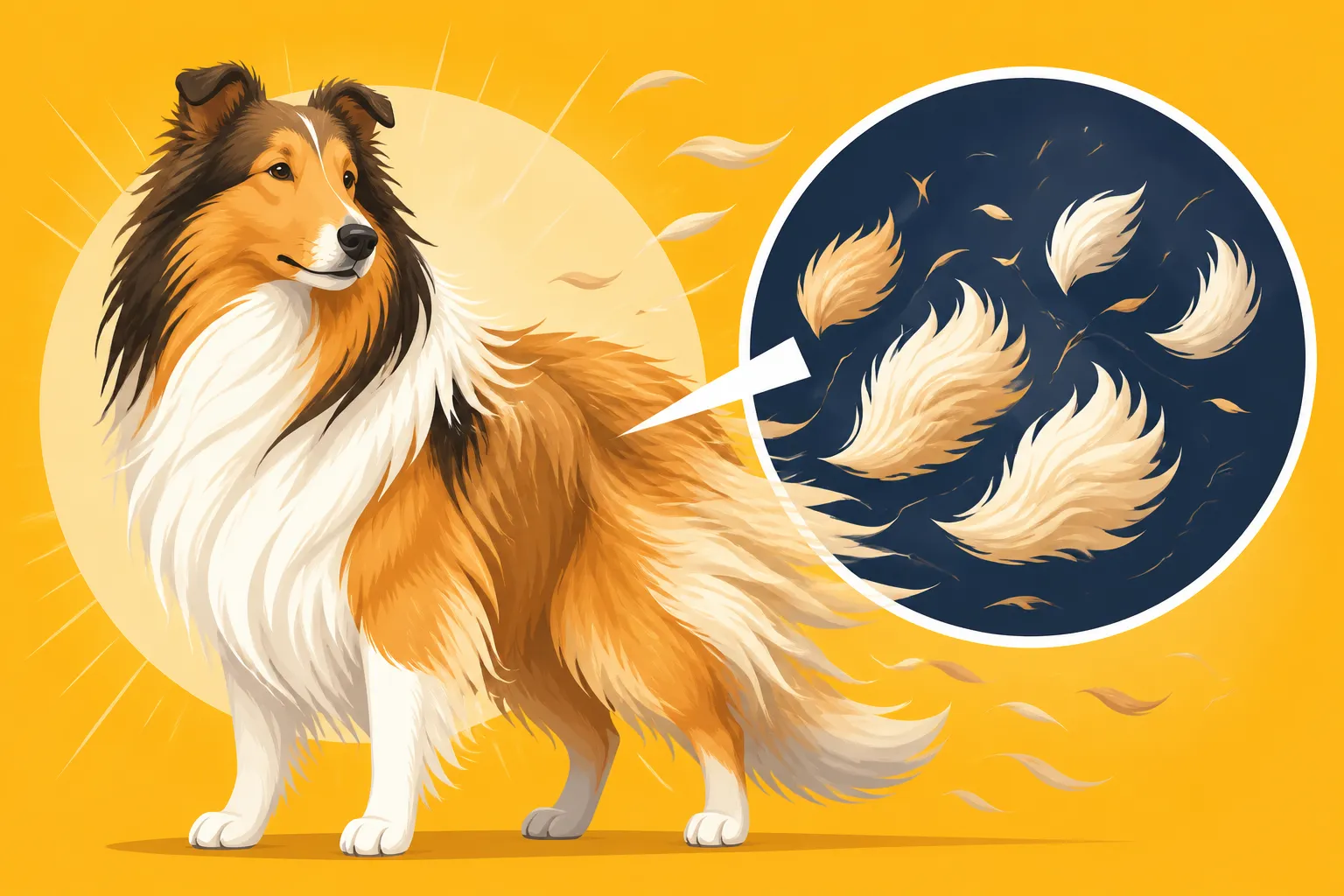
Generally speaking, Collies, like many other double-coated breeds, experience two major coat blows per year: one in the spring and one in the fall. The spring blow is typically the more dramatic of the two. This is when your Collie sheds the thick, dense undercoat they grew to stay warm through winter. You might start noticing the increase in loose hair around late March or April, and it can last for several weeks, sometimes even stretching into early summer depending on your local climate. This is the period when you'll find large tufts of cottony undercoat coming out with every brush stroke.
The autumn coat blow, while still significant, is usually less intense than the spring event. During this time, your Collie is shedding its lighter summer coat to make way for the new, thicker winter insulation. This typically occurs around September or October. These cycles are nature's way of ensuring your Collie is perfectly equipped for the changing weather conditions. The Three Weeks Twice a Year When a Collie Buries Your House isn't an exaggeration for many of us, and understanding these general timelines can help you mentally and physically prepare for the onslaught.
Factors Influencing Shedding Frequency
While spring and fall are the marquee events, several factors can influence the exact timing, duration, and intensity of your Collie's coat blow. Age is a big one. Puppies often go through a "puppy coat" blow as they transition to their adult fur, which can be quite surprising for new owners. Senior Collies might have a less robust coat blow, or their shedding might become more continuous and less cyclical as their metabolism slows down.
Environmental factors also play a huge role. Indoor Collies, living in climate-controlled homes with artificial lighting, may experience a more continuous, year-round shedding pattern rather than distinct seasonal blows. Their bodies don't get the strong seasonal cues from natural light and temperature fluctuations. Nutrition can also affect coat health and shedding. A diet lacking essential fatty acids or other vital nutrients might result in a duller coat and excessive, unhealthy shedding. Stress and underlying health issues can also trigger abnormal shedding patterns, so it's always good to consult your vet if you notice a drastic or unusual change.
For instance, an intact female Collie will often "blow her coat" quite dramatically after a heat cycle, or especially after whelping and weaning a litter of puppies. The hormonal changes are immense, and the body prioritizes recovery and milk production, often sacrificing coat quality temporarily. This can look like a much more intense and prolonged shedding period, sometimes extending for months. Similarly, a dog recovering from illness or a significant surgery might also experience a coat blow due to stress and their body's focus on healing.
Identifying the Signs of an Impending Coat Blow
You don't need a calendar to tell when a coat blow is approaching – your Collie's coat, and your home, will give you plenty of clues. Paying attention to these subtle (and not-so-subtle) signs can help you get a head start on managing the extra fluff. It's like watching the weather forecast for a big storm; you want to be prepared before it hits full force.
Visual Cues in the Coat
The most obvious sign of an impending coat blow is, of course, an increase in loose hair. You'll start to notice more fur on your furniture, your clothes, and clinging to your Collie themselves. When you pet them, instead of feeling a smooth, solid coat, your hands will come away with strands of fine undercoat. If you gently tug a small section of fur, particularly on their flanks or hindquarters, you'll find it comes out with surprising ease. This is the dead undercoat loosening its grip, ready to be shed.
Beyond just finding more hair, you might also observe a change in the texture and appearance of your Collie's coat. The undercoat might appear duller or feel less dense to the touch, indicating that the old insulating layer is giving way. You might even see small "clumps" or mats starting to form, particularly in areas where the undercoat is thickest, such as behind the ears, under the legs, or around the "ruff" (mane). These mats form when the shedding undercoat gets tangled with the still-attached guard hairs. How Much Undercoat a Collie Drops during these times can be truly astonishing; it's like they're shedding an entire second dog.
Behavioral Changes in Your Collie
While not as common or dramatic as the visual cues, some Collies might exhibit slight behavioral changes during a coat blow. They might scratch or rub themselves against furniture more frequently, trying to dislodge the irritating loose hair. Imagine wearing a sweater that's shedding terribly and itching – you'd want to rub it off too! While this behavior can be a sign of skin irritation or allergies, if it coincides with heavy shedding, it's often your Collie trying to help the process along.
Some Collies might become a little less enthusiastic about grooming sessions if they're particularly matted or uncomfortable. However, for most, the relief of having that dead, itchy undercoat removed actually makes them more receptive to brushing. It's a prime opportunity to bond and provide comfort. Always approach grooming gently, making it a positive experience. If your Collie is showing signs of discomfort or pain during grooming, it’s worth checking for mats or skin issues that might require a vet’s attention.
Managing the Coat Blow: Strategies and Tools
Once you've identified that glorious fur storm brewing, it's time to arm yourself. Managing a Collie's coat blow is a commitment, but with the right tools and techniques, you can significantly reduce the amount of hair floating around your home and keep your Collie comfortable. This isn't just about aesthetics; preventing mats and removing dead hair is crucial for their skin health and overall well-being.
Essential Grooming Tools for Shedding Season
First things first, you need the right arsenal. A wire pin brush, a slicker brush, a wide-toothed comb, and most importantly, an undercoat rake are your best friends during a coat blow. The pin brush is great for general brushing and getting through the topcoat. A slicker brush can help detangle and smooth, but be careful not to "rake" the skin with it. The wide-toothed comb is fantastic for checking for mats and getting right down to the skin.
The real hero, however, is the undercoat rake. This tool is specifically designed to reach through the guard hairs and gently pull out the loose undercoat without damaging the topcoat or irritating the skin. Brands like Furminator offer de-shedding tools, which can be effective when used correctly and sparingly, always following the manufacturer's instructions. You can find a vast selection of these grooming essentials on platforms like Amazon or Chewy, making it easy to stock up. Which Four Brushes a Collie Owner Needs details a great starter kit.
Here's a quick guide to some common tools:
| Tool | Best Use During Coat Blow | How to Use It |
|---|---|---|
| Pin Brush | General brushing, untangling topcoat, light shedding. | Brush in direction of hair growth, gently lifting tangles. |
| Slicker Brush | Smoothing coat, removing smaller tangles on outer layers. | Use light, gentle strokes, avoiding direct contact with skin. |
| Undercoat Rake | Removing dense, dead undercoat (the star of coat blow!) | Start at skin, pull gently away from body in direction of hair growth. |
| Wide-Toothed Comb | Checking for mats, finishing, getting to the skin level. | Comb through small sections to ensure no hidden mats remain. |
| High Velocity Dryer | Blasting out loose undercoat after a bath. | Use on cool or low heat setting, keeping nozzle moving. |
During a coat blow, daily brushing, sometimes twice a day, is not overkill. You'll be amazed at how much hair you can remove. Focus on "line brushing," where you part the coat and brush in small sections, working from the bottom up, to ensure you're getting all the way down to the skin. This prevents the dead undercoat from packing down and forming painful mats. Remember, consistency is key here.
Bathing Techniques to Aid Deshedding
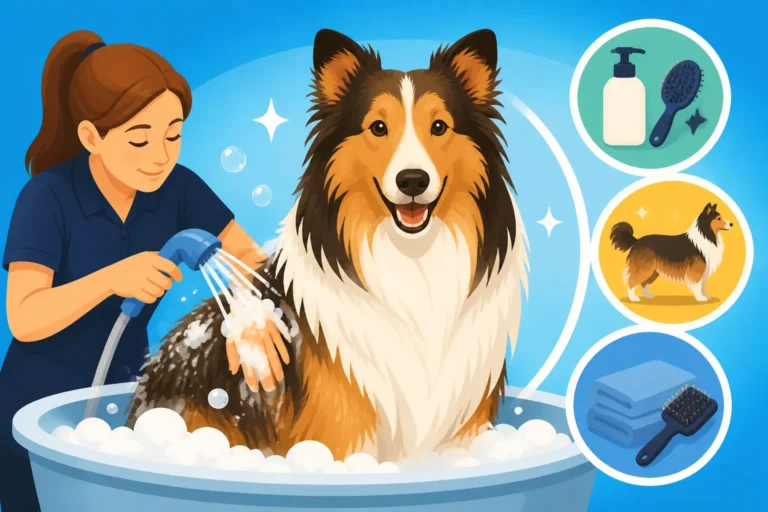
A warm bath can work wonders during a coat blow, but it needs to be done correctly to be effective and not cause more problems. The warm water helps to loosen dead hair follicles, and the shampoo and conditioner can help lubricate the coat, making it easier for shedding hair to come out. However, proper drying is absolutely critical for a double-coated breed like a Collie. How Often a Collie Needs a Bath and How to Dry a Collie Properly are good resources to review.
Start with a good deshedding shampoo and conditioner specifically formulated for double coats. Lather thoroughly, making sure the product penetrates all the way to the skin. Allow the conditioner to sit for a few minutes before rinsing completely. The magic really happens after the bath. Using a high-velocity dog dryer (like those often found on Chewy or Amazon) is incredibly effective. This powerful blast of air will literally blow out a massive amount of loose undercoat. If you don't have one, thorough towel drying followed by careful, section-by-section brushing with an undercoat rake while the coat is still slightly damp can also help, though it's more labor-intensive. Always make sure your Collie is completely dry to the skin to prevent skin infections and matting, which can happen if damp undercoat is left packed.
Common Misconceptions and What to Avoid
In the quest to manage the prodigious shedding of a Collie, owners sometimes turn to solutions that seem logical but can actually be detrimental to the dog's coat health and overall well-being. It's vital to separate fact from fiction when it comes to grooming a double-coated breed.
Why Shaving a Collie Is Never the Answer
One of the most persistent myths is that shaving a Collie will help them stay cooler in the summer or reduce shedding. This couldn't be further from the truth, and in fact, it's one of the worst things you can do to their coat. A Collie's double coat is designed by nature to regulate their body temperature. The undercoat insulates against both cold and heat, while the guard hairs protect their skin from sunburn and insect bites.
When you shave a Collie, you remove both layers. This exposes their delicate skin to direct sunlight, making them highly susceptible to sunburn and increasing their risk of skin cancer. It also strips them of their natural insulation, making it harder for them to regulate their temperature; they can overheat more easily because the air can't circulate as intended, and their skin is directly absorbing heat. Furthermore, What Happens to a Shaved Collie's Coat is often disheartening: the coat can grow back incorrectly, becoming coarse, patchy, or failing to regrow the protective guard hairs at all, resulting in "clipper alopecia." It can take years for a shaved coat to return to its natural state, if it ever does fully recover. So, resist the urge, no matter how overwhelmed you feel by the fur.
Over-Bathing and Its Risks
While a bath can be incredibly helpful during a coat blow, thinking that more baths will stop the shedding or keep them cleaner is a common pitfall. Over-bathing a Collie can strip their coat and skin of essential natural oils, leading to dry, flaky skin, irritation, and potentially even exacerbating shedding as their body tries to compensate. These natural oils are crucial for maintaining the health and water-resistance of their topcoat.
A good rule of thumb is to bathe your Collie no more than once a month, unless they've gotten into something truly foul. During a coat blow, a single well-executed bath with a deshedding shampoo, followed by thorough drying with a high-velocity dryer, is usually sufficient to loosen a significant amount of undercoat. If you feel the need to "clean" them more often between baths, consider using a dry shampoo or a damp cloth to wipe down their paws and underbelly. The goal is to assist the natural shedding process, not to fight against it with harsh chemicals or excessive washing.
Life Beyond the Coat Blow: Year-Round Coat Care
Even when the major coat blows aren't happening, your Collie's magnificent fur still requires consistent attention. Think of it as preventative maintenance; a healthy, well-maintained coat sheds less overall and makes those seasonal blows much more manageable. It’s an ongoing partnership between you and your furry companion, ensuring their comfort and showcasing their natural beauty.
Maintaining Coat Health Between Blows
Regular, consistent brushing is the cornerstone of year-round Collie coat care. While you might not need to brush daily outside of a coat blow, aiming for 2-3 times a week is a good goal. This helps to remove any loose hairs before they become tangled, distributes natural oils throughout the coat, and prevents small mats from forming. Focus on areas prone to matting, such as behind the ears, in the "armpits," and the long feathering on their legs and tail. A good quality pin brush and a steel comb will be your staples for these routine sessions. Whether a Collie's Coat Mats If You Skip a Week is a common concern, and consistent brushing is your best defense.
Beyond brushing, regular checks of their skin are important. Gently part the fur to look for any redness, dryness, or irritation. Collies, with their dense coats, can sometimes develop "hot spots" if moisture gets trapped or if they have an allergic reaction. Early detection and treatment are key. Regular nail trims are also part of overall care – long nails can affect their gait and posture, leading to discomfort. Some owners find that a dremel tool offers a smoother, less stressful alternative to clippers for nail care.
Nutritional Support for a Healthy Coat
What goes into your Collie's bowl has a direct impact on the quality and health of their coat. A high-quality diet rich in essential fatty acids, particularly Omega-3 and Omega-6, can contribute to a healthy, shiny coat and may even help reduce excessive shedding. Look for dog foods that list ingredients like salmon oil, flaxseed, or other healthy fats. Many premium dog food brands, easily found on Chewy or through specialized fresh food services like Ollie, focus on providing balanced nutrition that supports skin and coat health.
Supplements can also play a role, but it's always best to discuss these with your veterinarian first. Fish oil supplements, for example, are a popular choice for improving coat health and shine, as well as offering other benefits like joint support. However, Whether a Collie's Diet Affects Its Shedding goes beyond just supplements; the overall quality of the protein, carbohydrates, and vitamins in their daily food is paramount. Avoid foods with excessive fillers or artificial ingredients, as these can sometimes contribute to skin sensitivities and poor coat condition. A well-nourished Collie will naturally have a healthier coat that sheds appropriately, rather than continuously and excessively.
Disclaimer
This article is for general informational purposes only and does not constitute professional advice. Laws, prices and regulations vary by location and change over time. Consult a qualified professional for guidance on your specific situation.