Whether a Litter Can Hold Both Collie Coats
One of the most common questions new Collie owners, or even seasoned enthusiasts, often ponder is whether a litter of these beautiful dogs can truly produce both the iconic long-haired Rough Collies and their sleek, short-coated Smooth Collie counterparts. It's a natural confusion given how visually distinct they are, but the answer is a resounding yes! This guide will take a deep dive into the fascinating genetics behind Collie coat types, explaining exactly how a single litter can showcase the wonderful diversity within this beloved breed.
Understanding Collie Coat Varieties
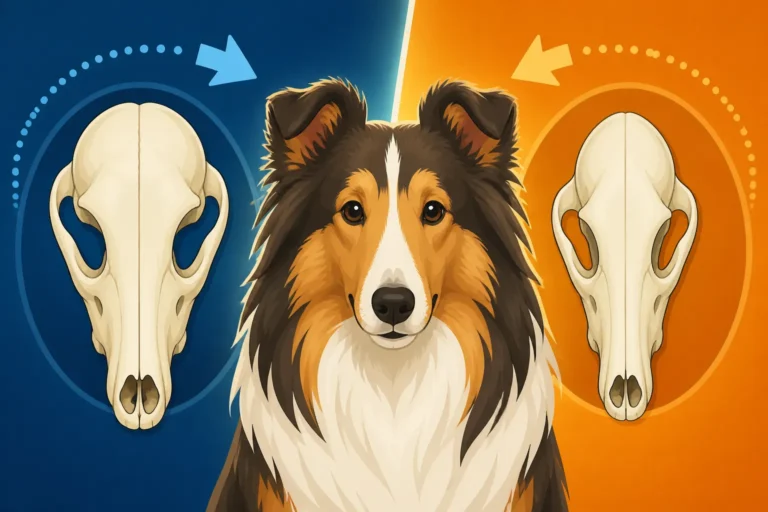
It’s easy to look at a majestic Rough Collie with its flowing mane and feathery tail, and then at a powerful, athletic Smooth Collie, and think they must be entirely different breeds. But here’s the wonderful truth: they are not! The Rough and Smooth Collies are, in fact, two varieties of the very same breed. They share the same breed standard, temperament, and many of the same genetic predispositions; the primary difference is simply the length of their coat. This shared heritage is why you might see both stunning variations within a single family tree, or even, quite literally, within the same whelping box.
The Genetic Link Between Rough and Smooth
At their core, Rough and Smooth Collies are genetically identical save for the specific gene that dictates coat length. They are recognized by kennel clubs around the world as the same breed, with the "Rough" and "Smooth" designations simply differentiating their appearance. This means that a Rough Collie isn't just a Smooth Collie with more hair, nor is a Smooth Collie a different breed altogether. They are siblings, connected by history and genetics, embodying the diverse needs of the Scottish drovers who first developed them centuries ago. This foundational understanding is key to grasping how mixed litters occur. For a deeper dive into their shared lineage, you might want to read The Rough and Smooth Collie Are One Variety of One Collie.
What Defines a Rough Collie's Coat
The Rough Collie, the type most famously associated with the "Lassie" image, is characterized by its abundant, long, and harsh outer coat, accompanied by a soft, dense undercoat. This magnificent double coat provides insulation against harsh weather, perfect for herding in the Scottish Highlands. Key features include a profuse mane and frill around the neck, feathering on the legs, and a well-plumed tail. The texture of the topcoat is crucial – it should be coarse to the touch, not soft or woolly, which would trap moisture. This impressive coat requires regular maintenance, often involving tools you might find on Chewy, to prevent matting and keep it healthy. Owners of Rough Collies quickly learn that consistent brushing is not just about aesthetics, but about their dog's comfort and skin health.
What Defines a Smooth Collie's Coat
In contrast, the Smooth Collie possesses a short, dense, flat, and harsh coat, again with a soft undercoat. While less dramatic than their rough-coated relatives, their coat is equally functional, offering protection without the extensive grooming requirements. Their sleek appearance highlights their powerful, athletic build, reflecting their historical role as agile drovers who needed less coat to get snagged in brush or mud while working stock. While they don't have the same voluminous frill or feathering, their coat still sheds, especially during seasonal "coat blows," and benefits from regular brushing with a good deshedding tool to keep it tidy. Both varieties are beautiful and distinctive, and each holds a special place in the hearts of Collie enthusiasts.
The Genetics of Coat Length in Collies
Understanding how both coat types can appear in one litter boils down to some fundamental principles of genetics, specifically how genes are inherited from parent to offspring. It's not magic, just good old Mendelian inheritance at play! The gene responsible for coat length in Collies, and many other dog breeds, has been identified, making it possible to predict potential outcomes in a breeding pair with a good degree of accuracy. This knowledge empowers breeders to make informed decisions and helps prospective owners understand the genetic diversity within the breed.
The FGF5 Gene and Coat Length
The secret lies primarily in a single gene, known as FGF5 (Fibroblast Growth Factor 5). This gene has two main alleles, or variants, that dictate coat length:
- L (dominant allele): This allele is responsible for short hair, meaning a dog with even one copy of L will typically have a smooth coat.
- l (recessive allele): This allele is responsible for long hair. For a dog to have a long, rough coat, it must inherit two copies of this recessive allele (ll).
Think of it like eye color in humans, but for dog coats. Each parent contributes one copy of the gene to their offspring. The combination of these two copies determines the puppy's coat type. This is the same gene that affects coat length in many breeds, from Great Danes to Border Collies. The beauty of modern genetic testing means breeders can now test their Collies to know exactly which alleles they carry, removing much of the guesswork from breeding programs.
How Dominant and Recessive Genes Work
Let's break down the possibilities for a Collie's genetic makeup regarding its coat:
- LL (Homozygous Dominant): A Collie with two dominant "L" alleles will have a smooth coat. This dog will always pass on an "L" allele to its puppies, meaning it can only ever produce smooth-coated puppies if bred to another LL or Ll dog. If bred to an ll (Rough Collie), all puppies would be Ll (Smooth, but carrying the long-hair gene).
- Ll (Heterozygous): This Collie also has a smooth coat because "L" is dominant. However, it carries one "L" allele and one "l" allele. This dog is often called a "Smooth carrier of Rough." If this dog is bred, it has a 50% chance of passing on an "L" allele and a 50% chance of passing on an "l" allele to each puppy. This is the key to mixed litters.
- ll (Homozygous Recessive): A Collie with two recessive "l" alleles will have a rough coat. This dog will always pass on an "l" allele to its puppies. Therefore, two Rough Collies (ll x ll) can only ever produce Rough Collies.
The fascinating part happens when at least one parent is an Ll (Smooth carrier of Rough) and the other parent is either Ll or ll. This is where the magic of a mixed litter truly comes into play. You can see how Whether a Rough and a Smooth Collie Carry MDR1 Equally highlights that other genetic traits are shared regardless of coat.
Predicting Coat Types in a Litter
With the understanding of dominant and recessive genes, breeders can predict the likelihood of different coat types appearing in a litter. Here's a simple table summarizing the possibilities:
| Parent 1 Genotype | Parent 2 Genotype | Possible Offspring Genotypes | Phenotypes (Coat Types) | Probability Rough | Probability Smooth |
|---|---|---|---|---|---|
| LL (Smooth) | LL (Smooth) | LL | Smooth | 0% | 100% |
| LL (Smooth) | Ll (Smooth) | LL, Ll | Smooth | 0% | 100% |
| LL (Smooth) | ll (Rough) | Ll | Smooth | 0% | 100% |
| Ll (Smooth) | Ll (Smooth) | LL, Ll, ll | Smooth (75%), Rough (25%) | 25% | 75% |
| Ll (Smooth) | ll (Rough) | Ll, ll | Smooth (50%), Rough (50%) | 50% | 50% |
| ll (Rough) | ll (Rough) | ll | Rough | 100% | 0% |
As you can see from the table, for a mixed litter (containing both Rough and Smooth puppies) to occur, at least one parent must carry the recessive 'l' gene, and at least one parent must carry the dominant 'L' gene. The most common scenario for a truly mixed litter is when two Smooth Collies who both carry the recessive long-hair gene (Ll x Ll) are bred, or when a Smooth carrier (Ll) is bred to a Rough Collie (ll). This is a vital piece of information for responsible breeders to understand, helping them plan matings and manage expectations for their litters.
How a Mixed Litter Happens
Now that we've covered the genetic basics, let's explore the practical scenarios that lead to a litter containing both Rough and Smooth Collie puppies. It's not as uncommon as some might think, especially as genetic testing becomes more prevalent and breeders are more aware of their dogs' genetic profiles. A mixed litter is a beautiful testament to the breed's genetic diversity and shared ancestry.
Parents Carrying the Smooth Coat Gene
The most straightforward way to get a mixed litter is when at least one parent is a Smooth Collie that carries the gene for long hair (genotype Ll). If you breed two Smooth Collies, both of whom carry the recessive gene for rough coats (Ll x Ll), you can expect a litter that is statistically 25% Rough-coated and 75% Smooth-coated. This is because each parent has a 50% chance of passing on the 'L' (short coat) or 'l' (long coat) allele.
For example, imagine a breeding between two stunning Smooth Collies. If genetic testing shows both are Ll, meaning they are phenotypically smooth but carry the recessive long-hair gene, their puppies could be:
- LL (Smooth)
- Ll (Smooth, carrying rough)
- ll (Rough)
This means you could have several sleek, short-coated pups alongside a fluffy, long-coated one, all from the same parents and the same birth. It’s a wonderful surprise for many, showcasing the full spectrum of Collie coat types from one pairing. Knowing the genetic makeup of the parent dogs is crucial for breeders who want to predict the coat types in their litters, or perhaps aim for a particular mix. Genetic testing helps them verify genotypes before breeding, ensuring they understand the potential outcomes.
The Appearance of Both Coat Types in One Litter
When a mixed litter arrives, it can be quite a sight! You might see a tiny, fuzzy Rough Collie puppy nestled right next to its equally tiny but sleek Smooth Collie sibling. Right from birth, the difference in coat length is usually discernible, though the full grandeur of a Rough Collie's coat won't develop until they are older. The Smooth Collie puppies will have noticeably shorter, denser hair, while their Rough siblings will display that characteristic fuzziness that will eventually grow into their magnificent double coat.
This occurrence highlights the direct influence of the FGF5 gene and the beauty of genetic inheritance. It’s a vivid demonstration that these are truly variations within the same breed, sharing all other traits, personalities, and health considerations. This is why when considering a puppy, breeders should be able to provide information on the genetic health of both parents, regardless of whether you're looking for a Rough or a Smooth. Understanding The Three Genetic Tests a Collie Breeder Owes You is important for all Collie owners.
Real-World Scenarios of Mixed Litters
Let's consider a few real-world scenarios. Perhaps a breeder has a beautiful champion Smooth Collie female (genotype Ll) and wants to breed her. She might choose to breed her with a handsome Rough Collie male (genotype ll). In this pairing, every single puppy in the litter would inherit an 'l' allele from the Rough Collie father. From the Smooth Collie mother, each puppy has a 50% chance of inheriting an 'L' or an 'l'. Therefore, the resulting litter would be approximately 50% Smooth (Ll) and 50% Rough (ll). This 50/50 split is a perfectly common and expected outcome for such a pairing.
Another scenario could involve two Smooth Collies who are both known carriers (Ll x Ll). This is often the case when breeders are actively working with both varieties. A litter from such a pairing would typically yield puppies in the ratio of 1 Rough Collie to 3 Smooth Collies. This means out of a litter of eight, you might get two adorable Roughs and six sleek Smooths. This genetic interplay ensures that neither coat type completely disappears, maintaining the rich diversity that has been a hallmark of the Collie breed for generations. These mixed litters offer prospective owners the unique opportunity to choose between coat types while still selecting a puppy from the same proven lineage.
Implications for Breeders and Owners
For breeders, understanding coat genetics is paramount for responsible breeding practices and meeting market demands. For prospective owners, it means being aware of the possibilities when searching for a puppy and recognizing the shared heritage of both coat varieties. The implications extend beyond just appearance, touching upon everything from health screening to grooming routines.
Breeder Responsibilities and Genetic Testing
Responsible breeders of Collies, whether they specialize in Roughs, Smooths, or both, understand the importance of genetic testing for coat length. Knowing the FGF5 genotype of their breeding stock helps them predict litter outcomes accurately. This isn't just about managing expectations; it's about transparency and ethical breeding. Many breeders will openly share their dogs' genetic test results, often through reputable labs. For instance, companies like OptiGen or Embark offer comprehensive DNA panels that include coat length genes, along with crucial health screenings for conditions like MDR1, Collie Eye Anomaly (CEA), and Degenerative Myelopathy. Knowing these results allows breeders to assure potential buyers about the lineage and health prospects of their puppies.
Furthermore, a breeder might intentionally choose pairings to produce both coat types if there's a demand for both, or to maintain genetic diversity within their lines. They should also be educating prospective owners about the nature of mixed litters and the unique characteristics and needs of both Rough and Smooth Collies. A reputable breeder's contract might even specify expectations regarding the coat type if a buyer has a strong preference, though ultimately, nature decides what arrives in the whelping box.
Choosing a Puppy from a Mixed Litter
For a prospective owner, encountering a mixed litter presents an interesting choice. You might walk in expecting to see only Roughs and find a lively Smooth puppy catching your eye, or vice versa. The most important thing to remember is that, fundamentally, they are all Collies. Their core temperament, intelligence, and many health risks, such as those covered by What the Collie DNA Health Panel Covers, will be the same regardless of coat length. When choosing from a mixed litter, consider:
- Grooming Commitment: Are you prepared for the significant grooming needs of a Rough Collie, or would the lower-maintenance Smooth coat be a better fit for your lifestyle?
- Climate: While both coats offer protection, a Rough Collie might need more consideration in very hot climates, whereas a Smooth Collie might be preferred. However, both breeds thrive indoors with air conditioning when it’s truly scorching.
- Personal Preference: Ultimately, which aesthetic appeals to you more? Some people love the grandeur of a Rough, while others appreciate the athletic elegance of a Smooth.
Don't let the coat difference overshadow the importance of choosing a puppy with a temperament that matches your family's dynamic. Spend time observing the puppies, asking the breeder about their individual personalities, and selecting the one that truly connects with you.
Grooming Considerations for Both Types
While both Rough and Smooth Collies require grooming, the intensity and frequency differ significantly, which is a major factor for many owners.
A Rough Collie's long, flowing double coat demands regular and thorough brushing, typically several times a week, to prevent mats and keep the undercoat from packing. During "coat blows" – twice a year when they shed their entire undercoat – daily brushing is often necessary. This requires a collection of specialized tools, from slicker brushes and pin brushes to undercoat rakes and combs, all of which you can easily find on Chewy. A full grooming session can take a good 20-30 minutes, sometimes longer, and many owners opt for professional grooming every few months to maintain their Collie's coat properly. Read Four Tools and Twenty Minutes: Brushing a Rough Collie for more detail.
A Smooth Collie's short, dense coat is much easier to maintain. Weekly brushing with a rubber curry brush or a shedding blade is usually sufficient to remove loose hair and stimulate the skin. While they still shed, especially during seasonal changes, the amount of hair isn't as voluminous as a Rough, and their short coat is less prone to matting. They benefit from occasional baths, and their drying time is considerably shorter. This lower grooming demand makes them a popular choice for those who love the Collie temperament but are intimidated by the Rough Collie's coat care. However, even with a Smooth Collie, having a good brush and grooming supplies, perhaps ordered from Chewy, will make shedding seasons much more manageable.
Addressing Common Misconceptions
Despite their shared heritage and genetic ties, misconceptions about Rough and Smooth Collies, especially concerning mixed litters, still persist. It's important to clear these up to foster a better understanding and appreciation for both coat varieties within the breed.
Are Smooth Collies Just "Bad" Rough Collies?
Absolutely not! This is one of the most persistent and frustrating myths. Smooth Collies are not "failed" Rough Collies or undesirable mutations. They are a recognized and cherished variety of the Collie breed, with their own dedicated enthusiasts and show ring successes. Historically, both coat types existed side-by-side, with Smooth Collies often favored for more active droving tasks where a long coat might get in the way. The idea that a Smooth Collie is somehow inferior stems from a lack of understanding about their genetics and history, often fueled by the overwhelming popularity of the Rough Collie (thanks, Lassie!).
In many parts of the world, like the UK and Australia, both Rough and Smooth Collies are judged against the same breed standard, with the only difference being the coat description. The presence of a Smooth puppy in a litter from two Roughs, if both Roughs carried the recessive smooth gene (ll, but both parents carry the smooth phenotype not genotype – my mistake, Smooths carry L, Roughs are ll), or from a Smooth carrier bred to a Rough, is not a sign of poor breeding or an undesirable trait. It's simply genetic expression working as it should.
Impact on Health and Temperament
Another crucial point to clarify is that coat length has no bearing on a Collie's health or temperament, beyond the obvious difference in grooming needs. A Rough Collie and a Smooth Collie from the same litter, or even from the same parents in different litters, will typically share the same predispositions to health conditions like hip dysplasia, bloat, epilepsy, and the well-known MDR1 mutation. They will also share the same intelligent, sensitive, and devoted Collie temperament. The gene that dictates coat length is entirely separate from those that influence health or behavior.
Therefore, when evaluating a puppy from a mixed litter, focus on the same criteria you would for any Collie: the health testing of the parents, the breeder's reputation, the puppy's individual temperament, and its overall structure. The coat is merely one characteristic, not an indicator of the dog's inner qualities or potential lifespan. If you're concerned about inherited conditions, exploring resources like Collie Eye Anomaly Affects Most Collies, So Ask How Badly and Assume Your Collie Has the MDR1 Mutation will provide valuable insights applicable to both coat types.
The Show Ring and Coat Variety Acceptance
Both Rough and Smooth Collies are equally accepted in the show ring, often competing in separate varieties but under the umbrella of the Collie breed. Judges evaluate them based on the same standard for structure, movement, and temperament, only differing in their assessment of the coat. This acceptance in the highest levels of conformation showing further cements their status as equal and valuable components of the breed.
For breeders, this means they can successfully exhibit and title both Rough and Smooth Collies. It also encourages preserving both varieties, ensuring the genetic diversity and historical integrity of the breed. A winning Smooth Collie is just as much a testament to good breeding as a winning Rough Collie, proving that quality runs deeper than just coat length. Many dedicated Collie fanciers are passionate about both varieties and actively work to promote and protect them, demonstrating that the breed's beauty comes in both long and short packages.
Preserving Diversity: Why Both Coats Matter
The ability for a Collie litter to hold both coat types is more than just a genetic quirk; it's a testament to the breed's rich history and genetic robustness. The Rough and Smooth Collies represent two functional adaptations that served the working needs of Scottish shepherds centuries ago, and their continued existence side-by-side within the same breed's gene pool is incredibly valuable.
Historical Roots and Functional Differences
Originally, the Collie was a working dog, and its coat length often depended on the specific terrain and tasks it performed. The Rough Collie's dense, protective coat was ideal for harsh, cold, and wet environments, providing insulation and protection from briars and brambles in the highlands. The Smooth Collie, with its sleek, short coat, was often preferred for working in milder climates or for tasks requiring more agility where a voluminous coat might hinder movement or get snagged. They were both integral parts of the same farming communities, bred for their herding prowess, intelligence, and biddability.
Over time, as the Collie transitioned from purely a working dog to a beloved companion and show dog, both varieties were preserved. The visual appeal of the Rough Collie, particularly after the "Lassie" phenomenon, made it more widely known, but dedicated fanciers ensured the Smooth Collie's survival. This dual existence within one breed helps to maintain a broader gene pool, which can be beneficial for overall breed health and resilience. It's a living link to their past, reminding us that form often follows function in the world of working dogs.
The Importance of Genetic Variety
Maintaining both coat types ensures a wider genetic diversity within the Collie breed. If only Rough Collies were bred, or if the "l" allele for long coats was somehow selected against by only breeding dogs with "LL" genotypes, the breed's genetic flexibility could diminish over time. Genetic diversity is crucial for a breed's long-term health, helping to guard against the accumulation of deleterious genes and enhancing adaptability. A breed with a narrow gene pool can become more susceptible to certain health issues.
For example, a breeder might choose to breed a Rough Collie (ll) to a Smooth Collie carrier (Ll) not just for coat variety, but also to bring in desirable traits or genetic lines from the Smooth variety into the Rough, or vice versa. This cross-variety breeding, while still within the same breed, helps to keep the gene pool refreshed and robust. It underscores why careful, health-conscious breeding, which includes an understanding of genetics like the FGF5 gene, is vital for the future of the Collie. Resources like Whether Breeding Only Clear Collies Would Shrink the Gene Pool address similar concerns about genetic diversity and health.
The Future of the Collie: Embracing Both Coats
As a breed enthusiast, I truly believe that the future of the Collie depends on celebrating and preserving both the Rough and Smooth varieties. Each brings its unique appeal while sharing the core qualities that make Collies such exceptional companions. Responsible breeders will continue to utilize genetic testing, not just for coat length but for all known health predispositions, to make informed breeding decisions. They will educate prospective owners that a Collie is a Collie, whether its coat sweeps the floor or gleams like polished satin.
For anyone considering bringing a Collie into their home, whether from a mixed litter or not, the most important thing is to choose a puppy from healthy, well-socialized parents, with a temperament that suits your family. The length of its fur is merely a beautiful external detail on a dog that promises intelligence, loyalty, and boundless affection. Embrace the diversity, appreciate the history, and enjoy the wonderful journey with your Collie, no matter its coat type!
Disclaimer
This article is for general informational purposes only and does not constitute professional advice. Laws, prices and regulations vary by location and change over time. Consult a qualified professional for guidance on your specific situation.