How to Teach a Collie Puppy to Lie Still for Grooming
It’s a scenario every new Collie puppy owner knows well: you’ve got your beautiful, fluffy little bundle, and you know their glorious coat is going to need some serious attention. But the moment you bring out a brush, it’s like a tiny, adorable wrestling match has begun. Your sweet pup squirms, nips, tries to eat the brush, or simply melts into a puddle of uncooperative fluff. This guide is here to walk you through the patient, positive steps to teach your Collie puppy to not just tolerate, but actually enjoy their grooming sessions, making it a calm and bonding experience for both of you.
The Reality of Grooming a Collie Puppy: Why It Feels Like a Wrestle
Bringing home a Collie puppy means signing up for a lifetime of spectacular fur. We love their flowing manes and feathery tails, but that beauty doesn't happen by itself. However, for a young pup, the idea of being held still, poked at with strange objects, and having their sensitive skin tugged is often met with resistance, and rightly so! It's an unfamiliar, sometimes uncomfortable, and certainly very boring experience to them.
Understanding the Collie's Instincts and Sensitivity
Collies are inherently intelligent and sensitive dogs. They pick up on our moods and intentions, and they respond best to gentle, consistent handling. When you approach grooming, remember that your puppy isn't trying to be naughty; they're reacting to something new and potentially overwhelming. Their natural herding instincts might also make them wary of being confined or controlled, leading to attempts to escape or "herd" your hands away. They might also be experiencing tiny tangles or sensitive skin spots that you're not even aware of, making them more prone to discomfort. It's crucial to understand that forcing a Collie will likely lead to a long-term aversion to grooming, which is the last thing you want for a dog that requires regular coat care. Harsh Handling Breaks a Collie and It Does Not Come Back.
Furthermore, puppies explore the world with their mouths. That brush isn't just a grooming tool to them; it's a chew toy, a strange object to investigate. Their playful nips and attempts to mouth the brush are often just natural puppy behavior, not defiance. Knowing this helps you respond with patience rather than frustration. You're not just grooming them; you're teaching them a fundamental life skill that will impact their comfort and health for years to come.
The Long-Term Vision for Their Magnificent Coat
Think about your adult Collie, standing regally with their flowing mane. That image starts with these early puppy grooming sessions. A Rough Collie's coat is a marvel, but it's also a commitment. Without proper desensitization and training during puppyhood, every future grooming session can become a source of stress for both of you. Imagine trying to work out mats from an adult dog who hates being brushed, or attempting to trim nails on a seventy-pound dog who thrashes about. It's not just unpleasant; it can lead to injuries for both the dog and the owner, and can even necessitate expensive professional grooming more often than necessary if you can't manage their coat yourself.
The goal isn't just to get them brushed, it's to create a positive association, a routine they look forward to, or at least calmly accept. This early training paves the way for a lifetime of comfortable, manageable coat care, and makes visits to the vet or a professional groomer much less stressful for your dog. It's an investment in their overall well-being and your peace of mind.
Essential Prep Work for Calm Grooming Sessions
Before you even bring out the big grooming brushes, there are some fundamental steps you can take to set your Collie puppy up for success. This preparation is key to building trust and making grooming a neutral, or even enjoyable, activity.
Gathering Your Arsenal of Grooming Tools
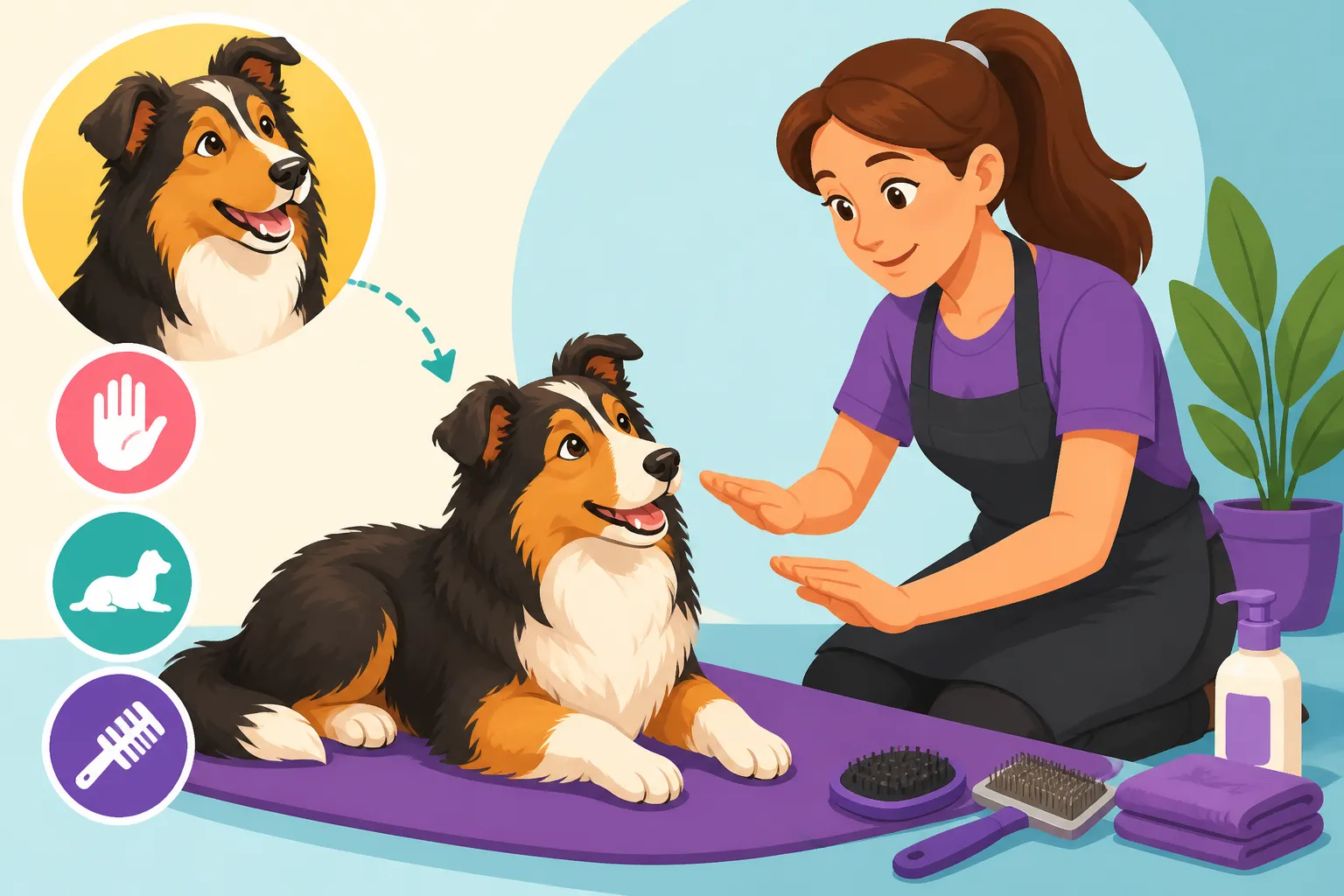
You don't need every tool under the sun right away, but having the right ones is essential. For a Collie puppy, you'll want soft, gentle brushes and combs. A good quality slicker brush with protected tips, a metal greyhound comb with both wide and fine teeth, and a soft pin brush are excellent starting points. You'll also need some nail clippers or a Dremel-style grinder, and maybe a pair of blunt-nosed scissors for tidying paw pads if you feel comfortable. Which Four Brushes a Collie Owner Needs provides a great breakdown of essential tools.
It's tempting to buy cheap, flimsy tools, but investing in good quality, comfortable equipment will make the experience better for both you and your puppy. Tools that tug or scratch will only confirm their suspicion that grooming is unpleasant. You can find a vast array of high-quality grooming supplies on platforms like Amazon or through specialized pet retailers like Chewy. Don't forget high-value treats! These are non-negotiable for positive reinforcement. Small, soft, and extra-tasty treats (think tiny bits of cooked chicken, cheese, or specialized training treats like those from Ollie) will be your best friend.
Cultivating a Peaceful Grooming Environment
Where you groom your puppy matters. Choose a quiet, calm space free from distractions like other pets, children, or loud noises. A bathroom counter with a non-slip mat, a laundry room, or even a raised grooming table (if you've invested in one, which can be very helpful for your back!) can work. A grooming table brings your puppy to your level and signals that this is "work time," helping them differentiate it from playtime on the floor. Whether a Grooming Table Helps With a Collie offers more insights into this setup.
Ensure the surface is non-slip to prevent falls, which can be traumatic and set back your training. Lay out your tools and treats within easy reach but out of your puppy's grasp. The key is to make the environment predictable and positive. Avoid grooming when your puppy is overly tired or hyped up; a slightly sleepy puppy after a play session or a brisk walk is often more amenable. How Much Exercise a Collie Needs Daily highlights the importance of regular activity for a well-behaved Collie.
Building a Foundation: The Power of Positive Association
The most crucial step before any actual grooming begins is to teach your puppy that being touched, especially in sensitive areas, leads to good things. Start by simply petting your puppy all over, touching their paws, ears, tail, and muzzle while offering a steady stream of treats and praise. Don't even bring out the tools yet. Make it a game! "Touch, treat! Touch, treat!"
- Paws: Gently hold a paw, touch each toe, then release and treat. Gradually increase the duration.
- Ears: Gently lift an ear flap, peer inside, then treat.
- Mouth: Gently lift their lips to peek at their teeth, then treat.
- Tail: Gently lift and touch their tail, then treat.
Do this for very short durations—just a few seconds—multiple times a day. The goal is to build a rock-solid association: human touch, especially in potentially intrusive ways, equals delicious rewards. This isn't about rushing; it's about consistency. Think of it as building their "tolerance bank" with positive deposits. You want them to think, "Oh, human hands on my ear? Must mean cheese!"
Step-by-Step Training: From Shy to Still
Once your Collie puppy is comfortable with general handling and touch, you can start introducing the actual grooming tools and techniques. Remember, patience is paramount, and sessions should always be kept short and positive.
The "Touch and Treat" Method: Gentle Introductions
This is where the magic happens. Your goal is to pair the sight and feel of each grooming tool with a high-value treat.
- Introduce the Tool Visually: Show your puppy the brush. Let them sniff it. As they investigate (without mouthing it), give a treat. If they try to mouth it, immediately take it away, wait a second, then reintroduce. Don't scold, just make it clear that mouthing stops the treat flow.
- Gentle Touch with the Tool: Once they're calm around the visual, gently touch the brush to their back, where they are least sensitive. Just one stroke. Immediately follow with a treat and verbal praise ("Good boy!" or "Good girl!").
- Increase Duration Gradually: Over several sessions, slowly increase the number of strokes. One stroke, treat. Two strokes, treat. Three strokes, treat. If your puppy remains relaxed, you can do more. If they show any signs of discomfort (tensing, trying to move away, nipping), go back to fewer strokes or just a touch.
- Practice on Different Body Parts: Once their back is comfortable, slowly move to other areas: sides, chest, then the more sensitive areas like legs, tail, and ears. Always go slow, always reward, and always retreat to an easier spot if they show discomfort.
Consistency is key. Do short (2-5 minute) sessions daily rather than one long, overwhelming session once a week. This regular, gentle exposure builds confidence and a positive routine.
Mastering the Brush: Short Bursts of Success
Now that your puppy understands that the brush isn't a monster, you can start working on actual brushing techniques, focusing on line brushing to get down to the skin. How to Line Brush a Collie explains this essential technique.
- Start with the Easiest Spots: Begin with their back or sides. Gently part the fur and brush from the skin out, a few strokes at a time.
- Reward for Stillness: The moment your puppy is still, even for a second, during brushing, mark that behavior with "Yes!" or a clicker, and give a treat. The goal is to reward the calmness and acceptance of the brush.
- Use the Right Tools: For initial brushing, a soft pin brush can be less intimidating than a slicker brush. Gradually introduce the slicker for deeper coat work. The metal comb can be used to check for tangles after brushing. Don't forget to comb gently through the feathering on their legs and tail.
- Mind the Mats: Puppies can get small mats, especially behind their ears, in their "armpits," or on their britches. Be extra gentle here. If you hit a snag, stop, gently work it out with your fingers, and then resume brushing. Don't yank. Matting is a common reason Collies end up disliking grooming.
Remember that How Long Brushing a Collie in Full Coat Takes is a significant time commitment for an adult, so getting this foundation right now will save you a lot of effort later.
Tackling Sensitive Areas: Ears, Paws, and Tail
These are often the trickiest spots because they are highly sensitive and critical for health checks.
- Ears: Collies have lovely feathered ears, and the fur behind them can mat easily. Gently lift the ear, brush the fur behind it, and then along the ear flap. Again, short bursts, copious treats. You'll also want to gently check inside their ears periodically for cleanliness, so gently lift the flap and peek, rewarding generously.
- Paws: Nails need regular trimming, and fur between the pads needs occasional tidying. Start by simply holding a paw, touching the pads, and then touching each nail with your finger. Reward. Next, touch the actual nail clipper or Dremel to a nail (not actually clipping), then treat. Build up to clipping just one tiny tip, then rewarding hugely. Don't try to do all four paws or all nails at once. Aim for one or two nails per session initially, gradually increasing. Be mindful of the quick, as cutting it can make them fear nail trims for a long time.
- Tail: The Collie's magnificent tail is often sensitive. Brush it gently, working from the base to the tip. Lift it, move it side to side, and brush the underside. Reward for any calm acceptance.
Always end on a positive note. Even if you only managed a few good strokes or one nail, celebrate it! This reinforces that grooming is a positive experience.
Overcoming Common Grooming Hurdles and Keeping It Positive
Even with the best intentions, you're bound to hit some snags. Puppies are, after all, puppies! Knowing how to navigate these common challenges will ensure your grooming journey remains on track.
What to Do When Your Puppy Resists or Nips
It’s completely normal for a puppy to resist. They might try to chew the brush, swat at your hands, or squirm. The key is to redirect and manage the behavior without making grooming a punishment.
- Mouthing/Nipping: If your puppy tries to bite the brush or your hands, immediately stop the session. Tuck the brush behind your back or place it down, and remove your hands. Wait a few seconds until they are calm, then restart. If they try to mouth again, repeat. This teaches them that mouthing makes the fun (and treats!) stop. You can also offer a designated chew toy, like a stuffed Kong or a tough rubber toy, for them to hold during grooming. This can redirect their desire to chew from your tools to something appropriate. Some people even apply a tiny bit of peanut butter or soft cheese to a lick mat or toy, giving them something positive to focus on.
- Squirming/Trying to Escape: If your puppy tries to get away, don't hold them tighter or scold them. Gently but firmly keep them in position for just a few more seconds, then release them. The idea is that they don't get to decide when the session ends if they are misbehaving. You decide. But also, use this as a sign that you might be pushing too hard. Shorten the sessions, go back to easier body parts, and increase the frequency of treats. Remember, Crate Training a Collie Puppy can also help with teaching a puppy to settle, which translates well to grooming table stillness.
- Vocalizations: If your puppy whines or barks, acknowledge it briefly ("I know, buddy, almost done") but don't stop the session immediately. Wait for a pause in the vocalization, then treat and end the session. This prevents them from learning that barking gets them out of grooming. Whether a Collie Can Be Taught a Quiet Cue can be useful here in a broader context.
The overarching principle is that good behavior is rewarded, and unwanted behavior makes the "good stuff" disappear for a moment. Never use physical punishment or harsh words, as a sensitive Collie will shut down and associate grooming with fear. How to Build Confidence in a Nervous Collie reinforces the importance of positive methods.
Consistency, Patience, and Knowing When to Stop
These three elements are the bedrock of successful puppy grooming.
- Consistency: Regular, short sessions are far more effective than sporadic, long ones. Aim for at least 5-10 minutes of dedicated grooming practice every single day, or every other day if their coat is short. This builds a routine and keeps the skills fresh.
- Patience: There will be days when your puppy just isn't having it. Don't get discouraged. Some days will be two steps forward, one step back. Just take a deep breath, shorten the session even more, and remember the long-term goal. Your patience now will pay dividends for the next decade or more.
- Knowing When to Stop: This is crucial. Always try to end on a positive note, even if it's just one good stroke and a treat. If your puppy is truly overwhelmed, stressed, or becoming aggressive, it's better to end the session and try again later, or even the next day. Pushing them past their threshold will only create negative associations. The aim is for them to feel, "That wasn't so bad, and I got chicken!" not "Oh no, not that again!" Whether a Collie Enjoys Being Brushed depends entirely on these early experiences.
Teaching your Collie puppy to lie still for grooming is a journey, not a sprint. It requires time, understanding, and a whole lot of delicious treats. But by following these positive, patient steps, you'll ensure that your Collie grows into an adult who calmly accepts, and perhaps even enjoys, their regular pampering, making their magnificent coat a joy, not a chore. The first year with your The First Year With a Collie Puppy is foundational, and grooming skills are a big part of that.
Disclaimer
This article is for general informational purposes only and does not constitute professional advice. Laws, prices and regulations vary by location and change over time. Consult a qualified professional for guidance on your specific situation.