Whether Shaving a Collie Helps It in Summer
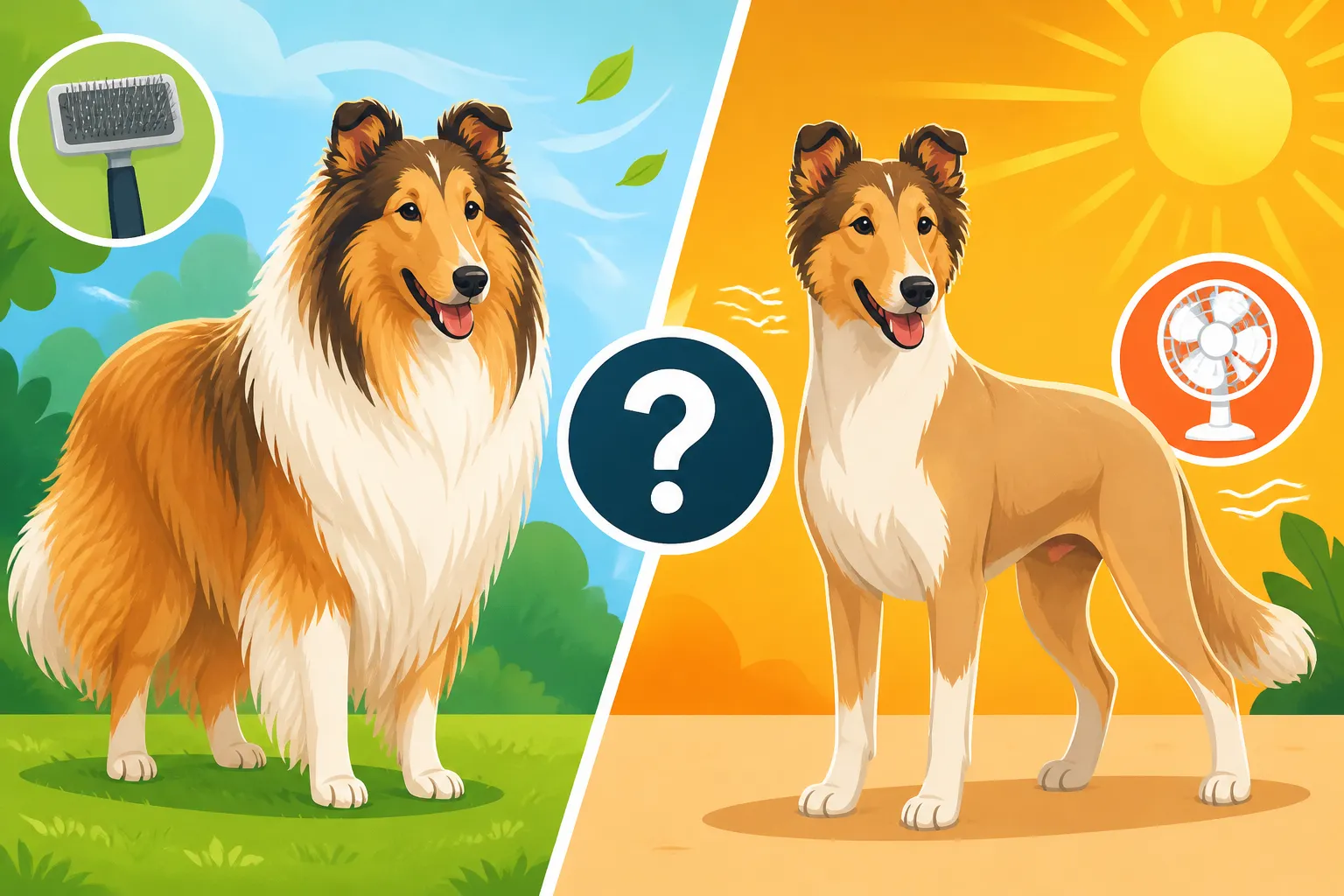
It's a natural instinct to look at your beautiful, fluffy Collie when the summer heat truly hits and think, "Wouldn't they be so much more comfortable if I just shaved all that fur off?" We see ourselves shedding layers, so it only makes sense, right? This thought often comes from a place of deep love and concern for our dogs, imagining them sweltering under that magnificent coat. However, when it comes to a Collie's unique double coat, shaving can actually do more harm than good, disrupting their natural cooling system and exposing them to new risks. This guide will delve into why shaving your Collie is generally not recommended and offer effective, safe alternatives to keep them cool and comfortable all summer long.
The Double Coat: A Collie's Natural Air Conditioning System
Collies possess a magnificent double coat, a trait they share with many northern breeds and working dogs. This isn't just a pretty layer of fur; it's a highly evolved, multi-functional system designed to protect them from the elements, both hot and cold. Understanding how this coat works is the first step in realizing why shaving it off is usually counterproductive.
Understanding the Inner and Outer Layers
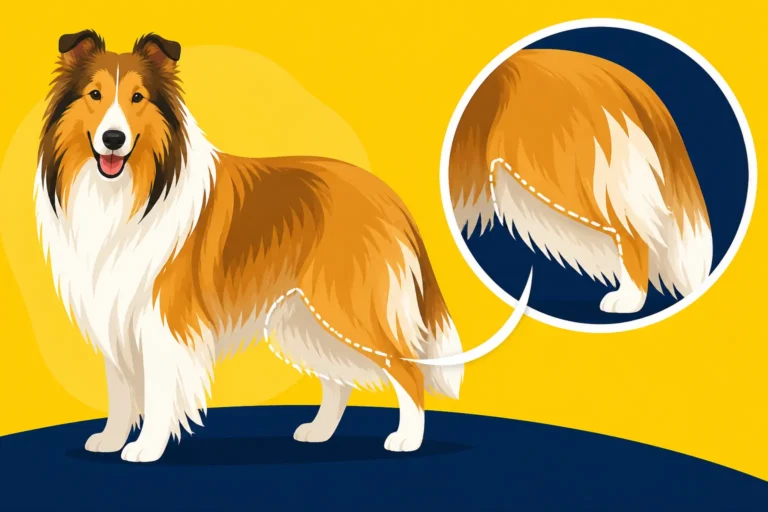
A Collie's double coat is comprised of two distinct layers, each with its own crucial job. The outer coat, often called guard hairs, consists of longer, coarser, and somewhat stiff hairs. These guard hairs are water-resistant, helping to repel moisture, dirt, and debris, and also provide a physical barrier against sunlight and insects. Beneath this lies the undercoat – a dense, soft, woolly layer. This undercoat is what provides the primary insulation.
In colder months, this dense undercoat traps warm air close to the body, keeping your Collie toasty even in chilly weather. It's like wearing a high-quality down jacket that traps your body heat. When winter snow falls, you might even see it sitting on top of a Collie's coat without melting, a testament to its incredible insulating properties.
However, many people are surprised to learn that this same double coat performs an equally vital function in warmer weather. Instead of trapping heat, the undercoat acts as an insulating barrier against the external heat. It prevents the sun's intense rays from reaching your Collie's skin directly and allows for air circulation. Think of it like the insulation in your house: it keeps the heat in during winter and the heat out during summer. The guard hairs also stand slightly away from the body, creating a natural air pocket that allows air to flow and circulate, helping to dissipate heat and wick away moisture.
How a Shave Disrupts Natural Regulation
When you shave a Collie, you remove both these crucial layers, fundamentally disrupting their natural thermoregulation system. The guard hairs, which offer protection from direct sunlight, are gone. The insulating undercoat, which prevents external heat from penetrating and allows for air flow, is also stripped away. This leaves your Collie's delicate skin exposed.
Without the natural barrier of their coat, your Collie's skin is suddenly vulnerable to direct sun exposure, which can lead to severe sunburn. Just like humans, dogs can get sunburned, and the consequences range from uncomfortable irritation to increased risk of skin cancer. Furthermore, the exposed skin is now more susceptible to insect bites, scratches, and other environmental irritants that the coat would normally protect against.
The biggest misconception is that shaving "cools" them down. In reality, by removing the insulating layers, you remove their built-in defense against heat. Direct sunlight can now hit their skin, potentially heating them up faster than if their coat were intact. It's akin to removing the roof insulation from your house in summer, thinking it will make it cooler – you're actually inviting more heat in. This can paradoxically increase their risk of overheating and heatstroke, especially during prolonged outdoor activity.
Risks and Regrets: Why Shaving Can Do More Harm Than Good
While the intention behind shaving a Collie is always good—to help them beat the heat—the reality is that it often introduces a host of problems that are far worse than the perceived benefits. The physical consequences can be long-lasting and frustrating for both dog and owner.
The Damaged Coat Phenomenon
One of the most common and distressing outcomes of shaving a double-coated breed like a Collie is a condition often referred to as "clipper alopecia" or "post-clipping alopecia." This isn't just a quirky name; it describes a real and frustrating phenomenon where the coat simply does not grow back correctly, or sometimes, not at all. When the dense undercoat and protective guard hairs are shorn down to the skin, it can damage the hair follicles.
What you might end up with is a coat that grows back patchy, uneven, and with a significantly altered texture. Instead of the thick, flowing, weather-resistant coat your Collie once had, they might develop a cottony, sparse, or even bristly texture. The guard hairs, which give the Collie its distinctive look and protective qualities, are particularly slow to regrow and may never regain their original structure. This can leave your Collie looking scruffy and feeling rough, sometimes permanently. What Happens to a Shaved Collie's Coat delves deeper into this frustrating reality.
Imagine your beautiful, flowing Rough Collie's mane growing back in dull, patchy tufts, no longer offering its natural protection or aesthetic appeal. This not only affects their appearance but also their ability to regulate temperature effectively in the future. Once the delicate balance of the coat's layers is disrupted, it can take years for it to recover, if it ever does completely. For some Collies, the damage is irreversible, and they are left with a compromised coat for the rest of their lives.
Increased Health Vulnerabilities
Beyond the aesthetic and functional damage to the coat, shaving a Collie significantly increases their vulnerability to a range of health issues. Their exposed skin is simply not equipped to handle direct environmental exposure.
Sunburn is a major concern. Collies, especially those with lighter coats, blue merles, or sensitive pink skin on their nose, are highly susceptible to sunburn once their protective fur is removed. Just like us, prolonged sun exposure on unprotected skin can lead to pain, blistering, and significantly increase the risk of skin cancer over time. This is especially true if your Collie enjoys sunbathing, a common pastime for many dogs. Their Whether a Collie's Nose Burns in the Sun highlights a naturally vulnerable spot even with an intact coat.
Counterintuitively, shaving can also increase the risk of heatstroke. While it might seem logical that less fur means less heat, the double coat actually provides critical insulation against external heat. By removing it, you're stripping away the barrier that prevents the sun's powerful UV rays from directly heating your dog's skin and core body temperature. The natural air circulation created by the intact coat is also gone, meaning heat can build up more easily. A study might suggest that Whether a Collie's Coat Protects It From Heat is a clear 'yes', demonstrating its role in shielding from both cold and sun. Without this protection, your Collie can become hotter faster, requiring much less time in the sun to reach dangerous internal temperatures.
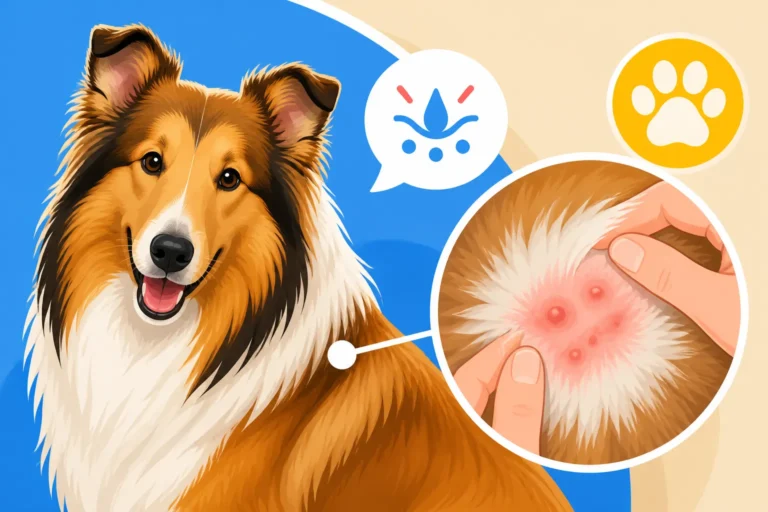
Furthermore, with their skin exposed, Collies become much more prone to insect bites from mosquitoes, fleas, and ticks, as well as skin irritations from allergens, rough surfaces, or even simple exposure to dirt and plant matter. These can lead to uncomfortable itching, rashes, and secondary skin infections if not properly managed. Whether a Collie Gets Skin Infections Under Its Coat is a definite risk when their natural barrier is compromised.
Better Ways to Beat the Heat: Real Solutions for Your Collie
Instead of resorting to shaving, which carries significant risks, there are numerous safe and effective strategies to help your Collie stay comfortable and healthy when the temperatures rise. The key is to work with their natural physiology, not against it.
Consistent Grooming is Key
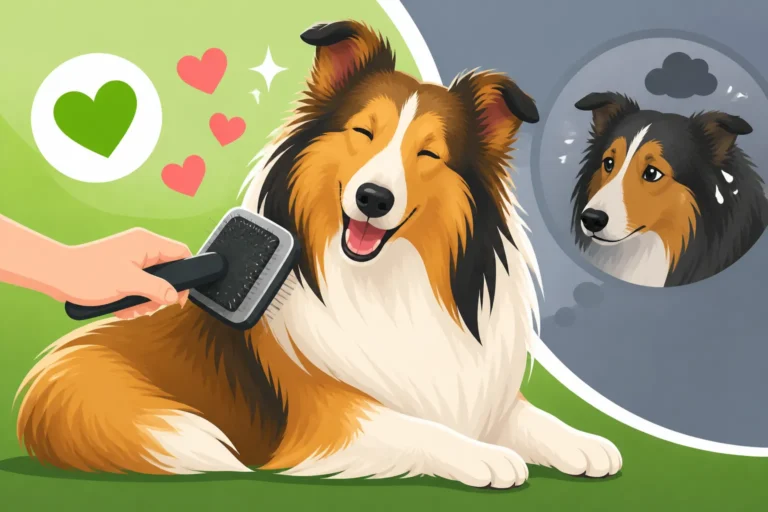
The absolute best thing you can do for your Collie in warm weather is to commit to a consistent and thorough grooming routine. Their double coat is designed to shed its undercoat naturally, and your job as an owner is to help facilitate that process. Regular brushing, especially with the right tools, removes dead, loose undercoat, which is what traps heat. When this dead fur is cleared out, it allows air to circulate properly through the remaining coat, enhancing its natural cooling abilities.
During the spring and early summer, Collies typically go through a "coat blow" where they shed a tremendous amount of undercoat. The Three Weeks Twice a Year When a Collie Buries Your House will make you a firm believer in diligent grooming. This is the time to really step up your brushing game. Invest in a good quality undercoat rake, a slicker brush, and a sturdy pin brush. You can find excellent options for these on sites like Amazon or at your local pet supply store. A high-velocity dryer, while an investment, can also be incredibly effective at blowing out loose undercoat after a bath, without damaging the guard hairs. For a detailed guide on tools and techniques, check out Four Tools and Twenty Minutes: Brushing a Rough Collie.
Remember, a well-maintained coat with a healthy balance of guard hairs and a thinned-out undercoat is your Collie's most efficient cooling system. It's not about removing the coat, but about keeping it clean and free of dead fur so it can do its job effectively.
Environmental Management and Cooling Aids
Beyond grooming, proactive environmental management is crucial. Adjusting your daily routine and providing cooling aids can make a huge difference in your Collie's comfort.
- Adjust Exercise Schedules: Avoid walks and strenuous play during the hottest parts of the day. Opt for early morning or late evening excursions when temperatures are cooler.
- Provide Ample Shade and Water: Ensure your Collie always has access to cool, fresh water, both indoors and out. If they're outside, make sure there's a shady spot for them to retreat to. Consider adding ice cubes to their water bowl.
- Cooling Mats and Beds: Many Collies love to lie on cooling mats that activate with pressure or an elevated dog bed that allows air to circulate underneath them. Retailers like Chewy offer a wide array of these products designed specifically for pet comfort. These can be a lifesaver for dogs who struggle with heat. Whether a Collie Needs a Cooling Mat in Summer covers how beneficial these can be.
- Frozen Treats: Homemade pupsicles made with dog-safe ingredients like diluted broth or pureed fruit can be a welcome cool-down.
- Water Play: Some Collies enjoy splashing in a shallow kiddie pool or playing with a gentle sprinkler. Just be sure to supervise them and ensure they don't ingest too much water. For more on their aquatic tendencies, read Whether a Collie Can Swim.
By providing these simple yet effective solutions, you create an environment where your Collie can self-regulate their temperature more easily, without the risks associated with shaving.
Dietary Considerations for Overall Health
While not a direct cooling method, a healthy diet plays a foundational role in maintaining a robust coat and overall well-being, which in turn helps your Collie handle temperature changes more effectively. A diet rich in essential nutrients supports healthy skin and coat growth, ensuring that your Collie's natural protective layers are as effective as possible.
High-quality dog food, like those offered by fresh food services such as Ollie, provides the vitamins, minerals, and fatty acids crucial for a lustrous, healthy coat. A well-nourished coat is stronger, sheds more efficiently, and can better withstand environmental stressors.
Equally important is hydration. While we already discussed providing fresh water, a diet with a higher moisture content, such as wet food or fresh food, can contribute to their overall hydration levels, which is vital for preventing overheating. Ensuring your Collie is healthy from the inside out means their natural defenses, including their amazing coat, can work optimally to keep them comfortable in any season.
When a Shave Might Be Considered (and the Caveats)
While the general rule for Collies is "never shave," there are rare, specific circumstances where a veterinarian might recommend it, or where it becomes a necessary measure due to extreme neglect. These are always exceptions to the rule and come with their own set of caveats.
Medical Necessity
There are situations where shaving is a medical necessity, always under the guidance of a qualified veterinarian. For example, if your Collie requires surgery in a specific area, that part of their body will be shaved to ensure a sterile field. The same applies for certain diagnostic procedures, such as an ultrasound, where hair might obscure the image. Where a Collie Is Clipped for an Ultrasound explains how this works. In these cases, the shaving is localized and temporary, and the vet will provide instructions for post-procedure care to minimize discomfort or irritation during regrowth.
Occasionally, severe skin conditions or infections might necessitate shaving to allow for topical treatments to reach the skin effectively, or to allow air to circulate to a problem area that has become perpetually damp or irritated. Even then, the decision is made by a professional who has weighed the benefits against the risks for that specific medical issue. It's never a cosmetic choice but a therapeutic one. The goal is always to treat the underlying condition and promote healthy skin and coat regrowth once the issue is resolved.
Mats Beyond Salvage
Perhaps the most common non-medical reason for a full body shave is extreme matting. While diligent grooming should prevent this, sometimes a Collie's coat can become so severely matted or "pelted" that brushing them out is impossible, inhumane, and incredibly painful for the dog. When mats are tight against the skin, they pull and cause constant discomfort, restrict movement, and can hide skin infections, parasites, or even wounds.
In such dire circumstances, a professional groomer or veterinarian might determine that a full body shave is the only humane option to relieve the dog's suffering. This is a rescue measure, not a routine grooming choice. It’s important to understand that such severe matting is a clear indication that the dog's coat has not received adequate care, rather than a strategy for comfort. How to Work Out a Mat Behind a Collie's Ear illustrates that even small mats can be tricky, so a full body pelt is a serious issue.
If your Collie ever reaches this point, the shave will be followed by a commitment to a rigorous grooming schedule to prevent it from happening again. It's a costly and uncomfortable experience for the dog, and a stark reminder that a Collie's coat is a significant responsibility, often being A Collie's Coat Is the Bill That Arrives Every Eight Weeks if you rely on professional help. Prevention through regular, effective brushing is always the better path.
| Feature | Shaving a Collie in Summer | Proper Summer Care (Grooming & Management) |
|---|---|---|
| Cooling Effect | Appears to cool, but can increase heat absorption from direct sun. | Allows natural air circulation, insulates against heat, dissipates body heat. |
| Coat Protection | Removes protective guard hairs and insulating undercoat. | Maintains natural barrier against sun, insects, and elements. |
| Sunburn Risk | Significantly increases risk of severe sunburn and skin cancer. | Provides natural sun protection; skin remains covered. |
| Coat Regrowth | Risk of "clipper alopecia," patchy, discolored, or incorrect texture. | Promotes healthy coat growth and shedding; maintains original texture. |
| Skin Health | Increased vulnerability to irritation, bug bites, and infections. | Skin protected; healthier skin barrier. |
| Maintenance | Requires waiting for regrowth, potential long-term coat damage. | Ongoing, regular brushing; requires daily attention during coat blow. |
| Overall Comfort | Short-term perceived relief, long-term discomfort and health risks. | Consistent, reliable comfort and health benefits. |
Disclaimer
This article is for general informational purposes only and does not constitute professional advice. Laws, prices and regulations vary by location and change over time. Consult a qualified professional for guidance on your specific situation.