A Dog Named Pal Played Lassie and Changed the Breed Forever
There's a good chance that when you picture a Collie, you immediately think of Lassie, trotting valiantly through a field, perhaps rescuing a lost child or guiding a team of searchers. That iconic image is so deeply embedded in our cultural consciousness that it's almost impossible to separate the breed from the legendary dog who made it famous. But what many don't realize is the extraordinary story of the real dog behind the legend, a canine actor named Pal, and how his groundbreaking performance forever reshaped the destiny of the entire Collie breed, for better and for worse.
Before Lassie: The Collie as a Working Dog and Victorian Darling
Before the silver screen made Collies household names, they were already well on their way to becoming beloved companions, albeit with a very different image and purpose. Their story stretches back centuries, rooted in the rugged landscapes of Scotland.
From Scottish Hills to Aristocratic Homes
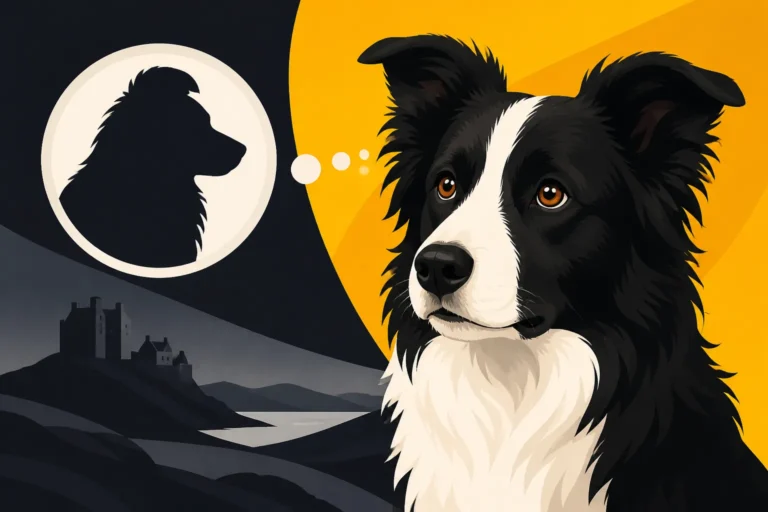
For generations, the Collie was the indispensable partner of Scottish shepherds and drovers. These dogs were not merely pets; they were vital members of the workforce, herding sheep and cattle across vast, often unforgiving terrain. Their intelligence, stamina, and innate ability to control livestock with a gentle but firm presence made them invaluable. They were known for their keen eyesight, incredible endurance, and an almost telepathic understanding with their human counterparts, often working independently to gather scattered flocks. This was a dog bred for grit, brains, and loyalty to its job and its person.
Then, in the mid-19th century, something pivotal happened. Queen Victoria Made the Collie Fashionable in the 1860s. Queen Victoria, known for her love of dogs, encountered Collies during her visits to Balmoral Castle in Scotland. Charmed by their beauty, grace, and intelligent eyes, she became an ardent admirer and owner. Her royal endorsement rapidly transformed the Collie from a working-class hero into a fashionable companion for the aristocracy. Suddenly, these dogs were seen not just in muddy fields, but gracing stately homes and royal kennels. This shift marked a significant turning point, moving the Collie firmly into the realm of companion animals, though their inherent working drive remained.
The Breed's Appearance Evolves
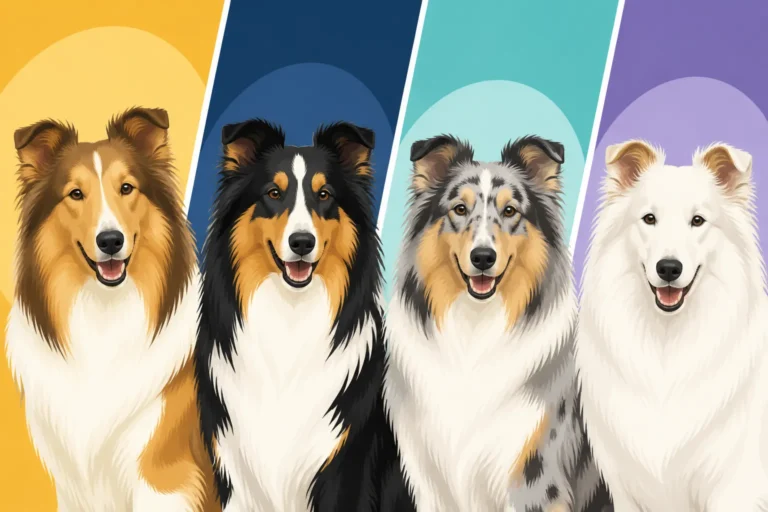
As Collies gained favor among the elite and entered the nascent world of dog shows, their physical characteristics began to undergo a deliberate transformation. Breeders, eager to meet the aesthetic demands of the show ring, started to emphasize traits that were considered beautiful and elegant, sometimes at the expense of pure working utility. The once-rugged face of the working Collie began to lengthen and refine, developing the distinctive, elegant headpiece we associate with the breed today. The coat, too, became more profuse, flowing, and glamorous, turning the Rough Collie into a stunning spectacle.
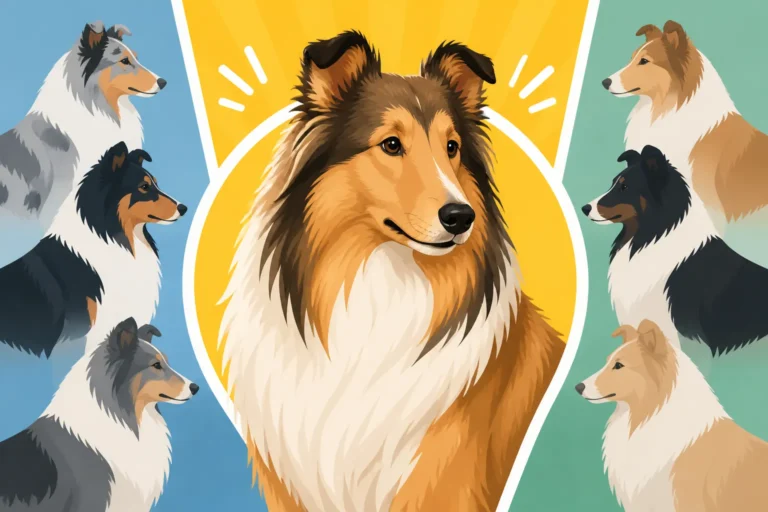
This focus on aesthetic perfection meant that while intelligence and temperament remained important, the visual appeal became paramount. The elegant profile, the well-set ears, and the magnificent double coat became hallmarks of the breed standard. This period saw the divergence between the "show" type and the "working" type of Collie, though both still shared the same fundamental intelligence and sensitivity. The Rough Collie, with its dramatic coat, particularly captured the public's imagination, becoming the epitome of canine beauty. The Collie Was a Scottish Droving Dog Before It Was a Show Dog. Even the Smooth Collie, sharing the same ancestry and temperament, often took a backseat in public recognition to its more heavily coated cousin, despite being equally stunning and capable.
Pal's Rise to Stardom: The Unlikely Hero Behind Lassie
The world had seen beautiful Collies, intelligent Collies, and loyal Collies for decades, but it took one extraordinary dog named Pal to truly catapult the breed into international superstardom. His journey to becoming Lassie was far from straightforward, a testament to his unique talents and the vision of his trainer.
The Search for a Star
When Metro-Goldwyn-Mayer set out to produce "Lassie Come Home" in 1943, they envisioned a female Collie to play the title role, believing a female would appear gentler and more expressive on screen. Initial casting calls focused on finding a perfectly marked, ideal-looking Collie. Pal, a male Rough Collie, was among the hopefuls, but he was reportedly deemed "too big" and had some minor physical imperfections that initially led to his rejection. He wasn't the "perfect" show dog on paper.
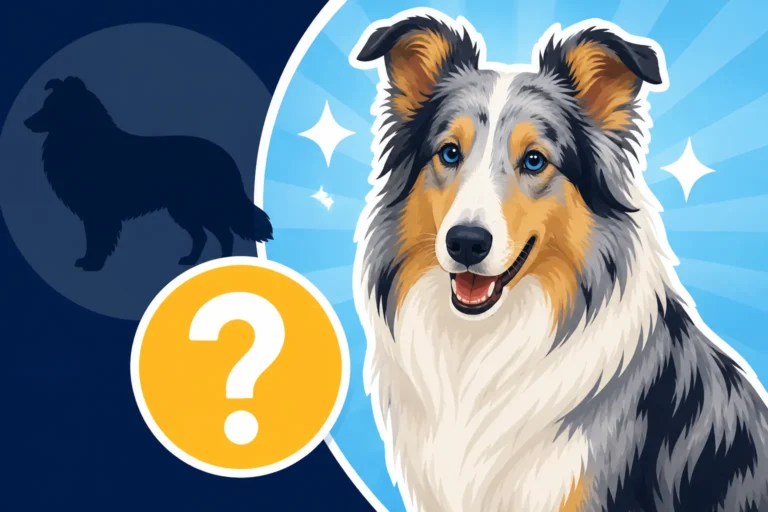
However, fate had a different plan. The production faced immense challenges with the original dog cast for the role, particularly during a crucial scene where Lassie had to cross a raging river and appear utterly exhausted. The chosen dog simply couldn't perform the task convincingly. Enter Rudd Weatherwax, Pal's owner and trainer. He had continued to train Pal, honing his natural intelligence and responsiveness. Weatherwax convinced the filmmakers to give Pal a chance, assuring them he could deliver the emotionally taxing performance. It was a pivotal moment, a gamble that would pay off in cinematic history. Which Dog Played Lassie in 1943. Pal stepped onto the set and, under Weatherwax's expert guidance, performed the scene with such raw emotion and conviction that the entire crew was reportedly moved to tears. From that moment on, the role of Lassie belonged to Pal.
Beyond the Script: Pal's Incredible Talent
What truly set Pal apart was his astonishing talent. He wasn't just a dog following commands; he was a natural performer who understood the nuances of storytelling. Directors and cast members were consistently amazed by his ability to convey emotions – joy, sorrow, determination, exhaustion, and, most famously, unwavering loyalty – with a mere tilt of his head or a soulful gaze. He seemed to intuitively grasp the narrative, performing complex sequences with minimal cues.
For instance, in "Lassie Come Home," Pal had to convincingly portray a dog making an arduous journey home. His performance of exhaustion, limping, and dragging himself forward wasn't faked with camera tricks alone; it was a deeply committed act. He could cry on cue, collapsing dramatically when required, then leap into action with incredible energy. This wasn't merely obedience; it was genuine acting. Pal truly breathed life into Lassie, transcending the limitations of being an animal actor and becoming a legitimate star. His remarkable intelligence allowed him to learn complex sequences rapidly, often requiring fewer takes than his human co-stars, saving the production valuable time and money. He became more than just a character; he became the heart and soul of the film, and indeed, of the entire Lassie franchise.
The Lassie Phenomenon: How One Dog Defined a Breed
Pal's portrayal of Lassie was nothing short of revolutionary. It transformed a beloved book character into a living, breathing icon, and in doing so, indelibly stamped the image of the Collie into the global consciousness. The impact was immediate and profound, creating a legacy that continues to resonate today.
Lassie's Cultural Impact
"Lassie Come Home" was an instant success, and Pal's Lassie quickly became a cultural phenomenon. The character embodied the ultimate ideal of canine companionship: intelligent, brave, loyal to a fault, and always there to protect her human family. Lassie was more than just a pet; she was a hero, a guardian, and a moral compass. Her stories, whether on the big screen or later in the immensely popular television series, consistently championed themes of courage, perseverance, and the unbreakable bond between humans and animals. She was the dog every child dreamed of having, and the companion every adult wished for.
Lassie's influence spread far beyond mere entertainment. She became a symbol of hope and resilience, particularly resonant in the post-war era when many sought comfort and idealized values. The image of Lassie standing guard, saving lives, or simply offering unconditional love resonated deeply with audiences across all demographics. Her presence in countless films, television episodes, and merchandise cemented her status as one of the most recognizable and beloved animal characters of all time. It was an unprecedented level of fame for an animal, forever linking the Collie breed with her heroic deeds. A Dog Named Pal Played Lassie and Changed the Breed Forever.
The "Lassie Effect" on Collie Popularity
The immediate and overwhelming success of "Lassie Come Home" and its subsequent sequels and television series had an explosive impact on the popularity of the Collie breed. People weren't just captivated by the character; they wanted a "Lassie" of their very own. This created an unprecedented surge in demand for Collies, transforming them from a relatively specialized breed to one of the most sought-after family dogs in the world.
Kennel club registrations for Collies skyrocketed after the first film's release and maintained high numbers throughout the run of the television series. Families everywhere rushed to breeders, hoping to bring home a dog that embodied the intelligence, loyalty, and gentle nature they saw on screen. The "Lassie Effect" was a genuine phenomenon, driving the breed's numbers to historic peaks. It's difficult to overstate how much this single dog, Pal, and his iconic portrayal influenced public perception and market demand for Collies, firmly planting them in the top tier of popular dog breeds for decades. What Lassie Did to Collie Registrations. This widespread desire for a Lassie of their own opened the door for many to experience the joys of Collie ownership, but it also brought with it significant challenges.
The Double-Edged Sword: Challenges Posed by Sudden Popularity
While Lassie's fame brought immense attention and love to the Collie breed, it also created unforeseen pressures and challenges. The sheer demand, while initially celebratory, quickly began to impact the breed's health and the understanding of its true nature.
The Rise of Unethical Breeding
The explosion in Collie popularity, fueled by the Lassie phenomenon, unfortunately attracted many unscrupulous individuals looking to make a quick profit. This led to a dramatic increase in unethical breeding practices, including the proliferation of puppy mills and backyard breeders who capitalized on the demand without regard for the welfare, health, or genetic integrity of the dogs. These operations often prioritized quantity over quality, breeding Collies indiscriminately, often without proper health testing, temperament screening, or even basic knowledge of genetics.
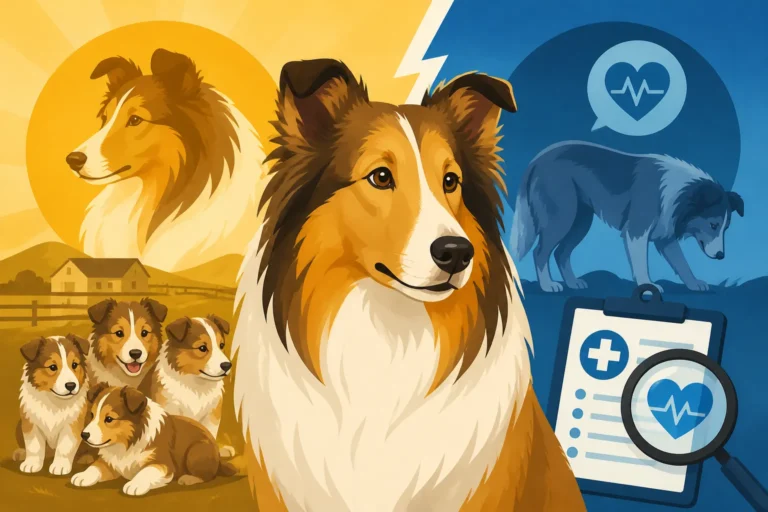
The consequences were dire for the breed. Puppies from these environments were often sold with hidden health issues, hereditary diseases, or poor temperaments, leading to heartache and significant veterinary bills for unsuspecting families. Instead of carefully planned breedings designed to improve the next generation, decisions were based solely on producing as many puppies as possible to meet market demand. This period saw an unfortunate decline in overall breed health and temperament in many lines, creating problems that dedicated, responsible breeders are still working to address today. It was a stark reminder that sudden popularity can be a double-edged sword for any breed. Whether Collie Puppy Mills Followed the Lassie Films.
Misconceptions About Collie Temperament
Perhaps one of the most enduring and challenging legacies of Lassie was the unrealistic expectation it placed on individual Collies and their owners. Lassie, on screen, was a paragon of near-human intelligence, capable of complex problem-solving, strategic thinking, and seemingly understanding every word spoken to her. While Collies are undeniably intelligent and sensitive dogs, no real-life dog, however brilliant, can truly live up to the cinematic ideal of Lassie.
Many families, captivated by the movie and TV show, brought home a Collie puppy expecting a ready-made hero who would intuitively save the day and understand complex commands without extensive training. When their actual Collie, while loving and smart, behaved like a normal dog – needing consistent training, proper socialization, and patient guidance – disappointment could set in. This gap between the myth and the reality often led to frustration for owners who were unprepared for the responsibilities of dog ownership, or for the actual temperament of a Collie, which, while wonderful, isn't superhuman. Whether Lassie Gave the Collie a False Reputation. These unmet expectations sadly contributed to Collies being surrendered to shelters and rescues by owners who felt their dog wasn't "Lassie enough." It highlighted the crucial need for prospective owners to understand the true characteristics and needs of the breed, beyond the silver screen fantasy.
Pal's Legacy and the Breed's Future
Decades have passed since Pal first graced the screen as Lassie, but his impact remains undeniable. His legacy continues to shape perceptions of the Collie breed, simultaneously offering both a gift and a challenge to those who love these magnificent dogs.
The Enduring Image
To this day, the mention of "Collie" almost universally conjures the image of Lassie. For many, that iconic picture remains their first and often only exposure to the breed. This enduring image is a powerful testament to Pal's unforgettable performance and the compelling storytelling of the Lassie franchise. It means that the Collie still carries an aura of intelligence, loyalty, and gentle heroism, qualities that genuinely exist within the breed, even if not to the superhuman extent portrayed on film.
This recognition has its advantages; it helps keep the breed visible and cherished. However, it also means that stereotypes and misconceptions persist. Responsible breeders and Collie enthusiasts are constantly working to balance this powerful cultural image with the reality of owning a Collie. They strive to educate the public, ensuring that while the beautiful myth of Lassie continues to inspire, the real-life needs and characteristics of the breed are understood and respected. The goal is to celebrate Pal's legacy while promoting responsible ownership of the real, wonderful dogs living in our homes today.
The Role of Responsible Breeders Today
In response to the challenges brought on by the Lassie boom, dedicated Collie breeders have tirelessly worked to safeguard and improve the breed's health and temperament. Today, responsible breeding goes far beyond just producing beautiful dogs. It involves a deep commitment to genetic health, meticulous research into pedigrees, and a proactive approach to screening for inherited conditions. Breed clubs and individual breeders advocate for health testing as a cornerstone of ethical breeding practices.
For example, genetic tests are now available for critical conditions like MDR1 (Multi-Drug Resistance 1) mutation, which can make Collies sensitive to certain common medications, and Collie Eye Anomaly (CEA), a hereditary eye condition. The Three Genetic Tests a Collie Breeder Owes You. Prospective Collie owners are strongly encouraged to seek out breeders who openly share health clearances for their breeding stock, including results from DNA panels for these and other conditions. Reputable breeders are transparent about their practices, welcome questions, and strive to place puppies in loving, well-informed homes. They understand that preserving the true Collie means honoring its history as an intelligent, sensitive companion, while actively mitigating the genetic risks that arose during periods of unchecked popularity. They aim to produce dogs that are not just beautiful, but also healthy, stable, and true to the gentle, devoted nature that Pal himself embodied.
What a Real-Life Lassie (or Laddie!) Is Truly Like
So, if you're not getting a dog who can find a hidden cave or alert the local sheriff to a runaway train, what are you getting when you welcome a Collie into your home? You're getting something equally, if not more, wonderful in its own right: a deeply intelligent, incredibly sensitive, and profoundly devoted companion.
Intelligence and Sensitivity
Collies are undeniably intelligent, often ranking high in canine intelligence studies. However, their intelligence manifests differently than Lassie's on-screen heroics. They are highly attuned to their environment and their human family, often described as having an uncanny ability to "read a room" or sense their owner's moods. This means they are incredibly responsive to training, excelling in obedience, rally, and other canine sports where they can use their brains. But it also means they are profoundly sensitive. Harsh Handling Breaks a Collie and It Does Not Come Back.
These dogs do not respond well to harsh corrections, yelling, or heavy-handed training methods. Such approaches can easily break a Collie's spirit, making them timid, anxious, or withdrawn. Instead, they thrive on positive reinforcement, gentle guidance, and a strong, loving bond with their human. They are eager to please and will work diligently for praise, toys, or a tasty treat. Their sensitivity also means they are often perceptive to changes in the household, sometimes reacting to stress or tension. This makes them wonderfully empathetic companions, but also dogs that need a stable, calm environment to truly flourish. They're not just smart; they're emotionally intelligent.
Exercise and Mental Stimulation
While Lassie seemed to be constantly on the go, a real-life Collie's exercise needs are more nuanced than simply endless running. They are active dogs, yes, but their heritage as herders means they need a balance of physical activity and mental engagement. A simple walk around the block might not be enough to satisfy their intelligent minds. They thrive on purpose and engagement.
Around Forty Five Minutes a Day, and Half of It in Its Head is a good guideline for physical exercise, such as brisk walks, controlled off-leash play in a secure area, or even a hike. But equally crucial is mental stimulation. This can come in the form of training sessions, puzzle toys, scent work, or even just engaging in interactive games in the yard. A bored Collie is often a vocal Collie, or one that finds less-than-desirable ways to entertain itself, like excessive digging or chewing. Providing enriching activities helps channel their intelligence positively. For great options on durable puzzle feeders that will challenge their minds, consider checking out the extensive selection at Chewy. These can be a fantastic way to keep your Collie engaged and happy, especially on days when extended outdoor adventures aren't possible.
Caring for Your Own Star: Essential Collie Ownership Considerations
Bringing a Collie into your life means committing to their specific needs, from maintaining their famous coat to being aware of their unique health considerations. It's a rewarding journey, but one that requires dedication.
Grooming the Famous Coat
The Rough Collie's magnificent double coat is undoubtedly one of its most striking features, but it's also a significant commitment. Many prospective owners underestimate the amount of grooming required to keep it healthy and beautiful. This isn't a wash-and-wear breed! Regular grooming is essential to prevent mats and tangles, especially in areas of heavy feathering like the mane, frill, and "petticoats."
You'll need a set of reliable tools: a good quality pin brush, a slicker brush, a wide-toothed comb, and a shedding rake are often recommended. Four Tools and Twenty Minutes: Brushing a Rough Collie. Brushing several times a week, and more frequently during their biannual "coat blow" (when they shed their entire undercoat), is crucial. This helps remove loose hair, prevent matting, and distribute natural oils. It's vital to never shave a Collie, as their double coat provides insulation against both heat and cold, and shaving can damage the coat's ability to grow back correctly, leading to health issues. For all your grooming needs, from a sturdy slicker brush to a good de-shedding tool, Chewy offers a wide range of products specifically designed for long-coated breeds.
Health Awareness for Your Collie
Being a responsible Collie owner also means being proactive about their health. While generally a healthy breed, Collies are predisposed to certain genetic conditions that prospective owners must be aware of. The most well-known is the MDR1 (Multi-Drug Resistance 1) gene mutation, which can cause severe adverse reactions to common medications, including some anti-parasitics, sedatives, and chemotherapy drugs. It's critical that your veterinarian is aware if your Collie carries this mutation, as drug dosages or choices may need to be adjusted. The Drug List That Can Kill a Collie.
Another significant concern is Collie Eye Anomaly (CEA), a congenital eye disease that can range from mild vision impairment to severe blindness. Responsible breeders test for both of these conditions. Beyond genetics, Collies can also be prone to bloat (gastric dilatation-volvulus), a life-threatening condition, and certain skin conditions. Regular veterinary check-ups, a balanced diet, and an understanding of the breed's specific health predispositions are key to ensuring your Collie lives a long, healthy, and happy life. Don't hesitate to ask your breeder about their health testing protocols and to educate yourself on these important topics.
Lassie Myth vs. Real Collie Traits: A Quick Look
To help understand the difference between the cinematic ideal and the living, breathing Collie, here’s a quick comparison:
| Feature | The Lassie Myth | The Real-Life Collie |
|---|---|---|
| Intelligence | Near-human, solves complex problems, understands full sentences, guides humans to safety without explicit training. | Highly intelligent, sensitive, eager to learn, excels in obedience, but needs training and human guidance. |
| Independence | Ventures off alone to rescue people, navigates vast distances without supervision. | Deeply bonded to family, prefers to be with its people, prone to separation anxiety if left alone too long. |
| Emotional Range | Cries on cue, shows complex reasoning to plan rescues, always stoic and heroic. | Expressive, sensitive to owner's moods, can be prone to shyness or anxiety if not well-socialized, seeks comfort. |
| Physical Needs | Seems to run tirelessly across vast landscapes without rest, immune to injury or exhaustion. | Needs regular, moderate exercise (45 min-1 hour daily), requires mental stimulation, can overheat in extreme weather. |
| Grooming | Always perfectly coiffed, even after arduous journeys through mud and brush. | Requires regular, thorough brushing (2-3 times a week) to prevent mats, heavy shedding seasons twice a year. |
| Temperament | Unfailingly brave, always confident, never barks unless signaling an emergency. | Gentle, devoted, can be reserved with strangers, sensitive to loud noises/harsh handling, will bark as a guardian. |
Disclaimer
This article is for general informational purposes only and does not constitute professional advice. Laws, prices and regulations vary by location and change over time. Consult a qualified professional for guidance on your specific situation.