The Age a Collie Is Considered Senior
It's a bittersweet moment when you start noticing those subtle shifts in your beloved Collie – a little less pep in their step, a few more naps in their favorite sunny spot, maybe a touch of grey around the muzzle. We all grapple with the question of when our vibrant, active Collies transition into their golden years. This comprehensive guide will walk you through the various indicators, both physical and behavioral, that signal your Collie is entering their senior phase, and how to best support them through these precious later stages of life.
Defining Seniority in Collies: More Than Just a Number
Pinpointing the exact moment a Collie becomes a "senior" isn't as simple as marking a date on a calendar. While there are general guidelines, every dog is an individual, and their journey into old age is influenced by genetics, lifestyle, and overall health. It’s less about a hard-and-fast rule and more about observing your dog for the cumulative changes that suggest their body and mind are maturing into a new phase.
General vs. Breed-Specific Timelines
For most medium-to-large breeds like Collies, the general consensus suggests that they begin to show signs of aging somewhere between seven and nine years old. Smaller breeds tend to live longer and enter senior status later, while giant breeds often hit it much earlier, sometimes as young as five or six. Collies typically have a lifespan of 10 to 14 years, meaning that by the time they are seven or eight, they are well into the latter half of their expected life. It's a significant marker, but it doesn't mean they're suddenly "old" overnight. Instead, think of it as a gradual transition where their needs begin to subtly change, requiring a more attentive and proactive approach from us, their caregivers.
Many owners find that around seven years, their Collie might not seem dramatically different, but perhaps a bit slower to rise or less enthusiastic about long, strenuous hikes. This is the perfect time to start considering preventative care more seriously, even if your dog still acts like a puppy. It's about setting the stage for comfortable and healthy senior years rather than waiting for problems to arise. Knowing The Age a Collie Is Considered Senior truly impacts the kind of care we provide.
Why Age Classification Matters for Your Collie
Understanding when your Collie is considered senior is incredibly important, not just for sentimental reasons, but for practical health management. This classification often triggers changes in veterinary care recommendations, diet, and even the types of activities you engage in together. Vets typically recommend more frequent check-ups, often twice a year, for senior dogs because conditions can develop and progress more rapidly in older animals. Early detection of issues like arthritis, kidney disease, or thyroid problems can make a massive difference in management and quality of life.
Furthermore, pet insurance providers, like Healthy Paws, often adjust their policies or premiums for senior pets, recognizing the increased likelihood of age-related health concerns. Being proactive and understanding this shift can help you budget for potential increased veterinary costs and ensure your Collie receives the best possible care without financial stress. It’s also a cue for us as owners to adjust our expectations and routines, focusing on comfort, gentle exercise, and mental stimulation rather than intense physical demands. This allows us to cherish every moment and support them holistically as they gracefully age.
Physical Changes You'll Notice in Your Senior Collie
As your Collie moves into its senior years, you'll inevitably start to observe physical changes. These aren't necessarily signs of illness, but rather the natural progression of aging, similar to how humans experience changes as they get older. Understanding what to look for can help you identify needs and respond appropriately.
Joint Health and Mobility
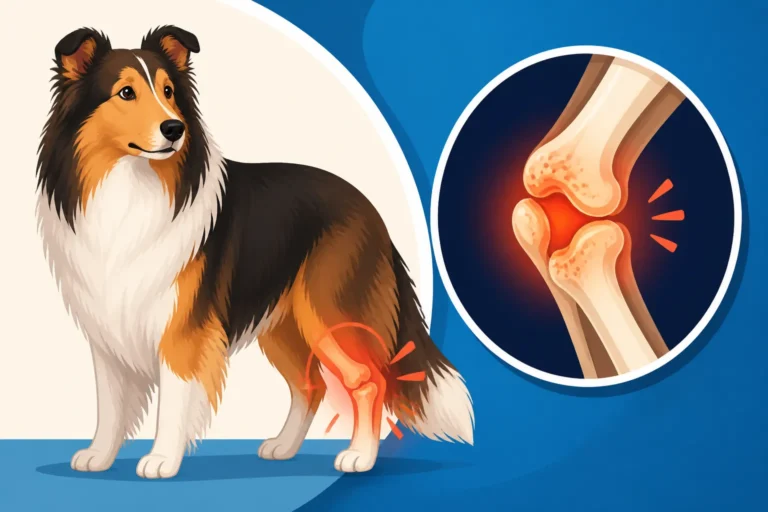
One of the most common physical changes you'll notice in an aging Collie is related to their joints and overall mobility. They might be slower to get up from a lying position, hesitant to jump into the car, or you might even hear a slight stiffness when they move. This is often due to conditions like osteoarthritis, where the cartilage in their joints begins to wear down, causing pain and inflammation. While it’s a natural part of aging for many breeds, Collies are certainly not immune.
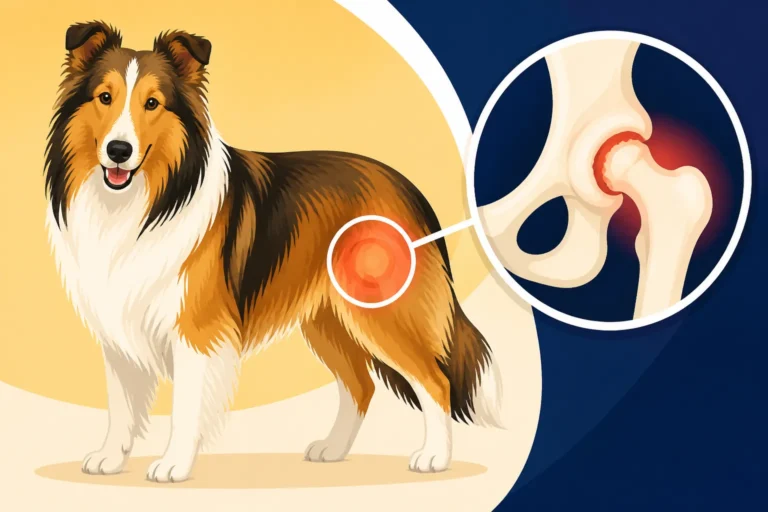
You might observe them favoring a certain leg, walking with a slightly altered gait, or showing less interest in activities they once loved, like chasing squirrels or playing fetch for extended periods. It's crucial not to dismiss these signs as merely "slowing down" but to address them with your veterinarian. They can recommend a range of interventions, from anti-inflammatory medications and joint supplements to physical therapy or even acupuncture, to keep your Collie comfortable and mobile for as long as possible. Many owners wonder about Hip Dysplasia in a Collie, which can certainly contribute to these mobility issues as they age.
Vision and Hearing Loss
Just like people, many Collies experience a decline in their vision and hearing as they age. You might notice your dog bumping into furniture in dimly lit rooms, being startled more easily when approached from behind, or simply not responding to commands they once knew instantly. A common visual change is a bluish, hazy appearance to the pupils, known as lenticular sclerosis, which is usually harmless and doesn't significantly impair vision. However, other more serious eye conditions, like cataracts or glaucoma, can also develop, potentially leading to blindness.
Hearing loss can be gradual and difficult to spot at first. Your Collie might sleep more soundly through noises that used to rouse them, or they may need louder cues or visual signals to get their attention. Adapting to these sensory changes involves patience and consistency. For vision-impaired dogs, keeping furniture in consistent locations helps them navigate. For hearing-impaired dogs, teaching hand signals or using vibrations (like stomping your foot) can be effective communication tools. This is a common concern, and many ask Whether an Old Collie Loses Its Hearing.
Coat and Skin Changes
A Collie's glorious coat is one of its most defining features, and you might notice changes in its texture, thickness, and color as they age. Grey hairs often appear first around the muzzle and eyes, gradually spreading to other parts of the body. The coat itself might become drier, coarser, or thinner in places, making it more prone to matting or skin irritation. Older Collies can also develop fatty lumps (lipomas) under the skin, which are generally benign but should always be checked by a vet to rule out anything more serious.
Skin elasticity can decrease, leading to a duller appearance and a higher susceptibility to dryness or minor injuries. Regular grooming becomes even more important during this stage, not just for aesthetics, but for monitoring skin health and ensuring comfort. You might need to adjust your grooming routine, using gentler brushes or more conditioning shampoos. If you notice persistent itching, flaky skin, or unusual growths, these should always prompt a veterinary visit, as they could indicate underlying health issues such as allergies or Whether a Collie Gets Thyroid Disease. Remember, Grooming and Feeding an Old Collie are crucial for their comfort.
Behavioral and Cognitive Shifts as Collies Age
Beyond the visible physical changes, the aging process can also bring about shifts in your Collie's behavior and cognitive function. These changes can sometimes be subtle, but they are important indicators of their evolving needs and well-being. Recognizing them early allows you to provide supportive care and maintain their quality of life.
Cognitive Dysfunction Syndrome
One of the most challenging, yet increasingly recognized, aspects of aging in dogs is Canine Cognitive Dysfunction Syndrome (CDS), often compared to Alzheimer's in humans. This condition can manifest in a variety of ways, impacting memory, learning, and overall awareness. You might notice your once perfectly house-trained Collie having accidents indoors, seeming disoriented in familiar surroundings, or staring blankly at walls. They might forget commands they’ve known their whole life or struggle to navigate obstacles they previously handled with ease. This is often when owners start asking Whether an Old Collie Gets Confused at Night, as sundowning can be a common symptom.
Other signs of CDS include changes in interaction with family members, perhaps becoming less engaged or even more clingy, and altered activity levels. If you suspect your Collie is experiencing CDS, it’s vital to consult your veterinarian. While there’s no cure, specific diets enriched with antioxidants and omega-3s, certain medications (like selegiline), and environmental enrichment can help manage symptoms and slow progression, allowing your Collie to maintain a better quality of life.
Changes in Sleep Patterns
As Collies age, their sleep patterns often shift considerably. It's common for senior dogs to sleep more during the day, taking frequent, longer naps. While this might seem normal for an older dog, it's the quality and timing of their sleep that can be indicative of deeper changes. Many senior Collies experience disrupted sleep at night, leading to restlessness, pacing, or even barking during the hours they once slept soundly. This nocturnal agitation can be particularly distressing for both the dog and the owner.
This shift can be linked to pain, discomfort, or cognitive dysfunction. A dog in pain might struggle to find a comfortable position, leading to frequent waking. Cognitive changes can disrupt their internal clock, causing them to be awake and disoriented at night. Ensuring they have a comfortable, supportive bed, a consistent evening routine, and perhaps a mild sedative prescribed by your vet can help. Addressing any underlying pain or medical conditions is also paramount to improving their nighttime rest.
Increased Anxiety or Irritability
A once calm and steady Collie might become more anxious, fearful, or even irritable as they age. This can stem from a variety of factors: sensory decline, discomfort from arthritis, or even cognitive changes that make them feel less secure in their environment. A dog who can no longer see or hear as well might startle easily, leading to a defensive growl or snap when approached unexpectedly. They might become less tolerant of boisterous children or other pets, seeking solitude more often.
Changes in routine can also trigger anxiety in older dogs who thrive on predictability. For example, a new family member, a change in work schedule, or moving furniture can cause significant distress. It's essential to approach these changes with empathy and patience. Provide a safe, quiet space where your Collie can retreat, maintain a predictable daily schedule, and continue to engage them gently. If anxiety is severe, discuss it with your vet, who might suggest calming supplements, pheromone diffusers, or even anti-anxiety medication. Understanding What Changes in a Collie After Nine helps us anticipate these shifts.
Adapting Care and Environment for Your Aging Companion
As your Collie enters their senior years, their needs will change, and it's our responsibility to adapt their care and living environment to ensure their comfort, safety, and continued happiness. Proactive adjustments can make a significant difference in their quality of life.
Creating a Comfortable Environment
An older Collie benefits immensely from a home environment tailored to their changing abilities. Think about their comfort and accessibility. Orthopedic dog beds become invaluable, providing crucial support for aching joints and pressure points. Place these beds in easily accessible, warm, and quiet spots where your Collie can rest undisturbed. Consider having multiple beds around the house, especially on different floors if they struggle with stairs, to minimize movement and discomfort.
Stairs can become a major challenge for senior Collies. If possible, block access to stairs, or consider investing in pet ramps for specific areas, like getting onto the couch or into the car. Non-slip rugs or runners on slippery floors (hardwood, tile) can prevent falls, which can be devastating for an older dog with weakened bones or compromised balance. For dogs with vision or hearing loss, keeping furniture in consistent locations and maintaining a predictable routine helps them navigate their world with confidence. These simple modifications go a long way in showing your Collie how much you care as you're Caring for a Collie Past Nine.
Exercise Modifications
While your senior Collie might not be up for the same vigorous activities they once enjoyed, regular, gentle exercise remains incredibly important. It helps maintain muscle mass, supports joint health by promoting synovial fluid production, and provides crucial mental stimulation. The key is moderation and adapting to their current capabilities. Instead of long, brisk runs, opt for shorter, more frequent walks at a slower pace. A couple of 15-20 minute walks a day might be more beneficial than one long, exhausting excursion.
Swimming can be an excellent low-impact exercise for older Collies with arthritis, as the water supports their joints. Puzzle toys and sniff walks, where they can leisurely explore scents, are wonderful ways to engage their minds without putting strain on their bodies. Always observe your Collie for signs of fatigue or pain during exercise – heavy panting, lagging behind, or limping. The goal is to keep them active and engaged without pushing them past their limits. It's about quality of movement, not quantity.
Grooming Considerations
Grooming an older Collie can require a bit more patience and perhaps some adjustments to your routine. Their coat might become drier, more prone to matting, or even thinner in places, making them more sensitive to brushing. Use softer brushes and be extra gentle, particularly around bony areas or any lumps and bumps that may have developed. Regular, thorough brushing is still essential to prevent mats, which can pull on their sensitive skin and cause discomfort, and to distribute natural oils.
Pay close attention to their nails, as older dogs might be less active, meaning their nails don't wear down naturally. Overgrown nails can make walking painful and even lead to foot deformities. Consider using a Dremel tool for a smoother, less stressful nail trim if clippers cause anxiety. Also, be mindful of their dental health; senior dogs are prone to gum disease, which can lead to pain, infection, and even impact their overall health. Regular brushing or dental chews, combined with professional cleanings as recommended by your vet, are crucial. Grooming and Feeding an Old Collie will keep them comfortable.
Prioritizing Health and Wellness in Senior Collies
As your Collie transitions into their senior years, a proactive approach to their health and wellness becomes paramount. Just like with people, early detection and management of age-related conditions can significantly extend their healthy, happy life.
Weight Management and Nutritional Needs
Maintaining a healthy weight is one of the most impactful things you can do for your senior Collie. Extra pounds put undue stress on aging joints and can exacerbate conditions like arthritis, heart disease, and diabetes. It's often difficult to tell if a Rough Collie is overweight due to their abundant coat, but you should still be able to feel their ribs without pressing hard and see a discernible waistline when looking down at them. What a Collie's Weight Shortens Its Life is a very real concern.
Senior Collies typically have a slower metabolism and may be less active, meaning they require fewer calories than their younger counterparts. Many commercial dog food brands offer senior formulas designed with lower calorie content and often fortified with joint-supporting supplements like glucosamine and chondroitin. However, it’s not always about cutting calories; sometimes, it’s about ensuring they get high-quality protein to maintain muscle mass. Consult your veterinarian for specific dietary recommendations based on your Collie's individual needs, activity level, and any existing health conditions. They can advise whether Whether an Old Collie Needs Softer Food or other dietary adjustments are necessary.
Special Diets and Supplements
Beyond just weight management, senior Collies can often benefit from specialized diets or nutritional supplements. Many senior dog foods are formulated to support kidney function, brain health (with added antioxidants and omega-3 fatty acids), and digestive health. Some Collies might develop food sensitivities or allergies as they age, necessitating a change to a limited ingredient diet.
Supplements, when recommended by your vet, can also play a crucial role. Joint supplements are common, but your vet might also suggest omega-3 fatty acids for their anti-inflammatory properties and cognitive support, or even probiotics for gut health. Never start your Collie on new supplements without veterinary guidance, as some can interact with medications or be inappropriate for certain health conditions. A tailored nutritional plan, developed with your vet, is key to supporting their overall health in these golden years.
Hydration and Dental Care
Good hydration is vital for all dogs, but it becomes especially important for senior Collies to support kidney function and overall organ health. Ensure fresh water is always available and consider placing multiple water bowls around the house to encourage drinking, especially if mobility is an issue. Some older dogs might benefit from a pet fountain, as the moving water can entice them to drink more.
Dental care often gets overlooked but is profoundly important for senior dogs. Dental disease is rampant in older pets and can lead to pain, difficulty eating, and even systemic infections that impact the heart, kidneys, and liver. Regular professional dental cleanings under anesthesia, as recommended by your vet, are crucial. Between cleanings, try to brush their teeth daily or use veterinary-approved dental chews or water additives. Poor dental health can severely diminish a senior Collie's quality of life and even shorten their lifespan.
The Importance of Regular Vet Visits
As your Collie ages, regular veterinary check-ups become even more critical than when they were young. These visits are your best tool for proactive health management, allowing for the early detection and treatment of conditions that could otherwise significantly impact their comfort and longevity.
Early Detection Screenings
For senior Collies, most veterinarians recommend wellness exams at least twice a year, rather than the annual visits for younger adults. This increased frequency is because age-related diseases can progress rapidly, and catching them early can make a world of difference. During these visits, your vet will perform a thorough physical examination, checking for lumps, assessing joint mobility, listening to heart and lungs, and evaluating their overall condition. Many owners dutifully schedule these visits and factor in What a Collie's Annual Preventives Cost.
More importantly, these visits often include diagnostic screenings specifically for senior pets. This typically means comprehensive blood work (checking organ function, blood cell counts, and thyroid levels), urinalysis, and sometimes blood pressure monitoring. These tests can reveal underlying issues like kidney disease, liver problems, diabetes, or Whether a Collie Gets Thyroid Disease long before clinical signs become obvious. Early intervention, guided by these screenings, can often slow disease progression and improve your Collie's prognosis significantly. This is why many vets recommend Whether an Old Collie Needs Bloodwork Twice a Year.
Managing Chronic Conditions
Unfortunately, chronic conditions become more prevalent as Collies age. Arthritis, dental disease, heart murmurs, kidney disease, and cognitive dysfunction are just a few examples. While some of these can be managed, they often require ongoing monitoring and adjustments to treatment plans. Your vet will work with you to create a personalized management strategy that might include medications, dietary changes, supplements, or lifestyle modifications.
For instance, a Collie with arthritis might need a combination of pain medication, joint supplements, and controlled exercise. A dog with early kidney disease might be placed on a prescription diet and have their kidney values monitored regularly. Managing these conditions is not about curing them, but about minimizing discomfort, slowing progression, and maintaining the best possible quality of life for your senior companion. This often involves a commitment to consistent medication schedules and follow-up visits, which is where a robust pet insurance plan, like those offered by Healthy Paws, can really make a difference by covering a portion of these ongoing treatment costs.
Open Communication with Your Veterinarian
You know your Collie best, and your observations are invaluable to your veterinarian. Maintaining open and honest communication with your vet is crucial during your Collie's senior years. Don't hesitate to mention any changes you've noticed, no matter how minor they seem – a slight limp, a change in appetite, increased thirst, or subtle behavioral shifts. What might seem insignificant to you could be a key piece of information for their diagnosis.
Prepare a list of questions or concerns before each vet visit, and don't be afraid to ask for clarification on diagnoses, treatment options, or prognoses. Work collaboratively with your vet to make informed decisions about your Collie's care. Remember, the goal is to keep your beloved Collie comfortable, happy, and engaged in life for as long as possible. The better you communicate and partner with your veterinary team, the more effectively you can navigate the unique challenges and joys of their golden years, extending How Long a Collie Lives and What Ends It.
Senior Collie Health at a Glance
Here’s a quick overview of common age-related changes and proactive steps you can take to support your senior Collie:
| Area of Concern | Common Signs in Senior Collies | Proactive Steps & Vet Care |
|---|---|---|
| Mobility & Joints | Slow to rise, stiffness, hesitation with stairs/jumping, limping | Orthopedic beds, ramps, gentle exercise, joint supplements, anti-inflammatories |
| Vision & Hearing | Bumping into objects, startling easily, not responding to cues | Consistent furniture placement, clear communication, regular eye/ear checks, hand signals |
| Cognitive Function | Disorientation, house-soiling, altered sleep, staring | Mental stimulation (puzzle toys), consistent routine, specialized diets, vet-prescribed meds |
| Coat & Skin | Greying, thinning/dry coat, lumps/bumps, skin irritation | Gentle, regular grooming, moisturizing shampoos, vet checks for all growths |
| Weight & Diet | Weight gain/loss, decreased appetite | Senior-specific food, portion control, high-quality protein, vet consultation for diet plans |
| Dental Health | Bad breath, difficulty eating, painful gums | Daily brushing, dental chews, regular professional dental cleanings |
| Overall Health | Increased thirst, changes in urination, lethargy, coughing | Twice-yearly vet exams, comprehensive blood work, urinalysis, open communication |
Disclaimer
The information provided in this article is for general informational purposes only and is not a substitute for professional veterinary advice. Always consult with a qualified veterinarian for any health concerns or before making any decisions related to your Collie's medical care or treatment plan.