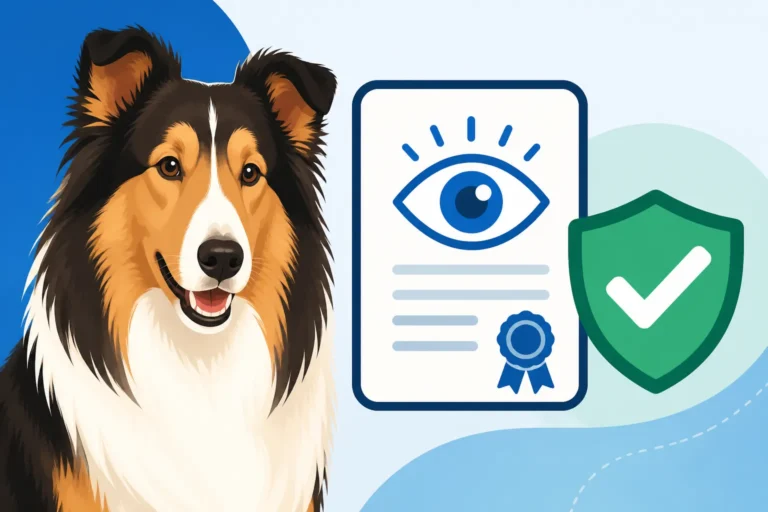
Whether Heartworm Preventive Is Safe for a Collie
One of the most concerning anxieties for any Collie owner is the fear of administering medication, especially when it comes to vital preventives like those for heartworm. The breed's well-known sensitivity to certain drugs, primarily due to the MDR1 gene mutation, can make even routine vet visits feel like navigating a minefield. This guide is here to shed light on whether heartworm preventives are truly safe for your beloved Collie, offering peace of mind and practical advice for working with your veterinarian.
Understanding the MDR1 Mutation in Collies
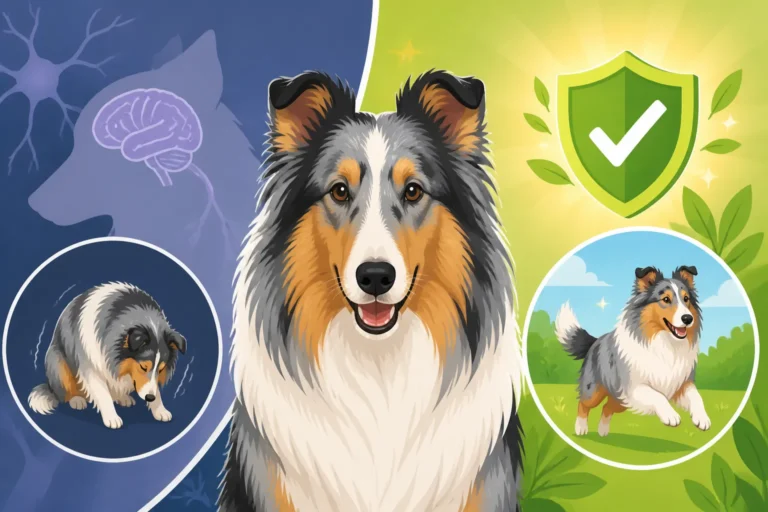
The Multidrug Resistance 1 (MDR1) gene, now often referred to as ABCB1, is a crucial piece of your Collie's genetic makeup. When this gene is mutated, it means the dog can't effectively process certain medications, leading to potentially severe and even fatal drug reactions. This isn't just a quirky sensitivity; it's a fundamental flaw in the blood-brain barrier's ability to keep toxins out of the central nervous system, particularly for specific drug compounds. It’s a reality that Assume Your Collie Has the MDR1 Mutation is a conversation many Collie owners have to have with their vets.
What is MDR1 and Why It Matters for Collies
At its core, the MDR1 gene is responsible for producing a protein called P-glycoprotein, which acts like a pump, pushing certain drugs and toxins out of cells, including those in the brain. Think of it as a bouncer for the brain, ensuring only the good stuff gets in. For a Collie with the MDR1 mutation, this bouncer isn't working correctly, or at all. This means that drugs that would normally be expelled from the brain can accumulate to toxic levels, causing neurological symptoms ranging from disorientation and tremors to seizures, coma, and even death. This genetic predisposition is highly prevalent in Collies and related breeds, making awareness absolutely critical for responsible ownership. Knowing What the MDR1 Mutation Actually Does to a Collie is the first step in safeguarding your dog.
It's not just purebred Collies who can carry this mutation; crossbreeds and other herding breeds like Australian Shepherds, Shetland Sheepdogs, and Border Collies can also be affected. The high prevalence within the Collie breed means that even if you don't know your dog's history, it's wise to proceed with caution until you have definitive test results. This mutation affects how a dog's body metabolizes and eliminates certain compounds, turning common medications into potential poisons. This knowledge profoundly impacts how we approach veterinary care for these beautiful dogs.
Common Drugs Affected by MDR1
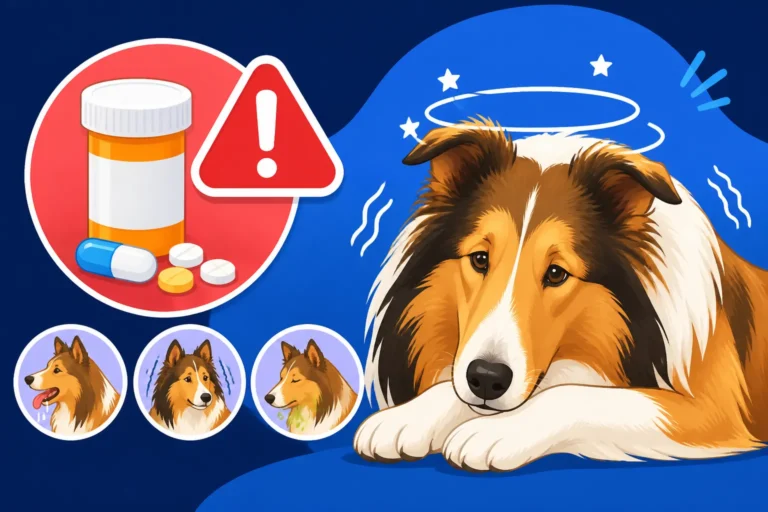
The list of drugs affected by the MDR1 mutation is quite extensive, and it's essential for Collie owners to be familiar with it. The most infamous culprit in this group, and the one that often sparks the most concern regarding heartworm preventives, is ivermectin. Other macrocyclic lactones like selamectin, milbemycin, and moxidectin are also on the watch list, although their safety often depends heavily on the dosage. Beyond parasiticides, other drugs like loperamide (Imodium), acepromazine (a common sedative), butorphanol (a pain reliever), and certain chemotherapy agents can also cause severe reactions in MDR1-affected dogs. This is why having The Drug List That Can Kill a Collie handy is non-negotiable for Collie parents.
For owners, understanding that these drugs, when given at typical therapeutic doses for conditions other than heartworm prevention, can be devastating is vital. For example, a high dose of ivermectin used to treat mange in a non-MDR1 dog could easily kill an MDR1-affected Collie. This distinction between therapeutic and preventative dosages is where much of the confusion and anxiety around heartworm medication originates, and it's a critical point we'll explore further. It's not just about what drug, but how much of it.
Testing Your Collie for MDR1
The single most important step you can take to manage your Collie's health and alleviate much of this drug-related anxiety is to have them genetically tested for the MDR1 mutation. This is a simple, non-invasive process, usually involving a cheek swab that you can often do at home. The sample is then sent to a specialized laboratory, and the results will tell you if your Collie is "clear" (no mutation), a "carrier" (one copy of the mutation), or "affected" (two copies of the mutation). Knowing your dog's status allows your veterinarian to make informed decisions about medication.
Institutions like Washington State University's College of Veterinary Medicine pioneered the research and testing for MDR1, and their diagnostic lab remains a highly reputable option for testing. Many breeders now test their breeding stock and can provide results for puppies, but if you've adopted a rescue Collie or simply aren't sure, testing is an invaluable investment in their long-term health. The peace of mind alone is worth it, preventing dangerous guesswork. For details on the process and associated expenses, you might want to look into What an MDR1 Test Costs for a Collie.
Heartworm Preventives and MDR1 Sensitivity
The good news, and something many Collie owners breathe a sigh of relief to learn, is that most commonly prescribed heartworm preventives are generally safe for Collies, even those with the MDR1 mutation, when administered at their correct, low preventative doses. This is a common point of misunderstanding, and it's crucial to differentiate between the tiny microfilaricidal doses used for prevention and the much higher doses sometimes used for treating other parasitic infections.
The Good News: Most Preventives Are Safe at Recommended Doses
Let's clear the air: for the vast majority of Collies, including those carrying the MDR1 mutation, standard heartworm preventives are safe. The reason lies in the dosage. The active ingredients, often macrocyclic lactones like ivermectin, selamectin, or moxidectin, are present in extremely low concentrations in heartworm preventives. These low doses are typically sufficient to kill the larval stages of heartworms but are generally too low to cross the compromised blood-brain barrier in significant amounts, even in an MDR1-affected dog, to cause toxicity. This means that brands like Heartgard (ivermectin), Revolution (selamectin), or Advantage Multi (moxidectin) are widely considered safe for Collies at their labeled preventative doses.
Many veterinarians have been safely prescribing these preventives to Collies for years, armed with the knowledge of MDR1 and the specific pharmacology of these medications. It's a testament to veterinary science and the careful formulation of these life-saving drugs. This doesn't mean you should ever bypass your vet's advice or administer more than the prescribed amount, but it does mean you shouldn't live in constant fear about routine heartworm prevention.
The Difference Between Treatment and Prevention Doses
Understanding the critical distinction between a "treatment dose" and a "preventative dose" is paramount. When we talk about ivermectin toxicity in Collies, we're typically referring to the much higher doses used to treat conditions like demodectic mange or certain intestinal worms, which are hundreds of times higher than the tiny amounts found in monthly heartworm preventives. For instance, an ivermectin dosage for mange might be 0.3-0.6 mg/kg, while the preventative dose for heartworm is a minuscule 0.006 mg/kg. This vast difference is why a drug like ivermectin can be a miracle cure at one dose and a deadly poison at another for an MDR1-sensitive dog.
It's like comparing a sip of wine to a full bottle – both contain alcohol, but one is generally harmless, while the other can lead to severe consequences. The low doses in heartworm preventives are carefully calculated to be effective against microfilariae (heartworm larvae) without reaching the toxic thresholds for P-glycoprotein deficient dogs. This nuance is often missed by concerned owners, but it's the scientific basis for the safety of these products. For a deeper dive into the dangers of high doses, explore What Happens When an MDR1 Collie Gets Ivermectin.
Specific Heartworm Preventives and Their Safety Profiles
While most heartworm preventives are generally safe at recommended doses, it's helpful to know which active ingredients are commonly used and why.
- Ivermectin (e.g., Heartgard Plus): As mentioned, extremely low doses are generally safe. The "Plus" in Heartgard Plus adds pyrantel for intestinal worms, which is not an MDR1-affected drug.
- Milbemycin Oxime (e.g., Interceptor Plus, Sentinel Spectrum): Also a macrocyclic lactone, milbemycin is generally safe at heartworm preventative doses. These products often include other ingredients for flea or intestinal worm control, which also need to be checked if new or unfamiliar. Interceptor Plus includes praziquantel for tapeworms, and Sentinel Spectrum adds lufenuron (an insect growth regulator) and praziquantel.
- Selamectin (e.g., Revolution, Revolution Plus): This topical preventive is also a macrocyclic lactone, applied to the skin. At its preventative dose, it's considered safe for MDR1-affected Collies. Revolution Plus adds sarolaner for increased flea/tick control, which is also generally not an issue for MDR1 dogs.
- Moxidectin (e.g., Advantage Multi, ProHeart 6/12): Moxidectin is another macrocyclic lactone. Advantage Multi is a topical solution that also provides flea control and treats some intestinal worms. ProHeart is an injectable, long-acting moxidectin product (6 or 12 months protection), which has specific considerations due to its sustained release, but is generally deemed safe at its preventative dosage for MDR1 dogs.
When discussing options with your vet, don't hesitate to ask for the active ingredients and confirm their safety. If you have pet insurance, a provider like Healthy Paws understands these breed-specific sensitivities and can be invaluable in covering unexpected costs should a medication reaction ever occur, though thankfully rare with preventatives. Remember, consistency is key; skipping doses can leave your Collie vulnerable, which is far riskier than the preventative itself.
Navigating Heartworm Prevention with Your Vet
Your veterinarian is your most important ally in ensuring your Collie receives safe and effective heartworm prevention. Their expertise, combined with your knowledge of your dog's specific needs, creates the best possible defense against this serious disease. Don't be shy about asking questions and expressing any concerns you have.
Open Communication is Key
This cannot be stressed enough: always inform your veterinarian about your Collie's MDR1 status. Whether your dog is clear, a carrier, or affected, this information is critical for their medical record. If you haven't tested your Collie yet, tell your vet that your dog is a Collie and that you are concerned about potential MDR1 sensitivity. Many vets will assume an untested Collie could be affected and prescribe accordingly. This transparency allows your vet to choose appropriate medications, adjust dosages if necessary, and avoid any contraindicated drugs. It's often helpful to have a physical card or tag for your Collie indicating their MDR1 status, especially in emergency situations where a different vet might be on duty. Many Collie owners find it beneficial to explore Whether a Collie Should Wear a Medical Tag.
Furthermore, don't just communicate once and forget it. Every time your Collie sees a new vet, an emergency vet, or even a different vet technician, reiterate the MDR1 information. It's an easy piece of information to overlook in a busy clinic setting, but it could save your dog's life. Think of yourself as your Collie's advocate; you are their voice and their protector.
Choosing the Right Preventive for Your Collie
With your Collie's MDR1 status clearly documented, your vet can confidently recommend the best heartworm preventive. Their choice will not only consider the MDR1 status but also factors like your dog's weight, age, lifestyle (e.g., if they spend a lot of time outdoors), and the prevalence of heartworms in your geographic area. They might opt for an oral medication like Heartgard, a topical like Revolution, or an injectable like ProHeart, depending on what best suits your Collie's needs and your ability to administer it consistently.
Sometimes, a vet might lean towards products with active ingredients considered to have an even wider safety margin, even if others are generally safe. For instance, while ivermectin at low doses is safe, some vets might prefer milbemycin or moxidectin simply for extra peace of mind for both owner and themselves. Discuss the pros and cons of each option presented, including how often it needs to be given and whether it offers additional protection against other parasites, which can simplify your dog's medication routine. If you are worried about the specific brand, just ask.
Administering Preventives Safely
Once you have the prescribed heartworm preventive, adhering strictly to the dosage and administration instructions is vital. Never, under any circumstances, give a double dose, split a dose incorrectly, or administer medication meant for a larger dog to a smaller one. If you miss a dose, contact your vet for guidance rather than guessing. Most heartworm preventives are monthly, and consistency is key to their effectiveness.
Keep all medications out of reach of your Collie and any other pets in the household. Accidental ingestion of multiple doses or an entire packet could lead to toxicity, even with drugs normally considered safe at individual preventative doses. Store them securely and always double-check the expiration date. A proactive approach to safety, combined with the right pet insurance like Healthy Paws, ensures that your Collie is not only protected from heartworm but also from potential medication mishaps.
Beyond Heartworm: Other Parasite Concerns
While heartworm is often the primary concern for Collie owners, it's important to remember that comprehensive parasite prevention involves more than just heartworm. Fleas, ticks, and various intestinal worms also pose significant health risks, and thankfully, most of these treatments are also safe for MDR1-affected Collies.
Flea and Tick Preventives
The good news for flea and tick prevention is that most modern products do not contain the macrocyclic lactones that are problematic for MDR1 Collies. Ingredients like fipronil (Frontline), permethrin (K9 Advantix II, for dogs only!), fluralaner (Bravecto), afoxolaner (NexGard), sarolaner (Simparica), or lotilaner (Credelio) work through different mechanisms and are generally considered very safe for MDR1-affected dogs. This means you have a wide array of effective options to protect your Collie from these irritating and potentially disease-carrying pests. For detailed information, you can always refer to resources like Whether Flea Treatment Is Safe for an MDR1 Collie.
Always double-check the active ingredients if you're trying a new product or if your vet prescribes something unfamiliar. It's always better to be overly cautious than to risk a reaction. Remember that some combination products for heartworm, fleas, and ticks might contain a macrocyclic lactone for heartworm, but the flea/tick components themselves are typically fine.
Deworming an MDR1 Collie
When it comes to deworming for intestinal parasites, more caution is needed, as some dewormers do contain macrocyclic lactones at higher therapeutic doses. For common roundworms and hookworms, safe alternatives like pyrantel are readily available and not affected by the MDR1 mutation. For tapeworms, praziquantel is safe. If your Collie requires treatment for more stubborn parasites or if a vet recommends a dewormer containing an MDR1-sensitive drug, they will likely adjust the dosage or opt for a completely different class of medication if your Collie is known to be MDR1-affected.
Always discuss any deworming treatment with your vet, especially if your Collie has tested positive for the MDR1 mutation. They can guide you on the safest and most effective options. It’s also crucial to remember that some heartworm preventives, like Heartgard Plus or Interceptor Plus, also contain dewormers for common intestinal parasites, and these are formulated at safe levels for MDR1 Collies. However, if a separate, targeted dewormer is needed, exercise caution. To understand more about safe deworming practices for your Collie, check out Whether an MDR1 Collie Can Be Wormed Safely.
The Importance of Regular Testing
Even with consistent, year-round heartworm prevention, regular annual heartworm testing for your Collie is non-negotiable. No preventive is 100% foolproof, and factors like missed doses, spitting out medication, or even just individual variations in absorption can sometimes lead to breakthrough infections. Annual testing ensures that if an infection does occur, it's caught early, before the disease progresses to a severe stage that is much harder and riskier to treat.
For MDR1-affected Collies, early detection is even more critical because the medications used to treat active heartworm disease are potent and require careful management. A positive test doesn't mean you failed; it means you're being responsible and giving your Collie the best chance at recovery. This proactive approach is a cornerstone of responsible pet ownership and ensures your Collie stays healthy and happy.
Heartworm Preventive Safety for MDR1 Collies
| Active Ingredient | Common Brand Examples | MDR1 Status at Preventative Doses | Additional Parasite Coverage (Commonly) | Notes |
|---|---|---|---|---|
| Ivermectin | Heartgard Plus | Generally Safe | Roundworms, Hookworms | Low dose is key. High doses for other uses are dangerous. |
| Milbemycin Oxime | Interceptor Plus, Sentinel | Generally Safe | Roundworms, Hookworms, Whipworms, Tapeworms (with praziquantel) | Also a macrocyclic lactone, safe at preventative doses. |
| Selamectin | Revolution, Revolution Plus | Generally Safe | Fleas, Ticks, Ear Mites, Sarcoptic Mange | Topical application. Revolution Plus also has sarolaner for enhanced flea/tick. |
| Moxidectin | Advantage Multi, ProHeart | Generally Safe | Fleas, Roundworms, Hookworms, Whipworms | Advantage Multi is topical; ProHeart is an injectable (6 or 12-month) that is generally safe for MDR1 dogs. |
This table provides a general overview. Always confirm specific product ingredients and safety with your veterinarian based on your Collie's individual MDR1 test results and health history.
Disclaimer
The information provided in this article is for educational purposes only and is not intended to be a substitute for professional veterinary advice, diagnosis, or treatment. Always seek the advice of your veterinarian or other qualified animal health provider with any questions you may have regarding a medical condition or treatment for your Collie.