Whether an MDR1 Collie Recovers From a Reaction
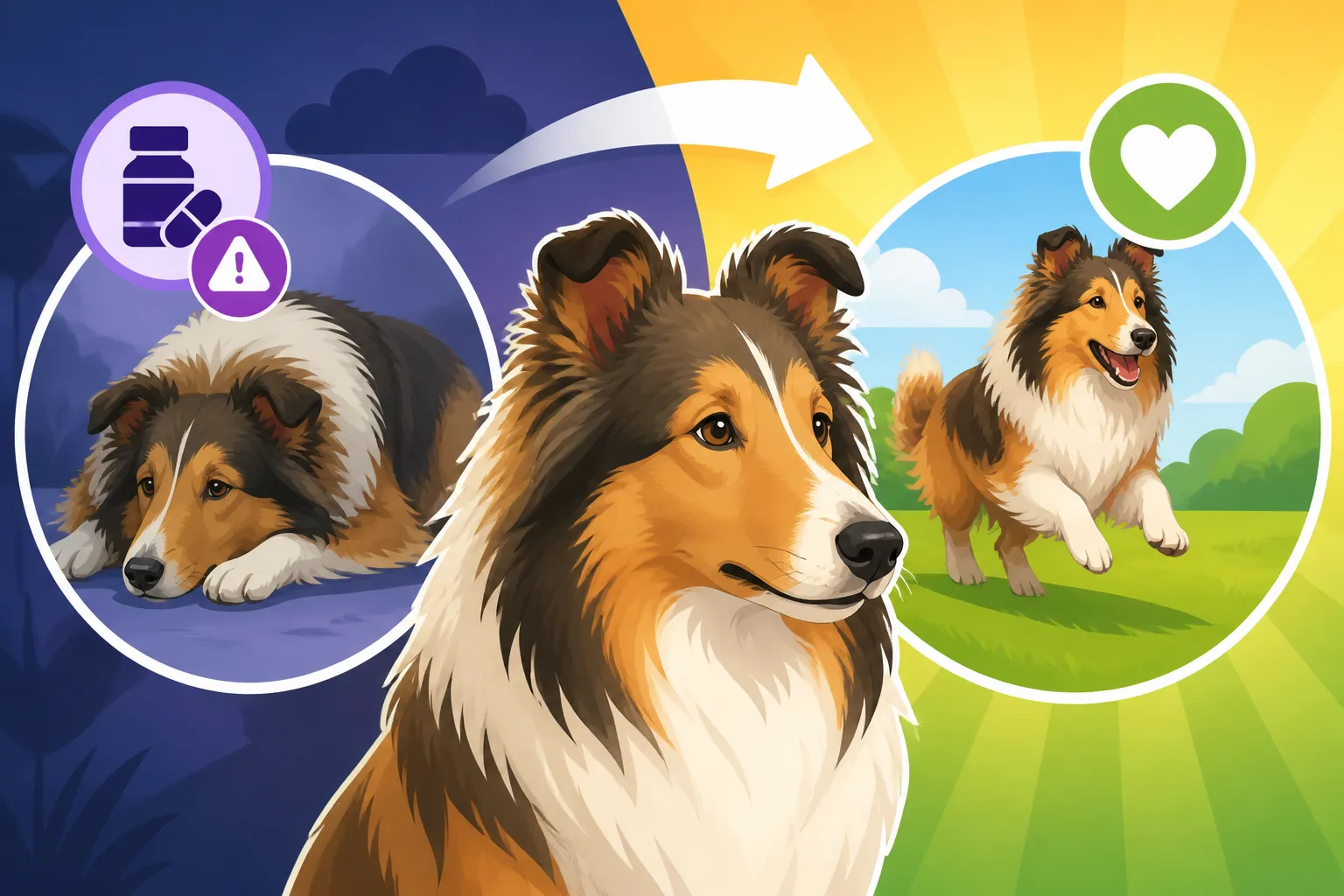
The thought of your beloved Collie having a severe drug reaction is every owner's worst nightmare, particularly when you know about the complexities of the MDR1 gene. It’s a terrifying experience to see your dog suddenly unwell, and the immediate question that floods your mind is always, "Will they be okay? Can they truly recover from something like this?" This guide aims to answer that pressing question, walking you through what recovery looks like for an MDR1-affected Collie after a drug reaction, and what you can do to support them.
Understanding the MDR1 Gene and Drug Reactions in Collies
For those of us who share our lives with Collies, the MDR1 gene mutation isn't just a scientific term; it's a critical piece of their health puzzle that we absolutely have to understand. It's the difference between a routine vet visit and a life-threatening emergency.
What Happens During an MDR1 Reaction
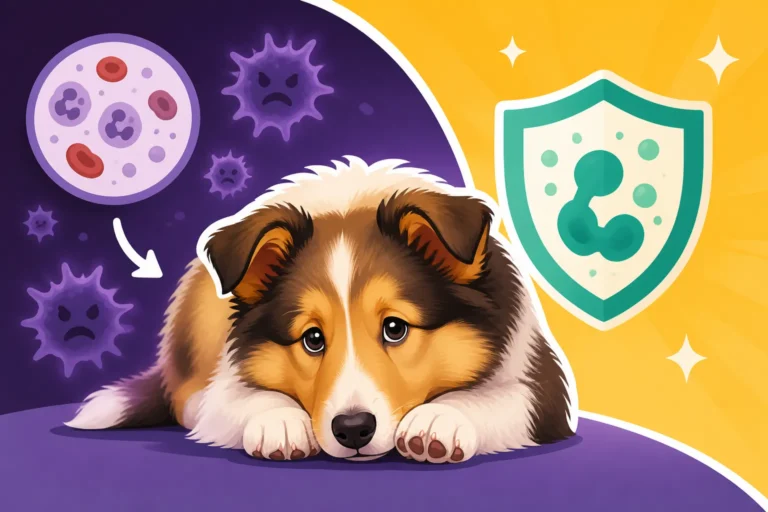
At the heart of an MDR1 reaction is a faulty gene that prevents a crucial protein, P-glycoprotein, from doing its job. This protein acts like a bouncer at the brain's "blood-brain barrier," actively pumping certain drugs out of the brain and other vital organs. For a Collie with the MDR1 mutation, that bouncer is either missing or doesn't work effectively. When a drug on the "danger list" is administered, it can cross the blood-brain barrier in much higher concentrations than it should, essentially flooding the brain and central nervous system. This is why the symptoms are often neurological and can be so severe. If you want to dive deeper into this, understanding What the MDR1 Mutation Actually Does to a Collie is incredibly important. Without the P-glycoprotein protecting them, even standard doses of certain medications can become toxic.
Factors Influencing Recovery
The good news is that many Collies can and do recover from MDR1 drug reactions, but the journey to recovery isn't a simple, one-size-fits-all path. Several critical factors come into play that significantly influence the outcome:
- The Specific Drug and Dosage: Not all "MDR1-sensitive" drugs are equally dangerous, and the dose administered plays a huge role. A small, incidental exposure to a mildly affected drug might result in less severe symptoms than a full therapeutic dose of a highly potent one like Ivermectin. The higher the concentration of the problematic drug in the system, the more severe the toxicity is likely to be, and the longer it might take for the body to metabolize and excrete it. You really need to be aware of Which Drugs an MDR1 Collie Must Never Have.
- Promptness of Veterinary Intervention: This is perhaps the single most crucial factor. The faster your Collie gets to the vet and receives appropriate treatment, the better their chances of a full recovery. Every minute counts when the brain is being flooded with toxins. Delaying care can lead to more extensive neurological damage, making recovery more challenging and, in some cases, impossible.
- Severity of the Reaction: Reactions can range from mild lethargy and disorientation to severe seizures, coma, and even death. A Collie experiencing only mild ataxia (wobbliness) will generally have a much quicker and more complete recovery than one who has gone into status epilepticus or a deep coma. The extent of the damage to the central nervous system dictates the length and completeness of recovery.
- Individual Collie's Overall Health: A young, otherwise healthy Collie might bounce back faster than an older dog with pre-existing conditions or a compromised immune system. Their body's ability to metabolize the drug and cope with the stress of the reaction can greatly influence their resilience and recovery timeline.
- Supportive Care Received: Once at the vet, aggressive supportive care, including IV fluids, medications to control seizures, respiratory support, and sometimes even activated charcoal to bind remaining toxins in the GI tract, is vital. The quality and intensity of this care are paramount in giving your Collie the best chance.
Recognizing the Signs and Taking Immediate Action
Knowing what to look for and acting swiftly are your strongest defenses against the devastating effects of an MDR1 drug reaction. Don't ever second-guess your gut feeling if your Collie seems "off" after a medication.
Common Symptoms of a Drug Reaction
The signs of an MDR1 drug reaction can vary widely depending on the drug, dose, and individual dog, but they generally involve neurological symptoms because the drugs affect the central nervous system. Being vigilant is key. Early detection of symptoms can significantly improve your Collie's prognosis. You might notice your Collie exhibiting some of these signs:
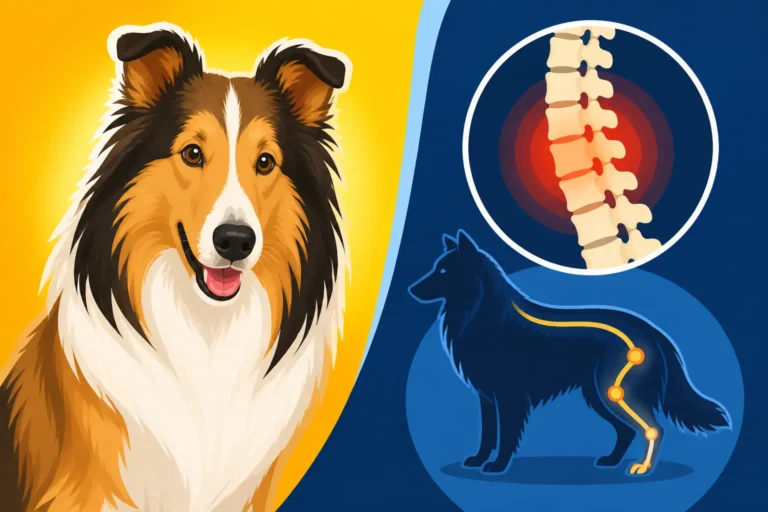
- Neurological Disturbances: This is often the most prominent category of symptoms. You might see ataxia, which is a wobbly, uncoordinated gait, making them look drunk. They could become disoriented, confused, or unresponsive. Tremors, muscle twitching, or full-blown seizures are also possible, which are incredibly frightening to witness. In severe cases, they might progress to weakness, paralysis, or even a coma.
- Gastrointestinal Upset: Vomiting, excessive drooling (salivation), and diarrhea can accompany neurological signs. The body attempts to expel the toxins, sometimes leading to intense nausea.
- Changes in Behavior and Demeanor: Your usually bright and alert Collie might suddenly become very lethargic, weak, or unusually sleepy. They might appear depressed or withdrawn, not responding to their name or favorite toys. Conversely, some dogs might become agitated or anxious.
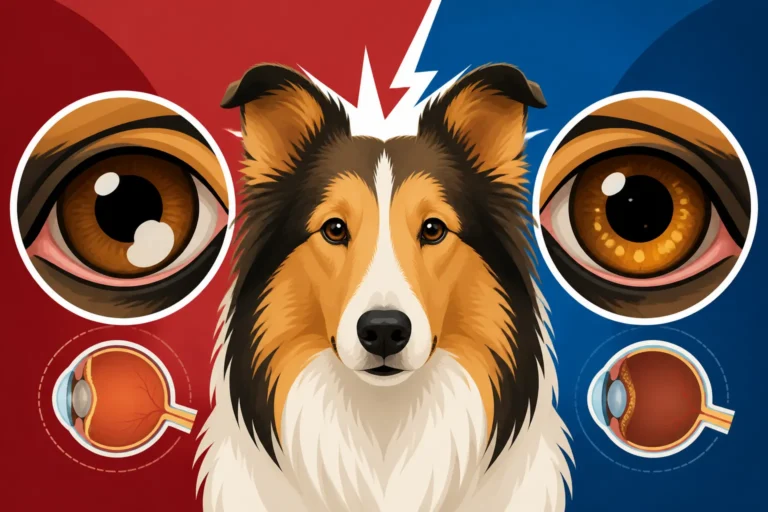
- Pupil Dilation: Their pupils might become unusually dilated and unresponsive to light.
- Blindness: While less common, temporary or permanent blindness can occur in severe cases if the optic nerve or visual processing centers are significantly affected.
These are the typical Signs an MDR1 Collie Is Having a Drug Reaction, and if you observe any of them after your Collie has been given medication, it's time to act immediately.
| Symptom Category | Specific Signs to Watch For | Urgency Level |
|---|---|---|
| Neurological | Ataxia (wobbly gait), disorientation, confusion, tremors, seizures, paralysis, coma | HIGH |
| Gastrointestinal | Vomiting, excessive drooling, diarrhea | Medium |
| Behavioral Changes | Lethargy, depression, extreme weakness, agitation, unresponsiveness | High |
| Ocular | Dilated pupils, temporary blindness | High |
The Critical First Steps for Owners
If you suspect your Collie is having an MDR1 drug reaction, time is absolutely of the essence. This isn't a "wait and see" situation; it's a medical emergency.
- Contact Your Emergency Veterinarian IMMEDIATELY: Do not hesitate. Call your closest emergency veterinary clinic while you are on your way. This allows them to prepare for your arrival and ensure staff are ready to stabilize your dog. Explain the situation over the phone: "My Collie might be having an MDR1 drug reaction. He was given [name of drug] at [time] and is now showing [specific symptoms]."
- Communicate Your Collie's MDR1 Status Clearly: This is paramount. When you arrive at the clinic, make it unequivocally clear to all veterinary staff that your Collie has the MDR1 mutation. Hand over any documentation you have from their genetic test. Don't assume they already know, especially in an emergency setting. Providing a comprehensive account of How a Collie Owner Tells the Vet About MDR1 can literally save their life. Ensure your Collie's chart is also flagged at your regular clinic.
- Provide All Relevant Information: Be prepared to tell the vet:
- The name of the drug administered.
- The dosage given.
- The time it was given.
- All symptoms you've observed and when they started.
- Any other medications your Collie is on.
- Any known allergies or health conditions.
Having a detailed medical history ready, perhaps even a printed list of safe and unsafe drugs, is incredibly helpful. This is precisely why What a Collie Owner Should Carry to an Emergency Visit is such critical advice.
Remember, even if emergency vets know about MDR1 in Collies, they see many breeds, and specific details can be overlooked in a crisis. Your clear, concise communication is their most valuable tool.
The Path to Recovery and Long-Term Management
Once your Collie is under veterinary care, the focus shifts to stabilization and supporting their body through the detoxification process. Recovery can be a long road, but it's a journey many Collies successfully navigate.
Veterinary Interventions and Support
At the veterinary clinic, the team will spring into action to counteract the drug's effects and support your Collie's vital functions. This often involves:
- Decontamination: If the drug was given very recently (within a few hours), the vet might induce vomiting or administer activated charcoal to absorb any remaining medication in the gastrointestinal tract, preventing further absorption into the bloodstream. This is a time-sensitive procedure.
- Intravenous (IV) Fluid Therapy: IV fluids are crucial for flushing the drug out of the system more quickly, supporting kidney function, and maintaining hydration, especially if your Collie is vomiting or disoriented.
- Supportive Care: This is a broad category encompassing many interventions tailored to your Collie's specific symptoms. If seizures are occurring, anti-seizure medications will be given. If your Collie is unconscious or having difficulty breathing, they might need oxygen therapy or even mechanical ventilation. Medications to reduce brain swelling or control nausea might also be used.
- Monitoring: Continuous monitoring of vital signs (heart rate, respiratory rate, temperature, blood pressure), neurological status, and kidney function is essential to adjust treatment as needed and identify any complications.
The recovery period can range from a few hours to several days or even weeks, depending on the severity of the reaction. It's often a waiting game as the drug is slowly metabolized and excreted from the body. During this time, patience is key, and your Collie will likely need round-the-clock care, often in an intensive care unit. For owners, this can be an incredibly stressful and expensive time, which is why having pet insurance like Healthy Paws can be a huge relief, covering a significant portion of emergency care costs.
Preventing Future Incidents
The best defense against an MDR1 drug reaction is prevention. After going through such a terrifying experience, you'll be more determined than ever to ensure it never happens again.
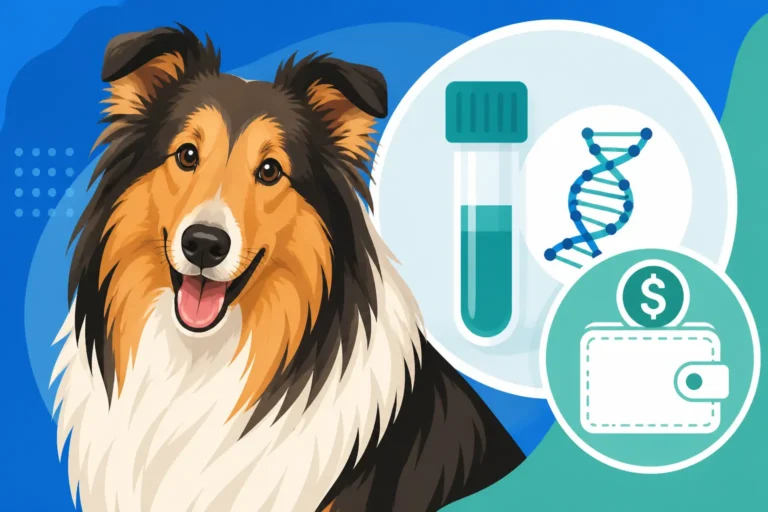
- Confirm MDR1 Status: If your Collie's MDR1 status isn't confirmed, get them tested immediately. A simple cheek swab can reveal whether they are clear, a carrier, or affected. Understanding their specific genetic profile is the first and most crucial step in prevention. You can find out What an MDR1 Test Costs for a Collie and get it done quickly. For future reference, you might also be interested in "Assume Your Collie Has the MDR1 Mutation" which recommends proactive testing.
- Create a "Safe Drug List" and Share It: Work with your veterinarian to compile a definitive list of safe and unsafe drugs for your individual Collie. Keep this list readily accessible. Share it with every veterinarian, veterinary technician, emergency clinic, boarding facility, or pet sitter who will ever care for your dog. Make sure your regular vet clinic has a prominent alert on your Collie's file, a strategy linked to "Whether a Collie's Chart Should Be Flagged at the Clinic".
- Medical Alert Tag/Collar: Consider having your Collie wear a medical alert tag on their collar that clearly states "MDR1 Affected – See Vet for Drug List." This is a simple but effective way to alert anyone who might care for your dog in an emergency, highlighting the importance of Whether a Collie Should Wear a Medical Tag.
- Question Medications: Never hesitate to ask your vet to double-check a medication, especially if it's a new one or if you're seeing a new vet. A simple question like, "Is this safe for an MDR1 Collie?" can prevent a crisis. You are your Collie's strongest advocate.
- Careful with Over-the-Counter Products: Be extremely cautious with any over-the-counter medications, supplements, or flea/tick preventatives. Many of these products contain ingredients that can be problematic for MDR1 Collies. Always consult your vet before administering anything new.
- Pet Insurance for Peace of Mind: Unexpected medical emergencies, especially those requiring intensive care for an MDR1 reaction, can lead to substantial veterinary bills. Having a comprehensive pet insurance plan, such as one from Healthy Paws, can provide immense financial relief, allowing you to focus on your Collie's recovery without the added stress of crushing costs. Many owners find that the investment in a plan like Healthy Paws is invaluable for managing unforeseen health issues, including the potential for MDR1-related incidents.
While the experience of an MDR1 drug reaction is undoubtedly traumatic for both you and your Collie, remember that recovery is often possible. With swift action, expert veterinary care, and vigilant preventative measures, your Collie can return to their happy, healthy self, enjoying many more years by your side.
Disclaimer
The information provided in this article is for general informational purposes only and is not a substitute for professional veterinary advice. Always consult with a qualified veterinarian for any health concerns or before making any decisions related to your Collie's medical care or treatment.