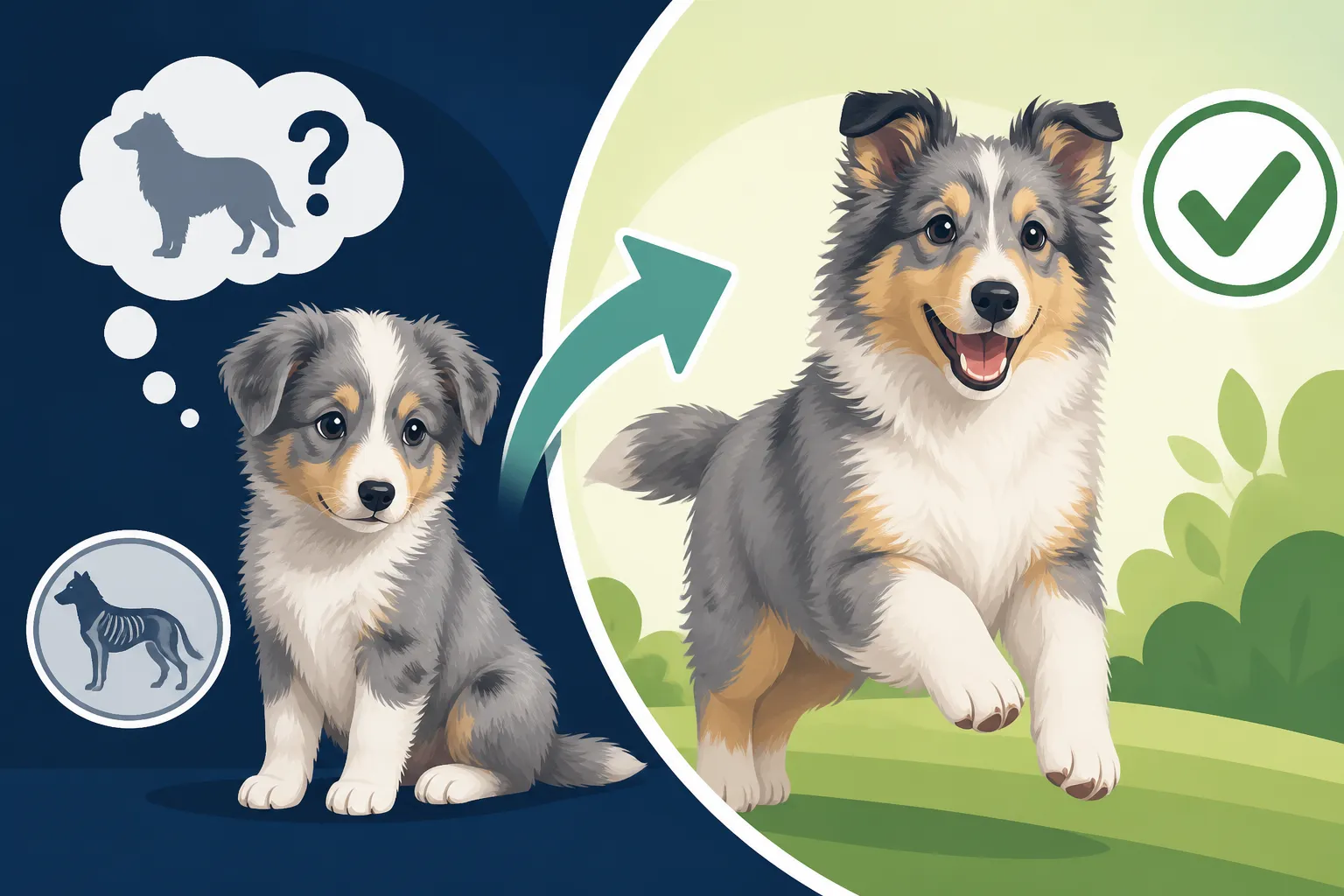
Whether a Gray Collie Syndrome Puppy Grows Normally
Finding out your beloved Collie puppy has Gray Collie Syndrome (GCS) is a devastating blow, often leaving new owners heartbroken and overwhelmed with questions about their puppy's future and development. It's natural to wonder if they can ever truly grow into a healthy, thriving adult. This guide will meticulously explore the growth and health trajectory of a Gray Collie Syndrome puppy, detailing the unique challenges they face and offering a realistic, empathetic look at what to expect and how to provide the best possible care.
Understanding Gray Collie Syndrome and Its Core Impact
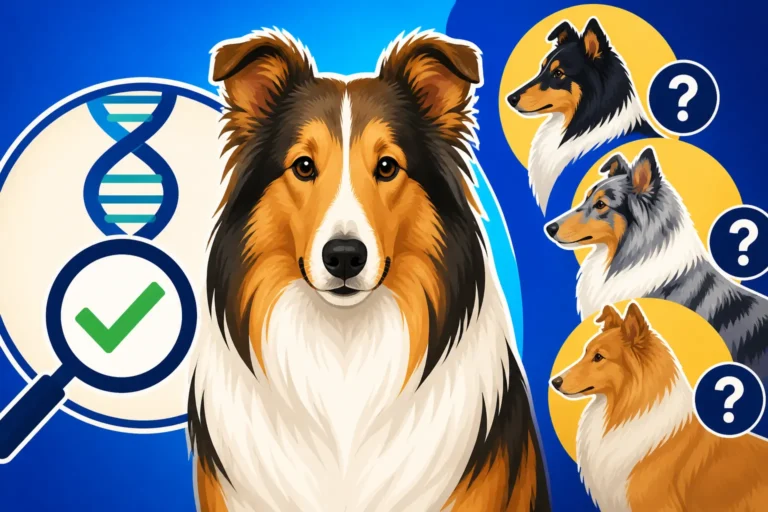
Gray Collie Syndrome, also known as Cyclic Neutropenia, isn't just a cosmetic trait; it's a serious genetic disorder that profoundly affects a Collie's immune system. Unlike healthy puppies who grow and develop robust immunity, GCS puppies are born with a compromised ability to fight off infections from day one. This condition is an autosomal recessive genetic disorder, meaning a puppy must inherit a copy of the defective gene from both parents to be affected. If you're wondering about the genetic aspect, learning Whether Both Collie Parents Must Carry Cyclic Neutropenia is crucial.
What Cyclic Neutropenia Does to a Collie Puppy's Body
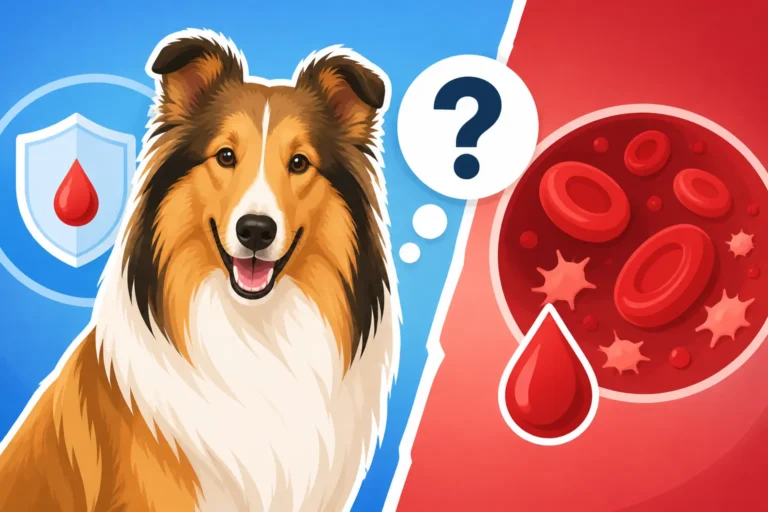
At its heart, Cyclic Neutropenia means that the body's production of neutrophils – a critical type of white blood cell responsible for combating bacterial and fungal infections – fluctuates dramatically. Instead of a steady, healthy supply, GCS puppies experience cyclical dips every 10-12 days, where their neutrophil count plummets to dangerously low levels. This period of severe neutropenia lasts for a few days before their bone marrow ramps up production again, only for the cycle to repeat.
During these neutropenic phases, the puppy's immune system is virtually non-existent, leaving them incredibly vulnerable. This isn't just a minor sniffle risk; it means even common bacteria or viruses that a healthy puppy would shrug off can become life-threatening infections, leading to severe illness, sepsis, and often, death. Understanding What Cyclic Neutropenia Does to a Collie Puppy is fundamental to grasping their challenges.
Why Gray Collies Are Silver
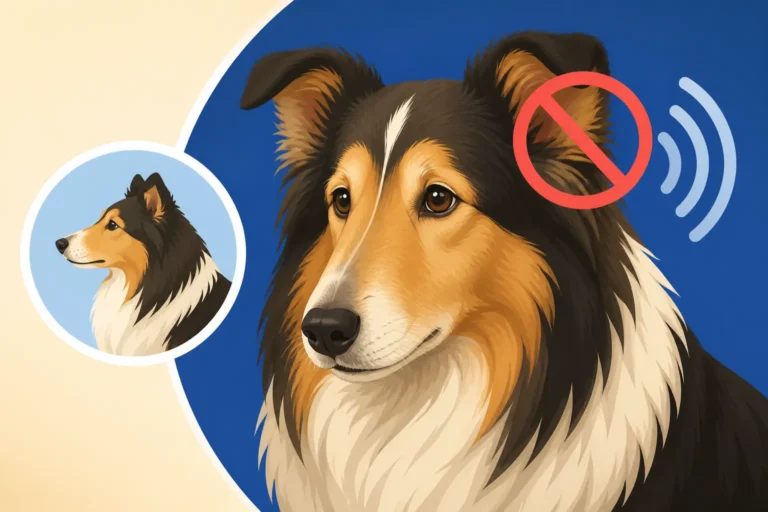
The distinctive silver-gray coat color and often pinkish or lavender nose leather in GCS puppies are direct manifestations of the same genetic defect that causes their immune problems. This isn't just a coincidence; the gene responsible for GCS also influences pigment distribution. When a puppy is born with GCS, they typically present with this striking silver hue, which can sometimes be confused with a blue merle, but it's distinctly different. The term "gray" in Gray Collie Syndrome isn't just a descriptor; it's a visual cue to a systemic health issue. For more insight, you can read about Why Gray Collie Syndrome Puppies Are Silver. It’s a sad irony that their unique beauty is a marker of such a serious health condition.
The Early Growth and Development Challenges
When we talk about whether a Gray Collie Syndrome puppy grows normally, the simple, heartbreaking answer is often no, not in the typical sense. Their early months are a constant battle against infections and developmental hurdles that healthy puppies never encounter. It's a journey filled with vigilant monitoring, frequent vet visits, and immense emotional strain for their owners.
Physical Development and Growth Rate
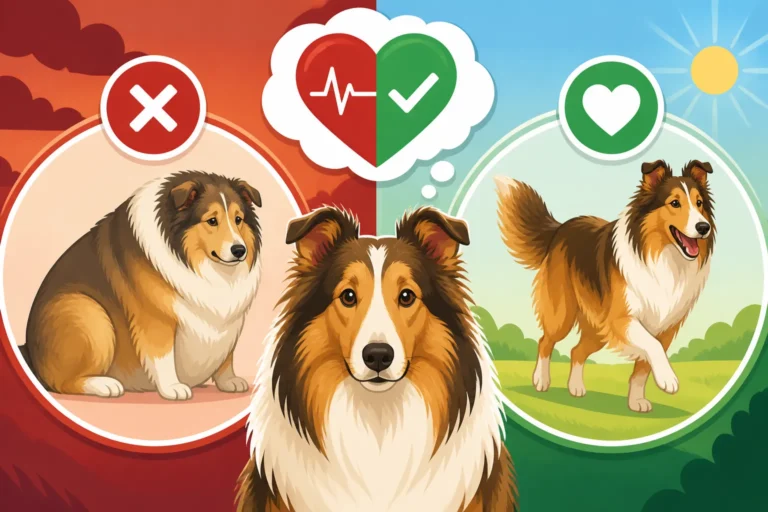
While a GCS puppy might technically grow in size, their overall physical development is frequently stunted or delayed compared to their healthy littermates. Chronic infections, periods of severe illness, and the body's constant struggle to fight off pathogens divert vital energy and resources away from normal growth processes. Instead of gaining weight steadily and exhibiting robust puppy energy, they might experience:
- Failure to thrive: They may be smaller, weaker, and less active than expected for their age.
- Poor appetite: Illness often leads to a lack of interest in food, making it difficult for them to get the nutrition needed for growth.
- Recurrent fevers and lethargy: These symptoms are common during neutropenic cycles, leading to periods where the puppy is too sick to play, eat, or develop normally.
- Delayed milestones: Things like weaning, solid food introduction, and even basic puppy training might be slowed down due to their health issues.
It's not uncommon for a GCS puppy to spend a significant portion of its early life battling one infection after another, making consistent, healthy growth almost impossible. Their little bodies are working overtime just to survive.
Immune System Vulnerabilities and Infection Frequency
The most profound impact on a GCS puppy's growth and well-being comes from their compromised immune system. The cyclical nature of their neutropenia means they face recurring waves of extreme vulnerability. During these "lows," they are susceptible to a wide range of opportunistic infections, including:
- Respiratory infections: Pneumonia is a common and dangerous foe.
- Gastrointestinal issues: Severe diarrhea and vomiting can lead to dehydration and malnutrition.
- Skin infections: Simple cuts or scrapes can quickly become serious, widespread infections.
- Oral problems: Gum disease and other mouth infections are prevalent.
- Joint pain and lameness: Infections can localize in joints, causing pain and hindering mobility.
These frequent infections don't just make them sick; they demand intensive medical intervention, including strong antibiotics, intravenous fluids, and sometimes hospitalization. Each bout of illness is a setback, draining their energy, delaying their development, and making it harder for them to recover fully. It's a vicious cycle that profoundly impacts their ability to grow normally. If you want to know How Often a Cyclic Neutropenia Collie Gets Infections, it's sadly very frequent without careful management.
Here's a comparison of typical Collie puppy growth versus a GCS Collie puppy's potential trajectory:
| Development Aspect | Healthy Collie Puppy (Typical) | Gray Collie Syndrome Puppy (Potential) |
|---|---|---|
| Weight Gain | Steady, consistent increase, meeting breed standards. | Often slower, inconsistent; periods of weight loss due to illness. |
| Energy Levels | High, playful, inquisitive, runs and jumps frequently. | Variable; periods of severe lethargy, reduced activity during neutropenic cycles. |
| Appetite | Robust, eager eater; consistent food intake. | Fluctuates drastically with health status; often poor during illness. |
| Immune Response | Robust, fights off common pathogens effectively. | Severely compromised; recurrent, severe infections. |
| Major Milestones | Achieves weaning, house-training, socialization timely. | Often delayed due to illness, requiring extra patience and care. |
| Overall Robustness | Strong, resilient, quick recovery from minor ailments. | Fragile, prone to complications; slower, more challenging recovery periods. |
Long-Term Development and Life with Gray Collie Syndrome
The challenges for a Gray Collie Syndrome puppy don't simply end after their puppyhood. While some may stabilize somewhat with dedicated care, GCS is a lifelong condition that requires continuous management. Owners often face the heartbreaking question of Whether a Gray Collie Syndrome Puppy Survives, and unfortunately, the prognosis is guarded. Many GCS puppies do not live to adulthood, and those who do typically have a significantly shortened lifespan compared to healthy Collies.
Lifespan and Quality of Life
The average lifespan of a GCS Collie is dramatically reduced, often only a few months to two or three years, though some individuals, with exceptional care, might live slightly longer. This isn't a condition that usually resolves itself; it's a chronic battle. The quality of life for these dogs is entirely dependent on the intensity of medical intervention and the owner's ability to provide a sterile, low-stress environment.
For a GCS Collie to maintain a reasonable quality of life, they need:
- Strict infection control: Meticulous hygiene, limiting exposure to other animals and public spaces, and prompt treatment of any suspected infection.
- Consistent veterinary care: Regular check-ups, blood work to monitor neutrophil counts, and immediate attention for any signs of illness.
- Medication management: This can include daily antibiotics during vulnerable periods, immune stimulants like Neupogen (filgrastim) to boost neutrophil production, and pain relief.
- Nutritional support: High-quality, easily digestible food, and sometimes supplements to bolster their strength.
Even with the most dedicated care, these dogs often experience chronic pain, recurring infections, and the emotional toll of frequent vet visits and medical procedures. It's a demanding commitment for any owner, both financially and emotionally. Pet insurance, such as a plan from Healthy Paws, can be incredibly helpful in managing the substantial veterinary costs associated with chronic conditions like GCS, though it's important to check policy specifics regarding pre-existing conditions.
Neurological and Behavioral Aspects
While the primary impact of GCS is on the immune system, the constant cycles of illness and inflammation can indirectly affect a Collie's neurological development and behavior. Dogs suffering from chronic health issues may exhibit:
- Developmental delays: Repeated illness can slow down cognitive development, making learning new commands or house-training more challenging.
- Increased anxiety or fear: Frequent vet visits, painful procedures, and feeling unwell can understandably lead to a dog being more timid, anxious, or fearful around strangers or in new environments.
- Lethargy and reduced play drive: A GCS Collie might simply not have the energy or robust health to engage in typical puppy play or enjoy long walks, impacting their socialization and mental stimulation.
- Resource guarding: In some cases, chronic pain or discomfort can lead to protective behaviors around food, toys, or resting spots.
It's vital for owners to understand that these behavioral issues are often a direct consequence of their underlying health struggles, not a reflection of poor temperament. Patience, gentle training methods, and creating a stable, predictable environment are crucial. You might find guidance in articles like Whether a Collie Needs a Predictable Routine to help manage their stress.
Supporting a Gray Collie Syndrome Collie's Health and Happiness
Caring for a GCS Collie is a monumental task, but with commitment, it is possible to provide them with a life of comfort and love. It requires a proactive approach to their health and a deep understanding of their unique needs.
Partnering with Your Veterinarian
Having an experienced and compassionate veterinary team is non-negotiable for a GCS Collie. Your vet will become your most important ally, guiding you through treatment protocols and helping you make informed decisions. Key aspects of this partnership include:
- Early diagnosis: If you suspect GCS, immediate blood work to check neutrophil counts and genetic testing for What the Collie DNA Health Panel Covers are critical for an accurate diagnosis.
- Proactive management: This involves regular blood tests to track neutrophil cycles, prophylactic antibiotics during low periods, and immediate intervention at the first sign of infection.
- Emergency preparedness: GCS Collies can decline rapidly. Knowing the signs of a crisis and having an emergency plan with your vet is crucial. Understanding How Fast Bloat Kills a Collie, while a different condition, highlights the importance of rapid emergency response for any acute crisis.
- Open communication: Don't hesitate to ask questions, discuss concerns, and seek second opinions if needed. Your vet can also help you understand the impact of potential co-occurring conditions, such as those mentioned in The Drug List That Can Kill a Collie, which are critical for Collies in general, but especially those with compromised health.
Home Care and Environmental Considerations
The home environment plays a critical role in minimizing infection risk for a GCS Collie. Every effort should be made to create a clean, safe, and low-stress sanctuary:
- Hygiene: Frequent cleaning of bedding, food bowls, and living spaces is essential. Consider using pet-safe disinfectants.
- Limited exposure: Minimize contact with unvaccinated animals, dog parks, and crowded public spaces. When outdoors, stick to familiar, clean areas.
- Temperature regulation: GCS Collies can be sensitive to extreme temperatures due to their compromised state. Ensure they are comfortable, whether it's a cooling mat in summer or a cozy bed in winter.
- Mental stimulation: Despite physical limitations, mental enrichment is vital. Puzzle toys, gentle training sessions, and quiet companionship can keep their minds active.
- Monitoring for pain: Collies are often stoic, and Whether a Collie Hides Pain is a real concern. Watch for subtle changes in behavior, appetite, or posture that might indicate discomfort.
Financial and Emotional Realities
The cost of caring for a GCS Collie can be substantial, encompassing frequent vet visits, specialized medications, and potential emergency treatments. This is where pet insurance providers like Healthy Paws can be a lifeline, helping to offset the financial burden and allow owners to focus on their dog's care without constantly worrying about the bill. It's wise to investigate Whether Pet Insurance Is Worth It on a Collie, especially with a GCS diagnosis, and understand what policies might cover chronic conditions. Having an emergency fund in place is also a good idea, as What a Collie's Emergency Visit Costs can be shocking.
Beyond the financial aspect, the emotional toll can be immense. Loving a GCS Collie means navigating constant uncertainty, dealing with repeated illnesses, and ultimately, facing a potentially shortened time together. Support groups for owners of special needs dogs can provide invaluable emotional support and practical advice. While GCS puppies may not grow "normally," the love and dedication they receive can help them grow into cherished family members, even if their journey is challenging and too brief.
Disclaimer
The information provided in this article is for educational purposes only and should not be considered a substitute for professional veterinary advice. Always consult with a qualified veterinarian for any health concerns or before making any decisions about your pet's medical care.